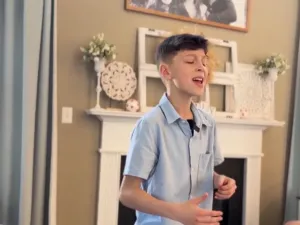
Entering your twenties is an exciting time filled with endless opportunities. Whether you’re advised to experiment and enjoy life or focus on career growth, this period is universally recognized as a time to make mistakes and learn from them. Embracing your youth with an open mind and a willingness to grow can set a strong foundation for a successful future. 
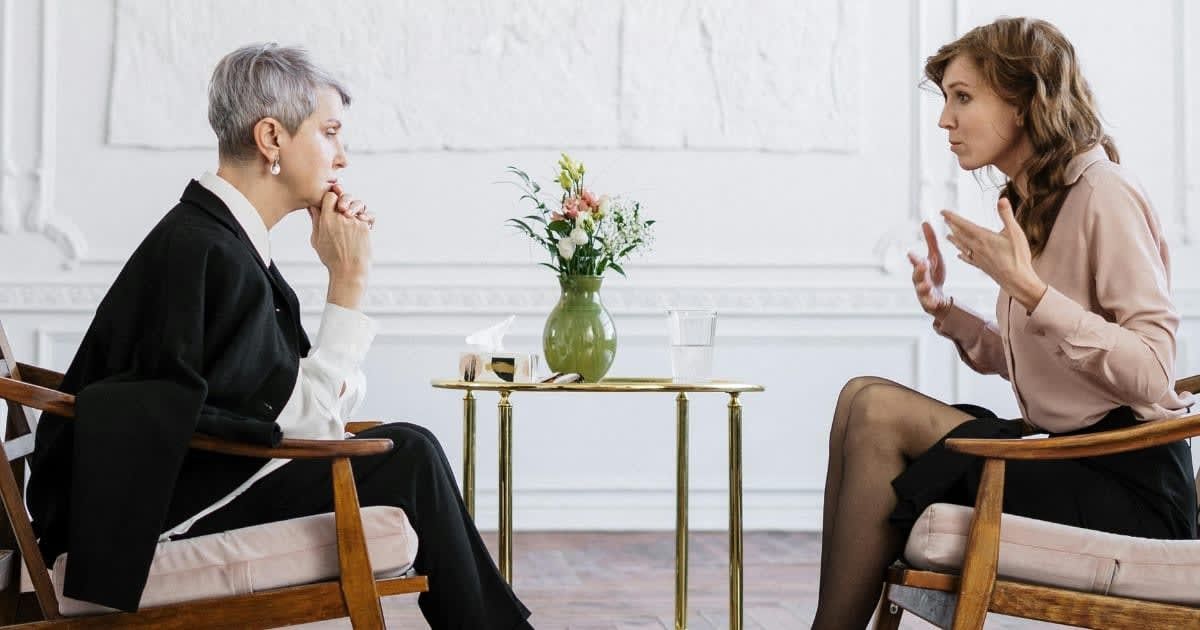
R
Representative Image Source: Pexels I Photo by Cottonbro Studio

In a Reddit post, user u/Kitchen_Body_7998 asked, “What’s the one piece of advice you wish you had received at 20 that would have made your life easier?” The responses poured in, and we’ve compiled 20 of the best life-changing tips for you. 

In a Reddit post by u/Kitchen_Body_7998, the user asked other fellow Redditors a simple question, “What’s the one piece of advice you wish you had received at 20 that would have made your life easier?” People have flooded the comments section with their take on the matter. We’ve compiled 20 of the best life-changing tips for you. 

1. Observe what not to do 

“Don’t just learn the right things from the right people; some of the best lessons in life come from observing what not to do from the wrong people.” –u/SoIdierOfGod “Cautionary tales don’t work for me, but watching somebody’s bad decisions unfold in real time was enough to spook me into being more responsible.” –u/CrabbyFatty-Babe


via GIPHY


2. Play to your strengths

“Being ‘smart’ does not mean you’ll thrive in scientific learning and work. Play to your strengths, not your expectations.” – u/Ilmarinen999. “I didn’t know how this screw me over. I was always the ‘smart one’ and destined for great and big things…so that screwed up my expectations big time. I’m smart, I’m owe! – my thinking. People forgot to tell me that I still had to work hard and play to my strengths. That my ‘smarts’ would maybe ease my path but it wasn’t enough to get me to my destination. It was just a piece of the bigger puzzle.”- u/Kaizen321.

3. It is all about mindset

“That there is no point in your life where you don’t have stress, problems, struggles. It’s all a matter of mindset and how you deal with it that makes it easier.”- u/RavingSquirrel11. “You have to be strong and figure it out. I know people that are confronted with a problem and say screw it and go drink a beer. They can’t hang and when the shit hits the fan one day: lose power for days, UFO invasion, or civil unrest they are the first to freak out and shut down. ( I do know that little bottle will run your life).”- u/Therex1282.
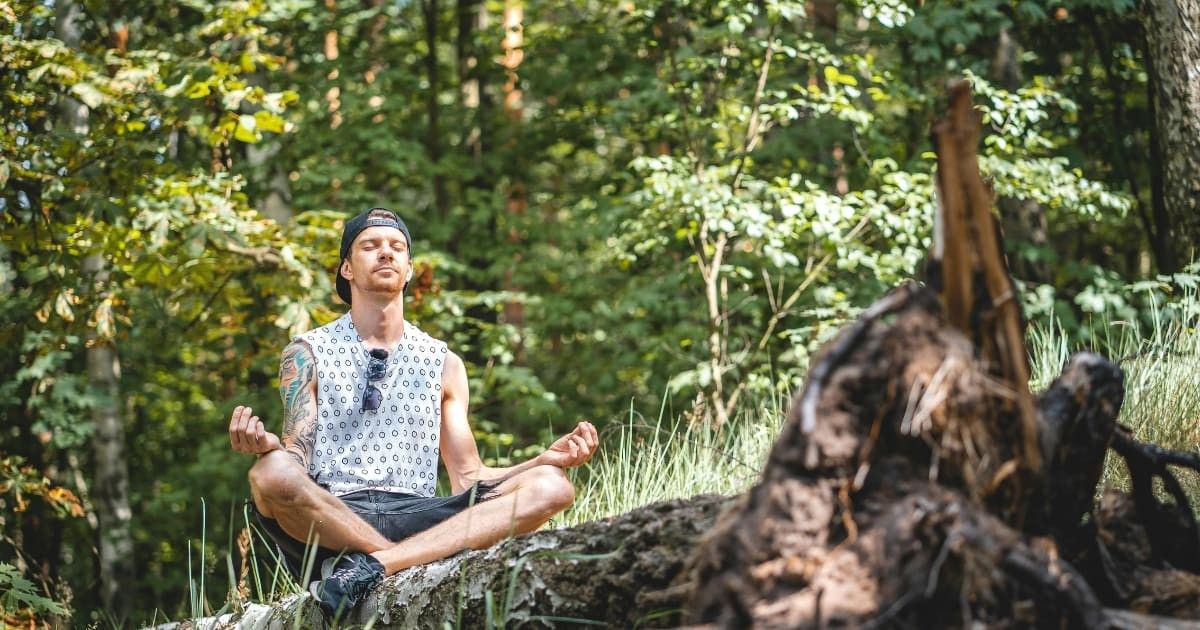
Representative Image Source: Pexels I Photo by  Maik Kleinert
Representative Image Source: Pexels I Photo by Maik Kleinert

4. Don’t be afraid to be alone

“Don’t be afraid of being alone, better than living with someone who makes you crazy.” – u/DeathToCockRoaches. “I always am reminded of that tragic quote from Robin Williams – ‘I always thought that the worst thing in life would be to end up alone, but it’s not. It’s to end up with people who make you feel like you’re alone.’”- u/NapoleonTroubadour


via GIPHY


5. Learn to cook

“Learn to cook a few decent meals now—instant noodles and takeout will lose their charm after the 300th time.” – u/Anxious_Garden9696. “I recently learned how to cook at 22; it brought me solace and joy after getting dumped. Psychologically, it gave me a sense of achievement and self-esteem. Plus, ladies love a man who can cook. I know one thing: my kids will go to school with lunches made with love.”- u/Ok_Address_4819.
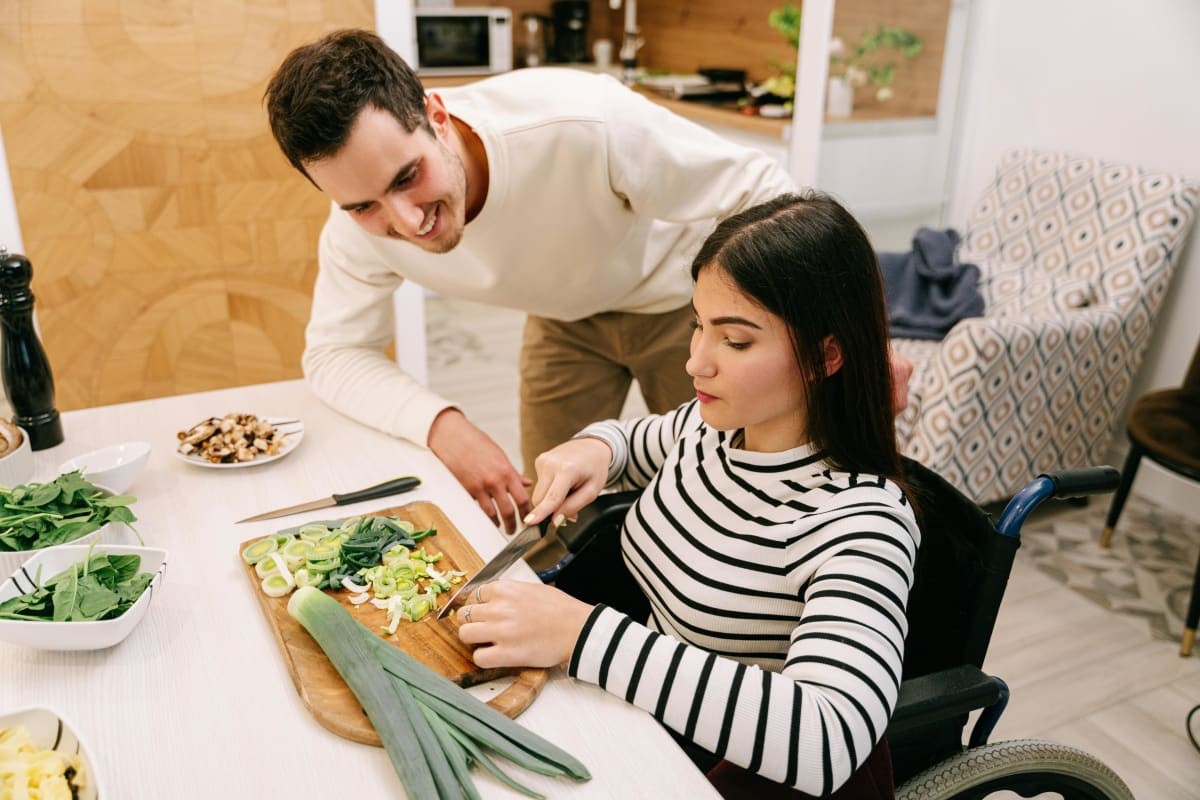
Representative Image Source: Pexels | ivan samkov
Representative Image Source: Pexels | Ivan Samkov

6. Don’t let people dictate your happiness 

“Don’t let your happiness depend solely on someone else.” – u/Angelical_Asian. “No one is responsible for it but you. Please don’t pass that responsibility onto someone else may they be family, or even kids (if you have or thinking of having any).”- u/Kaizen321.

Representative Image Source: Pexels | mattycphoto
Representative Image Source: Pexels | Mattycphoto

7. Mental health is important

“Your mental health is just as important as your physical health. If you need a mental health day…take it. Money comes back, but pushing yourself until you mentally break will catch up to you.” – u/GTOdriver04. “Learning where the line is is important though I haven’t had a day off since Good Friday and didn’t realize how bad I needed the break until I didn’t have to go to work today and slept until 7 pm (I work the night shift but still need to do the basic life stuff).”- u/Arxieos


via GIPHY


8. Be your own support

“Be the best wingman to your future self. Don’t want to put that shirt away now? Do it as a favor for your future self. Not interested in organizing documents? Do it because you love your future self and want him to succeed.”- u/80085rus. “I don’t think you’re thinking of a wingman… you’re kind of thinking of being the best butler to yourself, but that’s also an awesome goal.”- u/CausticSofa.


via GIPHY


9. Finding the right partner

“The single most important decision in your life is who you pick as a partner. Your life partner can either be the teammate who helps you succeed or the person who destroys what you spent your life building. Choose wisely and use your head and your heart.”- u/just-got-it. “Trust your instincts. If you have doubts about the person you’re with or your compatibility, listen to that voice. Better to go slow and get it right. Finding a partner is not a race.” –u/HornyVikingMN.


via GIPHY


10. Treat yourself well

“Don’t be too stingy and treat yourself every once in a while.”- u/Fischli01. “You got that right. There are a lot of things I want but then do I need them? Also what I do every week at work is I throw a few bills in my work locker and forget about it. I have about $700 in there and didn’t even feel that pinch but instead of buying lunch here and there I just put that money I would have spent into my locker.”- u/Therex1282.

Representative Image Source: Pexels I Photo by Nina Uhlikova

11. Do things on your own

“Start doing things on your own sooner you’ll enjoy it regardless of whether you go with someone or not.”- u/spikewolf123. “It took till almost my 30th birthday before I took a solo trip. Can confirm. Stop waiting for participation and buy-in.. just do the dang thing.”-u/Low_Goose_5675.


via GIPHY


12. Start investing

“Start investing now. Every dollar helps.”-u/merelyadoptedthedark. “Don’t spend all your money on gadgets and gizmos. Future you will desperately need that cash for rent, coffee, and the occasional adulting meltdown (real advice).”- u/MaleficentLine4081

Representative Image Source: Pexels I Photo by Andrea Piacquadio

13. Give your best look

“Always look your best! Wake up and glam up. Even if you’re just going to the post office. Most people are very superficial and it will take you far.” – u/Harbinger347. “So true! I do the same whenever I can, also just feels good and makes for a nice routine.”-u/Kitchen_Body_7998.


via GIPHY


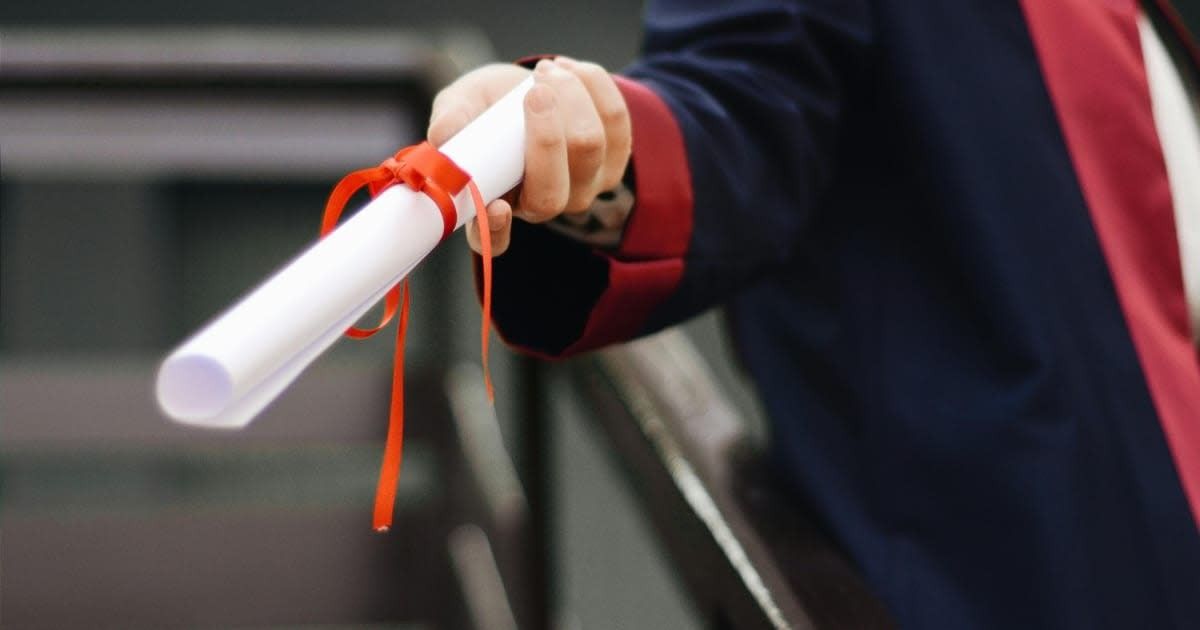
14. Graduate with a degree as soon as possible

“Graduate from college ASAP (I would have been in for two years at that point) and start earning money!”- u/Squarebody7987. “That the college you graduate from matters when getting your first job and your first job more/less sets the trajectory of your career.” –u/FancySplit5459
Representative Image Source: Pexels I Photo by  Gül Işık
Representative Image Source: Pexels I Photo by Gül Işık

15.  Save money

“Save and save early. Getting a paycheck is not an opportunity to buy the things you always wanted. It’s an opportunity to put as much money away as possible as a gift to future you.” – u/uninsane. “Save at least $50 from every paycheck. More if you can. Don’t buy useless stuff.” –u/Free-Industry701.


via GIPHY


16. Prioritize yourself

“I wish someone had told me to prioritize self-care and not to underestimate its importance amidst the hustle of early adulthood. Balancing work, relationships, and personal well-being is crucial for long-term happiness and success.” – u/your_digitalGF. “Take your health seriously now when you have the time and energy and your time now would be easier.”-u/Rollingpumpkin69

17. Sleep peacefully

“Sort out why you snore so badly–your sleep won’t improve otherwise. That fatigue you feel every goddamn day isn’t all in your head, metaphorically speaking.” – u/douglasg610.


via GIPHY


18. Start journaling

“If you don’t journal, start. If you ever hit a point in life where you’re wondering, ‘How’d I get here,’ those old entries become invaluable references.” – u/shimmzchanga.

19. Choose happiness over money

“Seek happiness over money, don’t get into debt if you can help it, don’t compare yourself to others, you’re on your own timeline.” – u/Jakehardy95.

Representative Image Source: Pexels | budgeron bach
Representative Image Source: Pexels | Photo by Budgeron Bach

20. Rely on simple fashion

“No fads. No fad beauty routines. No fad products. No fad fast fashion. You’ll just end up with a bunch of useless shit around your apartment and most is not refundable. In other words, simplify your life/routine.” – u/Hot_Tumbleweed_5807

via GIPHY


  • How to be grateful to someone – even when you really don’t want to
    Photo credit: Focus Pixel Art/Moment via Getty Images – At times, feeling personally grateful to someone can feel like a big ask – but there are other forms of gratitude.
    ,

    How to be grateful to someone – even when you really don’t want to

    A change in perspective can make gratitude easier.

    There are few greater feelings than the sense of heartfelt gratitude to another human being who has done you a solid. Sincere thanks and reciprocation are part of the glue that binds us in human relationships.

    But sometimes you’re just not feeling it. You know that you have benefited from what someone has done for you, but you don’t really feel grateful to them for doing it. Most teenagers go through this period with their parents. Maybe you take your partner or colleague for granted.

    For me, 14 years ago, it was my mother-in-law. She had upended her life to move from South Dakota to California to live with my wife and me to assist with childcare after our daughter was born; no other source of childcare fit with our demanding work schedules and my commute. She made a huge sacrifice that transformed our lives, but there were moments when I really struggled to feel grateful.

    Since that time, I’ve come to devote much of my research as a philosopher to studying how the way that we interpret each other as people shapes our relationships. That work has helped me to understand why I struggled to be grateful – and taught me a little bit about how to do better.

    Personal gratitude

    I’ve found that the hardest part of feeling grateful to someone is the “to” part. It is one thing to be impersonally grateful that something happened and another thing to be personally grateful to someone for doing it. These are not the same.

    Both forms of gratitude require seeing something as a benefit. And they both require a humble recognition of how easily things could have been otherwise. When the rain ends a drought, an atheist can feel grateful that the tomatoes will survive. But the atheist isn’t grateful “to” anyone for the rain.

    A line of around a dozen men wearing white sarongs stand in waist-high water, holding their hands up in prayer.
    Priests offer prayers to Varuna, the Hindu god of rain, as they stand in the Osman Sagar on the outskirts of Hyderabad, India, on July 16, 2013. AP Photo/Mahesh Kumar A

    Personal gratitude requires more than impersonal gratitude. It is an example of what the philosopher Peter Strawson calls a “participant” attitude: an attitude that we have toward people, but not toward things. And a large theme in my work is that participant attitudes such as gratitude involve giving someone credit for what the attitude responds to.

    But which benefits we give people credit for is complicated. As philosophers such as Tony Manela have argued, actions motivated primarily by money, self-interest or insecurity don’t merit personal gratitude, even when they benefit you. Actions motivated by love, generosity or concern, on the other hand – or other “pro-social” motives – do.

    Sometimes people fail to feel gratitude because they take someone for granted, not noticing how easily they could have done otherwise. This wasn’t my problem with my mother-in-law. It was obvious that she didn’t have to move across the country to live with us.

    But it was hard to avoid noticing that she had always wanted to live in California. Sometimes it is hard to feel grateful because of how we interpret someone’s motives. They could have done otherwise, but we don’t think their action was really “about us.”

    Bad motives are easy to find

    Sometimes ungenerous motives can help people to be generous. Your child’s kindergarten teacher isn’t a volunteer. They may be a naturally generous person – but still, they probably wouldn’t be working with your child on spelling, arithmetic and handling adversity if they weren’t getting a paycheck.

    It’s still appropriate to be grateful to them. Their financial incentive to show up for work enables their generosity, rather than competing with it.

    A row of young children sit on the floor, clapping, as they face a seated teacher in a striped yellow shirt.
    Your child’s teacher might be generous, but their job enables them to act on that generosity every day. svetikd/E+ via Getty Images

    Elementary school teachers are not alone. After all, people’s decisions are often driven by many factors: some that merit gratitude and others that don’t. So if you go looking for selfish motives, you are bound to find some.

    Take your partner, for example. They do something that benefits you: buying you flowers, filling your tank with gas or finally taking their turn to wash the dishes. They are partly motivated by generosity, love or communal spirit. But, as in any close relationship, sometimes they may be hoping to get something out of it: reciprocation, maybe, or getting you off their back.

    It matters which of these you interpret as their “true” motive: Seeing it one way opens you up to gratitude, while the other precludes it.

    What are ‘true’ motives?

    The distinction between someone’s “true” motive and the other motives that enable it looks like the distinction between causes and enabling conditions. For example, when you drop a wine glass, the fragility of the glass enables the drop to cause the break, but it isn’t itself a cause of the break – the drop is.

    In the case of the falling glass, there’s a clear, objective answer to what caused the break and what merely enabled it. But I believe that relating to people is deeply different than understanding physical things.

    The key question in whether to be grateful to someone isn’t about which motives count as “causes.” It is about which cause we need to bring into focus in order to see the other person more clearly for who they are.

    See it their way

    In other words, it’s at least partly a matter of perspective. If someone does you a favor, but you know they’re hoping for something in return, you can see that as their “true” motive. But you don’t have to see it that way. Instead, you could see that motive as the condition they need for their generosity to thrive.

    Shifting perspectives isn’t easy. When you’re doubting someone’s motives, their lack of generosity can feel obvious. But it helps to remember that people tend to believe they’re acting generously. If you want to respond with gratitude, try seeing them as they see themselves.

    What if that doesn’t work?

    Well, the next best thing to being grateful to someone is being grateful for them. Starting there is a good way to remind yourself of why you value this relations

    This article originally appeared on The Conversation. You can read it here.

  • Men were stunned when asked the same types of career questions women regularly face
    Photo credit: Canva – Uncomfortable man gets questions women often face during a job interview.

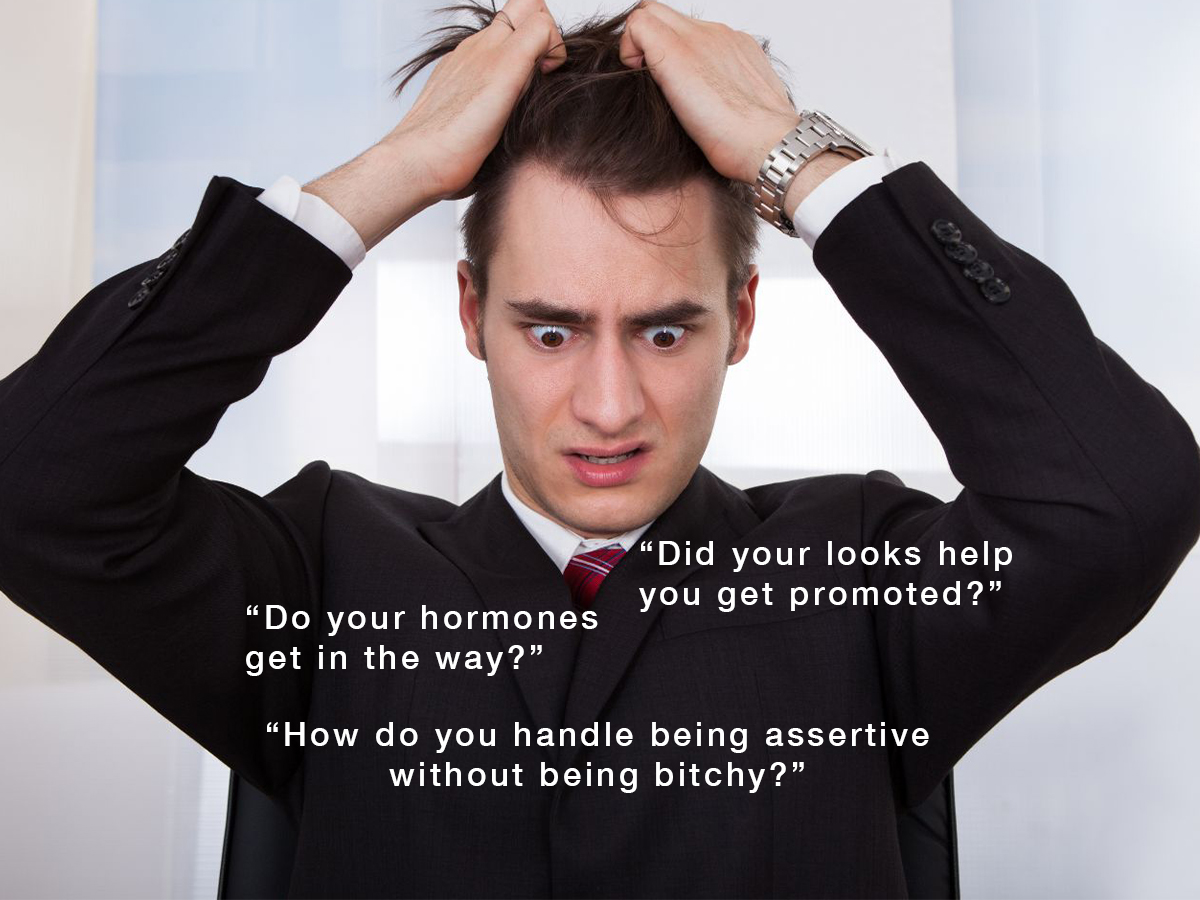
    “How much do you think your looks helped you get promoted to your position?” Unfortunately for many women, this isn’t a shocking question. Interviews, performance reviews, and typical professional interactions can reveal a double standard and workplace bias.

    In a social-experiment-style reel by lifestyle creator @bol.lifestyle, these questions were instead asked of men. Their discomfort and disbelief reveal why the standards women face regarding credibility are impossible to ignore.

    An experiment to reveal a double standard

    In the video, men are placed in an interview-style setup and asked a series of questions. Hearing these skewed questions for the first time, their expressions shift quickly from curious to confused and uncomfortable.

    Host: Have you ever been asked to just smile and look pretty or smile and say nothing in a meeting with a customer?

    One man appears somewhat shocked and uncomfortable. He quickly responds, almost dismissive at even being asked the question, “No.”

    Host: Do you think that your looks helped you getting promoted or moving up to your current position?

    Another man reflects and appears unable to answer the question.

    Host: Looking so good. By the way, I do love the shoes. Are these designer or your particular brand that you really like?

    A third man awkwardly smiles and vents some air, almost as if the ridiculous question doesn’t feel fitting at all. He doesn’t answer.

    Host: Do your hormones sometimes get in the way?

    A fourth man responds, “Hormones?” He awkwardly laughs and adds, “I don’t, I don’t know.”

    Host: Do you sometimes wonder whether you’ve been chosen for this position because you’re a man?

    Man 2 responds definitively, “No, not because I was a man.”

    Host: How do you handle in your job being assertive without being perceived as aggressive or bitchy?

    Man 1 tilts his head back and reflects on the question. “That’s uh, that’s a question that I find it very hard to relate to.” He then adds, “Because it’s not a situation I’ve been in.”

    women, career questions, role reversal, double standards
    Many microphones are held in front of a man.
    Photo credit Canva

    Real questions women face

    After this first series of questions, the video presents titles claiming: These were real questions asked to our female leaders throughout their careers.

    The host goes on to ask the men how they feel about this particular line of questioning. Their response is predictable.

    “It really, really, really feels uncomfortable. And I also feel it in my body,” said Man 3.

    “When hearing these things still happen, it makes me also feel that, hey, maybe I am more privileged than I thought I was,” added Man 1.

    At the end of the interview, the men seemed a little upset and surprised by the double standard. They collectively hoped for change, and some suggested they themselves were responsible for helping things get better.

    change, equality, career advancement, bias
    A man writes the word “change.”
    Photo credit Canva

    People advocate for change

    People seemed to really respond to the video. With over 6,000 comments, there was a consensus confirming the experience and advocating for change.

    “Men, our male privilege is real. How we use it is up to us, and hopefully we use it to protect and improve the experience of the women in our workplace.”

    “If you have sons, please prepare them to improve the way the world treats women.”

    “The man that felt it in his body… welcome to the life of a woman”

    “Perhaps the greatest privilege is never having to notice your own privilege.”

    “Oh my God. I have heard ALL of these questions. And more.”

    “Well done. We have to show a different way and we can do it with grace! We have to do it different.”

    “It’s not what we perceive , it’s what is .”

    “THIS experiment should be undertaken in workplaces all over the world…”

    perspective shift, workplace culture, office bias, normalized
    Women and men working together.
    Photo credit Canva

    It’s not about finger-pointing

    It can be easy to get lost in finger-pointing. Although at times the comments might feel like a pile-on, the success of the video lies in its simple setup. It takes a familiar experience and shifts the perspective so that people might hear it a little differently.

    Certain assumptions or expectations can become so normalized that people, maybe mostly men, stop noticing them altogether. Is it possible for workplace conversations to be more thoughtful, fair, and aware than they have been or, in some circumstances, still are?

    The intent of the video seemed less about provoking a fight. It demonstrated that some basic reflection and small shifts of awareness can lead to better experiences for everyone. There’s a familiar proverb that comes to mind: walk a mile in my shoes. These men seemed to gain some real perspective from the opportunity.

  • Young boy struggles through painful stutter until his singing videos change everything 
    Photo credit: WQAD News 8/YouTube – Lando sings.
    ,

    Young boy struggles through painful stutter until his singing videos change everything 

    “One kids courage to show up, speak up, and sing his voice free.”

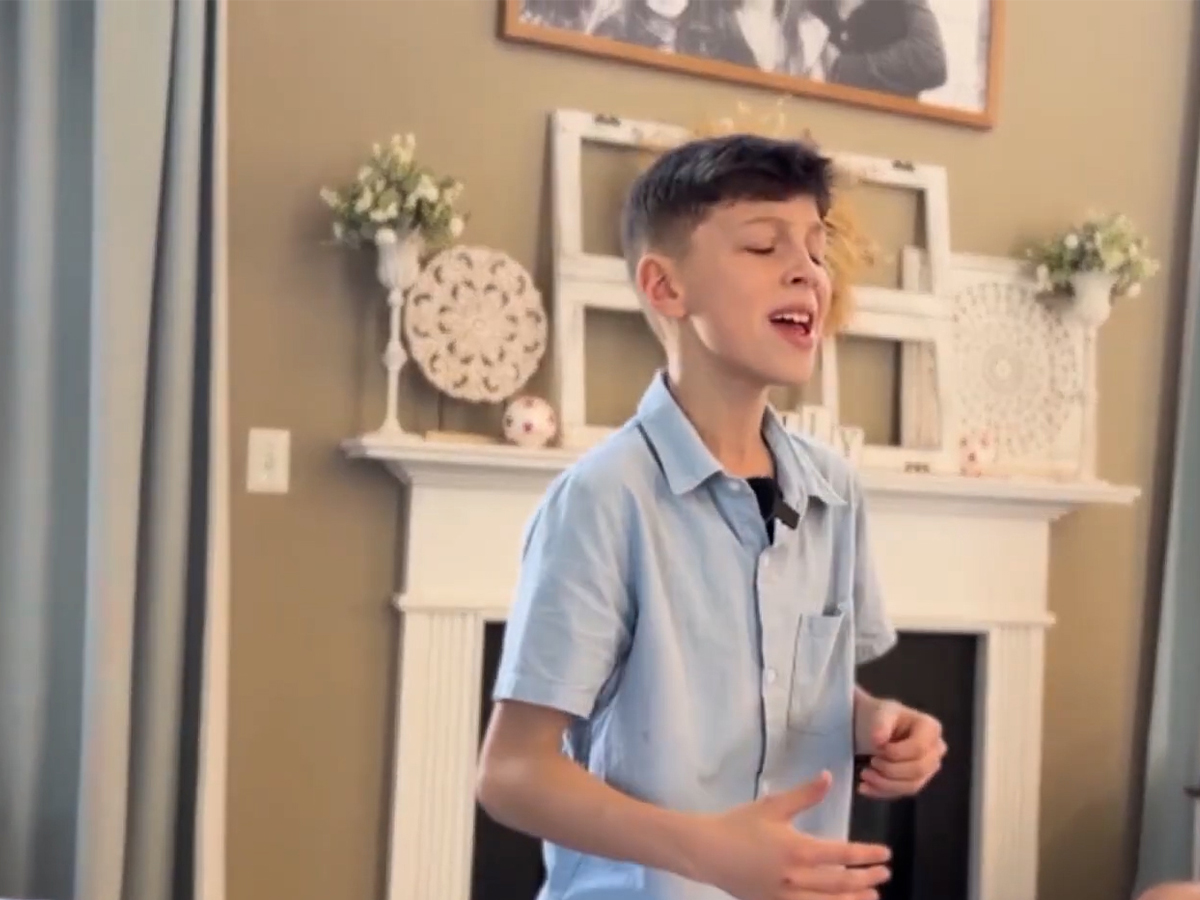
    A boy named Lando is gaining attention online after people started sharing and liking the two very different kinds of videos he creates. In one, he candidly speaks with a severe stutter. In the other, he sings smoothly, without the same pauses and repetitions that appear when he talks.

    Perhaps it’s the dramatic contrast that has people liking and clicking. For whatever reason, as Lando shares on his website, #stutterfreelando, he’s created an awareness movement around stuttering “born from one kid’s courage to show up, speak up, and sing his voice free.”

    The young entertainer is easy to like

    Finding a young person navigating his speech difficulties so charismatically and confidently is admirable. He’s not wavering under the spotlight. He’s shining.

    His family shares about their experience and the methods they’ve found helpful with his stutter on their website:

    “This is a family journey. We’re one of millions of families around the world navigating stuttering to learn what works, what doesn’t, and figuring it out as we go. Some of what we share helps Lando. Some might not. We’re learning that every stutterer is different. No more hiding.”

    Facing a severe stutter can be more complicated than practicing with a speech therapist.

    “Traditional therapy hasn’t given us the breakthroughs we need. Therapists are trying. We are trying. But we refuse to sit quietly and hope it clicks. So we built this, a movement where our family shares what we’re learning out loud. Real strategies. Real techniques. Lando’s good days and the hard ones. Not a highlight reel. Not a gofund me. Real life.”

    It feels good to join a winning team

    After watching any of his videos, it’s clear why so many people keep coming back.

    In one clip, Lando talks about reaching 50,000 followers on Instagram and an upcoming interview with a local news outlet. The message expressed with gratitude and happiness is simple, but it takes time for him to get there. That process draws people in.

    “Congratulations on your followers, add one more”

    “Great work buddy!”

    “Ah Lando, I’m really enjoying your videos”

    “That excitement is so cute! I love how supportive everyone has been!”

    “Great job little man keep it going. You inspire a lot of people with the same problem.”

    “thankyou for sharing, your super cool.”

    Singing allows his words to come out in a continuous flow

    The difference isn’t subtle. In speech, words can stall and be difficult to get out. In song, they move by the rhythm that reduces stops. These are some of the comments you can find on just one of his singing videos posted above:

    “GOD BLESS YOU LANDO!!!!! YOU ARE ABSOLUTELY AMAZING!!!!!”

    “The eyebrows at the end was fire.”

    “You are an inspiration”

    “Brilliant buddy”

    “… sounding smooth.”

    “Lando with the great voice!!!”

    “Now … this kid has charisma!!!”

    A courageous little showman

    Lando’s videos stand out not just for singing or stuttering, but because both are available, openly shared, without one being hidden or edited out of view. There’s no attempt to turn it all into a single narrative of struggle or success. Instead, what people see is a boy using his voice as it is.

    There is something instinctive about the way people rally around a kid like Lando. Sharing the hard parts and the moments that come more easily gives everyone a clear way to respond. Cheering him on, leaving a positive comment, or even just watching and listening allows each of us to take a small part in that effort.

    It’s less about celebrating the win and more about recognizing the work and the courage to keep going. Lando is talking and singing it out loud.

Explore More Ideas Stories

Ideas

How to be grateful to someone – even when you really don’t want to

Impact

Men were stunned when asked the same types of career questions women regularly face

Voices

Young boy struggles through painful stutter until his singing videos change everything 

Ideas

Homeowners swear by this simple ice cold hack that thoroughly makes your toilets cleaner