Karina Ortiz watched from home Tuesday as the Senate made a move that could stand in the way of her dreams and the dreams of other illegal immigrant students like her. The 19-year-old Cal Poly Pomona philosophy major witnessed Republicans block passage of the DREAM Act, which would give thousands of illegal immigrants a path to citizenship under certain conditions.
Presumptive Mayor-elect Vincent C. Gray held a long-awaited summit with Chancellor Michelle A. Rhee on Thursday but said that his 90 minutes with the outspoken schools leader, who actively campaigned against him in a rancorous Democratic primary, hewed strictly to education issues and did not address her future in the job.
The number of New York City elementary and middle school students who failed to move on to the next grade skyrocketed this school year, as weak students faced a higher bar on state tests and the broadening of the city’s tough promotion policy.
Stagnant scientific education imperils U.S. economic leadership, says a report by leading business and science figures. Released Thursday at a congressional briefing attended by senators and Congress members of both parties, the report updates a 2005 science education report that led to moves to double federal research funding.
If you’re reading this, then your media feed, like mine, is probably full of cats.
That’s hardly surprising. The internet has always belonged to cats, which suits me just fine: I love cats and live with four of them.
But in one of the classes I’ve taught, Cats: Why We Love Them, I explain how our affection for the house cat, Felis silvestris catus, is a relatively recent phenomenon in the scope of human history. In many parts of the world, cats were viewed with suspicionand subjected to terrible mistreatment.
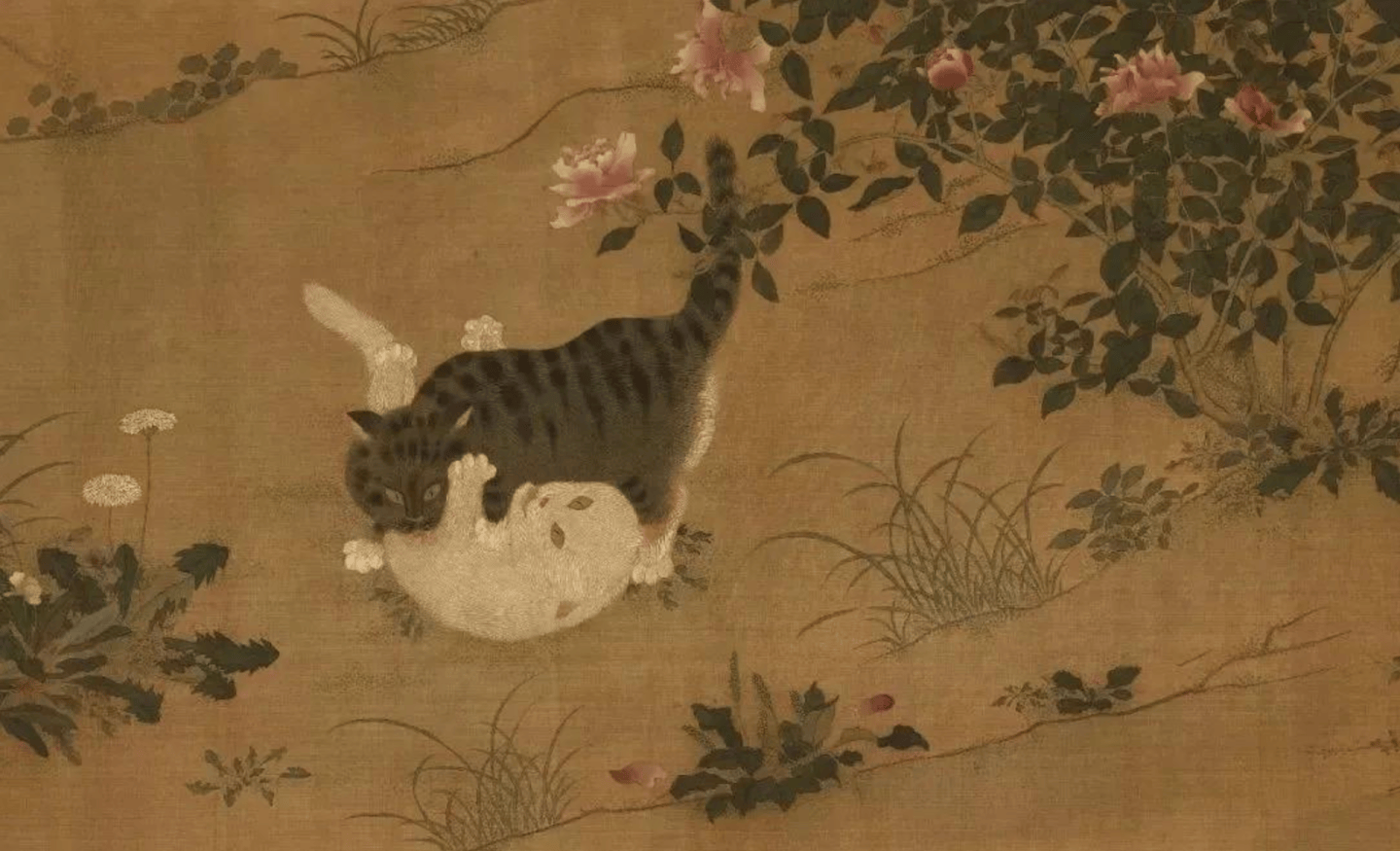
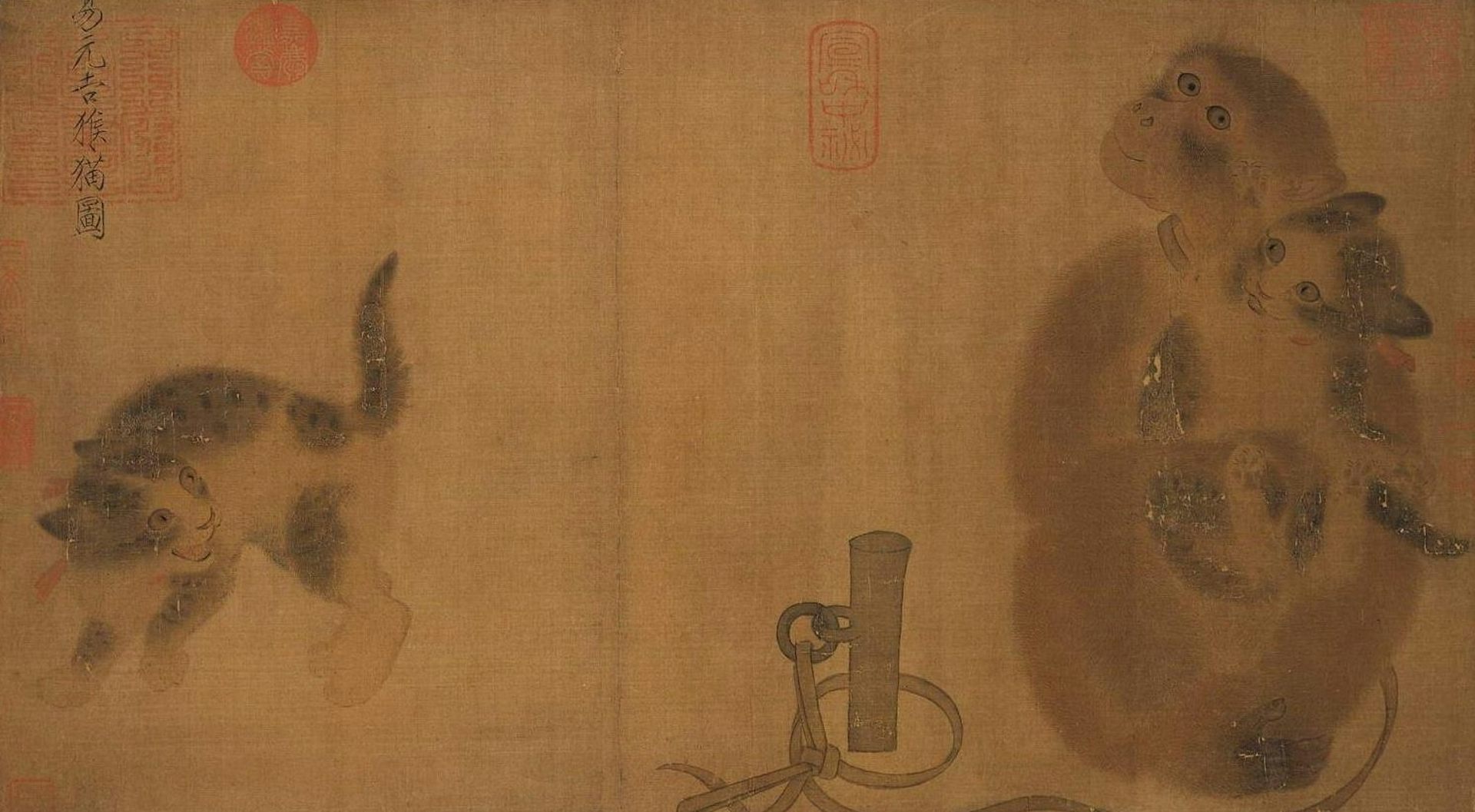
Of course, the ancient Egyptians loved cats – this can be seen in sculptures, paintings and even mummified cat remains. Meanwhile, premodern poets, writers and artists were among the first to wonder about the inner lives of cats – and to explore how caring for them might expand our capacity for empathy.
One of the earliest literary accounts of a cat is the ninth-century poem “Pangur Bán,” written by an unnamed Irish monk. In the poem, he describes the parallels between his devotion to hunting for meaning in the texts he is studying and the cat’s devotion to hunting mice.
What’s interesting about the poem is how the anonymous poet sees the cat as possessing qualities that resemble human qualities – and, in doing so, implicitly suggests that cats have dignity much like human dignity.
The monk does not set himself above the cat in some great hierarchy of life, but instead places himself alongside the cat as peers in their dedicated practices.
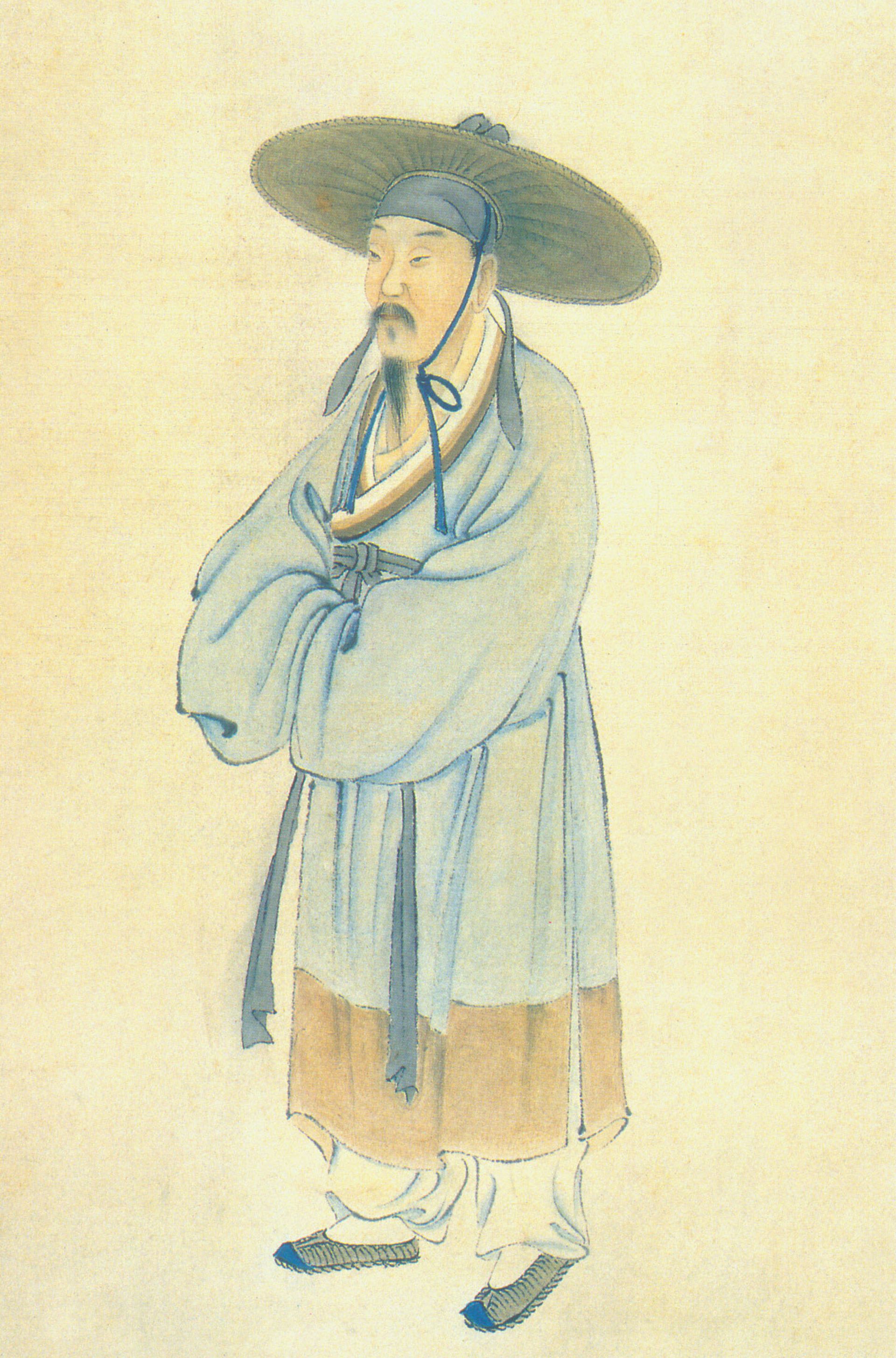
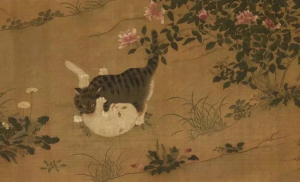
In the 12th century, the Chinese poet Lu You composed over 9,000 poems. A handful were about his cats, and of these, three are entitled “Zeng mao,” or “Presented to My Cat.” It’s not clear if the poems are all about the same cat, as Lu had more than one cat over his lifetime.
In Chinese literature, poems that include the term “zeng” – “to present” – are often sent to acquaintances as a form of literary exchange. Prior to Lu, there’s no literary evidence that anyone had addressed a poem to a cat.
In the first poem, Lu begins by explaining that he acquired a cat to protect his library from vermin. Looking around his home, he feels embarrassed by his lack of success in life:
I’m ashamed that I’m poor and my achievements few,
When you’re cold there’s no rug, when I feed you there’s no fish.
In the second of these poems, a longer eight-line poem, the poet accuses his cat of poor feline behavior familiar even today:
You frequently get drunk from catnip,
You commandeer the blanket every night.
But he follows with praise for the cat’s achievements:
Deeds of the mousehole – just now recounted,
Rewards of fish morsels – how could these be omitted?
He ends by naming the cat:
Still, I should give you a name,
I’ll call you “Little Tiger.”
Lu chooses a name that probably was given to countless cats in premodern China. But by ending the poem with the act of naming, he is emphasizing how this cat is an individual to him, known to him by this name and none other.
Poet and cat, late in life
The relationship that Lu depicts between cat and human will be familiar to anyone who has fought with their cat over who gets the blanket or wondered what their cat might be thinking.
The third poem, translated here in full, finds the cat late in its life, with its days chasing mice long behind it. Its poignancy is amplified by the fact that Lu composed it in the last year of his own life:
As for catching mice you lack merit, but I never complain,
A ladle of fish and rice will come at the usual time.
Throughout the day I see you sleeping peacefully,
So why am I always coming and going?
Lu sees himself through the bemused eyes of the cat, who’s perhaps wondering why this foolish old man is rushing to and fro, fulfilling goals and seeking praise, when he might just be satisfied with what he already has.
And despite his cat’s indolence, Lu continues to cherish his feline, making sure to regularly serve its dinner. This is significant, given that other premodern Chinese writers viewed cats primarily as vermin-catchers that should be replaced once they outlive their usefulness.
Imagining oneself as a pampered cat will be familiar to those of us who live with cats – a thought-experiment that is tinged with more than a little envy for the capacity to live in the moment, without anxiety over the future.
Lu’s care for his cat affords him the possibility of imagining a nonhuman animal mind. The poet learns something from his cat in the end, as he imagines the world through the cat’s eyes and, in doing so, perhaps finds a measure of solace.
Lu does not speak in the language of what philosophers call moral personhood. He is not reflecting on the broader ethical question of which creatures deserve to be treated with care and respect.
But I argue that his actions nonetheless demonstrate how he treats his cat as somewhat of an equal. This can be seen, not least of all, by how he addresses poems to his cat, an act of social exchange that was heretofore reserved for literary interactions with other human beings.
Personhood – the recognition of an individual as deserving of dignity – is often assumed the sole province of human beings. But philosopher María Puig de la Bellacasa has promoted a worldview that she calls “more than human thinking,” which urges people to broaden their scope of moral concern, and in this way, enlarge human capacities for care and love. The philosopher Lori Gruen similarly conceives of an “entangled empathy,” calling attention to the complex relational intimacies that bind human and nonhuman animals together. They insist that human lives are better when the sphere of care and concern is extended to those creatures with whom human lives are entangled.
Born in the 12th century, Lu You could not be expected to argue for animal rights. But he clearly understands that his cat has claims to happiness, pleasure, comfort and companionship, and that while the cat might see the world differently than he does, that doesn’t diminish its claim to empathy and love.
Assistant Clinical Lecturer in Kinesiology, Nutrition, and Health, Miami University
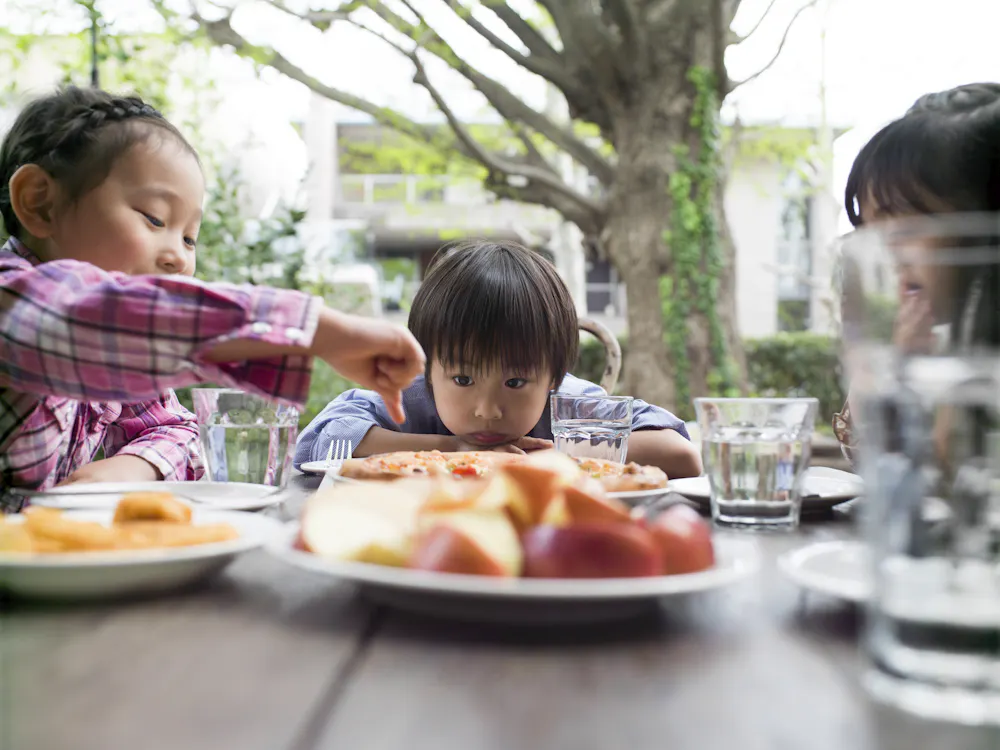
Kids and candy are a classic pairing. From trick-or-treating to Easter baskets, to local parades and birthday parties, it can feel like kids are almost always bringing home another bag of treats. But while these holidays and events may be exciting for kids, they often end with parents dreading what comes next: negotiations around how much candy to consume.
As a registered dietitian and mom of three, I understand the stress that comes with wanting to encourage healthy food choices without removing all the fun of childhood traditions. I also believe the answer to this dilemma may be simpler than the familiar back and forth of “Just one more piece of candy!” and “Haven’t you had enough already?”
Research suggests that by managing the candy inventory less and encouraging more autonomy around sweets, parents can help their kids practice tapping into their hunger and fullness cues, promoting a healthier relationship with food over time.
Making food moral
There is no question that some foods have greater nutritional value than others. A piece of cake – carrot cake included – will never provide the vitamins and minerals of a large garden salad. As a result, people often categorize different foods as “good” or “bad.”
The tendency to place food in two polarizing buckets can affect everything from what foods you purchase at the grocery store to the language you use to describe food. The problem is, “good” and “bad” are moral concepts. When morality is consistently applied to food, a person’s relationship to food can become complicated. Instead of viewing food as fueling, it can become a measuring stick for whether your food choices are something to feel proud of or guilty about.
When a person’s inner monologue about food is preoccupied with whether it is good or bad for their health or diet plan, food choices can become less about enjoyment and more about their willpower to make the “right” decision at the grocery store and at mealtimes. Any guilt or shame that comes from this evaluation can spill over into what foods are served freely at home and which are restricted.
Restriction leads to overeating
The idea of food restriction often sounds punishing. For parents and others who take care of children, food restriction often may simply be an attempt to limit sugary foods and introduce more fruits and vegetables.
But for kids, restricting certain foods may lead them to become preoccupied with those foods. They may be nagged by the knowledge that the foods adults often call “bad” are also the ones that are really delicious. What started as a simple candy rule can continue to influence a child’s relationship to food and eating long after the treats are gone.
Parents often approach food restriction in two different ways. In overt food restriction, kids are aware that their parents or guardians are limiting access to specific foods because they can see it or are told specific foods are off limits. In practice, this might mean the kids know candy is in the house but stored out of reach in the kitchen cupboards. Parents or caregivers who practice covert food restriction, on the other hand, may choose to not buy bags of candy at all in order to encourage more balanced food choices.
Research suggests that overt restriction can unintentionally increase kids’ interest in those restricted food items. That preoccupation may mean the child has a more difficult time listening to their fullness cues when presented with those foods. If bags of candy are usually stored out of reach, it may be tempting to eat more than just a few pieces when access is finally granted – and they may completely ignore any signs that their body is full.
Intuitive eating for kids
Incorporating neutral language about food at mealtimes and encouraging kids to eat according to their own hunger and fullness cues can help them build trust in their bodies and improve family connection at the table. Taking the pressure off finishing all the food on the plate can instead place emphasis on savoring the sensory experience of each bite.
Eating according to internal cues is one part of intuitive eating, which aims to increase a person’s trust in their own body to signal when to start eating and when to stop. Kids can also benefit from this same framework, with some age-appropriate modifications.
The Satter Division of Responsibility in Feeding provides a simple, research-based approach to feeding kids in a way that avoids power struggles between kids and caretakers at the table. Developed by the Ellyn Satter Institute, a nonprofit focused on improving people’s relationship to food, the goal of the framework is to introduce intuitive eating in a kid-friendly way. When providing food through this approach, parents decide when and what food is served, while kids are in charge of deciding what and how much they eat from their plates. The emphasis is on helping kids eat according to their internal cues without pressuring them to eat specific foods.
Candy can be a part of the menu rotation in this feeding framework. Repeatedly exposing kids to a variety of foods, including sugary treats outside of special holidays or events, means no food becomes emphasized for being better or worse than another food – it is all simply food.
This approach can shift the conversation to how different foods affect their bodies in different ways: Some food – like candy – makes them run super fast, some foods grow their muscles, while other foods keep their eyes strong.
Building healthier relationships with food
Regularly using neutral language to describe food and exposing kids to a variety of foods helps reduce the power that sugary treats have over their appetites. This doesn’t mean birthday cake, doughnuts and candy will no longer taste delicious. It simply means children can rest assured they will see their favorite treats again without the added urge to overconsume them.
If you’re interested in exploring how intuitive eating principles could change your child’s or your own relationship with food, here are a few practices you can try at home:
Involve children in menu planning and grocery shopping. Let your kids pick a treat to add to a few meals each week, and serve the treat with the rest of the food on the menu for that day. Presenting all food items at the same time on the plate – versus saving a dessert or treat for after the meal – visually reminds everyone that food does not have to be earned. Rather, each food nourishes their bodies in different ways.
Avoid commenting on what your kids eat. It can be tempting to praise a child when they choose to take a bite of the broccoli you’ve been encouraging for weeks. Praising kids for eating certain foods versus others can create a food hierarchy, leading them to think about food as a way to earn a reward instead of fueling their body.
Challenge your own relationship with food. Do you eat when you are hungry and stop when you are full? Do you restrict your own food cravings as a punishment, or do you struggle to control yourself when eating a treat you love? Kids are always watching, and your own food behaviors often speak louder than words.
Consider letting your kids indulge for a day. In my own family, I don’t limit how much candy my three kids eat on Halloween night. I won’t lie – they usually eat quite a bit. When they mention a stomachache afterward, we talk about how eating a lot of candy can make their bodies feel – without adding judgment. Their interest typically fades over the next few days while we continue to offer a piece of two with meals. Eventually the extras become props for elaborate trick-or-treat pretend play.
One day or evening of holiday eating does not define their health, but fun memories with friends and families can last a lifetime. So let them eat … candy!
William R. Kenan, Jr. Professor of History and Environmental Studies, Amherst College
Federal prosecutors recently described an interstate criminal enterprise with all the trappings of organized crime: clandestine warehouses, money laundering and stolen goods transported across state lines. The mid-September 2026 announcement stated that 19 defendants faced charges; two had just pleaded guilty, while the remainder are slated for trial in April 2027.
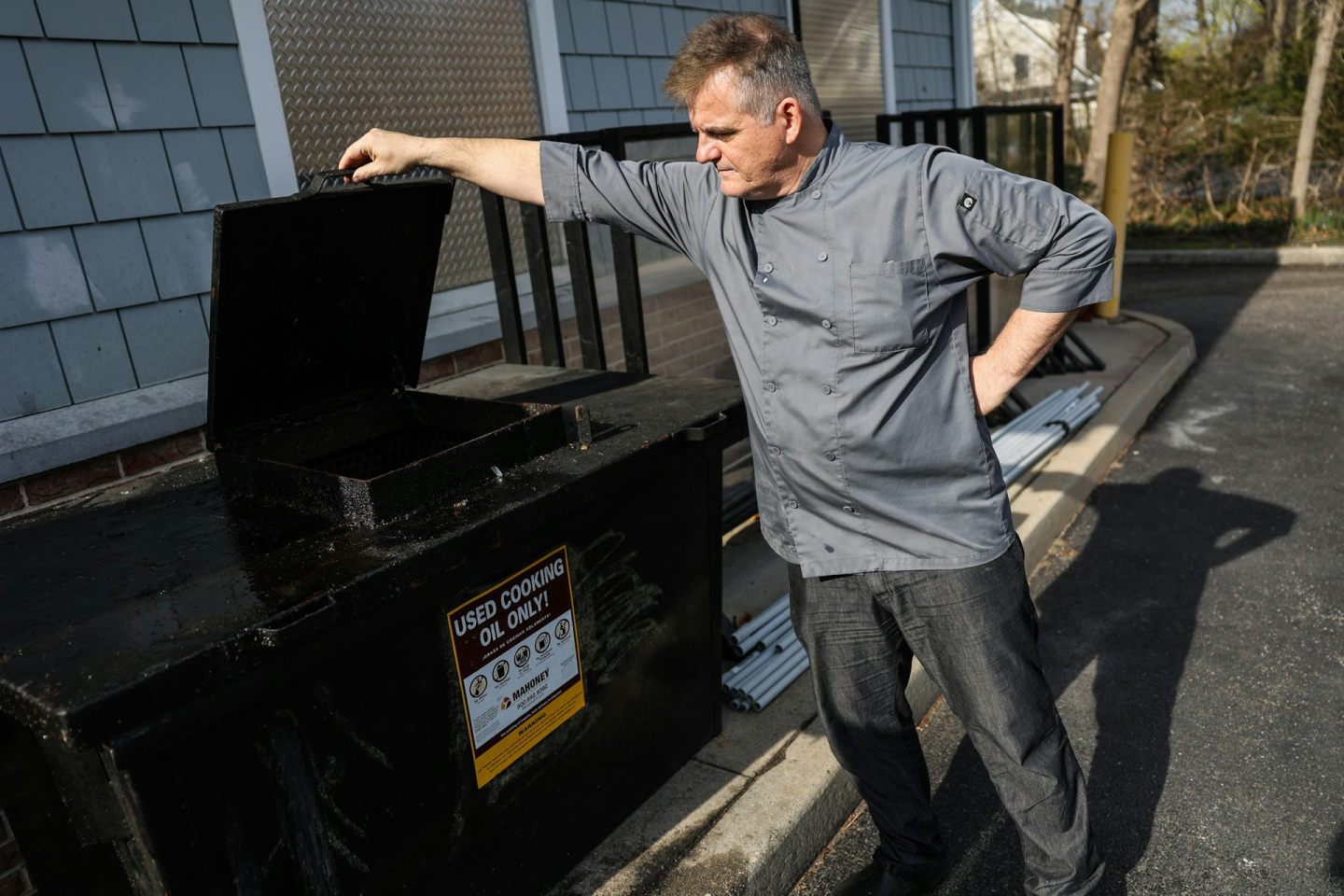
The stolen material was not drugs, guns or jewels. It was leftover cooking oil.
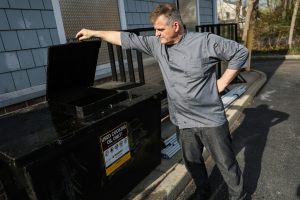
According to prosecutors, members of the group drove trucks to restaurants in 10 states, siphoned used cooking oil from collection tanks and transported it to depots for resale. The alleged motive was simple: Used cooking oil has value. It can be refined into biodiesel. A viscous fluid that the food industry formerly considered garbage has become valuable enough to spur a large-scale criminal operation.
This oil-theft scheme points to a larger lesson. People tend to think of waste as trash, sewage, slag, manure and other seemingly useless or disgusting substances. But historians, anthropologists and geographers increasingly recognize that “waste” is a category defined by humans. Technologies, markets, laws and cultural assumptions all determine what is discarded, what is kept and why. Waste describes a material’s status, not necessarily its substance.
As an environmental historian who studies how societies transform nature into commodities, I am also interested in the other side of the process: how materials classified as waste can be converted back into things of value.
Making matter into ‘waste’
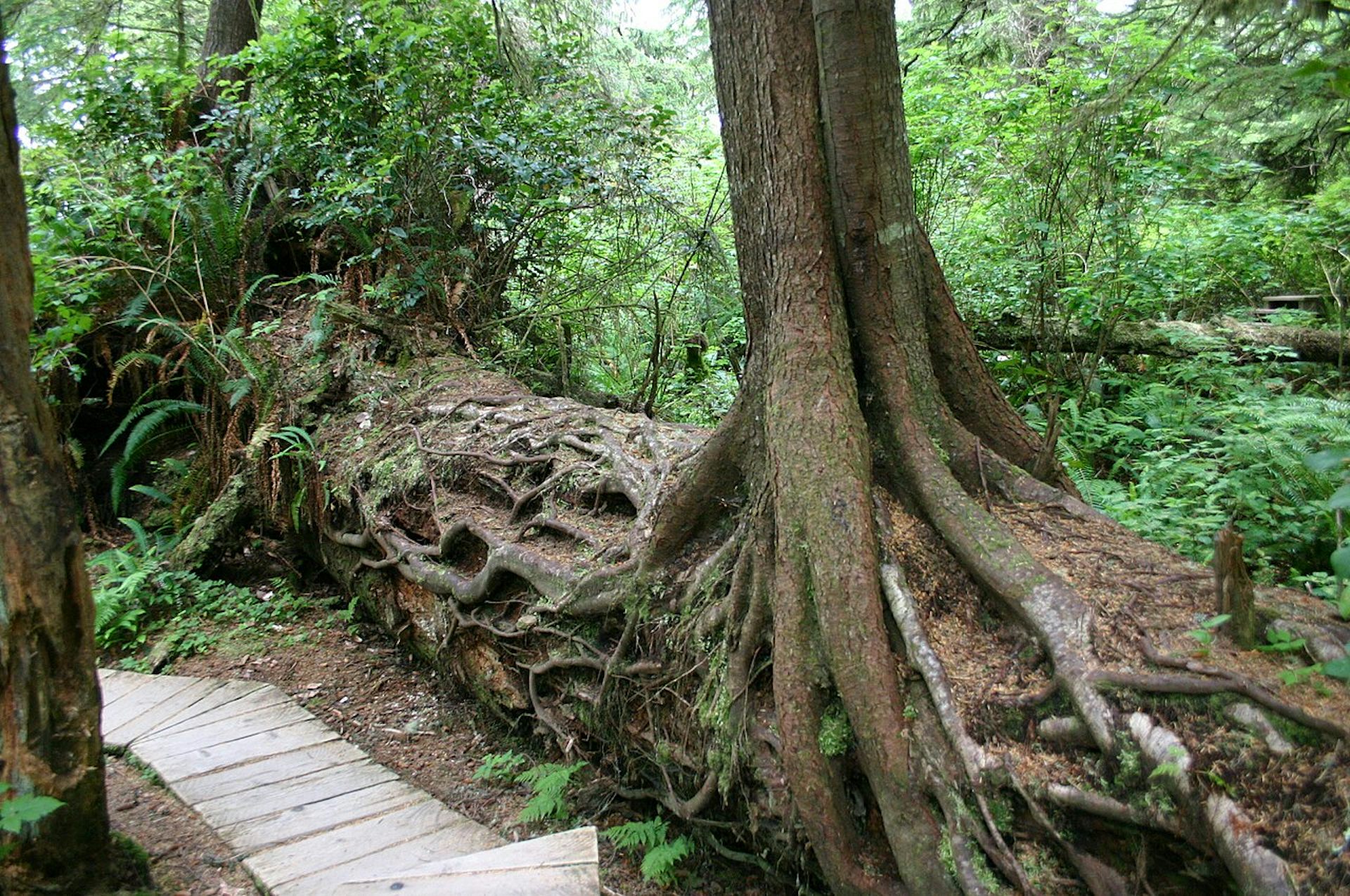
Nothing in nature is wasted. A fallen tree becomes food for fungi and insects, while its nutrients eventually return to the soil or the atmosphere; animal feces feed creatures ranging from bacteria to dung beetles. In ecosystems, one organism’s leftovers routinely provide for another’s needs.
A fallen log serves as a nursery for a new hemlock tree in British Columbia, Canada, hence the nicknames nursery log or nurse log.Wing-Chi Poon, CC BY-SA
Human societies, by contrast, frequently remove unwanted materials from circulation. The question of where those materials go – and whether they remain useless – is part of the history of waste.
Scholars in a growing field called “discard studies” examine this process. Sociologist Zsuzsa Gille describes different “waste regimes,” the ideologies and concepts that people use to determine what’s valuable and what’s disposable.
Calling something “waste” does not mean that its physical properties are irrelevant. A toxic chemical can poison a river. But whether people dump, recycle, store or reprocess that substance – and whether they classify it as waste at all – depends on human decisions.
Industrialization did not invent waste, but it dramatically changed its scale and geography. During the 19th century, factories and processing plants brought raw materials together in unprecedented quantities and consolidated their unwanted residues in the same sites. That concentration created disposal problems. It also generated new incentives to find profitable uses for what industry left behind.
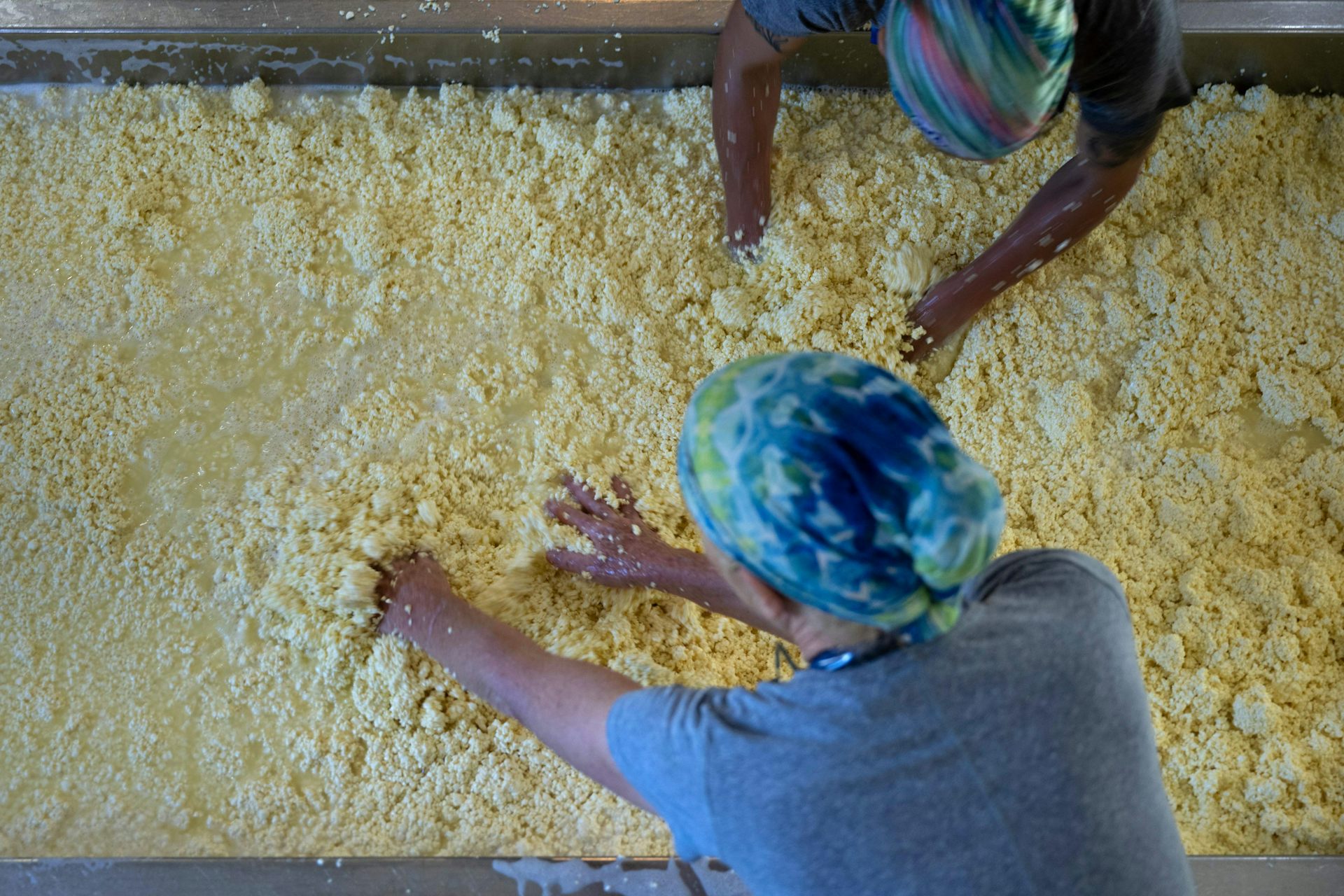
Consider whey. Cheesemaking produces extraordinary quantities of the watery liquid left behind after milk coagulates. For much of the 19th and 20th centuries, cheese manufacturers disposed of the whey as an unwanted residue. Dumped into waterways, whey encourages bacterial and algal growth that depletes oxygen and can damage aquatic ecosystems.
Beginning in the 1970s, ultrafiltration allowed producers to separate and concentrate whey proteins. A troublesome liquid became whey powder, lactose and protein concentrates, all of which can be used in baked goods, infant formula, animal feed and protein supplements.
Coal-fired power plants provide another example. Coal combustion leaves behind fly ash, a fine mineral residue that companies dumped in landfills or stored in enormous ash ponds. In the 1930s, engineers discovered that fly ash could replace a portion of the Portland cement normally used to make concrete. This new application diverted waste from disposal while reducing demand for energy-intensive cement production.
There is much to admire in these transformations. Repurposing leftover materials can reduce pollution, conserve resources and lower the amount of material dumped into landfills or waterways. The ecological ideal of “cradle-to-cradle” design rests on precisely this insight. Just as in nature, the output of one process can become the input of another.
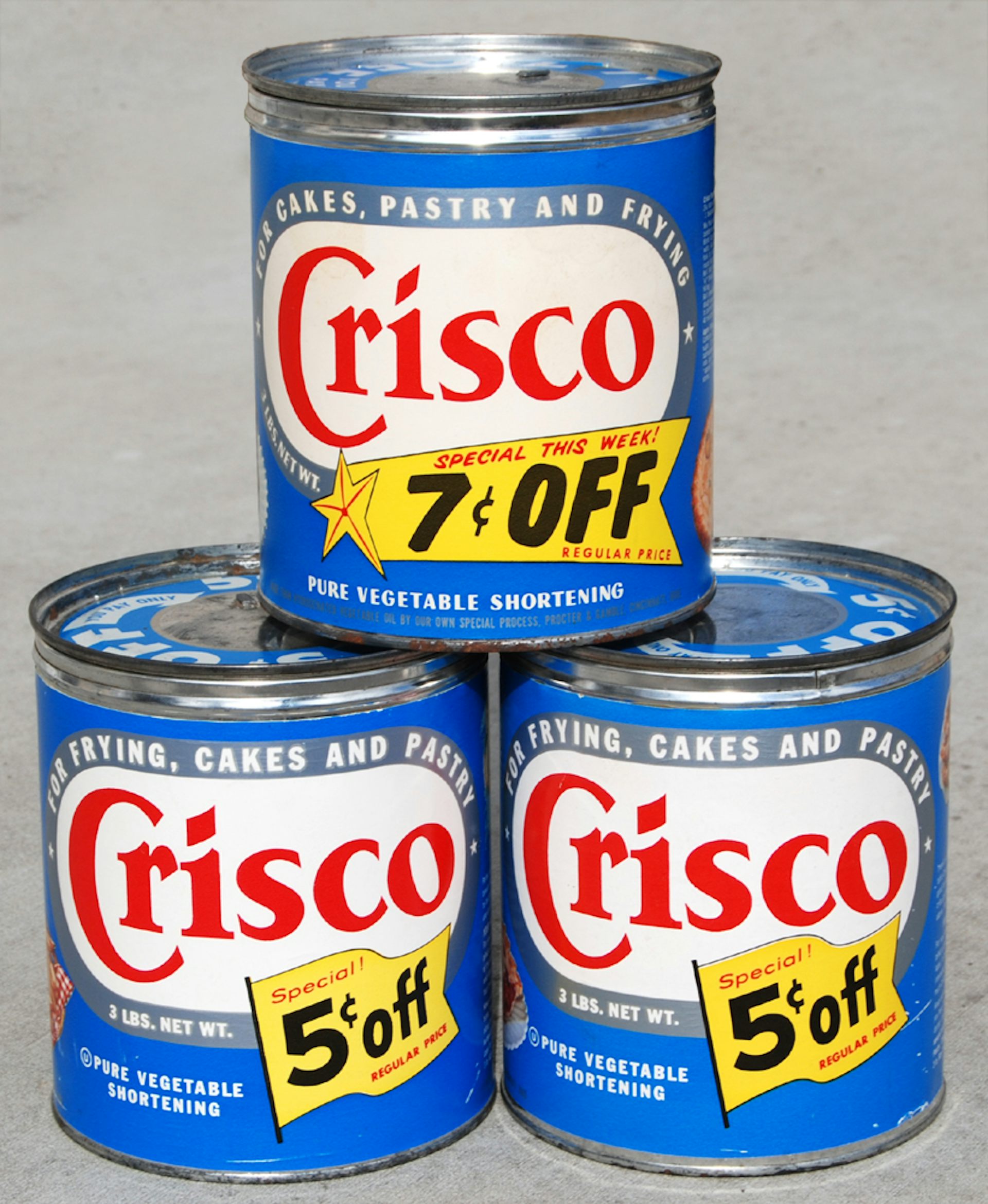
Crisco vegetable shortening was one way to reuse cottonseed oil, a waste product of another industrial process.Roadsidepictures via Flickr, CC BY-NC
When recycling creates new problems
Yet finding a market for waste does not necessarily solve the problems that the waste created in the first place.
Cottonseed provides a striking example. During the 19th century, American cotton growers regarded seeds as an enormous nuisance. Cotton ginning generated mountains of seeds, and many operators simply dumped these unwanted byproducts into nearby waterways, where they accumulated in foul-smelling, decaying masses. The problem became serious enough that Southern states began restricting cottonseed dumping in the mid-1800s.
Then manufacturers learned to crush cottonseed for oil to be used in soap, cooking and as a substitute for animal fats. They turned the remaining material into fertilizer and animal feed. By the late 19th century, something previously seen as garbage had become the foundation of a major new industry.
Cottonseed boosters proclaimed a transformation of waste into wealth. In 1911, entrepreneur Luther A. Ransom celebrated cottonseed’s ability to produce “edible oil without olives; medicinal oil without codfish; butter without cows; ice cream without cream; lard without hogs.”
The problem was not that cottonseed oil was secretly “waste.” It was that industrial processing widened the gap between what manufacturers knew about a product’s origins and composition and what consumers understood about those attributes. Turning a discarded material into a valuable commodity solved one problem while creating another. Consumers increasingly had to trust manufacturers to tell them what they were buying.
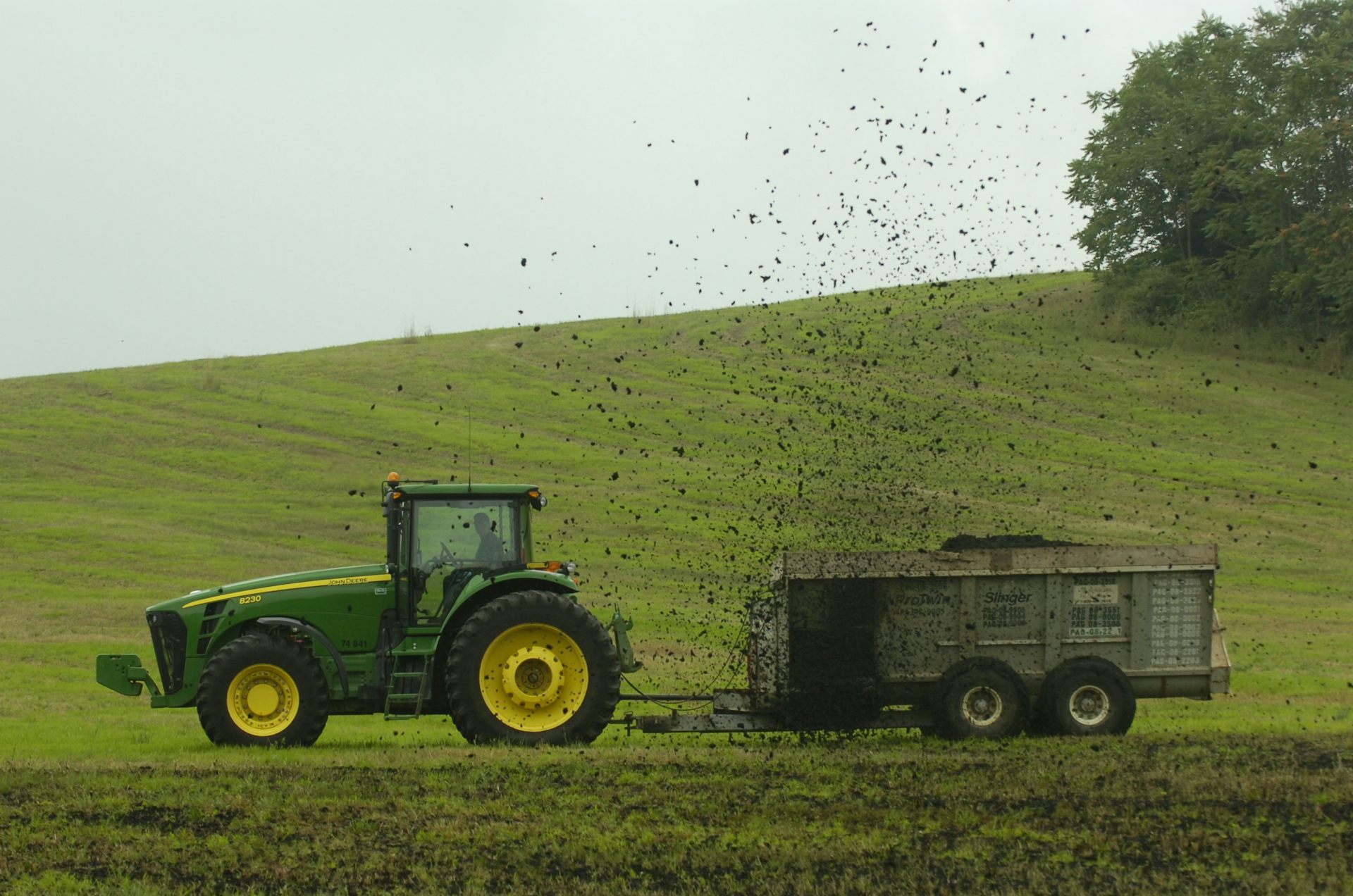
Sewage sludge presents an even sharper dilemma. Wastewater treatment produces nutrient-rich dregs that can be processed into biosolids and spread on farmland, returning nitrogen and phosphorus to soils. But wastewater also carries contaminants. Researchers have found a group of chemicals known as PFAS – persistent and potentially harmful “forever chemicals” more formally known as perfluoroalkyl and polyfluoroalkyl substances – in some sewage sludge. Their presence raises concerns that a system designed to salvage nutrients can also recycle pollutants.
Used cooking oil seems like an almost perfect example of recycling. Refiners turn oil discarded by restaurants and other waste fats into transportation fuel, extracting additional value from crops already grown and oils that have already served their original purpose.
But government policies regarding clean fuel have made some products that carry the label “waste” economically valuable. Because fuels made from used cooking oil can qualify for financial incentives unavailable to some virgin oils, demand has occasionally pushed prices for used oils above those of newly produced vegetable oils.
That creates an unusual temptation: mix cheaper virgin oil into used cooking oil – or simply pass virgin oil off as waste. Researchers and regulators have raised concerns about fraud in the rapidly growing international markets for used cooking oil.
Generating new uses for discarded matter does not eliminate the politics of waste. It can intensify them. Who decides whether something counts as waste? Who profits when something once considered disposable becomes a valuable commodity? And who can verify what a supposedly recycled material actually contains?
Stolen restaurant cooking oil offers an unexpectedly useful way to think about this problem. The fats and oils inside the tank did not physically change when thieves began siphoning them out. What changed was their status and their value.
That transformation captures one of the paradoxes at the heart of the history of waste. Matter is never worthless, but assigning it a price does not necessarily make its environmental and social costs disappear.
Sometimes finding a use for waste solves a disposal problem. Sometimes it merely gives the problem a new price.