Psychologists and personality development coaches often emphasize the importance of facial expressions, body language, and dressing for making a good first impression. But what happens when someone’s resting face and regular outfit cause confusion and trouble for others? A man on Reddit, u/elegantshoshon, shared a post about how he unintentionally created chaos at his girlfriend’s workplace when he arrived to surprise her.
Representative Image Source: Pexels | Los Muertos Crew
The man, standing 5’11″ tall, wore a pink and black striped polo shirt, a grey pea coat, and matching grey jeans. It was a Friday, and with a day off from work, he decided to surprise his girlfriend at her workplace by taking her out for lunch during her break. His girlfriend worked at a large and popular wholesale store known for its hotdogs. She had assured him that he could visit anytime without causing any issues.
When he arrived, the receptionist called the manager, and other employees began to think he was an important official there to fire some of them. “I walked in the front door and walked past the card-checker girl. She did a double-take and asked if I work there. I replied, ‘No, I do not. I am here to see an employee, however’.” He told her the name and department of his girlfriend. “She sheepishly got her radio and said, ‘Management to front entrance; non-emergency’.”
Representative Image Source: Pexels | Mikael Blomkvist
A manager walked towards him with a tablet and he explained again why he was there. She then made a call to his girlfriend on the radio. But the girlfriend was nowhere near the radio. Meanwhile, the employees had started to chatter about him, “I apparently kicked the hornet’s nest and I could hear chatter on other employee’s radios,” he described. The employees wondered who he was. Some of them thought he was an auditor and muttered amongst themselves, “Guys, look busy!” The employees were glancing up at him from every corner, making him feel nervous and embarrassed.
Representative Image Source: Pexels | jep gambardella
At that point, his girlfriend appeared on the scene and heard the commotion happening around. She wrapped up her work and then, they went out to lunch. During lunch, he asked her, “Why there was such a ruckus?” She said that “I dress nicely and I’m very polite which are characteristics of a corporate rep who comes in to fire people.” His girlfriend also told him that his resting face gave the wrong impression to the employees. “I guess I need to smile more,” he wondered.
Representative Image Source: Pexels | pixabay
People came with their different takes on this situation, most of which were super-hilarious. @homewra commented, “Now I’m curious how to dress as nicely to trigger that behavior on random workers… lol!” Another user wrote, “I’m sure all the other employees are going to ask your GF who you are if they saw you two leave together. She should make up a good story for the next time you show up.”
Image Source: Reddit | u/PlatonicOrb
@royal-scale772 recalled an experience, “That’s hilarious. I’ve had similar experiences for the same reasons of my outfit + resting sour face. Externally I look like an authority figure, internally I’m as stern as a golden retriever.” @rickard0 also added his own story, “I drive a silver Crown Vic. The first time I used it to pick up my mom from work, they all thought a police officer came to get her. I am not a police officer.”
Image Source: Pexels|u/SleepyOwl420
Another Redditor, @cdwellsMCMXCVI, shared a similar instance by writing that once his boss was showing him around their new store and the employees mistook him for district manager or higher official. “I was in jeans and a plain blue oxford untucked and sleeves rolled. Looking back I was dressed nicer than some of the district managers I’ve had in the past so I guess I saw her point lol!”
Photo credit: Leigh Prather/Shutterstock.com – Dogs often react with great fear to July 4th celebrations. Border collies such as this dog are especially sensitive to loud noises.
The Fourth of July can be a miserable day for dogs. The fireworks make scaredy-cats out of many canines.
That’s because dogs, like humans, are hardwired to be afraid of sudden, loud noises. It is what keeps them safe. Some dogs, though, take that fear to the extreme with panting, howling, pacing, whining, hiding, trembling and even self-injury or escape. And, unlike humans, they don’t know that the fanfare on the Fourth is not a threat. Dogs hear the fireworks and process it as if their world is under siege.
How a dog responds to noises may be influenced by breed, with German shepherd dogs more likely to pace, while border collies or Australian cattle dogs are more likely to show their fear by hiding.
While we veterinarians don’t know exactly why some dogs are afraid of fireworks and others not, many dogs that react to one noise often react to others. Therefore, early intervention and treatment are essential in protecting the welfare of these terrified dogs. Here’s how you can protect your dog from fireworks.
Take your pet to the vet. If your dog is afraid of fireworks, the first step is to have your veterinarian evaluate him or her, especially if your dog’s noise sensitivity is relatively new. One 2018 study found a link between pain and noise sensitivities in older dogs, indicating that muscle tension or sudden movements in response to a loud noise may aggravate a tender area on the body and thus create an association between the loud noise and pain, causing fear of that particular noise to develop or escalate.
Create a “safe haven” in your home with a secure door or gate, preferably away from outside windows or doors. Close the blinds or curtains to reduce outside noises, and play some classical music to help reduce stress by creating a relaxing environment for your dog during the show. A white noise machine or box fan may also help reduce anxiety, along with a pheromone like Adaptil sprayed on bedding, a bandanna, a collar or from a diffuser plugged into the wall.
Consider noise-canceling headphones such as Mutt Muffs to muffle the sounds and further reduce noise sensitivities.
Find a food your pet will love. This could be cut pieces of boiled chicken or squeeze cheese. Sit with your pet and feed him with each boom. You can also use a long-lasting food-dispensing or puzzle toy to release food continuously during the show. This is to help your dog make a positive association with the noises for the future.
Consider anxiety wraps, fabric wraps that exert a gentle pressure on your dog’s body. These may help to lower heart rate and other clinical signs of fear and anxiety, operating on the belief that they swaddle a scared animal and thus calm its fears. These work best, however, in conjunction with a complete behavior treatment plan including medication or behavior modification, or both.
When it comes to comforting your dog, the jury is still out. It is difficult, however, to reinforce an emotional response with comfort. Therefore, it is OK to pet your dog when frightened by a noise event so long as the dog appears to be comforted and not more distressed by the attention.
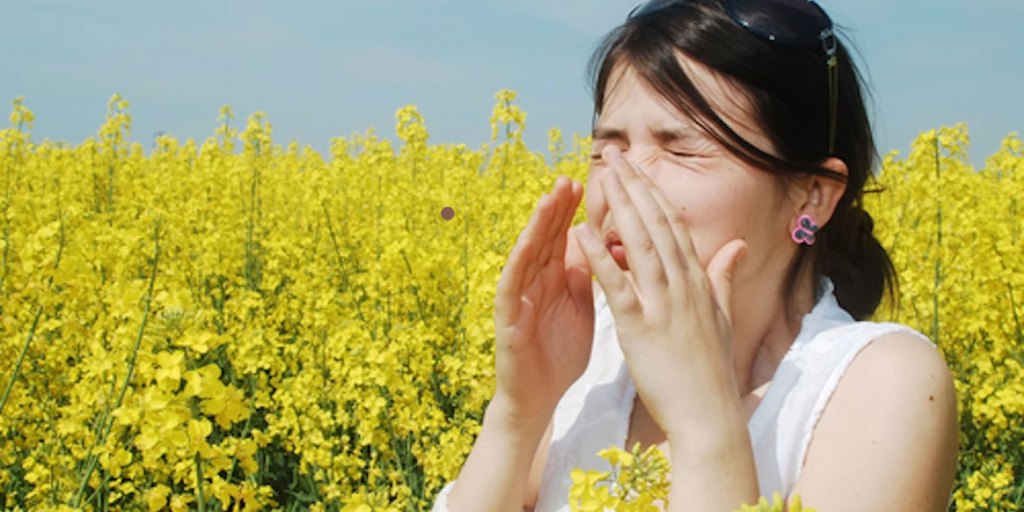
Blooming flowers signal the beginning of spring, but for millions of people, they also signal the onset of the misery: allergy and asthma season. Itchy, watery eyes; sneezing, runny nose; cough and wheezing are triggered by an overreaction of the body to pollen.
Every spring, trees and grasses release billions of buoyant pollen granules into the air, using the wind to disperse across the countryside in an effort to reproduce. It’s all about survival; plants that release more pollen have the survival advantage.
As an adult and pediatric allergist-immunologist in the Midwest, the onset of spring signals my busy season treating hundreds of patients for their seasonal allergy and asthma symptoms. If you suffer through the season, know that you are not alone. Throughout history, pollen has taken the fun out of spring for many. In modern times, however, medical science has identified practices and treatments that help.
Older than the dinosaurs, as wide as the world
Fossilized specimens of pollen granules have been found predating dinosaurs and alongside Neanderthals.
And, sinus and asthma symptoms and treatments are documented throughout history and across the globe. People just didn’t know exactly how to treat the symptoms, or exactly what was causing them.
For example, over 5,000 years ago, the Chinese used the berries of the horse tail plant, ma huang (Ephedra distachya), to relieve congestion and decrease mucous production associated with “plant fever” – a condition affecting people during the fall.
In Egypt, the “Papyrus Ebers,” written around 1650 B.C., recommended over 20 treatments for cough or difficulty breathing, including honey, dates, juniper and beer.
Although Homer’s “Iliad” describes the loud noise of breathing in battle as “asthma,” Aretaeus of Cappadocia of the second century A.D. is credited with the first clinical description more consistent with modern understanding of this condition. He wrote of those who suffered that:
“They open the mouth since no house is sufficient for their respiration, they breathily standing, as if desiring to draw in all the air which they possibly can inhale… the neck swells with the inflation of the breath, the precordia (chest wall) retracted, the pulse becomes small and dense,” and if the symptoms persist, the patient “may produce suffocation after the form of epilepsy.”
Tobacco leaves were exported to Europe for experimentation in treating the symptoms of spring time coughing and sneezing. Jeep 2499/Shutterstock.com
By the time Columbus landed, indigenous populations in Central and South American were utilizing ipecacuanha, a root found in Brazil with expectorant and emetic properties and balsam, which is still used in some cold remedies today. Coca and tobacco leaves, used medicinally by the Incas, were later exported to Europe for additional experimentation for the treatment of rhinitis and asthma.
Aside from the “plant fever” described in China, the first written description of seasonal respiratory symptoms is credited to Rhazes, a Persian scholar, around 900 A.D. He described the nasal congestion that coincided with the blooming of roses, termed “rose fever.”
Symptoms noticed, but no cause identified
As scientific advancement was stifled during the Middle Ages, in large part due to the plague, it wasn’t until 900 years later, in 1819, that Dr. John Bostock published a description of his own seasonal allergies. But he didn’t know what was causing them.
Having suffered from “summer catarrh” since childhood, Bostock persisted in his study of the condition, despite an initial lackluster response from the medical community.
In the nine years between his first and second publications, he found only 28 additional cases consistent with his own seasonal allergy symptoms, which perhaps demonstrates the lower prevalence of the condition at the time. He noted that nobility and the privileged classes were more often afflicted by seasonal allergies. This was thought to be the consequence of wealth, culture and an indoor life.
Societal changes with their roots in the Industrial Revolution, including increased exposure to air pollution, less time spent outdoors, increased pollen counts and improved hygiene, all likely contributed to the increased prevalence of allergies that we continue to see today. They also helped form the hygiene hypothesis, which states that in part decreased exposure to particular bacteria and infections could be leading to the increase in allergic and autoimmune diseases.
The source of seasonal symptoms at the time was also thought to be caused by the smell of new hay. This led to the coining of the term “hay fever.”
Bostock instead suspected the recurring symptoms were triggered by the summer heat, since his symptoms improved when he spent the summer on the coast. It would later became common for nobility and aristocrats to spend allergy season in coastal or mountain resorts to avoid bothersome symptoms.
Identifying the true culprit
Through methodical study and self-experimentation, Dr. Charles Blackley identified that pollen was to blame for allergy symptoms. He collected, identified, and described various pollens and then determined their allergic properties by rubbing them into his eyes or scratching them on his skin. He then noted which ones resulted in redness and itching. This same technique is used in skin prick testing by allergists today.
Inspired by discoveries related to vaccination, Dr. Leonard Noon and John Freeman prepared doses of pollen extracts for injection in an effort to desensitize patients with allergic rhinitis in the early 1900s. This effective treatment, called allergy immunotherapy, also known as allergy shots, is still used today.
Antihistamines first became available in the 1940s, but they caused significant sedation. The formulations with fewer side effects that are used today have only been available since the 1980s.
Pollen counts likely to grow
Pollen on a street in Atlanta, March 31, 2019. Lynne Anderson, CC BY-SA
Though recognized by ancient civilizations, seasonal allergic rhinitis and allergic asthma have only increased in prevalence in recent history and are on the rise, now affecting 10 to 30 percent of the world’s population.
To keep you and your loved ones safe from pollen, close windows and change out of clothes exposed to pollen as soon as you come indoors. Monkey Business Images/Shutterstock.com
What can you do? Often, those who are allergic need a multifaceted approach.
Find out what allergens are causing your symptoms. Take note of when your symptoms start by making a note in a calendar or planner.
Minimize exposure to allergens. Track pollen counts. When pollen counts are high, keep the windows closed at home and in the car. After spending time outdoors, shower and change clothing to prevent ongoing exposure to pollen.
Take a pro-active approach to treating symptoms. Starting medications before symptoms develop can prevent symptoms from getting out of control. This can also decrease the amount of medication needed overall. Long acting non-sedating antihistamines are helpful for itching and sneezing. Nasal corticosteroid sprays are more helpful for stuffy noses.
Consider a visit to see a board certified allergist/immunologist. She or he can help you determine which particular pollens maybe the source of your symptoms.
Explore the role of immunotherapy with your doctor. Immunotherapy changes the immune response through administration of small regimented doses of allergens over time. This induces a state of tolerance, eventually helping people become less allergic over time.
While pollen season is coming, taking a multifaceted approach can provide much needed relief from the symptoms that have plagued humankind throughout the millennia.
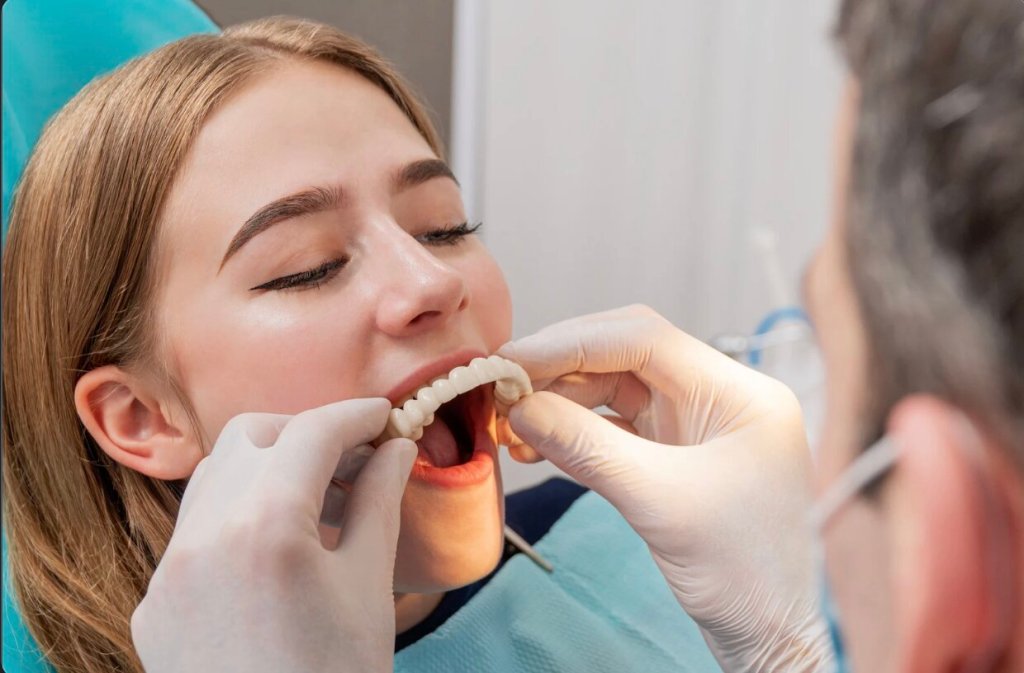
Much like anything else, the cost of dental care has risen as need grows. A report from the American Dental Association found that, in 2024, dental spending grew by $7 billion from 2023. A young engineer is making a difference, though. He has helped put a smile back on the faces of folks in need by providing free dentures made with 3D printers.
Connor Gibson isn’t a dentist or even an expert on 3D printers. He’s a Tennessee community college student who wants to help people. While studying engineering at Walters State Community College, Gibson volunteered with Remote Area Medical (RAM). RAM is a nonprofit that provides mobile clinics offering free medical, vision, and dental care through volunteers.
An issue that bites
A common issue the clinics found was that many people needed dentures. The cost of dentures can be very pricey, ranging from $452 dollars to over $6,500 depending on the patient’s needs and their insurance coverage. Another issue was availability. Even if a patient could afford dentures, it could take weeks or even months before they could be delivered.
But Gibson had an idea. He thought that if he could 3D print pairs of dentures, it would save money and time. After all, having a 3D printer on-site would allow the dentures to be made within hours rather than weeks. A patient could get a free set of dentures the same day as their visit.
Great idea…but how?
There was a setback: Gibson had no experience in dentistry or 3D printing at all. In spite of his inexperience, Gibson used his engineering and design skills to teach himself how to use a 3D printer. He also got dental experts to teach him how to make dentures the old fashioned way. This way, he was sure to accurately recreate every detail via 3D printing. After taking an impression, Gibson was then able to design specific dentures per patient.
“Honestly, if you told me three years ago this is what I would be doing, I would have called you crazy,” Gibson said to CNN. “I made it my mission and studied up like I was doing a test, studying up on videos and documents — anything I could find on how to make a denture using this specific software and how to 3D print it.”
After Gibson successfully completed a pair of 3D-printed dentures for the first time, he knew it was something special. Seeing the tears of joy on the patient’s face was enough to confirm he was doing the right thing.
“That first delivery was really a huge eureka moment,” Gibson said. “To see that raw, human emotion and just know that I played a change in this person’s life… it’s very humbling, and I’m beyond blessed.”
Gibson has since been helping RAM develop more denture mobile clinics that can quickly develop dentures for patients who drop in.
How to find low-cost dental care near you
If you or someone you know needs low-cost to free dental care, there are options. In addition to Medicare, Medicaid, and CHIP, you can find local and state programs online. You can also dial 2-1-1 for information.