As an award winning producer and musician, Pharrell Williams works with some of the most talented artists in the entire music industry. As a fashion designer, though, Pharrell Williams works with garbage. Not high-fashion facsimiles of garbage, like Louis Vuitton’s two thousand dollar trash bag-esque purses.


Actual garbage.

Clothiers G-Star RAW and Williams have teamed up on a fashion project that not only looks good, but which pulls literal trash out of the ocean, transforming tons of discarded plastic into an upscale line of shirts, jeans, and jackets. Partnering with Bionic Yarn—a company which specializes in turning recycled plastic into high quality fabric—Williams and G-Star RAW have released the new Spring/Summer collection of their “RAW for the Oceans” line of clothing. The line, which first launched this past September, is designed to raise awareness of ocean pollution, while simultaneously demonstrating a concrete—if not downright trendy—way to address one of the most significant man-made challenges facing our planet today. As Take Part notes, Williams is on an environmental kick of late, having recently partnered with former Vice President Al Gore for a series of “Live Earth” concerts, aiming to help bring awareness to the issues of climate change and global warming.

Here’s a short explanation from the Summer launch of RAW for the Oceans’ first collection:

[youtube ratio=”0.5625″ position=”standard” caption=”What is RAW for the Oceans? via youtube user G-Star RAW”]

Williams serves as Bionic Yarn’s “Creative Director,” and both co-designs and curates the RAW for the Oceans collection.

RAW for the Ocean does includes a number of options for head wear. Unfortunately, Pharrell’s now-infamous Dudley Do-Right hat isn’t one.

Tags

More for You

  • Parents, let your kids eat as much candy as they want – less restriction could help reduce the urge to overeat
    Candy becomes less special when it’s not a ‘bad’ food you can’t have. Peter Muller/Connect Images via Getty Images

    Assistant Clinical Lecturer in Kinesiology, Nutrition, and Health, Miami University

    Kids and candy are a classic pairing. From trick-or-treating to Easter baskets, to local parades and birthday parties, it can feel like kids are almost always bringing home another bag of treats. But while these holidays and events may be exciting for kids, they often end with parents dreading what comes next: negotiations around how much candy to consume.

    As a registered dietitian and mom of three, I understand the stress that comes with wanting to encourage healthy food choices without removing all the fun of childhood traditions. I also believe the answer to this dilemma may be simpler than the familiar back and forth of “Just one more piece of candy!” and “Haven’t you had enough already?”

    Research suggests that by managing the candy inventory less and encouraging more autonomy around sweets, parents can help their kids practice tapping into their hunger and fullness cues, promoting a healthier relationship with food over time.

    Making food moral

    There is no question that some foods have greater nutritional value than others. A piece of cake – carrot cake included – will never provide the vitamins and minerals of a large garden salad. As a result, people often categorize different foods as “good” or “bad.”

    The tendency to place food in two polarizing buckets can affect everything from what foods you purchase at the grocery store to the language you use to describe food. The problem is, “good” and “bad” are moral concepts. When morality is consistently applied to food, a person’s relationship to food can become complicated. Instead of viewing food as fueling, it can become a measuring stick for whether your food choices are something to feel proud of or guilty about.

    When a person’s inner monologue about food is preoccupied with whether it is good or bad for their health or diet plan, food choices can become less about enjoyment and more about their willpower to make the “right” decision at the grocery store and at mealtimes. Any guilt or shame that comes from this evaluation can spill over into what foods are served freely at home and which are restricted.

    Restriction leads to overeating

    The idea of food restriction often sounds punishing. For parents and others who take care of children, food restriction often may simply be an attempt to limit sugary foods and introduce more fruits and vegetables.

    But for kids, restricting certain foods may lead them to become preoccupied with those foods. They may be nagged by the knowledge that the foods adults often call “bad” are also the ones that are really delicious. What started as a simple candy rule can continue to influence a child’s relationship to food and eating long after the treats are gone.

    Person holding a gummy bear and signing 'one' at a child with their hands on the top of their hand in protest or disappointment
    Restricting certain foods can lead to increased preoccupation with those very foods. Oscar Requejo/iStock via Getty Images Plus

    Parents often approach food restriction in two different ways. In overt food restriction, kids are aware that their parents or guardians are limiting access to specific foods because they can see it or are told specific foods are off limits. In practice, this might mean the kids know candy is in the house but stored out of reach in the kitchen cupboards. Parents or caregivers who practice covert food restriction, on the other hand, may choose to not buy bags of candy at all in order to encourage more balanced food choices.

    Research suggests that overt restriction can unintentionally increase kids’ interest in those restricted food items. That preoccupation may mean the child has a more difficult time listening to their fullness cues when presented with those foods. If bags of candy are usually stored out of reach, it may be tempting to eat more than just a few pieces when access is finally granted – and they may completely ignore any signs that their body is full.

    Intuitive eating for kids

    Incorporating neutral language about food at mealtimes and encouraging kids to eat according to their own hunger and fullness cues can help them build trust in their bodies and improve family connection at the table. Taking the pressure off finishing all the food on the plate can instead place emphasis on savoring the sensory experience of each bite.

    Eating according to internal cues is one part of intuitive eating, which aims to increase a person’s trust in their own body to signal when to start eating and when to stop. Kids can also benefit from this same framework, with some age-appropriate modifications.

    The Satter Division of Responsibility in Feeding provides a simple, research-based approach to feeding kids in a way that avoids power struggles between kids and caretakers at the table. Developed by the Ellyn Satter Institute, a nonprofit focused on improving people’s relationship to food, the goal of the framework is to introduce intuitive eating in a kid-friendly way. When providing food through this approach, parents decide when and what food is served, while kids are in charge of deciding what and how much they eat from their plates. The emphasis is on helping kids eat according to their internal cues without pressuring them to eat specific foods.

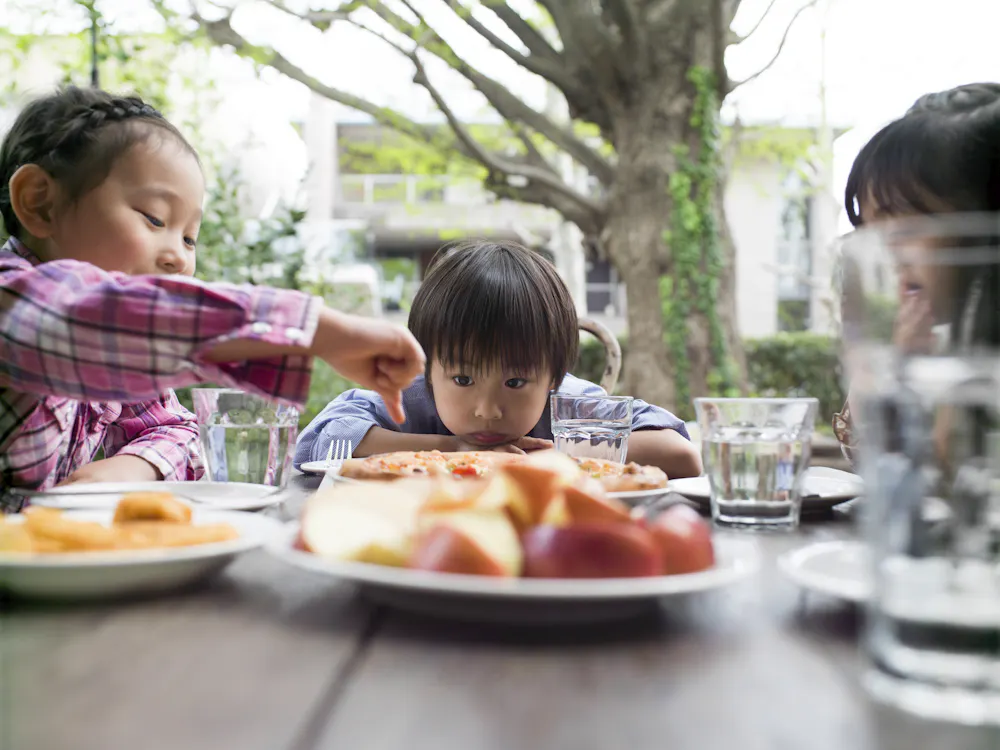
    Three children sit around table of food outside
    Giving kids more autonomy in what they eat during meals is a way of practicing intuitive eating. Michael H/DigitalVision via Getty Images

    Candy can be a part of the menu rotation in this feeding framework. Repeatedly exposing kids to a variety of foods, including sugary treats outside of special holidays or events, means no food becomes emphasized for being better or worse than another food – it is all simply food.

    This approach can shift the conversation to how different foods affect their bodies in different ways: Some food – like candy – makes them run super fast, some foods grow their muscles, while other foods keep their eyes strong.

    Building healthier relationships with food

    Regularly using neutral language to describe food and exposing kids to a variety of foods helps reduce the power that sugary treats have over their appetites. This doesn’t mean birthday cake, doughnuts and candy will no longer taste delicious. It simply means children can rest assured they will see their favorite treats again without the added urge to overconsume them.

    If you’re interested in exploring how intuitive eating principles could change your child’s or your own relationship with food, here are a few practices you can try at home:

    Involve children in menu planning and grocery shopping. Let your kids pick a treat to add to a few meals each week, and serve the treat with the rest of the food on the menu for that day. Presenting all food items at the same time on the plate – versus saving a dessert or treat for after the meal – visually reminds everyone that food does not have to be earned. Rather, each food nourishes their bodies in different ways.

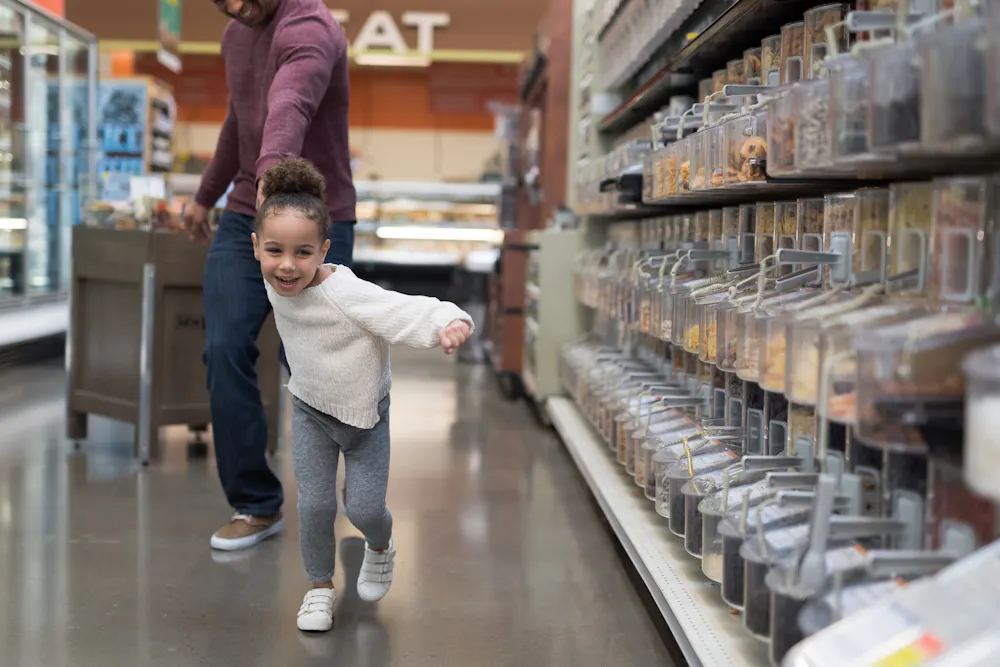
    Smiling child dragging smiling adult by the hand to bulk food shelves in grocery store
    Try giving kids a say on what you pick up during grocery trips. FatCamera/E+ via Getty Images

    Avoid commenting on what your kids eat. It can be tempting to praise a child when they choose to take a bite of the broccoli you’ve been encouraging for weeks. Praising kids for eating certain foods versus others can create a food hierarchy, leading them to think about food as a way to earn a reward instead of fueling their body.

    Challenge your own relationship with food. Do you eat when you are hungry and stop when you are full? Do you restrict your own food cravings as a punishment, or do you struggle to control yourself when eating a treat you love? Kids are always watching, and your own food behaviors often speak louder than words.

    Consider letting your kids indulge for a day. In my own family, I don’t limit how much candy my three kids eat on Halloween night. I won’t lie – they usually eat quite a bit. When they mention a stomachache afterward, we talk about how eating a lot of candy can make their bodies feel – without adding judgment. Their interest typically fades over the next few days while we continue to offer a piece of two with meals. Eventually the extras become props for elaborate trick-or-treat pretend play.

    One day or evening of holiday eating does not define their health, but fun memories with friends and families can last a lifetime. So let them eat … candy!

    This article originally appeared on The Conversation. You can read it here.

  • Criminal conspiracy to steal used cooking oil shows how trash can become treasure
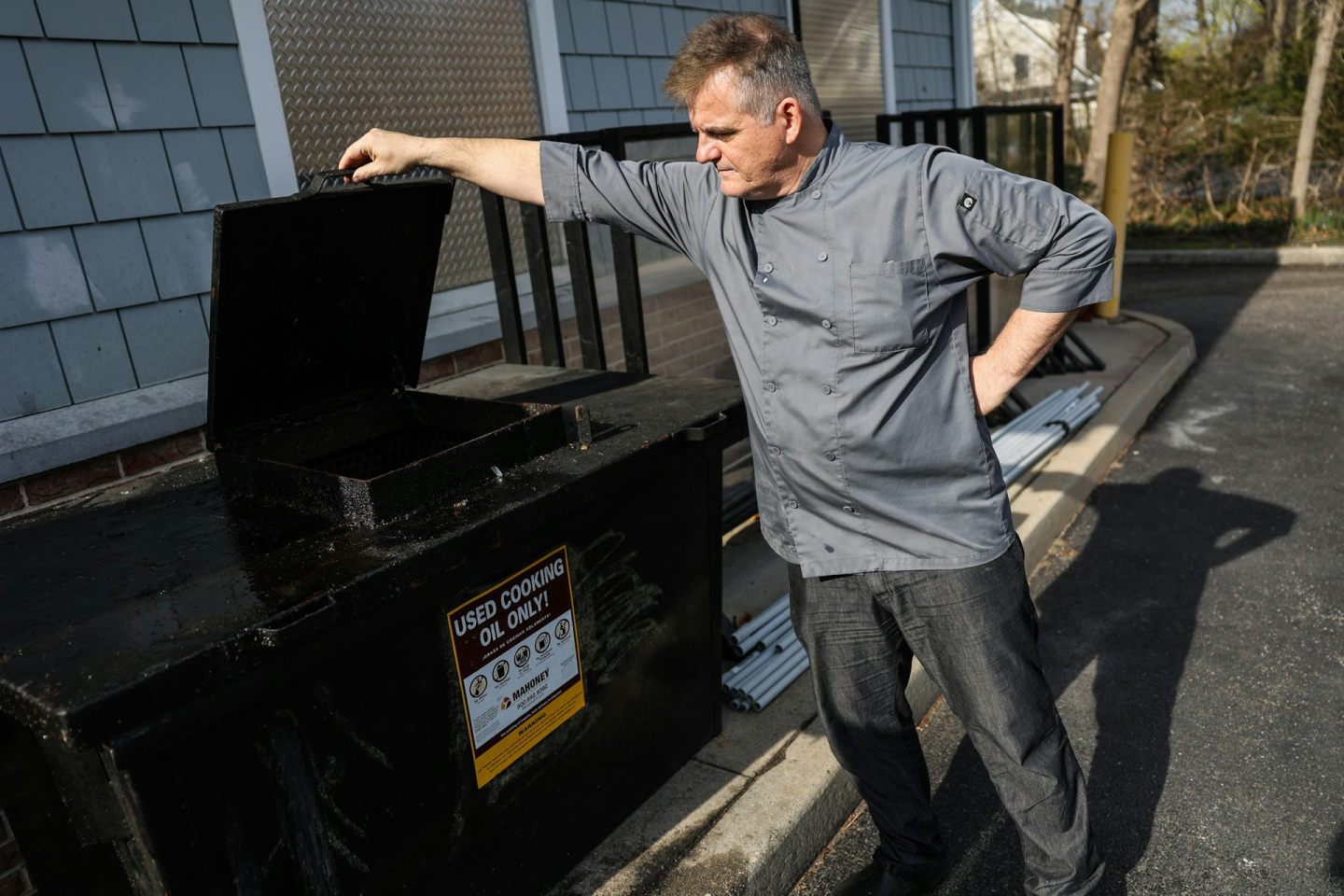
    A restaurant owner looks at a tank for collecting used cooking oil. Steve Pfost/Newsday RM via Getty Images
    ,

    Criminal conspiracy to steal used cooking oil shows how trash can become treasure

    Yesterday’s fryer grease can be tomorrow’s valuable cargo.

    William R. Kenan, Jr. Professor of History and Environmental Studies, Amherst College

    Federal prosecutors recently described an interstate criminal enterprise with all the trappings of organized crime: clandestine warehouses, money laundering and stolen goods transported across state lines. The mid-September 2026 announcement stated that 19 defendants faced charges; two had just pleaded guilty, while the remainder are slated for trial in April 2027.

    The stolen material was not drugs, guns or jewels. It was leftover cooking oil.

    According to prosecutors, members of the group drove trucks to restaurants in 10 states, siphoned used cooking oil from collection tanks and transported it to depots for resale. The alleged motive was simple: Used cooking oil has value. It can be refined into biodiesel. A viscous fluid that the food industry formerly considered garbage has become valuable enough to spur a large-scale criminal operation.

    This oil-theft scheme points to a larger lesson. People tend to think of waste as trash, sewage, slag, manure and other seemingly useless or disgusting substances. But historians, anthropologists and geographers increasingly recognize that “waste” is a category defined by humans. Technologies, markets, laws and cultural assumptions all determine what is discarded, what is kept and why. Waste describes a material’s status, not necessarily its substance.

    As an environmental historian who studies how societies transform nature into commodities, I am also interested in the other side of the process: how materials classified as waste can be converted back into things of value.

    Making matter into ‘waste’

    Nothing in nature is wasted. A fallen tree becomes food for fungi and insects, while its nutrients eventually return to the soil or the atmosphere; animal feces feed creatures ranging from bacteria to dung beetles. In ecosystems, one organism’s leftovers routinely provide for another’s needs.

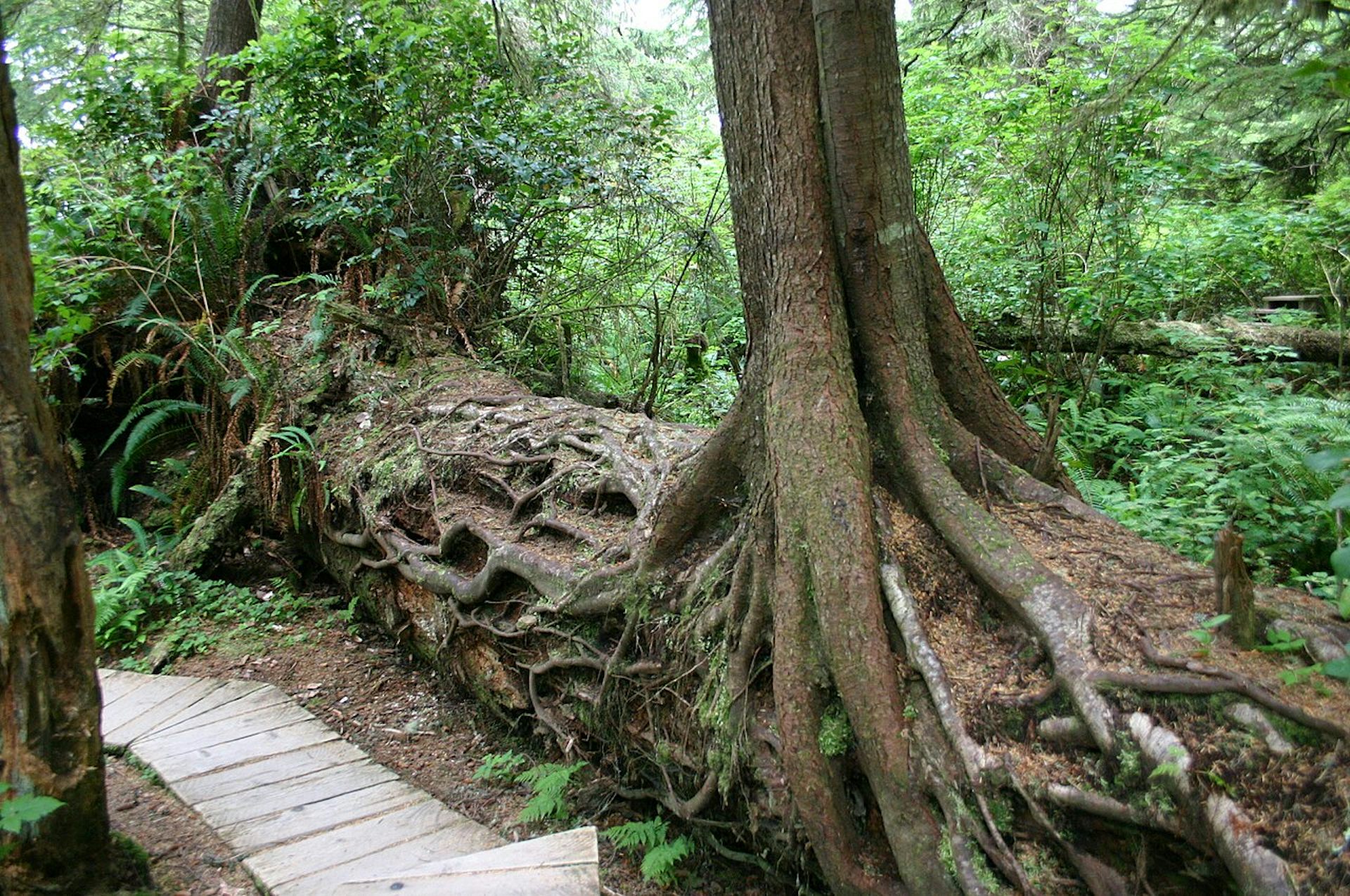
    Trees of different ages grow from a fallen log.
    A fallen log serves as a nursery for a new hemlock tree in British Columbia, Canada, hence the nicknames nursery log or nurse log. Wing-Chi Poon, CC BY-SA

    Human societies, by contrast, frequently remove unwanted materials from circulation. The question of where those materials go – and whether they remain useless – is part of the history of waste.

    Scholars in a growing field called “discard studies” examine this process. Sociologist Zsuzsa Gille describes different “waste regimes,” the ideologies and concepts that people use to determine what’s valuable and what’s disposable.

    Calling something “waste” does not mean that its physical properties are irrelevant. A toxic chemical can poison a river. But whether people dump, recycle, store or reprocess that substance – and whether they classify it as waste at all – depends on human decisions.

    Industrialization did not invent waste, but it dramatically changed its scale and geography. During the 19th century, factories and processing plants brought raw materials together in unprecedented quantities and consolidated their unwanted residues in the same sites. That concentration created disposal problems. It also generated new incentives to find profitable uses for what industry left behind.

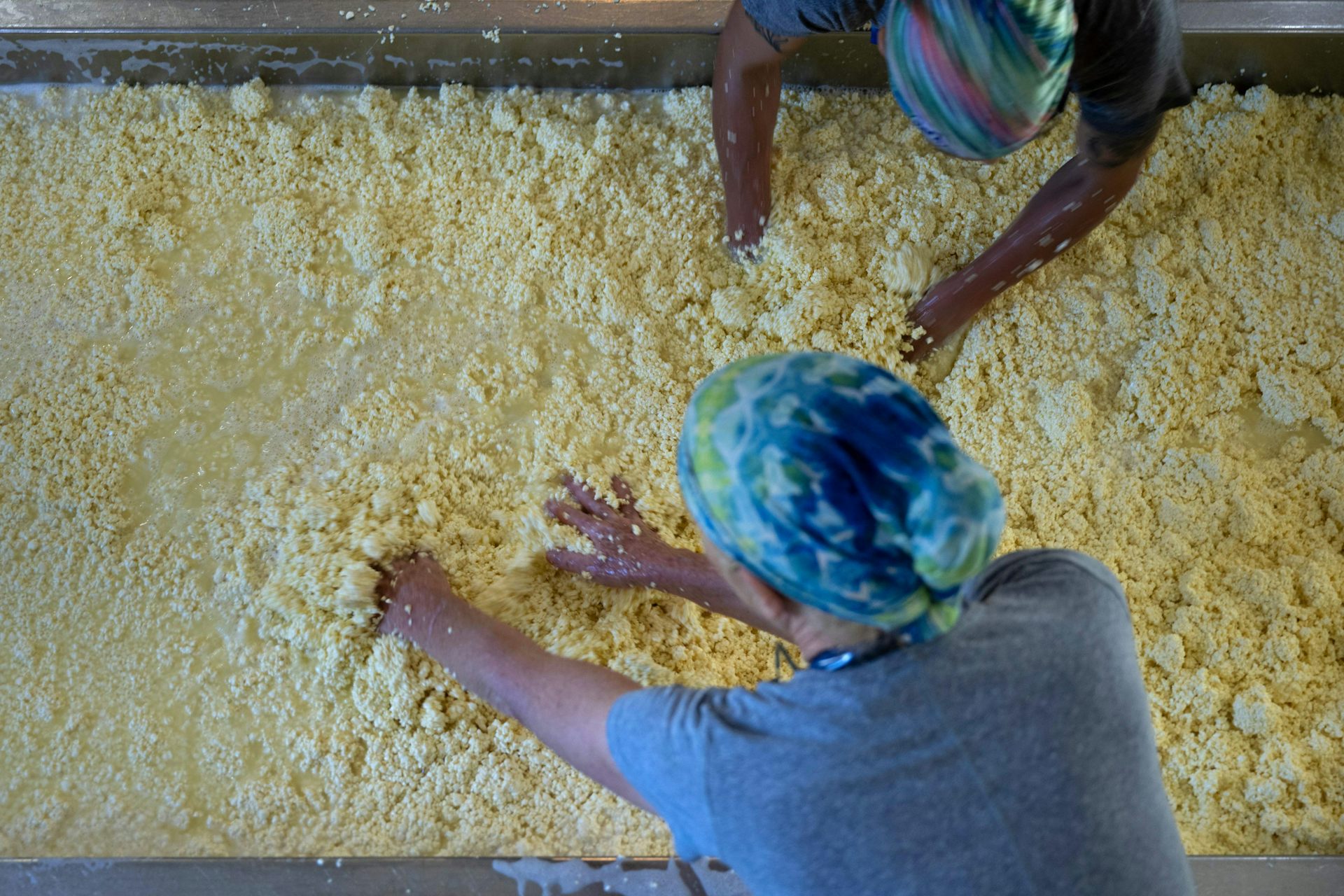
    An overhead view shows people separating milk curds from whey liquid.
    Making cheese involves separating curds from whey. Brendan Smialowski/AFP via Getty Images

    Manufacturing a demand

    Consider whey. Cheesemaking produces extraordinary quantities of the watery liquid left behind after milk coagulates. For much of the 19th and 20th centuries, cheese manufacturers disposed of the whey as an unwanted residue. Dumped into waterways, whey encourages bacterial and algal growth that depletes oxygen and can damage aquatic ecosystems.

    Beginning in the 1970s, ultrafiltration allowed producers to separate and concentrate whey proteins. A troublesome liquid became whey powder, lactose and protein concentrates, all of which can be used in baked goods, infant formula, animal feed and protein supplements.

    Coal-fired power plants provide another example. Coal combustion leaves behind fly ash, a fine mineral residue that companies dumped in landfills or stored in enormous ash ponds. In the 1930s, engineers discovered that fly ash could replace a portion of the Portland cement normally used to make concrete. This new application diverted waste from disposal while reducing demand for energy-intensive cement production.

    There is much to admire in these transformations. Repurposing leftover materials can reduce pollution, conserve resources and lower the amount of material dumped into landfills or waterways. The ecological ideal of “cradle-to-cradle” design rests on precisely this insight. Just as in nature, the output of one process can become the input of another.

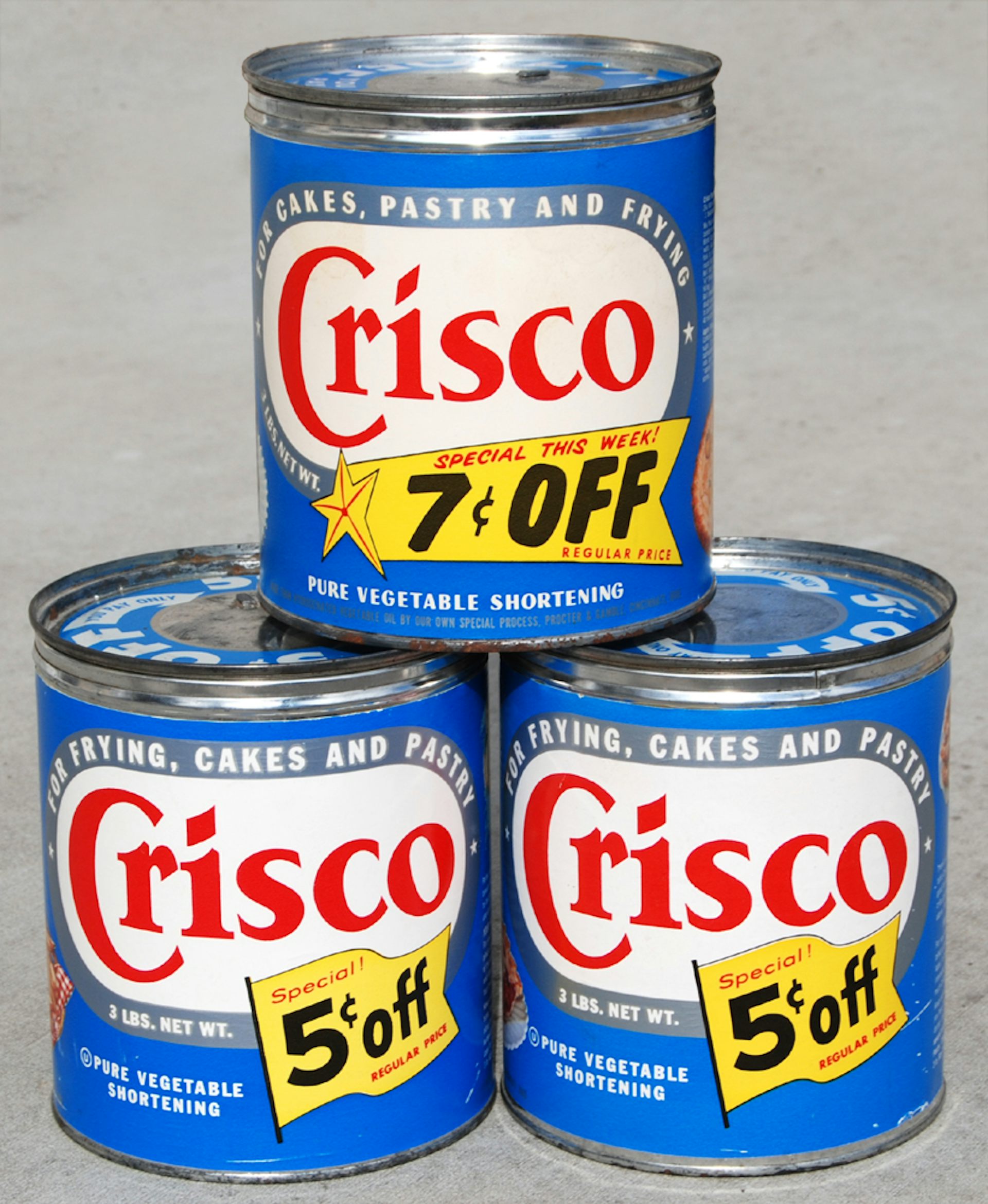
    A stack of three cans labeled 'Crisco.'
    Crisco vegetable shortening was one way to reuse cottonseed oil, a waste product of another industrial process. Roadsidepictures via Flickr, CC BY-NC

    When recycling creates new problems

    Yet finding a market for waste does not necessarily solve the problems that the waste created in the first place.

    Cottonseed provides a striking example. During the 19th century, American cotton growers regarded seeds as an enormous nuisance. Cotton ginning generated mountains of seeds, and many operators simply dumped these unwanted byproducts into nearby waterways, where they accumulated in foul-smelling, decaying masses. The problem became serious enough that Southern states began restricting cottonseed dumping in the mid-1800s.

    Then manufacturers learned to crush cottonseed for oil to be used in soap, cooking and as a substitute for animal fats. They turned the remaining material into fertilizer and animal feed. By the late 19th century, something previously seen as garbage had become the foundation of a major new industry.

    Cottonseed boosters proclaimed a transformation of waste into wealth. In 1911, entrepreneur Luther A. Ransom celebrated cottonseed’s ability to produce “edible oil without olives; medicinal oil without codfish; butter without cows; ice cream without cream; lard without hogs.”

    But manufacturers also sometimes diluted more expensive olive oil and lard with cheap cottonseed oil. Beginning in the early 20th century, the chemical process of hydrogenation allowed producers to turn liquid vegetable oils into semisolid fats suitable for shortening and margarine. Partial hydrogenation also produced artificial trans fats, which were eventually linked to increased cardiovascular risk.

    In 1911, Procter & Gamble introduced Crisco, a vegetable shortening made from hydrogenated cottonseed oil. Consumers could use Crisco in place of lard or butter for frying and baking. Decades before the heart disease risks of partially hydrogenated oils were understood, the company marketed Crisco as an expression of purity and modern food technology.

    The problem was not that cottonseed oil was secretly “waste.” It was that industrial processing widened the gap between what manufacturers knew about a product’s origins and composition and what consumers understood about those attributes. Turning a discarded material into a valuable commodity solved one problem while creating another. Consumers increasingly had to trust manufacturers to tell them what they were buying.

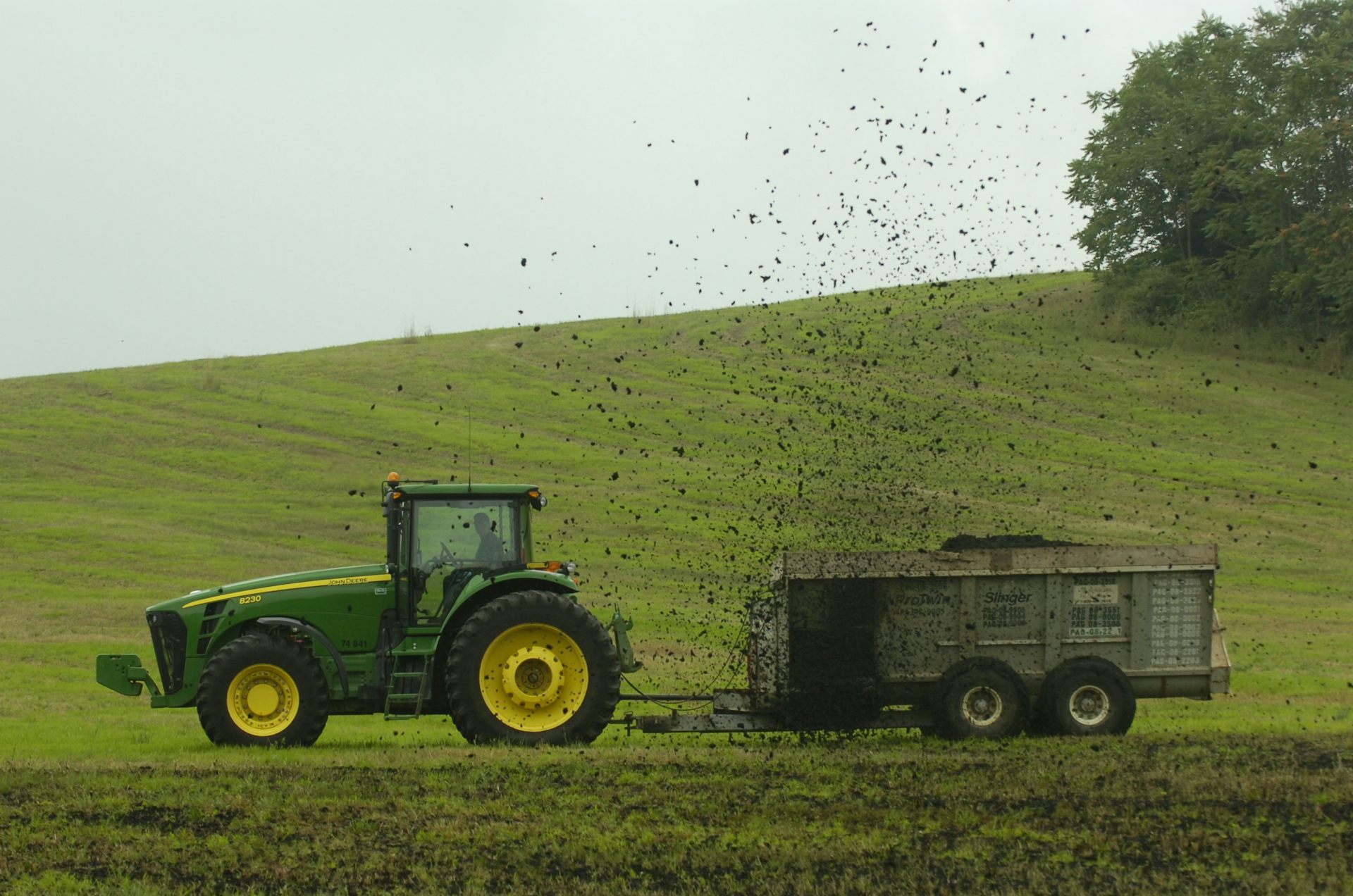
    Sewage sludge presents an even sharper dilemma. Wastewater treatment produces nutrient-rich dregs that can be processed into biosolids and spread on farmland, returning nitrogen and phosphorus to soils. But wastewater also carries contaminants. Researchers have found a group of chemicals known as PFAS – persistent and potentially harmful “forever chemicals” more formally known as perfluoroalkyl and polyfluoroalkyl substances – in some sewage sludge. Their presence raises concerns that a system designed to salvage nutrients can also recycle pollutants.

    A tractor pulls a trailer across a grassy area.
    Spreading sewage sludge on farms can recycle not only helpful nutrients but also harmful toxic chemicals. Ryan McFadden/MediaNews Group/Reading Eagle via Getty Images

    The value of being ‘waste’

    Used cooking oil seems like an almost perfect example of recycling. Refiners turn oil discarded by restaurants and other waste fats into transportation fuel, extracting additional value from crops already grown and oils that have already served their original purpose.

    But government policies regarding clean fuel have made some products that carry the label “waste” economically valuable. Because fuels made from used cooking oil can qualify for financial incentives unavailable to some virgin oils, demand has occasionally pushed prices for used oils above those of newly produced vegetable oils.

    That creates an unusual temptation: mix cheaper virgin oil into used cooking oil – or simply pass virgin oil off as waste. Researchers and regulators have raised concerns about fraud in the rapidly growing international markets for used cooking oil.

    Generating new uses for discarded matter does not eliminate the politics of waste. It can intensify them. Who decides whether something counts as waste? Who profits when something once considered disposable becomes a valuable commodity? And who can verify what a supposedly recycled material actually contains?

    Stolen restaurant cooking oil offers an unexpectedly useful way to think about this problem. The fats and oils inside the tank did not physically change when thieves began siphoning them out. What changed was their status and their value.

    That transformation captures one of the paradoxes at the heart of the history of waste. Matter is never worthless, but assigning it a price does not necessarily make its environmental and social costs disappear.

    Sometimes finding a use for waste solves a disposal problem. Sometimes it merely gives the problem a new price.

    This article originally appeared on The Conversation. You can read it here.

  • Talking turkey! How the Thanksgiving bird got its name (and then lent it to film flops)
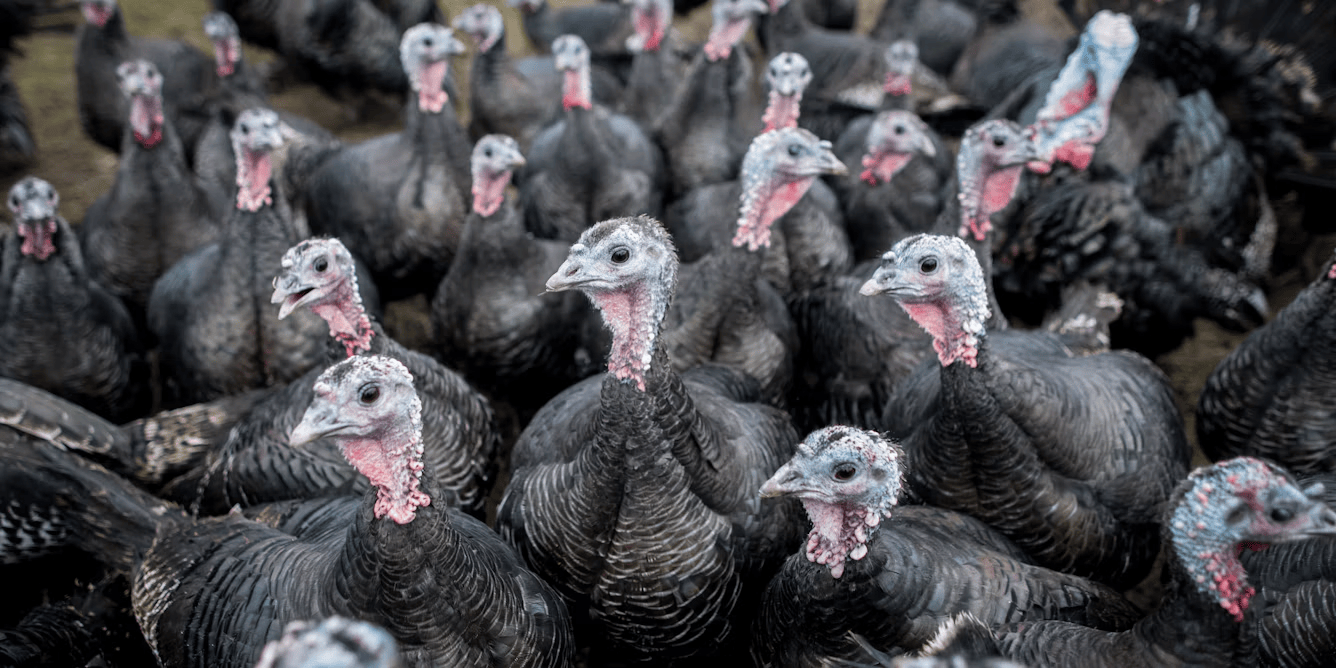
    Photo credit: E4C via Getty Images – Not everyone is a fan of Turkey Day.
    ,

    Talking turkey! How the Thanksgiving bird got its name (and then lent it to film flops)

    From Thanksgiving dinner to Hollywood disasters, this bird’s name has quite a history.

    Professor of English, Rutgers University – Newark

    “Meleagris Gallopavo Day” is a bit of a mouthful. Which may be why this Thanksgiving, most people will opt for the less ornithologically precise “Turkey Day.”

    And just as turkey is a versatile meat – think of those leftover options! – so too is the word “turkey,” which can refer to everything from the bird itself to a populous Eurasian country to movie flops.

    As a scholar who studies word origins, I love “talking turkey” – not only how the bird came to be named, but also how the word has evolved over time. But let’s start with what has become the centerpiece of most Thanksgiving Day dinners.

    The North American turkey – the kind that many families will be carving up this Thanksgiving – was being domesticated in Mexico some 2,000 years ago.

    Europeans glimpsed their first turkeys around 1500, when Spanish explorers arrived in the Americas and brought them back to the mother country. By the 1520s, turkeys were being bred in Spain, and soon the delicacy was appearing on rich people’s tables across Europe.

    Oh, dinde!

    But what to call the new import? Europeans in the New World were overwhelmed by the new plants and animals they saw, and often used familiar names for unfamiliar species. The Spanish, for instance, thought turkeys looked like peacocks, so they used the Spanish word “pavos.” The French called them “poules d’Indes,” or Indian chickens, later shortened to “dinde.”

    To the English, the newly discovered American birds looked like the guineafowl – a bird native to Africa but which was introduced into Europe by Arab and Turkish traders in the 14th and 15th centuries.

    And it is this point in the story that the modern-day turkey gets its name.

    The Ottoman Empire was then at its height. Ethnic Turks, based in Constantinople (now Istanbul), ran the empire that spanned the Near East, Middle East and North Africa. As a result, to many Europeans, anyone from “the East” was a “Turk.”

    Because Ottomans dominated trade in the eastern Mediterranean, a lot of produce coming to Europe was seen as “Turkish.” So a precious stone from Persia was named “Turkey stone,” and the French version of that name, “pierre turquoise,” gave us the word “turquoise.”

    In the same way, African guineafowl, introduced by Turkish traders, became a “turkey-cock” or “turkey-hen.” Over time, this was shortened to just “turkey.”

    Now that’s a feast!

    For as long as the New World turkeys have been in Europe, they’ve been featured in celebratory meals. The English word first appears in print in an account of a banquet hosted by politician John Prideaux in 1555: The menu included 38 red deer, 43 pheasants, 50 quince pies, 63 swans, 114 pigeons, 120 rabbits, 840 larks, 325 gallons of Bordeaux wine and “Turkies 2. rated at 4s. a piece.”

    History’s most famous turkey dinner, though, was served in Plymouth Plantation in 1621, as 50 Pilgrims who survived a year of brutal hardship joined 90 Native Americans for a three-day feast. Turkey wasn’t the only dish being served. Writing in his History of Plymouth Plantation, Governor William Bradford noted that Native Americans brought “codd, & bass, & other fish,” and others brought “water foule” and venison. But he was especially impressed with the “great store of wild Turkies.”

    The bird has become so associated with harvest-time celebratory dinners that we’ve been calling Thanksgiving “Turkey Day” since at least 1870.

    Meanwhile, the word has continued to find new uses, showing up with dozens of meanings. In 1839, the Southern Literary Messenger – a magazine edited by Edgar Allen Poe – reported on a new kind of dance, called the “turkey-trot” from its jerking motions.

    In 1920, New York’s Department of Health reported that “Some addicts voluntarily stop taking opiates and ‘suffer it out’ … which in their slang is called taking ‘cold turkey.‘”

    The turkey’s reputation for stupidity prompted other meanings. The legendary gossip columnist Walter Winchell told readers of Vanity Fair in 1927 about some new showbiz slang: “‘A turkey,’” he reported, “is a third rate production.”

    Since then, movies that flop with the critics or at the box office have been called turkeys.

    Another disparaging sense arrived in the 1950s, when turkey became a name for “a stupid, slow, inept, or otherwise worthless person.” That, in turn, probably led to the rise of the “jive turkey,” which first showed up in African American speech in the early 1970s, defined by slang lexicographer Jonathon Green as “an insincere, deceitful, dishonest person.”

    Jive or straight talking?

    And what about “talk turkey”? Well, that can mean quite contradictory things.

    One dictionary from 1859 defines it as “To talk in a silly manner, talk nonsense.” A similar meaning is attached to another turkey-related word, “gobbledygook.”

    Another definition found in the 1889 “Americanisms, Old & New” had “talking turkey” meaning “To use high-sounding words, when plain English would do equally well or better.”

    The most familiar meaning of “talking turkey,” in which it is a stand-in for “straight talk,” is often said to come from a once popular joke. A white man and an American Indian, the story goes, spend a day hunting together and manage to bag a turkey and a somewhat less bountiful buzzard. The devious white man proposes a “heads-I-win-tails-you-lose” division of the spoils. “I’ll take the turkey, and you the buzzard,” he says, “or, if you prefer, you take the buzzard, and I’ll take the turkey.” The frustrated American Indian replies – usually in some version of would-be comic pidgin English – “You talk all buzzard to me, and don’t talk turkey.”

    Those who study word histories are skeptical of stories like this, since most are invented after the fact. More likely, “talk turkey” came from pleasant conversation at Thanksgiving dinner, or maybe negotiations between Native Americans and European colonists over the cost of poultry. Whatever the origin, though, when we “talk turkey,” we’re engaging in the kind of straightforward, honest speech the scheming hunter denied his hunting partner.

    This article originally appeared on The Conversation. You can read it here.

Explore More Stories

Science

Why do frozen turkeys explode when deep-fried?

Culture

I’m an artist who works with glass – here’s how the physics and chemistry of glassblowing work

Society

I research play – and here’s why recess is much more important than just a fun break

Society

Remote work made these colleagues more open with each other, not less