Flying with a young child isn’t always smooth sailing, especially when it comes to seating arrangements. A soon-to-be mother, known online as Deekaytwo, found herself turning to the internet for advice after wondering if it was fair to ask front-row passengers to swap seats so she could sit with her toddler. But the reaction she got online was anything but supportive.
On Mumsnet, she shared the details of her travel situation: “We’ve got row 7A and C seats booked on our upcoming four-hour flight. The middle seat is blocked off, and we always use it for our nearly 2-year-old son after take-off and before landing.”
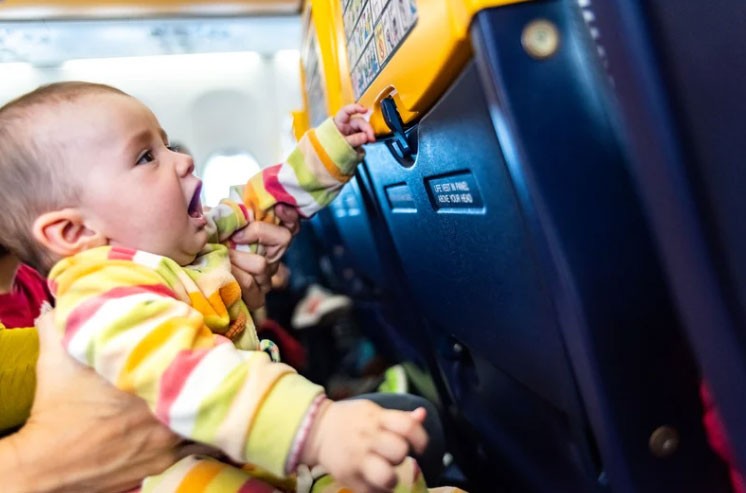
A young toddler plays with the back of an airplane seat. Photo credit: Canva
She normally books front-row spots for ease, but those were unavailable this time. Now seated farther back, she worried about managing the flight with her young child. “According to the seat map, 1C and F are empty (typically reserved for gold members), and these usually open up just before the flight,” she explained.
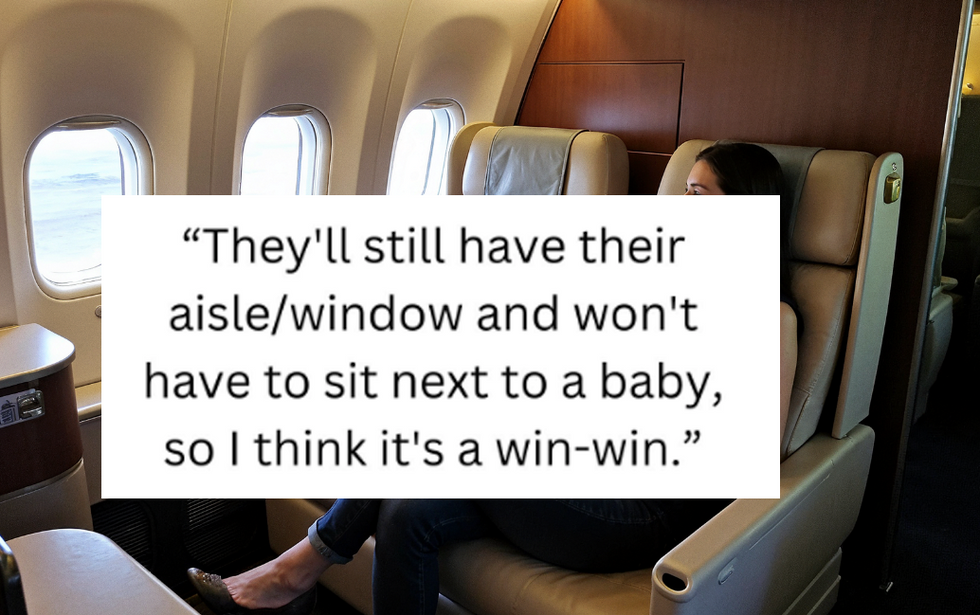
The thought of moving closer to the front lingered on her mind. To make it work, though, one of the passengers in the prime 1A or 1D seats would need to trade places so her family could sit together. “Am I being unreasonable to move us to the empty seats in the front row and hope/expect 1A or 1D to move so we can sit together? They’d still have their aisle/window and avoid sitting next to a baby, so I think it’s a win-win,” she wrote, pointing out she was five months pregnant.
Image of the seats in question. Photo credit: Mumsnet |u00a0Deekaytwo
She even laid out two clear options for the forum to consider: “Stay in your current seats and let the fancy gold members keep the empty seat next to them!” or “It doesn’t make any difference to them and will make your journey more comfortable, probably everyone else’s too, as her son will have more room to be contained.” With more than 200 replies pouring in, the overwhelming response was that her expectations weren’t fair.
The community didn’t hold back. “No, you cannot expect someone to move for your convenience. Book seats that work for you and assume that any that are already booked will remain occupied by someone else,” wrote user BreakfastAtMimis.
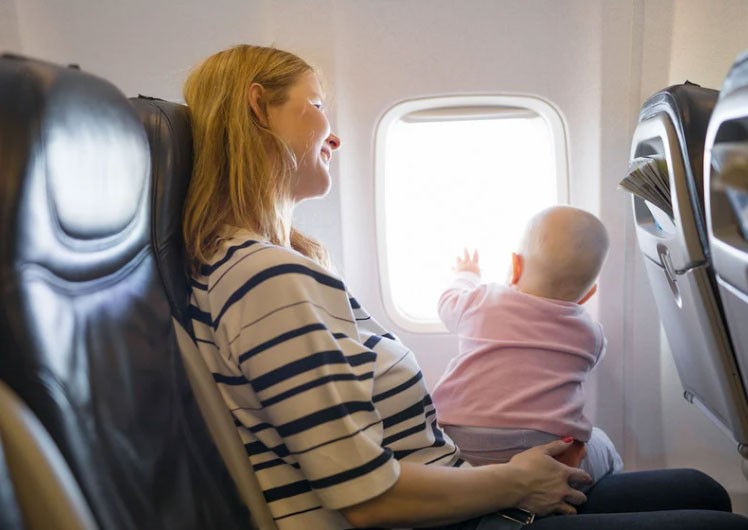
A mom sits with her toddler on an airplane. Photo credit: Canva
Another, HoHoHoliday, chimed in, “Don’t set out to make someone else feel annoyed. Choose seats that are already available for you to sit next to each other. It’s only a four-hour flight, you should be able to manage your own child for that time.” ThanKyoualMee added, “Only book it if you’re prepared to travel in the seats you’ve booked! I wouldn’t book on the provision you need someone to swap with you, personally, I’d keep your current seats sat together.”
This article originally appeared two years ago. It has been updated.
Most people know only two things about the appendix: You don’t need it – and if it bursts, you need surgery fast.
That basic story traces back at least to Charles Darwin, the English naturalist who developed the theory of natural selection. In “The Descent of Man,” he described the appendix as a vestige: a leftover from plant-eating ancestors with larger digestive organs. For more than a century, that interpretation shaped both textbook and casual medical wisdom.
But the evolutionary story of the appendix turns out to be much more complicated.
Along with our colleague Helene M. Hartman, a student preparing for a career in health care, we combined our expertise in behavioral ecology, biology and history to review the scientific literature on the appendix, expecting a simple answer.
Instead, we found an organ that evolution kept reinventing, more interesting than most people imagine.
How did the appendix evolve?
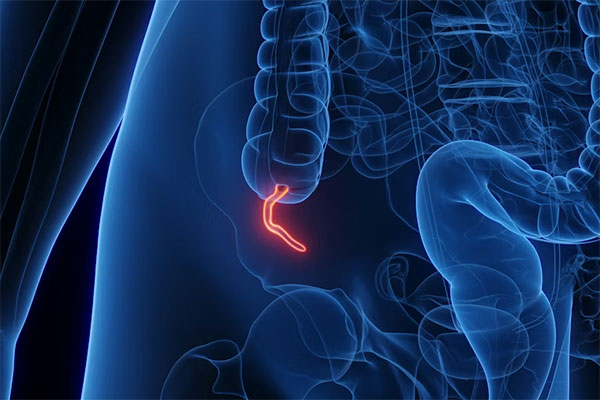
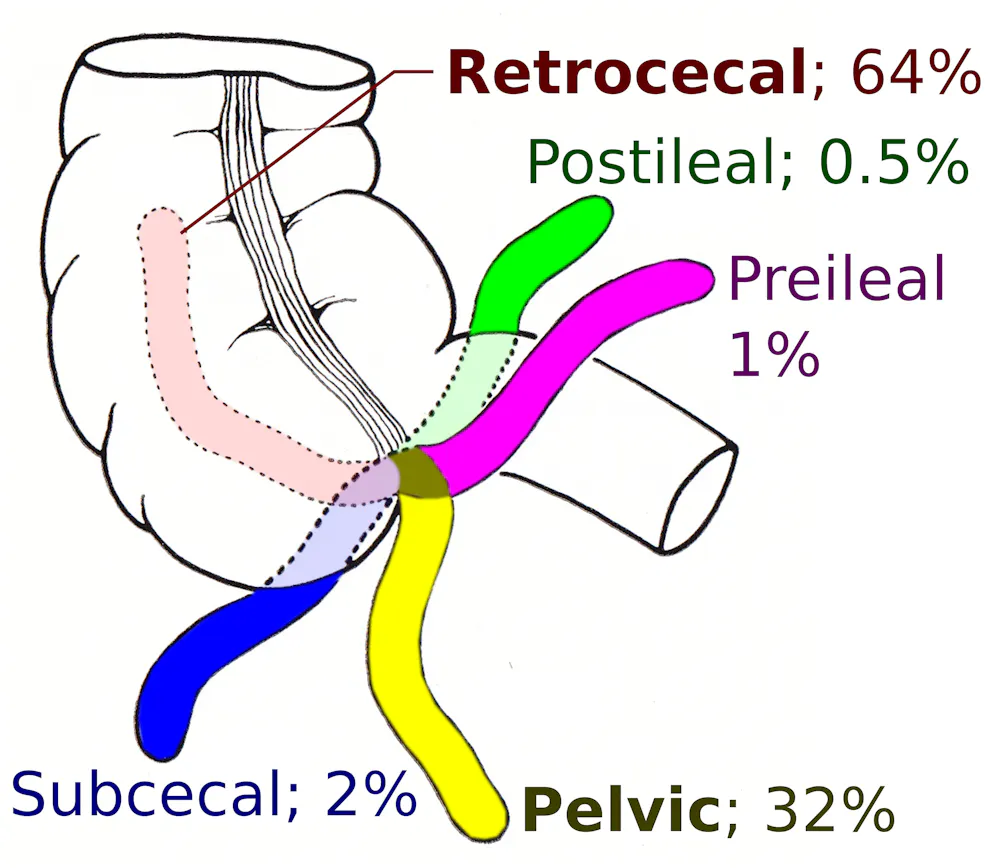
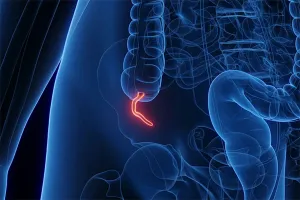
The appendix is a small pouch branching off the first section of the large intestine. Its shape and structure vary widely across species – a clue that evolution may have tinkered with it more than once.
Some species, including certain primates such as humans and great apes, have a long, cylindrical appendix. In others, including several marsupials such as wombats and koalas, the appendix appears shorter or more funnel-shaped. Still others, including some rodents and rabbits, have differently proportioned or branching structures. This structural diversity suggests that evolution has modified the organ under different ecological conditions.
That suspicion is supported by evolutionary analyses. Comparative studies show that an appendix-like structure evolved independently in at least three distinct lineages of mammals – marsupials, primates and glires, a group that includes rodents and rabbits. A broader evolutionary survey found that the appendix evolved separately at least 32 times across 361 mammalian species.
When a trait evolves repeatedly and independently, biologists call this convergent evolution. Convergence does not mean a structure is indispensable. But it does suggest that, under certain environmental conditions, having that structure provided a consistent enough advantage for evolution to favor it again and again.
In other words, the appendix is unlikely to be a useless evolutionary accident.
What does the appendix do?
The appendix supports the immune system. It contains gut-associated lymphoid tissue – immune cells embedded in the intestinal wall that help monitor microbial activity in the gut. In early life, this tissue exposes developing immune cells to intestinal microbes, helping the body learn to distinguish between harmless symbionts and harmful pathogens.
The appendix is particularly rich in structures called lymphoid follicles during childhood and adolescence, when the immune system is still maturing. These immune components participate in mucosal immunity, which helps regulate microbial populations along the intestinal lining and other mucosal surfaces. Lymphoid follicles produce antibodies, such as immunoglobulin A, to neutralize pathogens.
These hypotheses motivated a question our team explored: If the appendix helps preserve microbial stability, could removing it subtly affect reproductive fitness?
Older clinical concerns suggested that appendicitis or appendectomy might impair fertility by causing inflammation and scarring – known as tubal adhesions – in the fallopian tubes. Such scarring could physically obstruct the egg’s passage to the uterus. But several large studies have since found no decrease in fertility after appendectomy – in some cases, researchers found a small increase in pregnancy rates.
The appendix appears to have multiple functions, including immune and microbial ones. Affecting fertility, however, does not seem to be one of them.
Evolutionary importance and modern life
While the appendix has an interesting past, with evolution continually reinventing it, its modern importance is modest at best. Darwin underestimated the organ’s history, but his instinct wasn’t far off in the medical present: Some parts of human biology mattered more in the environments people evolved in than in the lives they lead today.
Early humans lived in environments with little sanitation and strong social contact – perfect conditions for outbreaks of pathogens that cause diarrhea. An appendix that quickly restored the microbiome after infection could significantly improve survival. But over the past century, clean water, improved sanitation and antibiotics have sharply reduced deaths from diarrheal diseases in high-income countries.
As a result, the evolutionary pressures that once favored the appendix have largely disappeared. Meanwhile, the medical risks of keeping the appendix – most notably appendicitis – remain. Modern surgery typically treats an infected appendix by removing it. A structure that was once a global evolutionary advantage is now more of a medical liability.
This mismatch between past adaptations and present environments illustrates a core principle in evolutionary medicine: Evolution optimizes for survival and reproduction in ancestral environments, not for health, comfort or longevity in modern ones.
Evolution operates at the level of populations over generations, favoring traits that increase average reproductive success, even if those traits sometimes harm individuals. Medicine works the other way around – helping individuals thrive in the present world rather than survive the past one.
The appendix is not an IKEA spare part included “just in case,” but neither is it essential today. Human biology has many traits that were once beneficial, now marginal – and understanding them allows medicine to make better modern decisions.
Thinking about certain types of alcohol can alter your mood and trigger certain mindsets, especially among young consumers. For instance, tequila calls up a party mindset, whiskey activates a masculine mindset, and wine primes a sophistication mindset.
We carried out four studies with 429 total participants to examine the cultural themes and moods people associate with different types of alcohol.
We conducted two preliminary studies to understand how people think about different types of alcohol. In the first study, participants answered open-ended questions, and in the second they completed a word-association task. These studies helped us identify common cultural associations, which we call “learned associations,” or ideas people develop through experience and cultural exposure.
We used these associations to create questions about alcohol-related mindsets. Participants rated how much they felt different qualities when thinking about a randomly assigned type of alcohol in response to the prompt, “I feel ___ when thinking about this type of alcohol.” For example, the sophisticated mindset included sophisticated, elegant, classy, formal and fancy; the masculinity mindset included masculine, tough, confident, manly and strong; and the party mindset included energetic, outgoing, fun, like partying and like celebrating.
Then we conducted two experiments where participants were randomly assigned to think about either wine, whiskey or tequila and respond to the mindset questions, allowing us to test whether different types of alcohol evoke different associations.
Importantly, participants did not consume alcohol, allowing us to isolate the learned associations these drinks evoke, separate from alcohol’s physiological effects.
Clear patterns emerged. Tequila was frequently associated with words like fun, wild, celebration and party. Whiskey elicited terms such as strong, rugged, confident and masculine. Wine, by contrast, was associated with elegance, class, refinement and sophistication.
These findings show that alcohol can function as a “symbolic cue.” In other words, the mindsets people associate with different drinks appear to originate from learned associations rather than from intoxication itself.
Why it matters
More than half of the U.S. adult population consumes alcohol: 54% in 2025. This is the lowest level recorded since Gallup began tracking the drinking habits of adults in the U.S. in 1939, and it marks a decline from 1997-2023, when over 60% of adults reported drinking.
Fans of the popular sitcom “How I Met Your Mother” might recall an episode titled ‘The Perfect Cocktail.“ In this episode, different alcoholic beverages reflect the personalities of Marshall (Jason Segel) and Barney (Neil Patrick Harris). It’s funny and engaging, but what if there’s a real psychological basis for these associations?
Such learned associations have not been thoroughly studied – in particular, it’s unknown whether they can activate distinct drinking mindsets even without actual consumption.
One reason why this is important is that even though Gen Zers drink less alcohol than previous generations, they are still exposed to alcohol-related media and cultural cues. Understanding these psychological cues may help explain how alcohol-related social norms and expectations develop and influence drinking decisions.
What’s next
Learned associations for different alcoholic drinks can influence how people feel, which in turn might shape their intentions, choices and social expectations. For example, if thinking about tequila prompts a “party” mindset, it could influence how a person plans their evening and what choices they make.
A better understanding of these associations could help public health campaigns promote moderation and responsible drinking, such as pacing drinks, staying hydrated and avoiding overconsumption. Future research could examine how these associations form in different social contexts, how they vary across age groups or cultures, and how interventions might shift them to further reduce risky behaviors and encourage safer, more responsible alcohol consumption.
The Research Brief is a short take on interesting academic work.
California’s Department of Housing and Community Development established this pilot program in 2019. Its goals were straightforward: to make homeless shelters more accommodating to people with pets – mostly dogs – so that people living on the streets don’t have to choose between staying in shelters or abandoning their pets.
The program disbursed US$15.75 million between 2020 and 2024 to 37 organizations across the state. The funding allowed shelters to build kennels or other pet-friendly spaces, provide pet food and supplies, and offer basic veterinary care. It also covered the costs of staffing and maintaining insurance required to operate pet-friendly shelters.
We found that the program helped 4,407 people experiencing homelessness keep their pets while getting support. Many were able to enter shelters, and their animals received needed veterinary care. A total of 886 people ultimately moved into permanent housing with their pets – a higher success rate than the statewide average for homeless people in California.
Theoretically, this funding should have reduced the number of pet owners living on the streets. Yet since 2019, the year the program began, the number of homeless people in Los Angeles with dogs and other pets has increased.
Since 2017, I’ve led the USC research team that produces the annual homeless count estimates for Los Angeles. The U.S. Department of Housing and Urban Development requires this exercise for any city seeking federal funding for homelessness services.
Before the pandemic, we generally found that roughly 1 in 8 people did. We also found that nearly half of homeless pet owners had been turned away from a homeless shelter because it couldn’t accommodate their animal.
Despite programs like California’s Pet Assistance and Support program, my research team has found that the share of people living on the streets of Los Angeles who say they have a pet increased to roughly 1 in 5 by 2025.
Need for more pet-friendly programs
We still don’t know why the share of homeless people with pets has gotten so much larger.
The Weingart Tower, where some of Los Angeles’ formerly homeless people reside and receive social services, has a small dog park. Grace Hie Yoon/Anadolu via Getty Images
The number of homeless people in Los Angeles has fallen by more than 4% since 2023 to just over 72,000 people in 2025. But based on my research findings, I would expect the number of people living on the city’s streets – with and without pets – to rise over time unless more affordable housing becomes available.
And growth in the homeless population may be hard to avoid without more efforts like California’s Pet Assistance and Support Program – on a larger scale than the pilot we studied.