
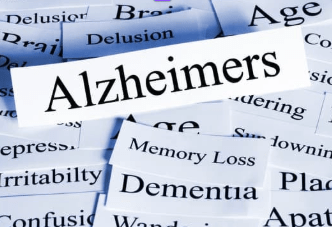
There’s been a new development in the care for and prevention of Alzheimer’s Disease. Worldwide, more than 50 million people have the tragic disease that robs you of your memories. By 2050, more than 130 million people will suffer from Alzheimer’s Disease, according to Alzheimer’s Disease International.

In 2020, researchers Manuel Montero-Odasso, Zahinoor Ismail, and Gill Livingston published a study in Alzheimer’s Research and Therapy that suggests up to one-third of Alzheimer’s cases could be prevented by paying attention to and confronting the risk factors that up a person’s chances of developing the disease. Evidence for prevention comes primarily from the Lancet Commission on Dementia Prevention, Intervention and Care.

According to Science Alert, there are 14 different risk factors that may lead to the development of Alzheimer’s: traumatic brain injury, hypertension, depression, diabetes, smoking, obesity, high cholesterol levels, low physical activity levels, too much alcohol consumption, too little education, vision loss, hearing loss, social isolation, and air pollution. Of course, it can be hard to recall each of those conditions, which led to the development of SHIELD, an easy to remember acronym that stands for Sleep, Head Injury prevention, Exercise, Learning, and Diet.

SHIELD groups together that biggest dementia risk factors in a clear and effective way for people to remember and take an active part in their own prevention.

S is for Sleep

Getting good quality sleep is essential in preventing Alzheimer’s and protecting your brain. According to Science Direct, when you sleep less than five hours per night and wake frequently, it increases the risk of developing Alzheimer’s Disease. Good sleep helps your brain function and improves memory, mood, and our ability to learn. Chronic insomnia leads to the build up of amyloid-beta protein in the brain which may play a part in the development of Alzheimer’s.

And it isn’t just dementia that poor sleep contributes to. It can also increase your likelihood for high blood pressure, obesity, and depression, which are all risk factor for Alzheimer’s.

H and I are for Head Injury

This one seems like a no-brainer, but, weirdly, preventing head injuries is frequently overlooked when talking about dementia. However, there are strong links between concussions, traumatic brain injuries (TBI), and a higher risk for developing Alzheimer’s. (And it isn’t just athletes that get hit in their noggins.)

Steps should be taken to protect your head from injury throughout your life as head injuries play a significant role in brain health and staving off Alzheimer’s, according to a 2020 study in Journal of Alzheimer’s Disease.

Alzheimer's, Alzheimer's Disease, science, dementia, SHIELD
This one seems like a no-brainer but weirdly, preventing head injuries is frequently overlooked when talking about dementia. Canva

E is for Exercise

Exercise is the single most important thing a person can do to reduce the risk of developing Alzheimer’s Disease as it reduces the chances of obesity, high blood pressure, high cholesterol, and depression. Exercise also promotes the growth of new brain cells as wells as supports memory and emotional health, Science Alert reported.

In short, exercise is good for the head, the heart, and all parts of you. Regular exercise, even in small amounts, contributes to better brain aging..

L is for Learning

Learning throughout your whole life is one of the strongest protective actions you can take to avoid Alzheimer’s Disease. Having lower education levels can lead to a greater risk of Alzheimer’s, The Lancet reported. Learning teaches the brain to function despite the damaging effects of age or disease.

People who continued to learn throughout life maintained a better mental function even after they were deep into an Alzheimer’s diagnosis. Learning a new language and doing crossword puzzles are just two of the things you can do to build brain health.

It’s never too early (or too late) to learn another language or to challenge your brain. Boosting your cognitive reserve boosts your brain against AD, The Conversation reported.

D is for Diet

And finally, your diet plays a big role in brain health and the prevention of dementia. There is no one food that wards off dementia, but rather there’s a group of nutrient-rich foods to support the health of your brain according to author and former director of the Rush Institute for Healthy Aging and the MIND Center for Brain Health at Rush University Medical Center in Chicago Dr. Martha Clare Morris. In her book, Diet for the Mind (2017), Dr. Morris notes that a healthy diet lowers the risk of dementia when whole fruits, vegetables, grains, nuts and fish are consumed rather than red meat, processed food and sweets.

The Mediterranean diet, in particular, shows promising results in protecting your brain from cognitive decline. The diet focuses on plant-based foods with olive oil as the primary fat source.

  • GLP‑1 drugs may fight addiction across every major substance, according to a study of 600,000 people
    With GLP-1 drugs becoming more accessible and affordable, they could also be within reach for substance use treatment.Photo credit: Michael Siluk/Universal Images Group via Getty Images
    ,

    GLP‑1 drugs may fight addiction across every major substance, according to a study of 600,000 people

    A massive study of veterans suggests these medications may quiet cravings far beyond food.

    A patient of mine, a veteran who had tried to quit smoking for over a decade, told me that after he started a GLP-1 drug for his diabetes, he lost interest in cigarettes. He didn’t use a patch. He didn’t set a quit date. He simply lost interest. It happened without effort.

    Another patient on one of these drugs for weight loss told me that alcohol had lost its pull – after years of failed attempts to quit.

    People struggling with many addictions, ranging from opioids to gambling, are reporting similar experiences in clinics, on social media and around dinner tables. None of them started these drugs to quit. This pattern of people losing their cravings across a broad range of addictive substances has no precedent in medicine.

    But my patients were giving me an important clue. People taking GLP-1 drugs often talk about “food noise” vanishing: the constant mental chatter about food that dominated their days simply goes quiet. But my patients were reporting that it wasn’t just food: They were noticing that the preoccupation with smoking, drinking and using drugs that drives people back despite their best intentions to stop was going quiet too.

    As a physician whose patients are often on GLP-1 drugs, and as a scientist who works on answering pressing public health questions – from long COVID to medication safety – I saw a problem hiding in plain sight: Many addictions have no approved treatment. The few medications that exist are massively underutilized, and none works across all substances. The idea that a drug already taken by millions might do what no addiction treatment has done before was too important to ignore.

    My team and I set out to test whether GLP-1 drugs – medications like semaglutide (Ozempic and Wegovy) and tirzepatide (Mounjaro and Zepbound), originally developed for diabetes and then approved for obesity – could do what no existing addiction treatment does: curb craving itself.

    Our evidence strongly suggests they can.

    Biological basis of cravings

    The hormone that these drugs mimic – GLP-1 – is not only produced in the gut. It is also active in the brain, where the receptors it binds to cluster in regions governing reward, motivation and stress – the same circuitry that gets hijacked by addiction. At therapeutic doses, GLP-1 drugs cross the blood-brain barrier and dampen dopamine signaling in the brain’s core reward center, making addictive substances less rewarding.

    GLP-1 drugs seem to inhibit cravings for several different substances in multiple animal models. For instance, rodents given GLP-1 drugs drink less alcoholself-administer less cocaine and show less interest in nicotine. When researchers gave semaglutide to green vervet monkeys – primates that voluntarily drink alcohol much like humans do – the animals drank less without showing signs of nausea or changes in water intake. This suggests the drug lowered the reward value of alcohol rather than making the animals feel sick.

    From animals to people

    To find out whether these drugs have a similar effect on people, we turned to the electronic health records of more than 600,000 patients with Type 2 diabetes at the U.S. Department of Veterans Affairs – one of the largest health care databases in the world.

    We designed a study that applied the rigor of randomized controlled trials – the gold standard in medicine – to real-world data. We compared people who started GLP-1 drugs to people who did not, adjusting for differences in health history, demographics and other factors, and followed both groups for three years.

    My team and I asked two questions: For people already struggling with addiction, did the drugs reduce overdoses, drug-related hospitalizations and deaths? And for people with no prior substance use disorder, did GLP-1 drugs reduce their risk of developing one across all major addictive substances: alcohol, opioids, cocaine, cannabis and nicotine?

    What we found was striking. In the group already struggling with addiction, there were 50% fewer deaths due to substance use among those taking GLP-1 drugs compared with those who were not. We also found 39% fewer overdoses, 26% fewer drug-related hospitalizations and 25% fewer suicide attempts. Over three years, this translated to roughly 12 fewer serious events in total per 1,000 people using GLP-1 drugs – including two fewer deaths.

    Reductions of this magnitude are rare in addiction medicine – and what’s remarkable is that the finding came from drugs initially designed for diabetes, later repurposed for obesity and never intended to treat addiction.

    The drugs also appeared to prevent addiction from developing in the first place. Among people with no prior substance use disorder, those taking GLP-1 drugs had an 18% lower risk of developing alcohol use disorder, a 25% lower risk of opioid use disorder and an approximately 20% lower risk of cocaine and nicotine dependence. Over three years, this translated to roughly six to seven fewer new diagnoses per 1,000 GLP-1 users.

    With tens of millions of people already using GLP-1 drugs, the reductions in deaths, overdoses, hospitalizations and new diagnoses could translate into thousands of prevented serious events each year.

    Converging evidence

    Our findings align with a growing body of evidence.

    A Swedish nationwide study of 227,000 people with alcohol use disorder found that those taking GLP-1 drugs had 36% lower risk of alcohol-related hospitalizations. This is more than double the 14% reduction that the same study found with naltrexone, which was the best-performing medication approved for treatment of alcohol use disorder in that analysis. Other observational studies have linked GLP-1 drugs to lower rates of new and recurring alcohol use disorderreduced diagnoses and relapse in cannabis use disorderfewer health care visits for nicotine dependence and lower risk of opioid overdose.

    Meanwhile, randomized controlled trials that directly test whether these drugs help people with addiction also show promise. In one trial, semaglutide reduced both craving and alcohol consumption in people with alcohol use disorder. In another, dulaglutide reduced drinking. More than a dozen additional trials are already underway or actively enrolling, and several more are planned.

    The future of addiction treatment

    GLP-1 drugs are the first type of medication to show potential benefit across multiple substance types simultaneously. And unlike existing addiction medications, which are prescribed by specialists and remain vastly underused, GLP-1 drugs are already prescribed at enormous scale by primary care doctors. The delivery system to reach millions of patients already exists.

    The consistency of GLP-1 effectiveness across alcohol, opioids, cocaine, nicotine and cannabis suggests these drugs may act on a shared vulnerability underlying addiction – not on any single substance pathway. If confirmed, that would represent a fundamental shift in how society understands addiction and how doctors treat it.

    Some unanswered questions remain, though, about how these drugs would affect addiction. Many people who take GLP-1 drugs to treat obesity or diabetes discontinue them; afterward, their appetite typically returns and they regain the weight they lost. Whether the same rebound would occur with addiction, and what it would mean for someone in recovery to face the roar of craving again, is unknown. Nor is it clear whether the benefits persist over years of continuous use, or whether the brain adapts in ways that dampen those effects.

    Also, because GLP-1 drugs engage the brain’s reward circuitry – the same system that governs not just craving but everyday motivation – prolonged use could, in theory, dampen motivational drive in some people. Whether that might affect real-world outcomes, such as initiative, competitive drive or performance at work, remains an open question.

    What comes next

    GLP-1 drugs have not been approved for addiction, and there is not yet enough evidence to prescribe them solely for that purpose. But for millions of people already weighing whether to start a GLP-1 drug for diabetes, obesity or another approved indication, it is one more factor worth considering.

    A patient living with diabetes who is also trying to quit smoking might reasonably choose a GLP-1 drug over another glucose-lowering medication, not because it is approved for smoking cessation, but because it may help them quit, a benefit that other diabetes drugs do not offer. Similarly, for people living with obesity who also struggle with alcohol, the potential for benefit beyond weight loss could be one more reason to consider a GLP-1 drug.

    If additional trials confirm that they effectively curb cravings across addictive substances, these drugs could begin to close one of the most consequential treatment gaps in medicine. And the most promising lead in addiction in decades will have come not from a deliberate search but from patients reporting a benefit no one anticipated. Like my patient who quit smoking after a lifetime of trying, it happened without effort.

    This article originally appeared on The Conversation. You can read it here.

  • Expert shares ancient monk’s mindset for keeping your composure when life ‘bumps’ you
    Coffee spill (LEFT). Man upset with shirt stain (RIGHT).Photo credit: Canva

    A snap reaction in a heated moment can be difficult to control. Sometimes an unexpected experience brings out the best in us—or, all too often, the worst. The Mindset Mentor Podcast, hosted by personal coach Rob Dial, explains how cultivating a healthy mindset can help you stay calm and composed when life “bumps” into you.

    Using a story of an ancient monk teaching his students about enlightenment, Dial highlights that whatever we carry within ourselves rises to the surface when life gets hard. Beginning the day with a healthy mindset matters.

    Dial shares a monk’s story about enlightenment

    A monk teaches his students about enlightenment. He asks them to imagine holding a cup of coffee when someone bumps into them, causing it to spill. When he asks why the coffee spilled, the students quickly reply that it was because someone bumped into them.

    The monk responds, “You spilled the coffee because that’s what was in your cup. Had there been water in the cup, you would have spilled water. Had there been tea in the cup, then you would have spilled tea.”

    Dial goes on to explain the impactful meaning behind the monk’s simple philosophy:

    “When life shakes you, which it will, whatever you carry inside of you will spill out. So if you’re carrying anger, or fear, or hatred, or jealousy, then that is what is going to spill out of you in those moments. But, if you’re carrying love and kindness and compassion and empathy, then that is what is going to spill out you.”

    morning practice, mediation, mindset, mental health
    An early morning stretch.
    Photo credit: Canva

    A question to ask before your day

    If this is the challenge we face each day, the real question becomes: how do we prepare ourselves for what life might throw our way? Dial suggests the answer lies in an intentional pause. “Each morning,” he says, “it’s important for you to stop and close your eyes and ask yourself, ‘What am I carrying inside of me today?’”

    That small act of self-awareness can shape everything that follows. If we choose to bring despair, judgment, and negativity, those emotions will most likely surface when things don’t go as planned. But if we choose to center ourselves in kindness and compassion, we’re far more likely to respond with those qualities instead.

    Positive thinking, affirmations, skills,
community
    Good Morning.
    Photo credit: Canva

    The advantages of morning preparation and a healthy mindset

    Significant time and research have gone into understanding the benefits of a morning routine. These practices help build a kind of “spiritual armor” that prepares us to face the day with confidence. Simple habits like getting sunlight, drinking water, moving our bodies, and practicing mindfulness can boost energy and improve mood.

    A 2024 study found that morning activities like loving-kindness meditation can positively affect people’s mental health. Individuals with a regular practice tend to be more positive, mindful, and compassionate. The length or specific details of the practice have little effect on outcomes when compared with one another.

    Another 2024 study found that framing problems in a positive way helps people recover faster from stress. Staying motivated during difficult situations and feeling more emotionally stable are skills that can be built through mindset. The simple fact is that study after study demonstrates that positive thinking directly supports mental health during difficult periods in life.

    Dial offers a simple concept: what we carry within ourselves influences how we respond to life’s challenges. The students say it’s because they were bumped. The monk explains it’s what’s in the cup. The real preparation for the day isn’t just what we do, it’s what we choose to carry. “What am I carrying today?”

    You can watch this short video on starting a morning meditation practice:

  • The Tsimané people of Bolivia have almost no dementia. Scientists say modern life is our problem.
    A tribe sharing a mealPhoto credit: Canva

    Deep in the Bolivian Amazon, researchers studying two indigenous communities have found something that stopped them in their tracks: among older Tsimané adults, the rate of dementia is roughly 1%. In the United States, the figure for the same age group is 11%.

    The finding, published in the journal Alzheimer’s & Dementia, is part of nearly two decades of research on the Tsimané and their sister population the Mosetén, communities who have been recorded as having some of the lowest rates of heart disease, brain atrophy, and cognitive decline ever measured in science. A subsequent study from the University of Southern California and Chapman University, published in the Proceedings of the National Academy of Sciences, used CT scans on 1,165 Tsimané and Mosetén adults to measure how their brains age compared to populations in the US and Europe. The answer was striking: their brains age significantly more slowly.

    The researchers’ explanation centers on what they call a “sweet spot” — a balance between physical exertion and food availability that most people in industrialized countries have drifted far from. “The lives of our pre-industrial ancestors were punctuated by limited food availability,” said Dr. Andrei Irimia, an assistant professor at USC’s Leonard Davis School of Gerontology and co-author of the study. “Humans historically spent a lot of time exercising out of necessity to find food, and their brain aging profiles reflected this lifestyle.”

    The Tsimané people of Bolivia posing for a photograph.
    The Tsimané people of Bolivia posing for a photograph. Photo credit: Canva

    The Tsimané are highly active not because they exercise in any structured sense but because their daily lives demand it. They fish, hunt, farm with hand tools, and forage, averaging around 17,000 steps a day. Their diet is heavy on carbohydrates — plantains, cassava, rice, and corn make up roughly 70% of what they eat, with fats and protein splitting the remaining 30%. It is not a low-carb or protein-heavy regimen. It is, essentially, the diet of people who burn what they consume. CNN’s Dr. Sanjay Gupta, who visited a Tsimané village in 2018 for his series “Chasing Life,” noted that they also sleep around nine hours a night and practice what might be called intermittent fasting — not by choice, but by necessity during lean seasons.

    The research also included the Mosetén, who share the Tsimané’s ancestral history and subsistence lifestyle but have more access to modern technology, medicine, and infrastructure. Their brain health outcomes fell between the Tsimané and industrialized populations, better than Americans and Europeans, but not as strong as the Tsimané. Researchers describe this gradient as especially revealing because it suggests a continuum rather than a binary, and that even partial movement toward a more active, less calorically abundant lifestyle appears to have measurable effects on how the brain ages.

    “During our evolutionary past, more food and less effort spent getting it resulted in improved health,” said Hillard Kaplan, a professor of health economics and anthropology at Chapman University who has studied the Tsimané for nearly 20 years. “With industrialization, those traits lead us to overshoot the mark.”

    The researchers are careful to note that the Tsimané lifestyle is not simply transferable. Their longevity in absolute terms is lower than Americans’ because of deaths from trauma, infection, and complications in childbirth, hazards of living without a healthcare system. The point of the research is not that modern medicine is unnecessary but that the environments it’s embedded in may be undermining the brain health it’s trying to protect.

    “This ideal set of conditions for disease prevention prompts us to consider whether our industrialized lifestyles increase our risk of disease,” Irimia said.

    This article originally appeared earlier this year.

Explore More Health Stories

Well-being

Expert shares ancient monk’s mindset for keeping your composure when life ‘bumps’ you

Health

The Tsimané people of Bolivia have almost no dementia. Scientists say modern life is our problem.

Health

Doctors couldn’t explain the pain in her daughter’s foot. Then a nurse looked closer and spotted something that led to a devastating diagnosis.

Well-being

Licensed therapist says these 3 steps stop rude people from hijacking your mind