Imagine being young and healthy, a nonsmoker with no preexisting health conditions, and then waking up one morning feeling like you were being suffocated by an unseen force. Back in March, this was my reality.

I had just returned from Europe, and roughly 10 days later started having flu-like symptoms. I became weak overnight and had trouble breathing. It felt like jogging in the Rocky Mountains without being in condition, only I wasn’t moving. I went to the hospital, where I was tested for COVID-19.

I was one of the first people in Texas given a non-FDA-approved test. My results came back negative. As a social epidemiologist who deals with big data, I was certain it was a false negative.

More than four months later, the symptoms have not gone away. My heart still races even though I am resting. I cannot stay in the sun for long periods; it zaps all of my energy. I have gastrointestinal problems, ringing in the ears and chest pain.


I’m what’s known as a long-hauler – part of a growing group of people who have COVID-19 and have never fully recovered. Fatigue is one of the most common persistent symptoms, but there are many others, including the cognitive effects people often describe as brain fog. As more patients face these persistent symptoms, employers will have to find ways to work with them. It’s too soon to say we’re disabled, but it’s also too soon to know how long the damage will last.

The frustration of not knowing

What made matters worse in the beginning was that my doctors were not certain I had COVID-19. My test was negative and I had no fever, so my symptoms did not fit into early descriptions of the disease. Instead, I was diagnosed with a respiratory illness, prescribed the Z-pack antibotic and a low dosage of an anti-inflammatory medication normally used for arthritis patients.

A Yale study released in May shows COVID-19 deaths in America do not reflect the pandemic’s true mortality rate. If I had died at home, my death would not have been counted as COVID-19.

By the end of March, I was on the road to recovery. Then I had a seizure. In the ER, the doctor said I had COVID-19 and that I was lucky – tests showed my organs did not have lasting damage. After the seizure, I lay in my bedroom for weeks with the curtains drawn, because light and sound had started to hurt.

The search for answers

I did not understand why I was not recovering. I began searching for answers online. I found a support group for people struggling with COVID-19 long-term. They called themselves long-haulers.

COVID-19 support groups show that there are many people not considered sick enough to be hospitalized – yet they are experiencing symptoms worse than the flu. It is possible COVID-19 is neurotoxic and is one of the first illnesses capable of crossing the blood-brain barrier. This might explain why many people like me have neurological problems. Many long-haulers are experiencing post-viral symptoms similar to those caused by mononucleosis and myalgic encephalomyelitis/chronic fatigue syndrome.

A common frustration is that some medical doctors dismiss their complaints as psychological.

One woman in the support group wrote: “140 days later, so many are hard to breathe, and no doctors will take me seriously as I was diagnosed with a negative swab and negative antibodies.”

Paul Garner was the first epidemiologist to publicly share his COVID status. He described his 7-week fight with the coronavirus in a blog post for the British medical journal The BMJ. In July, I was interviewed by ABC. That month, an Indiana University researcher working with an online community of long-haulers released a report identifying over 100 symptoms, and the CDC expanded its list of characteristics that put people at greater risk of developing severe COVID-19 symptoms. On July 31, the CDC also acknowledged that young people with no prior medical issues can experience long-term symptoms.

It’s still unclear why COVID-19 impacts some people more severely than others. Emerging evidence suggests blood type might play a role. However, data are mixed.

A Dutch study found immune cells TLR7 – Toll-like receptor 7 located on the X chromosome – which is needed to detect the virus is not operating properly in some patients. This allows COVID-19 to move unchecked by the immune system. Men do not have an extra X chromosome to rely on, suggesting that men, rather than women, may experience more severe COVID-19 symptoms.

Many COVID-19 survivors report having no antibodies for SARS-CoV-2. Antibody tests have a low accuracy rate, and data from Sweden suggest T-cell responses might be more important for immunity. Emerging evidence found CD4 and CD8 memory T-cell response in some people recovered from COVID-19, regardless of whether antibodies were present. A La Jolla Institute for Immunity study identified SARS-CoV-2-specific memory T-cell responses in some people who were not exposed to COVID-19, which might explain why some people get sicker than others. The complete role of T-cell response is unknown, but recent data are promising.

Looking ahead in an economy of long-haulers

Like many long-haulers, my goal is to resume a normal life.

I still grapple with a host of post-viral issues, including extreme fatigue, brain fog and headaches. I spend the majority of my day resting.

A big challenge long-haulers face may be sustaining employment. Ultimately, it is too early to classify long-haulers as having a disability. Anthony Fauci reported that “it will take months to a year or more to know whether lingering COVID-19 symptoms in young people could be chronic illnesses.”

Economics is a big driver of health, and the link between employment and health care in America further exacerbates the need to maintain employment to protect health. Employers need to be ready to make accommodations to keep long-haulers working. The stress of being sick long-term, combined with the possibility of job loss, can also contribute to mental health issues.

To effectively fight COVID-19 and understand the risks, these patients with continuing symptoms must be studied. Online support groups, meanwhile, are helping long-haulers feel understood.

Margot Gage Witvliet is an Assistant Professor of Social Epidemiology at Lamar University.

This article first appeared on The Conversation. You can read about it here.
  • Pope Leo XIV’s lung cancer highlights growing number of nonsmokers diagnosed with the disease – and younger people too
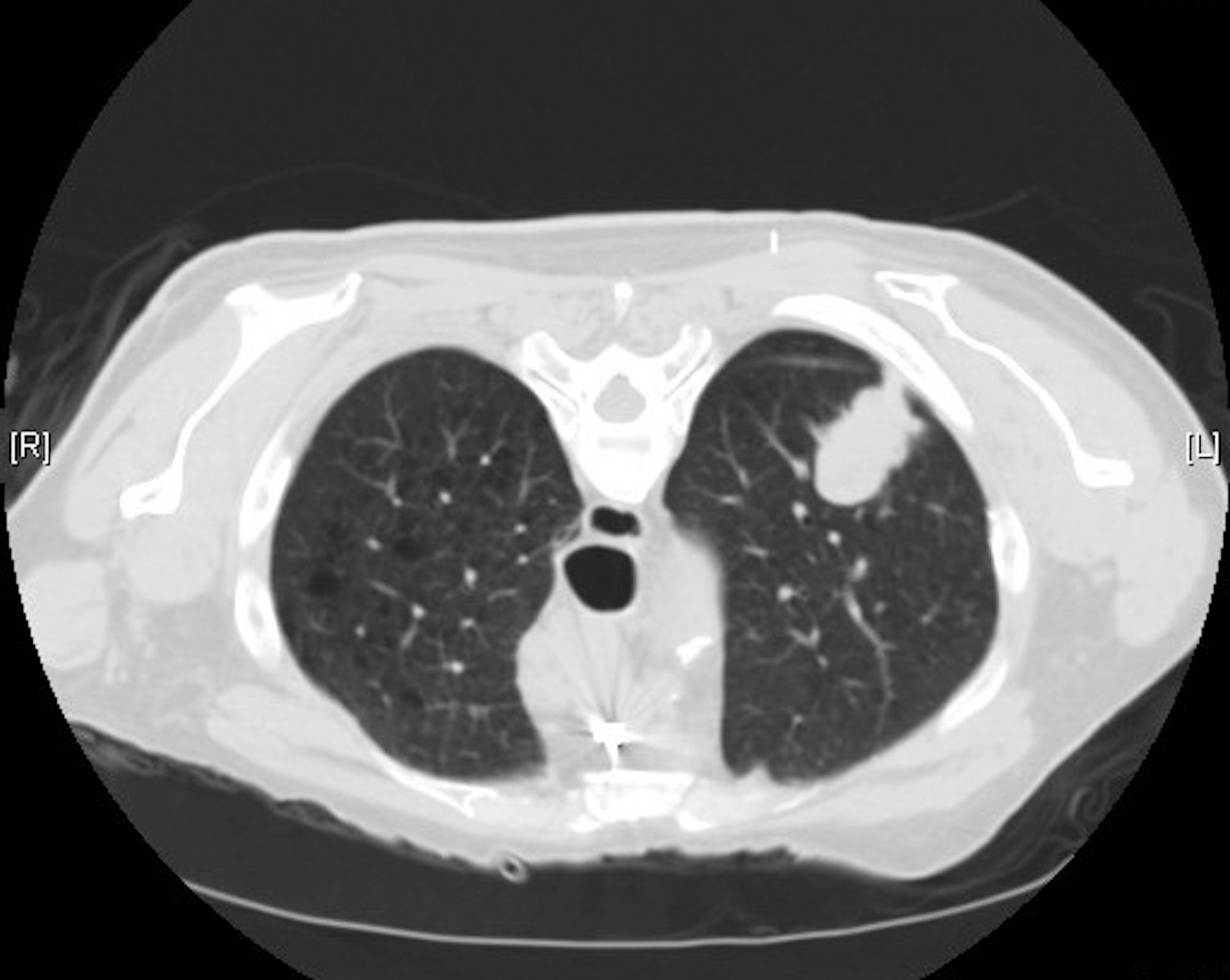
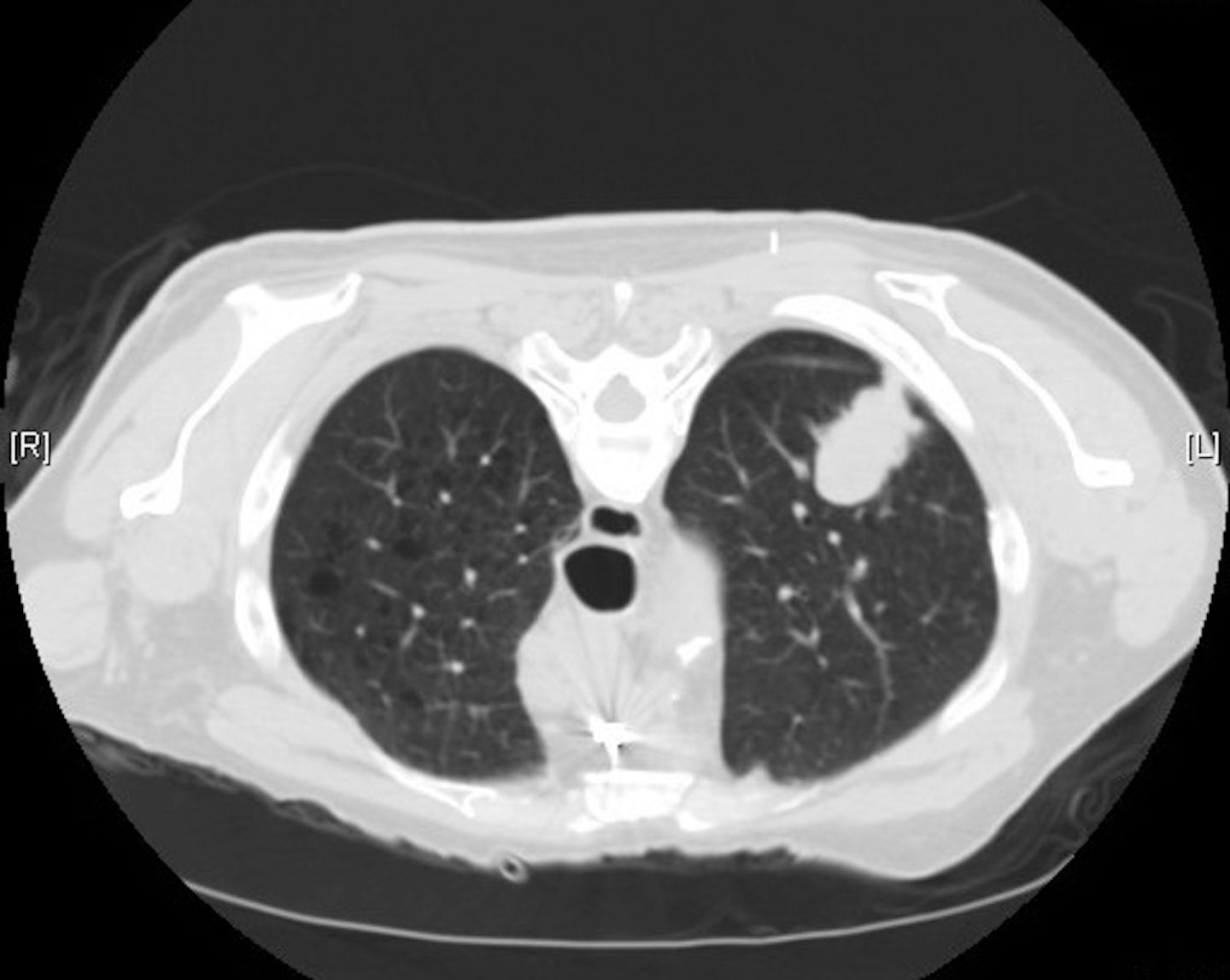
    A low-dose CT scan can help with early detection of lung cancer. In this image, the tumor is the white nodule in the upper right corner of the black space. Atlas of Pulmonary Pathology/Flickr, CC BY-SA
    ,

    Pope Leo XIV’s lung cancer highlights growing number of nonsmokers diagnosed with the disease – and younger people too

    Smoking isn’t the only risk factor, and screening can miss those who never smoked.

    When many people think of an average lung cancer patient, they often imagine an older man smoking. But the face of lung cancer has changed. Over the past 15 years, more women, never smokers and younger people are being diagnosed with lung cancer.

    In fact, lung cancer is the leading cause of cancer death among women, and more women die from lung cancer than breast, ovarian and colorectal cancer each year. The American Lung Association reports that while lung cancer rates have risen by 79% for women over the last 44 years, they decreased by 43% for men. And for the first time in history, there are more young women than men diagnosed with lung cancer.

    News about Pope Leo XIV’s lung cancer diagnosis on Oct. 13, 2026, sparked discussion about increasing rates of the disease among people who have never smoked. Leo reportedly is not a smoker. Potential causes for the disease include environmental exposures and genetics, and recognizing the diverse factors that can increase someone’s risk of lung cancer – regardless of their smoking history – is essential for timely and appropriate screening and treatment.

    Cancer that is found at the earliest stages, like that of the pope, can be treated with surgery and cured for both smokers and nonsmokers. The challenge is that people who have never smoked are not currently included in lung cancer screening guidelines, and tumors are often only found by chance.

    As a thoracic oncologist, I have seen many younger women and never smokers walk into my clinic with a new diagnosis of lung cancer. Particularly for never smokers, lung cancer is unexpected for both patients and their doctors, which can often lead to delays in diagnosis. Researchers have described this trend of increasing lung cancer rates among women in different parts of the world and are starting to understand why cases are on the rise.

    Lung cancer in women

    The first explanation of why rates of lung cancer in women have increased is that many started smoking later than men, pushing back their peak in smoking-related lung cancer diagnoses.

    Women also started smoking in the years when filtered cigarettes were most commonly used. This led to an increased risk of a type of cancer called adenocarcinoma due to the way cigarette filters distribute tobacco smoke to the outer parts of the lungs. Some studies suggest that women are more susceptible to the carcinogenic effects of exposure to tobacco and cigarette smoke, including second-hand smoke, and may develop lung cancer after fewer years of smoking compared to men.

    However, it is important to note that most people diagnosed today with lung cancer are not active smokers. About 20% of women with lung cancer have never smoked – higher than for men with lung cancer who’ve never smoked.

    Watch on  YouTube
    An increasing number of lung cancer diagnoses are among people who never smoked.

    Lung cancer risk factors

    Besides smoking and secondhand smoke, there are several other lung cancer risk factors. These include a family history of cancer and exposure to asbestos, radon and air pollution.

    Exposure to carcinogens in the workplace in the form of inhaled chemicals such as arsenic, beryllium, cadmium, silica and nickel is still a concern in some parts of the world. The potential lung cancer risk of e-cigarette and marijuana smoke is still under study but of potential concern.

    Recently, researchers have also found that genetics can play a role in lung cancer risk in some patients with a strong history of lung cancer. Studies of these families have helped identify potential susceptibility genes for lung cancer and environmental risk factors.

    Like BRCA1 and BRCA2 in breast cancer, alterations in genes that promote or protect against tumor development can contribute to lung cancer development. Researchers have yet to identify specific mutations that may predispose individuals to lung cancer. However, studying familial genetic predispositions can help elucidate how lung cancer develops and lead to new biomarkers for early cancer detection in high-risk groups.

    Lung cancer screening

    In 2021, the United States Preventive Services Task Force updated its lung cancer screening guidelines to include younger patients with less smoking history. Now, lung cancer screening is recommended for adults ages 50 to 80 who have smoked at least one pack per day for 20 years, current smokers and former smokers who quit smoking within the last 15 years. Women at risk for lung cancer can talk to their doctors about ordering a low-dose CT scan for lung cancer screening.

    Nationwide, more than 70% of eligible women undergo breast cancer screening but less than 6% of all eligible smokers pursue lung cancer screening. Researchers estimate that these new screening guidelines will increase the number of women eligible for lung cancer screening by 40% by including those at a younger age who have less smoking exposure.

    CT scan of lung adenocarcinoma
    A low-dose CT scan can help with early detection of lung cancer. In this image, the tumor is the white nodule in the upper right corner of the black space. Atlas of Pulmonary Pathology/Flickr, CC BY-SA

    Lung cancer diagnosis

    In recent years, increasing understanding of the genetic changes that can lead to cancer and how to harness the immune system to treat cancer has led to new targeted therapies and immunotherapies that have improved the prognosis of patients with lung cancer. Women tend to have a better lung cancer prognosis than men, especially if they never smoked and have tumors with molecular changes that can be treated with targeted therapies.

    However, lung cancer symptoms may go unrecognized in women. Symptoms of lung cancer can include coughing, shortness of breath, overwhelming fatigue and pain in the back, chest or shoulder, which could be confused for other ailments. Because women tend to be slightly younger when diagnosed than men, patients may be able to tolerate symptoms longer and delay seeking medical attention. Physicians also might not attribute these symptoms to lung cancer due to a patient’s younger age.

    Recognizing the early symptoms of lung cancer, expanding lung cancer screening eligibility and testing for genetic biomarkers to select the best therapy are some of the steps that could help address the global epidemic of lung cancer in women.

    This is an updated version of an article published on Feb. 1, 2023.

    Estelamari Rodriguez, Associate Director of Community Outreach in Thoracic Oncology, University of Miami

    This article originally appeared on The Conversation. You can read it here.

  • Why does your brain mix up memories? A new study examines how memories are misplaced in your brain’s filing cabinets
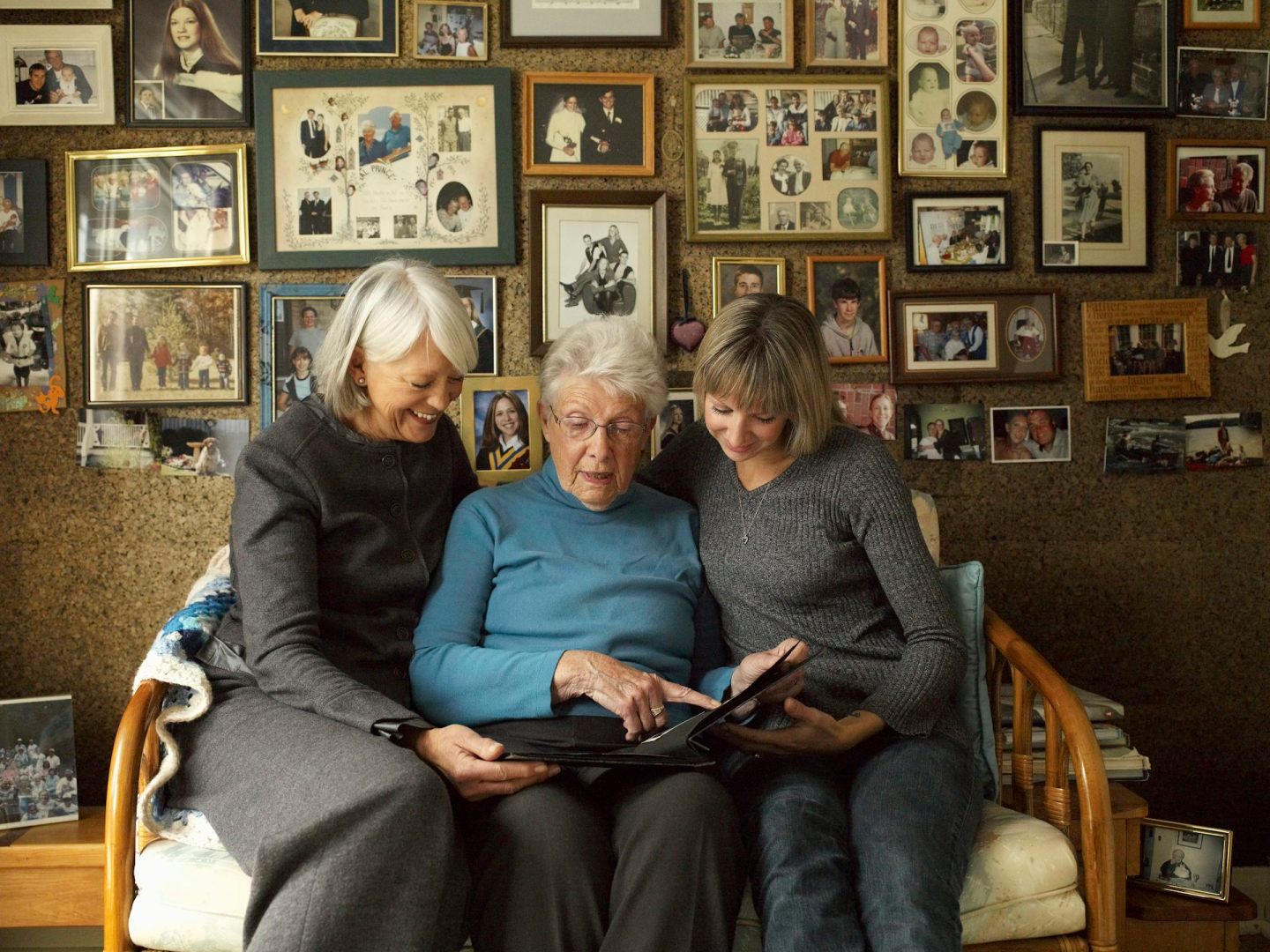
    Photo credit: LWA/Stone via Getty Images – Older people may confuse memories rather than forgetting them altogether.
    ,

    Why does your brain mix up memories? A new study examines how memories are misplaced in your brain’s filing cabinets

    A new study explores how aging changes the way our brains store and retrieve experiences.

    Associate Professor of Psychology, Binghamton University, State University of New York

    Old age and forgetfulness seem to go hand in hand. But my colleagues and I found that memories actually becomes less precise, not entirely forgotten. Our study, published in the journal Cerebral Cortex, shows how the brain blends related experiences as you age rather than replaying the exact one you need.

    Memory is a complicated process. Even when everything’s working as it should, the way people remember specific events has many parts.

    Say you have a conversation with a friend. The first stage of memory is when you’re experiencing, feeling and perceiving details of an event as it happens. The second stage involves storing these details in your brain’s file cabinet. The third stage covers when you need to search that file cabinet for just the right file when, a week later, you want to remember that conversation with your friend. This last retrieval stage is what many people think of as memory.

    Imagine that when your brain was retrieving information from that conversation with your friend, it accidentally combined details from that conversation with one you had with your spouse that morning. When you then try to remember the conversation with your friend, you actually pull the file for the conversation with your spouse instead. This kind of mix-up might be an example of what happens with the aging brain.

    Why it matters

    Remembering people and events is important for many social activities. Confusing people’s names can be embarrassing. The fear of confusing memories can even lead to social isolation.

    Scientists already know that confusing memories happens more often than forgetting them altogether. What’s less clear is how the brain gets confused.

    My team’s study tried to understand when in the memory process these mix-ups happen and how the brain’s memory center, called the hippocampus, plays a role.

    The hippocampus is involved in all stages of memory. The patterns of neural firing that occur during the first stage of memory – the initial experience of talking with your friend – often recur while your brain is filing that memory away and later when retrieving it.

    Watch on  YouTube
    The hippocampus is critical to memory.

    For our study, we scanned the brains of young, middle-aged and older adults while they went through those same three stages of memory. While in the scanner, they briefly saw images of a face at the top of the screen and an image of either a scene or an object, such as a forest or an apple, on the bottom of the screen.

    We told participants to imagine the person at the top interacting in the scene or with the object. Each image pair served as a separate “event.”

    They then relaxed for 20 minutes while we continued to record their brain activity. Finally, they took a memory test in which a face they had previously seen reappeared on top with four images below. Participants had to remember which of those images had previously been paired with the face. We repeated this test several times to gauge how well people remembered links between faces and scenes and objects across events.

    We found that older people had more memory mix-ups than young adults. For instance, they were more likely to falsely remember a face that was initially paired with an apple as having been paired with a forest. Older people were also less likely to repeat the same brain activity patterns seen when they first experienced, stored and retrieved a specific memory. Surprisingly, even when older adults did repeat the original brain patterns, they were even more likely to confuse their memories.

    Our study provides new evidence that the hippocampus is inappropriately changing memories between different memory phases as one gets older.

    What still isn’t known

    Research in young adults, including those in our study, suggests that the hippocampus is supposed to engage in the same neural firing patterns when remembering an event as when first experiencing it.

    But the older adults who made more memory mix-ups than younger participants showed these same neural patterns. So what is the brain signature when older adults get a memory right? Are other brain regions outside the hippocampus helping? We did not get a good answer for these questions from our study.

    What’s next

    Researchers are still learning how different brain regions talk to one another. One of the next frontiers in neuroscience is understanding how electrically stimulating the hippocampus prevents memory loss or restores lost memories.

    Future interventions might try to strengthen the hippocampus to prevent it from changing a memory after it’s stored. Researchers already have some ideas for this: intensive exercise, mindfulness training, brain stimulation and even recording memory cues on smartphones.

    But researchers still need to investigate whether changing the hippocampus can lead to stable, consistent memories over time.

    The Research Brief is a short take about interesting academic work.

    This article originally appeared on The Conversation. You can read it here.
  • Getting outside despite your 9‑to‑5 job can improve your mental health – here’s how to spend time in nature during and around working hours
    Photo credit: Todd Lookingbill – Urban parks are great places to soak in the outdoors without planning an elaborate trip.

    The modern workday unfolds largely indoors. Long hours spent commuting, sitting in meetings and staring at screens can make time outdoors feel like a luxury. Finding time for nature in an already packed workday can feel impossible, especially if you think nature only “counts” when it involves hiking boots and camping gear.

    But a growing body of research suggests that nature’s benefits don’t require an exotic vacation getaway or weekend adventure. Even brief, routine interactions with green space can reduce stress, improve mood and promote overall well-being.

    I spent the spring of 2026 teaching and studying urban landscapes in Denmark, a country consistently ranked among the happiest in the world. I expected to find thoughtfully designed parks, courtyards and bicycle paths. I did see those things. But what surprised me was how seamlessly people moved through those spaces as part of their ordinary lives.

    These green spaces weren’t aspirational destinations, reserved for special occasions. They were places to eat lunch, meet friends, walk through on the way home from work, or just pause for a few quiet moments. Getting outside seemed a part of the natural rhythm of the day.

    Denmark‘s outdoor culture stemmed not only from the creation of a meticulously planned network of parks, but also from the way green spaces were fundamentally woven into the routines of everyday life.

    A wooden bench in an outdoor park
    A wooden bench in one of Copenhagen’s forest therapy parks invites people to sit and soak in their surroundings. Todd Lookingbill

    Everyday parks, everyday benefits

    Evidence linking time spent in nature with health benefits has increasingly shaped public policy. In the U.S., for example, the National Park Service’s Healthy Parks Healthy People and ParkRx initiatives reflect a growing recognition that access to parks contributes to well-being.

    For many Americans, however, the word “park” brings to mind iconic national parks such as Yellowstone, Yosemite or the Grand Canyon. Yet visiting parks of all kinds can improve your overall health. The greatest public health value may come not from the parks people visit once in a lifetime but from those close enough to visit again and again.

    My own research on Civil War battlefield parks illustrates this point. These are parks that were established to commemorate historic conflicts that were frequently fought on the fringes of major metropolitan areas. Consequently, many of these landscapes preserve forests, grasslands and trails within easy reach of millions of Americans.

    Because they’re accessible without extensive travel or planning, they can become places people return to repeatedly – such as during a lunch break or after work. Reframing the notion of “park” opens up millions of acres of land for everyday uses.

    Designing for everyday nature

    At the University of Richmond, where I work, a stream restoration projects became an opportunity to rethink how nature fits into campus life. Landscape architects designed an Eco-Corridor, as the project became known. It has walking paths, gathering spaces and seating areas for quiet reflection alongside flowing streams and native vegetation.

    The result was a landscape that supports biodiversity and improves water quality while also creating places for students, faculty and staff to walk between meetings, eat lunch alfresco or spend a few quiet moments outside during the workday. Its ongoing care depends on an army of volunteers who spread mulch, remove invasive plants and tend the community garden. For these volunteers, stewardship between classes and meetings meant another opportunity to interact with nature.

    A group of young people walking along a concrete path lined with trees and shrubbery.
    Students walk through the ‘Eco-Corridor’ at the University of Richmond. Haley Herrmann

    What we learned was that nature doesn’t have to compete with work, studying or everyday responsibilities. Thoughtful landscape design can make spending time outdoors, even if only for a few short minutes, feel like a normal part of the day.

    This article originally appeared on The Conversation. You can read it here.

Explore More Health Stories

Health

Getting outside despite your 9‑to‑5 job can improve your mental health – here’s how to spend time in nature during and around working hours

Research

New Russian research suggests that the human lifespan could be up to 156 years

Health

Screen time guidelines for kids and adolescents have shifted as research paints a more nuanced picture

Care

ER doctor and mom sets the record straight for parents of kids with e-bikes and e-scooters