The notion of people lobbing abuse and harm onto a blind man and his guide dog sounds too cruel to be real, but as this video below shows, it’s very real and disturbingly common. 37-year-old Amit Patel has been legally blind due to Keratoconus since 2102. The former (due to his condition) doctor and his wife live in London, where he negotiates the city with the assistance of a guide dog named Kika.
To show (and prove to) the world that he faces abuse the likes of which most decent people wouldn’t dream of, he strapped a GoPro camera onto Kika as he went about his daily business in London. Here’s the footage from one video:
As you might imagine, it’s not usually outward animus or antagonism directed at Patel and Kika, but the manifestation of impatience or the lack of realization that the insults and shoving are being levied against a blind man and his guide dog. Of course, that’s of little consolation to a man who can’t cross an intersection or ride an escalator without people pushing, cursing, or stepping over his dog.
Adding insult to injury, after these run-ins, the offending parties will go so far as to demand apologies from Patel, as he conveys here:
“Kika always sits to my left hand side so we often block the escalator and people will hit her with bags and umbrellas to get her to move out of the way. The worst part is the tutting and negative comments behind me. People are so rude and arrogant and assume they can do whatever they want. One lady even said I should apologise to the people behind her for holding them up. I asked her if I should apologise for being blind and she said ‘yes’.”
He said that while he has learned to whether the hardships, Kika carries the scars a little longer, often refusing to ride an escalator or the tube for several days after an incident. That said, Kika continues to perform her job, once even saving Amit’s life by putting herself between her owner and a car speeding through an intersection. He recalls, “She saw the car and she got in front of me and took the hit – the car grazed her nose. It was three days before she could work again.”
It’s unlikely that this video will affect much change for Amit on the streets of London, but it may serve to inform the few who see it that being a blind person managing a service animal in a crowded city is hard enough without taking on a barrage of confrontations, passive and otherwise, from those around them.
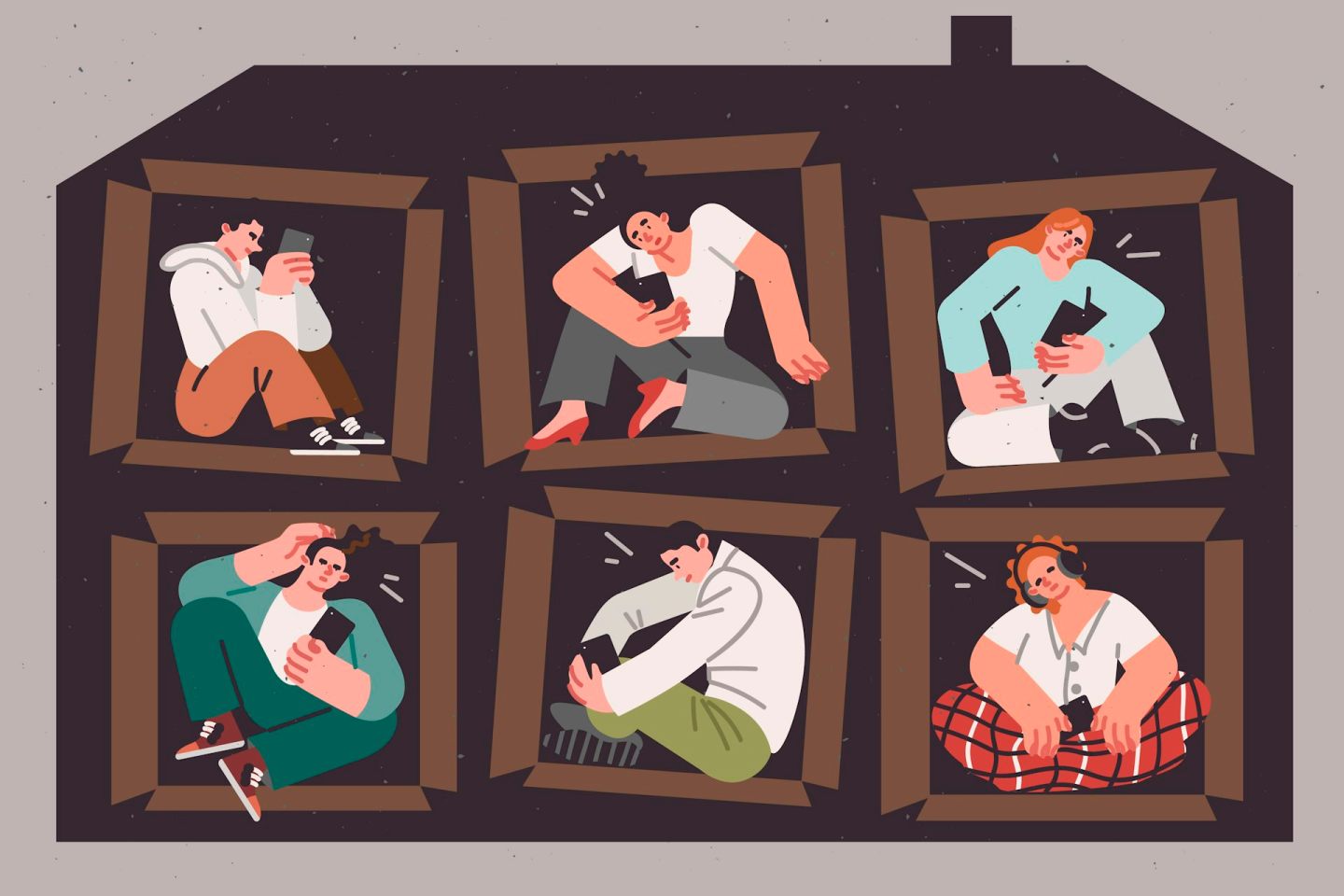
These days, I often walk into a silent room, with students staring at their phones and barely acknowledging the classmates beside them.
As I read more about the United States’ loneliness crisis, I began noticing a version of it among my students.
In a 2026 national survey of over 40,000 college students, nearly 6 in 10 said they felt lonely sometimes or always. At the same time, federal time-use data show that the share of Americans who socialized in person with family, friends or others on an average day fell from 38% in 2015 to 30% in 2025.
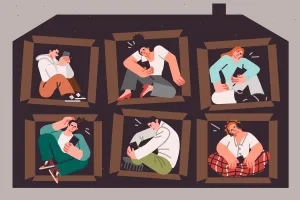
Those and similar other studies capture a familiar contradiction seen on college campuses like my own: Many new students want close relationships, but feel anxious about initiating them and have had little practice sustaining them.
I realized that my students rarely spoke to one another, and went entire semesters without learning their classmates’ names. Many students seemed unsure how to cross the few feet between them and their peers and make the social connection they craved.
I designed a freshman honors seminar, “Friendship & Society,” around this uncertainty, combining the academic study of friendship with practical exercises in forming and sustaining it.
College students in this class learn about how positive social interactions activate the brain’s reward system while isolation triggers a stress response.Klaus Vedfelt/Digital Vision via Getty Images
They consider how friends help shape identity and memory, whether old friends are owed continued loyalty after their lives diverge and whether a friendship can remain meaningful after it ends.
Students also look at how friendship can have strong effects on physical and mental health, making it what I believe is an overlooked public health issue. Friendships can also help shape people’s broader sense of belonging in a community, building the social trust that civic life depends on.
Students test those questions through 10 “Friendship Practices,” a series of experiential activities I designed. Students are asked to share a meal with classmates or visit a public gathering place like a café or lounge to see how these settings can encourage conversation. During a “friendship safari,” small groups walk across campus, noting where conversations begin and where students pass one another without speaking.
In private journal entries and submitted reflections, students record what they expected from each situation, and what happened when they tried to form connections. They make a short film telling a story of friendship on campus and end with a friendship memoir tracing how their own relationships and expectations changed during their first semester of college.
Diving into friendship
Students read “Stay True,” a memoir about a friendship between author Hua Hsu and his classmate Ken that shapes Hsu’s sense of himself long after his friend’s death.
Neuroscientist Ben Rein’s book “Why Brains Need Friends” explains the biology of connection and isolation, and shows how positive interactions activate the brain’s reward system while isolation triggers a stress response.
Students learn that a friendship is built from countless moments that may feel meaningless while they are happening. An unremarkable meal, or a conversation that fills 10 spare minutes rarely feels consequential on its own.
Over time, those moments build relational capital, meaning the shared trust and history friends can draw on when life becomes difficult or a disagreement needs repairing.
That reserve reaches beyond a single relationship. Communities become more connected when people have accumulated enough ordinary experience together to trust one another and keep showing up.
By the end of the course, students can weigh different kinds of evidence about how friendships form, develop and sometimes fade. They also become better able to start a conversation, recognize which public spaces make it easier to meet and spend time with others, and identify habits that help relationships deepen over time.
They finish with a clearer sense of how relationships take shape and how their own choices contribute to the communities forming around them.
Uncommon Courses is an occasional series from The Conversation U.S. highlighting unconventional approaches to teaching.
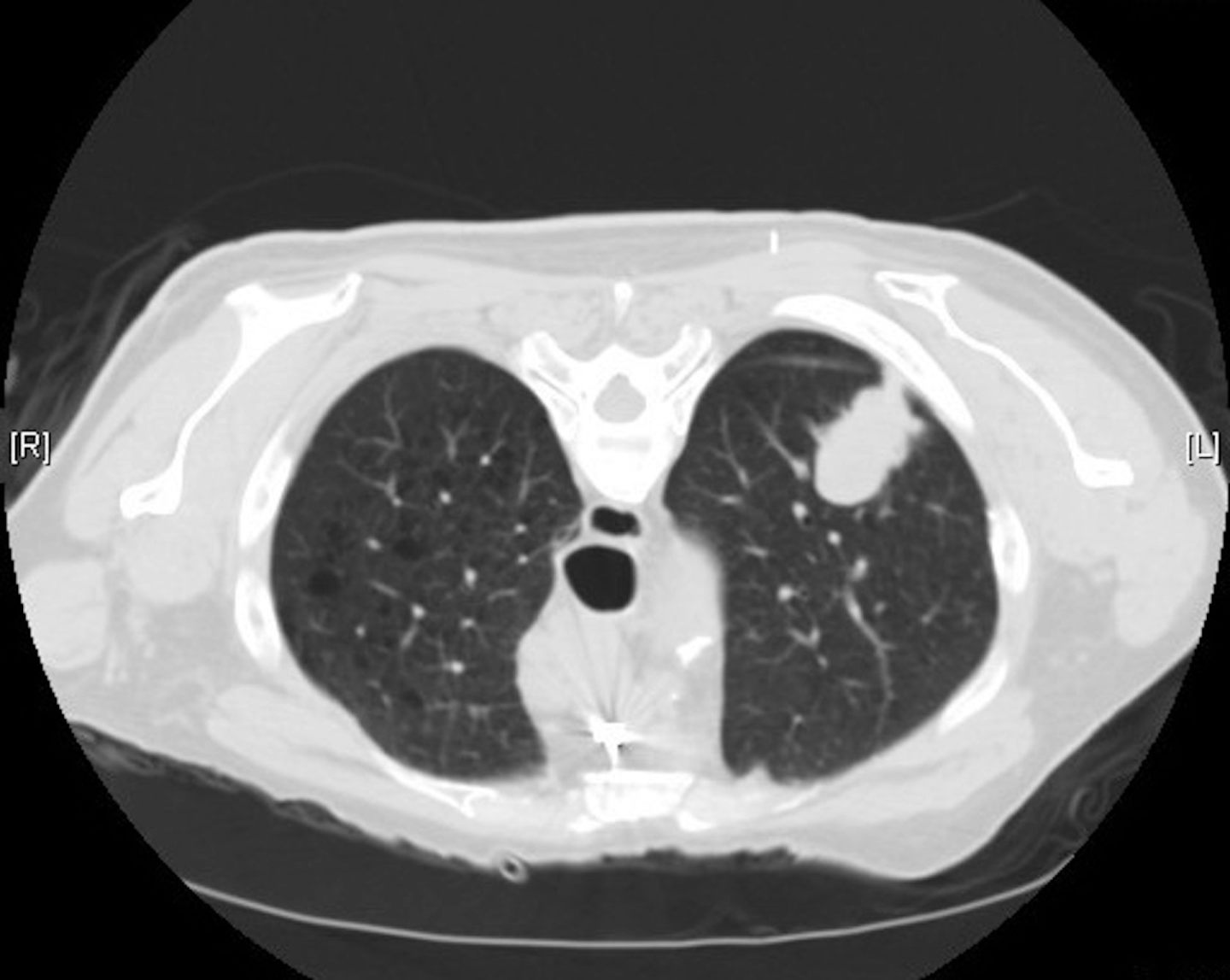
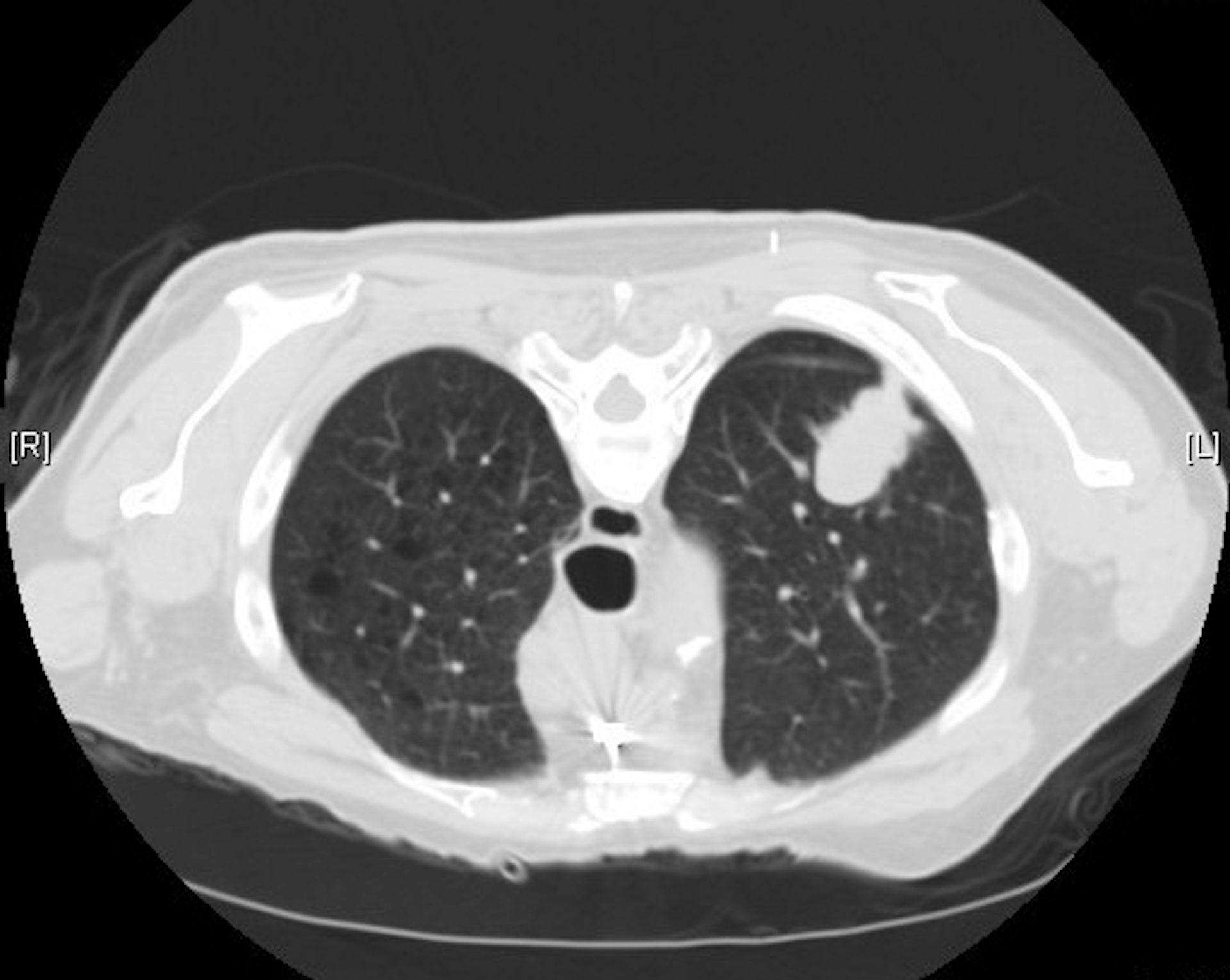
A low-dose CT scan can help with early detection of lung cancer. In this image, the tumor is the white nodule in the upper right corner of the black space. Atlas of Pulmonary Pathology/Flickr, CC BY-SA
When many people think of an average lung cancer patient, they often imagine an older man smoking. But the face of lung cancer has changed. Over the past 15 years, more women, never smokers and younger people are being diagnosed with lung cancer.
In fact, lung cancer is the leading cause of cancer death among women, and more women die from lung cancer than breast, ovarian and colorectal cancer each year. The American Lung Association reports that while lung cancer rates have risen by 79% for women over the last 44 years, they decreased by 43% for men. And for the first time in history, there are more young women than men diagnosed with lung cancer.
News about Pope Leo XIV’s lung cancer diagnosis on Oct. 13, 2026, sparked discussion about increasing rates of the disease among people who have never smoked. Leo reportedly is not a smoker. Potential causes for the disease include environmental exposures and genetics, and recognizing the diverse factors that can increase someone’s risk of lung cancer – regardless of their smoking history – is essential for timely and appropriate screening and treatment.
Cancer that is found at the earliest stages, like that of the pope, can be treated with surgery and cured for both smokers and nonsmokers. The challenge is that people who have never smoked are not currently included in lung cancer screening guidelines, and tumors are often only found by chance.
As a thoracic oncologist, I have seen many younger women and never smokers walk into my clinic with a new diagnosis of lung cancer. Particularly for never smokers, lung cancer is unexpected for both patients and their doctors, which can often lead to delays in diagnosis. Researchers have described this trend of increasing lung cancer rates among women in different parts of the world and are starting to understand why cases are on the rise.
Lung cancer in women
The first explanation of why rates of lung cancer in women have increased is that many started smoking later than men, pushing back their peak in smoking-related lung cancer diagnoses.
Women also started smoking in the years when filtered cigarettes were most commonly used. This led to an increased risk of a type of cancer called adenocarcinoma due to the way cigarette filters distribute tobacco smoke to the outer parts of the lungs. Some studies suggest that women are more susceptible to the carcinogenic effects of exposure to tobacco and cigarette smoke, including second-hand smoke, and may develop lung cancer after fewer years of smoking compared to men.
However, it is important to note that most people diagnosed today with lung cancer are not active smokers. About 20% of women with lung cancer have never smoked – higher than for men with lung cancer who’ve never smoked.
An increasing number of lung cancer diagnoses are among people who never smoked.
Lung cancer risk factors
Besides smoking and secondhand smoke, there are several other lung cancer risk factors. These include a family history of cancer and exposure to asbestos, radon and air pollution.
Exposure to carcinogens in the workplace in the form of inhaled chemicals such as arsenic, beryllium, cadmium, silica and nickel is still a concern in some parts of the world. The potential lung cancer risk of e-cigarette and marijuana smoke is still under study but of potential concern.
Recently, researchers have also found that geneticscan playa role in lung cancer risk in some patients with a strong history of lung cancer. Studies of these families have helped identify potential susceptibility genes for lung cancer and environmental risk factors.
Like BRCA1 and BRCA2 in breast cancer, alterations in genes that promote or protect against tumor development can contribute to lung cancer development. Researchers have yet to identify specific mutations that may predispose individuals to lung cancer. However, studying familial genetic predispositions can help elucidate how lung cancer develops and lead to new biomarkers for early cancer detection in high-risk groups.
Lung cancer screening
In 2021, the United States Preventive Services Task Force updated its lung cancer screening guidelines to include younger patients with less smoking history. Now, lung cancer screening is recommended for adults ages 50 to 80 who have smoked at least one pack per day for 20 years, current smokers and former smokers who quit smoking within the last 15 years. Women at risk for lung cancer can talk to their doctors about ordering a low-dose CT scan for lung cancer screening.
A low-dose CT scan can help with early detection of lung cancer. In this image, the tumor is the white nodule in the upper right corner of the black space.Atlas of Pulmonary Pathology/Flickr, CC BY-SA
Lung cancer diagnosis
In recent years, increasing understanding of the genetic changes that can lead to cancer and how to harness the immune system to treat cancer has led to new targeted therapies and immunotherapies that have improved the prognosis of patients with lung cancer. Women tend to have a better lung cancer prognosis than men, especially if they never smoked and have tumors with molecular changes that can be treated with targeted therapies.
However, lung cancer symptoms may go unrecognized in women. Symptoms of lung cancer can include coughing, shortness of breath, overwhelming fatigue and pain in the back, chest or shoulder, which could be confused for other ailments. Because women tend to be slightly younger when diagnosed than men, patients may be able to tolerate symptoms longer and delay seeking medical attention. Physicians also might not attribute these symptoms to lung cancer due to a patient’s younger age.
Recognizing the early symptoms of lung cancer, expanding lung cancer screening eligibility and testing for genetic biomarkers to select the best therapy are some of the steps that could help address the global epidemic of lung cancer in women.
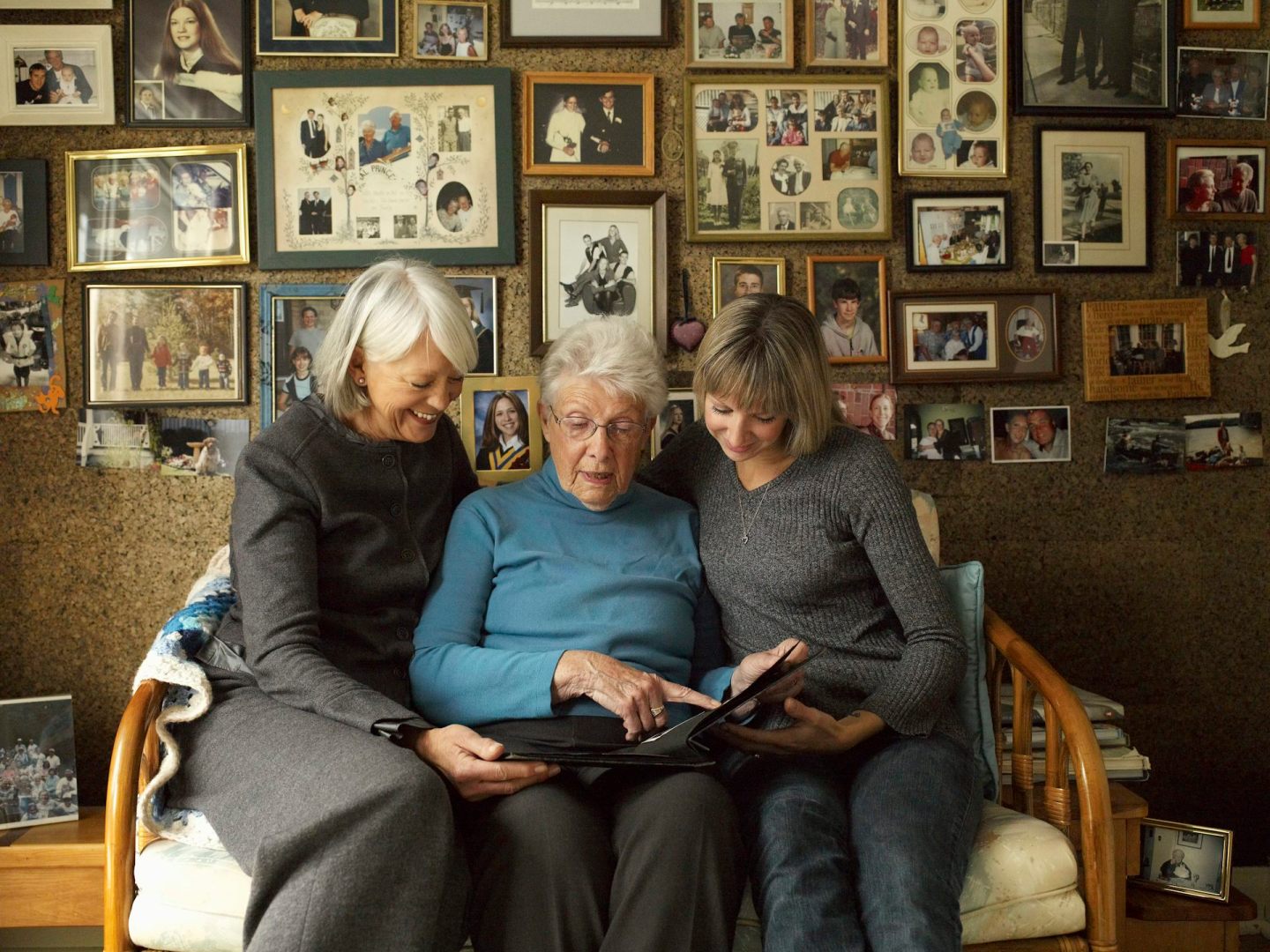
Old age and forgetfulness seem to go hand in hand. But my colleagues and I found that memories actually becomes less precise, not entirely forgotten. Our study, published in the journal Cerebral Cortex, shows how the brain blends related experiences as you age rather than replaying the exact one you need.
Memory is a complicated process. Even when everything’s working as it should, the way people remember specific events has many parts.
Say you have a conversation with a friend. The first stage of memory is when you’re experiencing, feeling and perceiving details of an event as it happens. The second stage involves storing these details in your brain’s file cabinet. The third stage covers when you need to search that file cabinet for just the right file when, a week later, you want to remember that conversation with your friend. This last retrieval stage is what many people think of as memory.
Imagine that when your brain was retrieving information from that conversation with your friend, it accidentally combined details from that conversation with one you had with your spouse that morning. When you then try to remember the conversation with your friend, you actually pull the file for the conversation with your spouse instead. This kind of mix-up might be an example of what happens with the aging brain.
Why it matters
Remembering people and events is important for many social activities. Confusing people’s names can be embarrassing. The fear of confusing memories can even lead to social isolation.
Scientists already know that confusing memories happens more often than forgetting them altogether. What’s less clear is how the brain gets confused.
My team’s study tried to understand when in the memory process these mix-ups happen and how the brain’s memory center, called the hippocampus, plays a role.
The hippocampus is involved in all stages of memory. The patterns of neural firing that occur during the first stage of memory – the initial experience of talking with your friend – often recur while your brain is filing that memory away and later when retrieving it.
For our study, we scanned the brains of young, middle-aged and older adults while they went through those same three stages of memory. While in the scanner, they briefly saw images of a face at the top of the screen and an image of either a scene or an object, such as a forest or an apple, on the bottom of the screen.
We told participants to imagine the person at the top interacting in the scene or with the object. Each image pair served as a separate “event.”
They then relaxed for 20 minutes while we continued to record their brain activity. Finally, they took a memory test in which a face they had previously seen reappeared on top with four images below. Participants had to remember which of those images had previously been paired with the face. We repeated this test several times to gauge how well people remembered links between faces and scenes and objects across events.
We found that older people had more memory mix-ups than young adults. For instance, they were more likely to falsely remember a face that was initially paired with an apple as having been paired with a forest. Older people were also less likely to repeat the same brain activity patterns seen when they first experienced, stored and retrieved a specific memory. Surprisingly, even when older adults did repeat the original brain patterns, they were even more likely to confuse their memories.
Our study provides new evidence that the hippocampus is inappropriately changing memories between different memory phases as one gets older.
What still isn’t known
Research in young adults, including those in our study, suggests that the hippocampus is supposed to engage in the same neural firing patterns when remembering an event as when first experiencing it.
But the older adults who made more memory mix-ups than younger participants showed these same neural patterns. So what is the brain signature when older adults get a memory right? Are other brain regions outside the hippocampus helping? We did not get a good answer for these questions from our study.
What’s next
Researchers are still learning how different brain regions talk to one another. One of the next frontiers in neuroscience is understanding how electrically stimulating the hippocampus prevents memory loss or restores lost memories.