
For many people, working out isn’t the hard part. It’s everything that comes with it: the time commitment, the pressure of consistency, and the feeling that only full workouts count.
That all-or-nothing mindset keeps a lot of people from even getting started. This might explain why a small idea has been gaining traction. Instead of setting aside an hour or two to exercise, people are taking “micro walks” instead.
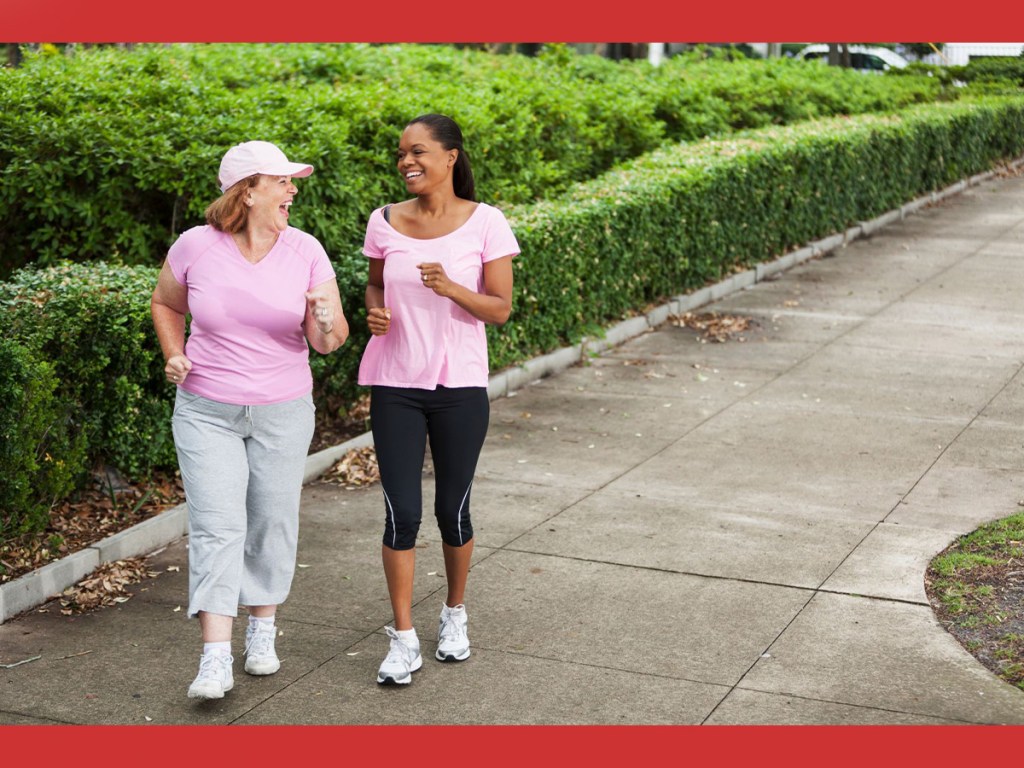
Photo credit: Canva
“Micro walks” are simple and still provide the benefits
A loop around the block in the morning. A quick break between meetings or events on the daily schedule. Perhaps another lap after dinner. These short walks sprinkled throughout the day might seem too simple to matter.
For a growing number of people, the simplicity is what makes it really work. Doing less at a time, but more often, is what’s resonating. The barrier to entry suddenly drops. People don’t need much motivation. Just a few minutes is enough to get started.
The hidden appeal behind shorter walks
The appeal of a “micro walk” for people dreading a workout isn’t necessarily about peak optimization. The benefits come from gaining momentum. For individuals who have spent years feeling like they’re either all-in or completely off track, this offers a third option.
Short periods of exercise fit into the structure of real life instead of competing with it. Finding the time to set aside large blocks of time can be difficult for many people. Breaking movement into smaller increments makes it far more manageable.
In the end, consistency matters more than perfection. Getting daily steps in becomes something achievable rather than overwhelming.
Research shows that shorter walks work
A 2024 study published in the Proceedings of the Royal Society B, a scientific journal recognized for its rigorous reviews, investigated the benefits of different walking patterns. The findings revealed that short walking bursts use more energy than longer continuous walks. Breaking up exercise is more impactful than it seems.
Harvard Health Publishing reported that even brief walks can boost energy and counteract the effects of prolonged sitting. Getting moving has significant heart health advantages, and walking is extremely accessible.
Physical exercise boosts overall well-being
Turning short walks into a mental reset can boost a person’s emotional well-being. Physical exercise stimulates the body, yet it also increases inner harmony. A 2025 study published in Springer Nature found that even a 10-minute walk can meaningfully improve mood regulation. Finding the time for a brief walk can lessen symptoms of anxiety.
A 2024 study published in Nature demonstrated that short activity breaks increase cognitive performance and elevate mood. There are immediate emotional advantages to activities like “micro walks,” not just long-term fitness gains.
Science demonstrates that walking has both physical and emotional benefits. The most common barriers are time and motivation. Shifting from big goals to showing up in small, repeatable moments is what actually matters. “Micro walks” turn movement from something people have to make time for into something that becomes part of how they live. It’s another small step toward finding happiness.