
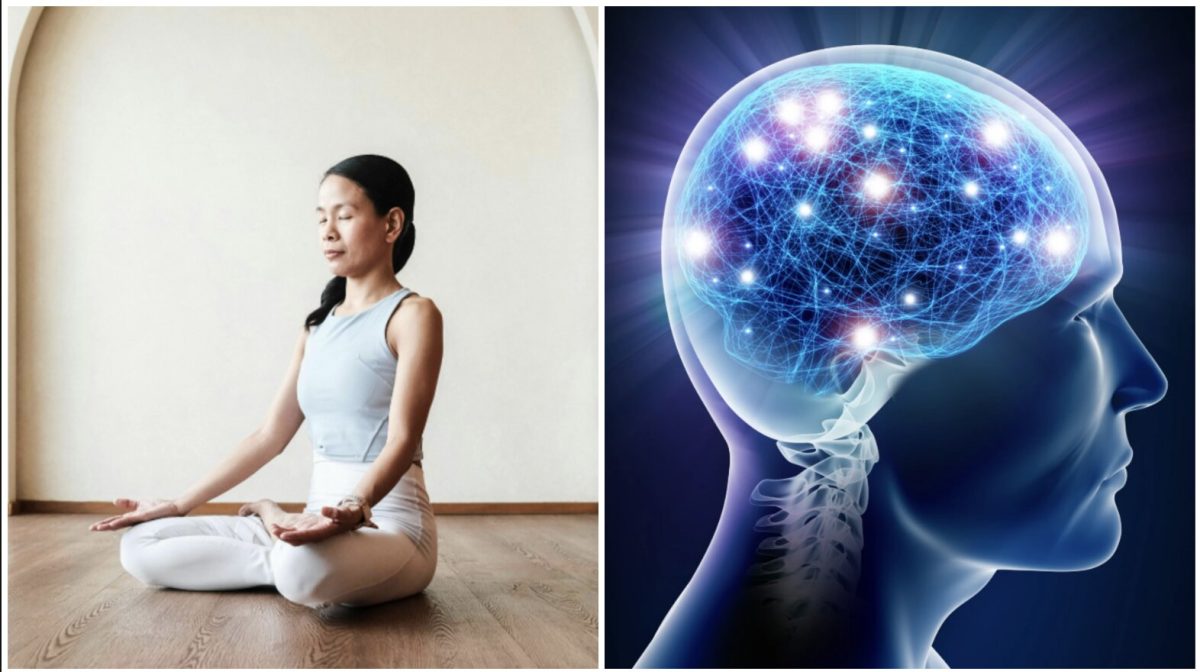
Meditation has been a practice for thousands of years, as early as 5,000 to 3,500 BCE. While typically a spiritual practice, meditation has since become a method to enhance mental and physical wellness. Many use meditation to lower stress and anxiety to feel more calm and grounded. Some practitioners meditate for hours at a time to achieve this, but, according to recent scientific research, they may only need seven minutes.
A study conducted by the National Institute of Mental Health and Neuro Sciences in Bengaluru, India found that while meditation can alter and change the brain over multiple sessions, it only takes around seven minutes for that mental change to peak per session.
“Meditation research has traditionally compared broad states such as ‘rest’ versus ‘meditation,’ but we still know surprisingly little about when changes in the brain actually emerge after meditation begins,” said researcher Malipeddi Saketh to PsyPost. “Many people assume meditation effects require long sessions, yet little work has examined the moment-to-moment temporal dynamics of brain activity during meditation.”
Studying the brain while it’s meditating
For the study, Saketh and his colleagues separated 103 participants into three groups. The groups were separated by their meditation experience, from novices to regular practitioners. In a sound-proof room, they had the participants individually engage in a 15-minute breath-watching meditation. During these sessions, the researchers analyzed their brain activity at a rate of 1,000 measurements per second. They did this using a specialized net of 128 electrodes placed across the scalp.
The researchers also looked at a transitional band called theta-alpha, which ranges from 6 to 10 hertz. This band is said to reflect a calm, focused state when both alertness and relaxation overlap. This is in contrast to 8 to 12 hertz alpha waves, a state of relaxation in which a person is wide awake with their eyes closed.
To track changes in brain activity over time, the researchers compared the data collected during successive one-minute segments against the baseline, which was the first 30 seconds of the meditation session. They also ran a separate analysis comparing a period of eyes-closed rest to the participant’s meditative state.
The results were promising, especially for newbies to meditation. The researchers found that brain changes during meditation were found within the first two to three minutes. They also found that regardless of experience, these brain changes peaked in intensity within the first seven to ten minutes. This means someone could get the benefits of meditation in less time than it takes to watch a YouTube video.
Effective meditation requires less time than previously thought
“From a mental well-being perspective, this is encouraging because many people feel they lack sufficient time to meditate or believe they need to practice for very long durations to experience benefits,” Saketh noted. “Our findings suggest that even brief periods of intentional mental training may begin engaging brain processes related to attention and internal awareness.”
This study means that even if you have little time in your schedule, you can benefit from meditation. According to the Mayo Clinic, meditation can help a person manage symptoms of a wide assortment of ailments. This can range from IBS to high blood pressure. In general, meditation is seen as a good practice for stress management.
While there are several videos online and various venues for professional meditation sessions, beginners don’t necessarily need those at the start. They may not even need them at all.
Meditation tips for newbies
Experts have a few tips to get begin meditating regularly. Set some time aside for meditation, either in the morning to get your day off to a good start or later in the evening to let go of the day’s tension. Meditate in a relaxing, distraction-free spot while seated in a comfortable, upright position. Then, with your eyes closed, focus on the words “breathe in” and “breathe out” as you do so. While you might peak at seven minutes like in the study, you might want to have a full 20-minute meditation session.
If your mind wanders during your session, just acknowledge that it wandered and continue focused breathing. You may want to initially practice mindfulness as you begin your session. Notice what you are feeling, smelling, and what your other senses are engaged with.
This practice can take time to master. Some professionals highlight best practices to help you find what’s most effective for you. It should also be noted that meditation is not a replacement for medical treatment. It’s best to consult your doctor and/or psychiatrist to see if meditation can help you with specific needs.
Meditation may or may not work for you. However, based on this study, it wouldn’t hurt to give it a try for at least seven minutes.