
Crisis and innovation go hand in hand. When rich people around the world complain about the climate crisis while their factories contribute massively to it, one woman has made use of their wealth to do her part to nurture nature. Kris Tompkins, the former CEO of Patagonia, has bought land worth $345 million in South America and donated it back to the Chilean and Argentinian public as per Reasons to be Cheerful. Kris Tompkins’ father was a significant part of the oil industry and her late husband, Doug Tompkins, was one of the founders of The North Face Inc. and Esprit. She made good use of her wealth and gave the world a potential solution to the climate crisis.

Representative Image Source: Pexels | Arthouse Studio
Kris and her late husband started out their work in Chile and Argentina to restore forests and national parks and ensure wildlife conservation in the area. They bought a massive amount of land, starting one of the biggest conservation projects in the world. They not only returned the land to the public, but they also added a portion of their own land to the project, which now houses several national parks and sanctuaries. However, it wasn’t easy for Tompkins and her husband to win the trust of the local populace since they were assumed to be spies. But the couple didn’t let it bog them down as they were determined to save the area’s waterways, grasslands and forests. After finishing up with the area in 2018–2019, Tompkins handed over the land to the Chilean government. There is a contract that the Tompkins’ Conservation will continue to guide and help with the ecosystem restoration project for the next 10 years after the handover.
Tompkins’ contribution has helped save 14.7 million acres of land and 30 million marine acres, as per the outlet. What Tompkins has worked on for the last thirty years will help protect major ecosystems and two whole countries, probably even the planet. However, the conservation project isn’t restricted to just protecting the land from private ownership. It also focuses on reviving the biodiversity present in the area. After tearing down the fences in the area, the Tompkins couple started taking out the invasive weeds and livestock destroying the local fauna with the help of volunteers. They also helped build hiking trails and campsites powered by solar energy to encourage responsible tourism and help the locals have an alternative income since their farmlands suffered from overgrazing, building a balance between preservation and accessibility.
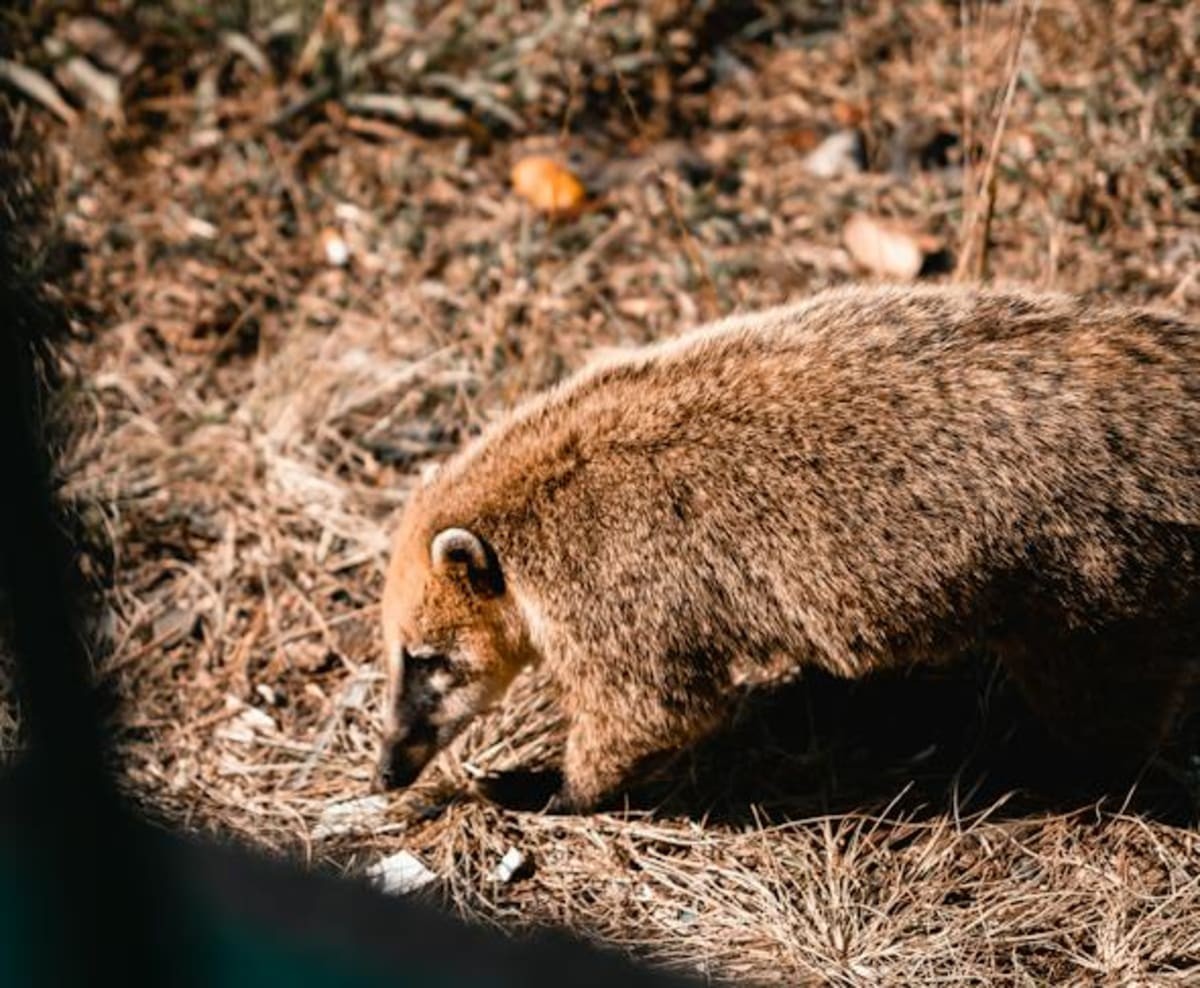
They reintroduced species like the collared peccary, the Andean condor and Darwin’s rhea, a bird similar to an ostrich, as well as the green and red macaws, tapirs and giant anteaters that were once native to Ibera, the second largest wetland in South America. Kris Tompkins finds the baby anteaters adorable, as they like to be picked up and held close to your beating heart at all times. Nobody had rewilded Macau and anteaters before, but Tompkins did it with the help of Rewilding Argentina. “The world doesn’t belong to humans,” says Tompkins. She adds that thinking like this changes your entire perspective on the planet. Tompkins’ idea to use private wealth to restore ecosystems is a true corporate social responsibility move.

Photo credit: Mickey Pullen/Smithsonian Environmental Research Center –
A long-running experiment is testing tree mixes to develop the healthiest forests.
Around the world, people plan to plant more than 1 trillion trees this decade in an ambitious effort to slow climate change and reduce biodiversity loss. But if the past is prologue, many of those planted trees won’t survive. And if they do, they could end up as biological deserts that lack the richness and resilience of healthy forests.
However, many tree-planting commitments have a critical flaw: They rely too heavily on monoculture plantations – vast areas planted with just a single tree species.
A grove of commercially grown poplar trees, planted in lines with not much active beneath them. Mint Images via Getty Images
Rather than gambling on a single species and hoping for the best, science now points to a smarter path that captures both ecological and economic benefits while minimizing risk: mixed-species plantings that mirror the biodiversity of a natural forest, ultimately creating forests that grow faster and are more resilient in the face of constant threats.
The long-running BiodiversiTREE study compares forest plots containing several tree species with single-species monocultures. The results, illustrated here, show that mixed-species plots, right, produce 80% larger trees compared with monocultures, left, resulting in denser canopy growth that creates cooler understory microclimates, leading to more abundant and species-rich communities of insects, spiders and birds. Sergio Ibarra/Smithsonian Environmental Research Center
We are community and landscape ecologists at the Smithsonian Environmental Research Center. Since 2013, we and our colleagues have been rigorously testing this idea in a large, ecosystem-scale experiment called BiodiversiTREE. The verdict is striking: Trees in mixed forests don’t just survive – they outgrow their monoculture counterparts and support dramatically more biodiversity.
Trees with diverse neighbors grow larger
Thirteen years ago, we teamed up with volunteers to plant nearly 18,000 tree seedlings on 60 acres of fallow fields on the Smithsonian Environmental Research Center campus near the Chesapeake Bay.
We didn’t plant just a single species. We planted 16 different native species from all walks of tree-life. Some species were fast-growing timber species, some were mid-story species, and some were slow-growing species that might not reach full size for a century or more.
Some plots we planted with just a single species – homogenous rows of the same species over and over again. But others were planted with random allotments of four and 12 species, reflecting the middle and upper ends of tree diversity in similar-sized areas of our local forests.
We asked a simple question: What would happen if we tried to mirror nature and plant a mixture of species instead of a monoculture?
A drone image shows some of the BiodiversiTREE plots, including monocultures, outlined in white, and mixture plantings, outlined in green. Mickey Pullen/Smithsonian Environmental Research Center
The monoculture plots – those that survived – resemble traditional plantation forestry that historically has dominated rural lands in the Southeast and Pacific Northwest in the U.S. They contain rows of tall, narrow trees with sparse canopies and little life below.
The mixed-species plots, by contrast, are layered, complex and dynamic, with foliage filling the canopy and a diversity of plants and animals thriving underneath.
These visual contrasts reflect real ecological gains. Trees grown in mixtures, including important timber species like poplar and red oak, are up to 80% larger than the same species when grown alone. Mixed plots supported fewer leaf pathogens, more abundant caterpillar communities that provide food for birds, and increased phytochemical diversity in their leaves. We hypothesize that these leaf chemicals, some of which deter animals from eating them, reduced browsing damage from hungry deer, ultimately leading to higher tree growth in the mixed plots.
Plots with several tree species also had much fuller, denser leaf canopies, leading to cooler, shadier conditions that help understory plants flourish and support up to 50% more insects, spiders and birds.
The fuller canopy of 12-species forest plots like the one above supports more insects and birds than the monoculture plots. John Parker/Smithsonian Environmental Research CenterA sycamore monoculture plot at the BiodiversiTREE project provides little canopy cover. John Parker/Smithsonian Environmental Research Center
This pattern isn’t unique to our site. The BiodiversiTREE project is part of TreeDivNet, a global network of large-scale experiments spanning more than 1.2 million trees and hundreds of species. Across continents and climates, the results are consistent: Forests with a mix of species tend to grow larger, store more carbon and better withstand stress from drought, pests and disease.
So why are monocultures still common?
Despite decades of evidence, mixed-species plantings remain relatively rare in practice. Most commercial forestry operations still rely on monocultures, and these plantations are counted toward international planting campaigns aimed at slowing climate change and reversing biodiversity loss.
Technician Shelley Bennett uses high-resolution GPS to lay out plots for an experiment at the Smithsonian Environmental Research Center in Maryland. Regan Todd/Smithsonian Environmental Research Center
A new experiment at the Smithsonian Environmental Research Center called “Functional Forests” aims to bridge some of the gaps between science and practice. We’re developing intentionally designed combinations of trees to test whether specific mixtures of species can contribute ecological benefits while also providing timber and other services that humans need to support a thriving, sustainable economy.
Each of the 20 tree species in the Functional Forests project was chosen to provide one or more benefits, including timber, wildlife habitat, food for people, resistance to deer and climate resilience. But no single species provides all of these benefits.
Some of the nearly 200 plots will contain a single species, while others include carefully selected combinations of five species assembled based on the functions they provide. Some plots are protected from deer browsing, while others are left exposed.
The Functional Forests project includes trees with edible fruits like the pawpaw (Asimina triloba), one of 20 different tree species being planted there. Jamie Pullen/Smithsonian Environmental Research Center
By comparing these approaches, we can test how different planting strategies perform across a range of goals, from timber production to food production and from biodiversity to climate resilience.
Landowners and communities have different priorities, whether that’s producing wood, supporting wildlife or creating forests that can withstand a changing climate. The idea behind Functional Forests is to design plantings that can deliver these multiple benefits all at once, rather than optimizing for just one, essentially leveraging the positive effects of biodiversity to achieve real-world goals.
Planting 1 trillion trees wisely
The stakes are high. Restoration has become a major global investment, with hundreds of billions of dollars already being spent annually. Getting it wrong means wasted resources and missed opportunities to address some of the most pressing environmental challenges of our time.
If the world is going to plant a trillion trees, we believe it needs to do more than just put seedlings in the ground. It needs to rethink what a forest should be.
The goal isn’t just to grow trees. It’s to grow forests that last.
Plastic pollution has been a serious problem since the rise of fossil fuel-based manufacturing. As tiny plastic particles find their way into something as essential as drinking water, the world needs a solution quickly.
The answer may be simpler than we expect. Researchers testing a salt-based extract from Moringa oliefera seeds were able to remove over 98% of microplastics from drinking water. The study published in ACS Omega showed that the simple filtration system could be adapted for water treatment facilities at a lower cost and requires less energy.
A father shares drinking water with his son. Photo credit Canva
‘Miracle Tree’ produces miracle seeds
The Moringa oleifera is a tropical tree native to parts of South Asia. Today, it’s cultivated on a global scale. Thriving in harsh, drought-prone regions, this “miracle tree” has been used to treat hundreds of conditions. Healthline reported that it contains 90+ bioactive compounds that help combat everything from inflammation to stress. A 2023 study in MDPI showed medicinal properties could be utilized in nearly every part of the tree, from its leaves to its roots.
However, the solution to the plastic problem comes from its seeds. Researchers ground and mixed the seeds with a salt solution to pull out positively charged proteins. This mix attracts impurities, including microplastics, like a natural magnet. Clumping and binding with the impurities in a process called “coagulation,” they then sink to the bottom.
Microplastics on top of a father’s and a daughter’s fingers. Photo credit Canva
Microplastics removed from drinking water
Researchers tested this plant-based method against the industry-standard chemical alum: aluminium sulfate. The moringa extract worked across a wider range of conditions than alum, demonstrating reliability in real-world applications. As concerns grow over the long-term impact of chemicals used in water treatment, there is a clear need to shift toward safer alternatives.
Simplifying the filtration process can significantly reduce both costs and energy demands typically required on an industrial level. This approach enables communities lacking resources to have an effective solution for plastic pollution.
An industrial water treatment plant. Photo credit Canva
Treating plastic pollution is a global problem
Developing countries face major environmental and health threats from plastic pollution. A 2024 study in Science Direct showed 60% of global plastic consumption and production comes from countries lacking proper quality control. A 2023 study in MDPI revealed that even where infrastructure exists, it’s limited and overwhelmed. Facing 120 million tons of waste annually, the situation suggests pollution is widespread and underreported.
Offering a cheap and efficient option, Moringa oliefera seeds could be an invaluable solution. But it’s still not a perfect system. The seed extract is an organic material. That means proteins and fats can remain in the water after filtration.
A 2025 study in Scientific Reports found organic matter reacting with disinfectants like chlorine is linked to health risks, including cancer. Also, stored water would be susceptible to bacterial regrowth and become contaminated over time. Researchers on the study believe this is an area of ongoing work that requires more research.
Microplastics are everywhere. With inconsistent water treatment, less monitoring, and weaker waste systems, exposure is high and poorly controlled. Moringa oleifera isn’t a flawless fix, but it’s a promising study. The seeds could eventually work alongside modern systems, bringing us closer to tackling the complex problem of plastic pollution in our water.
Teeth are like tiny biological time capsules. They tell stories about ancient diets and environments long after their owners have died and landscapes have changed.
After bones break down, tooth enamel stays hard and unchanged, even in fossilized teeth that have been buried under sediment and rock for millions of years and are now being uncovered by erosion or excavation.
Tooth enamel forms when an animal is young, and it remains chemically stable for the rest of that animal’s life. The food an animal eats and the water it drinks during its youth leave chemical signals within the enamel.
Because of that, hidden within the enamel of fossilized teeth, scientists can find traces of extinct forests, expanding savanna grasslands, shifting climates and evolving animal communities.
A small group of oryx forage in the open savanna of Awash National Park in Ethiopia, with scattered acacia trees and dry grasses illustrating the park’s semi-arid environment. Zelalem Bedaso
Over the past 30 years, my colleagues and I have been analyzing chemical traces in fossil teeth from Ethiopia’s Afar region in the East African Rift Valley – often referred to as the cradle of humanity – to uncover what animals ate there millions of years ago, around the time early human ancestors were evolving, and what the world looked like around them.
These clues from ancient meals are enabling scientists to reconstruct pictures of entire ecosystems, including forests, wetlands and grasslands that existed at the time. It’s a reminder that in a very real sense, organisms are what they eat.
Traces of ancient diets in fossil teeth
To determine which plants ancient animals ate, my colleagues and I collect a small amount of enamel powder from fossilized teeth. We then analyze this powder in the laboratory using specialized instruments that detect chemical signals preserved in the enamel.
Trees and grasses have different ways of using photosynthesis to convert sunlight into energy. These methods leave distinct chemical patterns in plant tissues, which then become incorporated into the teeth of animals that eat those plants.
By examining these chemical patterns in tooth enamel, we can determine whether animals primarily fed on trees and shrubs or on grass, providing insight into the vegetation that once covered the ancient landscape.
The author conducts fieldwork in the East African Rift, collecting samples from ancient lake and river deposits. Courtesy of Zelalem Bedaso
We can then figure out how an environment changed over time by collecting fossil teeth from different rock layers. Each layer formed at a different time in the past, so teeth found in deeper layers are typically older than those closer to the surface.
By analyzing tooth enamel from fossils across these layers, we can compare the chemical signals preserved in the teeth and see how animal diets and the plants growing in the landscape changed through time.
Adding that knowledge to data from different types of fossils, we can track long-term shifts in vegetation, climate and ecosystems.
A changing landscape in the last 4 million years
Four million years ago, the Afar region looked very different from the dry landscape you will see there today.
Fossils, including tooth enamel, reveal that the area supported a diverse range of environments. Rivers flowed through wooded areas, lakes were scattered across the landscape, and grassy plains stretched across the basin.
Fossilized teeth from animals like antelopes, giraffes, pigs, horses, hippos and elephants show a wide range of diets. Some animals browsed on leaves and shrubs, while others grazed on grass in open habitats.
The chemical signals in the teeth indicate that grasslands were expanding at the time, but forests still played an important role. They show that animals moved through this environment and adapted to the food sources around them.
Ethiopia’s Afar Depression and Awash Valley, shaped by rifting and erosion, are among the world’s most important regions for fossil discoveries of human ancestors. Some of those fossils date back 3 million to 4 million years. Zelalem Bedaso
Around 2 million to 3 million years ago, the environment shifted more drastically toward open grasslands.
Animals that relied on grass flourished, and the populations of those that didn’t adapt declined. Horses and certain antelopes, for example, developed teeth that could grind tough, gritty plants. This adaptation is recorded on their enamel.
Early humans in a mosaic world
Early human ancestors, like the famous “Lucy,” whose skeleton was discovered in the Afar region, lived in this dynamic landscape.
Fossil teeth from Australopithecus afraensis, an early human that lived in eastern Africa between about 2.9 million and 3.8 million years ago, indicate that early human relatives did not rely heavily on grass. Instead, the chemical signal in their enamel indicates mixed diets and dietary flexibility, which included fruits, leaves and roots, depending on what was available.
In a landscape that combined woodland patches and open savanna, that adaptability may have been key to survival.
This period of environmental change coincided with several important evolutionary developments and morphological changes in pre-humans. Early human ancestors were walking upright. Brain size also gradually increased, allowing for more complex behavior and problem-solving.
During this time, early humans began making and using stone tools, marking a major step in technological innovation and helping them adapt to changing environments.
Diet shapes destiny
The dietary changes in the East African Rift Valley over the past 4 million years, documented through tooth enamel, are providing important clues for reconstructing the environment in which humans’ ancestors lived and how those environments changed.
They also show that species that adjusted their diets as landscapes changed were the ones most likely to survive.
This ongoing research helps explore profound questions of how environmental shifts shaped life on Earth, including human trajectories. And that is helping humanity unlock its collective past.