
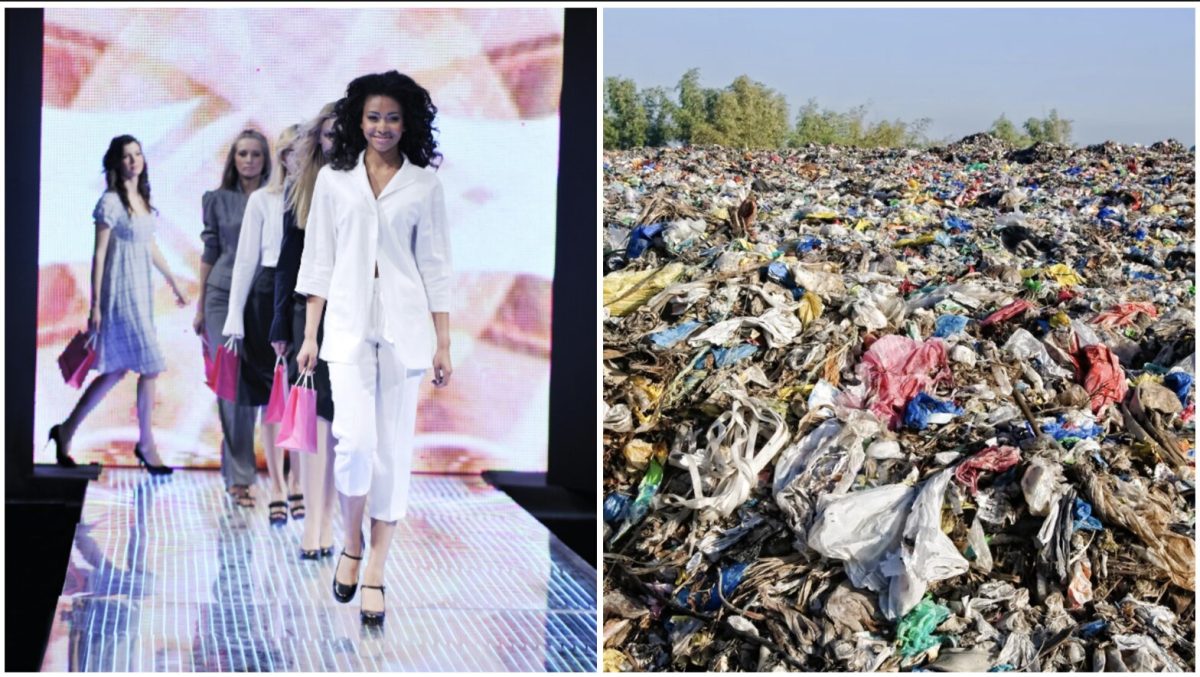
A new rule adopted by the European Union is intended to reduce landfill waste while holding major clothing manufacturers accountable.
Starting July 19, the EU prohibits large companies from destroying unsold clothing, accessories, and shoes under the Ecodesign for Sustainable Products Regulation (ESPR). The regulations will expand to cover medium-sized companies in 2030.
Fast fashion has become a major environmental concern. As retailers rapidly cycle through trends, unsold clothing often ends up in landfills or is destroyed to make room for new inventory. Many garments are made from synthetic fibers that can release greenhouse gases as they break down and shed microplastics that may contaminate soil and waterways.
What’s the ban’s purpose?
The ban is intended to reduce the amount of unsold clothing that large manufacturers dispose of. According to the European Environment Agency, between 264,000 and 594,000 tonnes of unused textiles are destroyed across Europe each year.
Instead of destroying unsold clothing, companies will need to find other ways to keep those products in use. That could mean selling excess inventory at a discount, donating it to charities or social enterprises, or preparing it for reuse through repair, refurbishment, or remanufacturing. When those options aren’t feasible, the materials can be recycled.
While the regulation is primarily focused on reducing the fashion industry’s environmental impact, the EU also hopes it will strengthen the economy by encouraging more sustainable business practices. The ban incentivizes companies to design products that are more resource-efficient, durable, reusable, and easier to repair or recycle. In turn, consumers should benefit from higher-quality products that last longer and generate less waste.
Companies may destroy unsold clothing and footwear only in limited circumstances, such as when the items are damaged, unsafe, counterfeit, infringe intellectual property rights, or have been rejected by charitable organizations. Businesses relying on these exemptions must provide supporting documentation, such as test results or other records, to justify the destruction. Even then, they must follow the EU’s waste hierarchy, which prioritizes reuse and recycling over disposal. Companies are also required to publish annual reports detailing the unsold products they have discarded.
National authorities will enforce the ban and may impose fines on companies that violate its requirements, including failing to maintain records for at least five years to support inspections. To help reduce the administrative burden, businesses may use existing customs and logistics codes when reporting the products they discard.
Why recycling isn’t enough
Recycling clothing can be a complicated and labor-intensive process. It often involves separating fabrics, dyes, synthetic fibers, and natural textile materials before they can be reused. That’s not to say it isn’t worthwhile. Instead of ending up in a landfill, recycled textiles can be turned into new clothing, home insulation, carpet padding, and other products.
Still, recycling isn’t a cure-all. The EU hopes the new ban will encourage companies to keep usable clothing in circulation for as long as possible through resale, donation, reuse, or refurbishment before recycling becomes necessary. In doing so, the regulation aims to create a more circular economy rather than allowing piles of unused clothing to continue growing.
This movement hopes to encourage clothing manufacturers to produce higher-quality products and reshape the industry as a whole. Making clothing from higher-grade materials with durable stitching that’s easier to repair can help reduce waste. While critics argue that doing so could reduce the number of garments sold each year, many say better-made clothing is worth the higher price—especially if consumers end up buying fewer replacement items over time.
What can you do with old clothing?
There are plenty of things you can do with old clothing around your home. If an item is too damaged to donate, its fabric can be repurposed for crafts or used as cleaning rags. And if you’re handy with a needle, there are countless ways to upcycle old clothes into new outfits, accessories, or other useful items with a little inspiration from the Internet.
Giant corporations and everyday people alike can do their best to make the most of the materials they have, helping save money and reduce waste.