Michaela Haas for Reasons to be Cheerful

When musician David Byrne, the founder of Reasons to be Cheerful, performed at the sold-out Dolby Theatre in Los Angeles last fall, the entire crowd was on its feet for almost the entire show. They danced enthusiastically for nearly two hours straight, feeling a kind of unfiltered joy that’s rare to access in everyday life. 

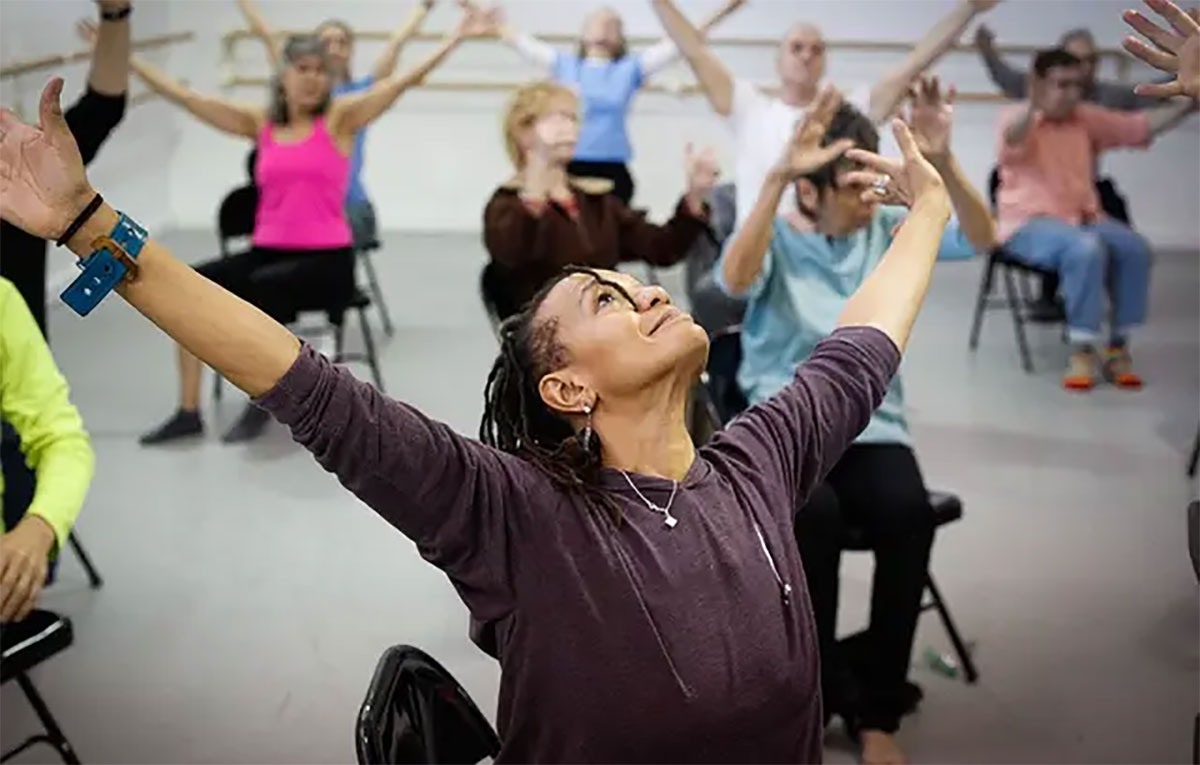
The experience was a reminder of a long-dormant love of dance. The following month brought a sign-up for “Groove Therapy” with local dance teacher Leah Lynn. The youngest in our group is 16, the oldest over 70. Every Saturday, the class plays out a verb each participant brings to class — release, gather, resist, invite — translating abstract intentions into motion. It sounds faintly ridiculous. It is also disarmingly effective. Within minutes, something shifts. Stress loosens. Then for the next hour, the group learns hip-hop shuffles and swings their hips to Kool & the Gang or Beyoncé. The class ends with the same feeling each time: exhausted and exhilarated.

The dance classes provoked such a profound shift in mood as well as in the body that it was worth finding out if there was more to it.
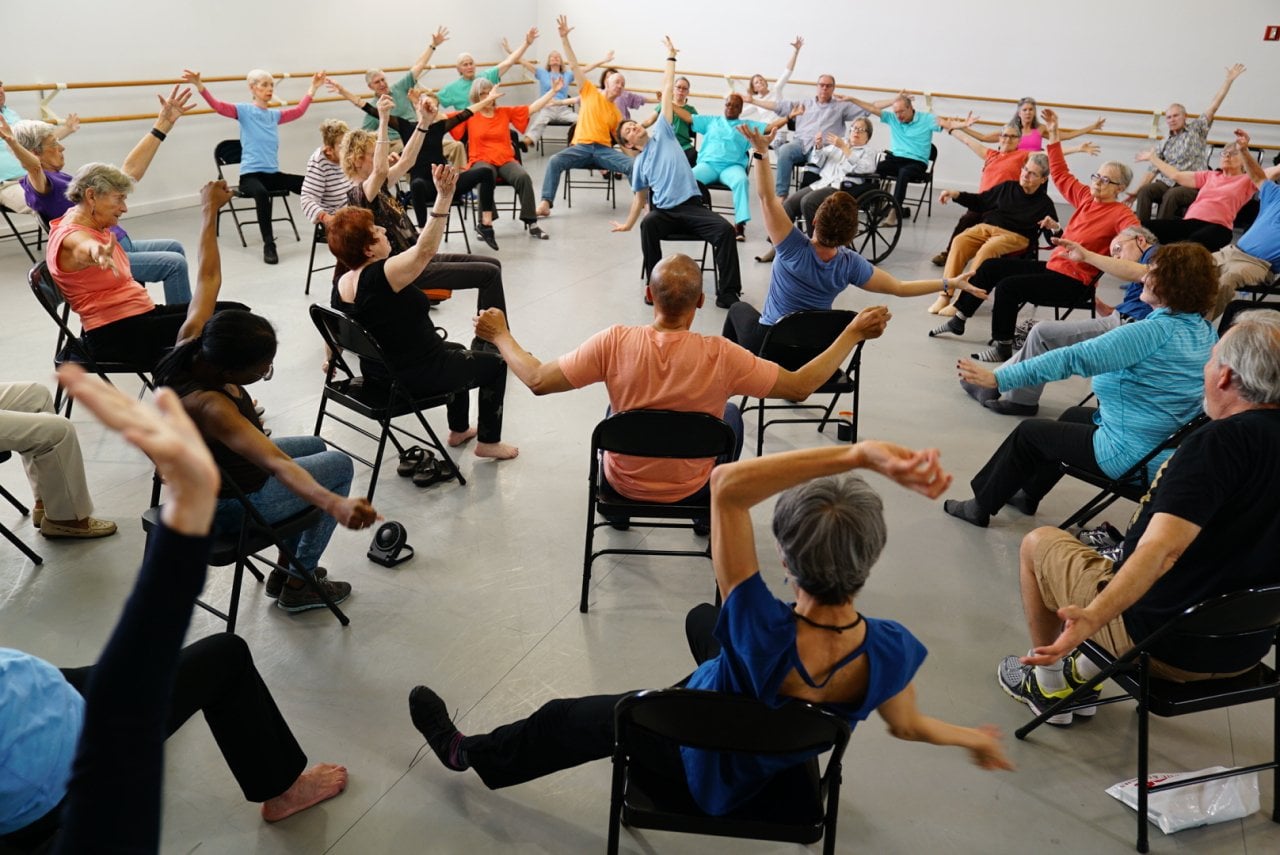
High-angle view of a room full of people dancing while in folding chairs.

Modern research is now increasingly suggesting that dance is medicine, a deeply effective intervention for physical, cognitive, and emotional health.​ Behind the feel-good performance lies hard science. On a purely physical level, dance improves cardiovascular fitness, strength, and coordination. In a longitudinal study, seniors who took part in regular dance training fell less often and were described as “physically better off and mentally fitter” than those in the control group. 

Though the body benefits are impressive, the neurological ones are what make scientists lean forward. Dancing activates a wide network: auditory pathways, visual and motor cortex, the amygdala, and, above all, the somatosensory cortex and networks that keep track of where your body is in space. Each change in rhythm or melody is processed in milliseconds and translated into new steps, adjustments, and expressions, a form of real-time “multitasking” that pushes the brain harder than many other sports.​

Nobody understands this better than the dozen people who gather for David Leventhal’s class at a dance studio in Brooklyn. Though it’s cold outside, Leventhal is conjuring a beach. “Visualize what that warmth feels like,” he says, brushing his hands over his arms as if applying sunscreen. “Can we take those waves in different directions, just like they do in the ocean?” Around him, a dozen bodies begin to ripple to the tune of the pianist in the room. Arms slice, float and curl through the air. For a moment, the bare white room is less clinic than coastline.
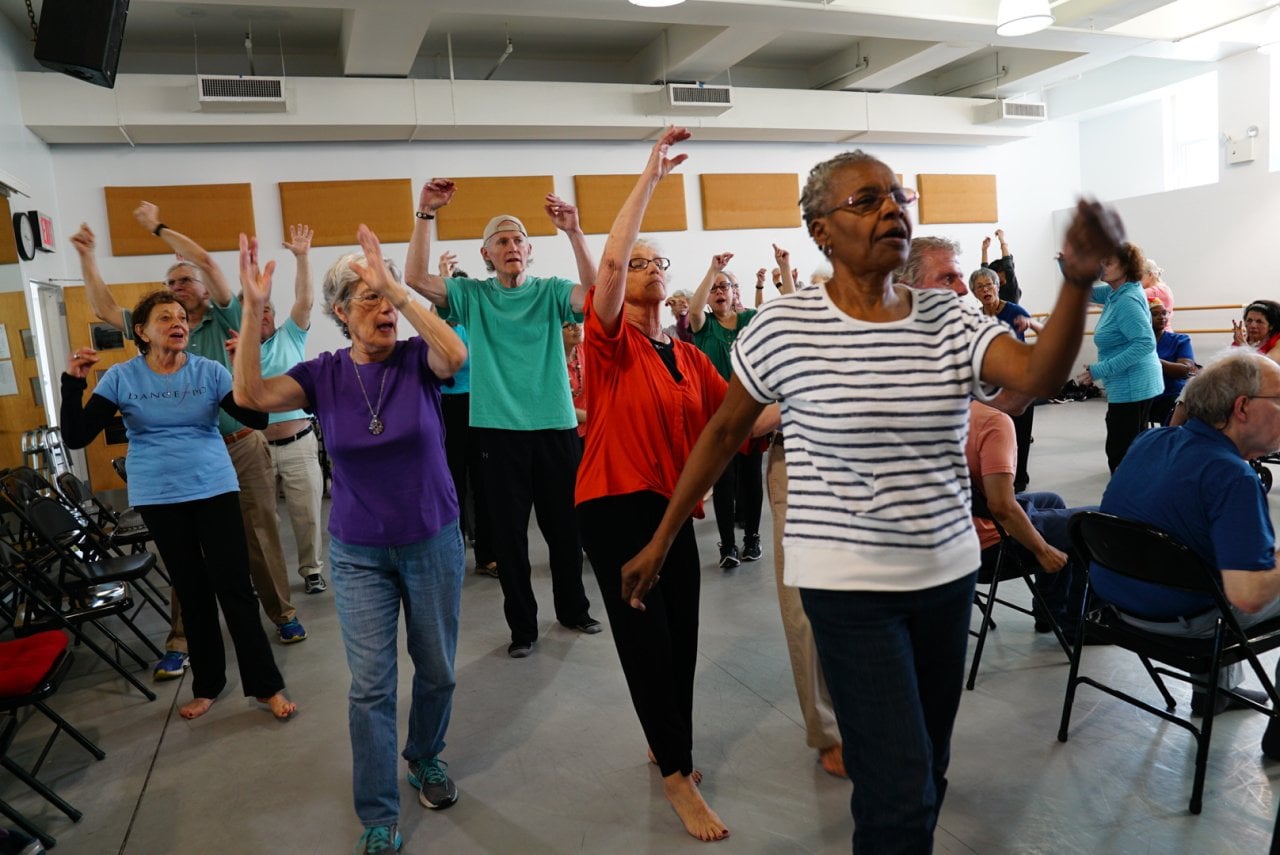
A woman in a black-and-white striped shirt stands, swinging her arms in front of a group of people in different colored shirts also dancing with their arms raised.

Leventhal, who danced for 13 years with the Mark Morris Dance Group, has spent the last quarter century leading a different kind of choreography: Dance for PD, a program for people living with Parkinson’s disease. 

What began in Brooklyn in 2001 now reaches more than 30 countries and roughly 500 communities. Across the room, people who arrived with their shoulders slightly caved inward now stand taller. They trace arcs through space, step through a tango phrase, and turn what might otherwise register as tremor into jazz hands.
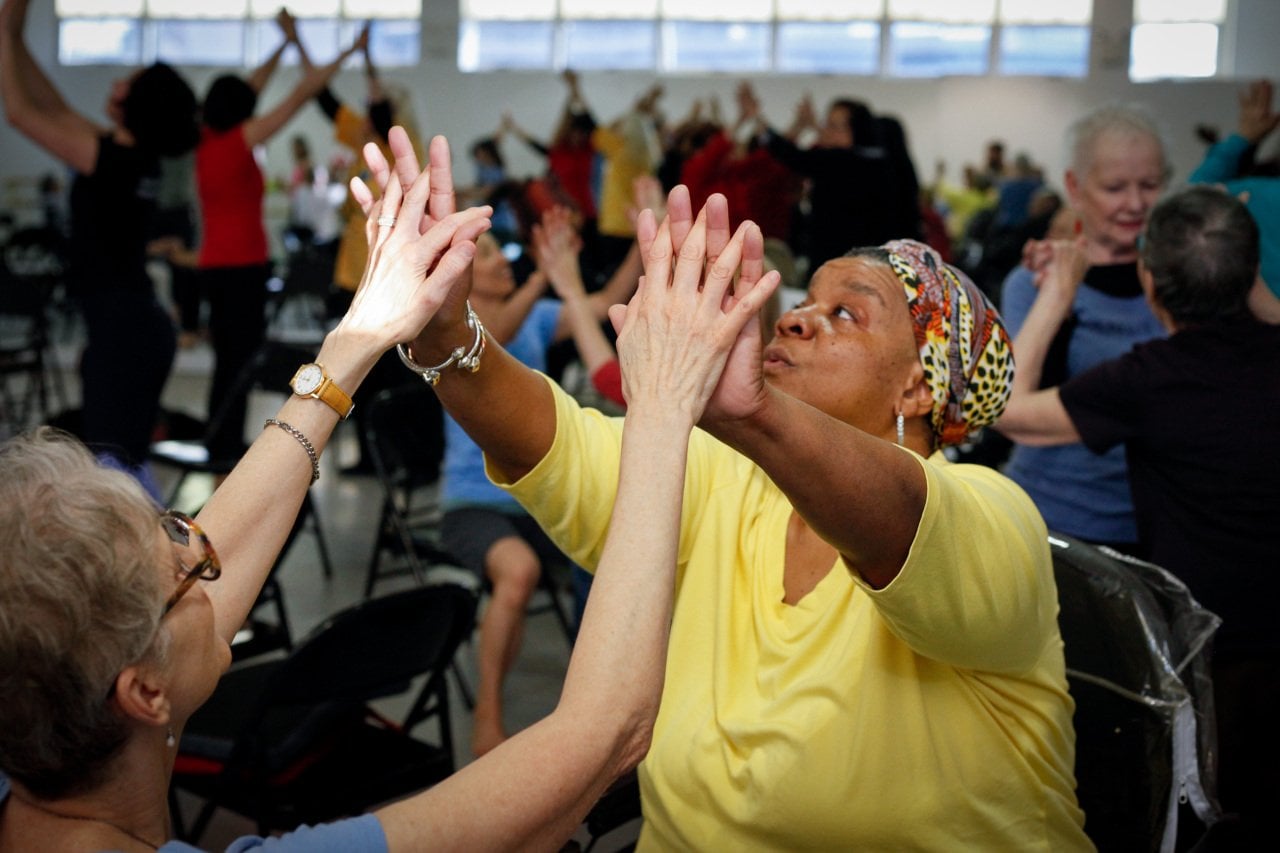
A woman wearing a yellow shirt with raised hands dances palm-to-palm with a person sitting across from her in a Dance for PD program.

Participants in the program, which was created by the Mark Morris Dance Group and the Brooklyn Parkinson Group, routinely report better balance, more confidence walking, and a renewed sense of self. But just as often, they mention something less clinical and more essential: joy.

“I sometimes cannot walk, but I can dance,” participant Cyndy Gilbertson said in the documentary Capturing Grace. “The music leads, in other words; it’s not my brain telling me to take a step.” 

You don’t need a severe diagnosis to benefit from dance. “Dance has been part of our human culture for millennia,” Leventhal points out. “It’s how we communicate, how we express emotion, how we find each other, how we build community.” Across cultures, from Indigenous North American traditions to Māori and Pacific Islander practices, dance has also long been intertwined with healing.  
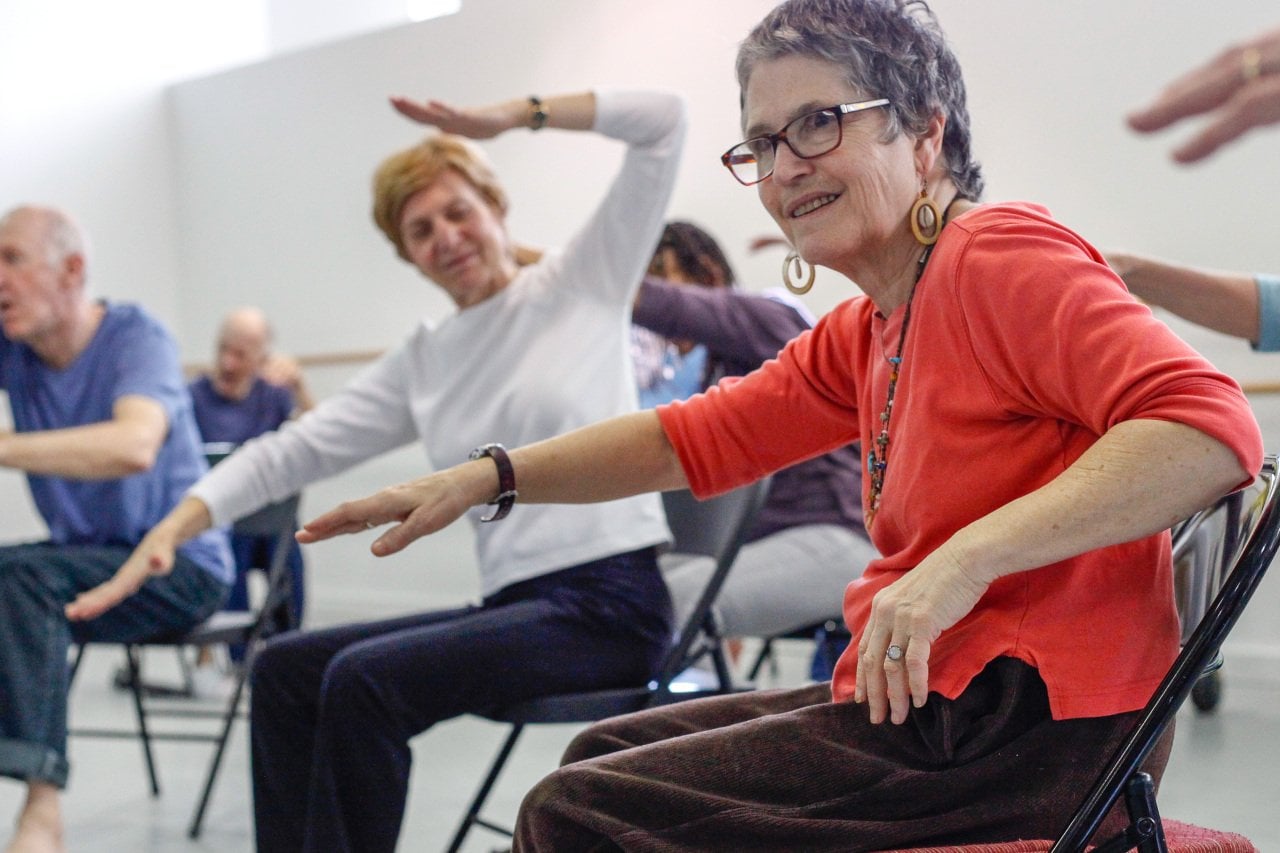
A woman in the Dance for PD program wearing an orange shirt dances from a chair in the foreground, while others are visible behind her doing the same.

Over time, this seems to change the brain’s structure. A German study that followed older adults in a dance program for more than a year reported increases in gray matter volume and synaptic density in regions important for memory and executive function, along with preserved cognitive performance over five years of follow-up. The researchers found that dancing appeared to build “cognitive reserve” and was “the best prevention” against age-related cognitive decline in their cohort, with dancers showing a statistically lower risk of dementia than nondancers.​

Those findings dovetail with a widely cited observational study: People who danced more than once a week had a 76% lower risk of developing dementia than those who danced less often, an association reported as stronger than that seen with many popular “brain games.”

“It’s a full-spectrum activity,” Leventhal explains. “It engages the body, cognition, emotion, and social connection — all supported by music.”
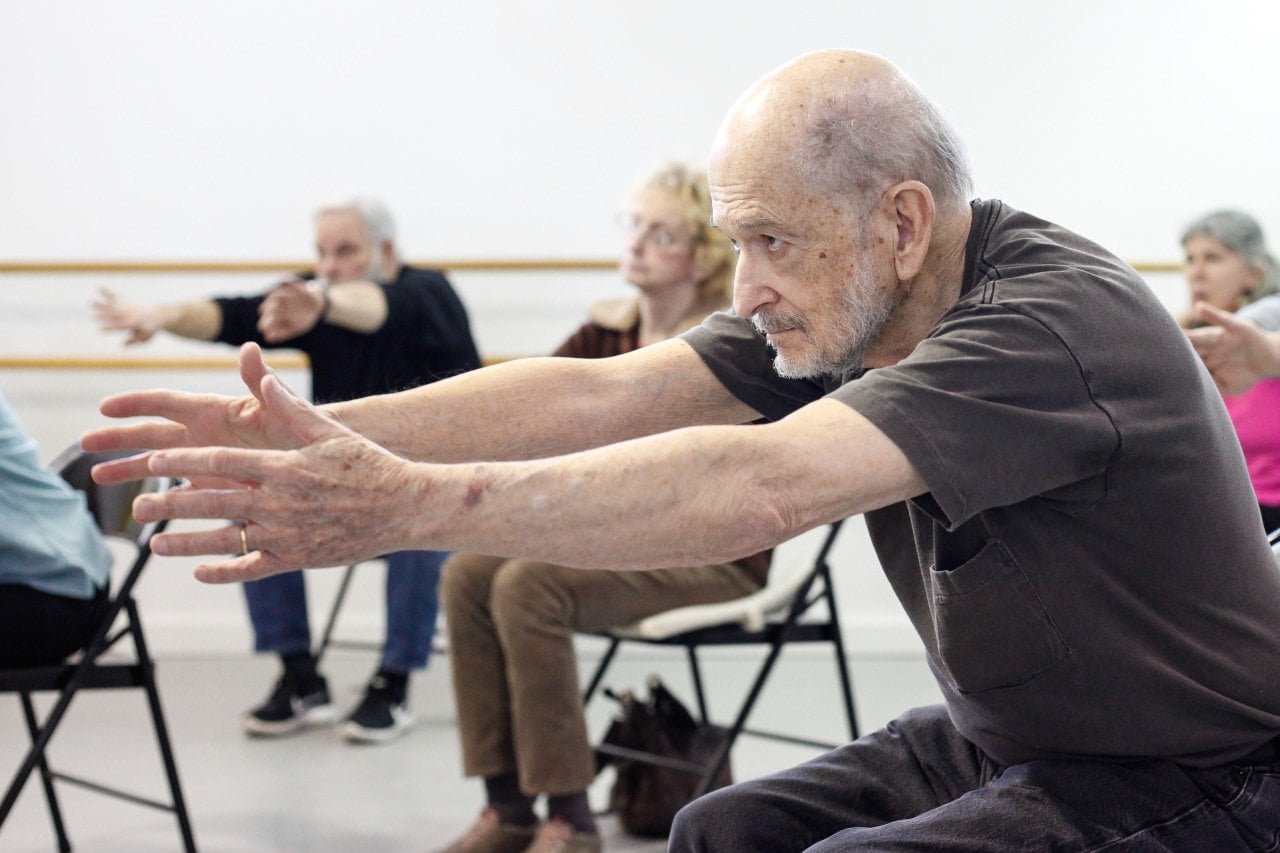
A man wearing a brown shirt extends his arms forward in a pose while sitting on a chair as part of a Dance for PD program.

The real power, he argues, lies in the overlap. “The benefits come from the synergy among those domains.”
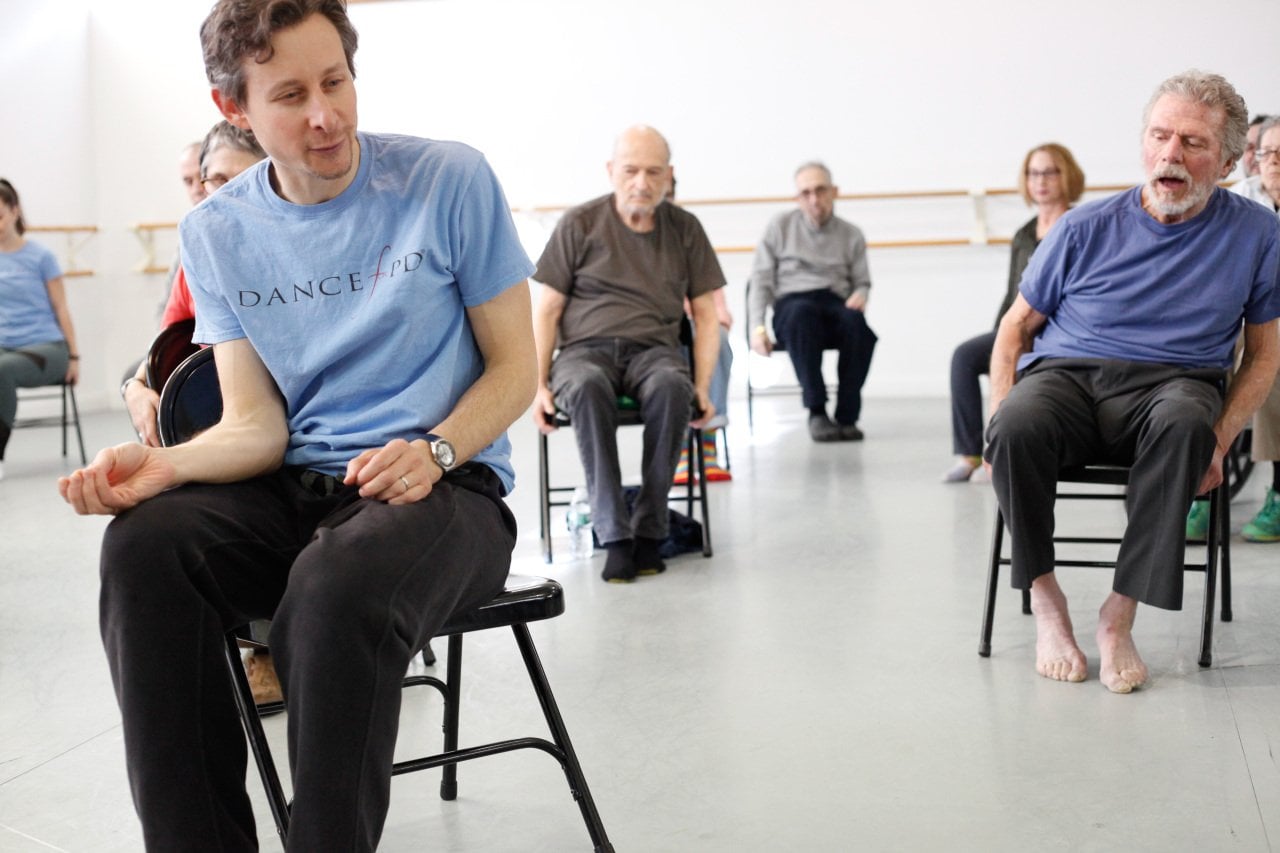
A person wearing a light blue shirt in the foreground with many people in the background all doing chair dance.

That synergy matters especially for Parkinson’s, which affects motor control, cognition, emotional expression and social engagement. Many people withdraw from public life as symptoms progress. “The beauty of this art form,” Leventhal says, “is that it’s a full-spectrum intervention for a full-spectrum condition.”

In a large meta-analysis of 55 randomized controlled trials in Parkinson’s disease, dance emerged as the most effective of nine exercise interventions for improving balance in that analysis, outperforming even advanced rehabilitation technologies. Styles like tango, waltz and foxtrot have been shown to improve gait speed and reduce falls.  

While there is no cure for Parkinson’s, some early research suggests that dance can slow down the progression significantly for some people. “It’s early evidence,” Leventhal says carefully. “But exercise may be one of the only disease-modifying approaches we have.”

“Our auditory cortex synchronizes with the motor cortex,” Leventhal explains — a mechanism particularly relevant in Parkinson’s, where internal rhythm is disrupted by dopamine loss. External rhythm can step in as a kind of substitute metronome. “It creates a roadmap,” Leventhal says. “Someone described it as a red carpet rolling out in front of them.” For people who struggle to initiate movement, that cue can be transformative, enhancing neuroplasticity — the brain’s ability to form new connections. 

“Novelty is huge,” Leventhal says. “New patterns, new music, new movement.” But novelty alone isn’t enough. “When something is also meaningful to you — when it connects emotionally, that’s when the brain is really activated.”
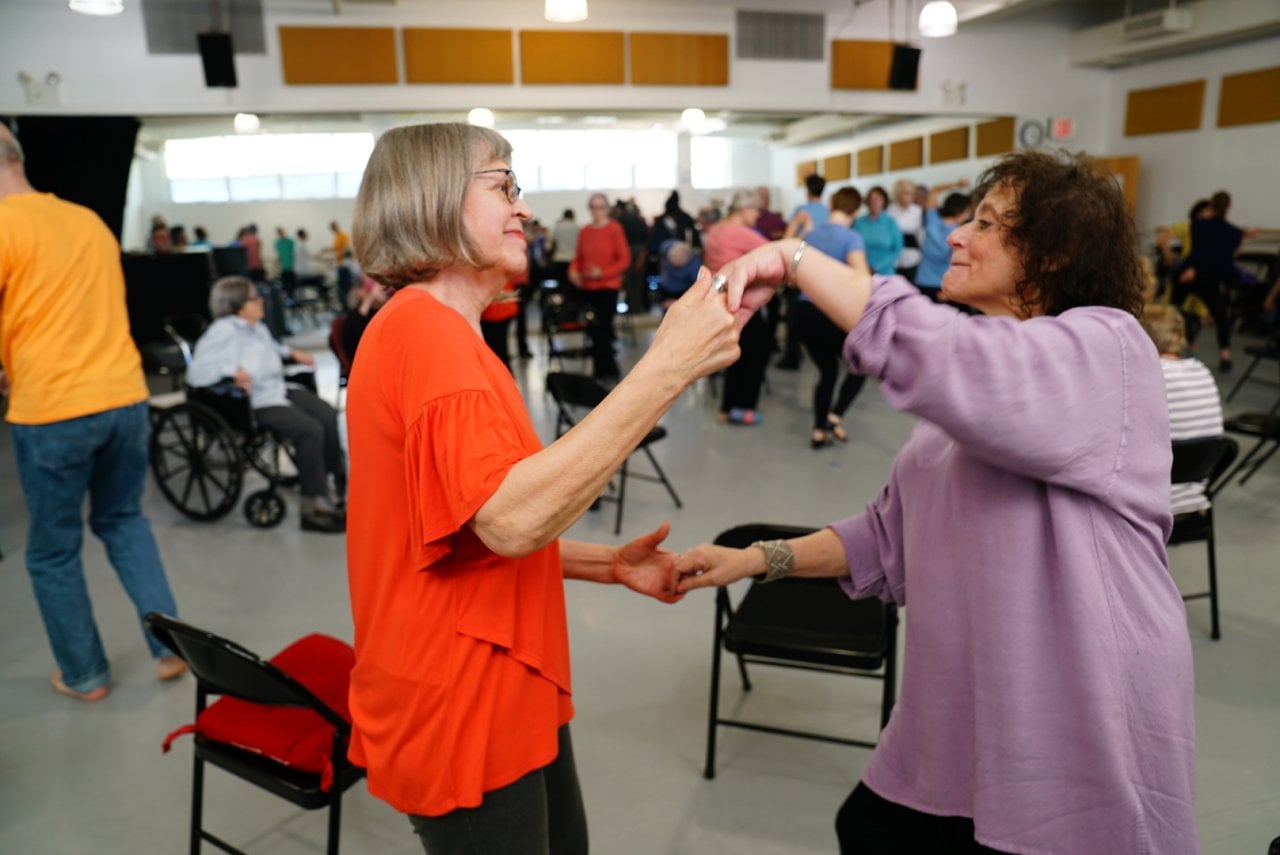
Side view of two people, one wearing orange and the other lavender, with joined hands swinging their arms as they dance, with many participants in the background also dancing.

Another, more practical advantage: People keep coming back. Some participants have been dancing with Leventhal for over 16 years. People are welcome at all stages of Parkinson’s. Some arrive in a wheelchair, others have recently been diagnosed. “If people can get to class, they stay,” Leventhal says. 

That kind of adherence is rare in exercise programs, especially for chronic conditions. The reason, again, circles back to neuroscience. Motivation is tied to dopamine, the very neurotransmitter depleted in Parkinson’s. Apathy is common. Getting on a treadmill can feel like scaling a wall. Dance, by contrast, lowers the barrier.

“The combination of music, social interaction, and movement is highly motivating,” Leventhal says. “Some people come to see their friends and stay for the movement. Some come for the music.” 
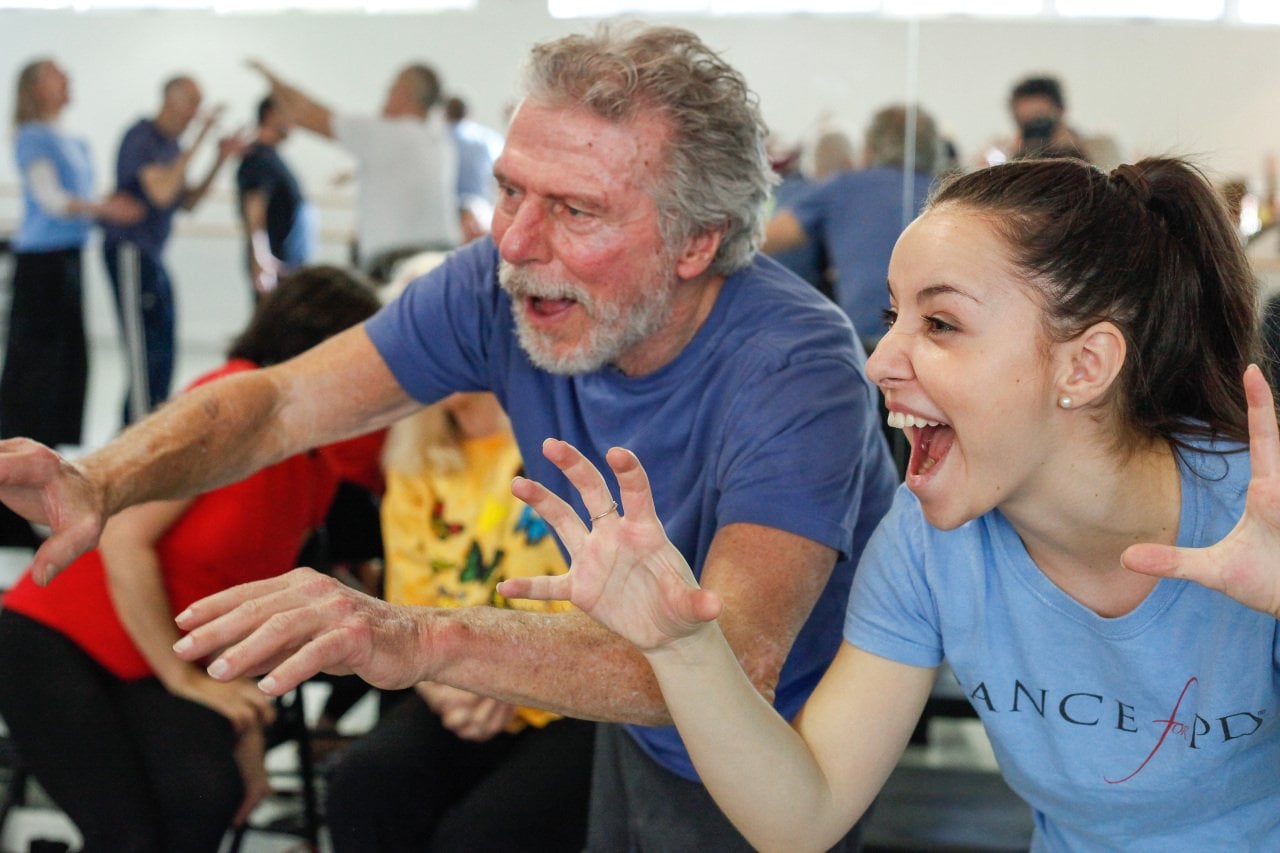
Two people wearing blue shirts, a young woman on the right next to an older man, make expressive faces with their arms raised in a Dance for PD program.

And one more factor he considers crucial: “We don’t treat people as patients,” he says. “You’re a dancer. You’re learning a craft.”  
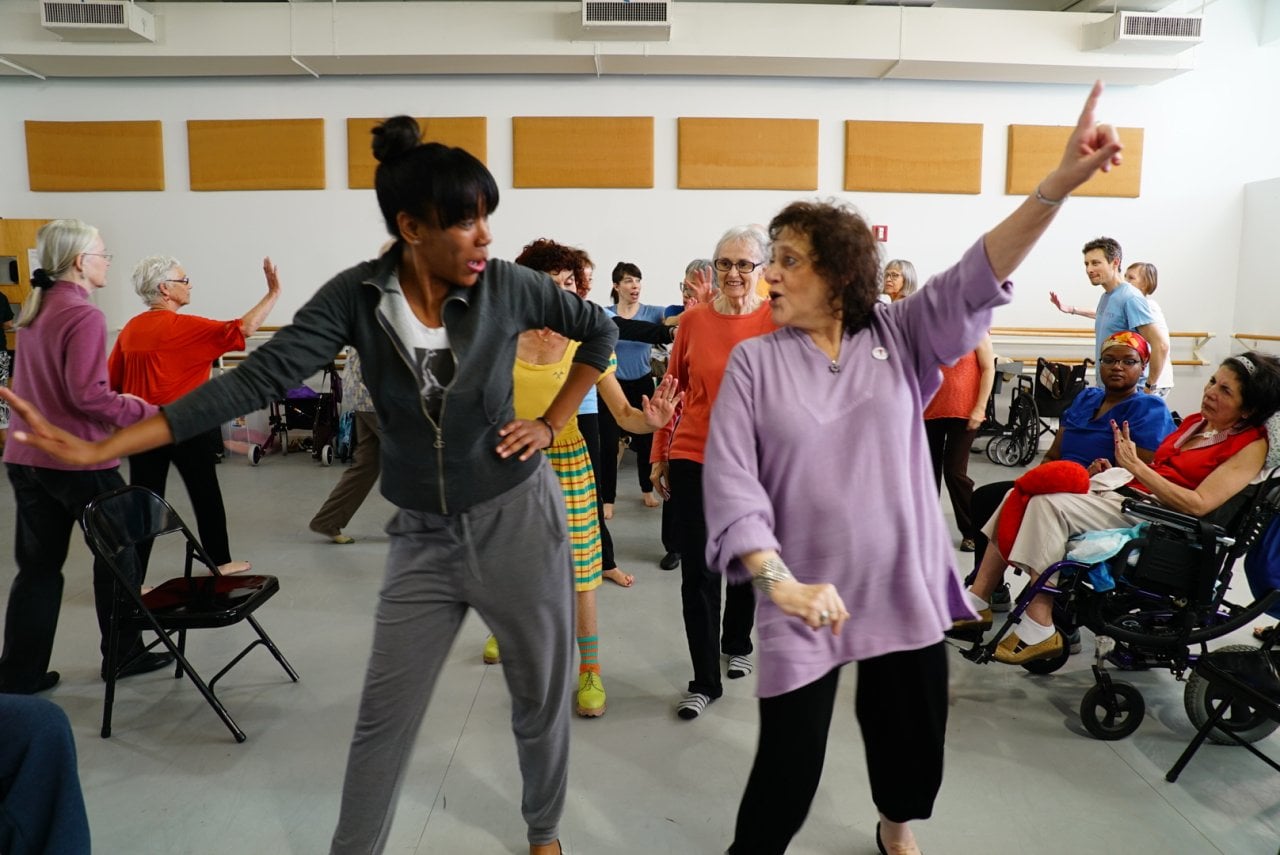
People lined up two-by-two dancing as they walk toward the camera.

When we move rhythmically, stress hormones like adrenaline and cortisol decline while the brain’s own reward chemicals — endorphins, dopamine, serotonin — surge, a set of “pleasure cycles” documented by researchers at Aarhus University who studied how music and synchronized movement generate feelings of social bonding and euphoria. 

For people living with depression, anxiety or trauma, dance offers something more subtle: a way back into the body. According to a 2024 review, dance can be more effective in alleviating depressive symptoms than any other form of exercise. Where distress constricts expression, dance expands it. 
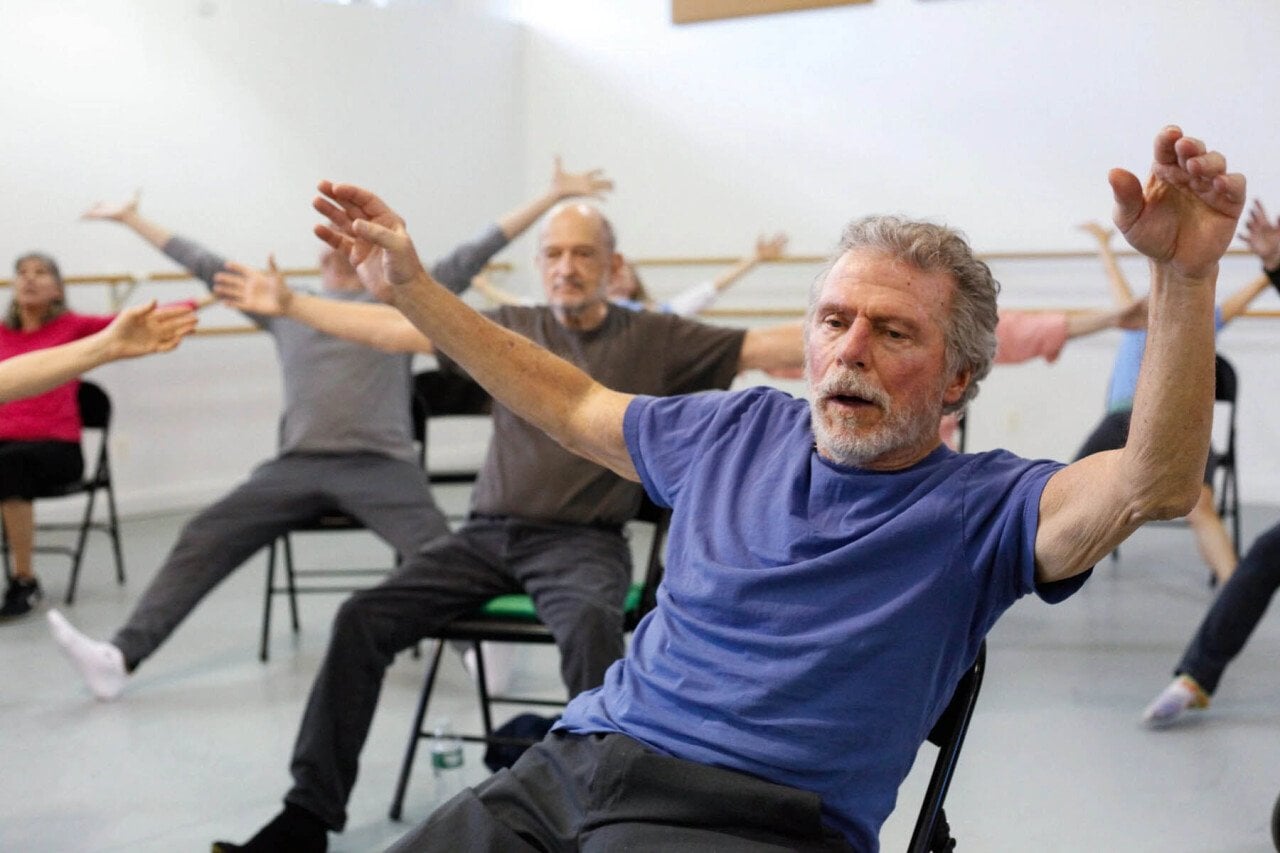
Elderly male Dance for PD participants extend their arms and legs while sitting on a chair.

Plenty of workouts happen with headphones and in isolation. Dance, by contrast, almost always involves connecting with others. Social neuroscientists have shown that moving in synchrony with others increases liking, trust, and willingness to help. “We entrain to each other,” Leventhal says. “And that raises empathy, connection.” 

For people with Parkinson’s, the stakes are higher than mood or fitness. The disease is the fastest-growing neurodegenerative condition in the world. By the time it is diagnosed, estimates suggest that roughly 70% of dopamine-producing cells are already lost. 

Which makes timing critical. “We want people to start earlier,” Leventhal says — not just to maintain function, but to build skills and resilience before symptoms advance.

At the end of Leventhal’s class, the participants play an imaginary volleyball game, batting an invisible ball through the air. “We won, you won, we all won!“ Leventhal cheers, and all arms lift in victory.

This story was produced by Reasons to be Cheerful and reviewed and distributed by Stacker.
  • Why does your brain mix up memories? A new study examines how memories are misplaced in your brain’s filing cabinets
    Photo credit: LWA/Stone via Getty Images – Older people may confuse memories rather than forgetting them altogether.
    ,

    Why does your brain mix up memories? A new study examines how memories are misplaced in your brain’s filing cabinets

    A new study explores how aging changes the way our brains store and retrieve experiences.

    Associate Professor of Psychology, Binghamton University, State University of New York

    Old age and forgetfulness seem to go hand in hand. But my colleagues and I found that memories actually becomes less precise, not entirely forgotten. Our study, published in the journal Cerebral Cortex, shows how the brain blends related experiences as you age rather than replaying the exact one you need.

    Memory is a complicated process. Even when everything’s working as it should, the way people remember specific events has many parts.

    Say you have a conversation with a friend. The first stage of memory is when you’re experiencing, feeling and perceiving details of an event as it happens. The second stage involves storing these details in your brain’s file cabinet. The third stage covers when you need to search that file cabinet for just the right file when, a week later, you want to remember that conversation with your friend. This last retrieval stage is what many people think of as memory.

    Imagine that when your brain was retrieving information from that conversation with your friend, it accidentally combined details from that conversation with one you had with your spouse that morning. When you then try to remember the conversation with your friend, you actually pull the file for the conversation with your spouse instead. This kind of mix-up might be an example of what happens with the aging brain.

    Why it matters

    Remembering people and events is important for many social activities. Confusing people’s names can be embarrassing. The fear of confusing memories can even lead to social isolation.

    Scientists already know that confusing memories happens more often than forgetting them altogether. What’s less clear is how the brain gets confused.

    My team’s study tried to understand when in the memory process these mix-ups happen and how the brain’s memory center, called the hippocampus, plays a role.

    The hippocampus is involved in all stages of memory. The patterns of neural firing that occur during the first stage of memory – the initial experience of talking with your friend – often recur while your brain is filing that memory away and later when retrieving it.

    Watch on  YouTube
    The hippocampus is critical to memory.

    For our study, we scanned the brains of young, middle-aged and older adults while they went through those same three stages of memory. While in the scanner, they briefly saw images of a face at the top of the screen and an image of either a scene or an object, such as a forest or an apple, on the bottom of the screen.

    We told participants to imagine the person at the top interacting in the scene or with the object. Each image pair served as a separate “event.”

    They then relaxed for 20 minutes while we continued to record their brain activity. Finally, they took a memory test in which a face they had previously seen reappeared on top with four images below. Participants had to remember which of those images had previously been paired with the face. We repeated this test several times to gauge how well people remembered links between faces and scenes and objects across events.

    We found that older people had more memory mix-ups than young adults. For instance, they were more likely to falsely remember a face that was initially paired with an apple as having been paired with a forest. Older people were also less likely to repeat the same brain activity patterns seen when they first experienced, stored and retrieved a specific memory. Surprisingly, even when older adults did repeat the original brain patterns, they were even more likely to confuse their memories.

    Our study provides new evidence that the hippocampus is inappropriately changing memories between different memory phases as one gets older.

    What still isn’t known

    Research in young adults, including those in our study, suggests that the hippocampus is supposed to engage in the same neural firing patterns when remembering an event as when first experiencing it.

    But the older adults who made more memory mix-ups than younger participants showed these same neural patterns. So what is the brain signature when older adults get a memory right? Are other brain regions outside the hippocampus helping? We did not get a good answer for these questions from our study.

    What’s next

    Researchers are still learning how different brain regions talk to one another. One of the next frontiers in neuroscience is understanding how electrically stimulating the hippocampus prevents memory loss or restores lost memories.

    Future interventions might try to strengthen the hippocampus to prevent it from changing a memory after it’s stored. Researchers already have some ideas for this: intensive exercise, mindfulness training, brain stimulation and even recording memory cues on smartphones.

    But researchers still need to investigate whether changing the hippocampus can lead to stable, consistent memories over time.

    The Research Brief is a short take about interesting academic work.

    This article originally appeared on The Conversation. You can read it here.
  • Getting outside despite your 9‑to‑5 job can improve your mental health – here’s how to spend time in nature during and around working hours
    Photo credit: Todd Lookingbill – Urban parks are great places to soak in the outdoors without planning an elaborate trip.

    The modern workday unfolds largely indoors. Long hours spent commuting, sitting in meetings and staring at screens can make time outdoors feel like a luxury. Finding time for nature in an already packed workday can feel impossible, especially if you think nature only “counts” when it involves hiking boots and camping gear.

    But a growing body of research suggests that nature’s benefits don’t require an exotic vacation getaway or weekend adventure. Even brief, routine interactions with green space can reduce stress, improve mood and promote overall well-being.

    I spent the spring of 2026 teaching and studying urban landscapes in Denmark, a country consistently ranked among the happiest in the world. I expected to find thoughtfully designed parks, courtyards and bicycle paths. I did see those things. But what surprised me was how seamlessly people moved through those spaces as part of their ordinary lives.

    These green spaces weren’t aspirational destinations, reserved for special occasions. They were places to eat lunch, meet friends, walk through on the way home from work, or just pause for a few quiet moments. Getting outside seemed a part of the natural rhythm of the day.

    Denmark‘s outdoor culture stemmed not only from the creation of a meticulously planned network of parks, but also from the way green spaces were fundamentally woven into the routines of everyday life.

    A wooden bench in an outdoor park
    A wooden bench in one of Copenhagen’s forest therapy parks invites people to sit and soak in their surroundings. Todd Lookingbill

    Everyday parks, everyday benefits

    Evidence linking time spent in nature with health benefits has increasingly shaped public policy. In the U.S., for example, the National Park Service’s Healthy Parks Healthy People and ParkRx initiatives reflect a growing recognition that access to parks contributes to well-being.

    For many Americans, however, the word “park” brings to mind iconic national parks such as Yellowstone, Yosemite or the Grand Canyon. Yet visiting parks of all kinds can improve your overall health. The greatest public health value may come not from the parks people visit once in a lifetime but from those close enough to visit again and again.

    My own research on Civil War battlefield parks illustrates this point. These are parks that were established to commemorate historic conflicts that were frequently fought on the fringes of major metropolitan areas. Consequently, many of these landscapes preserve forests, grasslands and trails within easy reach of millions of Americans.

    Because they’re accessible without extensive travel or planning, they can become places people return to repeatedly – such as during a lunch break or after work. Reframing the notion of “park” opens up millions of acres of land for everyday uses.

    Designing for everyday nature

    At the University of Richmond, where I work, a stream restoration projects became an opportunity to rethink how nature fits into campus life. Landscape architects designed an Eco-Corridor, as the project became known. It has walking paths, gathering spaces and seating areas for quiet reflection alongside flowing streams and native vegetation.

    The result was a landscape that supports biodiversity and improves water quality while also creating places for students, faculty and staff to walk between meetings, eat lunch alfresco or spend a few quiet moments outside during the workday. Its ongoing care depends on an army of volunteers who spread mulch, remove invasive plants and tend the community garden. For these volunteers, stewardship between classes and meetings meant another opportunity to interact with nature.

    A group of young people walking along a concrete path lined with trees and shrubbery.
    Students walk through the ‘Eco-Corridor’ at the University of Richmond. Haley Herrmann

    What we learned was that nature doesn’t have to compete with work, studying or everyday responsibilities. Thoughtful landscape design can make spending time outdoors, even if only for a few short minutes, feel like a normal part of the day.

    This article originally appeared on The Conversation. You can read it here.

  • New Russian research suggests that the human lifespan could be up to 156 years
    Photo credit: Canva – Researchers found what's preventing us from living longer.
    ,

    New Russian research suggests that the human lifespan could be up to 156 years

    Humans can live much longer if certain barriers are addressed.

    According to the Guinness Book of World Records, the oldest person lived to the ripe age of 122 years old. Such a lifespan is an incredible feat, but what if the average person could beat that record by 34 years? Recent research done in Russia has led scientists to believe that the average human lifespan could be up to 156 years.

    The researchers at Skoltech Biomed Technologies Center developed a mathematical model that allowed them to “switch on” a variety of aging mechanisms. This allowed them to calculate a human’s lifespan where mortality risk never increased with age. After experimenting with different scenarios and conditions, they found the biggest barriers to longevity were caused by non-renewable tissues and somatic mutations.

    What are these barriers against longer life?

    Somatic mutations are DNA changes within a cell. They accumulate over time during a human’s life and cannot be reversed with any existing therapy. These DNA errors that pile up in our cells contribute to the aging process.

    Many human organs like the liver and skin continually replace cells and regrow damaged portions of themselves. However, there are two organs that can’t do this: the brain and the heart. Brain tissue (neurons) and heart tissue (cardiomyocytes) cannot regenerate. This proves to be the most prominent biological limit that shortens our lifespans. This explains why issues like dementia and heart disease are prominent causes of death and morbidity later in life. Since those organs’ tissues don’t replace damaged cells, they’re prone to irrevocably decline over time.

    “The key finding of the study is the discovery of substantial differences between tissue types. Neurons and cardiomyocytes, which lack the ability to divide, turned out to be the main limiting factors: when all other causes of aging are eliminated, somatic mutations alone reduce the theoretical median lifespan from 1,759 years (for a hypothetical non-aging human organism) to 156 years,” said Evgeny Efimov, a research intern at the Skoltech Biomed Technologies Center, researcher at AIRI, and one of the key authors of the study.

    This suggests that somatic mutations and DNA damage is what ultimately prevents humans from living indefinitely, even if our brains and hearts regenerated cells like other organs.

    So what’s next?

    Now knowing these biological limitations, the researchers hope to study other areas of aging impacting the human lifespan that could plausibly be reversed. This includes mitochondrial dysfunction, telomere shortening, epigenetic drift, and loss of proteostasis. 

    The hope is to have a clearer priority list of issues for future therapies to tackle. This is not just to possibly extend life, but to improve lives in general. By developing a fully comprehensive theory of aging, Skoltech hopes to pinpoint which aspects of aging are within our scope to address. After all, thoroughly studying each puzzle piece that makes up human life gives us a better understanding of the whole.

    Of course, other impactful factors in a person’s lifespan can be addressed today. As most know, things like diet, sleep, and exercise are among them. A person’s living environment can also negatively impact their lifespan if it doesn’t have clean air, access to clean water, and so on.

    For now, the best method for living long is to follow instructions from your physician. Whether you make it to 156 years or not, living well is best for whatever time you’re given.

Explore More Health Stories

Health

Getting outside despite your 9‑to‑5 job can improve your mental health – here’s how to spend time in nature during and around working hours

Research

New Russian research suggests that the human lifespan could be up to 156 years

Health

Screen time guidelines for kids and adolescents have shifted as research paints a more nuanced picture

Care

ER doctor and mom sets the record straight for parents of kids with e-bikes and e-scooters