Diving into the pristine waters around Japan’s westernmost island, Yonaguni, reveals schools of hammerhead sharks, barracudas, and whale sharks. However, at about 25 meters (82 feet) deep, divers encounter a series of steps leading to the mysterious “Yonaguni Monument.” This massive structure, possibly 10,000 years old and shaped like a pyramid, is made of sandstone and mudstone. Scientists have long debated its origins, yet it remains a mystery, reports Indy100. “Is the Yonaguni Monument man-made or a natural wonder?”
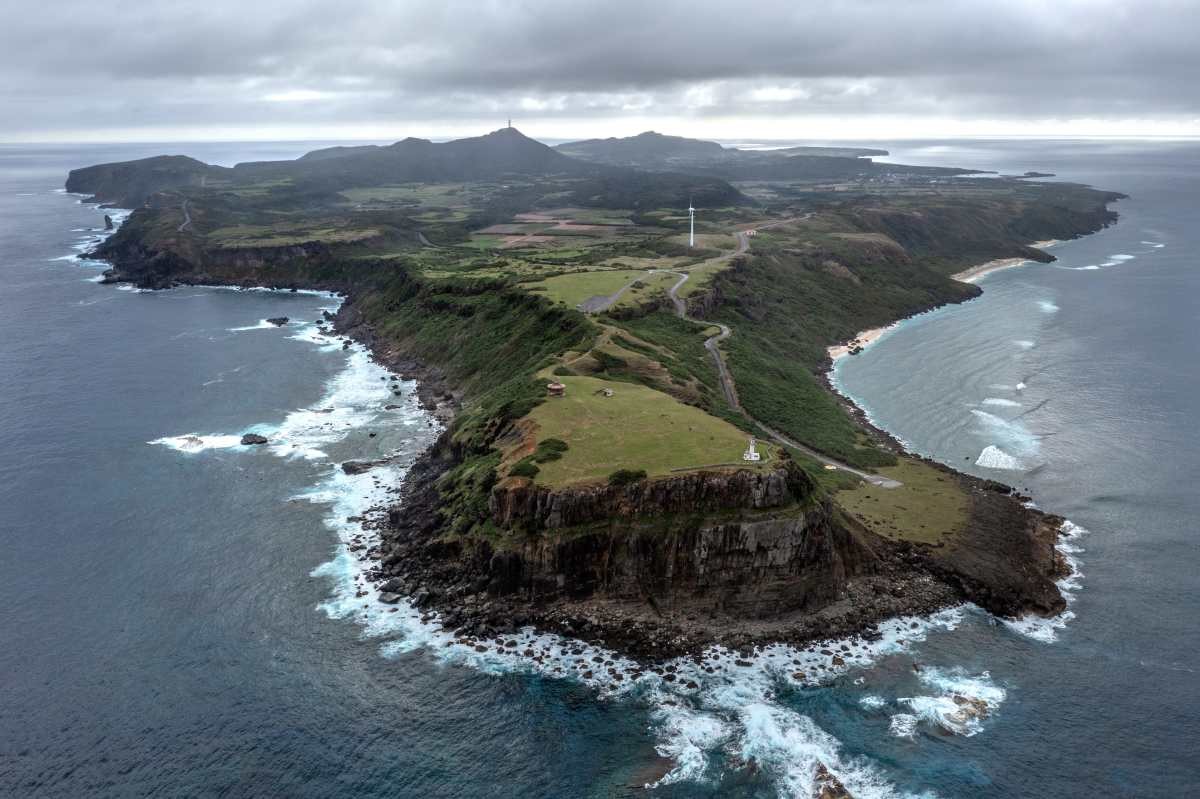
Representative Image Source: Yonaguni island is pictured on April 13, 2022 on Yonaguni, Japan. (Photo by Carl Court/Getty Images)
Representative Image Source: Yonaguni island is pictured on April 13, 2022, in Yonaguni, Japan. (Photo by Carl Court/Getty Images)

The uncanny monument was first spotted by a local diver in 1986. The monument is a submerged rock formation in the waters of Yonaguni Jima. For all these decades, experts have believed that this monument is a ruin of a Japanese Atlantis, an ancient city that sunk in the waters 2,000 years ago due to an earthquake. “The largest structure looks like a complicated, monolithic, stepped pyramid that rises from a depth of 25 meters [82 feet],” Masaaki Kimura, a marine geologist at the University of the Ryukyus in Japan, told National Geographic.


Not all experts believe that the pyramid is man-made. “I’m not convinced that any of the major features or structures are manmade steps or terraces, but that they’re all-natural,” Robert Schoch, a professor of science and mathematics at Boston University who has dived at the site, told National Geographic. “It’s basic geology and classic stratigraphy for sandstones, which tend to break along planes and give you these very straight edges, particularly in an area with lots of faults and tectonic activity.” Like Schoch, the Japanese government’s Agency for Cultural Affairs or the Government of Okinawa Prefecture didn’t think that the monument was a significant cultural property. They didn’t proceed with any research or preservation work on the site.


As for Kimura, he told National Geographic that he first thought the monument was totally natural. But he changed his mind after his first dive. “I think it’s very difficult to explain away their origin as being purely natural, because of the vast amount of evidence of man’s influence on the structures,” he said. His conclusion was based on the fact that he identified elements like quarry marks etched into the stone, carved faces, and rocks sculpted like animals. This suggested that the pyramid carried a cultural history. “The characters and animal monuments in the water, which I have been able to partially recover in my laboratory, suggest the culture comes from the Asian continent,” he said, adding that one of these elements, a sphinx, resembled a Chinese or ancient Okinawan king.
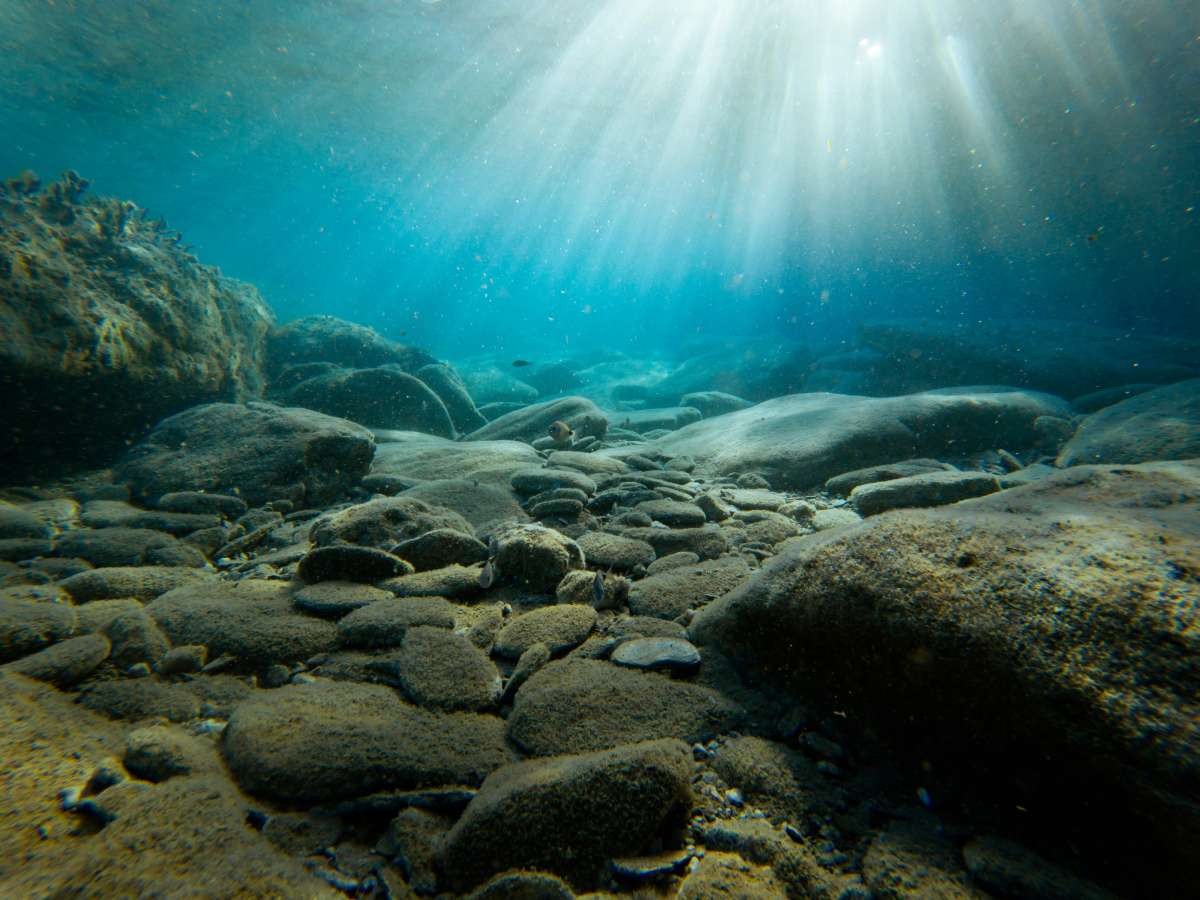
Representative Image Source: Unsplash | Yannis Papanastasopoulos

Every part of the city most probably sank in the seismic tremors that once engulfed the Pacific Rim, Kimura suggested. According to National Geographic, the world’s largest recorded tsunami struck Yonaguni Jima in April 1771. It recorded an estimated height of more than 131 feet (40 meters). This disaster could have sunk the entire city underwater, leading to a total collapse of the civilization, and ending up like a ‘Lost City.’

Representative Image Source: Pexels | Fabricio Monteiro

Apart from the mysterious pyramid, the divers have discovered other uncanny objects lurking underwater, including castle ruins, an arch, five temples, and at least one large stadium. They were probably connected by a network of roads and channels of walls, all of which have now crumbled away. Kimura hypothesized that these remnant objects most possibly dated back to at least 5,000 years, based on the aging of the stalactites found inside the caves underwater.
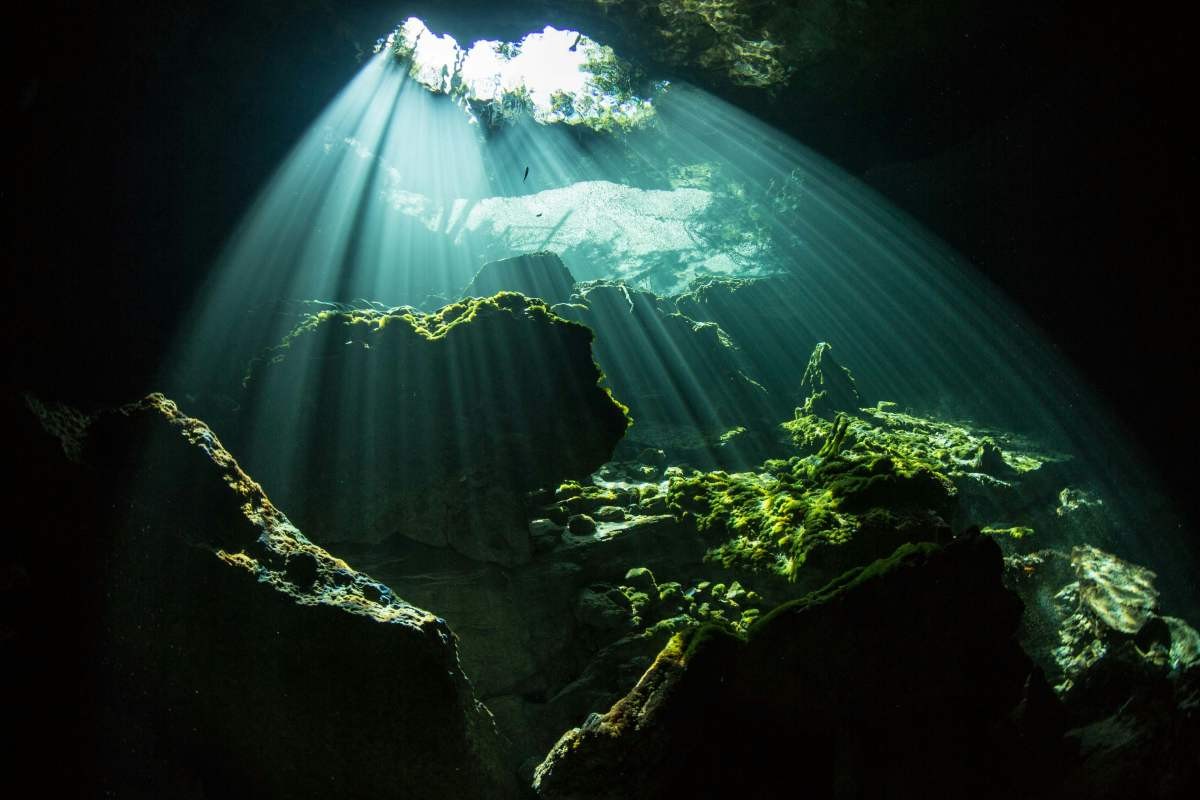
Representative Image Source: Unsplash | Alex Rose

Many experts believed Kimura’s hypothesis. For instance, Toru Ouchi, an associate professor of seismology at Kobe University, told National Geographic, “I’ve dived there as well and touched the pyramid. What Professor Kimura says is not exaggerated at all. It’s easy to tell that those relics were not caused by earthquakes.”


via GIPHY


However, Schoch was still reluctant to accept this hypothesis. He rather suggested that the holes in the rock, which Kimura regarded as “supporting posts,” were merely created by underwater eddies. These rocks were eaten up by the marine animals lurking in the waters, he added. Plus, he added that the pyramid was not symmetrical or geometrically accurate and, hence, not artificial. Furthermore, explaining the animal-like etchings on the rocks, he described them as just scratches dug into the rocks via natural phenomenon.


Asserting his belief with scientific evidence, Schoch wrote in a recent post, “As difficult as it may be for some to accept, after carefully studying the Yonaguni Monument, I have to report that I do not believe it is an artificial, human-made structure.” Yet, owing to no solid evidence, the existence of the Yonaguni Monument remains a mystery.


https://youtube.com/watch?v=d9vKkRx9Xv0%3Fsi%3DdT5ClMZ6J_X7wz0v

  • Why fall yard care could start with doing less – but not nothing
    Leaves on the ground are part of the natural cycle of nutrients. Manjot Sidhu, CC BY-SA
    ,

    Why fall yard care could start with doing less – but not nothing

    Fallen leaves shelter next spring’s pollinators and feed the soil. A horticulture specialist explains how to make room for both nature and a tidy yard.

    Assistant Extension Professor of Horticulture and Ornamental Horticulture Specialist, University of Maine

    Every autumn, homeowners and gardeners tend to engage in a familiar ritual. As trees shed their leaves, people drag out rakes, leaf blowers and lawn bags to strip their yards bare before winter arrives.

    It is a tidy habit rooted in aesthetics, but ecologically, clearing away fallen leaves strips the very foundation of local ecosystems. Far from dead debris requiring disposal, this fallen foliage forms a dynamic layer and a biological interface that drives nutrient cycling and is essential for soil health and the environment, including biodiversity.

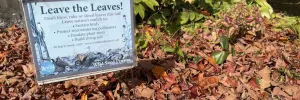
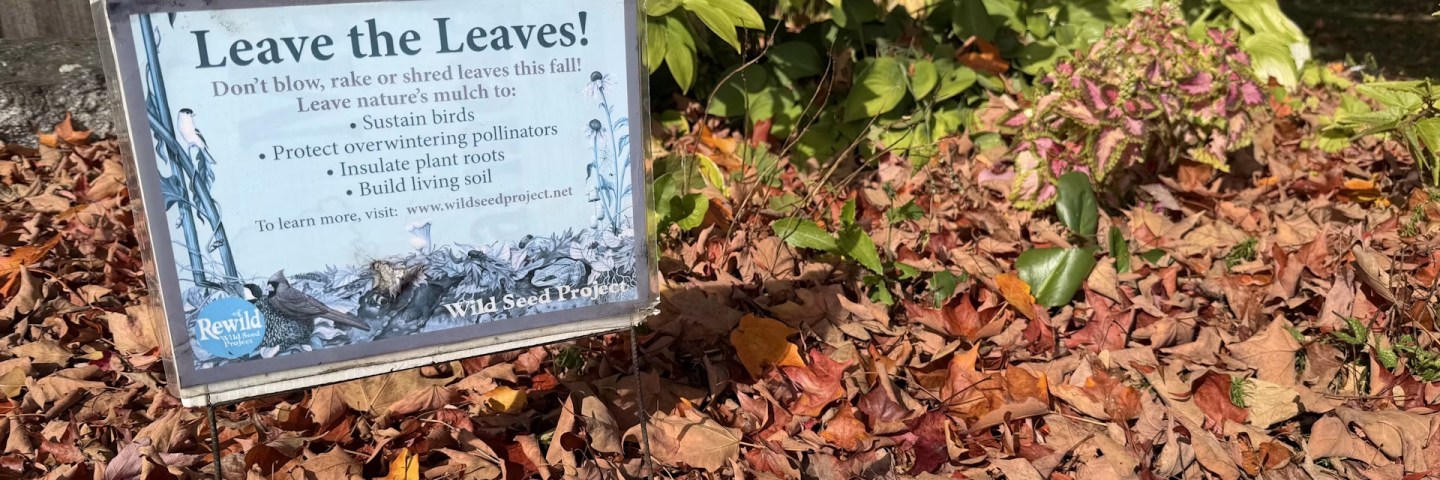
    As a researcher of plant growth in yards and gardens, I would recommend leaving leaves on the ground. There, they can provide essential winter habitat for native pollinators – even in places that don’t have freezing temperatures. And they act as a nutrient-dense, natural mulch for the soil.

    Here is the science behind why the first step of fall yard care could simply be doing less – along with practical ways to keep your yard looking neat while nourishing the ecosystem underneath.

    A winter sanctuary for native pollinators

    To understand why leaf litter matters, it helps to look closely at what happens beneath the surface as temperatures drop. While honeybees pass the winter in sheltered hives, the vast majority of North America’s native pollinators do not.

    Up to 70% of native bee species, including many insects’ cocoons and larvae, nest in the ground. Fertilized queen bumblebees burrow just a few inches into the soil or hide under dense leaf mulch to survive the freezing months ahead, to lay eggs in the following spring.

    Raking, bagging and blowing leaves away destroys this crucial winter nursery.

    Many other insects depend on the shelter of fallen foliage:

    Nature’s engineered soil insulator and fertilizer

    In addition to being a shelter, fallen leaves are an evolved biological mechanism for nutrient cycling. Trees actively pump vital elements, including calcium, magnesium, potassium and nitrogen from deep subsoils, into their foliage. When autumn comes and leaves drop, these stored nutrients are deposited back into the soil.

    Leaving leaves in place triggers fundamental ecological benefits.

    A thick blanket of intact leaves acts as a natural insulator for the ground. Air pockets trapped between overlapping leaves moderate the soil temperature and slow heat transfer, buffering against the freeze-thaw cycles that heave soil, fracture plant roots and expose beneficial soil microbes to lethal cold. The intact leaf blanket also conserves moisture and prevents soil from drying out over the winter.

    As fungi, earthworms and micro-arthropods digest fallen leaves through late fall and spring, they break down organic matter into a rich material called humus. This slow-release organic fertilizer boosts soil structure, improves water retention in sandy soils, and prevents erosion and runoff in heavy rains.

    Decaying leaves feed beneficial mycorrhizal fungi in the soil. Those fungi form symbiotic relationships with plant and tree roots, helping the roots collect water and nutrients from the soil to nourish the plants above. A natural layer of leaves also suppresses spring weed seeds organically without needing synthetic chemical herbicides. And the moist, insulated microclimate under leaf litter is also critical for terrestrial amphibians, including frogs and salamanders, to survive freezing temperatures.

    How to ‘leave the leaves’

    Adopting a softer approach to fall cleanup does not mean your yard has to look completely untamed or that you have to risk killing your lawn. Here is how to balance suburban expectations with sound ecological science:

    • Move, don’t remove: Move the leaves from lawns and sidewalks, rake them into garden beds, around ornamental plants or into vegetable plots, using manual rakes or electric leaf blowers. Aim for a layer 2 to 3 inches deep. Leaving leaves in grassy areas can help ticks hide there too, but if you move the leaves to garden beds or spots that are used less, the ticks will be less likely to nest in the grass. Establishing pollinator zones on the property can also help reduce tick populations.

    • Skip the leaf shredder: Mowing over leaves with a mulching mower is better than sending them to landfills, but high-velocity mower blades still kill overwintering insect eggs, chrysalises and larvae. Leave leaves intact wherever possible in plant beds.

    • Wait for spring to clean up: Do not cut back hollow-stemmed perennials or clear leaf beds during early, warm spring days. Wait until temperatures consistently stay above 50 degrees Fahrenheit (10 degrees Celsius) so overwintering bees and butterflies have time to safely emerge.

    When you bag leaves for disposal and then buy commercial wood mulch or synthetic fertilizers in the spring, you are effectively paying a price for what your trees provided for free. By rethinking the cultural expectation of pristine autumn lawns, it’s possible to transform silent landscapes into vibrant habitat sanctuaries, simply by stepping back and allowing natural processes to take over.

    This article originally appeared on The Conversation. You can read it here.
  • How D.C.’s ‘humanure’ fertilizer creates lush gardens and big profits while improving the environment
    Photo credit: Canva – What you flush away could help your garden grow.

    The District of Columbia Water and Sewer Authority—now known as D.C. Water—has long provided water and sewer services to Washington, D.C. But for the past decade, the utility has also had an unexpected side hustle: turning human wastewater into fertilizer with flourishing results.

    At most wastewater treatment plants, flushed water is cleaned, while the remaining solid matter is hauled away for disposal. Over time, transporting and disposing of that waste can cost millions of dollars while increasing carbon emissions from the trucks carrying it. A decade ago, however, D.C. Water decided to invest in transforming the solid waste into “humanure” rather than throwing it away.

    Growin’ grass and makin’ gas

    At the end of the wastewater treatment process, the collected human waste solids are processed into biosolid fertilizer using technology developed by Norwegian company Cambi. The process doesn’t just produce high-quality fertilizer—it also generates biogas that can be put to good use.

    “So you get up to 40% more biogas,” Cambi CEO Eirik Fadnes said. “That biogas can be used to generate electricity to be used elsewhere in the wastewater-treatment plant or put on the grid and sold.”

    D.C. Water sells the biosolid fertilizer under the brand name Bloom, and it’s already proving to be a success. Bloom has been used throughout the Washington, D.C., area by customers including Catholic University, Mount Olivet Cemetery, and the Franciscan Monastery. It’s also used on numerous lawns, school grounds, community gardens, and golf courses.

    Success by the numbers

    The numbers underscore D.C. Water’s success. To date, nearly 400,000 tons of Bloom have been sold across Washington, D.C., Maryland, Pennsylvania, and Virginia, generating $13.6 million in revenue. D.C. Water originally estimated it would take 20 years for Bloom to pay off its investment. But thanks to strong demand from institutions, landscapers, and local garden centers, the utility is now on pace to recoup that investment in just 12 years.

    Bloom is also helping D.C. Water meet its environmental goals. By turning waste into a useful product instead of hauling it away for disposal, the utility has reduced its carbon footprint by roughly 50,000 metric tons of CO₂ emissions each year—the equivalent of taking more than 11,700 gas-powered cars off the road annually. The process also produces biogas, which can be converted into electricity to help offset the energy costs of wastewater treatment.

    Human waste works wonders

    None of this would matter if human biosolids weren’t effective at improving soil. “Humanure,” a term coined by Joseph Jenkins, refers to compost made from properly treated human waste. Because human feces can contain disease-causing pathogens, it must be handled carefully. After all, we call it “waste” for a reason.

    When human waste is composted correctly, naturally occurring microbes break down the organic material while generating enough heat to destroy harmful pathogens. Over time, the result is a nutrient-rich compost that can improve soil health. Some farmers even build specialized outdoor composting toilets to create humanure for use on their land.

    Should D.C. Water continue on this path of simultaneous profitability and environmental improvement, it’s likely other wastewater treatment plants will follow its lead.

  • A Spanish park has been free of wildfires for over a decade thanks to 18 donkeys
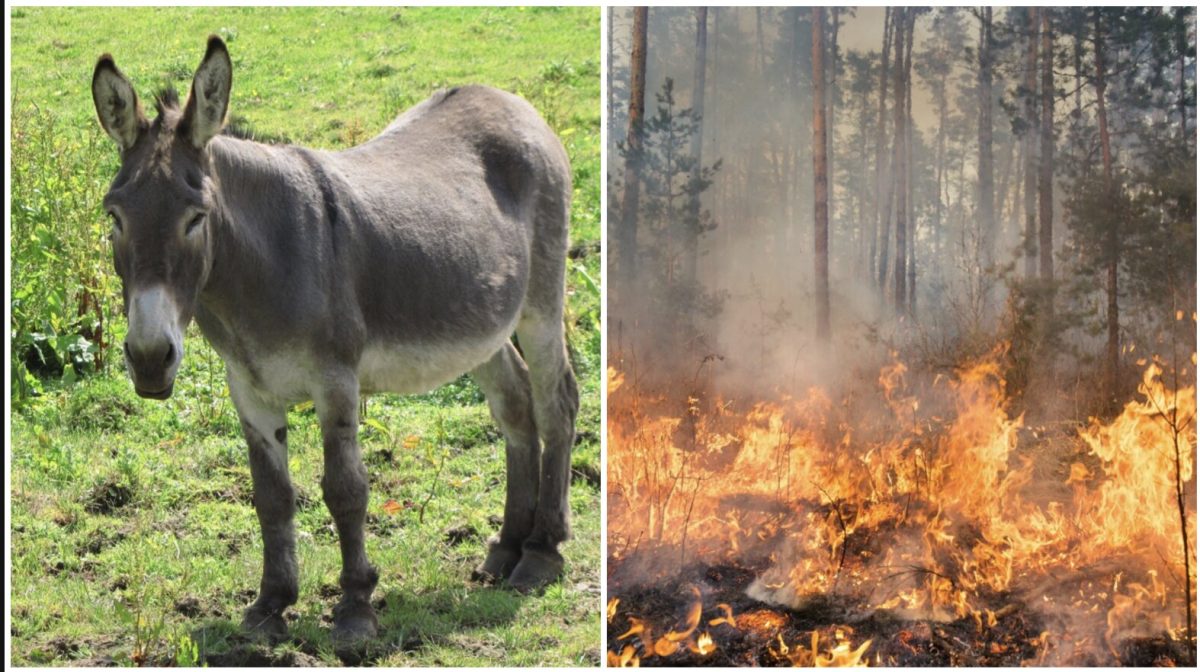
    Photo credit: Canva – Donkeys and other livestock could help prevent mass wildfires.

    According to NASA, wildfires have doubled worldwide due to climate change. Throughout the globe, governments and environmentalists have been trying to find ways to curb the fires. One particular national park in Spain has found a solution that has been keeping them fire-free for over a decade: donkeys.

    Since 2014, the Firefighting Donkey Battalion unit consisting of 18 donkeys has been preventing wildfires in Doñana National Park in Doñana, Spain. The mission these donkeys do is simple: eat the dry brush that usually sparks and fuels wildfires. The donkeys spend up to seven hours a day using their voracious appetites to graze and clear a 130 by 50 feet area of dried grass, scrub, and other vegetation.

    Why donkeys?

    While humans can do this type of clearing out of dry brush, using donkeys for this work is arguably more effective. While it is a slower process, it is consistent and thorough. Donkeys are able to quietly patrol in areas that are inaccessible to vehicles. In exchange for the feasting, the donkeys get about eight gallons of water and rest. No money or fuel needed.

    The donkeys’ bodies are also pretty much built for this kind of environmental work, too. Their stomachs are built to eat the same rough and dry grass repeatedly without issues. These daily grazings slowly but surely remove potential origin sources for fires. As a bonus, the donkeys are naturally disposing of the dried vegetation whereas humans would have to find a different way to dispose of it.

    Having donkeys or other livestock graze in such areas was once more common in agriculture prior to modern farming. Some argue that the machinization of farming and urbanization have reduced the number of grazing animals. This in turn allows more vegetation growth that become dry spots for more wildfires to occur.

    The method expands

    This method has been so successful that other areas of Spain have adopted it. In 2020, Tivissa launched the Burros Bomberos project with three donkeys to so much success they’ve expanded. They now have 40 donkeys grazing and clearing nearly 400 hectares of land.

    The Andrea Association in Allariz uses a team of donkeys to clear and maintain nearly 1,000 hectares of a biosphere reserve. Using GPS to monitor the donkeys’ activity, the group of grazers travel 19 kilometers per day to feed. Similar initiatives have since started in Basque Country, Catalonia, and Galicia, too.

    Other ways to combat wildfires

    In the United States, California has been using goats in a similar function. The group Fire Grazers Inc. has been contacted throughout California to bring hundreds of goats to eat dried vegetation. Much like donkeys, goats are built to eat rough and dry brush. This includes certain plants such as star thistle that are painful for human hands to grab.

    It’s important to note that donkeys or other animals that eat dry scrub are the primary solution to wildfires. The same folks behind these initiatives also advocate proper forest planning and land management. This includes reducing the amount of easily flammable species of plants and trees such as pine. It takes thought, care, work, and maybe a bunch of donkeys to make a difference.

Explore More Environment Stories

Environment

How D.C.’s ‘humanure’ fertilizer creates lush gardens and big profits while improving the environment

Environment

A Spanish park has been free of wildfires for over a decade thanks to 18 donkeys

Environment

Beyond birds and mice, free‑ranging cats eat a surprising number of insects

Environment

The University of Cambridge found a way to reduce plastic waste and create clean hydrogen energy at the same time