A political advocacy group called Deport Racism will be awarding Larry David $5,000 for calling Donald Trump a “racist” on live TV. The organization had announced last week that they’d be offering the $5K bounty to anyone brave enough to call Trump out.


“This is a chance to turn Trump’s appearance on the show into a media story that addresses his racist comments against Latinos,” they wrote in their press statement, referencing Trump’s past remarks that undocumented immigrants were “killers”, “criminals” and “rapists”.

The scripted bit happened on Saturday Night Live this past weekend, towards the end of Trump’s monologue. “You’re a racist!” shouted David. “Trump’s a racist! I heard if I yelled that they’d give me $5,000.”

Of course, because it was scripted, Trump was given an opportunity to respond and play the moment for laughs, saying, “As a business man, I can fully respect that.”

Although it was part of the show, Deport Racism announced yesterday that David had won his bounty fair and square. “Joke or not, it’s true,” they tweeted.

Trump’s SNL appearance had been the subject of much outcry, with much of it coming from Mexican-Americans who find his views on immigration dangerous and offensive. Over 500 people showed up to 30 Rockefeller Center to demonstrate against Trump’s presence on the show, chanting the campaign’s popular slogan, “Dump Trump” (which was tweeted 5,000 times on Saturday).

Watch the monologue below.

  • Friendship is built over time, through ordinary moments – I teach lonely college students to notice them
    Nearly 6 in 10 college students said in 2026 that they felt lonely sometimes or always. Denis Novikov/iStock/Getty Images Plus
    ,

    Friendship is built over time, through ordinary moments – I teach lonely college students to notice them

    A college course explores how small, everyday interactions grow into lasting connections.

    Professor of Political Science and Director of the Center for Applied Civic Leadership, Coastal Carolina University

    The first skill I learned when I became a political science professor nearly 20 years ago was how to quiet a room full of chatty undergraduates.

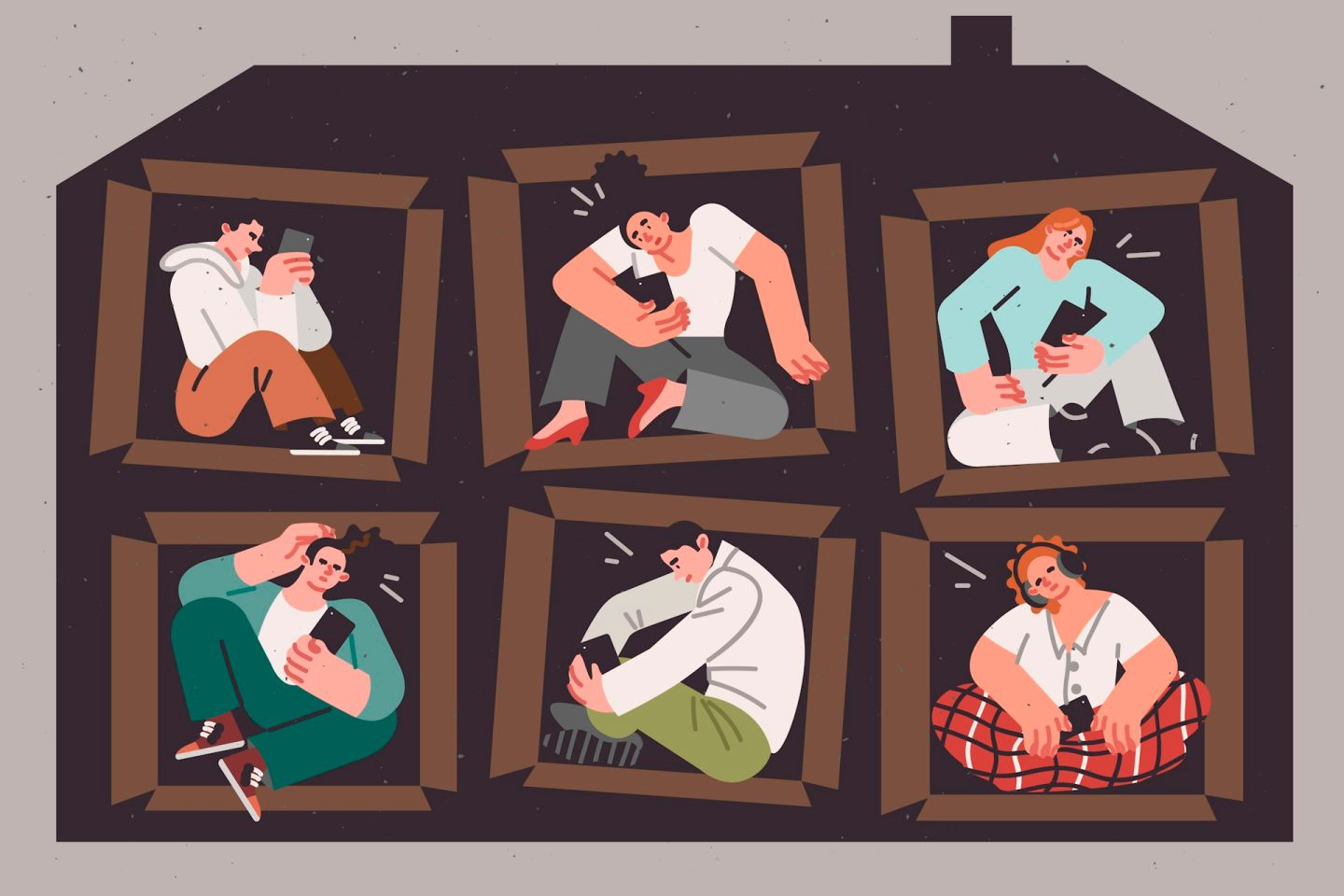
    These days, I often walk into a silent room, with students staring at their phones and barely acknowledging the classmates beside them.

    As I read more about the United States’ loneliness crisis, I began noticing a version of it among my students.

    In a 2026 national survey of over 40,000 college students, nearly 6 in 10 said they felt lonely sometimes or always. At the same time, federal time-use data show that the share of Americans who socialized in person with family, friends or others on an average day fell from 38% in 2015 to 30% in 2025.

    Those and similar other studies capture a familiar contradiction seen on college campuses like my own: Many new students want close relationships, but feel anxious about initiating them and have had little practice sustaining them.

    I realized that my students rarely spoke to one another, and went entire semesters without learning their classmates’ names. Many students seemed unsure how to cross the few feet between them and their peers and make the social connection they craved.

    I designed a freshman honors seminar, “Friendship & Society,” around this uncertainty, combining the academic study of friendship with practical exercises in forming and sustaining it.

    Two women walk closely together down a stone path with red brick pillars on either side of them.
    College students in this class learn about how positive social interactions activate the brain’s reward system while isolation triggers a stress response. Klaus Vedfelt/Digital Vision via Getty Images

    Understanding friendship

    In this course, students examine how an initial exchange can develop into friendship through repeated contact and shared time, and why many potential connections never progress into a lasting friendship.

    They consider how friends help shape identity and memory, whether old friends are owed continued loyalty after their lives diverge and whether a friendship can remain meaningful after it ends.

    Students also look at how friendship can have strong effects on physical and mental health, making it what I believe is an overlooked public health issue. Friendships can also help shape people’s broader sense of belonging in a community, building the social trust that civic life depends on.

    Students test those questions through 10 “Friendship Practices,” a series of experiential activities I designed. Students are asked to share a meal with classmates or visit a public gathering place like a café or lounge to see how these settings can encourage conversation. During a “friendship safari,” small groups walk across campus, noting where conversations begin and where students pass one another without speaking.

    In private journal entries and submitted reflections, students record what they expected from each situation, and what happened when they tried to form connections. They make a short film telling a story of friendship on campus and end with a friendship memoir tracing how their own relationships and expectations changed during their first semester of college.

    Diving into friendship

    Students read “Stay True,” a memoir about a friendship between author Hua Hsu and his classmate Ken that shapes Hsu’s sense of himself long after his friend’s death.

    Neuroscientist Ben Rein’s book “Why Brains Need Friends” explains the biology of connection and isolation, and shows how positive interactions activate the brain’s reward system while isolation triggers a stress response.

    Students also read longform journalism, social science research, public health reports and political philosophy on aspects of loneliness. They also watch TED Talks and films that explore how a brief encounter with a stranger can, over time, become a friendship.

    Lessons learned

    Students learn that a friendship is built from countless moments that may feel meaningless while they are happening. An unremarkable meal, or a conversation that fills 10 spare minutes rarely feels consequential on its own.

    Over time, those moments build relational capital, meaning the shared trust and history friends can draw on when life becomes difficult or a disagreement needs repairing.

    That reserve reaches beyond a single relationship. Communities become more connected when people have accumulated enough ordinary experience together to trust one another and keep showing up.

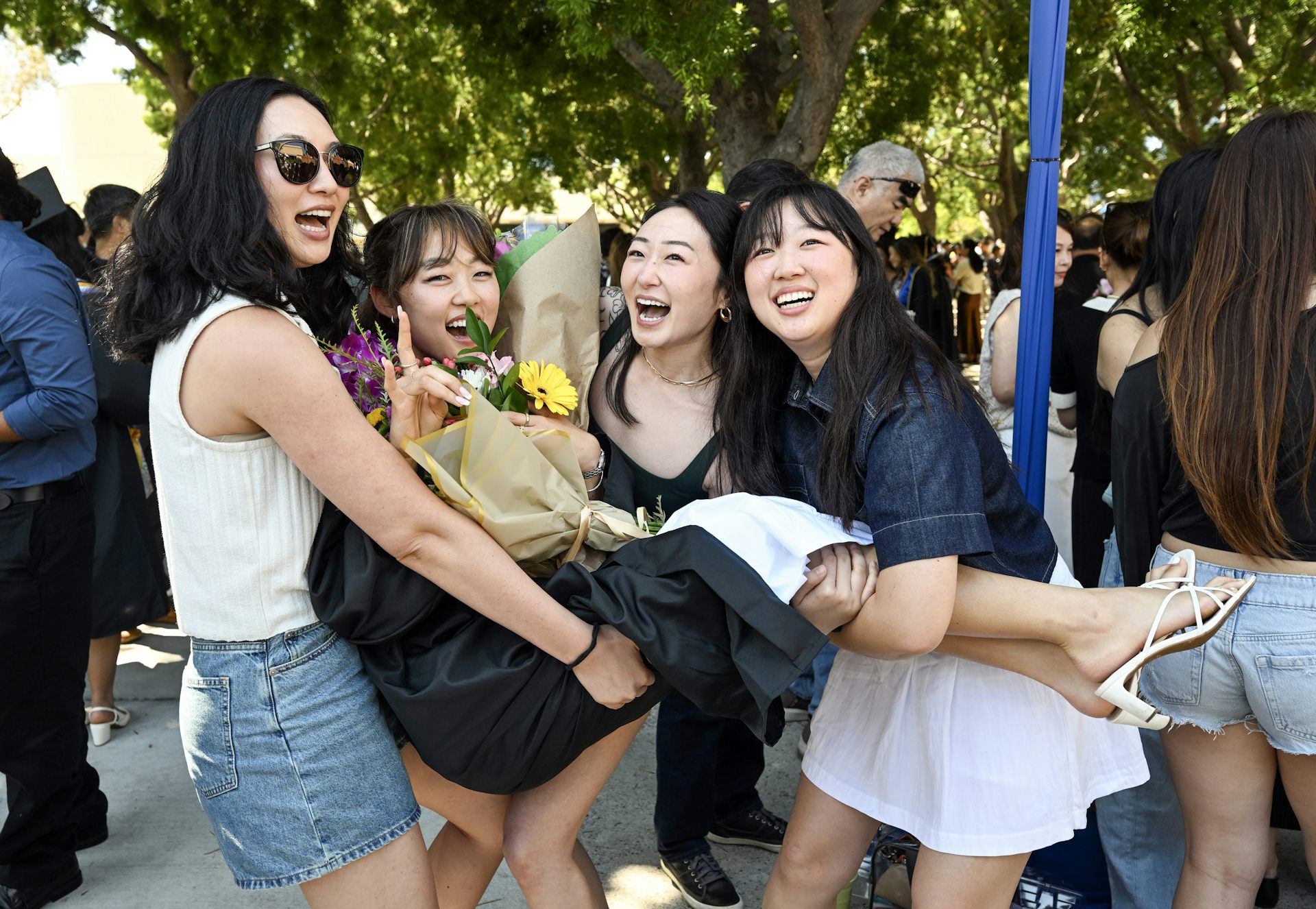
    Four young women smile and pose as they lift one of the women, wearing a black graduation gown and carrying flowers, in the air.
    Individual, ordinary moments with peers over time can build and help form a friendship. Jeff Gritchen/MediaNews Group/Orange County Register via Getty Images

    By the end of the course, students can weigh different kinds of evidence about how friendships form, develop and sometimes fade. They also become better able to start a conversation, recognize which public spaces make it easier to meet and spend time with others, and identify habits that help relationships deepen over time.

    They finish with a clearer sense of how relationships take shape and how their own choices contribute to the communities forming around them.

    Uncommon Courses is an occasional series from The Conversation U.S. highlighting unconventional approaches to teaching.

    This article originally appeared on The Conversation. You can read it here.

  • Pope Leo XIV’s lung cancer highlights growing number of nonsmokers diagnosed with the disease – and younger people too
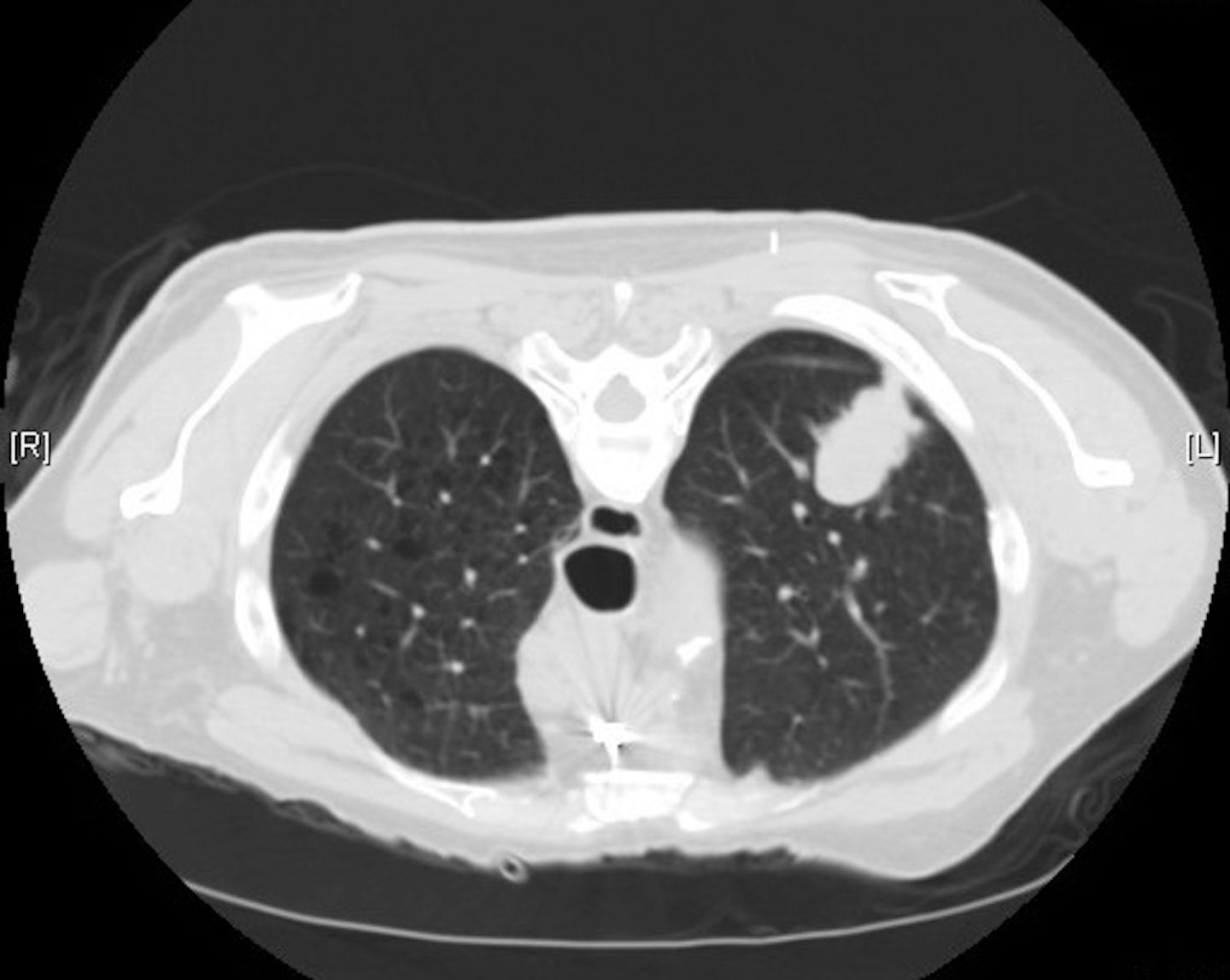
    A low-dose CT scan can help with early detection of lung cancer. In this image, the tumor is the white nodule in the upper right corner of the black space. Atlas of Pulmonary Pathology/Flickr, CC BY-SA
    ,

    Pope Leo XIV’s lung cancer highlights growing number of nonsmokers diagnosed with the disease – and younger people too

    Smoking isn’t the only risk factor, and screening can miss those who never smoked.

    When many people think of an average lung cancer patient, they often imagine an older man smoking. But the face of lung cancer has changed. Over the past 15 years, more women, never smokers and younger people are being diagnosed with lung cancer.

    In fact, lung cancer is the leading cause of cancer death among women, and more women die from lung cancer than breast, ovarian and colorectal cancer each year. The American Lung Association reports that while lung cancer rates have risen by 79% for women over the last 44 years, they decreased by 43% for men. And for the first time in history, there are more young women than men diagnosed with lung cancer.

    News about Pope Leo XIV’s lung cancer diagnosis on Oct. 13, 2026, sparked discussion about increasing rates of the disease among people who have never smoked. Leo reportedly is not a smoker. Potential causes for the disease include environmental exposures and genetics, and recognizing the diverse factors that can increase someone’s risk of lung cancer – regardless of their smoking history – is essential for timely and appropriate screening and treatment.

    Cancer that is found at the earliest stages, like that of the pope, can be treated with surgery and cured for both smokers and nonsmokers. The challenge is that people who have never smoked are not currently included in lung cancer screening guidelines, and tumors are often only found by chance.

    As a thoracic oncologist, I have seen many younger women and never smokers walk into my clinic with a new diagnosis of lung cancer. Particularly for never smokers, lung cancer is unexpected for both patients and their doctors, which can often lead to delays in diagnosis. Researchers have described this trend of increasing lung cancer rates among women in different parts of the world and are starting to understand why cases are on the rise.

    Lung cancer in women

    The first explanation of why rates of lung cancer in women have increased is that many started smoking later than men, pushing back their peak in smoking-related lung cancer diagnoses.

    Women also started smoking in the years when filtered cigarettes were most commonly used. This led to an increased risk of a type of cancer called adenocarcinoma due to the way cigarette filters distribute tobacco smoke to the outer parts of the lungs. Some studies suggest that women are more susceptible to the carcinogenic effects of exposure to tobacco and cigarette smoke, including second-hand smoke, and may develop lung cancer after fewer years of smoking compared to men.

    However, it is important to note that most people diagnosed today with lung cancer are not active smokers. About 20% of women with lung cancer have never smoked – higher than for men with lung cancer who’ve never smoked.

    Watch on  YouTube
    An increasing number of lung cancer diagnoses are among people who never smoked.

    Lung cancer risk factors

    Besides smoking and secondhand smoke, there are several other lung cancer risk factors. These include a family history of cancer and exposure to asbestos, radon and air pollution.

    Exposure to carcinogens in the workplace in the form of inhaled chemicals such as arsenic, beryllium, cadmium, silica and nickel is still a concern in some parts of the world. The potential lung cancer risk of e-cigarette and marijuana smoke is still under study but of potential concern.

    Recently, researchers have also found that genetics can play a role in lung cancer risk in some patients with a strong history of lung cancer. Studies of these families have helped identify potential susceptibility genes for lung cancer and environmental risk factors.

    Like BRCA1 and BRCA2 in breast cancer, alterations in genes that promote or protect against tumor development can contribute to lung cancer development. Researchers have yet to identify specific mutations that may predispose individuals to lung cancer. However, studying familial genetic predispositions can help elucidate how lung cancer develops and lead to new biomarkers for early cancer detection in high-risk groups.

    Lung cancer screening

    In 2021, the United States Preventive Services Task Force updated its lung cancer screening guidelines to include younger patients with less smoking history. Now, lung cancer screening is recommended for adults ages 50 to 80 who have smoked at least one pack per day for 20 years, current smokers and former smokers who quit smoking within the last 15 years. Women at risk for lung cancer can talk to their doctors about ordering a low-dose CT scan for lung cancer screening.

    Nationwide, more than 70% of eligible women undergo breast cancer screening but less than 6% of all eligible smokers pursue lung cancer screening. Researchers estimate that these new screening guidelines will increase the number of women eligible for lung cancer screening by 40% by including those at a younger age who have less smoking exposure.

    CT scan of lung adenocarcinoma
    A low-dose CT scan can help with early detection of lung cancer. In this image, the tumor is the white nodule in the upper right corner of the black space. Atlas of Pulmonary Pathology/Flickr, CC BY-SA

    Lung cancer diagnosis

    In recent years, increasing understanding of the genetic changes that can lead to cancer and how to harness the immune system to treat cancer has led to new targeted therapies and immunotherapies that have improved the prognosis of patients with lung cancer. Women tend to have a better lung cancer prognosis than men, especially if they never smoked and have tumors with molecular changes that can be treated with targeted therapies.

    However, lung cancer symptoms may go unrecognized in women. Symptoms of lung cancer can include coughing, shortness of breath, overwhelming fatigue and pain in the back, chest or shoulder, which could be confused for other ailments. Because women tend to be slightly younger when diagnosed than men, patients may be able to tolerate symptoms longer and delay seeking medical attention. Physicians also might not attribute these symptoms to lung cancer due to a patient’s younger age.

    Recognizing the early symptoms of lung cancer, expanding lung cancer screening eligibility and testing for genetic biomarkers to select the best therapy are some of the steps that could help address the global epidemic of lung cancer in women.

    This is an updated version of an article published on Feb. 1, 2023.

    Estelamari Rodriguez, Associate Director of Community Outreach in Thoracic Oncology, University of Miami

    This article originally appeared on The Conversation. You can read it here.

  • New world map makes Africa look bigger: what’s the fuss about? Cartographers explain
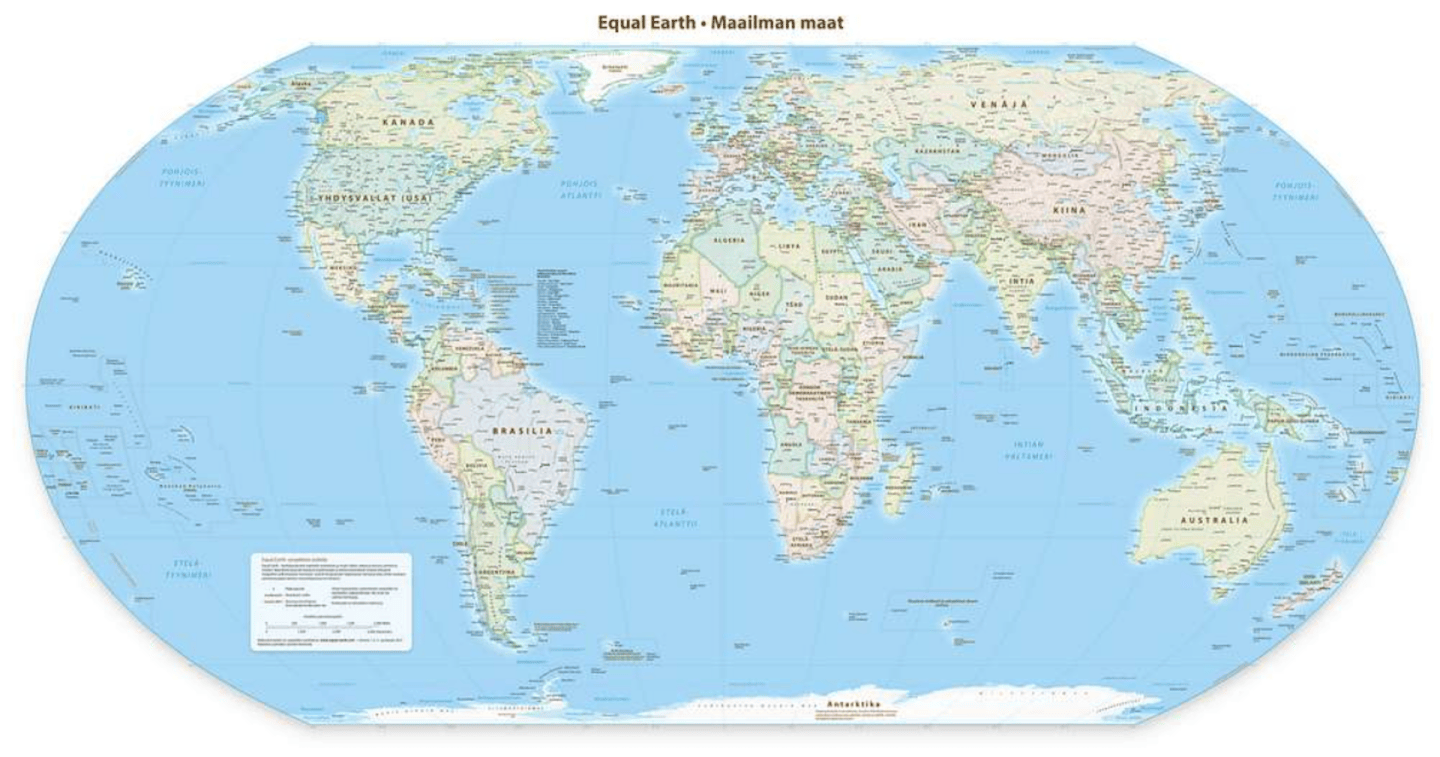
    A political wall map using the Equal Earth projection centred at the prime meridian. Wikimedia Commons

    The UN has passed a non-binding resolution to endorse the Equal Earth Projection, a map which more fairly represents the true size of the Earth’s landmasses. The current commonly used projection, called the Mercator Projection, greatly exaggerates land towards the north and south poles, which makes Africa look much smaller. In the Mercator projection, countries near the north and south pole can be anywhere from two to 14 times their true size. In the Equal Earth projection these distortions are minimised, making Africa look larger in comparison.

    We asked Jack Swab and Derek Alderman, cartographers and geographers who study the social and communicative power of maps, to explain what’s going on.


    What is a map projection?

    A map projection is a technique that cartographers (map-makers) use to transform the round, three-dimensional Earth into a flat, two-dimensional map that we see on the wall or on our computer screen. As cartographers flatten the globe, the map becomes distorted, changing shapes and areas. There is no map projection that does not distort the Earth, but some projections are better suited for some uses than others.

    A cartographer’s job is to choose from the hundreds of different map projections, and consider where the map is focused and how it is going to be used. No single projection is best for every use. This new Equal Earth projection is better suited than Mercator for producing global scale world maps for educational, public communication and policy purposes.

    The Equal Earth supports a more accurate geographic understanding of the relative sizes of countries and continents. It provides a fairer perspective for the public to compare regions in terms of population, environment, development, politics and other global patterns.

    Is the Mercator projection still useful?

    While the Mercator projection isn’t good for showing the size of the Earth’s landmasses, we won’t see it totally disappear. For example, it’s very useful for navigational purposes as it maintains the accuracy of a compass bearing between two points without having to recalculate it.

    This is why most online mapping platforms like Google Maps or Apple Maps rely on a variation of the Mercator projection to provide directions. Using the Equal Earth projection for navigation would not be as effective as the Mercator projection.

    How will the Equal Earth projection be used?

    Map-making is decentralised and there is no single authority regulating which map projection is used. What the UN did was endorse the broader message that Equal Earth is a fairer projection that more equitably displays the true size of the Earth’s land. And although this action is happening at a global level, there are movements underway in cartographic communities to make the Equal Earth projection the default world map projection.

    The UN resolution by itself will not make Equal Earth a globally adopted projection. That requires intentional revision of maps used in textbooks, databases, media productions and diplomatic discussions, which requires labour and financial investment.

    The Equal Earth projection was developed by cartographers and is a popular choice among map-makers since it was unveiled in 2018. It’s now possible to buy wall maps with the Equal Earth projection on them, and the projection has already been used in a wide variety of media. That said, individuals will need to opt in to using the Equal Earth projection over other types.

    Why has the Equal Earth projection sparked resistance?

    Resistance to the Equal Earth projection has been quite limited. There were several abstentions from the United Nations General Assembly vote, but most of this was for other reasons. Ukraine, for example, raised concerns over the depiction of the contested Crimean Peninsula on the map, which the Equal Earth Projection website depicts as contested territory.

    This spurred a Russian response, along with points from other nations about contested territory. Given the UN resolution was a vote on how the world is portrayed and not about any specific political boundaries (a point that both Russia and Ukraine agreed on), these discussions amounted to geopolitical posturing about non-map issues.

    The lone outlier, and only “no” vote against the Equal Earth projection, came from the United States. It claimed that the proposal was part of a “radical and ideological project” that was not appropriate for the United Nations to be debating. American delegates took issue with language linking Mercator’s distortions to colonial legacies and the marginalisation of Africa. This is not surprising since the current administration denies the existence of structural systems of inequality.

    It is hard to miss the hypocrisy at play. The US wants other countries not to discuss the political implications of cartography even as President Trump engages in his own nationalist branding of the map. He has unilaterally renamed the Gulf of Mexico to the Gulf of America and Lake Ontario to Lake America for clear ideological reasons and without international consultation.

    How does the new map matter when it comes to changing global views of the world?

    The argument that African nations put forward was that the Equal Earth projection is a form of “cognitive justice”. Cognitive justice recognises that people often equate power and value of places with their apparent size on maps. Traditional views of Africa as a smaller continent compared to Europe or North America typically reflect the perceived importance of these parts of the world.

    Equal Earth may make it easier to teach, broadcast and discuss a different view of Africa and its prominence in the world. Today, African countries are among the world’s fastest growing economies and fastest growing populations. Map projections alone cannot change people’s attitudes. Yet, as African nations seek to have more influence in international affairs, correcting the mental map of global leaders is an important step in amplifying the continent’s relevance and rights.

    Jack Swab, Assistant Professor Department of Geography & Sustainability, University of Tennessee and Derek H. Alderman, Chancellor’s Professor of Geography, University of Tennessee

    This article originally appeared on The Conversation. You can read it here.

Explore More Stories

Health

Why does your brain mix up memories? A new study examines how memories are misplaced in your brain’s filing cabinets

Media

Boomers think these 7 habits make them polite but younger generations are begging them to stop

Technology

Only 17% of people can pass this 3-question IQ test on the first try. Can you?

Local

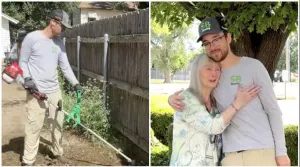
‘But you already helped me’: Elderly woman floored as landscaper reveals $625K GoFundMe in her name