Trigger warning: This story contains themes of suicide that some readers may find distressing.

Bullying can cause deep emotional scars, leading to lasting trauma that affects mental health well into adulthood. The bitterness from these experiences often lingers for decades, but sometimes, finding closure can help both the victim and the bully heal. Palmer Michael (@sneakersandhobbes) experienced this firsthand when he reconnected with his childhood bully on social media, leading to an unexpected and heartwarming outcome.

Representative Image Source: Sad businessman sitting head in hands on the bed in the dark bedroom with low light environment, dramatic concept. (Getty Images)

 While Michael usually shares cat videos on TikTok, in October 2023, he posted a deeply emotional video that garnered over 3 million views. He shared how, back in 2013, he stumbled upon a Facebook post by Jeff, a former high school classmate—and the same person who had bullied him for years. Seeing Jeff’s name brought back painful memories, prompting Michael to reach out to him with a letter.

Representative Image Source: A young man is feeling depressed and thinking about the bad news he is reading online through his smartphone (Getty Images)

In the following slides on TikTok, Michael shared the screengrabs of his interactions with Jeff via text messages. He started off by writing, “I am sure you remember who I am – Michael Stright,” and went on to add, “You bullied me all the way through high school until I had to drop out ‘cause you ended up in one of my classes in grade 12. I don’t know if you realize how much hell you and Andrew Crooks put me through.”


via GIPHY


He added that back in those days, bullying wasn’t something that people paid much attention to, but now the scenario has changed. Michael wrote how “horrible memories of him teasing [Michael] day after day after day” haunted him to this day. Expressing his angst further, Michael told Jeff, “Did you know that I tried to commit suicide three times because of the s**t you put me through.”

Representative Image Source: Unhappy Teenage Boy Outdoors At High School Being Teased Or Bullied (Getty Images)

“I am not looking for pity now that you’re older. I want you to go back in time and see who you were once to me.” He added that if Jeff had kids, then he hoped that they never had to go through bullying because it’s “horrible.” “I am sending you this message to bury the past once and for all. Confronting you after all these years feels good and I have finally said what I wanted to say to you so many years ago,” he concluded.


via GIPHY


To his surprise, Jeff responded with an equally long message thanking Michael for writing to him. He asserted that whatever he did, his intentions weren’t malicious, however, that didn’t matter because his actions ended up hurting Michael, and “nobody deserves to feel like that.” In a dramatic twist, Jeff revealed that he himself contemplated suicide a couple of times and was diagnosed with depression and anxiety. He added that he was happy that Michael didn’t commit suicide because of an “insensitive classmate” that Jeff once was. “I was an idiot when I thought I was just being ‘cool,’” he confessed.

Representative Image Source: Schoolboy being bullied in school corridor (Getty Images)

“I hope confronting me about this does make you feel better because you deserve that. I will never be able to apologize enough to undo the damage I did, but I will be grateful to you for having the courage to show me who I truly was,” Jeff wrote before admitting, “I am ashamed and disgusted at myself, I hope that you don’t encounter anyone else like me again.”


via GIPHY


Touched to his core by Jeff’s response, Michael replied wrote back, “Bullying has now been brought to light and it’s good to see that people now take it seriously,” before adding, “The fact that you wrote back to me really means the world to me.” “It takes a big person to admit mistakes they did in the past and to apologize for them,” he said. “I can’t thank you enough for writing me back.” Responding to Michael’s video, their common friend Lisa (@lisajmelanson) commented, “I went to school with Michael and Jeff, both grew into the most amazing caring loving men and 2 of my favorite humans! Love you both, RIP Jeffy.”


Image Source: TikTok | @kierakateb

Image Source: TikTok | @momma_alyssa

The video also triggered emotional responses from across the globe, with many users sharing their own experiences with bullying. @thevintagewargamer professed, “That feeling of being bullied relentlessly has never left me, I’m 42 now. I cannot or will never forgive them. They took my formative years away.” @tracifunk942 told Michael that he was quite “brave” to send that message and that he was a special person to do that. @syvidalofficial said, “I’m so happy you received the closure you needed so badly; it sounds like he did too.”


You can follow Palmer Michael (@sneakersandhobbes) on TikTok for more heartwarming videos.

  • Every dog has its day, but it’s not the Fourth of July
    Photo credit: Leigh Prather/Shutterstock.comDogs often react with great fear to July 4th celebrations. Border collies such as this dog are especially sensitive to loud noises.
    ,

    Every dog has its day, but it’s not the Fourth of July

    How to protect anxious pups from holiday booms.

    The Fourth of July can be a miserable day for dogs. The fireworks make scaredy-cats out of many canines.

    That’s because dogs, like humans, are hardwired to be afraid of sudden, loud noises. It is what keeps them safe. Some dogs, though, take that fear to the extreme with panting, howling, pacing, whining, hiding, trembling and even self-injury or escape. And, unlike humans, they don’t know that the fanfare on the Fourth is not a threat. Dogs hear the fireworks and process it as if their world is under siege.

    How a dog responds to noises may be influenced by breed, with German shepherd dogs more likely to pace, while border collies or Australian cattle dogs are more likely to show their fear by hiding.

    While we veterinarians don’t know exactly why some dogs are afraid of fireworks and others not, many dogs that react to one noise often react to others. Therefore, early intervention and treatment are essential in protecting the welfare of these terrified dogs. Here’s how you can protect your dog from fireworks.

    • Take your pet to the vet. If your dog is afraid of fireworks, the first step is to have your veterinarian evaluate him or her, especially if your dog’s noise sensitivity is relatively new. One 2018 study found a link between pain and noise sensitivities in older dogs, indicating that muscle tension or sudden movements in response to a loud noise may aggravate a tender area on the body and thus create an association between the loud noise and pain, causing fear of that particular noise to develop or escalate.
    • Create a “safe haven” in your home with a secure door or gate, preferably away from outside windows or doors. Close the blinds or curtains to reduce outside noises, and play some classical music to help reduce stress by creating a relaxing environment for your dog during the show. A white noise machine or box fan may also help reduce anxiety, along with a pheromone like Adaptil sprayed on bedding, a bandanna, a collar or from a diffuser plugged into the wall.
    • Consider noise-canceling headphones such as Mutt Muffs to muffle the sounds and further reduce noise sensitivities.
    • Find a food your pet will love. This could be cut pieces of boiled chicken or squeeze cheese. Sit with your pet and feed him with each boom. You can also use a long-lasting food-dispensing or puzzle toy to release food continuously during the show. This is to help your dog make a positive association with the noises for the future.
    • Consider anxiety wraps, fabric wraps that exert a gentle pressure on your dog’s body. These may help to lower heart rate and other clinical signs of fear and anxiety, operating on the belief that they swaddle a scared animal and thus calm its fears. These work best, however, in conjunction with a complete behavior treatment plan including medication or behavior modification, or both.
    • When it comes to comforting your dog, the jury is still out. It is difficult, however, to reinforce an emotional response with comfort. Therefore, it is OK to pet your dog when frightened by a noise event so long as the dog appears to be comforted and not more distressed by the attention.

    This article originally appeared on The Conversation. You can read it here.

  • Pollen is getting worse, but you can make things better with these tips from an allergist
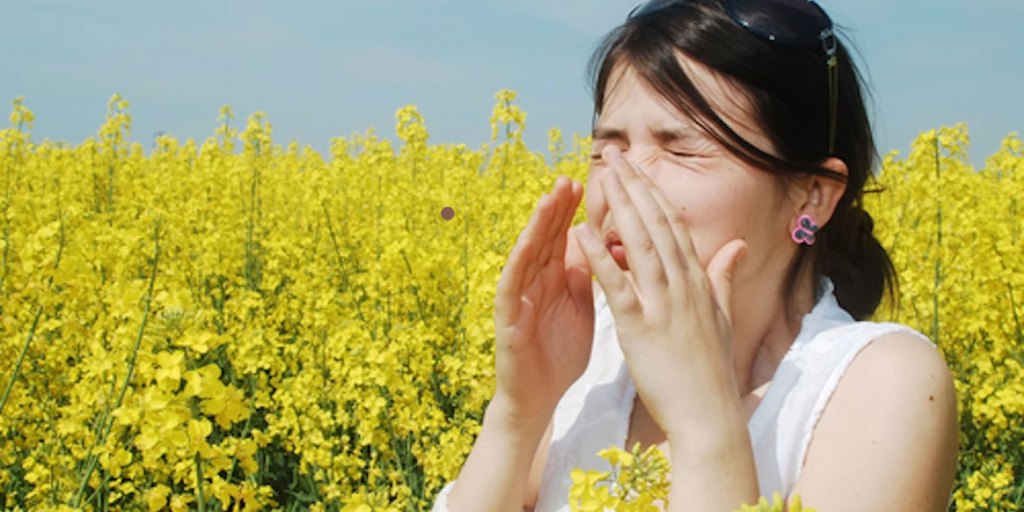
    Photo credit: Alex Cofaru/Shutterstock.comA girl in a field of flowers.

    Blooming flowers signal the beginning of spring, but for millions of people, they also signal the onset of the misery: allergy and asthma season. Itchy, watery eyes; sneezing, runny nose; cough and wheezing are triggered by an overreaction of the body to pollen.

    Every spring, trees and grasses release billions of buoyant pollen granules into the air, using the wind to disperse across the countryside in an effort to reproduce. It’s all about survival; plants that release more pollen have the survival advantage.

    As an adult and pediatric allergist-immunologist in the Midwest, the onset of spring signals my busy season treating hundreds of patients for their seasonal allergy and asthma symptoms. If you suffer through the season, know that you are not alone. Throughout history, pollen has taken the fun out of spring for many. In modern times, however, medical science has identified practices and treatments that help.

    Older than the dinosaurs, as wide as the world

    Fossilized specimens of pollen granules have been found predating dinosaurs and alongside Neanderthals.

    And, sinus and asthma symptoms and treatments are documented throughout history and across the globe. People just didn’t know exactly how to treat the symptoms, or exactly what was causing them.

    For example, over 5,000 years ago, the Chinese used the berries of the horse tail plant, ma huang (Ephedra distachya), to relieve congestion and decrease mucous production associated with “plant fever” – a condition affecting people during the fall.

    In Egypt, the “Papyrus Ebers,” written around 1650 B.C., recommended over 20 treatments for cough or difficulty breathing, including honey, dates, juniper and beer.

    Although Homer’s “Iliad” describes the loud noise of breathing in battle as “asthma,” Aretaeus of Cappadocia of the second century A.D. is credited with the first clinical description more consistent with modern understanding of this condition. He wrote of those who suffered that:

    “They open the mouth since no house is sufficient for their respiration, they breathily standing, as if desiring to draw in all the air which they possibly can inhale… the neck swells with the inflation of the breath, the precordia (chest wall) retracted, the pulse becomes small and dense,” and if the symptoms persist, the patient “may produce suffocation after the form of epilepsy.”

    Tobacco leaves
    Tobacco leaves were exported to Europe for experimentation in treating the symptoms of spring time coughing and sneezing. Jeep 2499/Shutterstock.com

    By the time Columbus landed, indigenous populations in Central and South American were utilizing ipecacuanha, a root found in Brazil with expectorant and emetic properties and balsam, which is still used in some cold remedies today. Coca and tobacco leaves, used medicinally by the Incas, were later exported to Europe for additional experimentation for the treatment of rhinitis and asthma.

    Aside from the “plant fever” described in China, the first written description of seasonal respiratory symptoms is credited to Rhazes, a Persian scholar, around 900 A.D. He described the nasal congestion that coincided with the blooming of roses, termed “rose fever.”

    Symptoms noticed, but no cause identified

    As scientific advancement was stifled during the Middle Ages, in large part due to the plague, it wasn’t until 900 years later, in 1819, that Dr. John Bostock published a description of his own seasonal allergies. But he didn’t know what was causing them.

    Having suffered from “summer catarrh” since childhood, Bostock persisted in his study of the condition, despite an initial lackluster response from the medical community.

    In the nine years between his first and second publications, he found only 28 additional cases consistent with his own seasonal allergy symptoms, which perhaps demonstrates the lower prevalence of the condition at the time. He noted that nobility and the privileged classes were more often afflicted by seasonal allergies. This was thought to be the consequence of wealth, culture and an indoor life.

    Societal changes with their roots in the Industrial Revolution, including increased exposure to air pollution, less time spent outdoors, increased pollen counts and improved hygiene, all likely contributed to the increased prevalence of allergies that we continue to see today. They also helped form the hygiene hypothesis, which states that in part decreased exposure to particular bacteria and infections could be leading to the increase in allergic and autoimmune diseases.

    The source of seasonal symptoms at the time was also thought to be caused by the smell of new hay. This led to the coining of the term “hay fever.”

    Bostock instead suspected the recurring symptoms were triggered by the summer heat, since his symptoms improved when he spent the summer on the coast. It would later became common for nobility and aristocrats to spend allergy season in coastal or mountain resorts to avoid bothersome symptoms.

    Identifying the true culprit

    Through methodical study and self-experimentation, Dr. Charles Blackley identified that pollen was to blame for allergy symptoms. He collected, identified, and described various pollens and then determined their allergic properties by rubbing them into his eyes or scratching them on his skin. He then noted which ones resulted in redness and itching. This same technique is used in skin prick testing by allergists today.

    Inspired by discoveries related to vaccination, Dr. Leonard Noon and John Freeman prepared doses of pollen extracts for injection in an effort to desensitize patients with allergic rhinitis in the early 1900s. This effective treatment, called allergy immunotherapy, also known as allergy shots, is still used today.

    Antihistamines first became available in the 1940s, but they caused significant sedation. The formulations with fewer side effects that are used today have only been available since the 1980s.

    Pollen counts likely to grow

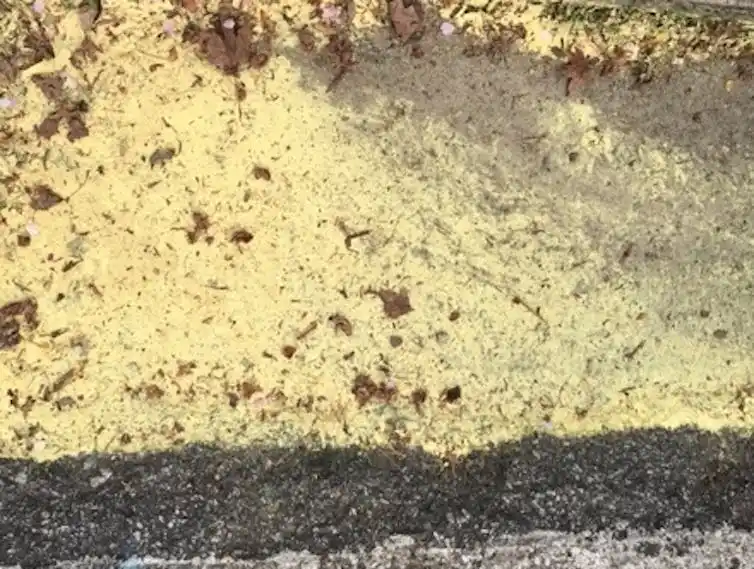
    Pollen on a street in Atlanta
    Pollen on a street in Atlanta, March 31, 2019. Lynne Anderson, CC BY-SA

    Though recognized by ancient civilizations, seasonal allergic rhinitis and allergic asthma have only increased in prevalence in recent history and are on the rise, now affecting 10 to 30 percent of the world’s population.

    Fueled by warmer temperatures and increased carbon dioxide levels, pollen seasons are longer, and pollen counts are higher. Many experts believe this will worsen in the coming years due in large part to climate change.

    To keep you and your loved ones safe from pollen, close windows and change out of clothes exposed to pollen as soon as you come indoors.
    To keep you and your loved ones safe from pollen, close windows and change out of clothes exposed to pollen as soon as you come indoors. Monkey Business Images/Shutterstock.com

    What can you do? Often, those who are allergic need a multifaceted approach.

    • Find out what allergens are causing your symptoms. Take note of when your symptoms start by making a note in a calendar or planner.
    • Minimize exposure to allergens. Track pollen counts. When pollen counts are high, keep the windows closed at home and in the car. After spending time outdoors, shower and change clothing to prevent ongoing exposure to pollen.
    • Take a pro-active approach to treating symptoms. Starting medications before symptoms develop can prevent symptoms from getting out of control. This can also decrease the amount of medication needed overall. Long acting non-sedating antihistamines are helpful for itching and sneezing. Nasal corticosteroid sprays are more helpful for stuffy noses.
    • Consider a visit to see a board certified allergist/immunologist. She or he can help you determine which particular pollens maybe the source of your symptoms.
    • Explore the role of immunotherapy with your doctor. Immunotherapy changes the immune response through administration of small regimented doses of allergens over time. This induces a state of tolerance, eventually helping people become less allergic over time.

    While pollen season is coming, taking a multifaceted approach can provide much needed relief from the symptoms that have plagued humankind throughout the millennia.

    This article originally appeared on The Conversation. You can read it here.

  • 22-year-old gives out toothy smiles by providing free 3D-printed dentures to those in need
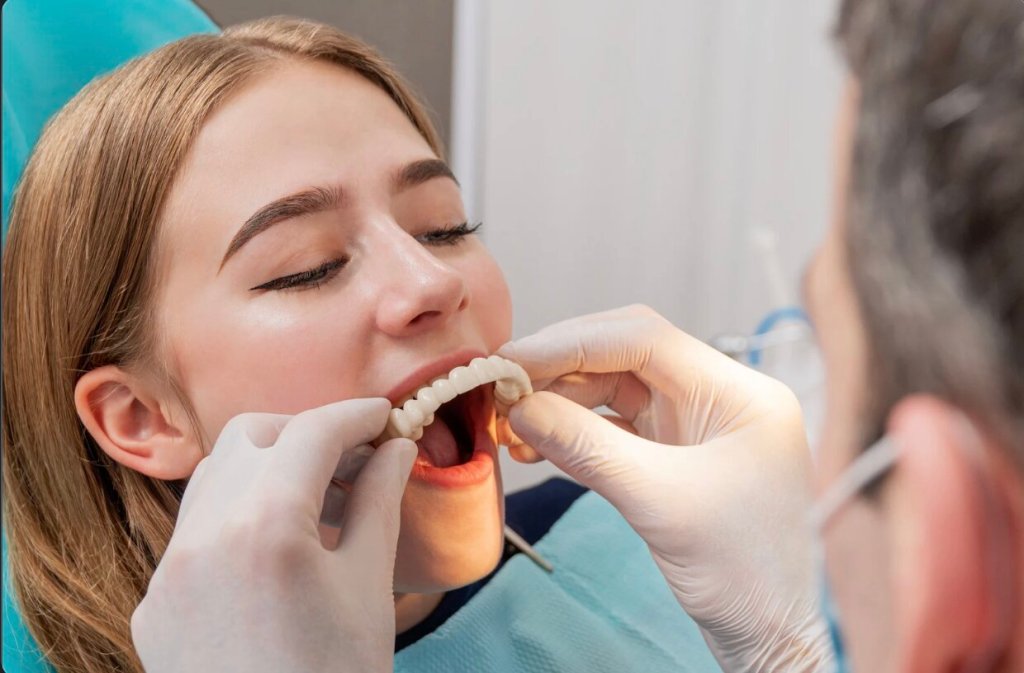
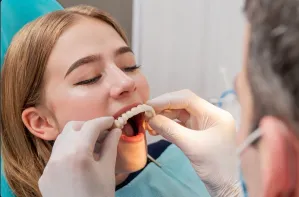
    Photo credit: Canva3D printing can help dental patients.

    Much like anything else, the cost of dental care has risen as need grows. A report from the American Dental Association found that, in 2024, dental spending grew by $7 billion from 2023. A young engineer is making a difference, though. He has helped put a smile back on the faces of folks in need by providing free dentures made with 3D printers.

    Connor Gibson isn’t a dentist or even an expert on 3D printers. He’s a Tennessee community college student who wants to help people. While studying engineering at Walters State Community College, Gibson volunteered with Remote Area Medical (RAM). RAM is a nonprofit that provides mobile clinics offering free medical, vision, and dental care through volunteers. 

    An issue that bites

    A common issue the clinics found was that many people needed dentures. The cost of dentures can be very pricey, ranging from $452 dollars to over $6,500 depending on the patient’s needs and their insurance coverage. Another issue was availability. Even if a patient could afford dentures, it could take weeks or even months before they could be delivered. 

    But Gibson had an idea. He thought that if he could 3D print pairs of dentures, it would save money and time. After all, having a 3D printer on-site would allow the dentures to be made within hours rather than weeks. A patient could get a free set of dentures the same day as their visit.

    Great idea…but how?

    There was a setback: Gibson had no experience in dentistry or 3D printing at all. In spite of his inexperience, Gibson used his engineering and design skills to teach himself how to use a 3D printer. He also got dental experts to teach him how to make dentures the old fashioned way. This way, he was sure to accurately recreate every detail via 3D printing. After taking an impression, Gibson was then able to design specific dentures per patient.

    “Honestly, if you told me three years ago this is what I would be doing, I would have called you crazy,” Gibson said to CNN. “I made it my mission and studied up like I was doing a test, studying up on videos and documents — anything I could find on how to make a denture using this specific software and how to 3D print it.”

    After Gibson successfully completed a pair of 3D-printed dentures for the first time, he knew it was something special. Seeing the tears of joy on the patient’s face was enough to confirm he was doing the right thing.

    “That first delivery was really a huge eureka moment,” Gibson said. “To see that raw, human emotion and just know that I played a change in this person’s life… it’s very humbling, and I’m beyond blessed.”

    Gibson has since been helping RAM develop more denture mobile clinics that can quickly develop dentures for patients who drop in.

    How to find low-cost dental care near you

    If you or someone you know needs low-cost to free dental care, there are options. In addition to Medicare, Medicaid, and CHIP, you can find local and state programs online. You can also dial 2-1-1 for information.

    Another option dental schools and dental hygiene schools that provide supervised, low-cost care from their students.

Explore More Health Stories

Health

Every dog has its day, but it’s not the Fourth of July

Health

Pollen is getting worse, but you can make things better with these tips from an allergist

Care

22-year-old gives out toothy smiles by providing free 3D-printed dentures to those in need

Health

First new US sunscreen ingredient since 1999 approved by FDA – a skin scientist explains how bemotrizinol works