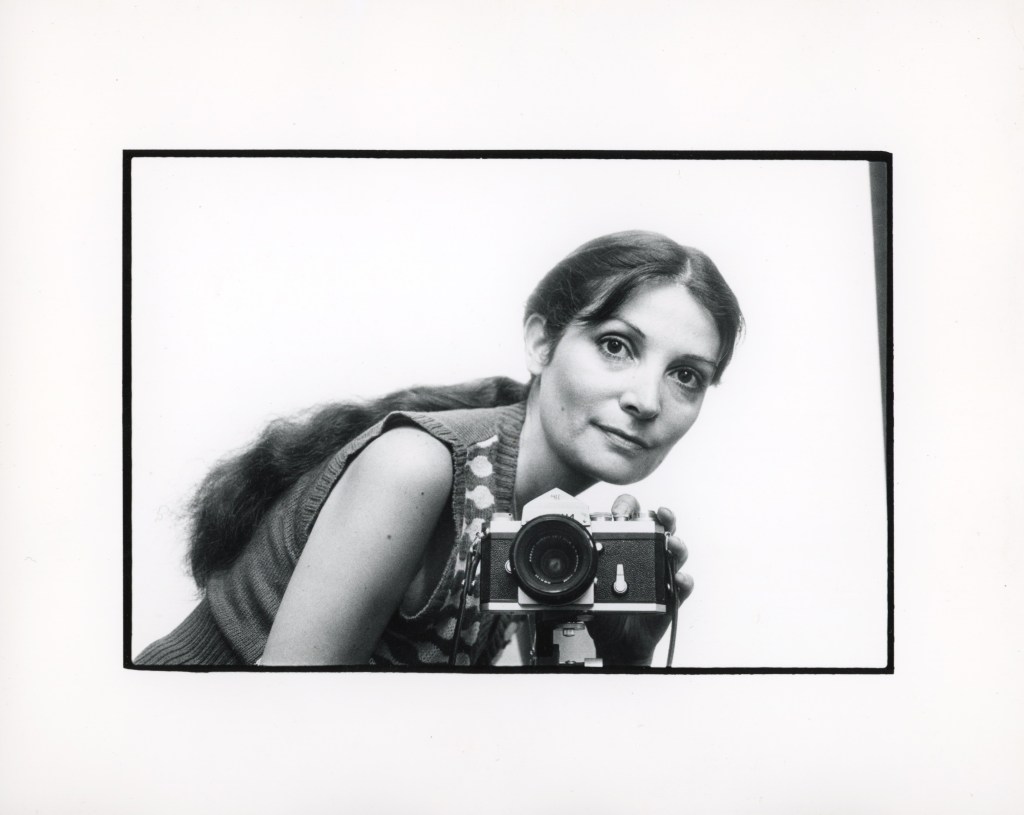
“We would work for months at a time, and we would just sit on the floor of the storage room opening up bags and boxes,” said Marcelo Gabriel Yáñez, co-curator of the new exhibition “dearly Loved friends:” Photographs by Sheyla Baykal, 1965-1990 featuring the work of photographer Sheyla Baykal.

Baykal passed away in 1997 from cervical cancer, but had been photographing the downtown avant-garde performance art scenes in New York City for over 30 years. When she learned she had terminal cancer, she willed her archive to her friend, the performance artist Penny Arcade. For decades, Arcade had been trying to get people to consider Baykal’s work, which documented with love one of the last great bohemian eras in New York. There were fits and starts. A review of a 2000 group show featuring Baykal’s work in The New York Times shared that “her work deserves to be better known,” but until now it mostly hasn’t been.
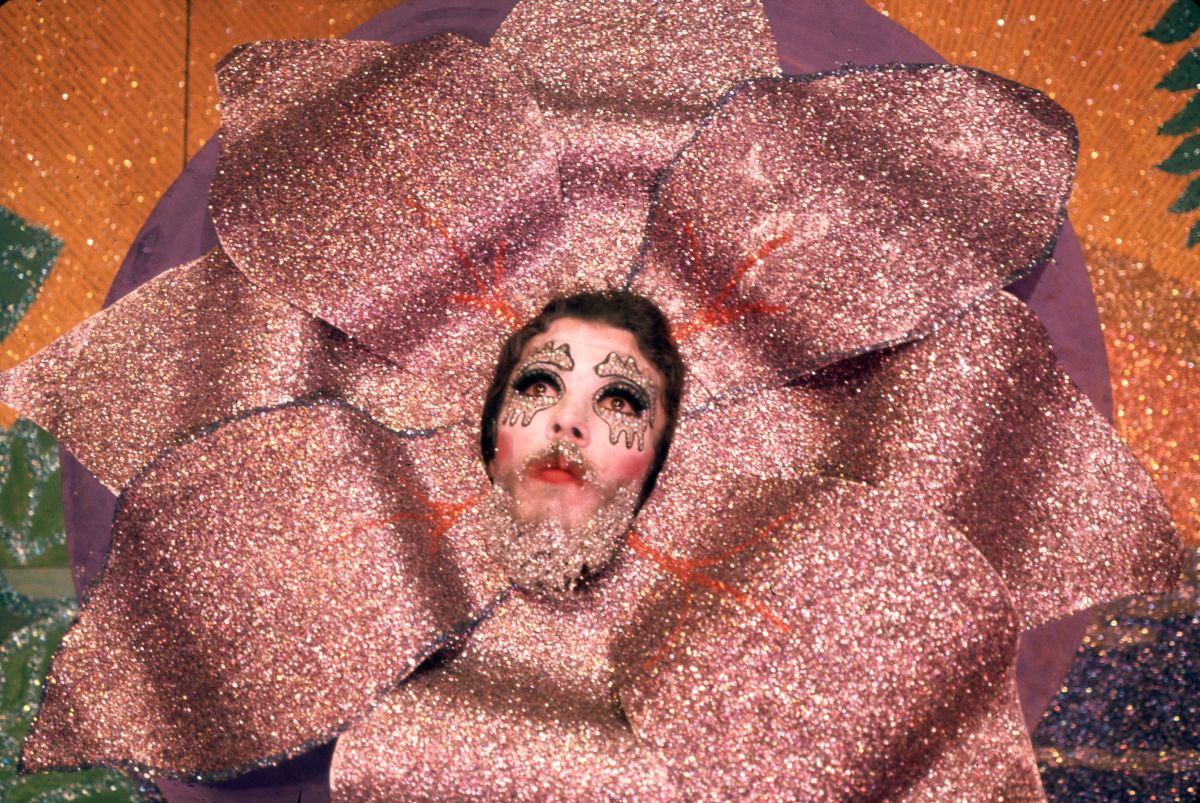
Sheyla Baykal, Angels of Light performance Gossamer Wings, Theatre for the New City, 1973. Scan from 35mm color slide. u00a9 2025 Estate of Sheyla Baykal. Courtesy Penny Arcade, Marcelo Gabriel Yu00e1u00f1ez and Soft Network.

“dearly Loved friends,” curated by Yáñez with Penny Arcade, features Baykal’s photographs of New York artistic and literary stars like Frank O’Hara, Willem de Kooning, Candy Darling, and countless others. It is the first solo exhibition of Baykal’s work since 1993 and her fourth solo show ever, despite a lifetime dedicated to the people in its images. “Sheyla should have always [been] among the most famous because she had such an incredible background,” Arcade said.

Indeed, Baykal did lead a fascinating life, having run away from her native Canada at 18 only to immediately join the New York art world of 1962. A family friend was in the same circles as the artists, playwrights, and poets that comprised the city’s downtown scene at the time, and Baykal soon entered the fray. In fact, she even appears in two Alex Katz paintings from the time. To make extra money, lauded photographer and friend Peter Hujar suggested she become a model, and in 1964 she joined the famed Ford Modeling Agency, now Ford Models. While at Ford, she posed for outstanding photographers like Richard Avedon, Irving Penn, and Hiro. Shots from her modeling portfolio even appear in the exhibition. Baykal’s personal relationship to a life behind the lens, however, began in 1965 when she purchased her own camera, a Nikon F. “She’s that real model who went behind the camera, you know,” Arcade says. “So there’s a real human interest story there, besides the fact that she was outrageously beautiful and the fact that she was part of a coterie of artists…she was really in the center of hugely creative circles that were culture-defining.”
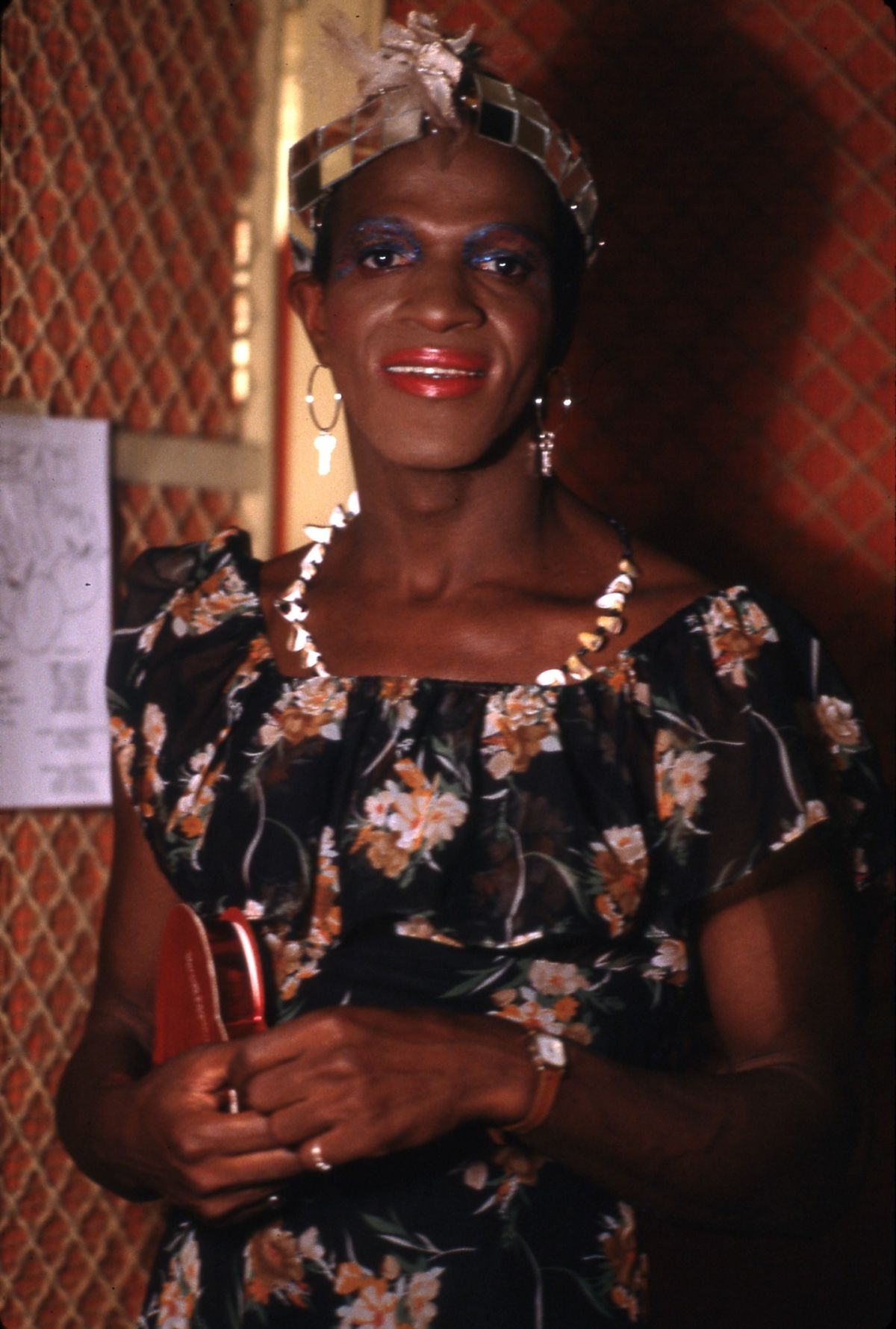
Sheyla Baykal, Marsha P. Johnson from Butt in!, 1988.u00a0Scan from 35mm color slide from slide show created by Sheyla Baykal with a selection of her portraits of friends spanning1973-1987, originally presented May 1988 at 7 East Third Street, Bill Riceu2019s apartment gallery. u00a9 2025 Estate of Sheyla Baykal. Courtesy Penny Arcade, Marcelo Gabriel Yu00e1u00f1ez and Soft Network.

Baykal continued to expand her practice for the next several years, whether she was documenting drag balls or protests or photographing on the Hippie Trail between Europe and Asia or producing emotional portraits. Her images were published in the influential Newspaper, “a wordless, picture-only periodical that ran for fourteen issues and featured the disparate practices of over forty artists,” which was co-edited by Hujar and later hung in the Museum of Modern Art.

Baykal also performed with the legendary performance art troupe The Angels of Light, known for their commitments to gender-and-genre-bending, glittery revelry on stage. This became another of the worlds Baykal inhabited downtown, and beginning in 1974 she produced and directed the now-historic Palm Casino Revue shows, which brought together performers and nightlife denizens of all stripes. As its former lighting operator Steve Turtell described it, “Take a big slice of vaudeville, top with a hefty dollop of musical comedy, add in some thrift-shop, nineteen-thirties Hollywood glamour, season it with early punk rock and the nascent, Lower-East-Side art scene…and you’ll get some idea of the wild ride that the Palm Casino Revue gave to its lucky audiences.” The show ended, however, when Baykal faced non-Hodgkins lymphoma, and lived quietly for two years in Oakleyville on Fire Island with the artists Paul Thek and Peter Hujar.
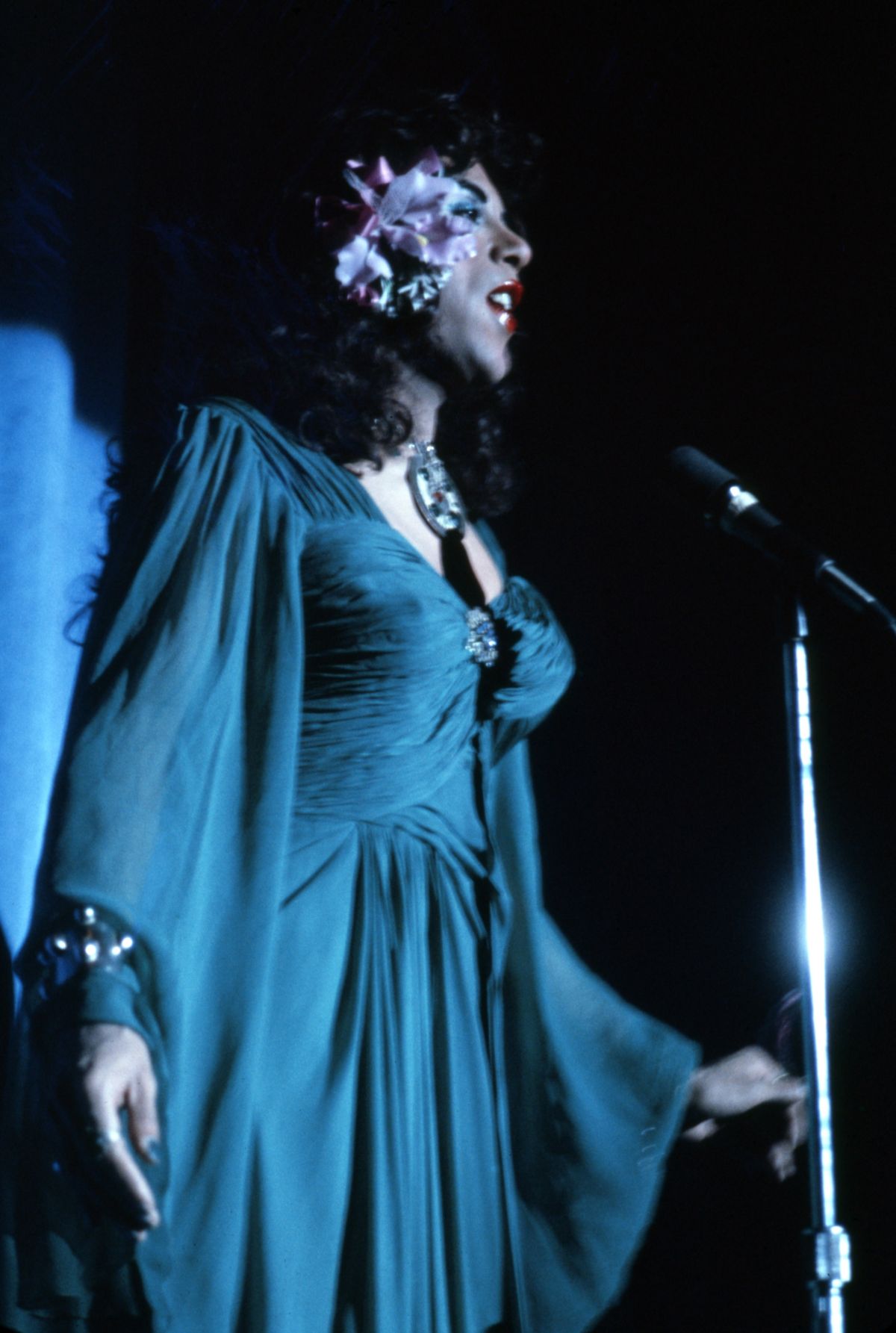
Sheyla Baykal, Mario Montez, Palm Casino Revue, 1973-74. Scan from 35mm color slide. u00a9 2025 Estate of Sheyla Baykal. Courtesy Penny Arcade, Marcelo Gabriel Yu00e1u00f1ez and Soft Network.

Yáñez learned about Baykal briefly in 2015, but it was with Newspaper, on which Yáñez wrote his 2018 undergraduate thesis that he then adapted into a 2023 book, that he met Arcade, licensing Baykal’s work for publication. Later, Yáñez had been researching Paul Thek, and hoped to find more information about work the artist made on Fire Island. Yáñez contacted Arcade to see if there might be anything amongst Sheyla’s belongings in storage.

Arcade’s storage room had moved a number of times and all the boxes had shifted. “I had the patience and the interest to sit down with Penny and go through everything and start to categorize and separate,” Yáñez said. “I just was in awe at the sheer amount of work, and I have never seen any of it outside of what was published in Newspaper,” Yáñez continued. “I think that’s also why the exhibition is such a big deal. Nobody has seen this work and it’s really good, and there’s so much of it.” The process took about two years, and he connected Arcade to the organization Soft Network, where the exhibition takes place, to move forward.

Soft Network “preserves and provides access to the work of vital yet often vulnerable experimental artists and those who care for them.” When an artist passes away, they leave behind work like canvases or photographs or sculptures, and that work needs to find a home lest it be abandoned, stuck in storage, or worse. Soft Network helps artists and people who’ve been left artist estates to catalog and care for the work that remains, creating potential for its life moving forward, be it in a museum, a gallery, or another archive. One of the ways they do this is through their Archive-in-Residence program, which lasts for two years. Baykal is the current Archive-in-Residence and her work arrived at Soft Network six months ago; there were about 25-30 Bankers Boxes of material. During the residence, her work will be “accessible through cataloging, digitization, research, programs, and exhibitions,” and Marina Ruiz-Molina, a conservator at the Metropolitan Museum of Art, will counsel on steps for preservation, the organization shares.
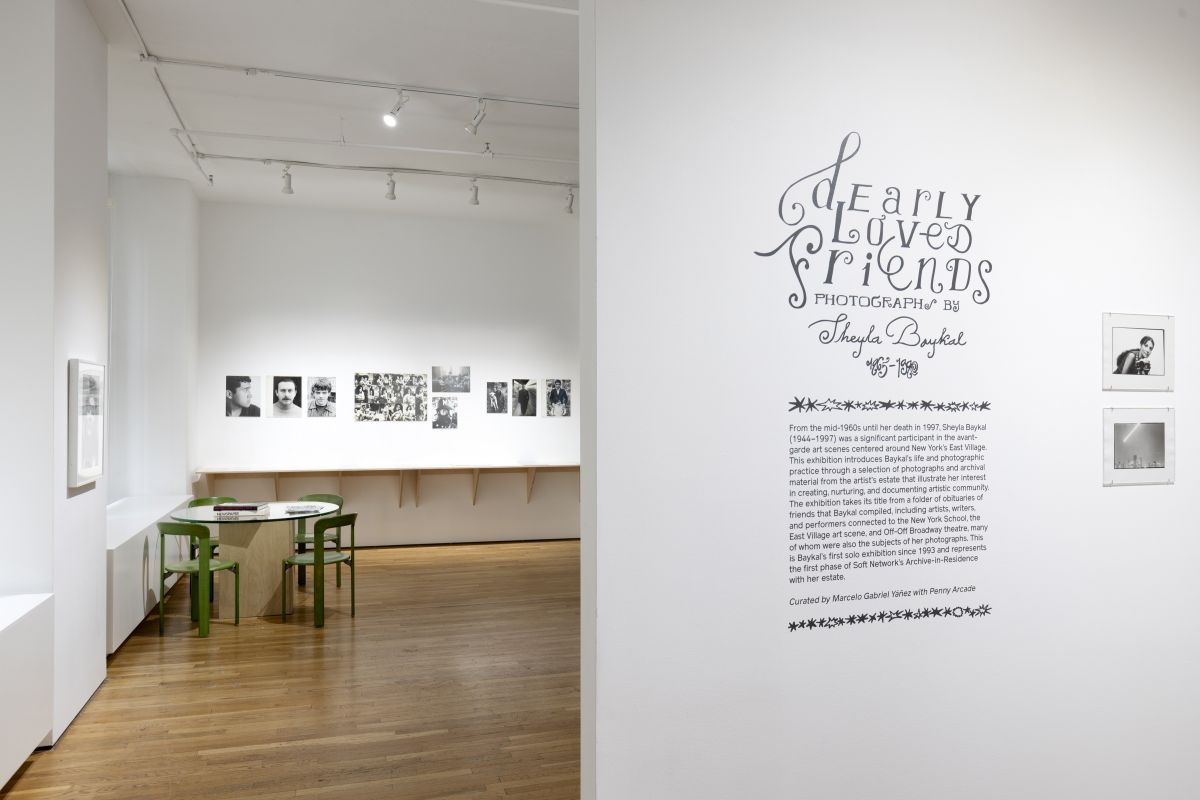
dearly Loved friends: Photographs by Sheyla Baykal, 1965u20131990. Installation view, Soft Network, New York City, 2025. Photo: Alexa Hoyer

Soft Network Executive Director Chelsea Spengemann says the goals for Baykal’s archive include constructing a timeline of her life, introducing her work to people, organizing contact sheets and negatives, digitizing slides, developing a database of her work, and developing a best-practice system to print the works as Baykal wished. There will be another show next year as all of these processes continue.

Yet the question of why Baykal’s work stood unrecognized for so long still stands. “It’s connected to the lack of a market, mostly, but she just wasn’t operating in that system,” Spengemann says. “Sheyla and her community, and what’s so appealing about them, is that they were surviving and thriving outside of any art market or commercial market.” The appetite for photography like Baykal’s in the 80s and 90s was also not what it is now, Spengemann says, plus Baykal said she did not have money to make prints for an artist portfolio and bring it to galleries. After her passing, Baykal’s archive also didn’t have a foundation or structure behind it previously besides Arcade, the way some artists do; a huge reason an organization like Soft Network exists is because managing and maintaining an artist’s archive is a tremendous undertaking for anyone.
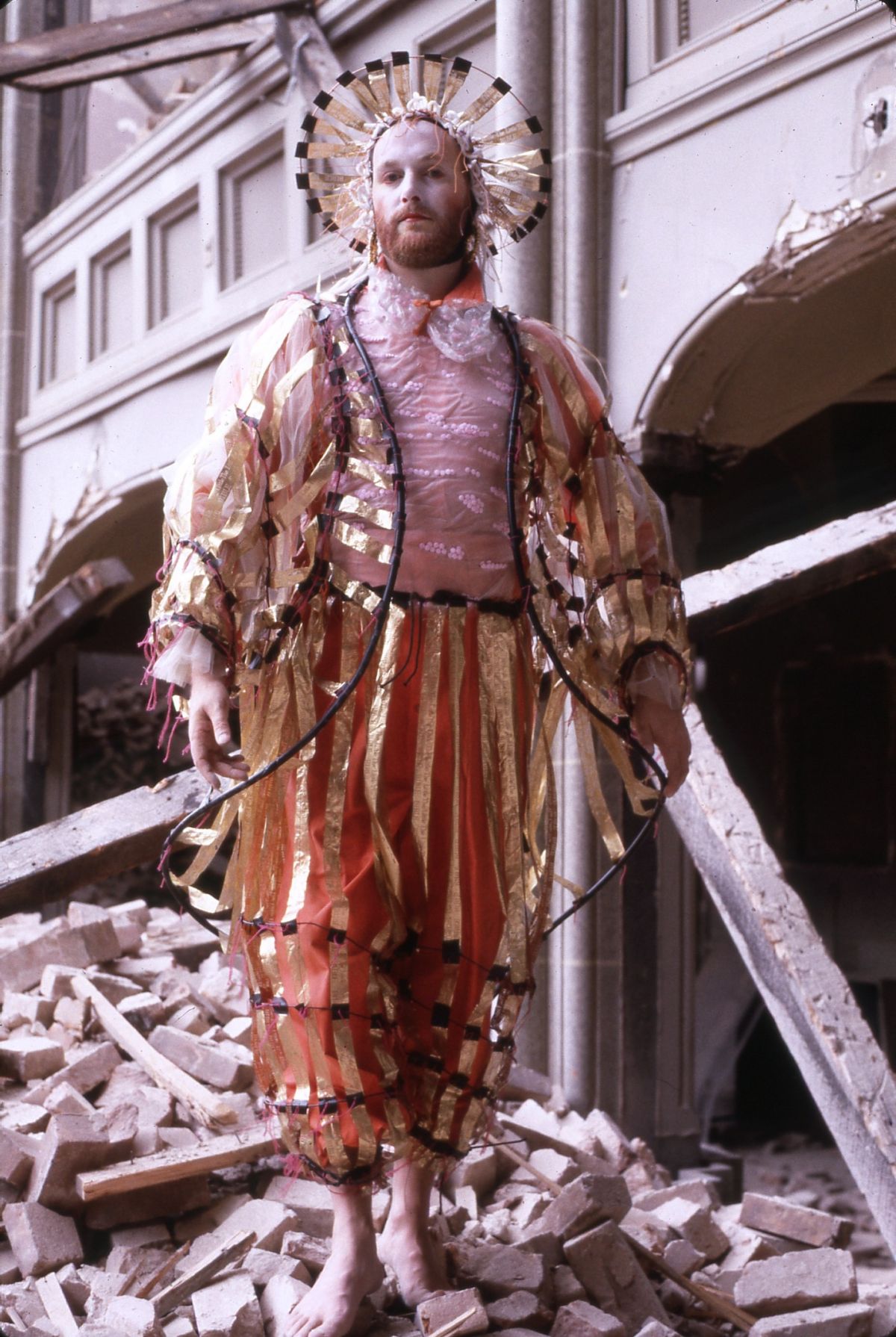
Sheyla Baykal, John Eric Broaddus, 1981. Scan from 35mm color slide. u00a9 2025 Estate of Sheyla Baykal. Courtesy Penny Arcade, Marcelo Gabriel Yu00e1u00f1ez and Soft Network.

Baykal made prints for some time, but as she ran out of money, she stopped printing formal photographs and instead began using “laminated color Xerox and laser prints as well as slide shows as a means of exhibition,” Soft Network writes. The work she ended up making through the 1980s became a testament to the friends she made in the downtown scene, many of whom lost their lives to AIDS. Her work became as much a love letter as a document. “She documented a group of people who are no longer here, who died largely because of government neglect and during the AIDS crisis, and it was a huge loss of life, and it’s a lot of people whose stories have not been told,” Yáñez says, adding that one of the goals of Baykal’s Archive-in-Residence is to identify artists in the images and prepare biographies of them. “[Baykal] was at her core a portraitist, and so the stories of the people in the photographs do matter. And I think that was very important to her.”

“dearly Loved friends” consists of portraits and documentary images, slideshows and ephemera; the latter includes an installation Yáñez made of funeral programs and obituaries Baykal kept as her friends passed on. In this way, the show chronicles Baykal’s life as well as those of her friends, who wind through her images. These were people who lived vibrantly and creatively in a New York where they could do that; they knew what it meant to have an artistic, alternative life in another time. “We live in a culture where more and more the existence of the alternative is erased…I think when people see Sheyla’s work, see Sheyla, they’ll be inspired into their own individuality and authenticity, because she was this hugely authentic, creative being who was completely committed to her community,” Arcade says. “If you want a quick route into Bohemia 101, Sheyla is one portal.”
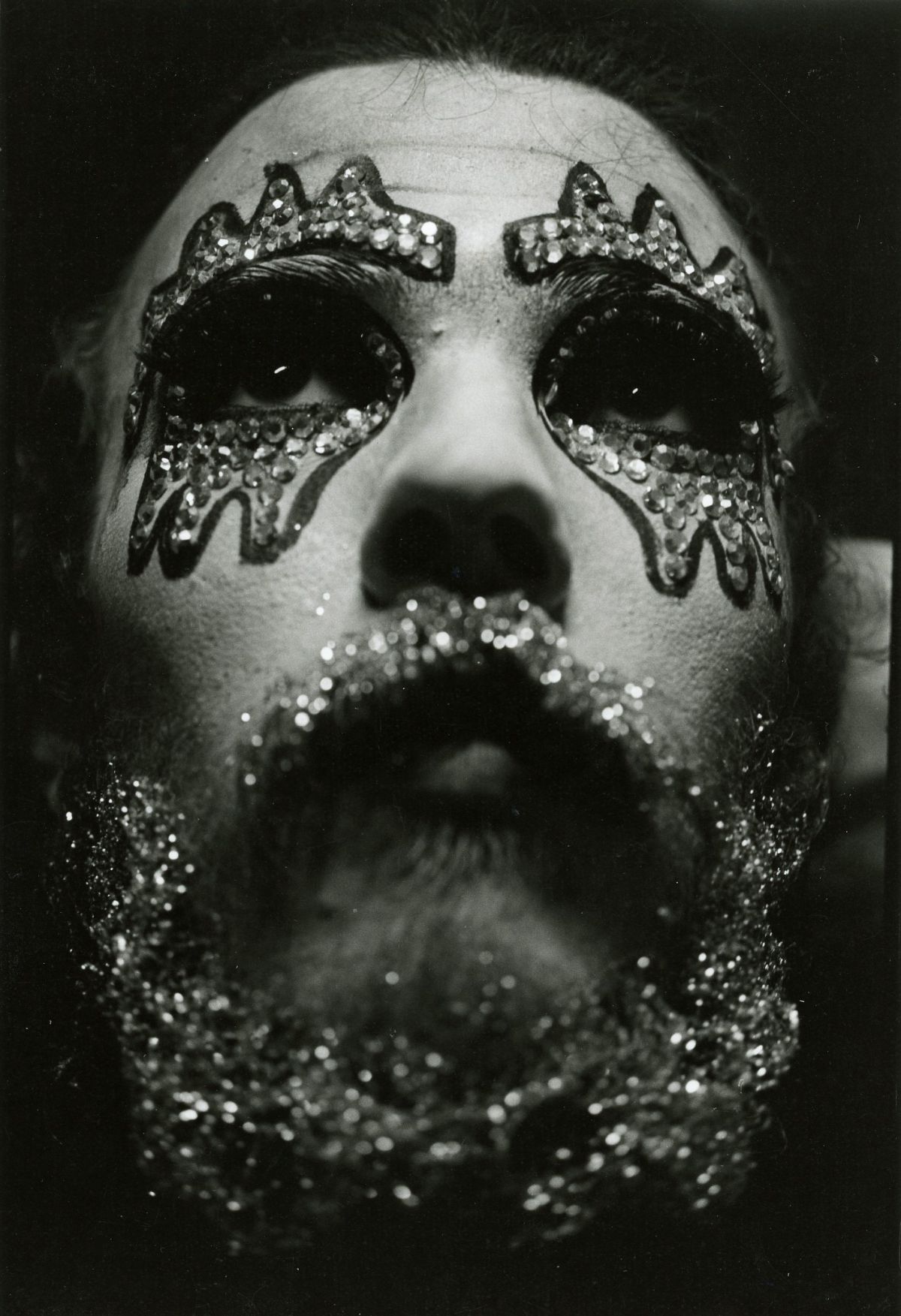

Sheyla Baykal, Angel Jack, 1973. Silver gelatin print mounted on board, 10 x 8 inches. u00a92025 Estate of Sheyla Baykal. Courtesy Penny Arcade, Marcelo Gabriel Yu00e1u00f1ez and Soft Network.


  • Overpackers love this simple ‘5-4-3-2-1’ packing rule that makes travel way easier
    An obvious overpack for travel.Photo credit: Canva
    ,

    Overpackers love this simple ‘5-4-3-2-1’ packing rule that makes travel way easier

    When it comes to travel, packing efficiently is a skill acquired through experience. Lifestyle and content creator Alison Lumbatis shares a helpful 5-4-3-2-1 method designed to take the stress out of packing for both seasoned travelers and first-timers. Trying to pack light while still remembering everything you need can feel a little daunting. A simple…

    When it comes to travel, packing efficiently is a skill acquired through experience. Lifestyle and content creator Alison Lumbatis shares a helpful 5-4-3-2-1 method designed to take the stress out of packing for both seasoned travelers and first-timers.

    Trying to pack light while still remembering everything you need can feel a little daunting. A simple trick is knowing exactly what’s necessary, making your bag lighter and more practical.

    @alisonlumbatis

    Calling all overpackers—this one’s for you! ✈️🧳 The 5-4-3-2-1 packing method is one of my favorites because it’s totally customizable. Prefer dresses? Swap a top and bottom for a dress. Love skirts? Sub them in for pants! These pieces should last you 1-2 weeks, depending on your access to laundry. 🔗’s to everything in bio! #outfitformulas #packinglight #styleconfidence #wardrobemadeeasy #travelcapsule #dailyoutfits #closetconfidence #vacationstyle #fashionover40 #smartstyle

    ♬ original sound – Alison Lumbatis

    Putting The ‘5-4-3-2-1 Packing Method’ Into Action

    In her trending TikTok post, Lumbatis shares a packing system she claims to be “as easy as it sounds.” Here are the basics of the 5-4-3-2-1 packing method:

    • 5 TOPS
    • 4 BOTTOMS
    • 3 SHOES
    • 2 LAYERS
    • 1 MISCELLANEOUS

    Lumbatis explains, “So all you got to do is pick out 5 tops, 4 coordinating bottoms, 3 pairs of shoes, 2 layering pieces, and 1 of anything else. Like a dress, pajamas, a hat, a belt, or any other accessories that you might need. And then of course pack as many undergarments and toiletries as you need.”

    The strategy isn’t just about simplifying and maximizing the number of items you bring on a trip. It’s also about function. “The key is to pick versatile pieces that can mix and match so you can pair them up for whatever activities you have planned for your trip.”

    minimalism, versatile pieces, functionality, packing
    Packing the necessary items
    Photo credit Canva

    Taking Pictures Can Help Plan Ahead

    Another helpful step is taking photos of your outfits to remember how everything fits together. Lumbatis offers, “You can even take pictures of the outfits with you wearing them or flat lays of the pieces and keep them on your phone or in your Notes App — So you can refer back to it on your trip.”

    Is the 5-4-3-2-1 packing method effective? These were some of the thoughts in the comments from readers hopeful to put the plan into action:

    “Great tip for me. Hate packing and never wear all the clothes I bring.”

    “Heading to Japan and I was just going to my closet to put it together. I overpack so this is sooo helpful.”

    “I’m dreading how to not over pack for such a variety of occasions, heat, and limited washing facilities. Ugh.”

    “I struggle with under packing so this is super helpful!”

    travel, adventure, alleviate stress, preparation
    Soaking up the adventure.
    Photo credit Canva

    The Science Behind Good Preparation

    Traveling is a great way to alleviate the stress and burdens of our daily lives. A 2025 study in Springer Nature Link showed travel helped people improve their long-term resilience by creating positive emotions while ecouraging self reflection. National Geographic found the benefits of travel begin even before the trip begins.

    However, preparation can have a powerful effect on the simple stresses a person might acquire during traveling. A 2025 study revealed that planning reduced anxiety and helped people prepare for delays or unexpected changes. Research in 2025 reported by AP News found that even making a simple checklist reduced anxiety and helped make for smoother trips.

    Lumbatis claims, “If you struggle with overpacking and want to create a great capsule wardrobe packing list, you’ve got to try this method.”

    People hope that traveling will relieve stress more than generate it. The 5-4-3-2-1 packing method offers a clear and simple way to pack just what you need. Careful preparation helps prevent last-minute chaos and produces a more enjoyable trip. Hopefully, this method can help you spend less time worrying and more time soaking in the adventure.

    Watch this YouTube video on incredible vacation destinations to inspire your next trip:

  • Video of 3rd grade classroom’s poetic stuffed animals display is bringing people to tears
    A cute pile of stuffed animals.Photo credit: Canva
    ,

    Video of 3rd grade classroom’s poetic stuffed animals display is bringing people to tears

    When 3rd-grade teacher Kelsie Lynn posted a video of her classroom during recess, these stuffed animals on display brought people near tears. The video struck a powerful chord of nostalgia, landing thousands of plays. In her post, she shares that the magic of childhood can come alive through stuffed animals in a classroom. This call…

    When 3rd-grade teacher Kelsie Lynn posted a video of her classroom during recess, these stuffed animals on display brought people near tears. The video struck a powerful chord of nostalgia, landing thousands of plays.

    In her post, she shares that the magic of childhood can come alive through stuffed animals in a classroom. This call to happy memories inspired heartwarming reactions and a powerful sense of connection among viewers.

    A Room Of ‘Stuffies’

    After Kelsie Lynn gave the children an opportunity to vote for a class reward, they chose to bring their ‘stuffies,’ stuffed animals. As the TikTok video moves through the classroom, the stuffies sit respectfully in chairs awaiting students to return from recess.

    In an interview with People, Lynn explained, “They all chose to put their stuffies in their seats up to their desk as if they were working. It was so cute and innocent and just really reminded me how little third graders still are.”

    Lynn used the viral post to highlight the importance of childhood. She describes the special role treasured toys and a safe, inviting classroom can play. “These moments are not just about fun; they are essential in nurturing emotional connections and fostering a sense of community within the classroom. By allowing students to express themselves through their cherished toys, teachers create a welcoming environment where children feel valued and heard.”

    empathy, social connection, grandma, prosocial behavior
    Heartwarming, nostalgic moment for grandma.
    Photo credit Canva

    Classroom Video Stirs Nostalgic Emotions

    The simple classroom video of stuffed animals struck a surprisingly emotional chord. These are some of the thoughts from the comments:

    “Awww each one is waiting patiently for their person to come back. Love how some of them look a little love worn.”

    “I could cry this is so wholesome”

    “As a father this hits hard beyond words take a look at that room the innocence of every child telling us a little story about each and every one of them.”

    “This is the sweetest thing I’ve seen all month!”

    “i wish i was allowed to do this. my mom use to say she had to pry stitch out my hands till i was 4.”

    “Me at 31 watching this with my stuffy”

    “All 3 of my daughters are in elementary school and I can confirm each one of those stuffies means the world to each of them. Sometimes I have to stop and remind myself they’re still so little”

    children, happy moments, inspired, community
    Mom watches a child chew happily on a toy.
    Photo credit Canva

    The Science Behind Nostalgia

    Nostalgia is the warm feeling you get when remembering happy moments from the past. It can change how people treat others and invoke more empathy. A 2022 study in the National Library of Medicine found that nostalgia helps people feel more hopeful and inspired while adding meaning to their lives.

    Science suggests that people usually remember emotional moments more strongly than ordinary ones. A 2025 journal in Nature reports that these intense emotions allow the brain to connect different systems together, making memories easier to remember.

    love, emotional connection, friendship, cute content

    Social Media Loves A Happy Memory

    When people feel moved or touched by a post, it creates warm emotional reactions. Those feelings help explain why cute content becomes so popular on social media. A 2023 study in Frontiers created new ways to measure what makes content cute. They found posts that feel “kama muta,” moved by love, create the strongest reaction, increasing connection and virality.

    Seeing a classroom of stuffed animals during recess reminds viewers of simpler moments when beloved toys felt like a best friend. That glimpse of nostalgia mixed with the sweetness of 3rd graders creates an emotional connection people can’t help but share. The video resonates so strongly because it taps into something we recognize immediately: comfort and love.

    Here’s a fun video looking back at some nostalgic childhood moments:

  • A woman complained to her upstairs neighbor about  a strange noise in the middle of the night. His wholesome response was perfect.
    A woman reads a note from her neighborPhoto credit: Canva

    She had never actually met the man who lived above her. She knew him only as the source of the noise coming through her ceiling at 12:30 in the morning, the night after Super Bowl LIX. She pulled herself out of bed, went upstairs, and asked him through his Ring camera to please turn it down. He was polite. She went back to sleep.

    The next morning, there was a bottle of wine outside her door.

    The woman, who goes by u/operarose on Reddit, posted the photo to r/MadeMeSmile , and it pulled in 84,000 upvotes, as Newsweek reported. The caption was simple: “Had to get out of bed and go ask the upstairs neighbor (whom I’ve never actually met) to turn it down at about 12:30 am this morning. Found this outside my door when I woke up.”

    Attached to the bottle was a handwritten note. “I got too carried away watching recaps from the Superbowl and I didn’t realize how loud my TV was,” it read. “I’m so sorry for not being considerate with the volume. In positive news, the cookies you made for Christmas were amazing. Please allow me to return the favor.”

    That last part is what made the story. He already knew who she was. She’d baked Christmas cookies and apparently given some to neighbors she’d never formally met. He’d received them, remembered, and now here he was, months later, referencing them in an apology note attached to a bottle of wine.

    neighbors, kindness, apology, community, apartment living
    Plate of holiday cookies. Image source: Canva

    She reported back in the comments that the wine was good. “Never had this brand before, but I definitely recommend it,” she wrote.

    Etiquette expert Jo Hayes told Newsweek the neighbor had essentially done everything right. “A clear, sincere apology is necessary, and he did exactly this. Plus a kind word about the Christmas cookies. Plus a gift, as a token gesture of said apology, is the icing on the cake. This would have flooded the downstairs neighbor with warm fuzzies.”

    The comments filled with people who seemed almost relieved. “It’s insane just how hard it is to find people who can just be considerate and move on,” one user wrote. “Congratulations to both of you for spontaneously demonstrating how to be an adult,” said another. “This is how you neighbor,” someone summed up simply.

    The whole exchange took about two minutes of awkwardness and produced something neither of them had before the night started: a neighbor they actually know.

    This article originally appeared earlier this year.

Explore More Culture Stories

Culture

A woman complained to her upstairs neighbor about a strange noise in the middle of the night. His wholesome response was perfect.

Culture

He threw a message in a bottle into the ocean as a teen. It washed up 49 years later with a response.

Culture

Restaurant owner turns a fake 1-star tamale review into a social media frenzy

Well-being

These seven simple phrases could be the secret to deepening trust and romance in your relationship