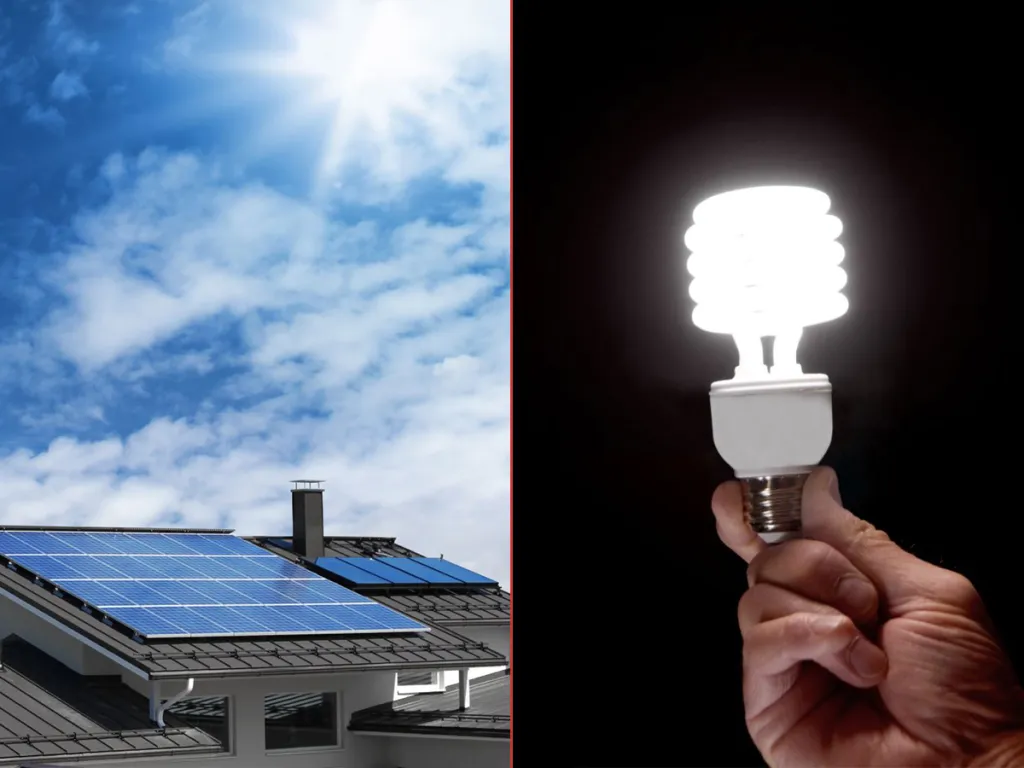
Every day, the sun shines more energy on the world than we could ever need. Yet the moment it sets, that power supply disappears—a limitation that challenges green energy sources like solar to keep the lights on after dark.

Scientists at the University of California, Santa Barbara, now say they can “bottle the sun.” They have developed a new molecule that could free solar power from the constraints of bulky batteries. The tiny structure twists open and closed, allowing sunlight to be stored and later released as heat.

the sun, eclipse, sunlight, sunshine, solar system
Photo credit: Canva

Molecule absorbs light and releases heat

The major challenge of solar energy has been storage. Massive battery systems, which are inefficient at storing energy over long periods, have posed a costly problem. Researchers reported in Science that they looked to DNA chains to recreate a molecule that changes shape when exposed to sunlight.

The team of scientists created a synthetic structure that stores and releases energy reversibly. The new material captures sunlight, stores it in chemical bonds for extended periods, and then releases it as heat when needed.

The molecule acts like a mechanical spring, twisting into a high-energy shape when exposed to sunlight. Even after long periods, it can untwist into its relaxed state, releasing energy as heat.

“With solar panels, you need an additional battery system to store the energy,” study co-author Benjamin Baker, a doctoral student, told Futurity. “With molecular solar thermal energy storage, the material itself is able to store that energy from sunlight.”

green energy, forests, green cities, clean energy, alternative energy,
Photo credit: Canva

Moving toward green energy

Around the world, the shift to clean energy isn’t slowing down. Over the next five years, global renewable energy capacity is expected to double, according to the International Energy Agency (IEA). As global energy demand rises, so does the urgency to expand clean energy. The Center for Climate and Energy Solutions found that 32% of electricity was generated from renewables in 2024. Wind and solar are the fastest-growing energy sources in the United States.

Solar energy has seen massive expansion in Asia, Europe, and emerging markets. It’s driven by global demand, not just wealthy nations. In 2025, more than 30 countries installed record levels of solar in a single year.

solar panels, alternative energy, science, solar farm
Photo credit: Canva

The need for efficient energy storage

Solar energy output can fluctuate dramatically. Sunny days may generate around 45%, compared to roughly 10% on cloudy days. Storage capacity must scale to meet demand. A 2025 study in the International Journal of Energy Studies reports that solar growth is outpacing our ability to store it.

There is a growing demand for new and emerging ways to capture and store renewable energy. Systems that store energy as heat, such as hydrogen and thermal-hydro storage, are in high demand. Efforts to develop more efficient and reliable battery solutions remain a key focus of research.

Life on Earth has always depended on the sun. When it comes to energy, science is working toward a future that doesn’t fade into the night. These emerging technologies are bringing renewable energy storage from the promise of tomorrow into the reality of today.
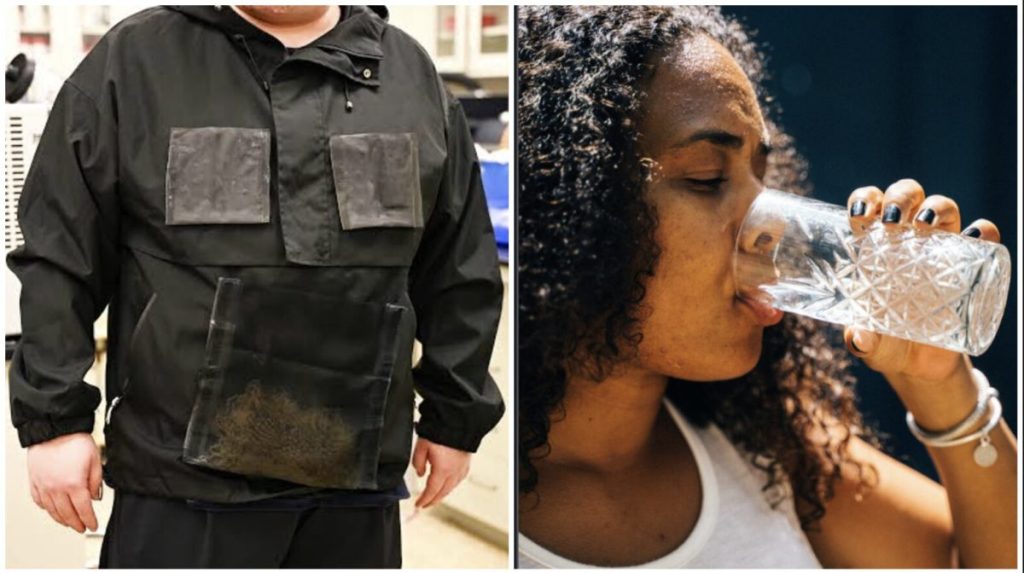
  • Texas engineers develop a jacket that pulls fresh drinking water out of thin air
    Photo credit: @fascinatingonX/CanvaWearing this jacket could help keep people hydrated.

    For too many, access to clean drinking water is incredibly difficult. According to the World Health Organization, over two billion people live in water-stressed areas due to pollution, climate change, or population growth. However, engineering experts in Texas have developed a possible solution: just put on a jacket.

    The engineers and researchers gathered at the University of Texas at Austin developed a prototype jacket that can pull drinking water out of thin air. The jacket could help anyone frequently in areas where drinkable water is scarce. This could be used recreationally by campers, hikers, and runners—but it could also save lives. Emergency responders, soldiers, and agricultural workers could also collect water for themselves and others simply by wearing it.

    The technology behind the jacket is similar to the materials used in netting for water harvesting of air and fog. This time, however, the idea is to collect water while also being mobile.

    “Water harvesting from air is usually imagined as a stationary device such as a box, a panel or a large sorbent bed,” said Guihua Yu, chair professor of the Cockrell School of Engineering’s Walker Department of Mechanical Engineering and Texas Materials Institute. “Here, we wanted to rethink the form of the technology. If the fabric itself can collect water from air, it opens a new direction for personal and portable water access.”

    How does this jacket collect water?

    The textile used to create the jacket was derived from a device the same team created. That device was a specially engineered hydrogel fabric made from biomass-derived materials. This hydrogel fabric takes moisture from the air and then releases it as water via condensation when it’s heated by sunlight. The water can easily be collected.

    The jacket’s textile collects moisture from the air and funnels it into detachable harvesting units. The units can be placed into a foldable collector piece where they are heated to produce water. The material and system doesn’t just absorb water like other materials. Instead, it actively converts vapor into water while functioning as a piece of protective clothing.

    The jacket is able to produce between 400 to 900 milliliters of drinkable water daily. This is a vast improvement upon other similar inventions that yielded less water and were significantly bulkier to wear. The jacket’s material could collect and produce more water over time and testing, depending on the humidity of the terrain.

    Aside from creating clothing out of the material, the researchers hope to make backpacks, tents, emergency shelters, and other outdoor gear from it. The hope is that this could create more clean water access for disaster response units and everyday people living in water-stressed areas alike.

    How much hydration do you need in the heat?

    Until water-collecting jackets are commercially available, it’s important to have drinkable water nearby at all times, especially during the summer. When out in the heat, the Center for Disease Control recommends having a drink of water before working outdoors. Then drink a cup of water every 15 to 20 minutes. This can help keep your body cool and hydrated to prevent heat stroke. That said, stay alert and stay indoors if there is a heat warning in your area.

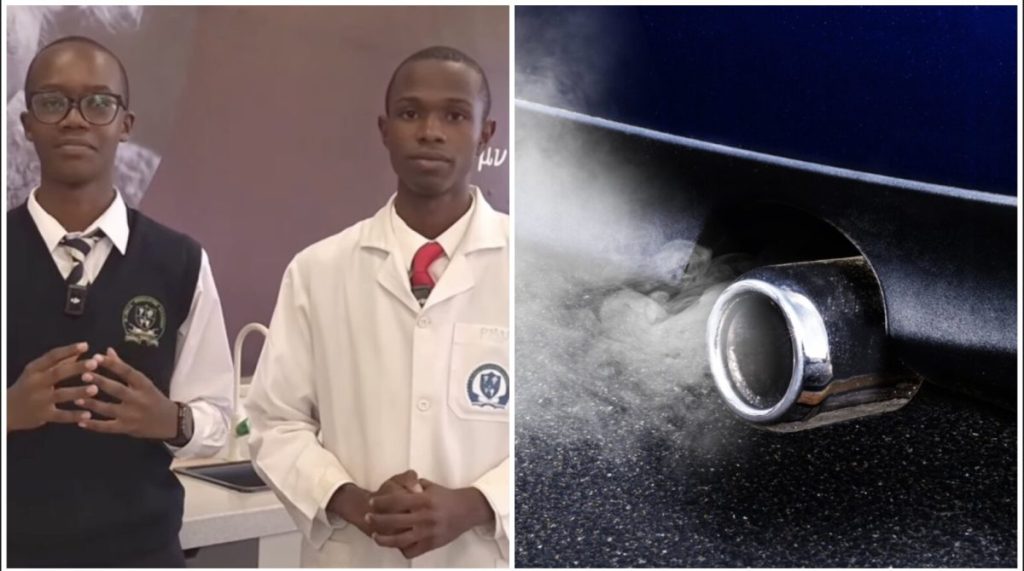
  • Kenyan teens create award-winning, affordable car exhaust filters made with corn cobs and algae
    Photo credit: @theearthprize on Instagram/CanvaTwo 17-year-olds made a device that is helping reduce air pollution in Kenya.

    When Fredrick Njoroge Kariuki of Kenya turned 12 in 2021, he experienced incredible difficulty breathing. Doctors diagnosed him with bronchitis, explaining that his coughing and breathing issues were connected to the thick layers of exhaust fumes emitted by vehicles in the area. Five years later, the teenager teamed up with his classmate Miron Onsarigo to create an award-winning, inexpensive filter made with agricultural waste.

    While air pollution is a global concern, it is particularly an issue in Kenya. A 2024 study found that Nairobi, Kenya’s capital, had 3.7 times higher levels of particulate air pollution than the World Health Organization’s guidelines. This doesn’t just contribute to illness like Kariuki’s bronchitis. Experts estimate that the country’s air pollution is responsible for 400 to 1,400 premature deaths in Nairobi each year.

    The global environment issue was personal

    Both teens were hardened in their resolve to tackle this air pollution problem largely caused by the matatus (shared minibuses) and boda bodas (motorcycle taxis) common in urban areas.

    “The problem of air pollution was very personal to us, and that is why we started thinking about coming up with a solution,” Kariuki told Mongabay. “It was a passion before it became a project.”

    “I did not choose this problem. It chose me,” Kariuki said to Daily Nation. “Growing up in Naivasha, my bronchitis got so bad that I stopped thinking of air pollution as an environmental issue and saw it as something being committed against us.”

    “Seeing people get sick as a result of fumes from vehicles has become normal back home in Kisumu County. The ‘normal’ did not feel right to me. I wanted to do something about it,” added Onsarigo.

    Using waste products to clean the air

    With time, intelligence, and hard work, Kariuki and Onsarigo created the HewaSafi vehicle exhaust filter. The HewaSafi, which means “clean air” in Swahili, was made using locally sourced agricultural waste. The entire mechanism is made from steel mesh, copper, corn cobs, coconut shells, recycled batteries, and algae. All of these components help further filter out particles in the air straight from the exhaust pipe.

    The results of the HewaSafi were impressive. The device reduced particulate matter in the air by 93.3%. The HewaSafi also reduced carbon monoxide by 42% and absorbed 21.4% of CO2 that would otherwise be released into the atmosphere.

    Since the device was made using waste products, the HewaSafi manufacturing cost is around $126. By comparison, conventional filters of this sort typically cost around $390. So, not only is this filter effective, it’s cheap enough for more people to use.

    @urbanbetternairobi

    You breathe it every day. But how often do you think about it? Air pollution affects where we live, how we move, and who gets left behind. This Air Quality Awareness Week, swipe to see how Nairobi communities are taking action!#AirQualityAwarenessWeek #Cityzens #Cityzens4CleanAir #CleanAirNairobi #nairobi

    ♬ LET ME BE – The Second Voice

    A prize that leads to further opportunity

    The ingenuity of these two 17-year-olds won them the 2026 Earth Prize for Africa. They received $12,500 for their regional win and global attention to the HewaSafi.

    The teens hope to use the prize money and attention to further develop the HewaSafi. Using connections made through the Earth Prize, they aim to start a full line of emission control products. While they want to work with people with different budgets, their main target is to specifically cater HewaSafi filters toward public transportation vehicles.

  • The drawer problem: Why so many of us can’t let go of our old electronics, and what we can do about it
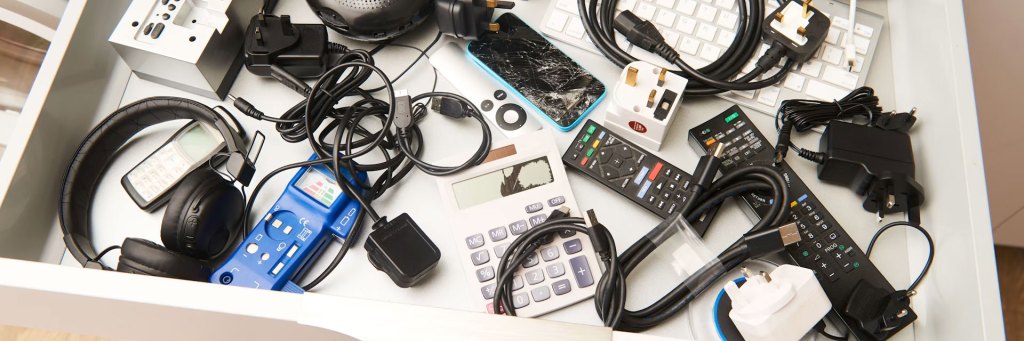
    Photo credit: Peter Dazeley/Photodisc via Getty ImagesThis look familiar?

    Think about the last smartphone, tablet or smartwatch you stopped using. Odds are it is not in a recycling bin or a new owner’s hands; it is sitting in a drawer.

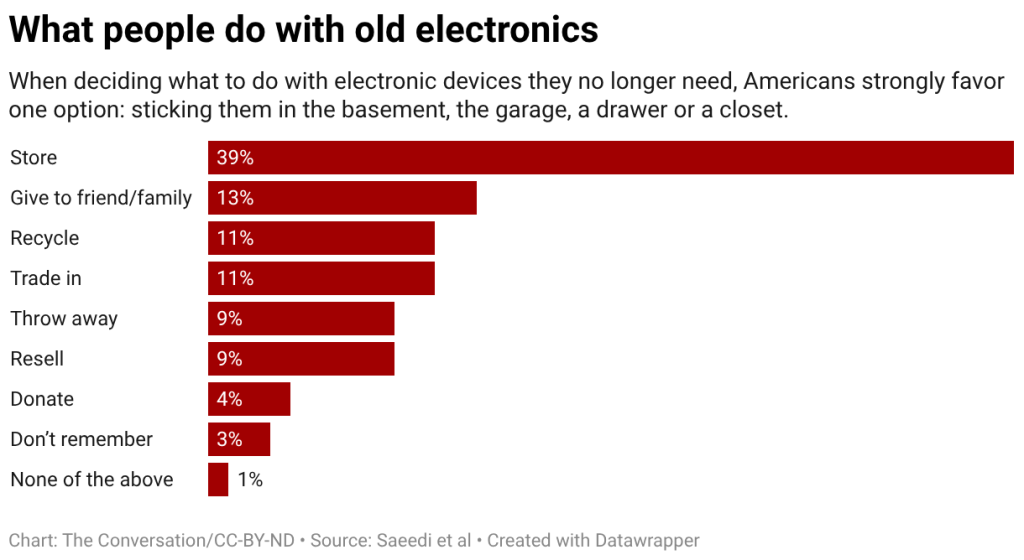
    From our survey of 4,000 American consumers, we found the single most common thing people did with a device they were finished with was nothing at all: 39% simply stored it. Recycling and reselling, outcomes better for the environment, each accounted for only about 1 in 10 devices. Throwing devices in the trash claimed another 9%.

    What people do with old electronics

    Funded by the National Science Foundation, our multidisciplinary team blended our expertise in causal inferencesustainability and cybersecurity, to work on the tangled question of what people do with their consumer electronics when they’re done using them. We used statistical models to connect what people say – that is, their stated knowledge and attitudes – to what they actually did.

    Why the drawer wins

    Two main forces keep devices in the drawer. The first is anxiety about data. People who worried that recycling or reselling a device would compromise their data were 14% and 9% more likely to store it instead.

    The second force is simply not knowing how to. People who did not know where to recycle were 10% more likely to hold onto a device, and many also kept old gadgets as a perceived data backup.

    Recycling and reselling electronics are a lot easier than a lot of people think. In the U.S., the national chain Best Buy accepts devices for recycling; reselling online is convenient with vendors such as Back Market and Gazelle.

    Just be sure to wipe data before parting with a phone or computer. Also, remove the device from your account, for instance with Apple or Android. Unless you do, the device stays locked to you, and no one else can use it.

    We also compared what people intended to do with what they had actually done. This led to a telling detail: Data security worries led to people storing devices at a greater rate than they said they intended to.

    In other words, the fear of leaking personal data kicks in only when someone is facing the real decision of whether to hand off their device to a recycler or secondhand buyer.

    Getting at why people don’t recycle

    Researchers have long studied why people do or don’t recycle electronics: Convenience, awareness and incentives showed up as affecting the decision. But prior work examined recycling as the only option.

    Instead of considering the issue as a yes-or-no vote on recycling, we treat it as a comparison between different options: Storing, reselling, donating, trading in, recycling and throwing away the device in the trash. When modeling this way, trade-offs became visible.

    Knowing where to recycle, for instance, made recycling 47% more likely, but it also pulled people away from reselling, which is often the more environmentally friendly choice. You can explore the survey results in our interactive dashboards.

    Getting people to let go

    Storage is the worst of both worlds: A device sitting unused for years loses its resale value, and erasing its data only gets harder over time. The good news is that the main barriers – data concerns and not knowing where to turn – can be addressed with better information.

    We are experimenting with information interventions that walk people through their options, including how to securely wipe their data. We are testing nudges with randomized, controlled trials to test what leads people to give their old electronics a second life.

    It might be a good time to remember what old devices you’re holding onto and revisit your reasons for not letting go of them.

    This article originally appeared on The Conversation. You can read it here.

Explore More Technology Stories

Science

How window‑mounted heat pumps can give tenants efficient heating and cooling

Technology

Privacy isn’t dead – it’s just that tech companies have made it inconvenient

Technology

‘A study showed…’ isn’t enough – scientific knowledge builds incrementally as researchers investigate and revisit questions

Science

Veterinary scientists develop a daily pill that’s giving senior dog owners hope