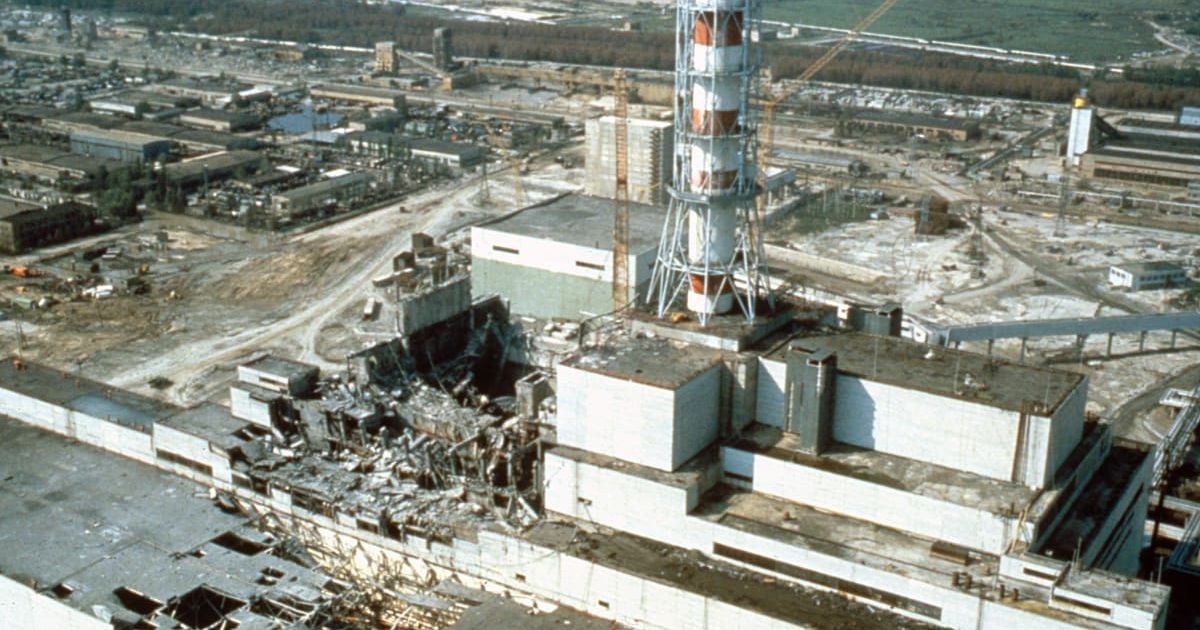
Approximately 81 miles north of Kyiv, the Ukrainian capital, lies the site of the worst nuclear power plant accident in history. Once lively places, the towns surrounding the Chernobyl Power Complex soon turned into abandoned locations. The explosion at one of the plant’s four nuclear reactors on April 26, 1986, shattered the country and brought the official initial death toll to 31. But it would have been much more horrific if a trio hadn’t put their lives in danger. The three workers—Alexei Ananenko, Valeri Bespalov and Boris Baranov—are collectively known as the “Suicide Squad.”
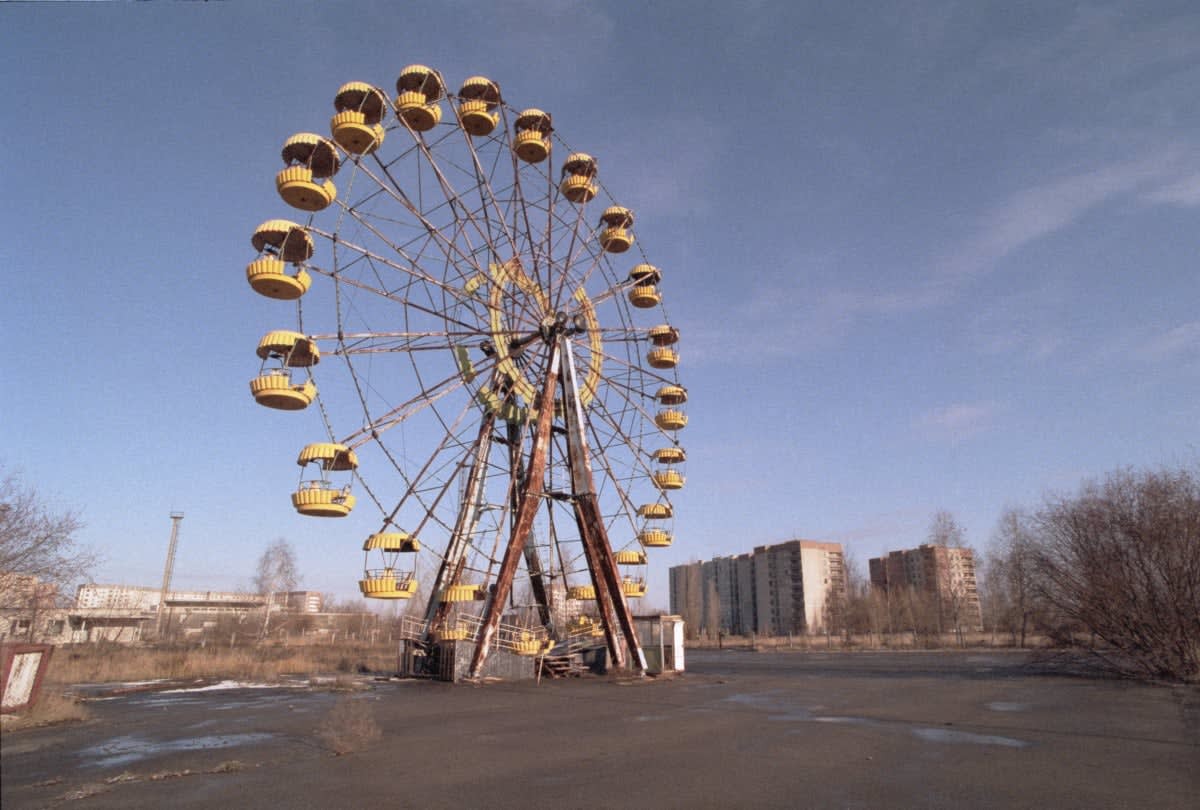
Image Source: Abandoned Ferris Wheel in the Pripyat Central Park, evacuated town, two kilometres from the Chernobyl power station, November 1995. (Photo by Martin Godwin/Getty Images)
Image Source: Abandoned Ferris Wheel in the Pripyat Central Park, evacuated town, two kilometers from the Chernobyl power station, November 1995. (Photo by Martin Godwin/Getty Images)

According to the United States Scientific Committee on the Effects of Atomic Radiation, the Chernobyl disaster unfolded when the No. 4 reactor of the nuclear power plant exploded. It was located near Pripyat, north of the Ukrainian SSR, which invested heavily in nuclear power after WWII. An artificial lake was also constructed beside the Pripyat river to supply cooling water for the reactors.
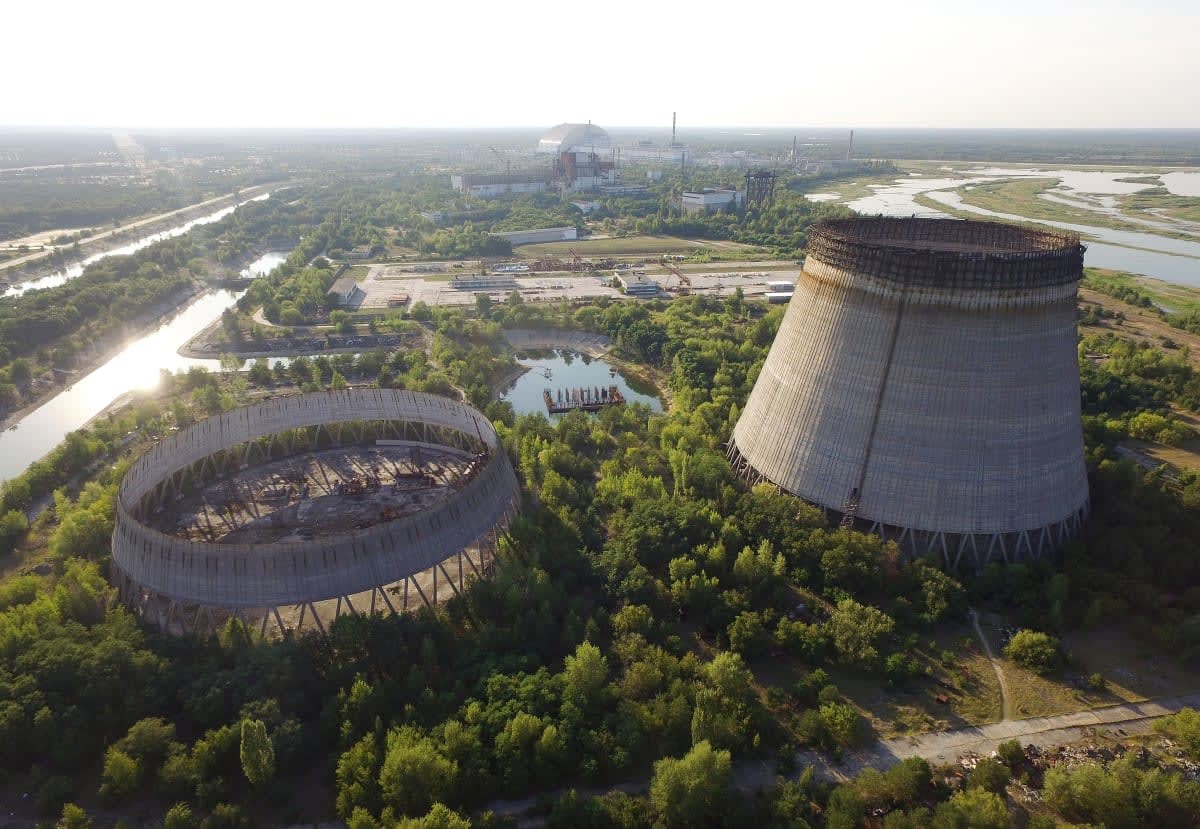
Image Source: In this aerial view abandoned, partially-completed cooling towers stand at the Chernobyl nuclear power plant as the new, giant enclosure that covers devastated reactor number four stands behind on August 18, 2017 near Chornobyl', Ukraine. (Photo by Sean Gallup/Getty Images)
Image Source: In this aerial view abandoned, partially-completed cooling towers stand at the Chernobyl nuclear power plant as the new, giant enclosure that covers devastated reactor number four stands behind on August 18, 2017, near Chornobyl', Ukraine. (Photo by Sean Gallup/Getty Images)

On April 25, 1986, routine maintenance was scheduled at the power station’s 4th reactor and workers were testing whether the reactor could still be cooled if the plant lost power. However, the workers violated the safety protocols. Consequently, the power surged. An increasing power surge resulted in two explosions inside the plant. The nuclear core blasted, spewing radioactive material into the surrounding atmosphere. The firefighters used water and sand to squash the fire, but to no avail.
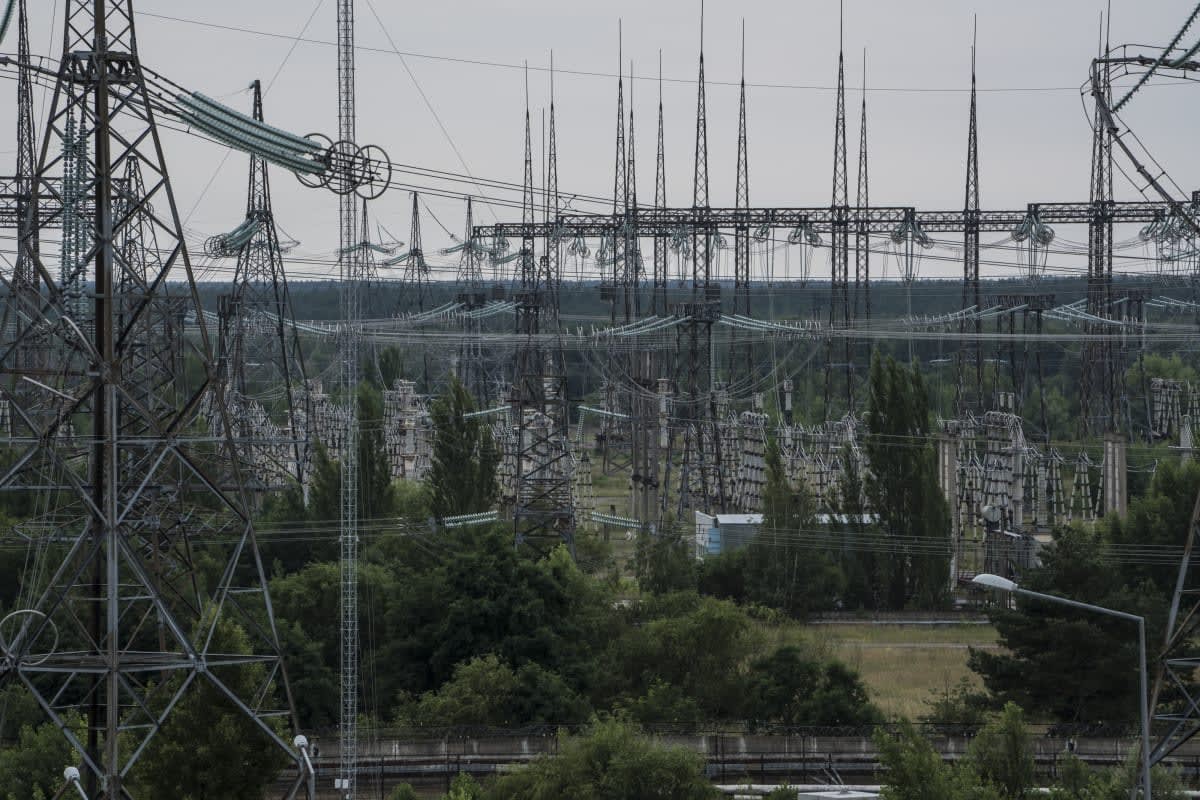
Image Source: Power lines at the Chernobyl Nuclear Power Plant on July 2, 2019 in Pripyat, Ukraine (Photo by Brendan Hoffman/Getty Images)
Image Source: Power lines at the Chernobyl Nuclear Power Plant on July 2, 2019, in Pripyat, Ukraine (Photo by Brendan Hoffman/Getty Images)

World Nuclear Association reports that following this explosion, two Chernobyl plant workers lost their lives and 28 people died within a few weeks as a result of acute radiation syndrome. A thumping 350,000 people were evacuated from the accident site. The disaster released 400 times more radiation into the atmosphere than the atomic bomb dropped on Hiroshima and it contaminated millions of acres of surrounding land, History.com notes.
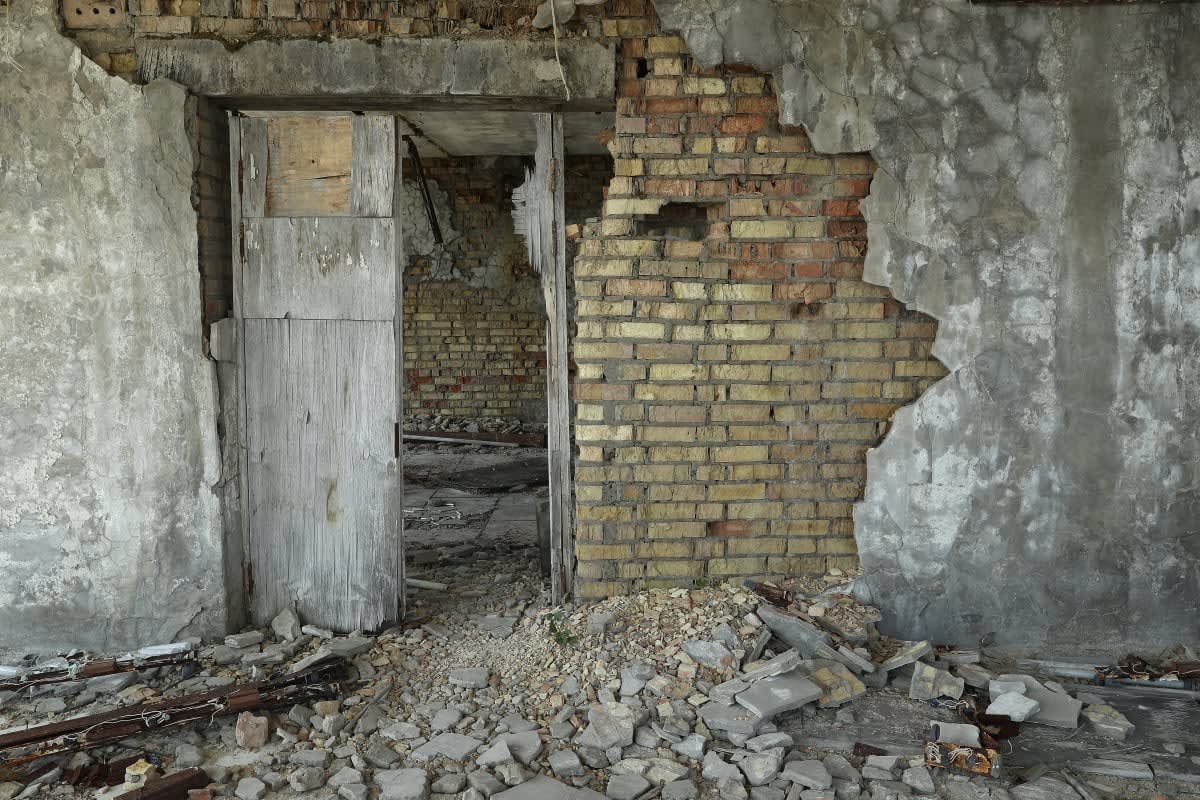
Image Source: Rooms in an abandoned hotel decay in the ghost town of Pripyat not far from the Chernobyl nuclear power plant on August 18, 2017 in Pripyat, Ukraine. (Photo by Sean Gallup/Getty Images)
Image Source: Rooms in an abandoned hotel decay in the ghost town of Pripyat, not far from the Chernobyl nuclear power plant on August 18, 2017, in Pripyat, Ukraine. (Photo by Sean Gallup/Getty Images)

However, this fatal accident was merely the tip of the iceberg. An even more horrific disaster loomed; however, the three bravos volunteered for a heroic task to prevent it. On May 1, 1986, five days after the explosion, Soviet authorities at Chernobyl made a terrifying discovery. The core of the 4th nuclear reactor that had exploded was still melting down. There were approximately 185 tons of nuclear material reacting inside it. Beneath these gobs of material was a five-million-gallon pool.
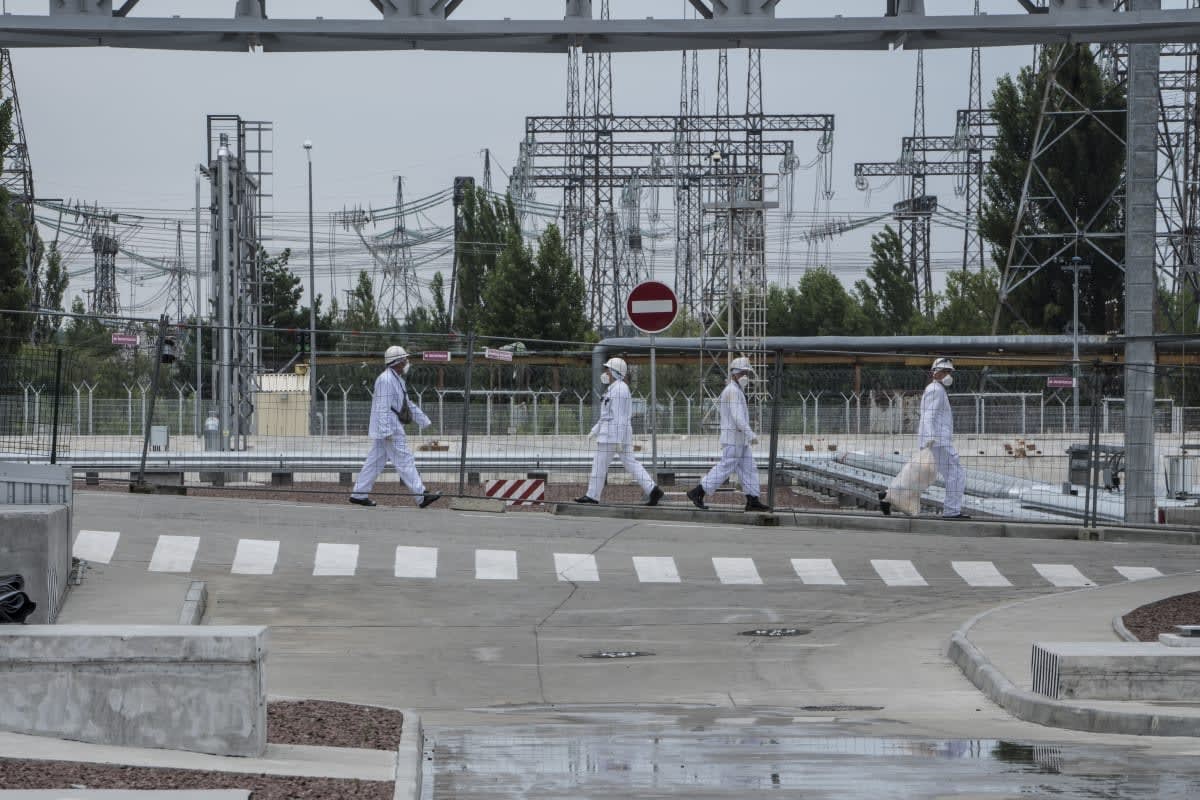
Image Source: Workers at the Chernobyl Nuclear Power Plant on July 2, 2019 in Pripyat, Ukraine (Photo by Brendan Hoffman/Getty Images)

Only a thick concrete slab was used as a separator between the pool’s water and the nuclear reactor which was now melting. The blazing molten material was slowly eating through the slab, and spilling inside the water. And so, a massive radioactive steam explosion was anticipated to happen. If it would occur, it would contaminate a huge chunk of Europe, leading to a massive number of deaths.
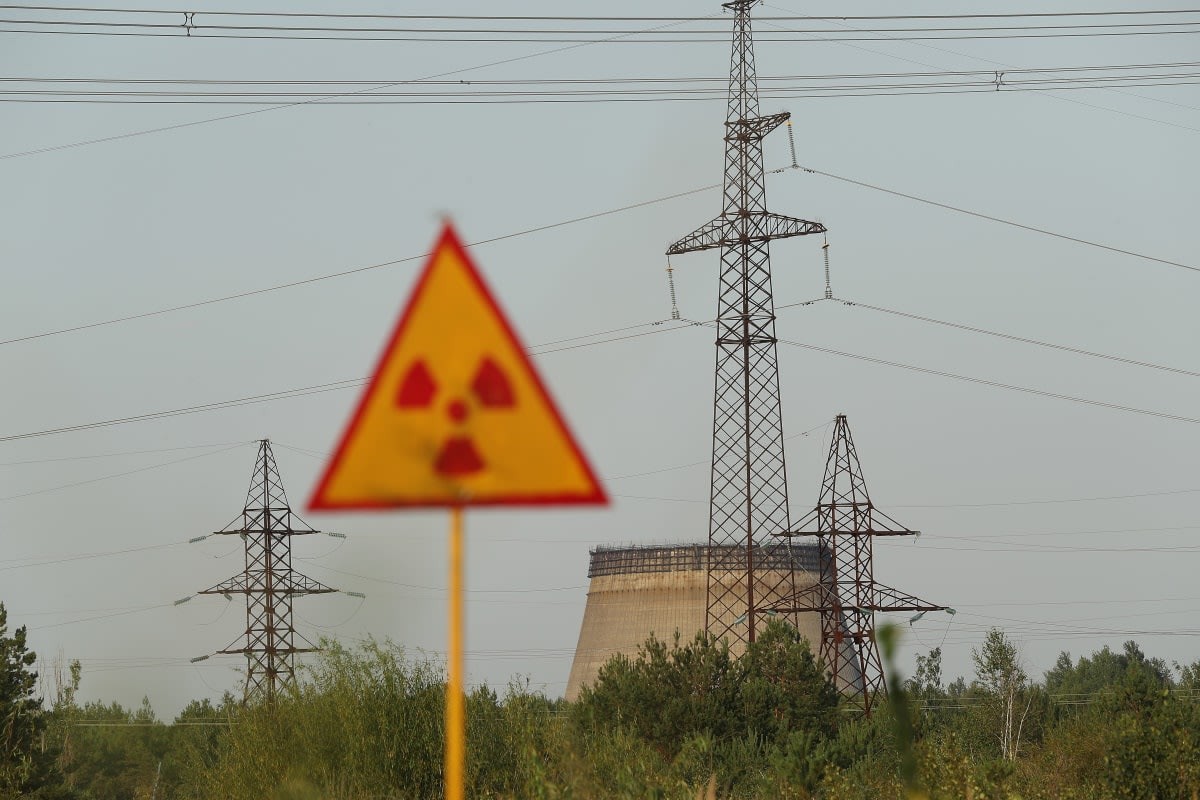
Image Source: A radiation sign stands near electricity pylons and a partially-constructed and abandoned cooling tower inside the exclusion zone near the Chernobyl nuclear power plant on August 19, 2017. (Photo by Sean Gallup/Getty Images)

This was when Ananenko, Bezpalov, and Baranov stepped up for a dangerous mission. Dressed only in wetsuits and carrying waterproof flashlights, they set out to save the world despite knowing there were heavy chances they would never return. Ananenko and Bezpalov worked as engineers while Barnov was a shift supervisor.


They dived knee-deep in dark radioactive-inflicted water, and with enormous effort, discovered a pipe that led to the drainage valves. They twisted the valves, the waters came gushing out, and the pool began to drain. By the next day, all 5 million gallons of radioactive water had drained from beneath the reactor. The trio had steamrolled their way to victory. The second explosion was prevented, and also the deaths of millions of people.


Thankfully, all three divers survived long-term following the mission, narrowly escaping the acute radiation syndrome (ARS) that killed other Chernobyl workers. While Ananenko and Bespalov are alive as of 2024, Baranov passed away in 2005 from heart disease. They were also awarded the “Order For Courage” by then-Ukrainian President Petro Poroshenko in 2018. Even more so, their heroic feat came to be illustrated in HBO’s 2019 drama series “Chernobyl.”
https://youtube.com/watch?v=s9APLXM9Ei8%3Fsi%3DyhLXynLq8rw6qPu7

  • 11-year-old Kentuckian rescues man drowning in apartment complex pool
    Photo credit: CanvaA young hero rises to the occasion.

    An 11-year-old boy in Kentucky is being praised for rescuing a man from drowning in a pool at an apartment complex.

    Avory Woolery spotted the man at the bottom of the pool. The man appeared distressed and that’s when Woolery dove into action.

    “There was this man in the pool, like unconscious underwater, almost shaking, maybe, and my adrenaline kicked in,” Woolery told WKYT-TV.  “I went underwater, I grabbed him up, his friend, I believe, put him on the floor and started doing CPR on him to try and save him the best he could, until somebody called 9-1-1.”

    ‘He’s a human being’

    When asked why he took initiative, Woolery said that he dove in to get the man because no one else appeared to notice the drowning man’s plight.

    “No one was doing anything, so I put on my goggles. I went underwater,” Avory said. “I grabbed him up and I just felt really bad because there was no way that I was going to let another man die today. He’s a human being. He should be treated as such.”

    As Woolery noted, another person performed CPR on the man until paramedics arrived. The Lexington Fire Department said the man was taken to a local hospital and is still in serious condition. While still hospitalized, worse could’ve occurred if young Avory didn’t intervene.

    Fatherly pride

    Sean Woolery, Avory’s father, was proud of how his son was able to calmly and quickly react to the situation.

    “I’m proud of him. Somebody, when I was walking up here, somebody said, ‘Thank you, you taught him how to swim,’” he said.

    A life was saved thanks to young Avory being able to notice signs of drowning and staying calm under pressure during a dangerous situation.

    How to spot a drowning victim

    While many public pools and beaches have lifeguards, it’s still important to recognize the signs someone is drowning so you can get them the proper help. After all, that’s what Avory did.

    But the signs of someone drowning don’t necessarily match the ones that are seen on television or film. Many drowning victims are unable to yell for help, loudly splash, or grab attention since water is gathering into their lungs.

    The Red Cross offers some more accurate signs of someone drowning along with tips to help them. A distressed swimmer/drowning victim will look like they’re having trouble making forward progress in the water. They’ll likely appear vertical and unable to tread water. They may look like they’re struggling to keep their mouth and nose above water. They could also appear motionless and face down in the water.

    What to do if you see someone drowning

    Should you see these signs, yell at the person to see if they can respond. Alert the lifeguards (if present) and have someone call 911 immediately. If there is no lifeguard, it’s recommended to get the person out of the water the safest way possible without going in. This means offering flotation devices like life jackets or buoys for the drowning person to grab. 

    There’s a reason why it’s usually not recommended to swim to rescue a drowning person. It’s because if they are conscious, the drowning person could instinctually grab at you. They could accidentally pull you down underwater with them. While Avory did swim to save that man, the victim was unconscious. It was an extreme situation in which trained professionals weren’t present. 

    If swimming is the only option, it’s recommended to swim to the victim with a flotation device in hand for them to grab onto without touching them. This can allow you both to stay afloat with less struggle. That said, it is always best to wait for water safety professionals to act first if at all possible. The Red Cross has some other water safety tips to follow that could save lives and prevent common drowning incidents.

  • Australia produces so much solar power that they’re giving three hours of it away each day for free
    Photo credit: CanvaSolar energy surpluses during the day offers Aussies free energy.

    In a time when energy costs are rising, Australia is taking a different approach. The country has acquired so much solar power that they’re giving it away. In fact, those who sign up for the program will get three free hours of energy each day.

    This comes from a government-run offer dubbed Solar Sharer. It offers a free three-hour period for those who sign up. This period runs from 11:00 a.m. to 2:00 p.m. in Queensland, Victoria and New South Wales. The period runs from noon to 3:00 p.m. in South Australia. 

    Free, but not unlimited, power

    While the power is free for those who are eligible and have a smart meter, there is a daily cap of 24 kilowatt-hours (kWh). Any amount above that will be charged. However, the energy cap is based on the Australian Energy Regulator’s assessment of what a five-person household uses each day. 

    While that free period each day provides a great window to use major appliances or charge electric cars, there are some catches. Solar Sharer isn’t yet available to residents outside those areas, but energy brokers are making similar offers. There is also no guarantee that electricity rates won’t get higher outside of those free periods either.

    Who benefits?

    The program is designed for those who are a part of a solar power grid. It also benefits people who work from home the most. If the people in the household are at their job or the office, they likely won’t be able to take advantage of the deal.  

    While Energy Consumers Australia supports this offer, they are concerned about how governments and retailers relay the information to customers. In short, they don’t want people to be surprised if their electricity rates are charged higher during the non-free periods. They’re also concerned that, by their measure, only three in 10 eligible people were aware of this offer.

    “We don’t want to have people signing up to these plans assuming it will decrease their bills, when in fact it could do the opposite,” the consumer advocacy group said to The Guardian.

    There is a chance that rates won’t get higher if more people are able to take advantage of Solar Sharer. Since most electricity use is during the evening when more people are home from work, changing up the usage towards daytime hours can benefit everyone. It would still be an uphill battle as electric light is mostly used in the evening and nighttime when it’s dark.

    Similar programs elsewhere

    While there are catches, this isn’t the first program of its type. There are similar successful free energy programs in other nations. Areas such as Germany and the Nordic countries create so much green energy through wind farms that they make similar free power offers. California has also offered government programs for low-income households and farmworkers housing cheap-to-free solar energy.

    While kinks definitely need to be sorted out, creating so much generated energy to the point that it can be given freely is a good problem to have.

  • Motorcyclist trapped under a 3,300 pound car saved by Australian car salesmen
    Photo credit: @ACurrentAffair9 on YouTubeA man was saved from being crushed under a car.

    Tyler Wiebe was on his way to work on his motorcycle in Brisbane, Australia. Then a car approached in the wrong way in traffic, colliding with another car that then hit Wiebe. The accident threw Wiebe off his bike and under a car. He was trapped under the 3,300-lb. vehicle, doomed until a group of salesmen and onlookers came to his rescue.

    “I was being dragged and when it stopped, my head and chest were under the car,” Wiebe said to the Australian Broadcasting Corporation. The crash and being pinned down under the vehicle gave Wiebe several injuries. He suffered broken ribs, a broken collarbone, and a collapsed lung.

    But that would be diagnosed later. At the time, the car’s weight was crushing Wiebe to the point that he couldn’t breathe. His heart was also unable to beat, the pressure causing his eyes, mouth, and nose to bleed.

    “Initially it was ‘can I get out?’ and then it was ‘man I am dying, this is it,’” recalled Wiebe. “[My] wife and two kids are not here, and this is it.”

    Hope comes in the form of a car salesman

    After being stuck for two minutes under the car, help arrived from the nearby Auto Request Kedron, a used car dealership.

    “I was in the office at the time, so I heard the bang [and] came running to the doors,” Mick, one of the employees, said to A Current Affair.

    “I realized there was someone trapped under the car,” fellow employee Rob added.

    They rushed into action, recruiting other coworkers to help.

    “[I] saw Rob running and he was just whistling out saying, ‘Hey, boys, hurry up,’ ” Corbin recalled. “I remember seeing him, just like two legs. They weren’t moving at that time.”

    The salesmen tried to lift the vehicle up to get Wiebe to safety, but the car wouldn’t budge.

    “We tried to lift it off. We couldn’t, and then on the second attempt, we had a couple of other good Samaritans come and help us,” said Brian, another employee of Auto Request Kedron.

    Reportedly 15 people were finally able to lift the car and free Wiebe underneath. He was rushed to the hospital where he went under emergency operations. Under hospital care, Wiebe’s condition stabilized and he survived. Had he been under that car any longer, the worst would have happened.

    Wiebe was humbled and grateful to the salesmen and others who stepped up to save him.

    “I get more time with my daughters, I get more time with my family and a second lease on life, so just thank you, thank you,” Wiebe said in his hospital bed.

    Certified legends

    When he was discharged from the hospital, Wiebe set up a reunion with the employees of the used car dealership. He was able to introduce his family to his rescuers and thank them face-to-face. Wiebe presented them with matching t-shirts, each one with a logo reading “Certified Legend” on the front and an illustration of a person lifting a car over their head on the back.

    “You guys are legends, but now you’re certified legends,” Wiebe said to his heroes.

    A father and husband was saved thanks to the alertness and quick action of the nearby community.

Explore More News Stories

World

Australia produces so much solar power that they’re giving three hours of it away each day for free

World

Motorcyclist trapped under a 3,300 pound car saved by Australian car salesmen

Local

Ohio local news viewers spring into action after seeing an elderly woman threatened with jail time

Local

Iowa teen bike riders save injured elderly woman that was stranded outside for 16 hours