Experts keep telling us that this will be a “turnout election,” with each campaign using the most sophisticated techniques to get people to the polls. Yet if recent history is a guide, only about half of eligible voters will make it there.
Although the problem of low voter turnout has many complicated causes, there is one very simple one: Most voters have to work on Election Day. According to the census, the reason people most-often give for not voting is that they were too busy.
Election Day Tuesday is a relic of the 19th century, when people (men) needed time to travel by horse and buggy to and from the polls without missing any of the three days of worship. Today, it makes no sense except as a deterrent to voting. As Chris Rock put it: “They don’t want you to vote. If they did, we wouldn’t vote on a Tuesday. In November.”
Most democracies hold elections on weekends or have made Election Day a national holiday, a festival complete with parades and carnivals. “There are other places that celebrate voting in ways that we don’t,” says John Glaser, a Tufts University political scientist whose field research shows that throwing parties near polling stations increases turnout. “There are Latin-American countries where Election Day is much more celebratory. And there is reason to celebrate if you’re living in a healthy democracy.”
While people in other countries vote to cap off a day of celebrating democracy, Americans (try to) vote in the cramped minutes before or after work, and the tense atmosphere in polling stations recalls the DMV. You’ve been there, right? Long lines. Impatient people. Wouldn’t it be better to go to the polls with family and friends between the free concert and the fireworks display?
Easy and enjoyable vs. difficult and unpleasant: the difference makes a difference. The United States, the world’s most famous democracy, has one of the worst turnout rates in the world. Of the world’s 172 democracies, the United States is 138th. Of wealthy countries, it’s dead last. In the 90s, only 44.9 percent of eligible-voting Americans went to the polls for presidential and Congressional elections.
When is a democracy barely a democracy? When most people don’t vote.
Making Election Day a holiday or moving it to the weekend would boost turnout. And at any rate, a democracy should set aside one day a year—or at least one day every four years—to celebrate itself and inspire civic engagement.
That’s why my company will be closing for Election Day. The do-it-yourself holiday is part of Take Back Tuesday, an unusual get-out-the-vote effort encouraging individuals, organizations, and businesses to celebrate Election Day even though it falls—most inconveniently—on a work day.
Election Day is my company’s new favorite holiday, and on November 6, we’re going to vote and party. It’s no small thing for a business to give up a profit-making day, but it’s a price we’re happy to pay, in support of the democracy that has made our business possible in the first place.
Our employees won’t be required to vote, but we’re confident that the day off will put some in a civic state of mind, and maybe their voting will inspire others to do the same. People see voting as a social responsibility they’d like to fulfill; they just need a nudge.
We love this idea of creating a positive culture of voting, where people are expected to vote, have fun when they do, and disappointed in themselves when they don’t. Positive peer pressure. Consider this: Nature recently published a study showing that Facebook, via its “I voted” message, produced an extra 340,000 votes during the 2010 midterm elections. The more people vote, the more people will vote.
We the people need to get to work restoring our democracy because politicians aren’t going to do it for us. Democracy, by definition, requires the active involvement of citizens. Creating a culture of voting is a long-term project. So let’s get started.
This post is part of the Take Back Tuesday campaign to make Voting Day a national holiday. Sign up or encourage your company to join in at takebacktuesday.good.is.
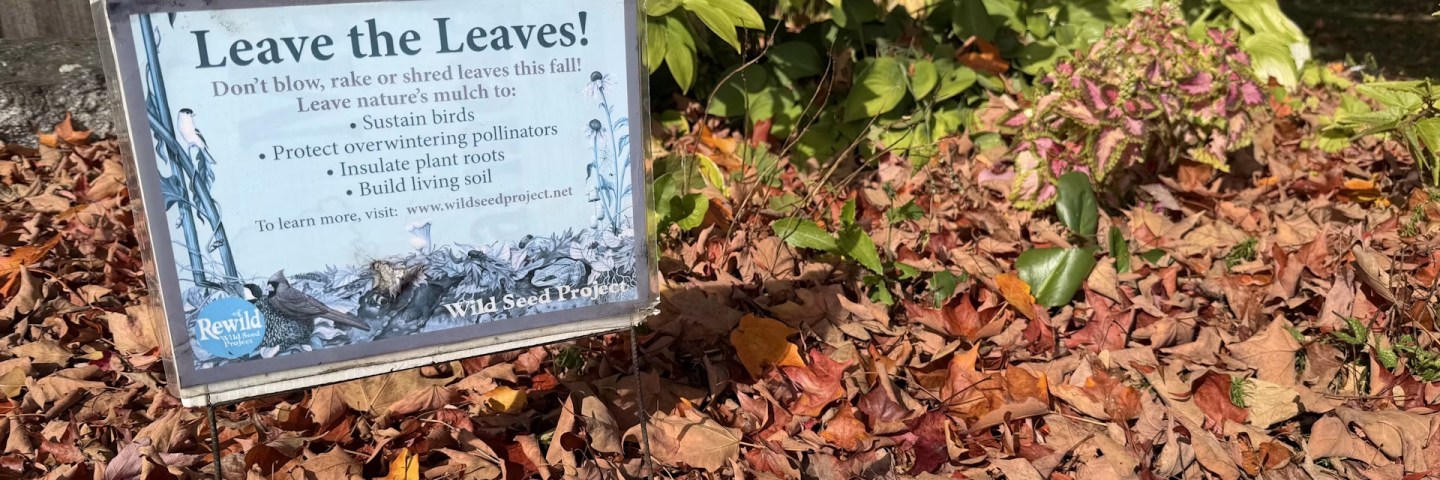
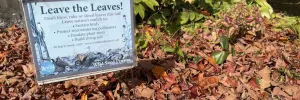
Fallen leaves shelter next spring’s pollinators and feed the soil. A horticulture specialist explains how to make room for both nature and a tidy yard.
Assistant Extension Professor of Horticulture and Ornamental Horticulture Specialist, University of Maine
Every autumn, homeowners and gardeners tend to engage in a familiar ritual. As trees shed their leaves, people drag out rakes, leaf blowers and lawn bags to strip their yards bare before winter arrives.
It is a tidy habit rooted in aesthetics, but ecologically, clearing away fallen leaves strips the very foundation of local ecosystems. Far from dead debris requiring disposal, this fallen foliage forms a dynamic layer and a biological interface that drives nutrient cycling and is essential for soil health and the environment, including biodiversity.
Here is the science behind why the first step of fall yard care could simply be doing less – along with practical ways to keep your yard looking neat while nourishing the ecosystem underneath.
A winter sanctuary for native pollinators
To understand why leaf litter matters, it helps to look closely at what happens beneath the surface as temperatures drop. While honeybees pass the winter in sheltered hives, the vast majority of North America’s native pollinators do not.
Raking, bagging and blowing leaves away destroys this crucial winter nursery.
Many other insects depend on the shelter of fallen foliage:
Moths and butterflies: Species such as the luna moth (Actias luna) and the Isabella tiger moth, whose caterpillar form is the woolly bear, spin cocoons or roll themselves directly inside fallen leaves. Raking or shredding those leaves destroys the next generation.
Fireflies: Adult fireflies lay eggs in moist soil, and their larvae spend up to two years hunting for their food, soft-bodied invertebrates under damp leaf litter. Raking deprives them of moisture and habitat.
In addition to being a shelter, fallen leaves are an evolved biological mechanism for nutrient cycling. Trees actively pump vital elements, including calcium, magnesium, potassium and nitrogen from deep subsoils, into their foliage. When autumn comes and leaves drop, these stored nutrients are deposited back into the soil.
Leaving leaves in place triggers fundamental ecological benefits.
A thick blanket of intact leaves acts as a natural insulator for the ground. Air pockets trapped between overlapping leaves moderate the soil temperature and slow heat transfer, buffering against the freeze-thaw cycles that heave soil, fracture plant roots and expose beneficial soil microbes to lethal cold. The intact leaf blanket also conserves moisture and prevents soil from drying out over the winter.
Adopting a softer approach to fall cleanup does not mean your yard has to look completely untamed or that you have to risk killing your lawn. Here is how to balance suburban expectations with sound ecological science:
Move, don’t remove: Move the leaves from lawns and sidewalks, rake them into garden beds, around ornamental plants or into vegetable plots, using manual rakes or electric leaf blowers. Aim for a layer 2 to 3 inches deep. Leaving leaves in grassy areas can help ticks hide there too, but if you move the leaves to garden beds or spots that are used less, the ticks will be less likely to nest in the grass. Establishing pollinator zones on the property can also help reduce tick populations.
Skip the leaf shredder: Mowing over leaves with a mulching mower is better than sending them to landfills, but high-velocity mower blades still kill overwintering insect eggs, chrysalises and larvae. Leave leaves intact wherever possible in plant beds.
Wait for spring to clean up: Do not cut back hollow-stemmed perennials or clear leaf beds during early, warm spring days. Wait until temperatures consistently stay above 50 degrees Fahrenheit (10 degrees Celsius) so overwintering bees and butterflies have time to safely emerge.
When you bag leaves for disposal and then buy commercial wood mulch or synthetic fertilizers in the spring, you are effectively paying a price for what your trees provided for free. By rethinking the cultural expectation of pristine autumn lawns, it’s possible to transform silent landscapes into vibrant habitat sanctuaries, simply by stepping back and allowing natural processes to take over.
If you grew up in the United States in the 1980s or ’90s, chances are you remember The Oregon Trail. For many like me, it was our first computer game and our first introduction to wilderness survival. We hunted buffalo, forded rivers, broke wagon wheels and, of course, learned about dysentery years before Google even existed, all while hoping our group would make it to Oregon City alive.
Lately, the game has found a second life. Nostalgic social media posts, memes and updated versions of the game have introduced The Oregon Trail to a new generation while reminding millennials just how unforgiving that grainy computer screen journey could be.
As a physician who specializes in emergency and wilderness medicine, I started thinking about how much of what the game taught me about surviving in the wilderness still applies today. After all, modern hikers and campers have access to tools the pioneers could never have imagined.
Surprisingly, I’d argue that more lessons from The Oregon Trail hold up than you might think.
Clean water is crucial
The Oregon Trail game made dysentery famous for an entire generation. Fortunately, advances in sanitation, hand hygiene and antibiotics have made large outbreaks like those that wagon trains and military camps experienced much less common, at least in the United States.
That doesn’t mean gastrointestinal illnesses have disappeared. Traveler’s diarrhea and cholera are still an important cause of illness around the world. Untreated water, poor hand hygiene and contaminated food can still derail any trip.
Simple habits such as purifying drinking water, washing hands before meals and after using the bathroom, and practicinggood camp hygiene remain some of the easiest ways to stay healthy outdoors.
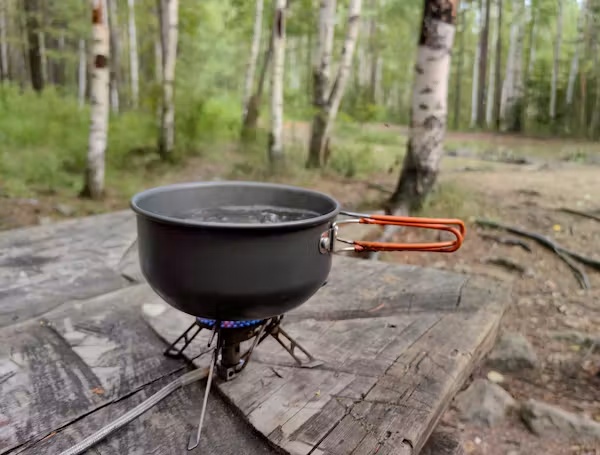
Water purification is important with wilderness travel in the United States and in many areas of the world. There are many easy and cost-effective ways to purify water, such as boiling, filtration and treating with chemical disinfectants. Each method has its benefits and downsides.
Boiling is often the most accessible method. While it can kill bacteria, viruses and parasites, it will not remove water contaminants such as heavy metals, including lead and arsenic, or industrial contamination such as pesticides. Consider boiling your water for at least one to three minutes, depending on your altitude, to purify it. Water filtration is an easy option for backpackers but is less effective at removing viruses.
You may no longer have to ford the river with oxen, but rivers, lakes and other bodies of water present unique hazards that outdoor adventure enthusiasts can overlook.
Moving water can be more dangerous than people realize. Even the best swimmers can drown in rip currents.
Cross bodies of water only when absolutely necessary. Avoid any water crossings after recent rainfall, as the water level often rises and the current can be faster and stronger. Submerged objects – rocks, fallen trees and other debris – as well as changing weather, flash flooding and strong currents can make crossing more dangerous.
It’s not just a broken wagon axle that can send a trip sideways. One thing The Oregon Trail captured well is how distancechanges everything. A sprained ankle in a city usually means an inconvenient trip home or to the doctor, but a sprained ankle 5 miles from the trailhead may mean that someone will need to carry you. The same is true for other common wilderness concerns, such as dehydration, heat illness, infections or even blisters.
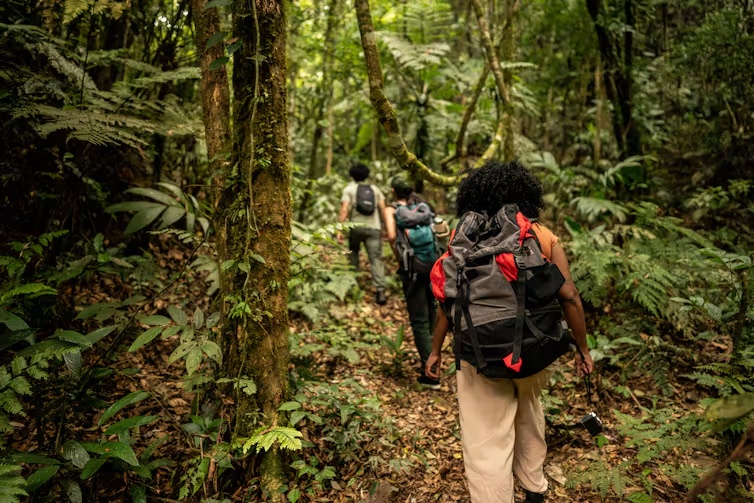
Preparation is about packing a first aid kit and thinking ahead. Ask yourself what you would do if your hike took twice as long as expected or if you unexpectedly had to spend the night outside. Research your route and carry more food and water than you think you’ll need. Check the weather and be prepared for it to change, with extra clothing and options for rain.
No one tackled the Oregon Trail alone because it meant you would not survive. There is a lesson here in solo travel and solo mountaineering.
Traveling alone means that a minor injury such as a sprained ankle could mean crawling to the trailhead to call for help or waiting until you are identified as missing. If you cannot find someone to travel with you, provide an itinerary and travel location to a trusted person. Make sure they know when you should be returning and plan to check in. If you do not return as expected, they can call for help.
Respect the wildlife
Large animals still pose a threat across the country. While there may be fewer bison than previously seen on the Oregon Trail, animals in nature deserve respect.
No selfie is worth being attacked by a brown bear. If you see a dangerous wild animal, avoid approaching and immediately leave the area.
Venomous snakes are present throughout much of the United States and continue to cause significant injury and death around the world. If someone is bitten, please don’t try to cut the wound or suck out the venom. Instead, keep the person calm, minimize unnecessary movement, and focus on getting them to professional medical care. Antivenom is available in many major hospitals in the United States.
Even smaller and more docile animals such as deer and squirrels should not be fed. It is dangerous for an animal to get used to receiving food from humans. Additionally, animals carry diseases, such as rabies and leptospirosis, that can be fatal to people.
Don’t attempt to get close to any animals, no matter how calm or asleep the animal appears to be.
Technology is a backup, not a plan
One of the biggest differences between today’s outdoor adventures and those of the Oregon Trail is the ability to communicate.
Cellphones, GPS apps and emergency beacons have made it possible to call for help from places that were once completely isolated. However, while those devices are incredibly valuable, they shouldn’t encourage you to take bigger risks, as help may be far away, slow to arrive, and injuries in the wilderness can be fatal.
Travelers can use a smartphone with GPS capacity to avoid getting lost, but downloading any needed maps for offline use can help prevent lack of service from derailing your trip.
Additionally, an unlocked smartphone that isn’t restricted to one carrier is a great way to store and communicate critical data, such as travel plans and copies of your medical history.
The Oregon Trail travelers worried about river crossings, disease and harsh weather. Today’s hikers face different challenges depending on where they are.
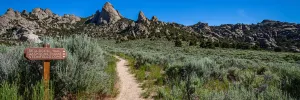
Desert hikers may struggle with extreme heat and dehydration. Mountain travelers face rapidly changing weather, lightning and high altitude. And coastal explorers can face problems such as riptides, waves, cliffs and unexpected rocky surfaces.
Altitude illness is often unpredictable and can sneak up on you. Most people experience acute mountain sickness within 24 hours of ascent, developing symptoms such as headache, fatigue, nausea or problems with sleep. Any confusion, difficulty walking, shortness of breath or coughing up significant phlegm should prompt an immediate descent.
There are commonly used prescription medications to help prevent and treat altitude illness. The mountain will always be waiting for your next attempt.
Some lessons survive every software update
Part of what made The Oregon Trail game memorable is that every decision mattered. Success often depended less on luck than on planning ahead, and that lesson still applies.
When people ask me what one emergency medicine skill everyone should know before heading outdoors, my answer is usually preparation. Thoughtful planning prevents far more emergencies than any single piece of equipment.
For people who spend a lot of time outdoors, I also recommend taking a wilderness first aid course. These courses teach practical skills to provide medical care in a wilderness environment.
Nature is no less powerful or unforgiving than it was on the Oregon Trail, and treating it with respect is essential. Combining advances in modern medicine with thoughtful preparation helps stack the odds in your favor so that, just as every Oregon Trail player hoped, everyone in the party makes it to the end.
Along with the pumpkins and costumes, the candles and cobwebs, Halloween is all about storytelling. From tales of haunted houses to accounts of demonic possession, ghost stories are part of the holiday’s appeal.
As a professor at the University of Maine who specializes in ghost stories, I’ve thought a lot about what makes one unforgettable. My field research has taken me from the coast of Maine to the Amazon jungle, but some factors remain constant in an unforgettable tale.
One factor is what I call “creep value,” which includes the scare factor but also the elements of a story that might be simply unsettling or uncanny.
Take, for starters, the ghost of Catherine’s Hill along the Blacks Woods Road in Maine. The story warns that, against all intuition, even a lone driver at night must always stop and offer the phantom woman a ride. If not, as the story goes, she will appear when least expected in the back seat of the car to cause a fatal accident.
But there is more to account for than creep value in an unforgettable ghost story. These stories can keep alive the memory of a dark past. In my research I have come across tales that preserve memories of injustices that might otherwise have been forgotten.
Dark histories
One story, about a ghost ship that can be heard but never seen, preserves the little-known history of the smuggling of enslaved people.
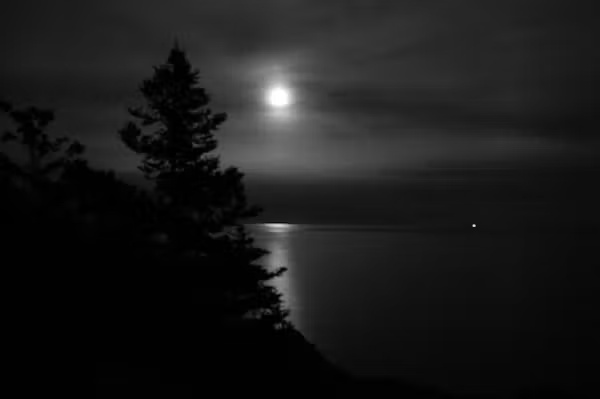
A full moon over Seal Harbor.Marcus Librizzi
The legend goes that on foggy nights, during the full moon, those standing at the Cooksey Drive Overlook in Seal Harbor, just outside Acadia National Park, can hear the slaves in the hold of a sinking ship crying for help.
The story goes back to the Pride of the Seas, a ship that smuggled enslaved Africans into the United States after the trans-Atlantic slave trade had been abolished but slavery remained legal. The account specifies that the smugglers scuttled the ship to evade the law. In ghost stories that circulate by word of mouth on Mount Desert Island, the screams of those left behind can still be heard.
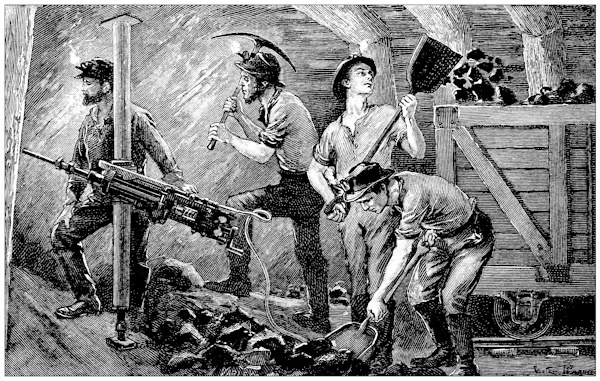
Pennsylvania coal miners offer another example of past grievances passed down in the form of ghost stories. At the sites of deadly accidents, people have reported the sound of a pickaxe or the groans of a dying man. An extensive archive contains multiple accounts of coal miners witnessing ghostly knocking, disembodied voices and apparitions of mangled men. One story involves an innocent coal miner, condemned to death in 1877, who left a handprint in his cell at the Carbon County Jail that no amount of sanding or paint has been able to erase.
Today, it is widely known that coal miners of the 19th and early 20th centuries experienced ruthless exploitation and hazardous working conditions. Years ago, their plight went unrecognized in official histories and government policies, but ghost stories helped keep these experiences in the collective memory.
A South American perspective
When I collected ghost stories in South America, the same pattern held true: Some tales preserved history that would otherwise be lost.
In the Amazon jungle of northern Brazil, I traveled to a gloomy site where people, over several generations, have claimed to see the spirits of young men in the murky water. These stories keep alive injustices from the 19th century involving enslavement of Indigenous people. The location was a former sugarcane plantation notorious for cruelty, and accounts of apparitions in the water are a reminder of this history.
In Rio de Janeiro a well-known ghost story involves the apparition of a young girl in a mansion known as the Castelinho do Flamengo. All the accounts of her story agree that this young heiress, named Maria de Lourdes Fernandes, witnessed the deaths of her parents; her guardian then locked her up and drove her to suicide to get her inheritance.
Her soul is said to remain in the mansion she tried to escape. The tale is not just about an individual tragedy but one that exposes inequities involving the mistreatment of juveniles and the corrupting influence of power.
The past that isn’t past
Ghost stories don’t simply recount memories – they can revive them and bring the past back into the present.
The unsolved 1898 murder of a 52-year-old woman, Sarah Ware, in Bucksport, Maine, illustrates how ghost stories can have historical significance and flood the present with the past.
In the 1980s a woman and her daughter began having nightmares about a long-haired woman in a long dress struggling to rise from the bottom of a lake. When they realized they were having the same recurring dream, they partnered with an author, and their research led them to a conclusion that the apparition was the ghost of Ware.
Official records document that when Ware’s body was recovered it was badly decomposed and her head had completely detached. Her head remained in the courthouse until the 1990s, when it was buried in Ware’s grave. According to local lore, however, Ware’s headless body is not in that grave but instead in her original grave, now located at the bottom of Silver Lake. In the oral history of the area, workers moved only the tombstones when they flooded the paupers’ graveyard – the cemetery for the poor – to make a reservoir in the 1930s.
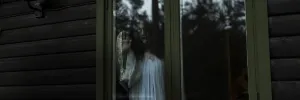
Ware’s ghost is believed to have appeared again in 2006. When a young woman went scuba diving in Silver Lake in Bucksport, she reported seeing a woman in a long dress struggling to rise from the bottom of the lake. When she swam over to help, the figure’s hair floated back with the movement of the water to reveal she was a faceless apparition. The sighting of the faceless ghost revived the history of the unsolved murder all over again.
Ware’s case highlights the violence and injustice and their connection to gender and social class in 19th-century Maine. Missing evidence and recanted testimonies suggest that powerful men might have interfered with the investigation to hide their own complicity in the murder. As an independent woman of the time, Ware was the subject of gossip, and the treatment of her body shows how social class affects even the honoring of the dead. As a ghost story, the history of Sarah Ware is not past but rather part of the here and now.
So when you’re out and about telling ghost stories this Halloween, remember that the unforgettable ones are all about creep value in the context of a dark history that flows back in again like the tide.