GLP-1 drugs have ushered in a new era in weight loss.

In just a few years, medications such as semaglutide and tirzepatide, known by the brand names Ozempic, Wegovy, Mounjaro and Zepbound, have gone from niche diabetes treatments to household names, reshaping how America thinks about weight loss.

A November 2025 Kaiser Family Foundation poll found that 1 in 8 U.S. adults have tried a GLP-1 medication for weight loss, diabetes or another condition. And we expect that number to rise now that one of these drugs, Wegovy, has become available in pill form, increasing its accessibility for many people.

These drugs’ ability to help patients lose anywhere from 15% to 20% of body weight has made them one of the most powerful nonsurgical obesity treatments ever seen.

GLP-1, short for glucagon-like peptide-1, is a hormone your gut normally makes that helps control blood sugar and appetite after eating. It signals the pancreas to release insulin when blood sugar rises and slows how quickly food leaves the stomach, which helps people feel full sooner.

Modern GLP-1 medications are designed to amplify these effects, leading to better blood sugar control and substantial weight loss for many patients.

But success brings a new question that millions of people are confronting: What happens after the weight comes off? And just as importantly, what should patients do when their progress suddenly stalls, even while still on the medication?

As an obesity medicine physician, I’ve seen firsthand how life-changing GLP-1 drug therapy can be for my patients. But I also remind each of them that no medication – GLP-1s included – replaces the foundational importance of nutrition, physical activity, sleep and mental health. These lifestyle pillars are essential for maintaining muscle and bone health, preventing significant weight regain and supporting long-term cardiovascular and metabolic health.

The key is simple but critical: Every weight-loss or health plan must be tailored to each person.

How the body responds to weight loss

In 2023, the Centers for Disease Control and Prevention reported that more than 40% of American adults live with obesity. For most people, the real challenge isn’t losing weight – it’s keeping it off.

Researchers have known this for decades. As early as the mid-20th century, studies of commercial diet programs showed that while short-term weight loss was common, regaining weight long term was the norm.

This is because when people lose weight, the body’s natural inclination is to return to its previous weight – a phenomenon called metabolic adaptation. As a result, the brain releases more of the hunger hormone ghrelin and dials down leptin, one of the hormones that signals fullness and energy sufficiency.

The net effect is simple: After weight loss, people are hungrier, feel less satisfied after eating and burn fewer calories than expected. The body interprets weight loss as a threat to survival and responds by slamming the brakes on metabolism through sophisticated energy-conserving mechanisms. Put plainly, when there’s less body weight to maintain, the body does less work – but it also becomes extra efficient, burning fewer calories than predicted and nudging weight back up.

Add to that an environment filled with ultraprocessed foods, oversized portions, high stress and limited time for movement, and it’s no surprise that so many people’s weight ends up yo-yoing despite their best efforts.

Putting GLP-1 drugs to the test

Clinical trials on GLP-1 medications also follow these well-established patterns. A pivotal 2021 clinical study of more than 1,900 adults, known as the STEP 1 trial, laid the groundwork for the use of these drugs as a treatment for weight loss.

But a follow-up 2021 study, known as STEP 4, showed that within 48 weeks of no longer taking semaglutide, participants regained approximately two-thirds of their prior weight loss, while those who remained on GLP-1 drug therapy continued to lose weight.

This is not because people lack discipline, but rather because their biology fights hard to return to its old set point.

Obesity, Chronic diseases, Weight loss, Dieting, Ozempic, Wegovy, Mounjaro, Weight loss drugs, GLP-1,  Zepbound, GLP-1 drugs
Oral Wegovy pills were approved by the Food and Drug Administration in December 2025 and became available for purchase in the U.S. in January 2026. UCG/Universal Images Group via Getty Images

Lower-cost, longer-term maintenance

Although obesity is now widely recognized as a chronic disease, clinical guidance has not kept pace with this new generation of highly effective medications.

For most patients, the most effective long‑term strategy after achieving a target weight is to continue GLP‑1 treatment. Clinicians aim for the lowest dose that still helps regulate appetite and stabilize weight.

Another option patients may pursue is to slowly taper off the drugs over about three to six months and to focus on reinforcing lifestyle choices that support goals for overall health and weight maintenance.

When your weight plateaus on a GLP‑1 drug

Plateaus in weight loss are normal, even on GLP‑1 drug therapy.

In clinical trials, weight loss with GLP-1 medications tends to follow a predictable curve: rapid early losses during drug initiation and dose increases, a gradual slowing and eventual plateau. A plateau, typically defined as little or no weight change for eight to 12 weeks, is not a sign of failure but rather the body adapting to a lower weight.

But before assuming that a GLP-1 medication has stopped working, clinicians will typically consider how the patient is using the drug, such as whether it’s being taken properly, with little to no missed doses, and whether it is being stored properly.

Clinicians will also evaluate a patient for medical conditions that might make weight loss more challenging, such as perimenopause or hypothyroidism, which is underactive thyroid.

They will also take into consideration whether the patient is on other drugs that might be obesogenic, meaning causing weight gain, or if they are using an FDA-approved GLP-1 drug versus a compounded medication, which can have variable quality and unknown efficacy.

Obesity, Chronic diseases, Weight loss, Dieting, Ozempic, Wegovy, Mounjaro, Weight loss drugs, GLP-1,  Zepbound, GLP-1 drugs
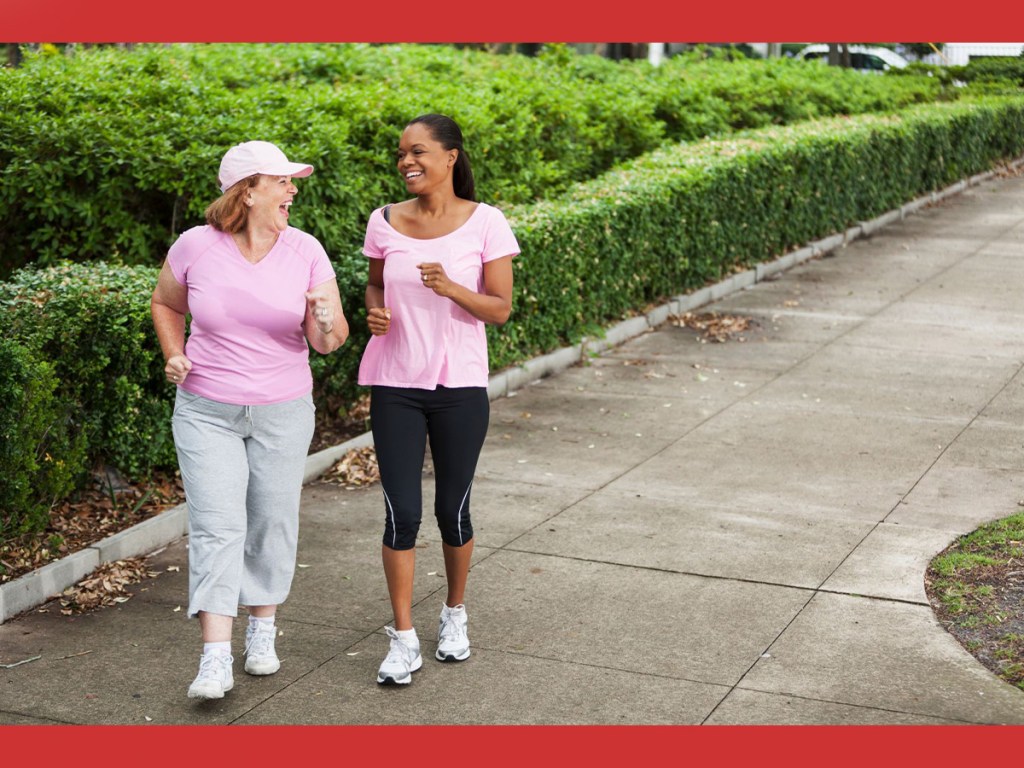
Despite the effectiveness of GLP-1 drugs for weight loss, there is still no replacement for healthy lifestyle patterns, including regular exercise. MoMo Productions/DigitalVision via Getty Images

Balancing weight loss with bone health

Helpful strategies to prevent weight regain related to diet include building meals around lean protein and noticing where calories might be creeping in, such as snacks, sugary drinks and alcohol.

With GLP-1 drugs, the goal for nutrition has shifted from calorie restriction to calorie quality. Aim for a healthy balance of vegetables, lean proteins and whole grains. And make sure your water intake is sufficient, especially since GLP-1 medications not only reduce hunger but can also reduce feeling thirsty.

When it comes to movement and exercise, people can add resistance training, increase their exercise intensity or both.

With any weight loss, no matter the method, people lose not only fat but also some muscle and bone. In clinical trials of GLP-1 medications, fat loss far outweighs losses of lean mass. However, any loss of lean mass matters because it can affect physical function, fracture risk and how well the body maintains weight and metabolic health over time.

Weight loss reduces the mechanical load on bones, which can lead to lower bone density and, in some people – such as those who are postmenopausal, as well as people over age 65 – an increased risk of fracture. Because bones adapt to the weight they carry, losing weight means less stress on the skeleton, and over time this can lead to small decreases in bone strength. This underscores the importance of resistance exercise for strength training, adequate protein intake during GLP-1 therapy and close monitoring for patients who are at higher risk of fracture.

Next-generation therapies, which include combinations of GLP-1 drugs and other peptides, are being studied for their potential to better preserve muscle and bone compared with GLP-1 drugs alone.

Patients on GLP-1 drugs who are experiencing a plateau may also want to talk with their doctor about considering a dose adjustment, medication switch or adding an additional drug.

If GLP-1 medication doses cannot be increased due to side effects, doctors will consider all options for other medications and for optimizing lifestyle, such as nutrition, exercise and sleep, to support the patient’s goals.

This article originally appeared on The Conversation. You can read it here.

  • Licensed therapist says these 3 steps stop rude people from hijacking your mind
    Woman exhausted by man's poor behavior.Photo credit: Canva

    Licensed therapist Jeffrey Meltzer offers three steps for dealing with rude people. In his helpful TikTok post under the name therapytothepoint, he suggests helpful tactics that go far beyond setting simple boundaries.

    Rude people are almost impossible to avoid, and the instinct to snap back or make a passive-aggressive remark can be strong. Meltzer shares some practical mental health advice that can lead to a calmer resolution.

    It Begins With Emotional Regulation

    Some individuals might believe that other people are responsible for how they make us feel. Meltzer suggests that self-regulation is an important first step to dealing with disrespectful people. Despite instincts to retaliate or escalate the situation, staying calm is more effective.

    Meltzer proposes that reciprocating aggression will only embolden a rude person and even justify their poor behavior. Instead, calmness and controlling our emotions will disrupt the pattern. Meltzer explains, “You might feel angry, embarrassed, disrespected, but calmness is about your behavior, despite the internal chaos you may be having. At the end of the day, emotional regulation is your strength, and reactivity gives your power away.”

    A 2024 study in the National Library of Medicine found that people’s ability to reappraise a stressful event in a more balanced way was strongly linked to greater resilience and better recovery from stress. The strategy helps people stay calmer by changing how the brain interprets the event.

    life hacks, behavior, Jeffrey Meltzer, sarcasm, emotional regulation
    A woman is rudely interrupted on the phone.
    Photo credit Canva

    Passive Aggression Is NOT a Solution

    An easy response might be the simple eye roll, sarcasm, or a retaliatory personal dig. Meltzer points out that these are only ego attempts to win an unwinnable situation. “Instead, be straightforward. I’m open to talking about this, but not like that. It’s hard for me to connect when you speak to me that way.” Meltzer explains that these tactics bring clarity and remove the defensive guard of said rude individuals.

    A 2026 study in Psychology Today reported that passive-aggressive behaviors worsen relationship dynamics and fail to resolve disagreements. Criticism, ostracism (ignoring others), and sabotage all undermine cooperation and relational success.

    frustrating, passive aggressive, solutions, mental health
    A man blows a dandelion in a woman’s face.
    Photo credit Canva

    Role play works

    Practice makes perfect has value in dealing with rude people. “You don’t magically become composed under pressure; you train for it.” Meltzer continues, “Practice with a friend. Practice with your therapist. Have them be rude. Respond calmly. Respond assertively. Respond clearly. Because in real life, you don’t rise to the moment, you fall to your level of preparation.”

    A 2024 study in the National Library of Medicine revealed that an individual’s level of assertiveness can be trained. The strategy of preparation reduced feelings of stress, anxiety, and depression.

    meditation, annoying people, strategies, peace of mind
    Interrupting a meditation.
    Photo credit Canva

    Stay Calm, Be Assertive, and Practice

    The solutions offered by Meltzer seem to resonate. Several people reveal their own struggles when facing similar predicaments. These are some of their comments:

    “Practice with a therapist? Why didn’t I think of that”

    “You don’t rise to the moment you fall to the level of your preparation. I’m gonna memorize that.”

    “I’m waiting for you to write a book about all your amazing insights”

    “I can handle them but i internalize later n let it ruin my day”

    “The real skill is knowing when to ignore and when to address it. Not everything deserves your energy.”

    “Rudeness is a weak man’s imitation of strength. Just say that to them and if they continue, walk away with a smile.”

    Meltzer advises that the best way to handle rudeness begins with how we respond. Diffusing a situation helps maintain peace of mind. Remaining composed helps control our own reactions. In the end, rehearsing for success allows us to stay confident when difficult situations arise.

  • Love educator shares how awkward flirting can be turned into a romantic superpower
    A couple flirts on the dance floor.Photo credit: Canva

    In a recent TED Talk, love coach Francesca Hogi shared how even your awkward flirting can be a superpower. Sometimes mistaken as off-putting, flirting actually offers a powerful gateway to real human connection.

    By reframing flirting as an act of curiosity, she explains how anyone can kickstart attraction and open the door to lasting love. In an impassioned presentation, Hogi demystifies flirting and explains why building attraction matters.

    Flirting can be a superpower

    Hogi explains that for 12 years she’s been helping people fall in love as both a matchmaker and a coach. “As a love professional, I can assure you that many dating problems can be solved with flirting,” Hogi says. “If you’re single, it helps you to connect and fall in love. If you’re partnered, it helps you to reignite or maintain the spark of chemistry that brought you together in the first place.”

    Many might have concerns about their ability to flirt. Will they be received well, or are they even doing it right? Hogi explains, “I’ve got good news for the introverts out there. You don’t have to be extroverted to be a magnet for connection. In fact, I believe that introverts have a secret advantage when it comes to flirting because your efforts at being more open feel more genuinely inspired by another person and therefore special.”

    She shares that flirting can give you confidence and courage. She also acknowledges that feeling awkward is normal. “Confidence with flirting comes from knowing yourself, your intentions, reading the room, discerning other people’s reactions, and adapting accordingly,” she says. “Sometimes it’s going to be awkward, sometimes it’s going to be embarrassing, and that’s okay.”

    flirtation, connection, mental health, good vibes, sexuality
    A couple enjoys flirting.
    Photo credit: Canva

    Healthy flirting

    “Flirting gives you more agency over human connection,” says Hogi.

    She then describes the two foundational principles of healthy flirting. The first is presence: being in the moment and avoiding distractions like a phone or the surrounding environment. The second is enthusiasm. Getting the right vibe while being enthusiastic goes a long way toward mastering the art of flirting. These principles have a strong effect on other people.

    Hogi explains that expressing positive intentions has a large impact on outcomes:

    “You have the ability to leave other people feeling good for having interacted with you…Even your unspoken appreciation for a shared moment of connection, no matter how brief, can often be felt. Lean into being the version of you who leaves other people with a smile on their face and notice how much more magnetic you become.”

    community, expression, humor, self-confidence, self-esteem
    A flirtatious interaction.
    Photo credit: Canva

    Hogi inspires the crowd

    People seem quite taken with Hogi’s energy and charisma. Some of the comments expressed admiration for her vibe and flirtatious delivery on stage. Hogi was sharing her own version of flirting as a superpower:

    “Even this presentation feels like shes flirting…especially her laughs”

    “She is such a good public speaker, ten minutes of speech with no filler words whatsoever”

    “Flirting is a way making one feel seen and acknowledged.”

    “Where were you, Francesca, when I needed these words? Like, 40 years ago? Never too late, right?”

    “Had me clapping in the end! She’z good”

    “I feel better about my flirting abilities after watching this now.”

    “She’s good , reading her body language generally teaches me more about flirting than learning it itself”

    gender, attraction, laws of attraction, social skills, personality traits
    A vintage photo of a couple flirting.
    Photo credit: Canva

    The power behind a flirtatious connection

    Flirting can have a powerful effect on both the initiator and the person on the receiving end. It isn’t necessarily about romance or sex. It helps build and strengthen relationships in everyday life.

    A 2025 study on ResearchGate analyzed where and how people flirt. The results suggested that people who flirt can improve with practice. The best flirting involved humor, confidence, and social skills. A 2026 study on ScienceDirect found that flirting can be an effective way for people to express their personality and individual differences. While personality traits and sex were linked to how often and how skillfully people flirted, these influences had only modest effects on overall outcomes.

    Hogi suggests flirting requires nuance and a little bit of courage. Practice prepares you for any occasion. “Attentiveness, compliments, playfulness—there’s nothing complicated about these actions, yet they have the potential to spark and sustain connection over time,” she says. “That’s a true superpower we can all tap into.”

    Hogi and the research suggest flirting isn’t just a trivial social game. It’s a meaningful way to express personality, build connections, and boost self-confidence. Flirting isn’t shallow. It doesn’t need to involve manipulation or outcome-obsessed action. These small everyday acts of courage embolden human connection and reveal individual superpowers in all of us.

  • Retired U.S. Navy chief explains how to end discipline anxiety with wholesome ‘butler’ trick
    (LEFT) A cluttered closet. (RIGHT) Chase Hughes.Photo credit: Canva and YouTube

    During an interview on The Diary of a CEO podcast, retired U.S. Navy chief Chase Hughes explained how to end discipline anxiety. Using a simple perspective shift, often referred to as the “butler” trick, he describes a method of “prioritizing the needs of our future self.”

    Hughes shares that understanding discipline is one of the fastest ways to change everything in our lives. We might wish discipline would arrive like a lightning bolt of motivation. However, Hughes suggests the solution lies in our relationship with discipline and the perspective we take on it, which ultimately relieves our anxiety.

    End discipline anxiety

    Hughes begins by explaining the importance of understanding what discipline actually is: “I define discipline as your ability to prioritize the needs of your future self ahead of your present self.” He goes on to explain that a simple reframing can change the link between discipline and anxiety.

    “If I can start looking backwards with gratitude, [it] is the fastest way to make discipline dopamine-generating,” Hughes says. “I want past-tense me to be a source of dopamine for present-tense me. Cause most of us look back with regret. ‘I shouldn’t have drank that much. I shouldn’t have mouthed off at the family reunion. You know whatever it is, I shouldn’t have overslept.’”

    discipline, butler tick, anxiety, service, community
    A butler ready to be of service.
    Photo credit: Canva

    The butler trick for discipline

    Instead, it’s possible to prioritize long-term endeavors over short-term desires. In the full YouTube video of the interview, Hughes describes the butler trick as a way of treating your future self as someone you can serve today, just like a butler. The concept of looking forward with concerned awareness and backward with gratitude can help release the connection between anxiety and discipline. This reframing and release of negativity help people better motivate themselves and manage their present circumstances.

    A 2025 study in SAGE Journals found that future self-orientation directly impacts discipline-related outcomes. This trick can lead to meaningful behavior change. By reframing our relationship with the past, we directly affect our relationship with discipline and procrastination. A 2023 study published by Springer Nature found that procrastination and self-control significantly influence attitudes toward time. How someone relates to time ultimately shapes whether discipline feels easy or overwhelming.

    Butler trick, discipline, time management, consistency, habit loops
    A woman realizes she is late.
    Photo credit: Canva

    Thoughts on the butler trick

    Viewers seemed universally impressed by the solution Hughes offers in the butler trick for discipline. Here are some of their thoughts:

    “I love it when Past Me has done something great to support Future Me. Sometimes it’s all I got, but it’s enough.”

    “This is the best advice on discipline I’ve ever heard in my life”

    “He’s giving you the blueprint for ultimate self care”

    “Be methodically organized and make your life less complicated and more suitable to your needs.”

    “I’ve heard everything can be looked at as a learning opportunity. Selfless gratitude + learning seems like a strong combo.”

    “Be my own butler. Love this!”

    self-discipline, self-mastery, perseverance, determination, butler trick
    Self-discipline is defined as controlling one’s own desires.
    Photo credit: Canva

    Discipline changes everything

    Hughes underscores the value discipline has in changing our lives:

    “Discipline is kind of the gateway drug to everything else in authority, and it’s the gateway to composure. But getting your discipline modified is one of the fastest ways to make everything else change.”

    Discipline can mistakenly be associated with punishment and rigid routine management. With Hughes’ framing, it might be better described as stewardship. Instead of battling the present, you can serve the future. The butler trick can help us all be more thoughtful toward the person we are becoming.

    You can watch the full interview with Chase Hughes on The Diary of a CEO podcast below:

Explore More Health Stories

Well-being

Love educator shares how awkward flirting can be turned into a romantic superpower

Well-being

Retired U.S. Navy chief explains how to end discipline anxiety with wholesome ‘butler’ trick

Health

Experts say you can ‘talk’ to someone using your eyebrows regardless of language or culture

Health

How birdwatching makes your brain stronger and healthier