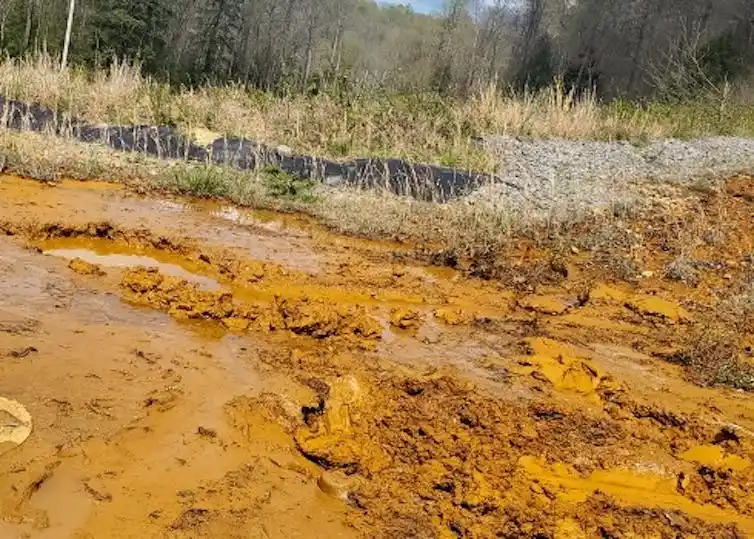
As we continue to drive industry forward and the human footprint carves a lasting mark on the planet, a growing global crisis demands urgent answers. Solution may very much lie within the tools that created the problem. New technologyechnology is coming to save the planet.

Science continues to come up with new ways to help the environment. You might have heard of plastic eating algae. Maybe you know about giant machines pulling CO2 out of the air. But there are some new technologies and older ones that are showing unexpected value when it comes to protecting the environment.

drones, seeds, forest, illegal logging, wildlife, technology, soil monitoring, human footprint
Hands hold a tree in digital globe. Image via Canva – Photo by Peach_iStock

These are 4 high-tech inventions that prove we can help the planet and not destroy it:

Drones seed forests and monitor illegal logging

forest, deliver seeds, oak, wild cherry, native, volunteers, deforestation, illegal logging, tropical rainforest, Amazon
Drone over forest. Image via Canva – Photo by Justin Wolfert

Drones have been used for war, used to deliver packages, and now used to deliver seeds. BBC wrote about a project designed to expand the rainforests in the South West of Bodmin. In about 8 hours, drones were able to seed 11 hectares of land with 75,000 seeds of oak, alder, wild cherry, birch, and hazel; all of which are native to the area. The project officer Sam Manning was quoted, “Drones are potentially much faster and cheaper at dispersing seeds than volunteers.” Also saying, “… many potential woodland creation sites are either too steep, unsafe or remote for people to plant or scatter seeds.”

These mini flying machines are also fighting the battle of deforestation and illegal logging. Amazon Conservation describes themselves as, “an organization using science and innovation to protect the Amazon.” They use drones to monitor parts of the largest tropical rainforest in the world. Gathering information and evidence, they work with local communities and governments to protect this critical environment necessary for a healthy planet.

Biodegradable Sensors

As advancements in technology have allowed us to monitor the pollutants in soils, take important data on wildlife, and measure general soil health, an unwanted outcome has been electronic waste. The solution lies in eco-friendly, biodegradable sensors. It Direction writes, “These sensors decompose naturally, reducing the environmental footprint.” The sensors are composed of material like cellulose, silk proteins, and magnesium. The results are promising moving us toward a cleaner world.

At the University of Glasgow they’re creating screen-printed, biodegradable soil sensors to help farmers improve crop yields. Phys Org explains, “The project aims to develop a complete system where the biodegradable sensors are powered by solar cells and supercapacitors also made from sustainable materials, enabling a fully environmentally friendly solution for precision agriculture monitoring.”

Solar farms
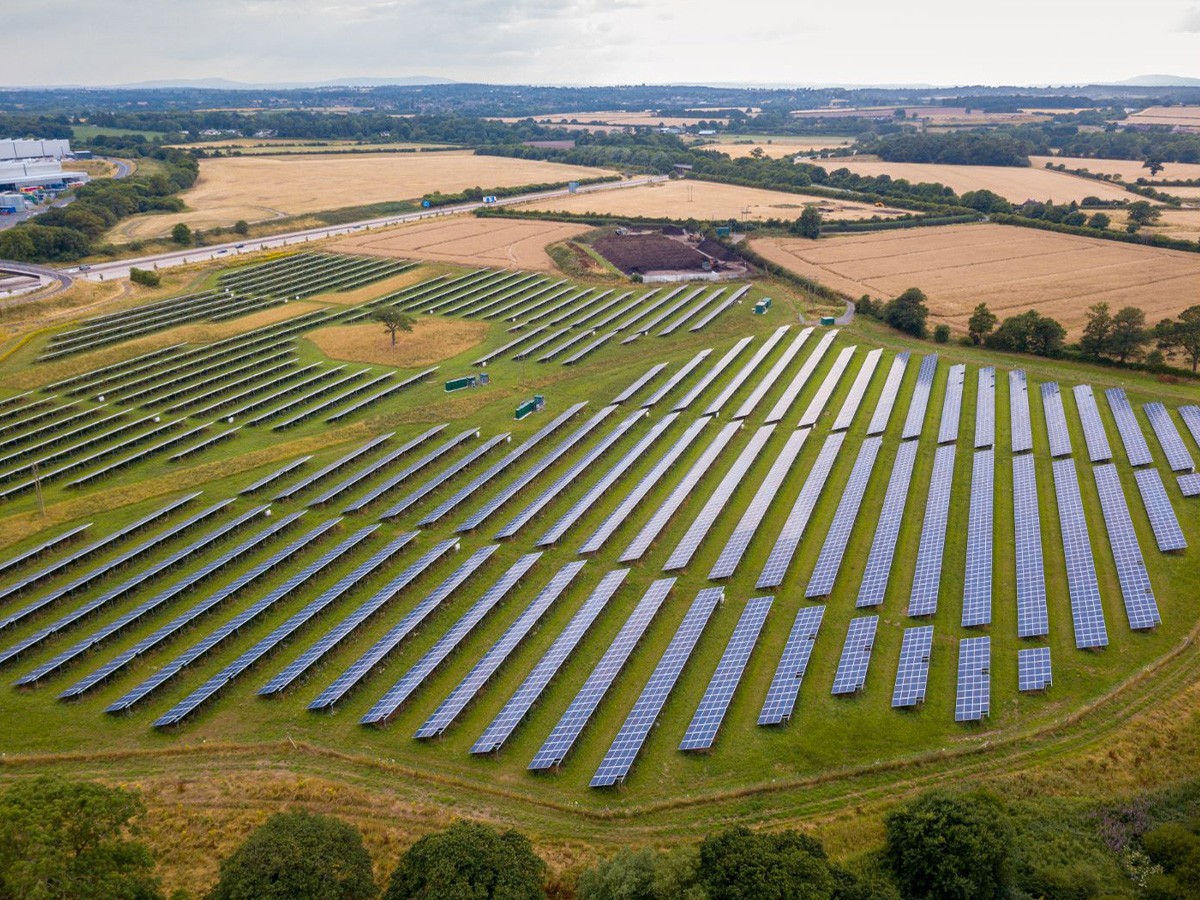
solar farm, source of energy, sunshine, wildlife, Germany, vegetation, insects, hectare, animal waste
Solar power farm. Image via Canva – Photo by leonard78uk

Another relatively new, green technology that finally shows sustainable promise is solar energy. California uses solar power more than any other source of energy for the state. This past year it surpassed natural gas as the main provider of electricity, and that trend will continue.

An unexpected benefit is some solar farms actually create safe environments for wildlife. A large solar park in Brandenburg, Germany has created a flourishing breeding ground for Larks and other bird species. An article by pv magazine reports that 21 to 47 breeding pairs can be found every 10 hectares. Birds are nesting between the rows and sheep keep the vegetation short. The animal waste brings diverse flora and insects to maintain healthy diets for the birds.

Robots restore coral reefs
coral reefs, robots, underwater robot, debris, algorithms, marine life, hydrothermal vents, advanced battery technology
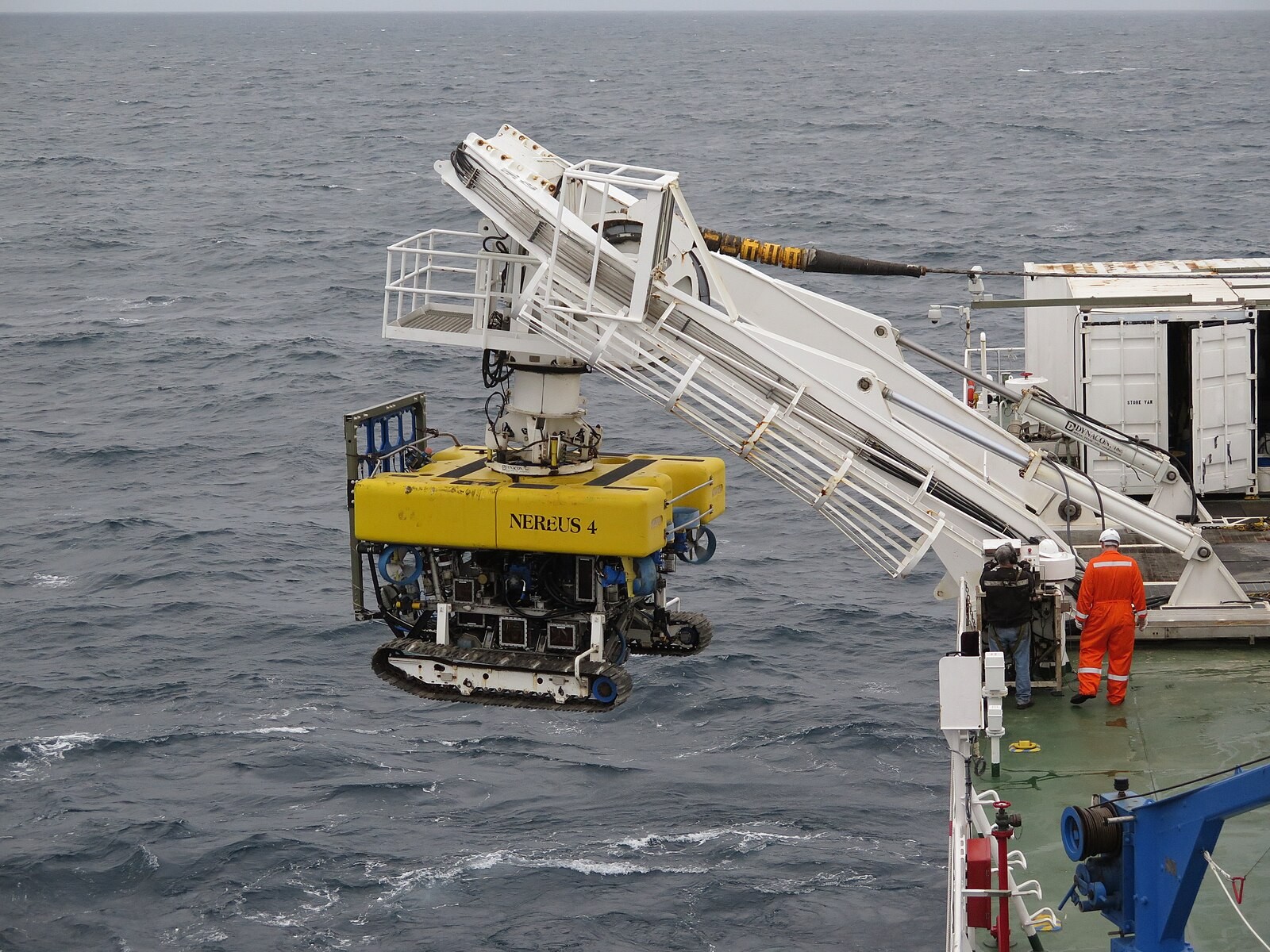
Launching the underwater robot from the CS Responder. Image via Wikimedia Commons under the Creative Commons Attribution 2.0 Generic – Photo by The Official CTBTO Photostream

Underwater drones are making a difference. Recent breakthroughs have robots replanting coral, removing debris, exploring hydrothermal vents, monitoring marine life, and operating in environments to deep and dangerous for human divers. Marine Biodiversity & Sustainability describes these new robots as operating more energy-efficiently and utilizing advanced battery technology that allows them to work longer.

Artificial intelligence executing advanced algorithms, allows the submerged robots to identify various types of waste and perform precise collection of debris. The article further states, “In pilot programs across various marine environments, automated cleanup systems have shown the ability to collect up to 500 kilograms of marine debris daily, operating with minimal human intervention and reduced environmental impact compared to traditional cleanup methods.”

Final Thoughts

We’ve been doing a lot of poisoning to this planet. Often we forget the damage we cause because the convenience is so high. The simple truth is most of us are completely incapable of making any radical changes. Changes that are necessary to turn things around.

Outside of signing a petition, marching against poor policy, or boycotting criminal polluting companies, the fear is there’s little for us to do. The hope is young aspiring scientists and experienced experts seeking to leave positive legacy, can create the technology that will right the wrongs. As long as we look toward healthy solutions, there is always hope.

  • Scientists have created a leather clothing alternative made entirely from mushrooms that looks and feels like the real thing
    Left: Mushrooms. Right: A model dressed in a leather jacket.Photo credit: Canva

    Austria’s scientists have created a leather made from mycelium. Growing mushrooms in low-oxygen chambers allows researchers to craft an alternative material that feels and looks like traditional leather. The finished textile is strong, flexible, and even fire-resistant.

    Manufacturers grow the material instead of harvesting it from animals. After it reaches the desired thickness, they apply non-toxic enzymes to keep it fully biodegradable. The vegetative part of the fungus grows into a dense mat over a matter of days. Above all, it avoids the environmental impact of traditional leather production.

    Alternative leather made from mushrooms

    This is not science fiction; fungal fabric has grown from a curiosity into reality. A 2025 report listed the benefits of mushroom leather as having a lower carbon footprint. It begins with a substantial reduction in water use. Growing mushrooms, compared to raising cattle, requires a fraction of the water.

    Secondly, the product breaks down naturally without microplastic contamination. Using enzymes that cross-link the fibers results in a material free of blended toxic materials.

    Moreover, by creating the right environment—a low-oxygen chamber with a nutrient-rich substrate—the mushroom mat can be grown in a matter of days.

    Lastly, mushroom leather is naturally fire-resistant. There’s no need for harmful chemicals to treat the textile. In addition, clean up requires mild soap and lukewarm water.

    A 2026 study in ScienceDirect confirmed the fungal mycelium as an eco-friendly alternative to traditional and synthetic leathers. It demonstrates structural integrity and favorable thermal stability.

    fungus, clothing materials,  environment, biodegradable, non-flammable, dense mat
    Mushroom leather.
    Photo credit: ThamaraGroenleer/ Wikimedia Commons

    Is the public ready for vegan leather?

    People have conflicting thoughts, as seen in the comments on the Instagram post. Some individuals are excited and encouraged by the possibilities. Others, however, are less impressed:

    “I’m ready for it. How do we buy it?”

    “Make it affordable and common!”

    “As long as the final product keeps being painted and coated with chemicals, the purpose of the product is merely green washing.”

    “bio degradable? sorry your shoes were eaten by mold after the rain.”

    “Where we can buy this leather?”

    “Unless we’re talking about aprons/gloves for welders or blacksmiths (which is a fairly niche market), flammability isn’t something most people that wear leather are concerned about.”

    fashion, sustainable materials, clothing, vegan leather, eco-friendly
    Materials and scissors.
    Photo credit: Canva

    Fashion looks for sustainable, yet affordable materials

    Fashion leaders are looking to incorporate more sustainable fabrics into their creations. A 2025 post on Open Forem explored material choices for leading industry fashion designers in 2025. For example, more familiar textiles like polyester, organic cotton, and wool made their traditional rounds. But there was an effort to use plant-based leathers, too.

    Mushroom mycelium leather was a hot choice for its low environmental impact, its short creation time, and its customizable texture and thickness.

    Other exotic materials included banana fibers, seaweed-based fabrics, and Piñatex, a natural, low-impact textile made from pineapple leaf fibre. Designers fashion the plant-based material into vegan handbags, shoes, and wallets.

    A 2026 article in Vogue revealed that Gucci seeks more sustainable ways to produce leather products. The luxury brand began a campaign for vegan alternative leather back in 2021.

    Despite commercial adoption remaining somewhat limited, mushroom leather continues to attract attention for its eco-friendly production and versatility. Grown on agricultural waste while remaining fully biodegradable are cornerstones of this remarkable material.

    You can watch this TED Talk on fashion made from mushrooms:

  • Scientists create environmentally friendly plastic replacement from shrimp shells
    Shrimp shells could become our new plastic.Photo credit: Canva

    Plastic waste has been a growing global issue for years. The United Nations Environment Programme says that 19 to 23 million metric tonnes of plastic waste leaks into lakes, rivers, and oceans each year. Given the threat microplastics pose to animal and human health, efforts to find green replacements have intensified—and they’re working. Scientists from Singapore and Spain have found a strong, potentially viable replacement for plastic made from shrimp shells.

    A research team based at the Singapore University of Technology and Design and the Institute for Bioengineering of Catalonia in Barcelona has made a biodegradable plastic alternative out of chitosan. Chitosan is a compound created by combining shrimp shells with trace amounts of nickel. It contains a structural molecule found in the shells of crustaceans and insect exoskeletons. Usually discarded as a waste byproduct of shrimp and crab processing, chitosan is commonly produced during seafood preparation and commercial fishing.

    The issue with chitosan, though, was that it weakens and dissolves in water. That is, until recently.

    How chitosan got stronger

    Dissolving chitosan flakes into a weak acetic solution and mixing them with dissolved nickel chloride and water produced surprising results. Scientists then poured the mixture into molds to dry. The process yields a thin, green-tinted film with the strength of commonly used plastics like polypropylene. Even better, when submerged in water, the film grows 50% stronger. This increased durability matches the characteristics of polycarbonate and PETG, plastics commonly used in commercial single-use water bottles.

    Researchers then stress-tested the chitosan material by molding it into cups and containers. They were able to confirm it could hold water without leaks. In terms of biodegradability, the chitosan material reached its half-life in four months in a standard soil burial test. By contrast, most commercial plastics can take centuries to decompose under similar conditions.

    Researchers found that this is not only a better biodegradable plastic alternative, but also one that produces zero waste during creation. When the chitosan/nickel film is submerged, about 87% of the nickel washes out. That wash water can then be reused again and again from one batch of chitosan to the next. According to the researchers, the nickel content of a single AAA battery would provide enough nickel to manufacture more than a dozen chitosan drinking cups.

    The potential future

    Rigorous testing to assess the material’s limits for medical use and consumption still needs to be done. That said, the Food and Drug Administration has already approved products containing chitosan and nickel individually in the past. Barring any troubling research about their combined safety, the outlook is quite positive for future use.

    Hopefully, seafood and battery waste can be reduced, helping lower plastic waste in a three-way win for the environment.

  • Plastic pollution is a global mess and bamboo could be our way to dig out of it
    A bamboo forest.Photo credit: Photo credit Canva

    Plastic pollution is a global mess and bamboo could be our way to dig out of it

    Eco-friendly materials that are actually affordable and sustainable.

    Plastic pollution is one of the most pressing environmental issues we face today. Conventional plastics are hard to replace because of their durability and low-cost production. Scientists are turning to nature to find new solutions.

    Researchers in China have developed a plastic created from bamboo. It maintains the strength and versatility of traditional plastics without producing the toxic byproducts. This fast-growing, renewable plant is a promising option for making eco-friendly, affordable, recyclable, and biodegradable materials.

    Biodegradable bamboo plastic

    Scientists from Northeast Forestry University have developed a remarkable two-step method transforming bamboo into a reliable plastic. First, they combined bamboo cellulose with a solvent made from zinc chloride and formic acid. The process makes the bamboo flexible. Secondly, they soaked this bamboo gel in ethanol. The gel then formed into a dense material known as bamboo molecular plastic, or BM-plastic.

    Using widely available chemicals at room temperature, the process produces no toxic byproducts, making for a cleaner approach to plastic production. This bamboo bioplastic is durable and still performs well for everyday plastic uses without losing performance. The 2025 study in Nature Communications reported that the eco-friendly plastic bends without snapping and is five times harder than ABS or PLA industrial plastics.

    Unlike traditional plastics, BM-plastic can be recycled or biodegrade naturally. When discarded in soil, it fully breaks down within 50 days. Or, the plastic can be redissolved back into a mix, reused, and retain 90% of its original strength.

    pollution, chemistry, recycling, environment, research, materials, green, cellulose
    Plastic littered beach and bamboo. Photo credit Canva

    BM-plastic is versatile and sustainable

    A 2025 study in MDPI highlights bamboo as one of the fastest-growing plants that are ecologically adaptable, rapidly renewable, soil-stabilizing, and have expanded industrial uses in construction and bioenergy. A 2025 study in Science Direct reported a short harvest cycle of 3-5 years compared to hardwoods, its adaptability to varied growing conditions, and a lower need for pesticides and fertilizers.

    Another great benefit from using BM-plastic is that it can be used in machines already creating plastic products. Injection molds can shape the plastic even for things like lampshades, decorative packaging, and gears. The durability suggests BM-plastic could replace conventional plastics used in construction, electronics, and cars. Testing revealed that after 7 days at 100 degrees Celsius, the temperature at which water boils, it showed no cracks. Strong acids didn’t damage the surface, as it remained unaffected.

    farming, manufacturing, affordablility, production costs, crops, timber, plantations
    Field of bamboo. Photo credit Canva

    Eco-friendly and affordable

    A Global Bamboo Resource Report in 2024 compiled data from governments and policymakers, revealing plantation statistics from 68 countries. It showed sustainable land-use and reliable economic development from bamboo cultivation. Grow Billion Trees reviewed bamboo farming economics that showed low establishment costs relative to traditional timber crops, fast rotation cycles, and emerging markets.

    Eco-friendly resources often fail because of the high cost of production and sustainability. Analysis of BM-plastic has a production cost of about $2300 per ton. Electricity costs are minimal because the creation process occurs at room temperature. A 2025 study in Science Direct revealed that petroleum-based plastics cost about $1,200 per ton. However, the Pew Charitable Trusts suggests the damage to health and climate could raise that level to as much as $2,400 per ton by 2040.

    Earth, future, evolution, children, planet health, community, culture, government
    Handing an Earth painted ball to a child. Photo credit Canva

    New inventions like bamboo plastic might be one of many necessary solutions to a pressing need for more eco-friendly and affordable production. Biodegradable, recyclable, and sustainable plastics could change the landscape for electronics, construction, and packaging. If scientific advances can create more tools to reduce pollution, future generations still might inherit a habitable planet.

Explore More Environment Stories

Environment

Scientists create environmentally friendly plastic replacement from shrimp shells

Environment

Plastic pollution is a global mess and bamboo could be our way to dig out of it

Environment

95.9 percent of all new car sales in Norway are now fully electric

Environment

Tiny, stingless bees in the Amazon just became the first insects in the world granted legal rights