Being fit used to mean getting enough sleep, drinking more water, and moving your body, perhaps in a daily walk. With the explosion of social media and digital self-help trends, finding an acceptable level of wellness can feel like stepping into a full-time job with daily performance reviews.
For many women, what started as self-care has slowly become another exhausting form of self-optimization. And increasingly, they’re pretty much done with it. According to Women’s Business Daily, one of the biggest wellness shifts happening right now is a move away from extreme routines. Women want habits that actually fit into real life.

Photo credit: Canva
Wellness feels like a full-time job
Instead of chasing perfection, more women are choosing what can be described as a more realistic approach to wellness, incorporating sustainable routines built around balance and emotional well-being rather than climbing a never-ending ladder of constant improvement.
The shift comes after a solid decade of what many refer to online as “optimization culture.” This exhausting idea assumes that every part of life needs to be carefully measured, improved, and optimized.
Experts believe this mindset is not only making people miserable; it’s unsustainable.
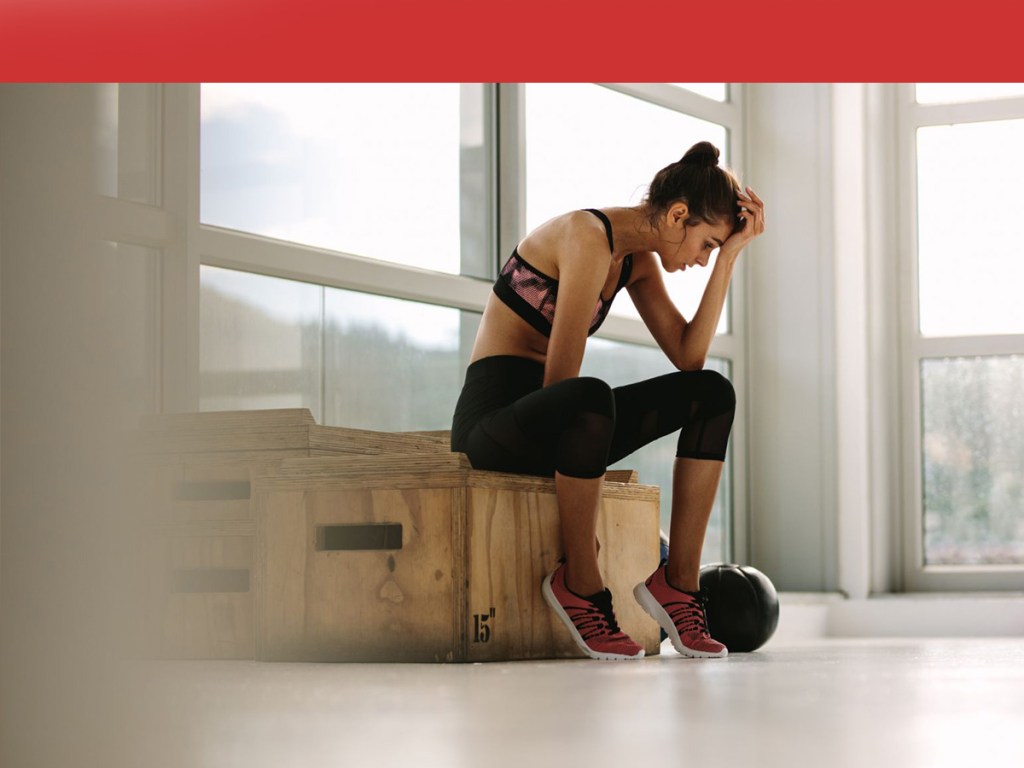
Photo credit: Canva
A backlash against the “always improve yourself” culture
A recent article in Psychology Today found that “wellnessmaxxing” trends turn self-care into another form of anxiety. This is especially true when routines become so demanding that people feel more guilt than relief. As creators post TikToks showing themselves “maxing out” in some kind of self-congratulation, they spread unhelpful expectations that no longer promote self-care.
Verywell Health explains that these influencers broadcast an all-consuming performance metric. People now face a painful realization that they can never do enough. It’s hard to miss the irony that wellness has begun to feel unhealthy.
Women are increasingly embracing low-pressure routines instead of overly aspirational ones. Think walks instead of cross-training, and a morning meditation instead of a week-long stay at a Tibetan monastery. It’s okay to just eat more vegetables instead of a perfectly balanced daily nutrition plan of 150 grams of protein, wheatgrass smoothies, and specifically rated pH-balanced alkaline water.
After all the extreme exercises, self-help books, and sophisticated meal plans, it’s time to get back to basics. Here’s one version of a realistic plan: drink some water, get outside, and try to sleep a little better.

Photo credit: Canva
Getting back to the basics
A beauty editor writing for Who What Wear documented her attempt to follow a social-media-inspired wellness reset. With all the expensive and complicated habits she hoped would unlock the “incredibly high-functioning, ultra-productive version” of herself, she came away understanding that she should stick with the basics.
Modern life already asks women to juggle careers, caregiving, appearance standards, finances, and relationships. Somewhere along the journey, wellness became just one more category to add to the pile.

Photo credit: Canva
Women are choosing simple, sustainable routines
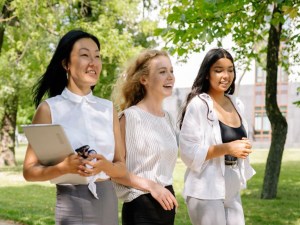
Finding realistic wellness is a trend that reflects a growing desire for community-centered wellness rather than isolated self-improvement. Instead of wellness looking like a solo pursuit for an achievement award, many women are leaning toward connection: walking groups, shared meals, accountability with friends, and being honest about feeling burned out on all of it.
The Times reports that people feel walking groups are less intimidating and more emotionally supportive. People don’t just want fitness; they want to belong to something.
A 2025 study in Frontiers in Psychology focused on the benefits of women finding social support groups. Programs that incorporated women’s preferences into their daily lives were more likely to be enjoyed and maintained.
Wellness cultures have told women the answer is to do more: more discipline, more self-reflection, more perfect sleep, more work dedication, more family direction, more effort.
Making life more enjoyable and realistic can help well-being feel easier to maintain. A joyful life is better lived “in” than constantly measured “against” unrealistic expectations.