

As health care costs rise, patients aren’t just shouldering higher bills. They’re bearing more and more responsibility for getting information.

Americans are facing a health care affordability crunch on multiple fronts. In 2025, the Republican-controlled Congress approved a sweeping tax law that scaled back premium subsidies for Americans accessing care through the Affordable Care Act starting in 2026. As a result, millions on ACA plans now face much higher premiums, with many dropping out or expecting to drop out and risk going uninsured as premiums surge. By March 2026, about 1 in 10 people on ACA plans had dropped out, and that share is expected to rise.

Meanwhile, high-deductible insurance plans have become more common, requiring patients to pay thousands of dollars before coverage fully kicks in. The rise of those plans, along with surging drug prices and the growing share of Americans who are under- or uninsured, means that medical debt remains a leading source of financial strain.

Nearly half of U.S. adults now report difficulty affording health care. Together, these shifts are accelerating the “consumerization” of health care. Patients now have the ability to comparison shop, evaluate options and manage costs – but often without clear pricing. In this environment, knowing how to ask the right questions may be one of the most important tools patients have.

We are professors who study how perceptions of health care costs shape patients’ decisions about their care. Our research examines how factors such as price-transparency regulations influence patient choices. Across our work, we consistently hear from patients about rising costs and how conversations about price with their providers too often never happen.

Why speaking up about cost matters

When one of us took our child to the doctor for pink eye, the pediatrician quickly sent a prescription for antibiotic drops to the pharmacy. At the pickup, the pharmacist dropped the news that the drops would cost more than US$300. A follow-up phone call to the doctor’s office, however, yielded important information: A generic version of the same medication offered the same treatment and the same results, but at a fraction of the price.

That quick phone call saved her a lot of money. It also raised a broader question: Why don’t more people have these conversations about cost? In fact, one study shows that cost conversations occur in only about 30% of medical visits.

These discussions aren’t just for medications. They can be crucial when a recommended procedure has multiple alternatives; when out-of-pocket costs might affect whether you follow through on care; or when a sudden medical bill could create financial strain. Speaking up about price can help patients stay healthier and avoid the all-too-common trade-off between medical care and household expenses.

The study mentioned above also found that doctors and patients identified ways to reduce out-of-pocket costs – such as switching to a generic drug or adjusting the timing of care – in nearly half of those cases. Importantly, these conversations were typically brief and did not compromise the quality of care, the researchers found.

Patients actually prefer doctors who bring up costs, other research has found. Still, most patients remain hesitant. While a majority say they want to discuss cost, only a minority actually do, often waiting until a bill arrives – often when it’s too late to consider alternatives. That’s why it’s important that consumers feel empowered to ask the right questions. Here are three that can help make care more affordable.

A close-up of a person's hands, with pen in one, going over a complicated medical billing form.
A patient works on a medical billing form. Mael Balland on Unsplash.CC BY

Is there a generic or lower-cost alternative?

One of the simplest ways to reduce drug costs is to ask whether a less expensive option is available. Brand-name medications can cost significantly more than generics, even when they are equally effective. One industry survey estimated that 90% of all prescriptions filled in 2024 were generic or biosimilar, but these accounted for only 12% of drug spending.

In many cases, physicians can substitute a generic drug or recommend a similar treatment that achieves the same outcome at a lower price. And when no direct generic exists, there may be therapeutic alternatives worth considering. For example, if a brand-name eye drop or inhaler isn’t available in generic form, doctors can often prescribe a different medication in the same class that works just as well but costs far less. Research on physician–patient cost conversations shows that switching to lower-cost, clinically similar alternatives within the same drug class is a common strategy for reducing out-of-pocket spending without compromising care.

Is there any financial assistance available?

Some hospitals and large health systems have specific programs aimed at making care more affordable for lower-income patients. In many states, government programs address this same goal. These programs often offer discounts on care, but they can be complex to navigate and require significant paperwork. Many health care offices have staff who are knowledgeable about these programs and can help patients determine eligibility and sometimes even assist with applications, although the Trump administration has cut funding.

Patients can often find these programs through hospital or health system websites, which typically include financial assistance or “charity care” pages outlining eligibility and how to apply. State Medicaid offices and insurance marketplaces are also key entry points for coverage and subsidy programs. Nonprofit organizations and patient advocacy groups may also offer or list assistance tailored to specific conditions or medications.

It’s also important to remember that for prescription medications, what you’re quoted isn’t always the final price. Many medications come with options to reduce costs, including manufacturer coupons, copay assistance programs and patient assistance programs. Doctors’ offices and pharmacists may also know practical ways to save money, such as using a different pharmacy, switching to mail order or adjusting how a prescription is written. Asking about these options can uncover savings that aren’t immediately obvious.

What will this cost me, and are there other options?

Health care pricing is often opaque, and costs can vary widely depending on where and how care is delivered. Asking up front about your expected out-of-pocket cost can help you avoid surprises later.

This question also opens the door to alternatives. For example, patients may be able to choose a lower-cost imaging center, opt for outpatient rather than hospital-based care, or delay nonurgent services until insurance coverage improves.

Speaking up is part of taking care of your health

Health care decisions shouldn’t feel like a choice between your well-being and your wallet. A brief, honest conversation about cost can lead to more affordable and more sustainable care.

Physicians can’t address financial concerns they don’t hear about, and most want to help their patients access care they can realistically follow through on. As costs continue to shift toward the patient’s burden, asking these questions isn’t just helpful – it’s essential.

The next time you’re handed a prescription or a referral, remember: One simple question about price could make all the difference.

This article originally appeared on The Conversation. You can read it here.

  • What does the appendix do? Biologists explain the complicated evolution of this inconvenient organ
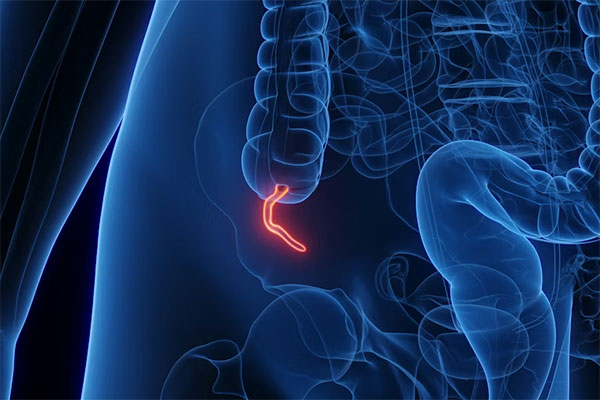
    Photo credit: Sebastian Kaulitzki/Science Photo Library via Getty ImagesMost people get acquainted with their appendix when it’s inflamed and about to rupture.
    ,

    What does the appendix do? Biologists explain the complicated evolution of this inconvenient organ

    It may be inconvenient, but the appendix is no evolutionary mistake.

    Most people know only two things about the appendix: You don’t need it – and if it bursts, you need surgery fast.

    That basic story traces back at least to Charles Darwin, the English naturalist who developed the theory of natural selection. In “The Descent of Man,” he described the appendix as a vestige: a leftover from plant-eating ancestors with larger digestive organs. For more than a century, that interpretation shaped both textbook and casual medical wisdom.

    But the evolutionary story of the appendix turns out to be much more complicated.

    Along with our colleague Helene M. Hartman, a student preparing for a career in health care, we combined our expertise in behavioral ecologybiology and history to review the scientific literature on the appendix, expecting a simple answer.

    Instead, we found an organ that evolution kept reinventing, more interesting than most people imagine.

    How did the appendix evolve?

    The appendix is a small pouch branching off the first section of the large intestine. Its shape and structure vary widely across species – a clue that evolution may have tinkered with it more than once.

    Some species, including certain primates such as humans and great apes, have a long, cylindrical appendix. In others, including several marsupials such as wombats and koalas, the appendix appears shorter or more funnel-shaped. Still others, including some rodents and rabbits, have differently proportioned or branching structures. This structural diversity suggests that evolution has modified the organ under different ecological conditions.

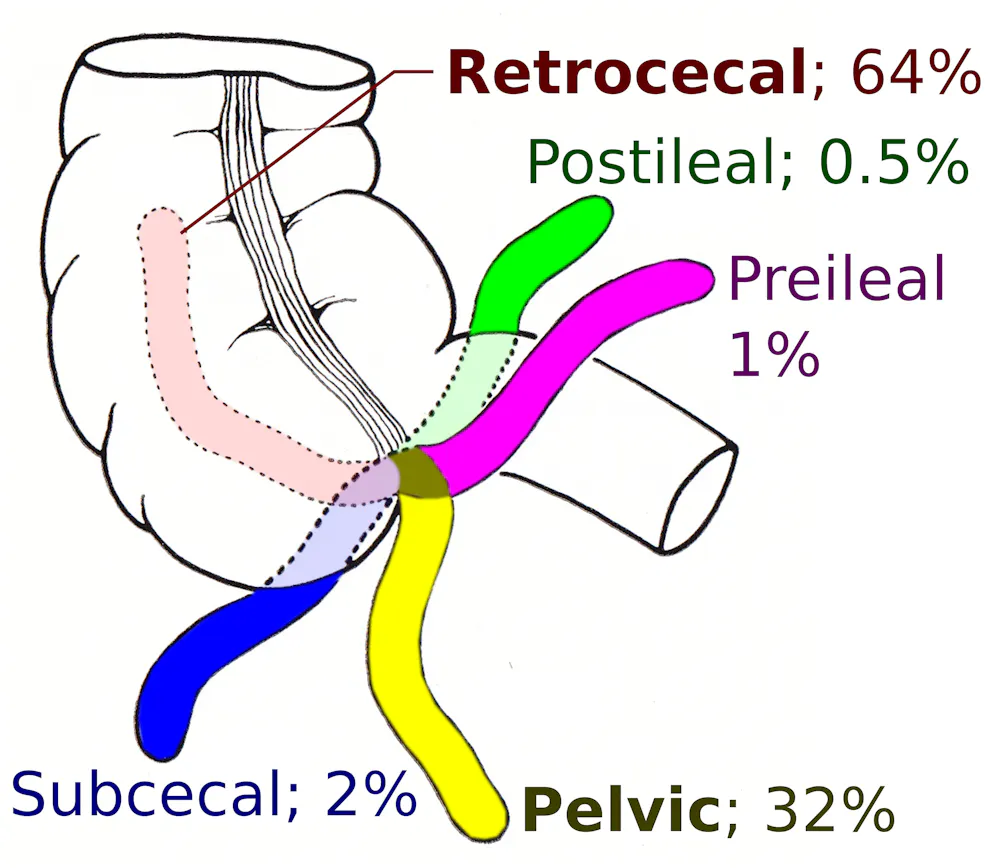
    Diagram of a segment of the small intestine with fingers of the appendix oriented in various degrees
    The appendix can be oriented in the body in multiple ways. Mikael Häggström, M.D./Wikimedia Commons

    That suspicion is supported by evolutionary analyses. Comparative studies show that an appendix-like structure evolved independently in at least three distinct lineages of mammals – marsupials, primates and glires, a group that includes rodents and rabbits. A broader evolutionary survey found that the appendix evolved separately at least 32 times across 361 mammalian species.

    When a trait evolves repeatedly and independently, biologists call this convergent evolution. Convergence does not mean a structure is indispensable. But it does suggest that, under certain environmental conditions, having that structure provided a consistent enough advantage for evolution to favor it again and again.

    In other words, the appendix is unlikely to be a useless evolutionary accident.

    What does the appendix do?

    The appendix supports the immune system. It contains gut-associated lymphoid tissue – immune cells embedded in the intestinal wall that help monitor microbial activity in the gut. In early life, this tissue exposes developing immune cells to intestinal microbes, helping the body learn to distinguish between harmless symbionts and harmful pathogens.

    The appendix is particularly rich in structures called lymphoid follicles during childhood and adolescence, when the immune system is still maturing. These immune components participate in mucosal immunity, which helps regulate microbial populations along the intestinal lining and other mucosal surfaces. Lymphoid follicles produce antibodies, such as immunoglobulin A, to neutralize pathogens.

    Researchers have also proposed that the appendix acts as a microbial refuge. Some have suggested that biofilms – thin, structured communities of bacteria – line the appendix. During severe gastrointestinal infections that flush much of the gut microbiome from the colon, beneficial bacteria sheltered within these biofilms may survive and help repopulate the intestine afterward. Those beneficial microbes assist with digestioncompete with pathogens and interact with the immune system in ways that reduce inflammation and promote recovery.

    These hypotheses motivated a question our team explored: If the appendix helps preserve microbial stability, could removing it subtly affect reproductive fitness?

    Older clinical concerns suggested that appendicitis or appendectomy might impair fertility by causing inflammation and scarring – known as tubal adhesions – in the fallopian tubes. Such scarring could physically obstruct the egg’s passage to the uterus. But several large studies have since found no decrease in fertility after appendectomy – in some cases, researchers found a small increase in pregnancy rates.

    The appendix appears to have multiple functions, including immune and microbial ones. Affecting fertility, however, does not seem to be one of them.

    Evolutionary importance and modern life

    While the appendix has an interesting past, with evolution continually reinventing it, its modern importance is modest at best. Darwin underestimated the organ’s history, but his instinct wasn’t far off in the medical present: Some parts of human biology mattered more in the environments people evolved in than in the lives they lead today.

    Early humans lived in environments with little sanitation and strong social contact – perfect conditions for outbreaks of pathogens that cause diarrhea. An appendix that quickly restored the microbiome after infection could significantly improve survival. But over the past century, clean water, improved sanitation and antibiotics have sharply reduced deaths from diarrheal diseases in high-income countries.

    As a result, the evolutionary pressures that once favored the appendix have largely disappeared. Meanwhile, the medical risks of keeping the appendix – most notably appendicitis – remain. Modern surgery typically treats an infected appendix by removing it. A structure that was once a global evolutionary advantage is now more of a medical liability.

    This mismatch between past adaptations and present environments illustrates a core principle in evolutionary medicine: Evolution optimizes for survival and reproduction in ancestral environments, not for health, comfort or longevity in modern ones.

    Evolution operates at the level of populations over generations, favoring traits that increase average reproductive success, even if those traits sometimes harm individuals. Medicine works the other way around – helping individuals thrive in the present world rather than survive the past one.

    The appendix is not an IKEA spare part included “just in case,” but neither is it essential today. Human biology has many traits that were once beneficial, now marginal – and understanding them allows medicine to make better modern decisions.

    This article originally appeared on The Conversation. You can read it here.

  • Researchers are blowing people’s minds after revealing the ideal shower length
    Photo credit: CanvaA man washes his hair in the shower
    ,

    Researchers are blowing people’s minds after revealing the ideal shower length

    “In general, you really only need soap in your armpits, your groin, and your feet.”

    Some doctors now believe you should be spending even LESS time in the shower than previously thought. Admittedly, I was already shocked when I found out a while back that the average shower should take only eight minutes. But upon reflection, it made sense. While hot showers can feel relaxing, we obviously need to be conscious of our resources, no matter where we live in the world.

    But a recent piece by Pang-Chieh Ho called “You Could Be Showering Too Long,” published in Consumer Reports, claims that showers should really only be around five minutes, seven at the most. Just shaving off a couple of minutes can help tremendously with conservation. “For people in the U.S., the average shower lasts about 8 minutes, according to the Environmental Protection Agency. That’s 20 gallons for every average shower, given that the standard showerhead uses around 2.5 gallons of water per minute.”

    Experts say your shower might be too long

    dermatologist advice, skin health, personal hygiene, daily routine, wellness, environmental impact, clean living
    A woman washing her hair in the shower. Photo credit: Canva

    And it’s not just because of the environment. Our skin can dry out more quickly than some might think. Dermatologist Lisa Akintilo, MD, is cited as saying, “It’s true that long, hot showers may feel restorative, but they can dry and irritate the skin.”

    An article in Time magazine, “How Much Do You Actually Need to Shower?” by Angela Haupt, reveals that some doctors say you can skip even the five-minute daily shower, though they admit, “there’s no one-size-fits-all equation.” Dermatologist at NYU Langone Health, Dr. Mary Stevenson, suggested, “Ideally, I think people should shower at least every other day. Most people, by day two or day three, are not clean. But it’s a little bit personal.” She later added, “In general, you really only need soap in your armpits, your groin, and your feet.”

    “You probably don’t need to be in the shower as long as you are. You’re no cleaner—it’s just for your psychological health or for your routine.”

    – Philadelphia dermatologist Dr. Jules Lipoff

    Some people on Reddit disagree. In a thread called “On average, how long do you take to shower?” many admitted that long showers are a guilty pleasure. A few people answered 45 minutes to an hour. One even claimed they showered for “light years,” though someone quickly pointed out that “light year” was a measurement of distance, not time.

    @themakeshiftproject

    HOW LONG IS TOO LONG?? Shouldn’t Be Longer Than 5 Minutes! #fyp #shower #routine #bathroom #people #clean

    ♬ Otra Vez – ProdMarvin

    One noted that there are variables in play. “Depends on how many shower beers.”

    Another measures the length of time in music. “Two Spotify songs,” they insisted.

    People online still love their long showers

    Man singing in shower
    A bearded man singing in his shower with a microphone. Photo credit: Canva

    One Reddit user got vulnerable about the mental benefits of a hot shower. “The mean and the median probably differ quite a lot for me. The vast majority of my showers do not exceed 20 minutes, but I’ve had some depression showers or anxiety showers or whatever you wanna call them where I stayed in for over an hour.” Another commenter put it less delicately: “Until I can no longer feel the pain of life.”

    And lastly, this person didn’t mince words but mentioned the temperature variable. “If it’s a hot shower, no less than 30 minutes. If it’s a cold shower, I scrubba dubba the F out of there in less than three.”

    This article originally appeared two years ago. It has been updated.

  • Menstrual pads and tampons can contain toxic substances – here’s what to know about this emerging health issue
    Photo credit: zoranm/E+ via Getty ImagesStudies have found small amounts of toxic heavy metals and other potentially harmful substances in some menstrual pads and tampons.

    About half of the global population menstruates at some point in their lives. Disposable products, such as tampons and pads, are some of the most popular products used around the globe to manage menstrual flow.

    Unfortunately, studies have shown that many personal care products, including shampoo, lotion, nail polish and menstrual products, contain hazardous chemicals. Items used in or near the vagina are of particular concern because they are in contact with vaginal mucous membranes – the moist tissue lining the inside of the vagina that secretes mucus. These tissues can absorb some chemicals very efficiently.

    People use menstrual products 24 hours a day for multiple days monthly, over the course of many years. Tampons, which are used internally, are surrounded by the permeable vaginal mucous membrane for up to eight hours at a time.

    I am an environmental epidemiologist, and I study chemical exposure, its sources and its health effects. As a person who menstruates, I also must make my own decisions around menstrual products and manage the challenge of finding accurate information about women’s health risks, which receive less research attention and funding than men’s health.

    In 2024, I co-authored the first paper that detected metals in tampons, including toxic metals like lead and arsenic. My colleagues and I also wrote a review paper that surveyed the scientific literature and found about two dozen studies measuring chemicals in menstrual products.

    The various chemicals that these studies detected were typically at concentrations low enough to make their health impact unclear. However, they included chemicals known to disrupt the endocrine system, which makes and controls hormones that are essential for bodies to function.

    How contaminants get into menstrual products

    The first modern tampon in the U.S. was patented in 1931. Nearly a century later, tampons still are made primarily from cotton, rayon or a blend of the two.

    Chemicals may get into tampons and other menstrual products in a number of ways. Some chemicals, like heavy metals, are present in soil, either naturally or due to pollution, and may be absorbed by cotton plants.

    Other chemicals, such as zinc, may be intentionally added to menstrual products to prevent the growth of harmful bacteria. Still others, such as phthalates – synthetic chemicals used to manufacture plastics – may leach into menstrual products from plastic packaging or be added as part of a fragrance.

    Research suggests that these chemicals are present in a large proportion of menstrual products – we found lead present in all 30 tampons we tested. What we don’t yet know is if these chemicals can get into people’s bodies in a high enough concentration to cause health effects in either the reproductive system or elsewhere in the body.

    Limited federal regulations

    The U.S. Food and Drug Administration regulates tampons, menstrual cups and scented menstrual pads as Class II medical devices, which carry moderate to medium risk. Unscented menstrual pads are Class I medical devices, which are considered low-risk. These categories are based on the risk the device may present to a consumer who uses it in the intended way.

    FDA guidance for Class II devices offers only a few general guidelines with respect to chemicals. For menstrual tampons and pads, it recommends – but does not require – that products should not contain two specific dioxin products or “any pesticide and herbicide residues.” Dioxins are a chemical by-product of the bleaching process to whiten cotton, and they are associated with cancer and endocrine disruption. Using non-chlorine bleaching methods can reduce dioxin formation.

    The most stringent regulation of tampons in the U.S. occurred after an illness called toxic shock syndrome became a public concern in the 1970s and 1980s. Menstrual toxic shock syndrome occurs when the bacteria Staphlococcus aureus grows in the vagina on inserted menstrual products and releases a toxin called TSST-1. This substance can be absorbed through the vaginal mucosa and cause a variety of symptoms, including fever, high blood pressure, shock and even death.

    During this epidemic, in which at least 52 cases were recorded and seven people died over a period of eight months, tampons were associated with the syndrome – especially a highly absorbent tampon called Rely, which was pulled from the market.

    In response, the FDA created a task force that recommended standardizing the tampon absorbencies and advised consumers to use the lowest absorbency for their flow. This is why tampons in the U.S. now come in a range of absorbencies, from light through regular to super and ultra, so that users can choose the level they need while minimizing risk of toxic shock.

    Living in a ‘soup of chemicals’

    Just because a chemical is present in a menstrual product doesn’t mean it can get into the body. However, chemicals like lead and arsenic are known threats to human health. So it’s important to study whether harmful chemicals present in menstrual products could contribute to health problems.

    Humans in the modern world live in what expert toxicologist Linda Birnbaum, former director of the National Institute of Environmental Health Sciences, calls a “soup of chemicals.” Simply being present on Earth means being exposed to many chemicals, at different concentrations, all at once. This makes it difficult to unravel the relationship between a single chemical exposure and health.

    Nonetheless, science has shown that chemical exposure from at least one menstrual product – vaginal douches – does affect health. Vaginal douching is the process of washing or cleaning the inside of the vagina with water or other fluids.

    The American College of Obstetricians and Gynecologists recommends avoiding this process, which can harm healthy bacteria in the vagina, increasing the risk of vaginal infections and other diseases.

    In addition, a 2015 study found that women who use vaginal douches have higher concentrations of a chemical called monoethyl phthalate in their urine. Exposure to this substance is associated with reproductive health problems, such as reduced fertility and increased pregnancy risk.

    Can these chemicals be absorbed?

    Scientists are working now to determine what concentrations of metals and other chemicals can leach out of tampons and other menstrual products. One 2025 study estimated that volatile organic compounds, a group of chemicals that vaporize quickly, can be absorbed through the vaginal mucosa. Volatile organic compounds may be added to menstrual products as part of fragrances, adhesives or other product components.

    My team and I are now shifting our focus to the relationship between menstrual product use, various chemicals, and menstrual pain and bleeding severity. We want to see whether some chemicals will be elevated in menstrual blood, whether these chemical levels are higher in people who use tampons, and whether the chemicals are associated with greater menstrual pain and bleeding.

    States are starting to act on this issue. For example, in 2024, Vermont became the first U.S. state to ban multiple chemicals from disposable menstrual products. California bans PFAS, a widely used group of highly persistent chemicalsfrom menstrual products. New York adopted a law in December 2025 barring multiple toxic chemicals from menstrual products.

    California also enacted a law in October 2025 that requires manufacturers of disposable tampons and pads to measure concentrations of arsenic, cadmium, lead and zinc in their products, and to share those measurements with the state, which can publish them. More information like this will help support informed choices for millions of consumers who rely on menstrual products every month.

    This article originally appeared on The Conversation. You can read it here.

    conversationpixel

Explore More Care Stories

Health

What does the appendix do? Biologists explain the complicated evolution of this inconvenient organ

Health

Researchers are blowing people’s minds after revealing the ideal shower length

Health

Menstrual pads and tampons can contain toxic substances – here’s what to know about this emerging health issue

Care

Doctor shares ‘realistic’ 3-step practice to beat seasonal depression