Americans have this strange love of British accents—so much so that even when someone is speaking absolute gibberish, we find ourselves transfixed and absurdly trusting them.
Tawny Platis, a professional voice actor and content creator, expertly captured the phenomenon in her YouTube video, “Why Americans Love This Accent.” In the video, she analyzes why Americans find Billy Butcher’s voice so compelling despite the character’s violent and morally chaotic behavior on the TV show The Boys.
Americans trust and love rough, working-class British masculinity
“So Karl Urban is a New Zealander doing a Cockney, working-class, East End London accent,” Platis explained. Regardless of how well the actor nails the accent for his character, Butcher, Americans buy right into it anyway. “That’s because working-class English masculinity is coded in American media as authenticity,” she added.
She goes on to give examples to help substantiate her point: “Every Guy Ritchie movie, British gangster film, and working-class antihero from Michael Caine to Tom Hardy has trained American audiences to hear that voice as unfiltered and honest.”
A 2024 study published in SAGE Journals found that listeners unconsciously form social biases based on accents. People rapidly make assumptions about personality and identity.

Photo credit: Canva
Make ordinary information sound important
The accent becomes a shortcut the brain uses to make immediate decisions about intelligence, honesty, confidence, warmth, and even competence. When it comes to characters like Butcher, the key detail isn’t so much the “Britishness” itself—it’s the association.
“Butcher is using the working-class Brit voice to showcase honesty,” Platis said. “Butcher is a liar who manipulates Hughie, hides things from his team, and is willing to take out children. But the audience keeps forgiving him because his voice sounds like a man who’s earned the right to do all that, when he very much hasn’t.”
Psychologists believe part of this effect comes from something called “processing fluency.” A 2023 study published in Scientific Reports found that increased exposure to certain accents reduced listeners’ cognitive effort. As a result, people made more positive social judgments about the speaker.
Accents that feel familiar after years of movies, television, and media unconsciously influence people. Audiences automatically attach credibility and trustworthiness to them. Simply put, people mistake familiarity for truth.
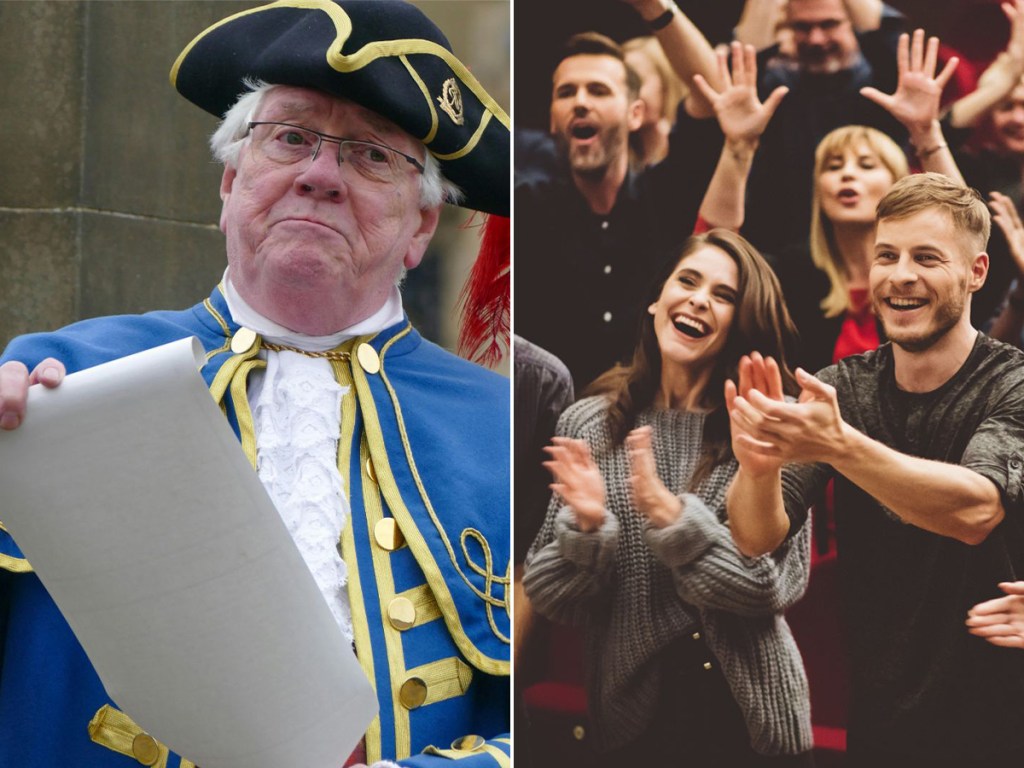
A 2024 study found that Americans rate the standard British accent most positively, strongly associating it with traits like intelligence, status, and competence. The Northern English accent is viewed slightly less favorably. Scottish accents are considered strong and friendly. Meanwhile, the Welsh accent falls somewhere in the middle, depending on how well the listener recognizes it.

Photo credit: Canva
Accent bias sways people’s opinions
The same instinct that makes one accent sound “trustworthy” can also make another sound “unreliable.” In real-world interactions, working-class accents can be perceived as less intelligent or less educated. This can affect hiring decisions and even workplace promotions.
A 2024 study focusing on “Americanness” found that accented speakers were perceived as “less American.” In simulated hiring scenarios, they were less likely to be hired, demonstrating that an accent can override other judgments.
When a person speaks, people instantly begin building a story about who they are. Many decide whether a voice sounds trustworthy long before consciously realizing it. Platis points out that a lifetime of exposure to social media, movies, and television has shaped that perspective.
“Butcher’s accent is the most effective because it’s the only one many viewers don’t even recognize as a performance,” Platis said. Which basically means somewhere out there right now, a confident British accent is talking nonsense that feels totally believable.