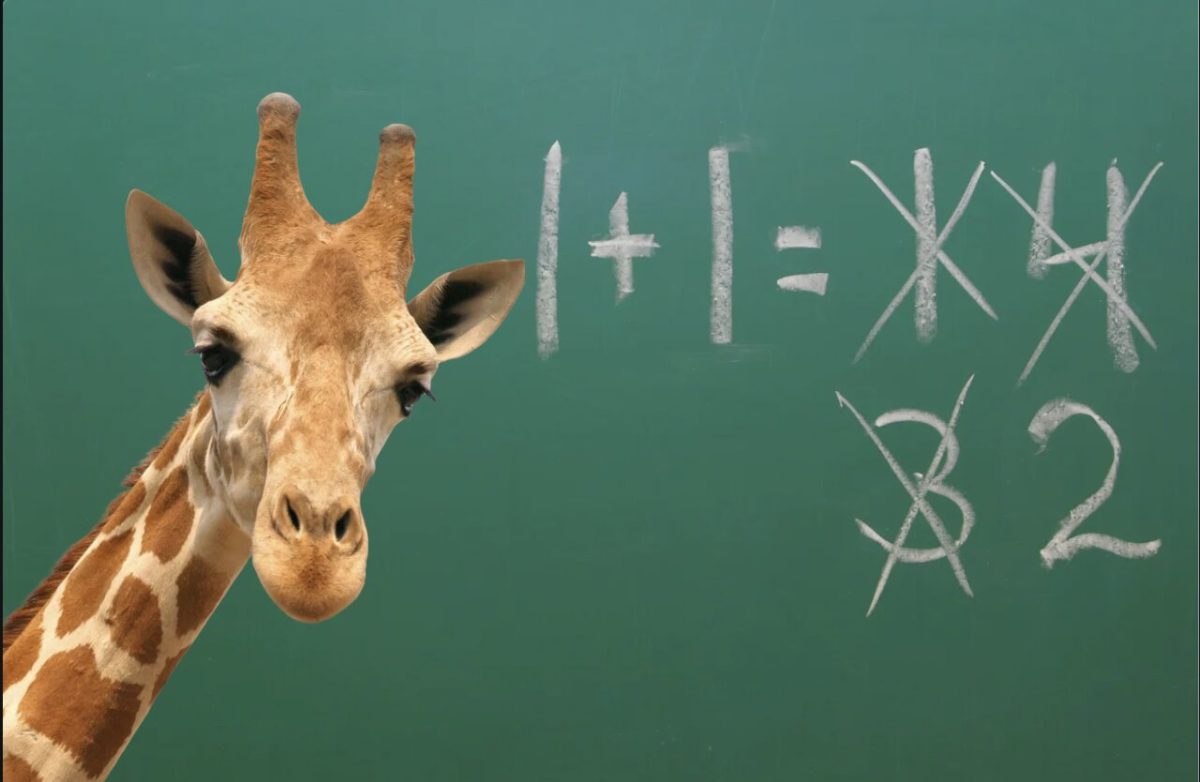
The results of an experiment done in a Barcelona zoo suggest that giraffes are capable of doing basic mathematics.
A group of researchers from the University of Leipzig, the Max Planck Institute for Evolutionary Anthropology, and the University of Barcelona published their study observing four giraffes at the Barcelona Zoo. The experiment involved the giraffes observing containers that had different amounts of carrot pieces inside.
How did this experiment work?
The researchers showed each giraffe the two yellow containers and the amount of carrots within each one. After a few seconds, they closed the containers, keeping the carrots out of sight. They then showed each giraffe a green container which had extra carrots inside. Researchers took the carrot pieces from the green container and placed them into one of the closed yellow containers. They then let each giraffe independently choose which of the two closed yellow containers they preferred, without them seeing the total number of carrot pieces within each box.
The results found the giraffes would choose the container that had the most carrot pieces around 68% of the time. This suggests to the scientists that the giraffes were mentally adding the carrots up in each container before making their choice. After all, there have been past studies suggesting that other hoofed mammals, such as horses, had similar capability of basic quantity tracking.
The researchers did the experiment again. Only this time they subtracted the amount of carrots in each container. The giraffes were mostly unsuccessful at finding the container with the most pieces. So while giraffes showed signs of knowing addition, they don’t quite process all forms of arithmetic.
Math = Survival
Scientists believe that this understanding of addition helped giraffes survive in the wild. They cite that acacia trees, a dietary staple for wild giraffes, can be spread far apart in Africa. Being able to figure out which area has the most trees and the most leaves can help them decide where to graze next.
Giraffes also live in flexible groups that often change in size. One grouping can mix in with another group and then branch off or away. This means that the giraffes often have to keep track of those currently within their group and surroundings to survive.
Can other animals do math?
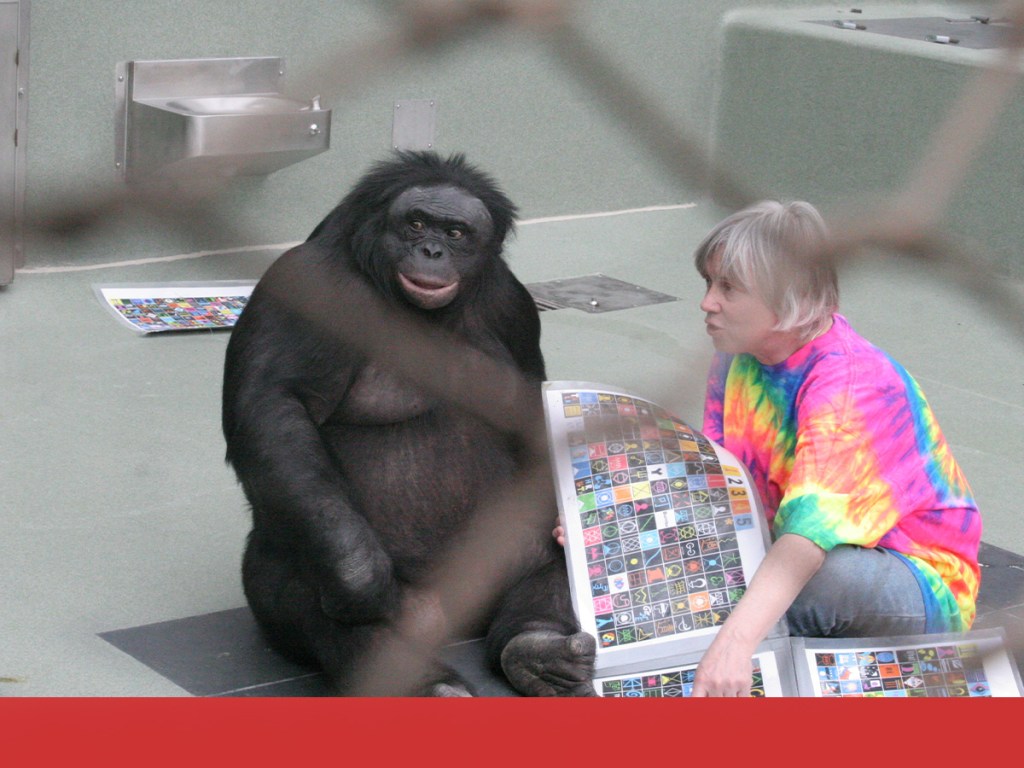
Giraffes are just the latest animal species known to have some form of mathematical skill. Chimpanzees displayed similar abilities to count as giraffes in a similar experiment that involved them picking the bowl with the most chocolate pieces rather than carrots. Chickens and black bears also showed aptitude in quantity tracking, too.
Scientists theorize that most of the animals that can do this basic math through evolutionary survival. After all, the animal that can deduce where more food is tends to live longer.
One species that displays remarkable mathematical ability are Tunisian desert ants. An observation of their navigational skills of finding their way to food and back to their nest suggests they use the sun as a compass in combination with mentally keeping track of the number of steps they take in a three-dimensional space. In short, these desert ants possess basic geometric and trigonometry skills.
While you wouldn’t want wild animals to calculate your taxes, it’s interesting to see how rudimentary math is a language that goes beyond species.