Licensed therapist Jeffrey Meltzer offers three steps for dealing with rude people. In his helpful TikTok post under the name therapytothepoint, he suggests helpful tactics that go far beyond setting simple boundaries.
Rude people are almost impossible to avoid, and the instinct to snap back or make a passive-aggressive remark can be strong. Meltzer shares some practical mental health advice that can lead to a calmer resolution.
It Begins With Emotional Regulation
Some individuals might believe that other people are responsible for how they make us feel. Meltzer suggests that self-regulation is an important first step to dealing with disrespectful people. Despite instincts to retaliate or escalate the situation, staying calm is more effective.
Meltzer proposes that reciprocating aggression will only embolden a rude person and even justify their poor behavior. Instead, calmness and controlling our emotions will disrupt the pattern. Meltzer explains, “You might feel angry, embarrassed, disrespected, but calmness is about your behavior, despite the internal chaos you may be having. At the end of the day, emotional regulation is your strength, and reactivity gives your power away.”
A 2024 study in the National Library of Medicine found that people’s ability to reappraise a stressful event in a more balanced way was strongly linked to greater resilience and better recovery from stress. The strategy helps people stay calmer by changing how the brain interprets the event.

Photo credit Canva
Passive Aggression Is NOT a Solution
An easy response might be the simple eye roll, sarcasm, or a retaliatory personal dig. Meltzer points out that these are only ego attempts to win an unwinnable situation. “Instead, be straightforward. I’m open to talking about this, but not like that. It’s hard for me to connect when you speak to me that way.” Meltzer explains that these tactics bring clarity and remove the defensive guard of said rude individuals.
A 2026 study in Psychology Today reported that passive-aggressive behaviors worsen relationship dynamics and fail to resolve disagreements. Criticism, ostracism (ignoring others), and sabotage all undermine cooperation and relational success.

Photo credit Canva
Role play works
Practice makes perfect has value in dealing with rude people. “You don’t magically become composed under pressure; you train for it.” Meltzer continues, “Practice with a friend. Practice with your therapist. Have them be rude. Respond calmly. Respond assertively. Respond clearly. Because in real life, you don’t rise to the moment, you fall to your level of preparation.”
A 2024 study in the National Library of Medicine revealed that an individual’s level of assertiveness can be trained. The strategy of preparation reduced feelings of stress, anxiety, and depression.
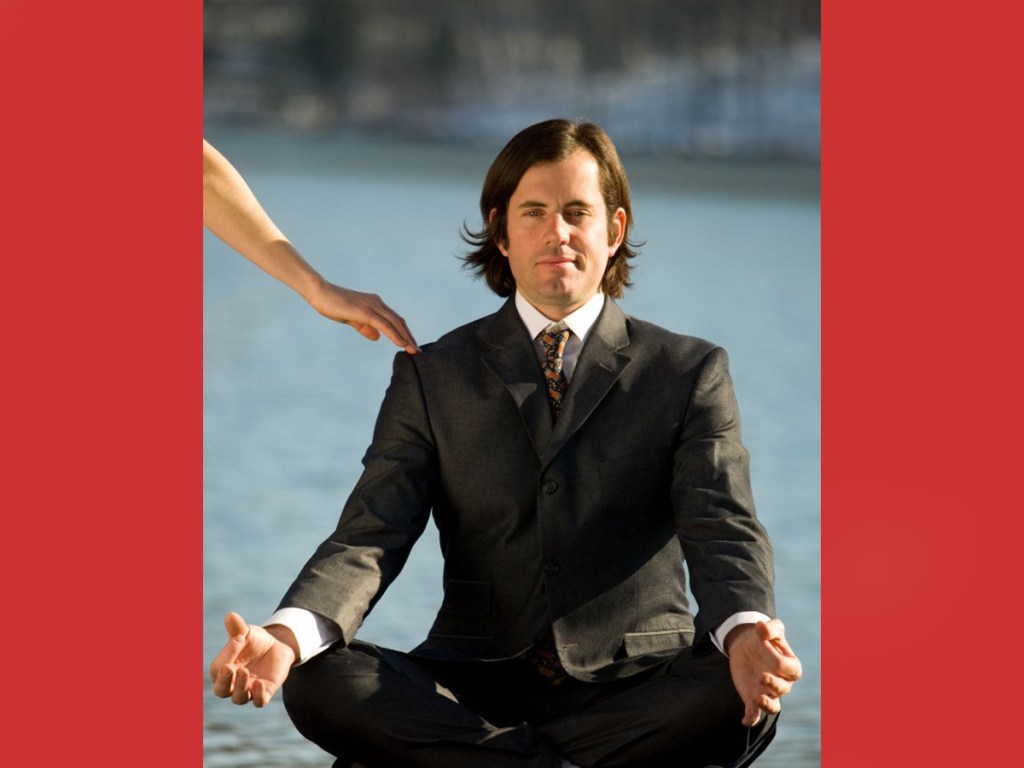
Photo credit Canva
Stay Calm, Be Assertive, and Practice
The solutions offered by Meltzer seem to resonate. Several people reveal their own struggles when facing similar predicaments. These are some of their comments:
“Practice with a therapist? Why didn’t I think of that”
“You don’t rise to the moment you fall to the level of your preparation. I’m gonna memorize that.”
“I’m waiting for you to write a book about all your amazing insights”
“I can handle them but i internalize later n let it ruin my day”
“The real skill is knowing when to ignore and when to address it. Not everything deserves your energy.”
“Rudeness is a weak man’s imitation of strength. Just say that to them and if they continue, walk away with a smile.”
Meltzer advises that the best way to handle rudeness begins with how we respond. Diffusing a situation helps maintain peace of mind. Remaining composed helps control our own reactions. In the end, rehearsing for success allows us to stay confident when difficult situations arise.