Along with LSD, marijuana, and MDMA, magic mushrooms have been a mainstay in the drug repertoire of the counterculture.
Powered by the active ingredient psilocybin, magic mushrooms create audio and visual hallucinations, feelings of euphoria, unbridled laughter, and a dreamlike state of consciousness.
The drug can take users on an internal journey filled with deep spiritual and psychological revelations.
Unfortunately, in 1970, the U.S. government decided that magic mushrooms carried a “high risk of abuse” so psilocybin was placed in the restrictive Schedule I category, making it illegal.
However, these days, serious medical studies have shown the drug to work wonders for people with anxiety, depression, and end of life stress, so the movement to legalize the drug has been growing.
A study published in Science Direct found that psilocybin is very effective at reducing symptoms in people with treatment-resistant depression. It also shows that psilocybin can help people become more optimistic and its effective way to treat addiction to tobacco and alcohol.
People who used psychedelics have lower rates of psychological distress and suicidality than those who used no psychedelics, but an equivalent amount of drugs
Kerry Pappas gave a powerful testimony on “60 Minutes” on how psilocybin made her feel comfortable living with lung cancer.
During her trip she saw “An ancient, prehistoric, barren land… there’s these men with pickaxes, just slamming on the rocks,” she told Anderson Cooper on “60 Minutes.” “I was being shown the truth of reality. Life is meaningless. We have no purpose.”
“I look and I’m still like a witness with the eyes, a beautiful, shimmering bright jewel and then it was sound… booming, booming, booming. Right here right now. Yes, you are alive. Right here. Right now. Because that’s all you have,” she told Cooper.
Roland Griffiths, of Johns Hopkins University, is a pioneer in psychedelic research, and has been studying the drugs effects for the past two decades.
“The red light started flashing. It’s unprecedented – the capacity of the human organism to change. It just was astounding,” he told “60 Minutes.”
If not for the drug war, our understanding of the power of psychedelic drugs such as psilocybin would probably be far more advanced than it is currently. But it’s beginning to look like psilocybin may be decriminalized in a similar way that marijuana has over the past two decades.
Back in May, voters in Denver, Colorado narrowly decided to decriminalize the natural psychedelic and the Oakland, California city council did the same the next month.
Next year, Oregon voters will decide on the Psilocybin Service Initiative that could create a licensed psilocybin therapist industry and reduce penalties for growing or ingesting the substance.
The floodgates are about to be opened for psilocybin and it’s about time. There’s no reason why the state should tell us what we can or cannot in our bodies, let alone a substance that’s proven to have incredible mental health benefits.
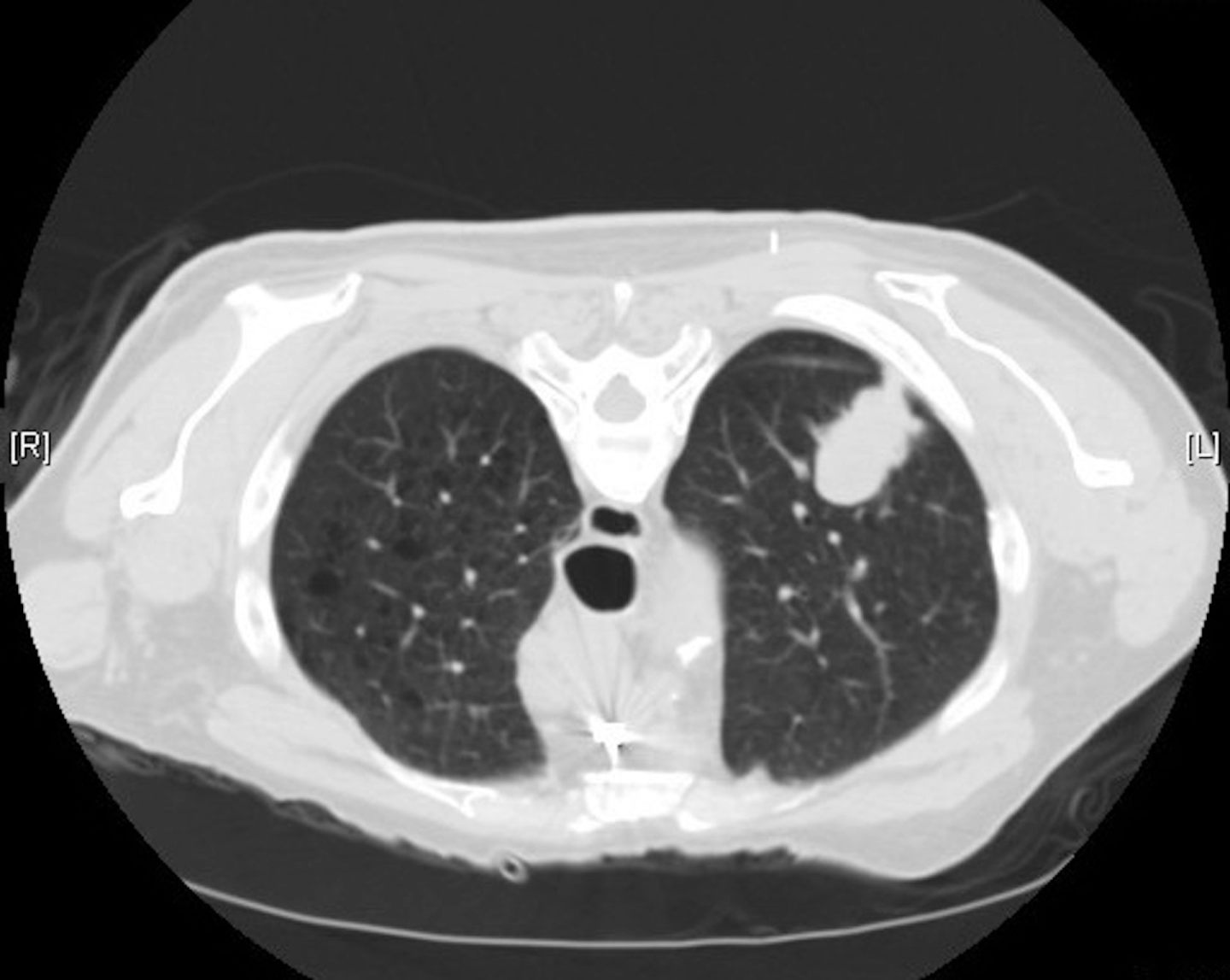
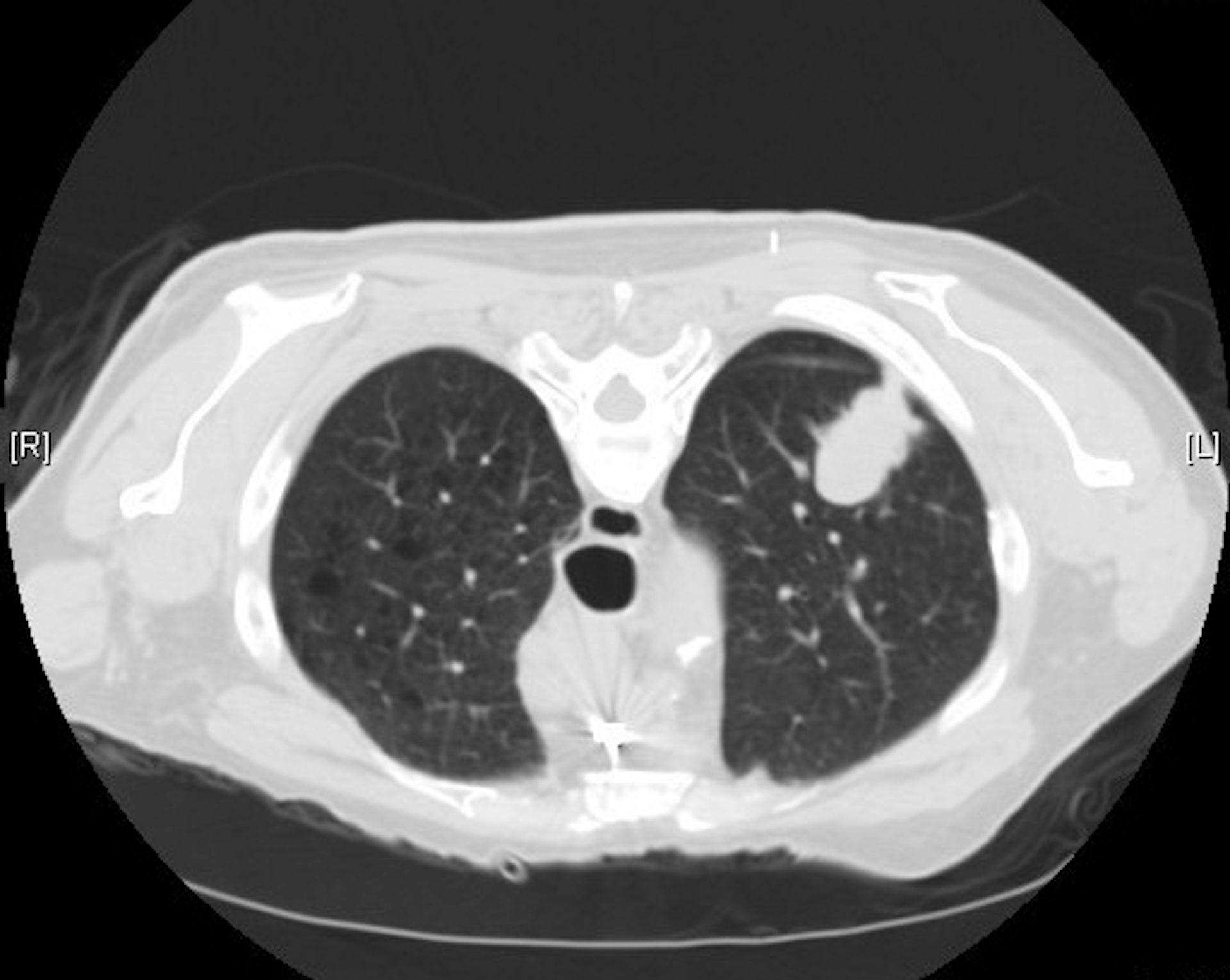
A low-dose CT scan can help with early detection of lung cancer. In this image, the tumor is the white nodule in the upper right corner of the black space. Atlas of Pulmonary Pathology/Flickr, CC BY-SA
When many people think of an average lung cancer patient, they often imagine an older man smoking. But the face of lung cancer has changed. Over the past 15 years, more women, never smokers and younger people are being diagnosed with lung cancer.
In fact, lung cancer is the leading cause of cancer death among women, and more women die from lung cancer than breast, ovarian and colorectal cancer each year. The American Lung Association reports that while lung cancer rates have risen by 79% for women over the last 44 years, they decreased by 43% for men. And for the first time in history, there are more young women than men diagnosed with lung cancer.
News about Pope Leo XIV’s lung cancer diagnosis on Oct. 13, 2026, sparked discussion about increasing rates of the disease among people who have never smoked. Leo reportedly is not a smoker. Potential causes for the disease include environmental exposures and genetics, and recognizing the diverse factors that can increase someone’s risk of lung cancer – regardless of their smoking history – is essential for timely and appropriate screening and treatment.
Cancer that is found at the earliest stages, like that of the pope, can be treated with surgery and cured for both smokers and nonsmokers. The challenge is that people who have never smoked are not currently included in lung cancer screening guidelines, and tumors are often only found by chance.
As a thoracic oncologist, I have seen many younger women and never smokers walk into my clinic with a new diagnosis of lung cancer. Particularly for never smokers, lung cancer is unexpected for both patients and their doctors, which can often lead to delays in diagnosis. Researchers have described this trend of increasing lung cancer rates among women in different parts of the world and are starting to understand why cases are on the rise.
Lung cancer in women
The first explanation of why rates of lung cancer in women have increased is that many started smoking later than men, pushing back their peak in smoking-related lung cancer diagnoses.
Women also started smoking in the years when filtered cigarettes were most commonly used. This led to an increased risk of a type of cancer called adenocarcinoma due to the way cigarette filters distribute tobacco smoke to the outer parts of the lungs. Some studies suggest that women are more susceptible to the carcinogenic effects of exposure to tobacco and cigarette smoke, including second-hand smoke, and may develop lung cancer after fewer years of smoking compared to men.
However, it is important to note that most people diagnosed today with lung cancer are not active smokers. About 20% of women with lung cancer have never smoked – higher than for men with lung cancer who’ve never smoked.
An increasing number of lung cancer diagnoses are among people who never smoked.
Lung cancer risk factors
Besides smoking and secondhand smoke, there are several other lung cancer risk factors. These include a family history of cancer and exposure to asbestos, radon and air pollution.
Exposure to carcinogens in the workplace in the form of inhaled chemicals such as arsenic, beryllium, cadmium, silica and nickel is still a concern in some parts of the world. The potential lung cancer risk of e-cigarette and marijuana smoke is still under study but of potential concern.
Recently, researchers have also found that geneticscan playa role in lung cancer risk in some patients with a strong history of lung cancer. Studies of these families have helped identify potential susceptibility genes for lung cancer and environmental risk factors.
Like BRCA1 and BRCA2 in breast cancer, alterations in genes that promote or protect against tumor development can contribute to lung cancer development. Researchers have yet to identify specific mutations that may predispose individuals to lung cancer. However, studying familial genetic predispositions can help elucidate how lung cancer develops and lead to new biomarkers for early cancer detection in high-risk groups.
Lung cancer screening
In 2021, the United States Preventive Services Task Force updated its lung cancer screening guidelines to include younger patients with less smoking history. Now, lung cancer screening is recommended for adults ages 50 to 80 who have smoked at least one pack per day for 20 years, current smokers and former smokers who quit smoking within the last 15 years. Women at risk for lung cancer can talk to their doctors about ordering a low-dose CT scan for lung cancer screening.
A low-dose CT scan can help with early detection of lung cancer. In this image, the tumor is the white nodule in the upper right corner of the black space.Atlas of Pulmonary Pathology/Flickr, CC BY-SA
Lung cancer diagnosis
In recent years, increasing understanding of the genetic changes that can lead to cancer and how to harness the immune system to treat cancer has led to new targeted therapies and immunotherapies that have improved the prognosis of patients with lung cancer. Women tend to have a better lung cancer prognosis than men, especially if they never smoked and have tumors with molecular changes that can be treated with targeted therapies.
However, lung cancer symptoms may go unrecognized in women. Symptoms of lung cancer can include coughing, shortness of breath, overwhelming fatigue and pain in the back, chest or shoulder, which could be confused for other ailments. Because women tend to be slightly younger when diagnosed than men, patients may be able to tolerate symptoms longer and delay seeking medical attention. Physicians also might not attribute these symptoms to lung cancer due to a patient’s younger age.
Recognizing the early symptoms of lung cancer, expanding lung cancer screening eligibility and testing for genetic biomarkers to select the best therapy are some of the steps that could help address the global epidemic of lung cancer in women.
Old age and forgetfulness seem to go hand in hand. But my colleagues and I found that memories actually becomes less precise, not entirely forgotten. Our study, published in the journal Cerebral Cortex, shows how the brain blends related experiences as you age rather than replaying the exact one you need.
Memory is a complicated process. Even when everything’s working as it should, the way people remember specific events has many parts.
Say you have a conversation with a friend. The first stage of memory is when you’re experiencing, feeling and perceiving details of an event as it happens. The second stage involves storing these details in your brain’s file cabinet. The third stage covers when you need to search that file cabinet for just the right file when, a week later, you want to remember that conversation with your friend. This last retrieval stage is what many people think of as memory.
Imagine that when your brain was retrieving information from that conversation with your friend, it accidentally combined details from that conversation with one you had with your spouse that morning. When you then try to remember the conversation with your friend, you actually pull the file for the conversation with your spouse instead. This kind of mix-up might be an example of what happens with the aging brain.
Why it matters
Remembering people and events is important for many social activities. Confusing people’s names can be embarrassing. The fear of confusing memories can even lead to social isolation.
Scientists already know that confusing memories happens more often than forgetting them altogether. What’s less clear is how the brain gets confused.
My team’s study tried to understand when in the memory process these mix-ups happen and how the brain’s memory center, called the hippocampus, plays a role.
The hippocampus is involved in all stages of memory. The patterns of neural firing that occur during the first stage of memory – the initial experience of talking with your friend – often recur while your brain is filing that memory away and later when retrieving it.
For our study, we scanned the brains of young, middle-aged and older adults while they went through those same three stages of memory. While in the scanner, they briefly saw images of a face at the top of the screen and an image of either a scene or an object, such as a forest or an apple, on the bottom of the screen.
We told participants to imagine the person at the top interacting in the scene or with the object. Each image pair served as a separate “event.”
They then relaxed for 20 minutes while we continued to record their brain activity. Finally, they took a memory test in which a face they had previously seen reappeared on top with four images below. Participants had to remember which of those images had previously been paired with the face. We repeated this test several times to gauge how well people remembered links between faces and scenes and objects across events.
We found that older people had more memory mix-ups than young adults. For instance, they were more likely to falsely remember a face that was initially paired with an apple as having been paired with a forest. Older people were also less likely to repeat the same brain activity patterns seen when they first experienced, stored and retrieved a specific memory. Surprisingly, even when older adults did repeat the original brain patterns, they were even more likely to confuse their memories.
Our study provides new evidence that the hippocampus is inappropriately changing memories between different memory phases as one gets older.
What still isn’t known
Research in young adults, including those in our study, suggests that the hippocampus is supposed to engage in the same neural firing patterns when remembering an event as when first experiencing it.
But the older adults who made more memory mix-ups than younger participants showed these same neural patterns. So what is the brain signature when older adults get a memory right? Are other brain regions outside the hippocampus helping? We did not get a good answer for these questions from our study.
What’s next
Researchers are still learning how different brain regions talk to one another. One of the next frontiers in neuroscience is understanding how electrically stimulating the hippocampus prevents memory loss or restores lost memories.
The modern workday unfolds largely indoors. Long hours spent commuting, sitting in meetings and staring at screens can make time outdoors feel like a luxury. Finding time for nature in an already packed workday can feel impossible, especially if you think nature only “counts” when it involves hiking boots and camping gear.
But a growing body of research suggests that nature’s benefits don’t require an exotic vacation getaway or weekend adventure. Even brief, routine interactions with green space can reduce stress, improve mood and promote overall well-being.
I spent the spring of 2026 teaching and studying urban landscapes in Denmark, a country consistently ranked among the happiest in the world. I expected to find thoughtfully designed parks, courtyards and bicycle paths. I did see those things. But what surprised me was how seamlessly people moved through those spaces as part of their ordinary lives.
These green spaces weren’t aspirational destinations, reserved for special occasions. They were places to eat lunch, meet friends, walk through on the way home from work, or just pause for a few quiet moments. Getting outside seemed a part of the natural rhythm of the day.
Denmark‘s outdoor culture stemmed not only from the creation of a meticulously planned network of parks, but also from the way green spaces were fundamentally woven into the routines of everyday life.
A wooden bench in one of Copenhagen’s forest therapy parks invites people to sit and soak in their surroundings. Todd Lookingbill
Everyday parks, everyday benefits
Evidence linking time spent in nature with health benefits has increasingly shaped public policy. In the U.S., for example, the National Park Service’s Healthy Parks Healthy People and ParkRx initiatives reflect a growing recognition that access to parks contributes to well-being.
For many Americans, however, the word “park” brings to mind iconic national parks such as Yellowstone, Yosemite or the Grand Canyon. Yet visiting parks of all kinds can improve your overall health. The greatest public health value may come not from the parks people visit once in a lifetime but from those close enough to visit again and again.
My own research on Civil War battlefield parks illustrates this point. These are parks that were established to commemorate historic conflicts that were frequently fought on the fringes of major metropolitan areas. Consequently, many of these landscapes preserve forests, grasslands and trails within easy reach of millions of Americans.
Because they’re accessible without extensive travel or planning, they can become places people return to repeatedly – such as during a lunch break or after work. Reframing the notion of “park” opens up millions of acres of land for everyday uses.
Designing for everyday nature
At the University of Richmond, where I work, a stream restoration projects became an opportunity to rethink how nature fits into campus life. Landscape architects designed an Eco-Corridor, as the project became known. It has walking paths, gathering spaces and seating areas for quiet reflection alongside flowing streams and native vegetation.
The result was a landscape that supports biodiversity and improves water quality while also creating places for students, faculty and staff to walk between meetings, eat lunch alfresco or spend a few quiet moments outside during the workday. Its ongoing care depends on an army of volunteers who spread mulch, remove invasive plants and tend the community garden. For these volunteers, stewardship between classes and meetings meant another opportunity to interact with nature.
Students walk through the ‘Eco-Corridor’ at the University of Richmond. Haley Herrmann
What we learned was that nature doesn’t have to compete with work, studying or everyday responsibilities. Thoughtful landscape design can make spending time outdoors, even if only for a few short minutes, feel like a normal part of the day.