Are you up to speed on how much water you’re supposed to be drinking every day? One study tells us eight glasses a day, and the next few say 16. The University of St. Andrews in Scotland conducted its own study and found there’s a substitute that rehydrates the body more quickly and efficiently than water alone.
The study focused on different drinks and their effect on the body’s rehydration. The results showed that water was not the best choice, and you might be surprised at one of the best alternatives.
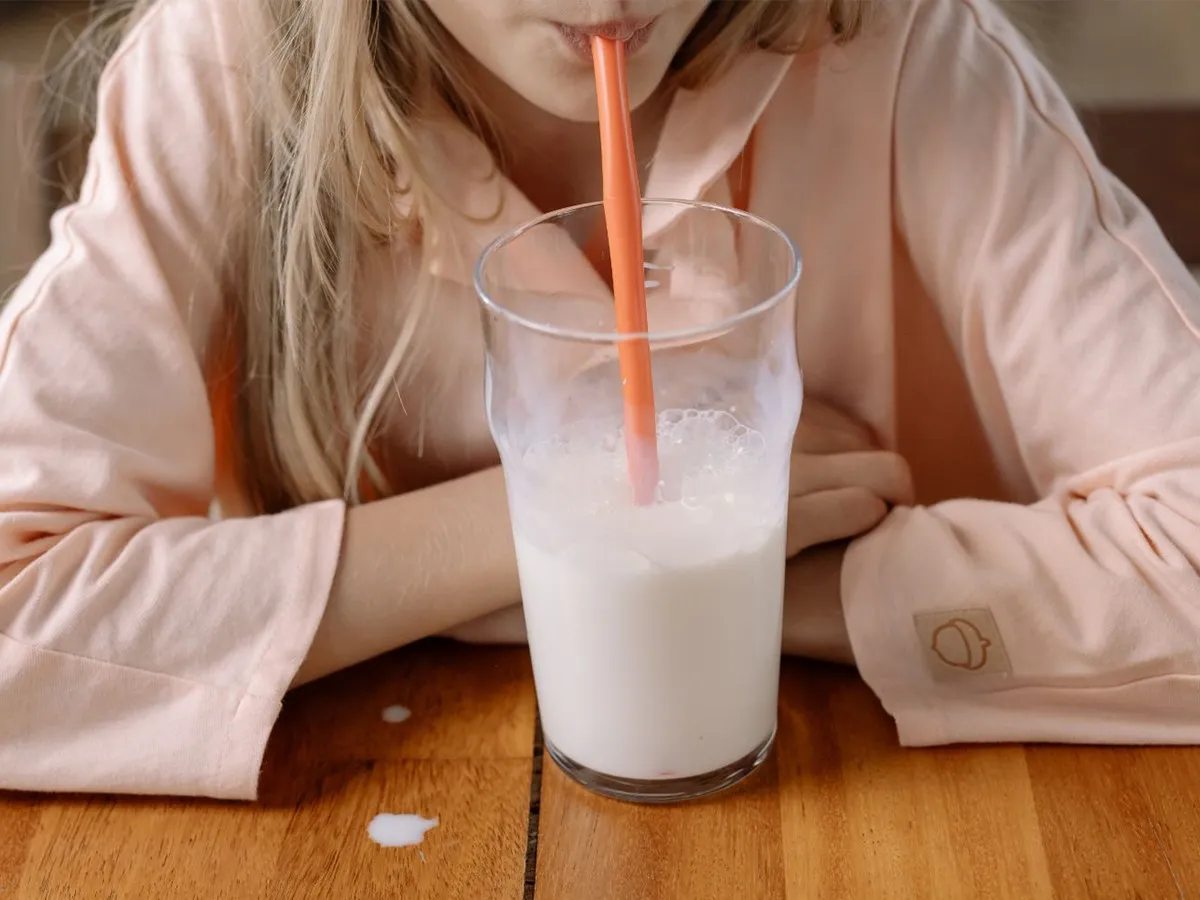
Young woman drinking a glass of milk. Photo credit: Canva
One of the best beverage choices for rehydrating the body is milk. It contains proteins, fats, and lactose. Lactose is the naturally occurring sugar that is found in milk. Combined with the sodium (salt) and potassium (electrolytes), these elements slow down the fluid from emptying out of the stomach. This helps keep a person’s body hydrated.
In this way, milk is a far better provider for hydration than water. Yes, water contains trace amounts of salts and electrolytes, but it does not contain lactose, proteins, or fats.
Other drinks the study found helpful include colas, sports drinks, orange juice, lager beer, tea, and coffee. It’s important to note, however, that high levels of sugar or alcohol actually dehydrate the body. Caffeine was an aid to hydration as long as the levels weren’t too high. If your coffee or tea has about 80 milligrams of caffeine, it’s in the best range for hydration.
It’s important for people to maintain a healthy level of hydration throughout their day. Dehydration can affect the body in ways ranging from minor issues to serious, even dangerous, side effects, such as constipation, dizziness, heart issues, dry skin, and increased hunger and thirst.
Constipation
One reason constipation can occur is that there aren’t enough fluids to keep the pipes moving. This causes the intestines to slow down or completely stop eliminating waste. Besides being painful, dehydration-induced constipation risks include: vomiting, fever, abdominal cramps, bloating, rectal bleeding, and even diverticulitis (trapped waste in small pouches of the intestines that become irritated and inflamed).
Dizziness
Severely dehydrated people can not only face dizziness, but also delirium. When dehydrated, people can become unfocused and confused about their surroundings. It’s even possible to suffer hallucinations and delusions, leading to unsafe behavior and a need for urgent medical attention.
Heart attacks
Your heart rate is linked to blood pressure and blood volume. Volume is indirectly affected by the regulation of fluid intake. As your blood pressure and volume drop, the heart has to work harder to maintain a healthy, working body. If this state is prolonged, the stress can damage the heart and, in severe cases, cause heart attacks.
Dry Skin
Wrinkles are a normal part of the aging process, but dehydrated skin can cause fine lines to appear. These lines can feel itchy and may even crack open, creating entry points for bacteria. How do you know dry skin is dehydrated skin, though? There’s a simple test you can do to find out: gently pinch your skin between your pointer finger and thumb. If the skin returns to its original position within a few seconds, you’re good. If it doesn’t, you’re probably dehydrated.
Hungry?
Dehydration can often reveal itself as hunger. Your brain signals to the body that fluids are needed, and you feel that as a need for a full meal or snack. If you’ve just had something to eat and still feel hungry, try drinking a glass of something (like milk!). It will fill up your stomach and help rehydrate your body.
This article originally appeared last year. It has been updated.
Being fit used to mean getting enough sleep, drinking more water, and moving your body, perhaps in a daily walk. With the explosion of social media and digital self-help trends, finding an acceptable level of wellness can feel like stepping into a full-time job with daily performance reviews.
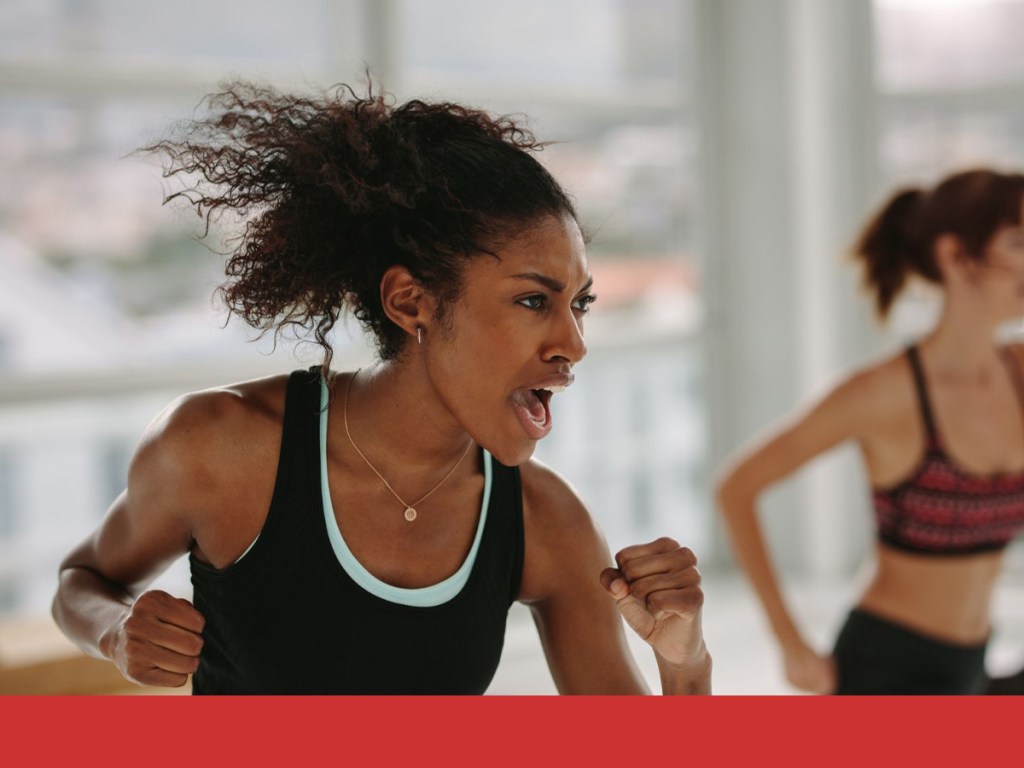
For many women, what started as self-care has slowly become another exhausting form of self-optimization. And increasingly, they’re pretty much done with it. According to Women’s Business Daily, one of the biggest wellness shifts happening right now is a move away from extreme routines. Women want habits that actually fit into real life.
Instead of chasing perfection, more women are choosing what can be described as a more realistic approach to wellness, incorporating sustainable routines built around balance and emotional well-being rather than climbing a never-ending ladder of constant improvement.
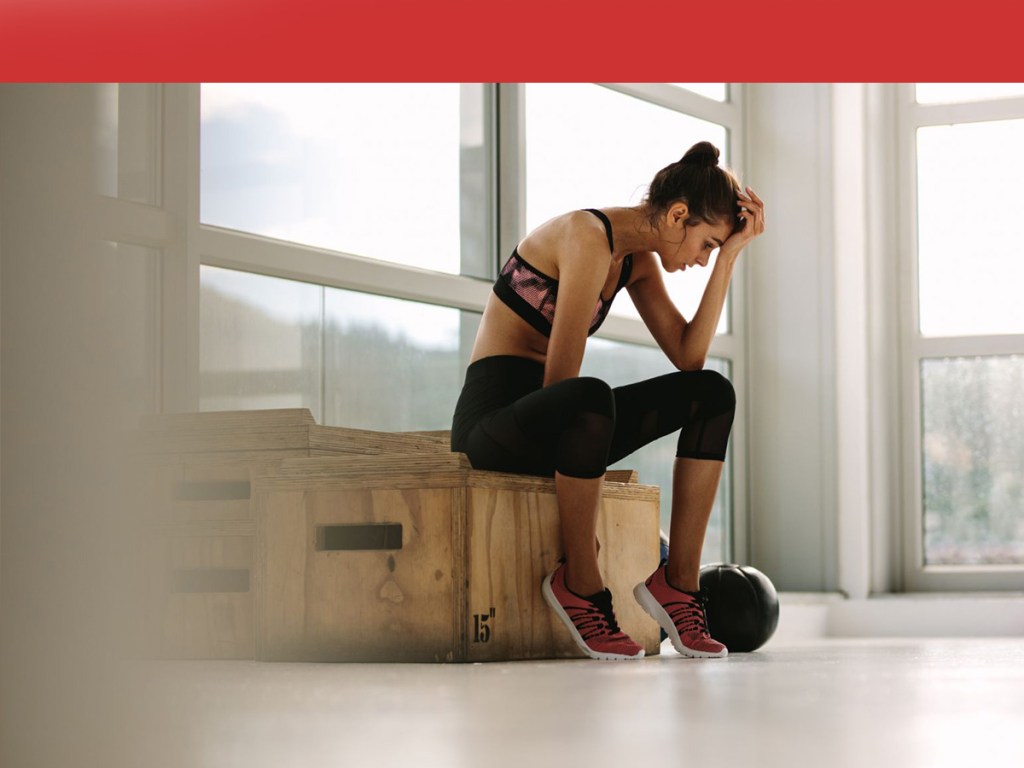
The shift comes after a solid decade of what many refer to online as “optimization culture.” This exhausting idea assumes that every part of life needs to be carefully measured, improved, and optimized.
Experts believe this mindset is not only making people miserable; it’s unsustainable.
A backlash against the “always improve yourself” culture
A recent article in Psychology Today found that “wellnessmaxxing” trends turn self-care into another form of anxiety. This is especially true when routines become so demanding that people feel more guilt than relief. As creators post TikToks showing themselves “maxing out” in some kind of self-congratulation, they spread unhelpful expectations that no longer promote self-care.
Verywell Health explains that these influencers broadcast an all-consuming performance metric. People now face a painful realization that they can never do enough. It’s hard to miss the irony that wellness has begun to feel unhealthy.
Women are increasingly embracing low-pressure routines instead of overly aspirational ones. Think walks instead of cross-training, and a morning meditation instead of a week-long stay at a Tibetan monastery. It’s okay to just eat more vegetables instead of a perfectly balanced daily nutrition plan of 150 grams of protein, wheatgrass smoothies, and specifically rated pH-balanced alkaline water.
After all the extreme exercises, self-help books, and sophisticated meal plans, it’s time to get back to basics. Here’s one version of a realistic plan: drink some water, get outside, and try to sleep a little better.
A beauty editor writing for Who What Wear documented her attempt to follow a social-media-inspired wellness reset. With all the expensive and complicated habits she hoped would unlock the “incredibly high-functioning, ultra-productive version” of herself, she came away understanding that she should stick with the basics.
Modern life already asks women to juggle careers, caregiving, appearance standards, finances, and relationships. Somewhere along the journey, wellness became just one more category to add to the pile.
Maintaining a perfect life balance. Photo credit: Canva
Women are choosing simple, sustainable routines
Finding realistic wellness is a trend that reflects a growing desire for community-centered wellness rather than isolated self-improvement. Instead of wellness looking like a solo pursuit for an achievement award, many women are leaning toward connection: walking groups, shared meals, accountability with friends, and being honest about feeling burned out on all of it.
The Times reports that people feel walking groups are less intimidating and more emotionally supportive. People don’t just want fitness; they want to belong to something.
A 2025 study in Frontiers in Psychology focused on the benefits of women finding social support groups. Programs that incorporated women’s preferences into their daily lives were more likely to be enjoyed and maintained.
Wellness cultures have told women the answer is to do more: more discipline, more self-reflection, more perfect sleep, more work dedication, more family direction, more effort.
Making life more enjoyable and realistic can help well-being feel easier to maintain. A joyful life is better lived “in” than constantly measured “against” unrealistic expectations.
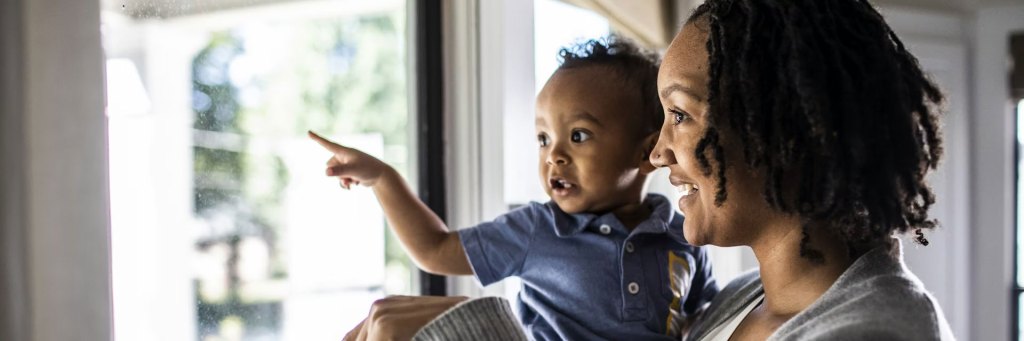
Photo credit: MoMo Productions/DigitalVision via Getty Images – Emphasizing the sounds of certain words to young children can help them retain language, not confuse them about speaking properly.
Many parents have heard the warning: Don’t use baby talk with babies and toddlers. Instead, caregivers are often encouraged to speak properly and use adultlike language, out of concern that simplified speech could confuse children or delay language development.
But my research, which I highlighted in in my new book, “Beyond Words,” suggests the opposite is true. The sing-song voice many adults instinctively use with infants, sometimes called “baby talk” but more accurately known as “parentese” or infant-directed speech, actually helps children learn language.
Far from confusing babies, exaggerating phrases like “Loooook at the doggie!” capture their attention, help them detect patterns in speech and strengthen social bonding.
And the funny mistakes children make along the way, such as saying “goed,” instead of “went,” or “mouses” instead of “mice,” are not signs that children are learning language incorrectly. They are evidence that children are actively working out the rules of language for themselves.
When many people think of baby talk, they imagine nonsense phrases like “goo goo ga ga” or made-up words like “num nums.” But that’s not what linguists and developmental psychologists mean by parentese.
Parentese uses real words and grammatically correct sentences, but with exaggerated intonation, a higher pitch, stretched-out vowels and a slower rhythm. Think of the way a caregiver might naturally say: “Hi, baaaaby! Are you huuungry?”
There is little evidence that occasional playful nonsense words harm children’s language development. But studies suggest that parentese in particular helps babies pay attention to speech, recognize patterns and engage socially.
Adults across cultures tend to speak this way to infants instinctively. Even people who swear they never use baby talk often slip into it around babies.
Researchers have found that infants actually prefer listening to parentese over regular adult speech. The exaggerated sounds and slower pacing make language easier to process. Babies are better able to pick out individual sounds, notice word boundaries and recognize patterns. In other words, parentese helps tune babies into language.
It also strengthens emotional connection. Language learning does not happen in isolation. Babies learn through warm, responsive interaction with caregivers during feeding, play, bath time and everyday routines.
Interestingly, humans are not the only ones who respond to this style of communication. Studies have even shown that cats react more positively when people use a baby-talk voice with them.
Babies are not passive learners
Children do not learn language simply by copying adults word for word. They actively test hypotheses about how language works. That is why toddlers make predictable and surprisingly logical mistakes.
One common example is overgeneralization. A child learns that people form the past tense of many verbs by adding “-ed,” so they produce forms like “goed,” “eated” or “comed.”
These are not random errors. In fact, they show that the child has understood a grammatical rule and is trying to apply it consistently. The problem is simply that English is full of irregular exceptions. The same thing happens with plurals. Children may say “foots” instead of “feet” or “mouses” instead of “mice.” Again, the logic behind these errors is sound.
Linguists sometimes say that children are little scientists, constantly testing patterns and revising their understanding as they receive more input from the world around them.
A toddler might learn the word “dog” and then use it for every four-legged animal they encounter. Linguists call this overextension. On the flip side, some children use words too narrowly. A child may use “dog” only for the family pet and not recognize that other dogs belong in the same category. Linguists call this tendency underextension.
These mistakes reveal how children organize and categorize the world around them. They are gradually mapping words onto objects, people and experiences.
Pronouns are another tricky area. Small children often confuse “me” and “you” because these words constantly shift depending on who is speaking. If a parent says, “I’ll pick you up,” the child hears themselves called “you.” But when they try to repeat the sentence, they may not yet understand that the labels switch from speaker to speaker.
This is why toddlers sometimes say things that sound unintentionally cute or confusing. But beneath the confusion is a sophisticated learning process.
Even the Cookie Monster gets it wrong
Children’s speech errors are so recognizable that they often appear in popular culture. Sesame Street’s character Cookie Monster famously says things like “Me want cookie,” while Elmo often refers to himself in the third person: “Elmo wants this.” These speech patterns mirror real stages of child language development. Young children commonly confuse pronouns or refer to themselves by name before mastering forms like “I,” “me” and “mine.”
Despite occasional complaints from adults, there is no evidence that hearing this kind of speech harms children’s language development. If anything, it reflects the natural experimentation children go through.
Pronunciation develops gradually too. Young children often simplify difficult sounds and groups of consonants. “Spaghetti” becomes “pasketti,” “rabbit” becomes “wabbit” and “yellow” may come out as “lellow.”
Speech-language specialists call these simplifications phonological processes. They are a normal part of development because some sounds are physically harder to produce than others. Sounds such as r, th, sh and ch tend to develop later because they require more precise control of the tongue and mouth.
Most children naturally outgrow these pronunciation patterns as their speech matures. However, persistent difficulties can sometimes signal a speech or language disorder, which may require professional support.
Parents are often under enormous pressure to do everything right, including helping their children learn to speak a language. But children do not learn language by avoiding mistakes. They learn through interaction, experimentation and repetition.
Parentese helps babies focus on speech and engage socially. The funny mistakes toddlers make reveal that they are actively piecing together the complex system of language and are often signs of normal development. Language acquisition is messy, creative and remarkably sophisticated.
Speaking in an exaggerated sing-song voice to a baby is not something parents and caregivers need to feel embarrassed about.
Far from harming language acquisition, it may help lay the foundation for it.
For many people, working out isn’t the hard part. It’s everything that comes with it: the time commitment, the pressure of consistency, and the feeling that only full workouts count.
That all-or-nothing mindset keeps a lot of people from even getting started. This might explain why a small idea has been gaining traction. Instead of setting aside an hour or two to exercise, people are taking “micro walks” instead.
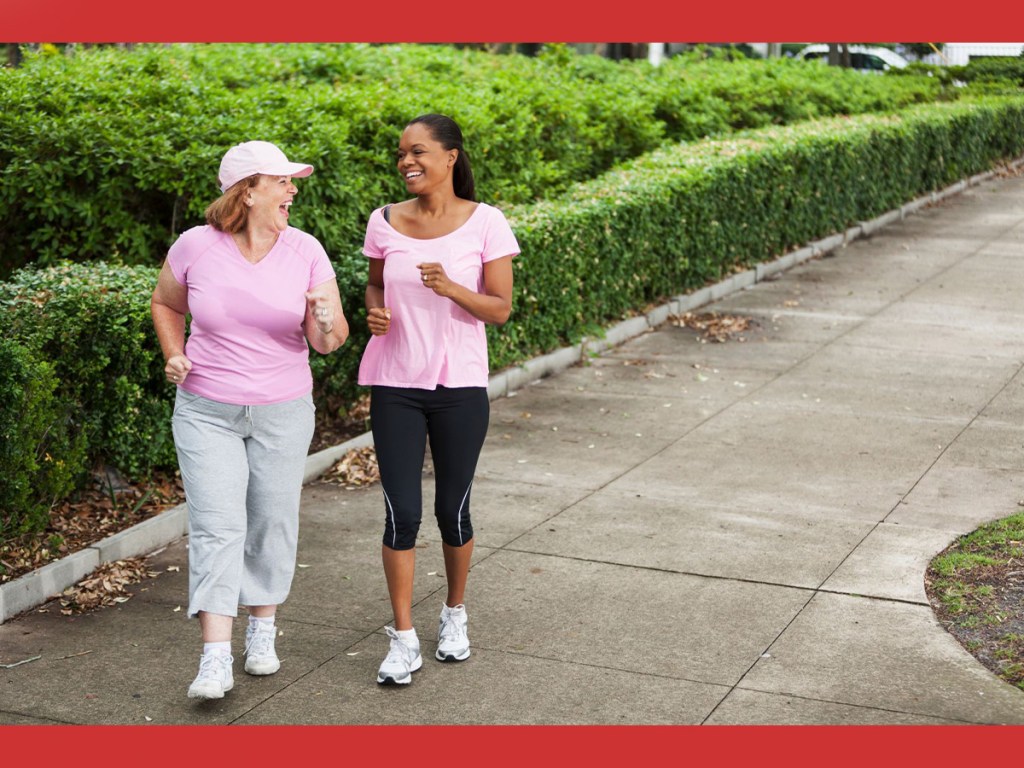
Two women enjoy a quick “micro walk.” Photo credit: Canva
“Micro walks” are simple and still provide the benefits
A loop around the block in the morning. A quick break between meetings or events on the daily schedule. Perhaps another lap after dinner. These short walks sprinkled throughout the day might seem too simple to matter.
For a growing number of people, the simplicity is what makes it really work. Doing less at a time, but more often, is what’s resonating. The barrier to entry suddenly drops. People don’t need much motivation. Just a few minutes is enough to get started.
The appeal of a “micro walk” for people dreading a workout isn’t necessarily about peak optimization. The benefits come from gaining momentum. For individuals who have spent years feeling like they’re either all-in or completely off track, this offers a third option.
Short periods of exercise fit into the structure of real life instead of competing with it. Finding the time to set aside large blocks of time can be difficult for many people. Breaking movement into smaller increments makes it far more manageable.
In the end, consistency matters more than perfection. Getting daily steps in becomes something achievable rather than overwhelming.
A 2024 study published in the Proceedings of the Royal Society B, a scientific journal recognized for its rigorous reviews, investigated the benefits of different walking patterns. The findings revealed that short walking bursts use more energy than longer continuous walks. Breaking up exercise is more impactful than it seems.
Harvard Health Publishing reported that even brief walks can boost energy and counteract the effects of prolonged sitting. Getting moving has significant heart health advantages, and walking is extremely accessible.
Turning short walks into a mental reset can boost a person’s emotional well-being. Physical exercise stimulates the body, yet it also increases inner harmony. A 2025 study published in Springer Nature found that even a 10-minute walk can meaningfully improve mood regulation. Finding the time for a brief walk can lessen symptoms of anxiety.
A 2024 study published in Nature demonstrated that short activity breaks increase cognitive performance and elevate mood. There are immediate emotional advantages to activities like “micro walks,” not just long-term fitness gains.
Science demonstrates that walking has both physical and emotional benefits. The most common barriers are time and motivation. Shifting from big goals to showing up in small, repeatable moments is what actually matters. “Micro walks” turn movement from something people have to make time for into something that becomes part of how they live. It’s another small step toward finding happiness.