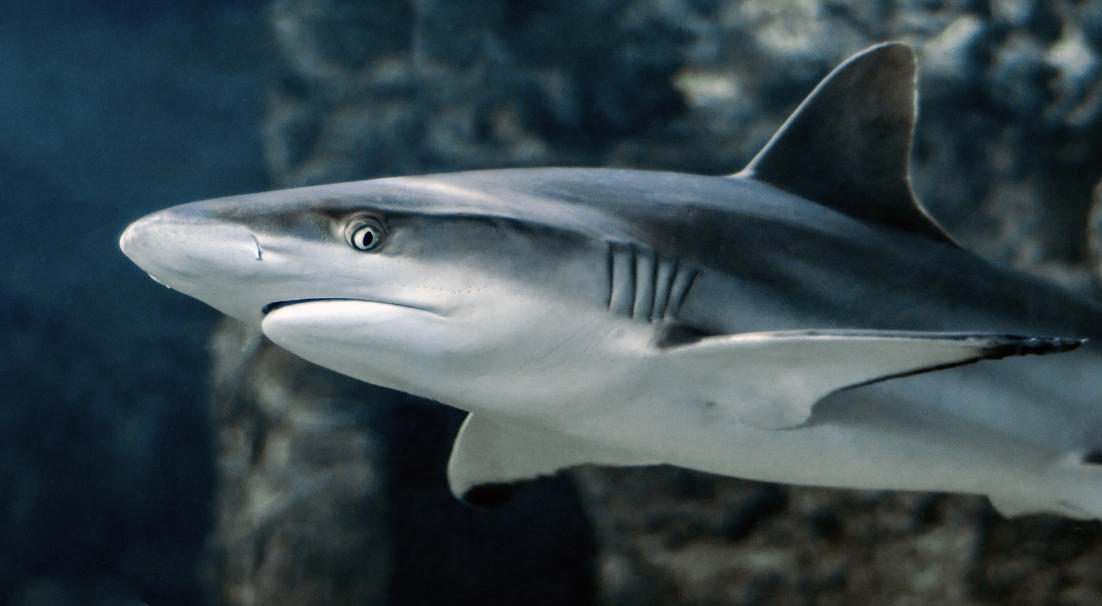
Charity Clark was just enjoying a day of paddle-boarding with her friends off the coast of Florida when she saw something on the surface of the water. It was a shark caught in the fishing line. That’s when Charity went into action.
With her friend Cassie Bailey taking video with her phone, Charity reached into the water with her bare hands to untangle the shark from a rope attached to a crab trap buoy. While the shark remained motionless for a time, it snapped at Charity just as soon as she attempted to free the rope from its mouth. Charity dodged the lunge and, after a small struggle, was able to free the shark so it could swim away. Fortunately, both Charity and the shark weren’t hurt.
“It was just instinct, I didn’t even think twice,” said Charity. “I saw this animal in distress and just knew I had to help.”
Charity theorizes that the shark was in a trance-like state of immobility that allowed her to untangle the creature with little struggle. In the video, you can hear Cassie question whether the shark was still alive until she saw the shark blink and snap at Charity. While the snap and brief struggle was intense, Charity and her friends were happy and relieved that the shark was safely swimming away afterward.
“We were all smiles watching it swim away. It was such a relief,” she said.
While it’s understandable to be scared of sharks given their reputation in movies like Jaws and sensationalized news reports about shark attacks, the National Oceanic and Atmospheric Administration says that most shark species aren’t a danger to humans since people aren’t a part of their regular diet. That said, it’s recommended to protect yourself and be wary around any ocean creature, not just sharks.
But this shark stigma in conjunction with ocean pollution has made the seas less inhabitable for sharks. Plastic pollution in particular has harmed sharks, either by getting them entangled in plastic or by ingesting it. Ingested plastic can cause blockages in a shark’s internal organs and, even if they free themselves from plastic entanglements, they could damage their fins and impede their ability to swim.
Along with the plastic problems, overfishing of sharks for meat and liver oil has significantly reduced their population throughout all of our oceans. Many sharks are also fished unintentionally, much like the shark that Charity encountered.
This is a problem as sharks are an important part of a sea’s ecosystem and climate. In their role as predators, they help reduce the population of fish that consume kelp, seagrass, and other ocean vegetation that absorb carbon through photosynthesis. Indirectly, this means that healthy shark populations help reduce global warming.
For safety reasons, no one recommends that you personally engage with a shark like Charity did when you see one in danger. In fact, it’s best to leave sharks alone and avoid them in general. But if you want to help keep sharks populated and protected, you can donate money and time to experts such as the Atlantic White Shark Conservancy, The Shark Trust, Shark Stewards, or another related, vetted, reputable organization.
Photo credit: Joshua J. Cotten/Unsplash, CC BY-SA – The moment you look away from those adorable eyes, these mischievous creatures will sneak out of your lab.
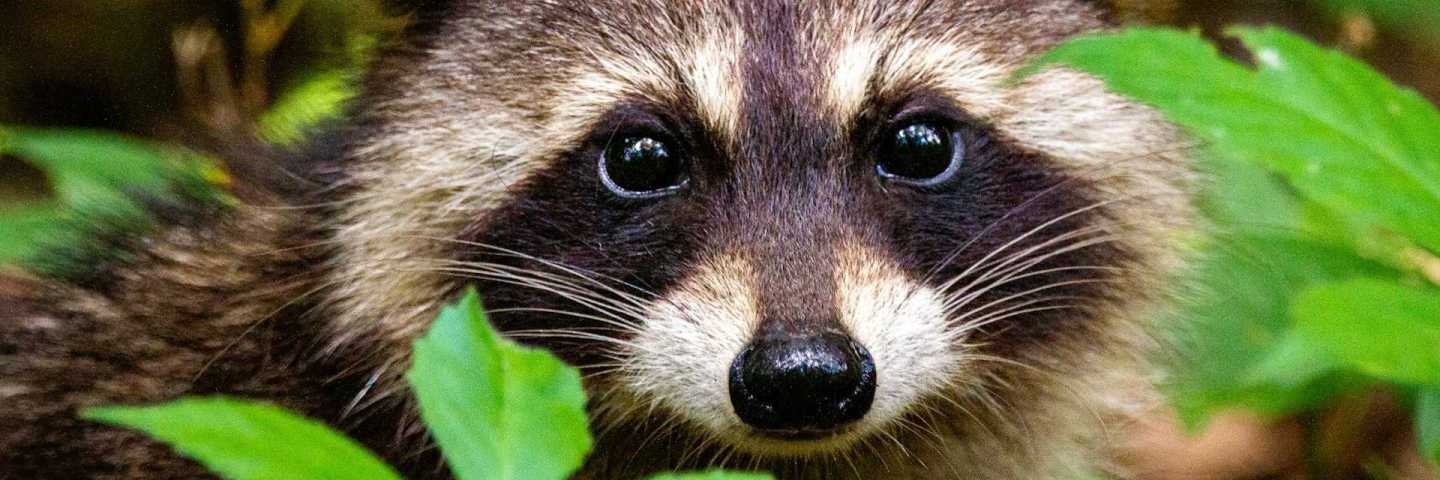
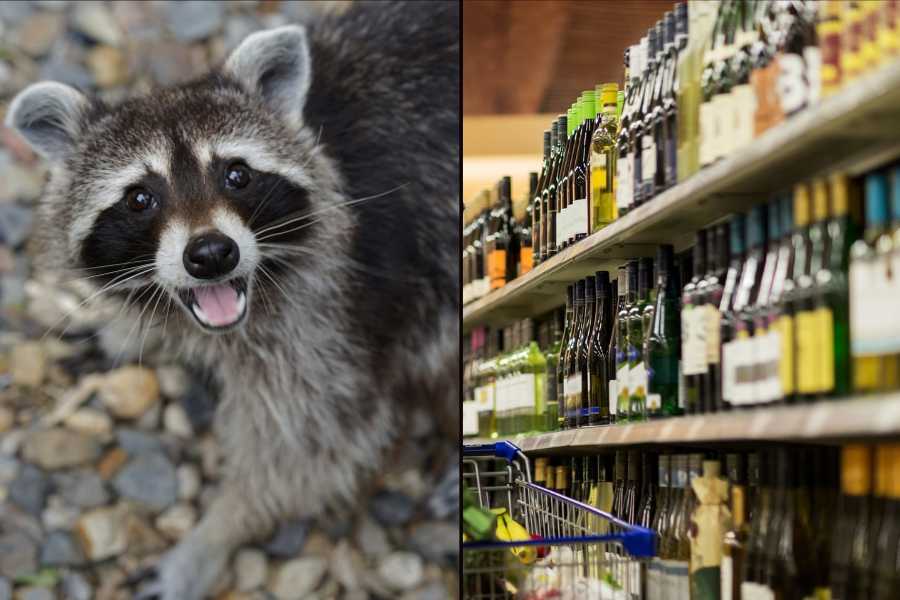
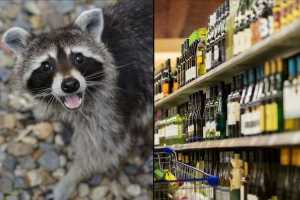
When a curious raccoon broke into an Ashland, Virginia, liquor store in December 2025, sampled the stock and passed out on the bathroom floor, the story went viral within minutes. The local animal shelter’s Facebook post was picked up by national and international outlets and quickly inspired raccoon-themed cocktails, “trashed panda” merchandise and even a cameo on “Saturday Night Live.”
For me, the story hit close to home. The store that hosted this inebriated bandit sits just blocks from the small behavioral neuroscience laboratory where I began investigating raccoon brains about 15 years ago. Although the so-called drunken raccoon made questionable decisions after breaking into the liquor store, the species – Procyon lotor – is known for its impressive intelligence, curiosity and problem-solving skills.
Despite being one of the most intriguing mammals living alongside humans, raccoons have avoided the scientific spotlight. Why aren’t more neuroscientists and psychologists studying raccoons? What have researchers missed about the mammalian brain by focusing on rodents instead?
Why raccoons aren’t lab staples
In the U.S., it is estimated that laboratories use more than 100 million rodents, including mice and rats, each year. Rodents are ideal for research because they reproduce easily and adapt well to confinement. Scientists have tailored extensive research tools to study them. Long before rats dominated psychology labs, raccoons were actually a leading candidate for animal models of problem-solving and intelligence.
Unsurprisingly, scientists promptly shifted to rodents. Practicality – not scientific suitability – ultimately crowned the rat as king of the laboratory. I have studied rats for decades, and I can confirm that none have ever disappeared into the ceiling.
Neither pet nor pest
Humans have an ambivalent relationship with raccoons. They appear too wild to be domesticated, too endearing to be treated purely as pests and too ubiquitous to be considered exotic wildlife. Even President Calvin Coolidge, who famously received a raccoon intended for the dinner table from a supporter in Mississippi, ended up keeping it as a beloved White House pet.
And the role confusion continues today with glimpses of humanlike behaviors in raccoons as they enter our living spaces. One report described raccoons interacting with playground equipment at a child care center on Canada’s west coast in ways similar to human children, and even breaking into classrooms as if they were auditing the morning lesson.
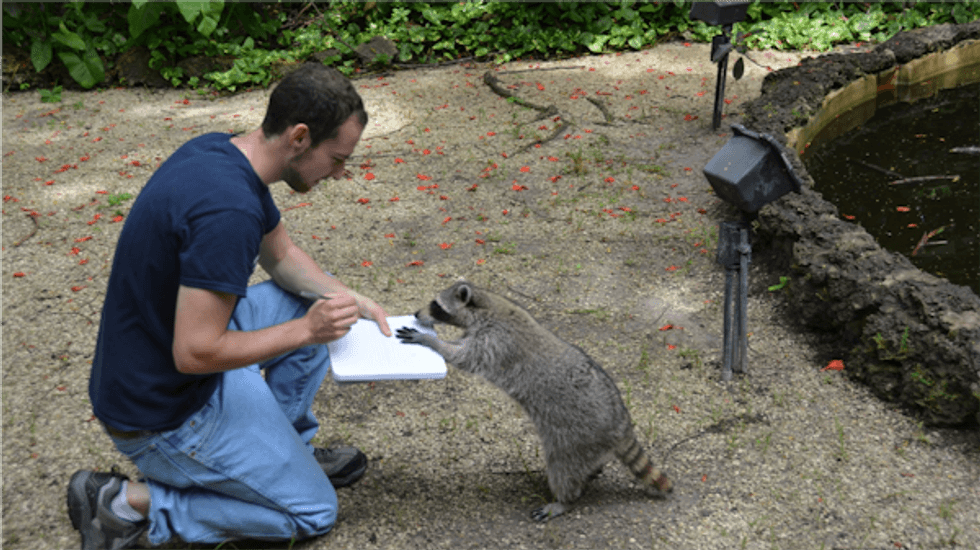
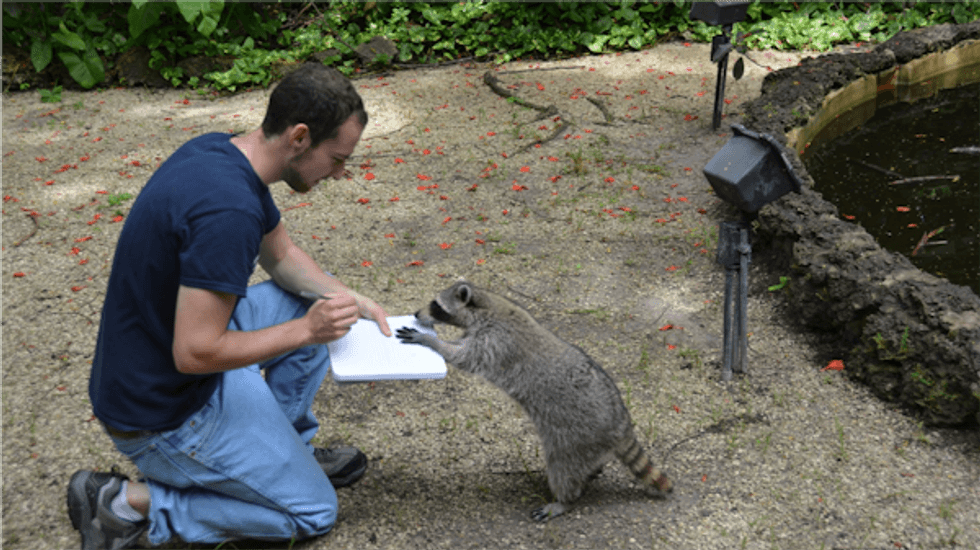
Inspired by Montessori education principles, I visited a raccoon rehabilitation center in Saskatoon, Canada, called Bandit Ranch Rehab a few years ago. After introducing young raccoons to slinkies, puzzles and blocks, I sat in awe as they interacted with these objects with the focused enthusiasm of preschoolers on a mission.
This interspecies confusion seems to be mutual. Recent evidence suggests that urban raccoons are becoming increasingly tolerant of humans, especially when it suits them. But they are quick to leave when curiosity or opportunity calls.
Raccoon imagination
The drunken Ashland raccoon captured global attention because it fit the narrative people have projected onto the species: mischievous, opportunistic, clever and more than a little humanlike. But their sophisticated brains and mental capacities, aligning more with primates than other mammals, are even more intriguing.
Early behavioral research suggested that raccoons can learn a task, walk away and later return to solve it accurately – as if having mentally rehearsed the solution. In contrast, other species, including dogs and rats, needed to maintain continuous focus. Scientists have speculated that raccoons have mental imagery capabilities similar to humans.
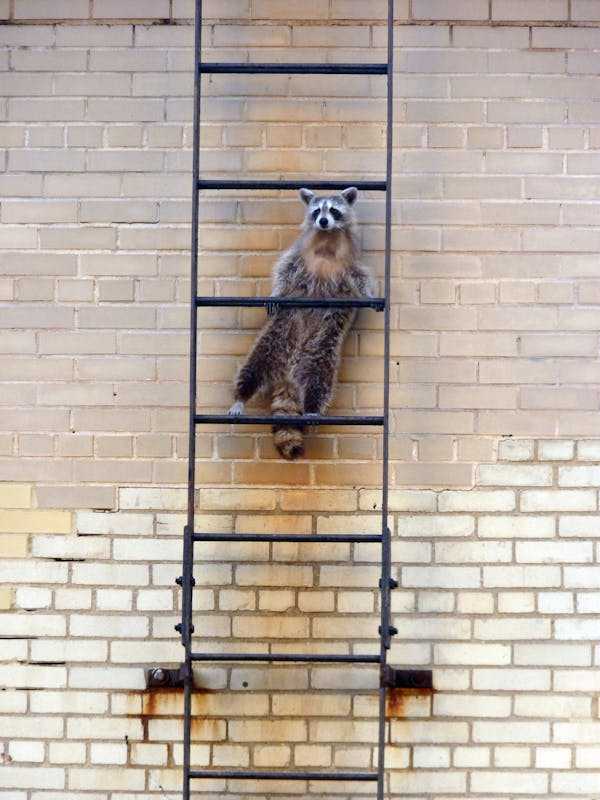
When a rogue raccoon scaled a 25-story skyscraper in Minneapolis several years ago, I couldn’t help but wonder what that animal was anticipating at the top. Do raccoons form internal representations of future outcomes? And if so, how much agency and foresight do they bring to their decisions?
To answer these questions, I have collaborated with wildlife biologists, veterinarians and neuroscientists around the country to study what may be one of the most underestimated and understudied brains in the animal kingdom.
What’s going on inside the raccoon brain?
Working with neuroscientist Suzana Herculano-Houzel, my laboratory at the University of Richmond has found that raccoons pack an astonishing number of neurons – an amount comparable to primates – into their brains. Scaled up to size, a raccoon brain would contain roughly the same number of neurons as a human brain.
We also found that raccoons possess specialized fast-conducting brain cells known as von Economo neurons, which are also found in humans, other great apes and a few additional large-brained mammals. In apes, these neurons appear in both the insula – a part of the brain important for processing internal body states – and the anterior cingulate, which plays a key role in emotional regulation. In raccoons, these neurons are present only in the insula and not in the anterior cingulate.
This neural arrangement may help explain the species’ striking combination of clever problem-solving and rapid decision-making during exploration – frequently leading to risky behaviors that can have unfortunate consequences. These findings raise the possibility that raccoon neuroscience could offer useful insights into the neural foundations of impulse control and distracted attention.
In collaboration with ecologist Sara Benson-Abram’s research team, we also found that raccoons with more sophisticated cognitive abilities had more neural cells in the hippocampus, reinforcing the idea that their learning and memory capacities map onto similar brain systems as those in people. Taxi drivers in London, who frequently use their knowledge of the 25,000 streets in London, also have a larger hippocampal area.
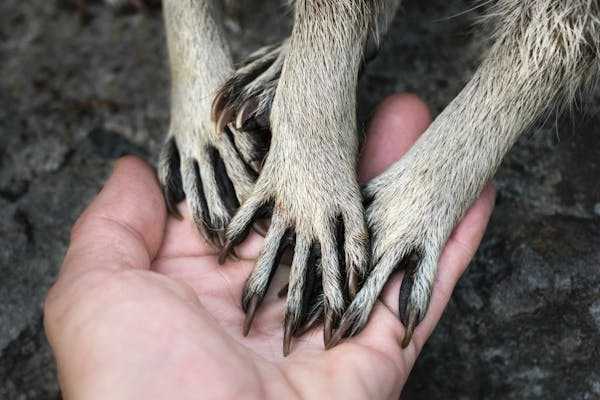
In addition to their impressive brains, raccoons’ dexterous hands play a key role in their cognitively creative escapades. Indeed, researchers have found that raccoon forepaws are mapped onto their cerebral cortex – the outer layer of the brain – in a similar manner as human hands. Both take up a lot of real estate in the brain. As journalist Carl Zimmer wrote, “The hand is where the mind meets the world.”
What raccoons can teach us about the human brain
As I argue in my upcoming book “Wild Brains,” understanding raccoon intelligence requires observing them in the environments they choose – not confining them to the small, simple spaces that suit rats and mice. So-called living laboratories that monitor wildlife without restricting their behavior may be scientists’ best chance at unlocking the secrets of this species’ remarkable mind.
In my graduate training, I was taught to avoid anthropomorphizing animal research subjects – to resist the temptation to project human thoughts and emotions onto nonhuman minds, because human brains likely contribute to uniquely human cognitive and emotional experiences. But primatologist Frans de Waal later introduced the useful counterpoint of anthropodenial: the mistaken assumption that animals cannot share emotional or cognitive capacities with humans simply because they are not human.
The drunken Ashland raccoon captured global attention not just because the story was funny, but because it felt familiar. People recognized something of themselves in this curious, impulsive, problem-solving animal navigating a very human environment. A willingness to lean away from anthropodenial – while remaining grounded in rigorous science – may open new paths for understanding raccoon intelligence and, ultimately, the wonderfully complex human brain.
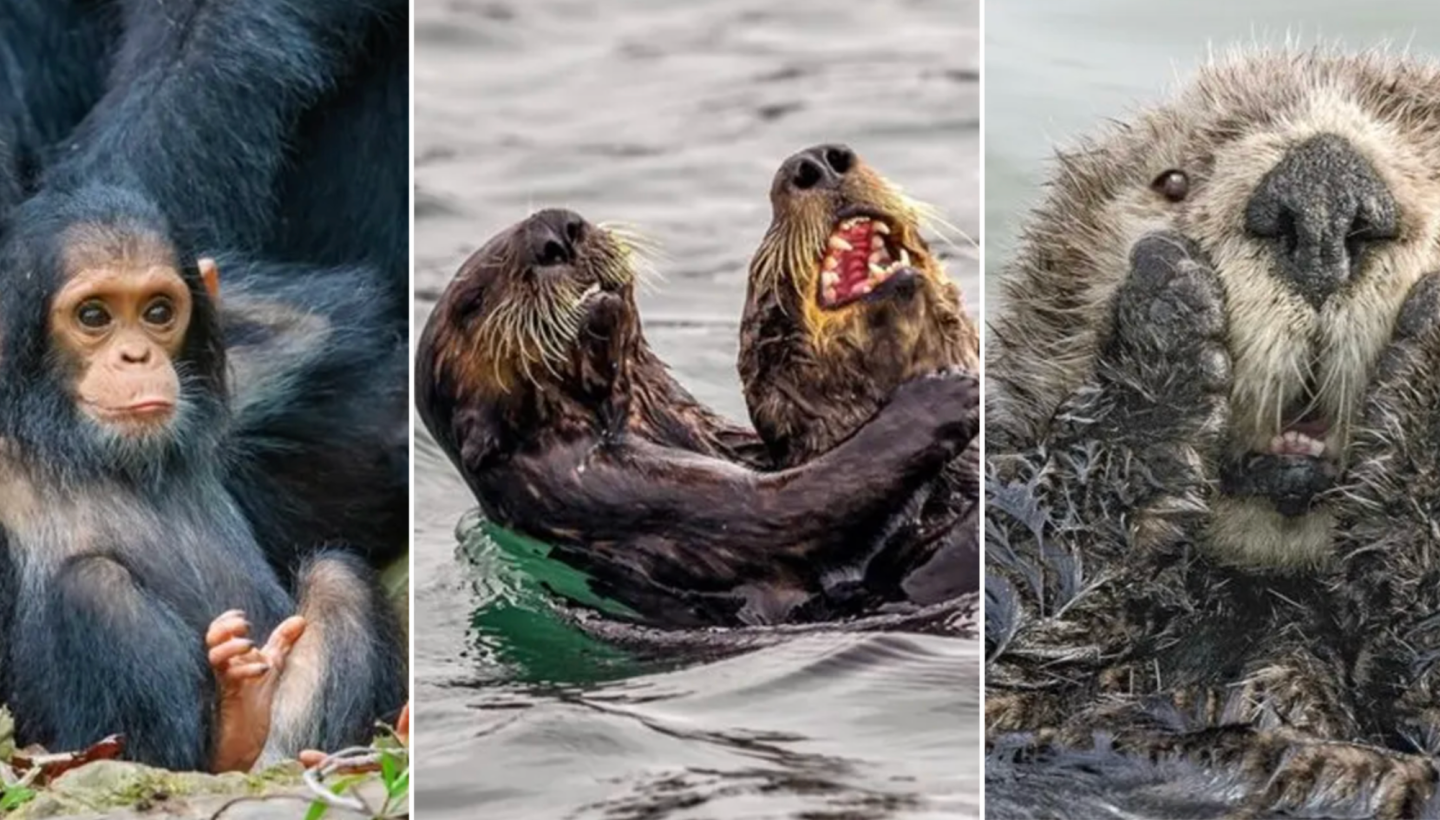
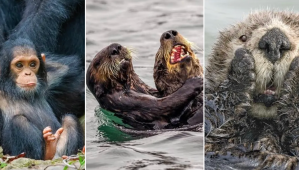
Photo credit: Comedy Wildlife Photography – A chimp with its hand behind its head; otters appear to be laughing in the water; an otter looks like its surprised
Nature documentaries usually focus on the majestic side of the animal kingdom: the thrill of the hunt, the beauty of flight, or the grandeur of migration. But anyone who has spent time observing animals knows there is another, musch goofier, side to the wild.
Since 2015, the Comedy Wildlife Photography Awards, created by photographers and conservationists Paul Joynson-Hicks and Tom Sullam, have been dedicated to capturing those unscripted, laugh-out-loud moments. With a mission to entertain while raising awareness about wildlife conservation, the competition celebrates the clumsy, expressive, and downright hilarious side of nature.
Here is a look back at 20 of the most amusing entries from the 2019 contest that prove animals are just like us, only furrier and much funnier.
OVERALL WINNER, CREATURES OF THE LAND WINNER: “Grab Life By the…”
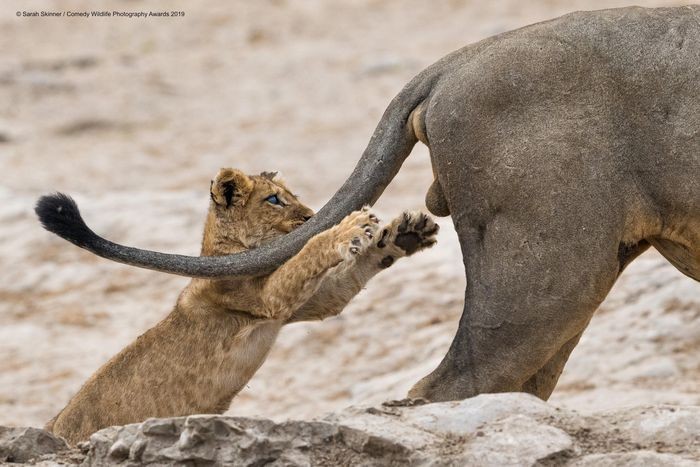
You don’t think about how hard it would be to be the parent of a small, curious creature with massive, sharp claws. Let’s all take a moment to be grateful that even though it’s very hard to have a human baby, they don’t have super sharp claws. That would make things ten times worse.
CREATURES IN THE AIR WINNER: “Family Disagreement”
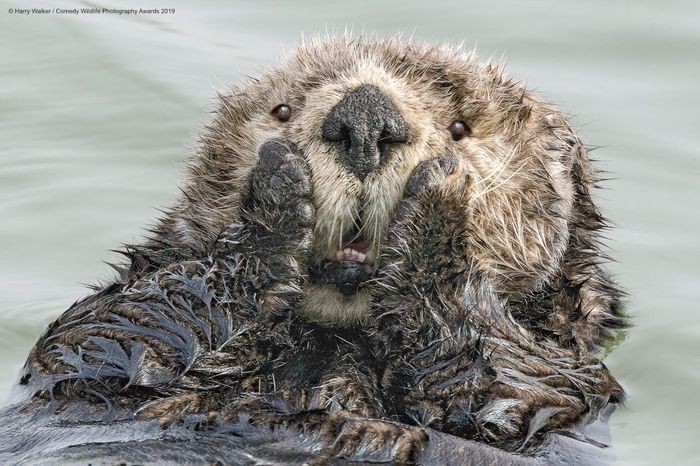
I think if I were an otter, I too would constantly clutch my face in disbelief. “I can’t possibly be this cute, can I? Cute nose, fuzzy head, tiny little eyes? That can’t be! Oh, but it is! I really am this adorable! I am! I am!”
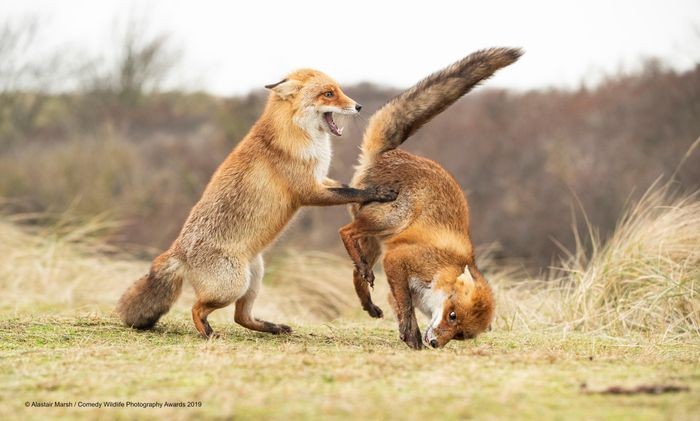
Have you seen those videos of foxes diving headfirst into the snow to catch prey? It’s hilarious and fascinating, and I think this fox forgot that there was no snow. His friend is really trying to help him not hurt himself, but his buddy insists on being dumb. Oh, foxes!
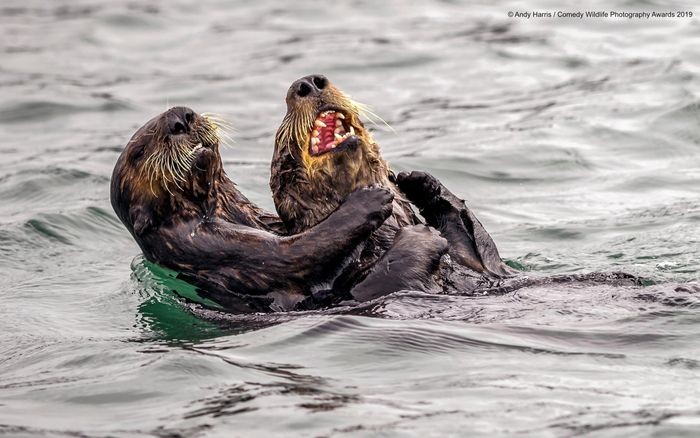
“And then Carol was like, ‘You otter come over for dinner sometime!’ Get it? Get it? Man, Carol’s hilarious. So I went over for dinner and she had like, this whole seafood spread. Crabs, clams, mussels…the whole shebang. Anyway, I think I’m going to marry her.”
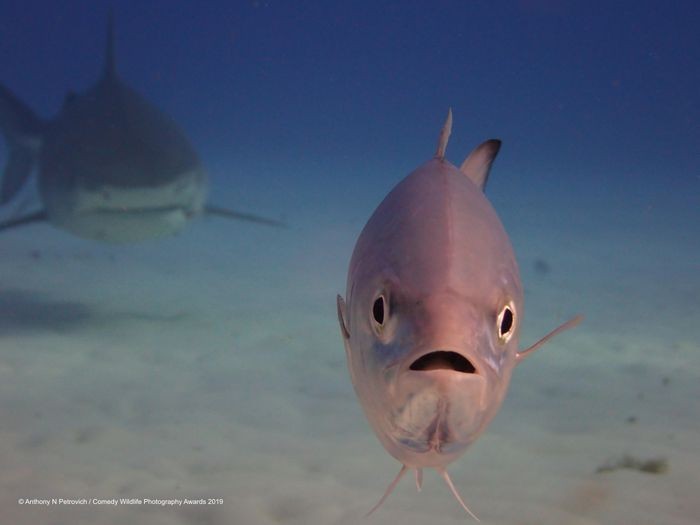
Just think about how much poise it took for this photographer to take this photo. Not only is the shark sneaking up on this poor fish, but there’s a person behind that camera! Presumably, the photographer escaped unscathed, since he was able to enter this photo in the contest.
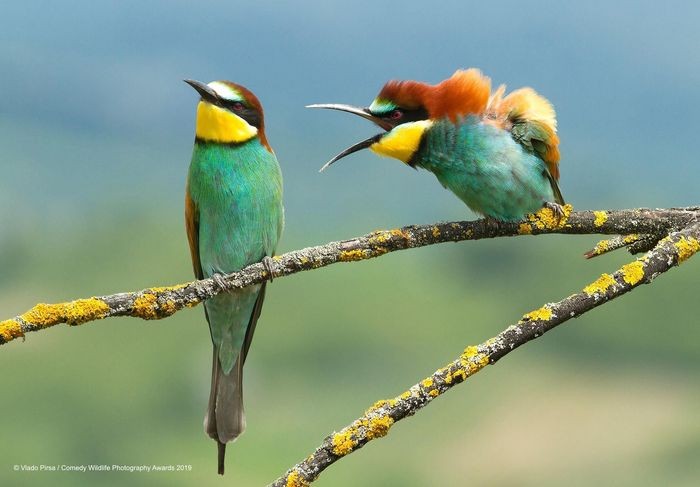
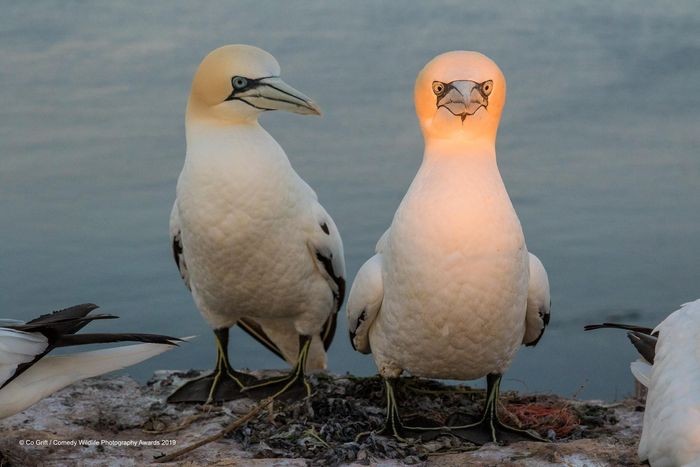
It’s clearly not just human women who have to put up with the incessant nagging conversation from dudes we have no interest in talking to. See the look on that bird’s face? Staring straight out just willing him to go away? Tell me you haven’t made that face. Yeah, that’s what I thought.
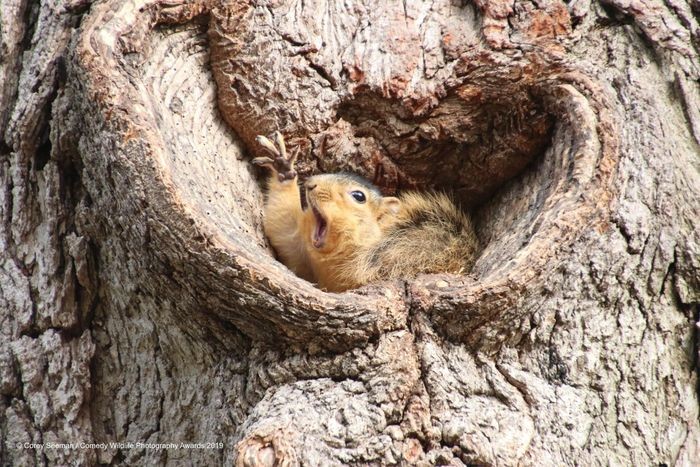
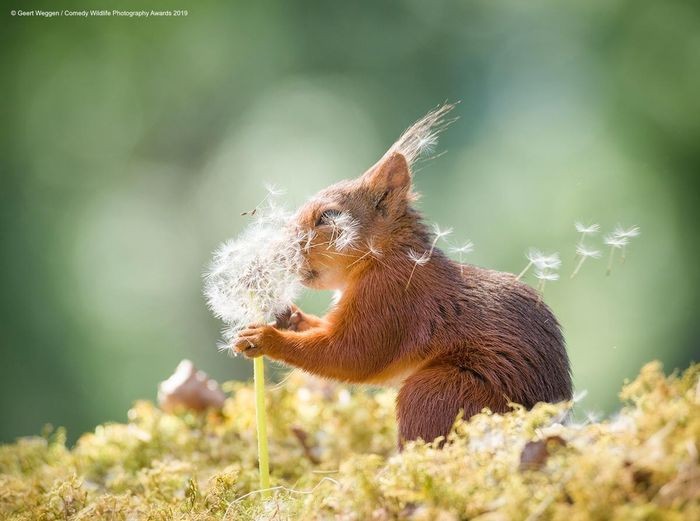
“O Romeo, Romeo, wherefore art thou, Romeo?” No one really knows this, but squirrels are generally huge Shakespeare fans. They saw him put up a play in Europe centuries ago and have just carried that love for his words through generations and generations of squirrels.
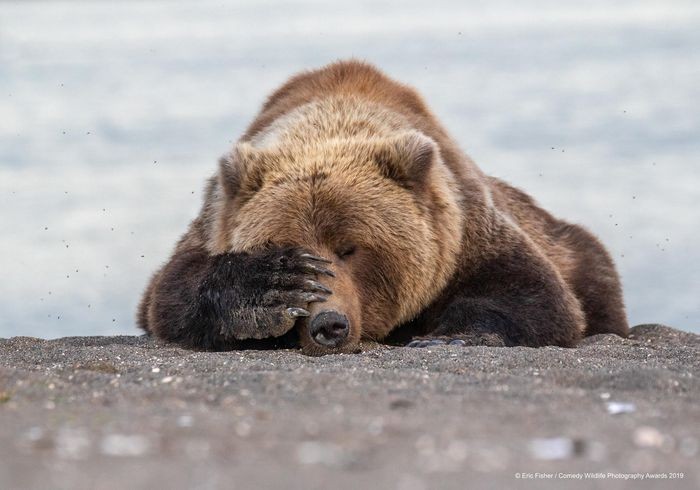
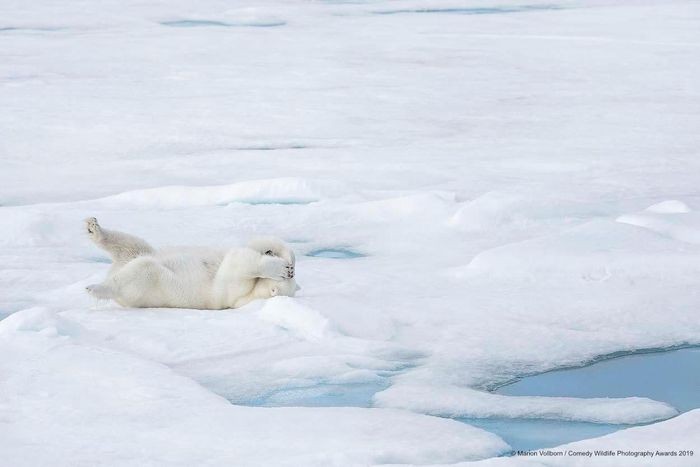
I relate to this bear hard. Anyone who has had to get up and go to work after a long weekend knows this feeling. Sometimes, you just don’t want to deal with anything. Sometimes, you just want to lie on the ground, cover your face with your hands, and nap for a little while longer.
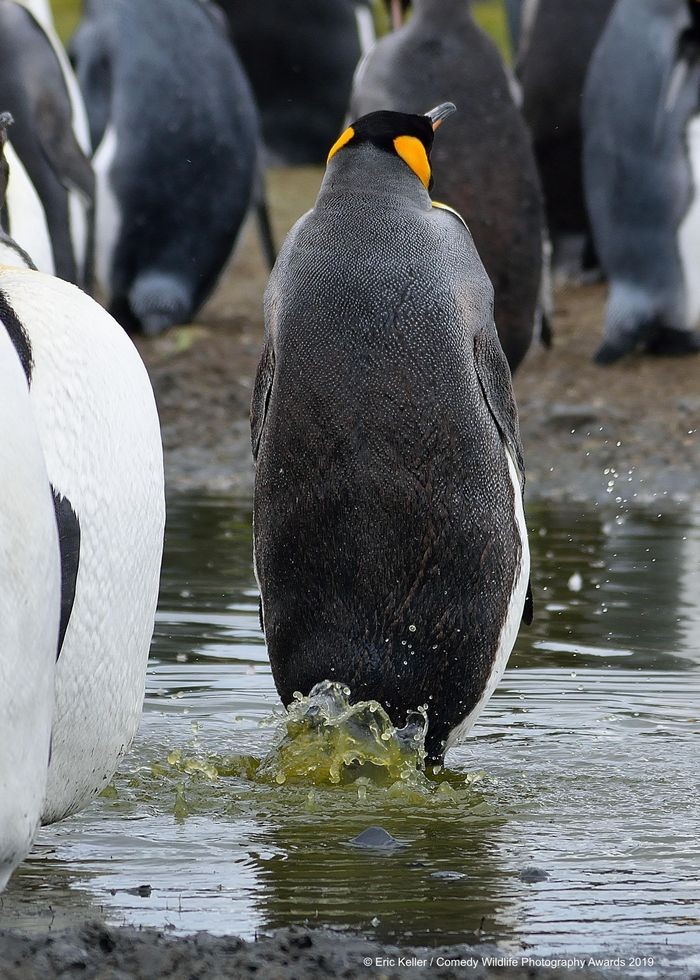
I love this photo so much. Because not only is it a picture of a penguin farting, but it’s a picture of a penguin who is clearly trying to hide the fact that he’s passing gas and play it off like he’s doing absolutely nothing. He’s just standing there twiddling his wings. He has no idea what that big bubble under his butt is.
There seems to be a whole genre of “Small rodents holding flowers” photos, and I am a sucker for every single one of them. I’m pretty sure this comes up when you look up “cute” in the dictionary. It’s just so pure.
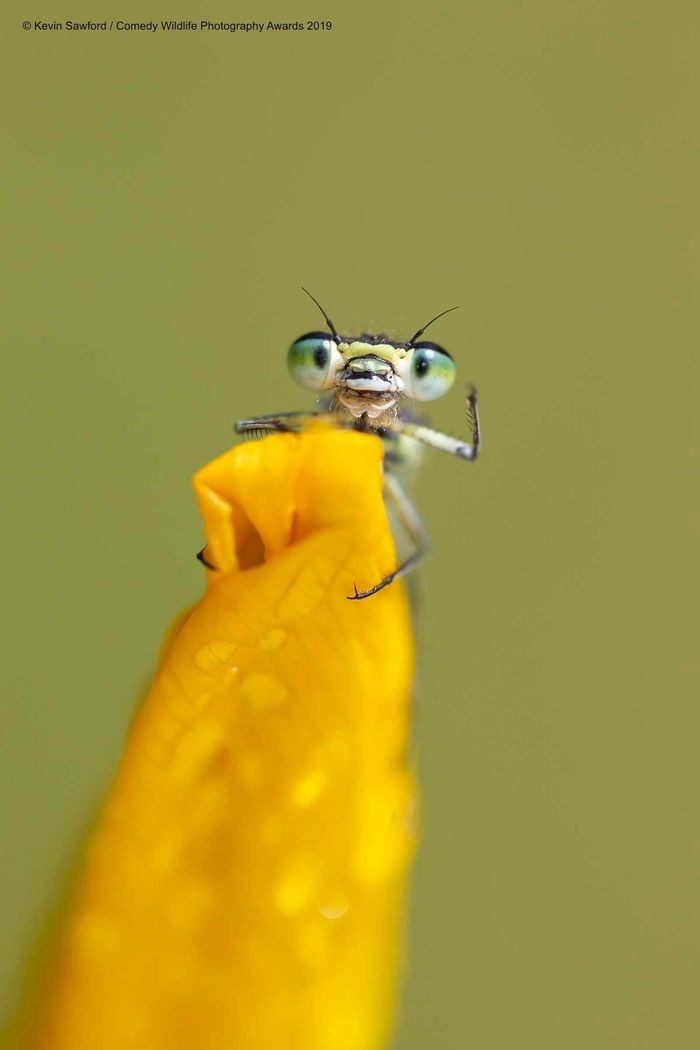
“Hi there! Welcome to my flower. So glad you could make it! It’s a little cold and wet right now, but once the sun comes up we’ll be in business. Help yourself to a dewdrop. They’re especially fresh this morning.”
“And then my friend Steve, the otter, told me that Carol said to him, ‘You otter come over for dinner!’ Get it? Get it? Because they’re otters! So it’s funny. Hey, where’d you go?”
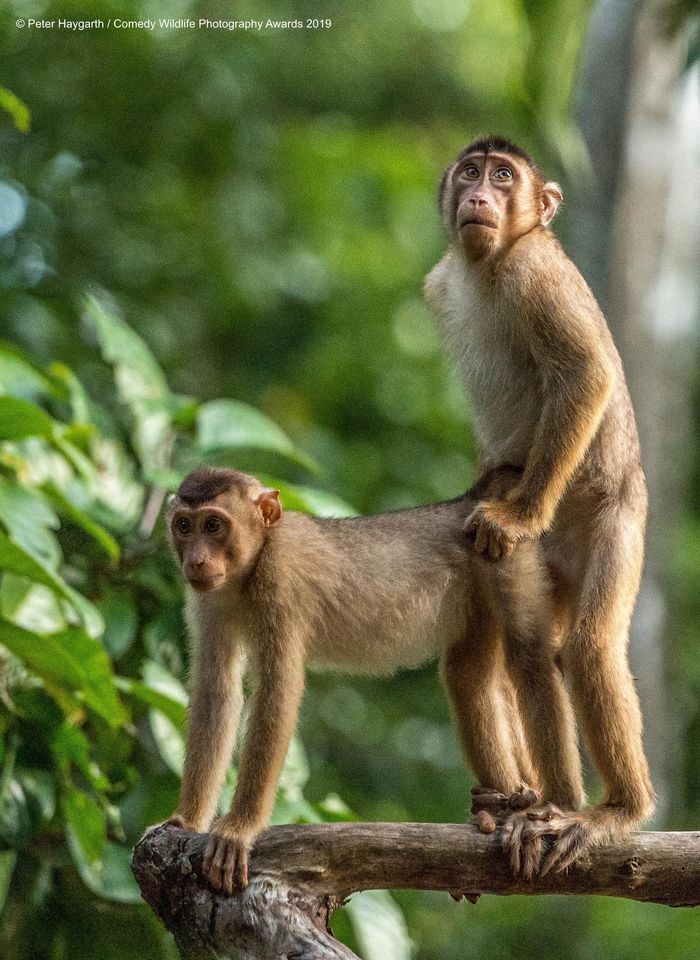
These poor monkeys were just trying to get it on. Their kids were finally out of the tree, they had some peace and quiet, and then they were so rudely interrupted by a photographer. Although mom looks like she was kinda zoning out anyway.
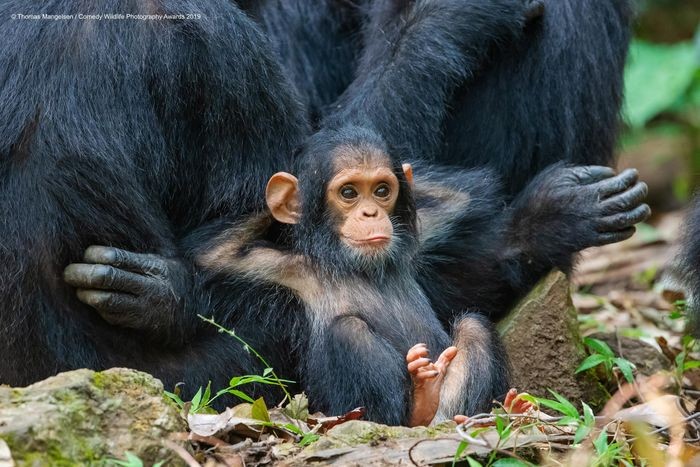
This little chimp is living the life! He’s got it all figured out, and from the looks of him, he’s still a tiny baby. He’s just looking out at the jungle, thinking about all that milk he’s going to drink later.
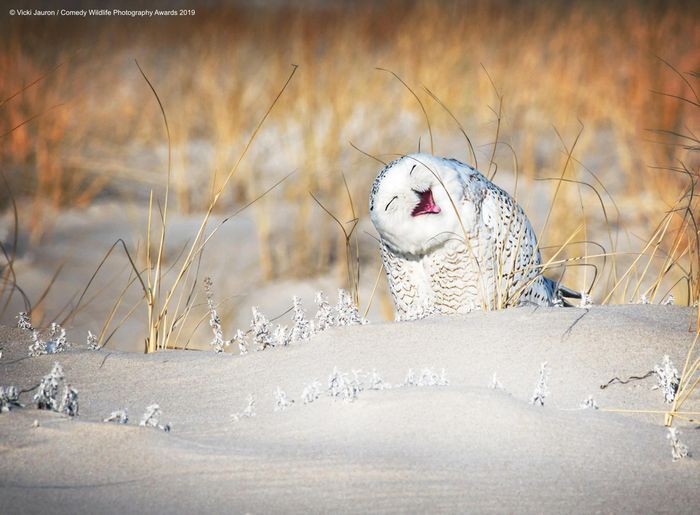
I bet that when you’re a Snowy Owl and it finally snows, you are just so ecstatically happy. I mean, it’s right there in your name. Look at her face! It’s full of such pure joy.
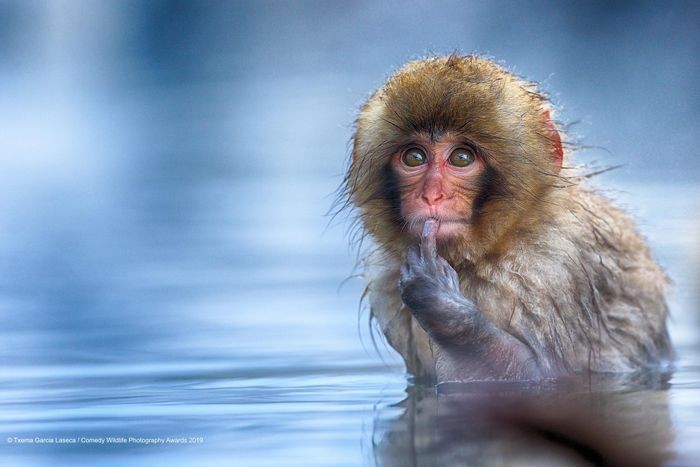
Like this little monkey, I, too, usually save my existential crises for bath time. There’s something about the weightlessness of floating in the water that makes you question everything you know to be true about yourself and the world.
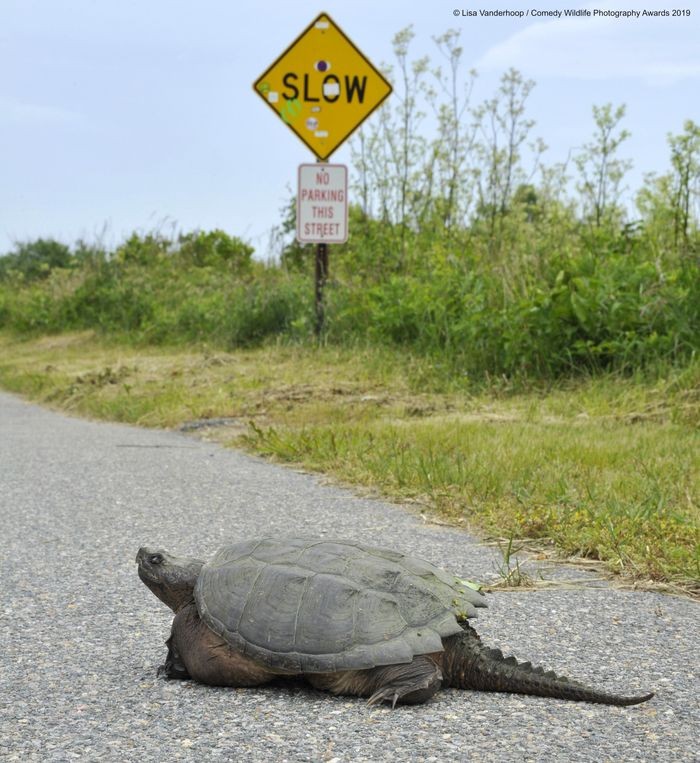
Who’s calling this snapping turtle slow? He’s just “taking his time.” On another note, I think turtles are probably the most prehistoric-looking creatures that still exist. If you really take the time to look at them, they’re so crazy.
Imagine playing hide and seek on a block of ice as a polar bear. On one hand, there aren’t too many places to hide. On the other hand, you’re looking for white on white, and that’s not easy.
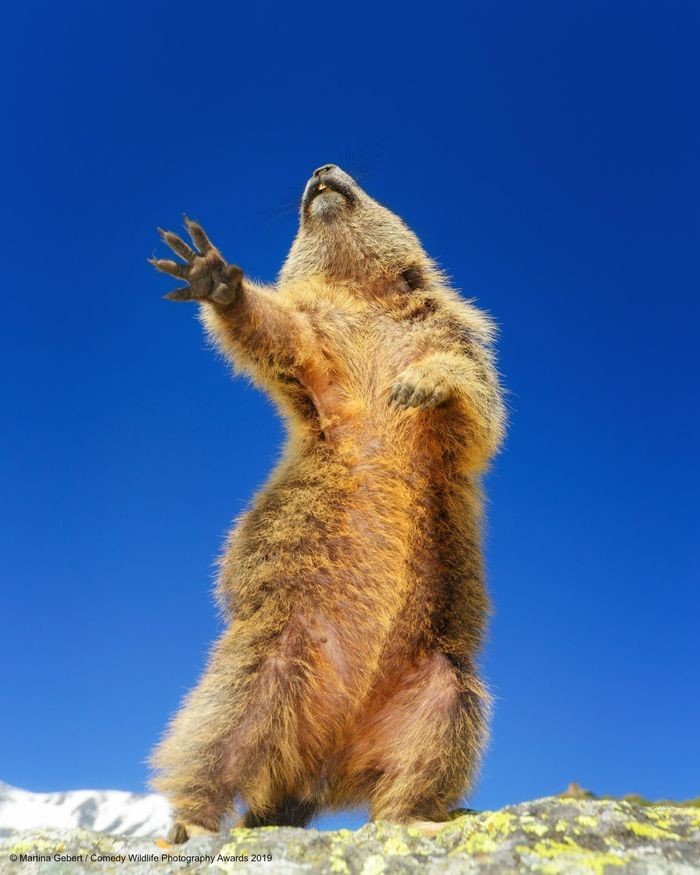
I don’t know if you knew this, but rodents love ABBA. Here is one getting down to “Dancing Queen.” Because they’re so small, they really feel the music down to their bones. Raise your hand if you would watch an all-rodent adaptation of Mamma Mia! Yeah, me too.
If you want to enter next year’s competition, follow the link here to sign up for mailing list updates!
Raccoons are rapscallions—nocturnal mischief-makers that you might find rummaging around in your garbage or, given their nimble five-digit hands, turning doorknobs. If you Google “funny raccoon stories,” you’ll find a seemingly endless supply of enjoyable anecdotes. But none hold a candle to this one: Returning to work after a Thanksgiving break, staff at a liquor store in Ashland, Virginia were shocked to discover that a trash panda had broken into the establishment, ransacked some of their supply, and ultimately passed out in the bathroom—conveniently between the waste bin and the toilet. Luckily, though, thanks to the hard work of local animal control, the hangover was short-lived.
But first…just like a raccoon rummaging through your overgrown yard, we have to get into the weeds. The store in question is reportedly Ashland’s state-run ABC (or “Alcoholic Beverage Control” ) location, who told NBC News that the critter dropped inside through the ceiling and rummaged around, causing $250 in damages. (There were 14 bottles in total, covering rum, scotch, peanut butter whiskey, moonshine, and eggnog.) When security arrived to scope out the scene, they weren’t quite expecting to find a splayed-out (and, reportedly, “drunk”) raccoon.
“Telltale signs” of raccoon drinking
Jeffrey Parker, chief of Animal Protection for the shelter, elaborated to NBC News about the raccoon’s state when the officer initially arrived. “Just looking at this raccoon being so lethargic laying there—the officer stated the eyes were moving back and forth,” Parker said. “Telltale signs that he’s probably [done] a little drinking. [Laughs.] [He] more than likely [would have failed a field-sobriety test]. The officer said she had no problem picking the raccoon up.”
Hanover County Animal Protection and Shelter broke the story in a now-viral Facebook post, playfully describing the situation as a “Black Friday break-in” with the “suspect apprehended after liquor-fueled rampage.” They gave credit to their own Officer Martin, who safely secured the “very intoxicated” little guy and got him to safety. “After a few hours of sleep and zero signs of injury (other than maybe a hangover and poor life choices), he was safely released back to the wild, hopefully having learned that breaking and entering is not the answer,” they wrote. “A big shout-out to Officer Martin for handling this chaotic scene with professionalism and good humor. Just another day in the life at Hanover Animal Protection!”
There’s another fun element to this story: The shelter is now selling “Trashed Panda” T-shirts and hoodies to support “shelter animal care and enrichment, field officer training, and equipment needed to ensure safe and humane response to wildlife calls, including the ones who occasionally party a little too hard.”
The Facebook comments are priceless. “Who amongst us haven’t passed out by the toilet after a bender?” one user wrote. Another added, “He was by that toilet swearing never to drink again.” All joking aside, we’re relieved that the little guy got back on his feet—and away from the liquor store. We owe a salute to Officer Martin for making that happen.
But if you’re now in the mood for some of those previously mentioned “funny raccoon stories,” turn your attention to Reddit. “One broke into my house by opening the bathroom window in the shower, knocking several shampoo bottles off the ledge and into the tub,” one person wrote. “When hubby went to investigate, there was the raccoon, arms outstretched to hold on. We refer to it as Jesus raccoon now.”