On January 31, 2007, the long, narrow alleys and wide boulevards of Mexico City were filled with typical early morning sounds: children running through open doors; families preparing for the day; and street vendors cooking up tortillas, one of Mexico’s main food staples.


Yet this was to be no ordinary day. On this day, the price of corn— the main ingredient in tortillas—would hit an all-time high of 35 cents a pound, a price that would have been unfathomable just a year before. Corn was suddenly 400 percent more expensive than it had been just three months earlier. With half of all Mexicans living below the poverty line, a sudden increase of this magnitude was not just a nuisance, it was a potential humanitarian and political crisis.

As the sun lifted higher in the sky, the voices of tens of thousands of citizens, farmers, and union activists could be heard gathering in one of the city’s central squares. Above their heads, they raised not weapons, but ears of corn. The tortilla riots, as they came to be called, echoed throughout the day, taking over one of the main downtown streets and challenging the new government of President Felipe Calderón. Well into the evening, protestors chanted, “Tortillas sí, pan no!”—a pun on Calderón’s National Action Party, the PAN, which also means “bread” in Spanish—and barked out their suspicions about just who was behind the rise in prices: the government, big business, and the wealthy elite of the country. Union leaders and television celebrities railed against corporations for price fixing and chastised the beef and pig ranchers for hoarding their grains.

While the ranchers and political leaders were natural objects of class indignation, they were not, this time at least, the principal culprits. Indeed, the protestors could scarcely have guessed the truth: The slowly burning fuse that had ignited the explosion in corn prices had been lit several years before and a thousand miles away by a seemingly disconnected event—Hurricane Katrina.

Here’s how: In August 2005, the impending winds of the devastating hurricane had prompted the mass evacuation and shutdown of the 2,900 oil rigs that dot the Gulf Coast from Texas to Louisiana, disrupting almost 95 percent of oil production in the Gulf for several months.

In the aftermath of the storm, the price of gasoline in America surged, in some places by as much as 40 cents per gallon in a single day. This spike in oil prices made corn—the primary ingredient in the alternative fuel ethanol—look relatively cheap by comparison and spurred investment in domestic ethanol production. U.S. farmers, among the most efficient and most heavily subsidized in the world, were encouraged to replace their edible corn crops with inedible varieties suitable for ethanol production. By 2007, even Congress had gotten in on the act, mandating a fivefold increase in biofuel production—with more than 40 percent of it to come from corn.

Amid the euphoria of this ethanol investment bubble, almost no one considered potential impacts on Mexico’s peasant farmers, who, in the decade between the passage of NAFTA and the arrival of Katrina, had found themselves thrust into international competition with powerhouse U.S. agribusinesses north of their border. American corn growers routinely sold (many would argue dumped) their product on Mexican markets at almost 20 percent less than it cost to produce it. Unable to keep up—even with the support of their own domestic subsidies—many rural Mexican farmers had switched the variety of corn they grew, switched crops altogether, or abandoned their farms, swelling the ranks of Mexico City’s underclass and further accelerating Mexico’s position as a primary market for cheap U.S. varieties.

As NAFTA took hold, this expanding corn import market had also become increasingly dominated by a tiny clique of powerful transnational corporations, mostly headquartered in the United States, including Cargill and Archer Daniels Midland, along with their Mexican subsidiaries. These companies accelerated the transition already at work by doing what dominant incumbents instinctively do: concentrating power, tightening their control over the market, and squeezing out smaller suppliers. The result: Mexico, famous as the place that domesticated the growing of corn ten thousand years ago, soon became a net food importer—the third largest of U.S. agricultural products—much of it channeled through a tiny constellation of companies.

It was against this backdrop that, in the year that followed Katrina, with increasing amounts of the United States’ domestic supply being diverted to ethanol, the price of corn became inextricably coupled to the price of oil—not only because ethanol and oil are comparable fuels, but also because it takes an enormous amount of petroleum-derived fertilizers to grow corn in the first place. As the price of a barrel of petroleum fluctuated, the price of a bushel of corn began increasingly to move in lockstep. When global speculation drove the cost of a barrel of oil to nearly $140, the now-linked price of corn also skyrocketed, provoking what may become an archetypal experience of the twenty-first century: a food riot.

We are, of course, used to these kinds of stories. Each week, it seems, brings some unforeseen disruption, blooming amid the thicket of overlapping social, political, economic, technological, and environmental systems that govern our lives. They arrive at a quickening yet erratic pace, usually from unexpected quarters, stubbornly resistant to prediction. The most severe become cultural touchstones, referred to in staccato shorthand: Katrina. Haiti. BP. Fukushima. The Crash. The Great Recession. The London mob. The Arab Spring. Other nameless disruptions swell their ranks, amplified by slowly creeping vulnerabilities: a Midwestern town is undone by economic dislocation; a company is obliterated by globalization; a way of life is rendered impossible by an ecological shift; a debt crisis emerges from political intractability. If it feels like the pace of these disruptions is increasing, it’s not just you: It took just six months for 2011 to become the costliest year on record for natural disasters, a fact that insurance companies tie unambiguously to climate change. Volatility of all sorts has become the new normal, and it’s here to stay.

While the details are always different, certain features of these disruptions are remarkably consistent, whether we’re discussing the recent global financial crisis, the geopolitical outcomes of the war in Iraq, or the surprising consequences of a natural disaster. One hallmark of such events is that they reveal the dependencies between spheres that are more often studied and discussed in isolation from one another. The story of the tortilla riots, for example, makes visible the linkages between the energy system (the oil rigs) the ecological system (Katrina), the agricultural system (the corn harvest), the global trade system (NAFTA), social factors (urbanization and poverty), and the political systems of both Mexico and the United States.

We tell such stories to encourage humility in the face of the incomprehensible complexity, interconnectivity, and volatility of the modern world—one in which upheavals can appear to be triggered by seemingly harmless events, arrive with little warning, and reveal hidden, almost absurd correlations in their wake. Like pulling on an errant string in a garment, which unravels the whole even as it reveals how the elements were previously woven together, we make sense of these stories only in retrospect. Even with a deep understanding of the individual systems involved, we usually find it difficult to untangle the chain of causation at work. And for all of the contributions of the much-ballyhooed Information Age, just having more data doesn’t automatically help. After all, if we could actually see each of the individual packets of data pulsing through the internet, or the complex chemical interactions affecting our climate, could we make sense of them? Could we predict in detail over the long term where those systems are headed or what strange consequences might be unleashed along the way? Even with perfect knowledge, one can’t escape the nagging suspicion we’re ballroom dancing in the middle of a minefield.

So what to do?

If we cannot control the volatile tides of change, we can learn to build better boats. We can design—and redesign—organizations, institutions, and systems to better absorb disruption, operate under a wider variety of conditions, and shift more fluidly from one circumstance to the next. To do that, we need to understand the emerging field of resilience.

Andrew Zolli is an author and Curator and Executive Director of PopTech, a global innovation network. This post is an excerpt from his new book Resilience: Why Things Bounce Back.

Image from Wikimedia Commons
  • In America’s sandwiches, the story of a nation
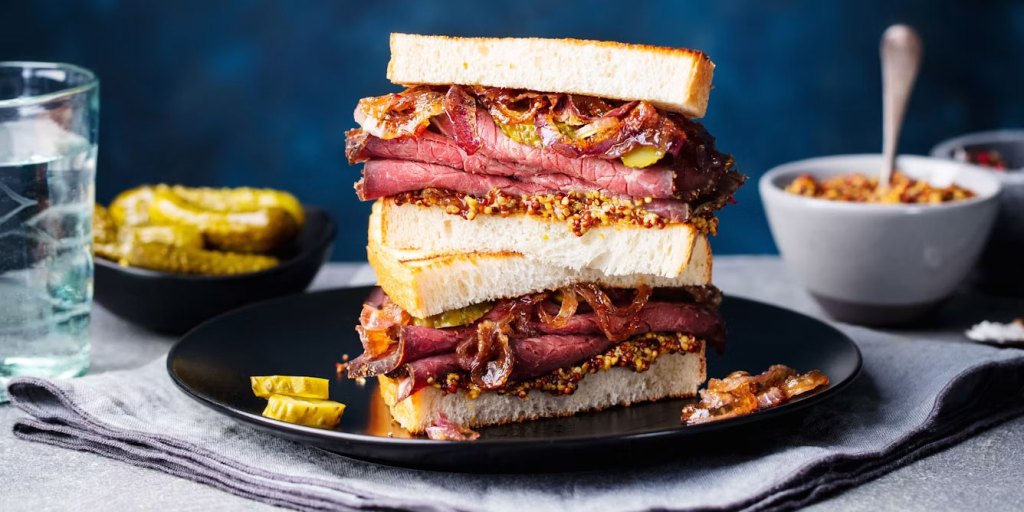
    Photo credit: Anna_PustynnikovaA tasty sandwich
    ,

    In America’s sandwiches, the story of a nation

    A nation’s story, stacked between slices.

    Everyone has a favorite sandwich, often prepared to an exacting degree of specification: Turkey or ham? Grilled or toasted? Mayo or mustard? White or whole wheat?

    We reached out to five food historians and asked them to tell the story of a sandwich of their choosing. The responses included staples like peanut butter and jelly, as well as regional fare like New England’s chow mein sandwich.

    Together, they show how the sandwiches we eat (or used to eat) do more than fill us up during our lunch breaks. In their stories are themes of immigration and globalization, of class and gender, and of resourcefulness and creativity.


    A taste of home for working women

    Megan Elias, Boston University

    The tuna salad sandwich originated from an impulse to conserve, only to become a symbol of excess.

    In the 19th century – before the era of supermarkets and cheap groceries – most Americans avoided wasting food. Scraps of chicken, ham or fish from supper would be mixed with mayonnaise and served on lettuce for lunch. Leftovers of celery, pickles and olives – served as supper “relishes” – would also be folded into the mix.

    Join 1,724 readers who give monthly to fund research-based journalism

    I’ll pitch in

    The versions of these salads that incorporated fish tended to use salmon, white fish or trout. Most Americans didn’t cook (or even know of) tuna.

    Around the end of the 19th century, middle-class women began to spend more time in public, patronizing department stores, lectures and museums. Since social conventions kept these women out of the saloons where men ate, lunch restaurants opened up to cater to this new clientele. They offered women exactly the kind of foods they had served each other at home: salads. While salads made at home often were composed of leftovers, those at lunch restaurants were made from scratch. Fish and shellfish salads were typical fare.

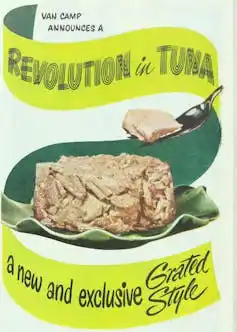
    A 1949 ad in Ladies’ Home Journal announces a ‘Revolution in Tuna.'
    A 1949 ad in Ladies’ Home Journal announces a ‘Revolution in Tuna.’ Internet Archive Book Images

    When further social and economic changes brought women into the public as office and department store workers, they found fish salads waiting for them at the affordable lunch counters patronized by busy urban workers. Unlike the ladies’ lunch, the office lunch hour had time limits. So lunch counters came up with the idea of offering the salads between two pieces of bread, which sped up table turnover and encouraged patrons to get lunch to go.

    When canned tuna was introduced in the early 20th century, lunch counters and home cooks could skip the step of cooking a fish and go straight to the salad. But there was downside: The immense popularity of canned tuna led to the growth of a global industry that has severely depleted stocks and led to the unintended slaughter of millions of dolphins. A clever way to use dinner scraps has become a global crisis of conscience and capitalism.

    I like mine on toasted rye.


    East meets West in Fall River, Massachusetts

    Imogene Lim, Vancouver Island University

    “Gonna get a big dish of beef chow mein,” Warren Zevon sings in his 1978 hit “Werewolves of London,” a nod to the popular Chinese stir-fried noodle dish.

    During that same decade, Alika and the Happy Samoans, the house band for a Chinese restaurant in Fall River, Massachusetts, also paid tribute to chow mein with a song titled “Chow Mein Sandwich.”

    Chow mein in a sandwich? Is that a real thing?

    I was first introduced to the chow mein sandwich while completing my doctorate at Brown University. Even as the child of a Chinatown restaurateur from Vancouver, I viewed the sandwich as something of a mystery. It led to a post-doctoral fellowship and a paper about Chinese entrepreneurship in New England.

    The chow mein sandwich is the quintessential “East meets West” food, and it’s largely associated with New England’s Chinese restaurants – specifically, those of Fall River, a city crowded with textile mills near the Rhode Island border.

    The sandwich became popular in the 1920s because it was filling and cheap: Workers munched on them in factory canteens, while their kids ate them for lunch in the parish schools, especially on meatless Fridays. It would go on to be available at some “five and dime” lunch counters, like Kresge’s and Woolworth – and even at Nathan’s in Coney Island.

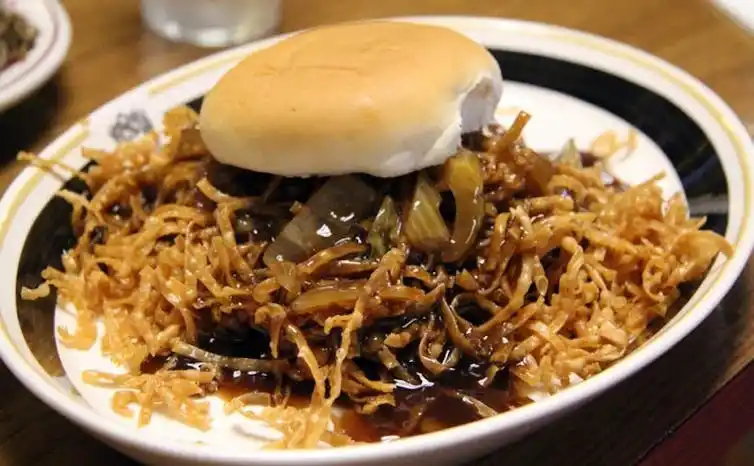
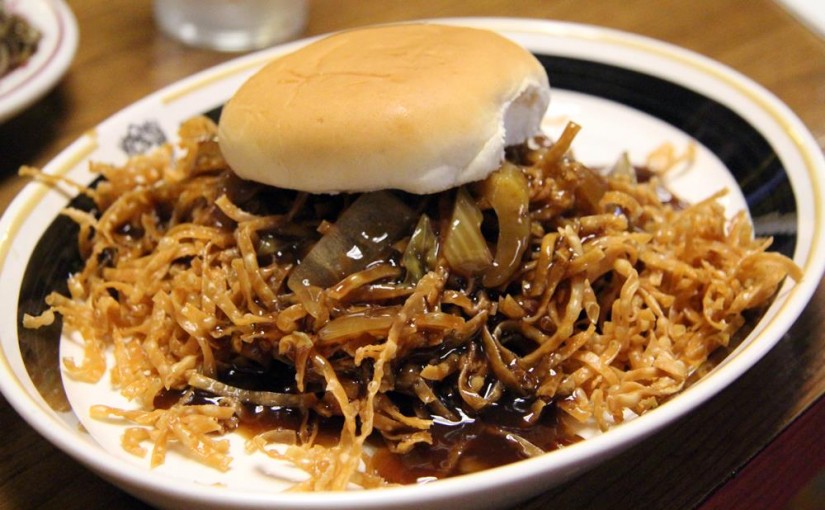
    Fall River’s famous chow mein sandwich.
    Fall River’s famous chow mein sandwich. Roadfood

    It’s exactly what it sounds like: a sandwich filled with chow mein (deep-fried, flat noodles, topped with a ladle of brown gravy, onions, celery and bean sprouts). If you want to make your own authentic sandwich at home, I recommend using Hoo Mee Chow Mein Mix, which is still made in Fall River. It can be served in a bun (à la sloppy joe) or between sliced white bread, much like a hot turkey sandwich with gravy. The classic meal includes the sandwich, french fries and orange soda.

    For those who grew up in the Fall River area, the chow mein sandwich is a reminder of home. Just ask famous chef (and Fall River native) Emeril Lagasse, who came up with his own “Fall River chow mein” recipe.

    And at one time, Fall River expats living in Los Angeles would hold a “Fall River Day.”

    On the menu? Chow mein sandwiches, of course.


    A snack for the elites

    Paul Freedman, Yale University

    Unlike many American food trends of the 1890s, such as the Waldorf salad and chafing dishes, the club sandwich has endured, immune to obsolescence.

    The sandwich originated in the country’s stuffy gentlemen’s clubs, which are known – to this day – for a conservatism that includes loyalty to outdated cuisine. (The Wilmington Club in Delaware continues to serve terrapin, while the Philadelphia Club’s specialties include veal and ham pie.) So the club sandwich’s spread to the rest of the population, along with its lasting popularity, is a testament to its inventiveness and appeal.

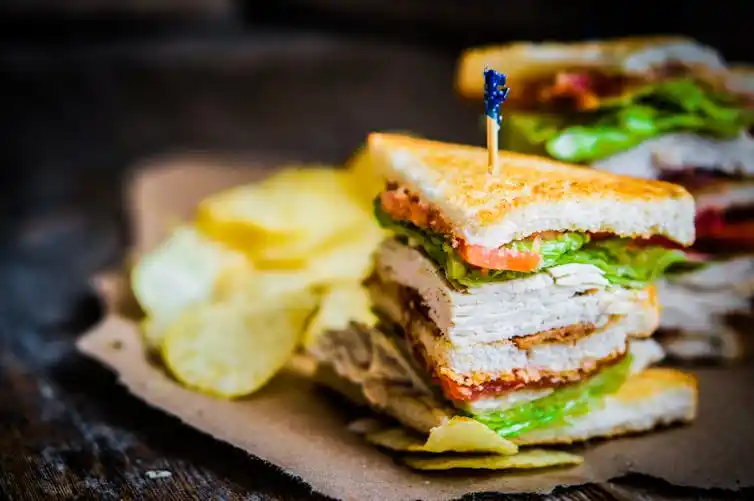
    A two-layer affair, the club sandwich calls for three pieces of toasted bread spread with mayonnaise and filled with chicken or turkey, bacon, lettuce and tomato. Usually the sandwich is cut into two triangles and held together with a toothpick stuck in each half.

    Some believe it should be eaten with a fork and knife, and its blend of elegance and blandness make the club sandwich a permanent feature of country and city club cuisine.

    The club sandwich: A perfect blend of elegance and blandness.
    The club sandwich: A perfect blend of elegance and blandness. Alena Haurylik

    As far back as 1889, there are references to a Union Club sandwich of turkey or ham on toast. The Saratoga Club-House offered a club sandwich on its menu beginning in 1894.

    Interestingly, until the 1920s, sandwiches were identified with ladies’ lunch places that served “dainty” food. The first club sandwich recipe comes from an 1899 book of “salads, sandwiches and chafing-dish dainties,” and its most famous proponent was Wallis Simpson, the American woman whom Edward VIII abdicated the throne of Great Britain to marry.

    Nonetheless, an 1889 article from the New York Sun entitled “An Appetizing Sandwich: A Dainty Treat That Has Made a New York Chef Popular” describes the Union Club sandwich as appropriate for a post-theater supper, or something light to be eaten before a nightcap. This was one type of sandwich that men could indulge in, the article seemed to be saying – as long as it wasn’t eaten for lunch.

    New York City’s Union Club served an early version of the club sandwich that was a hit.
    New York City’s Union Club served an early version of the club sandwich that was a hit. GryffindorCC BY-SA

    ‘The combination is delicious and original’

    Ken Albala, University of the Pacific

    While the peanut butter and jelly sandwich eventually became a staple of elementary school cafeterias, it actually has upper-crust origins.

    In the late-19th century, at elegant ladies’ luncheons, a popular snack was small, crustless tea sandwiches with butter and cucumber, cold cuts or cheese. Around this time, health food advocates like John Harvey Kellogg started promoting peanut products as a replacement for animal-based foods (butter included). So for a vegetarian option at these luncheons, peanut butter simply replaced regular butter.

    One of the earliest known recipes that suggested including jelly with peanut butter appeared in a 1901 issue of the Boston Cooking School Magazine.

    “For variety,” author Julia Davis Chandler wrote, “some day try making little sandwiches, or bread fingers, of three very thin layers of bread and two of filling, one of peanut paste, whatever brand you prefer, and currant or crabapple jelly for the other. The combination is delicious, and so far as I know original.”

    The sandwich moved from garden parties to lunchboxes in the 1920s, when peanut butter started to be mass produced with hydrogenated vegetable oil and sugar. Marketers of the Skippy brand targeted children as a potential new audience, and thus the association with school lunches was forged.

    The classic version of the sandwich is made with soft, sliced white bread, creamy or chunky peanut butter and jelly. Outside of the United States, the peanut butter and jelly sandwich is rare  – much of the world views the combination as repulsive.

    These days, many try to avoid white bread and hydrogenated fats. Nonetheless, the sandwich has a nostalgic appeal for many Americans, and recipes for high-end versions – with freshly ground peanuts, artisanal bread or unusual jams – now circulate on the web.


    The Daughters of the Confederacy get creative

    Andrew P. Haley, University of Southern Mississippi

    The Scotch woodcock is probably not Scottish. It’s arguably not even a sandwich. A favorite of Oxford students and members of Parliament until the mid-20th century, the dish is generally prepared by layering anchovy paste and eggs on toast.

    Like its cheesier cousin, the Welsh rabbit (better known as rarebit), its name is fanciful. Perhaps there was something about the name, if not the ingredients, that sparked the imagination of Miss Frances Lusk of Jackson, Mississippi.

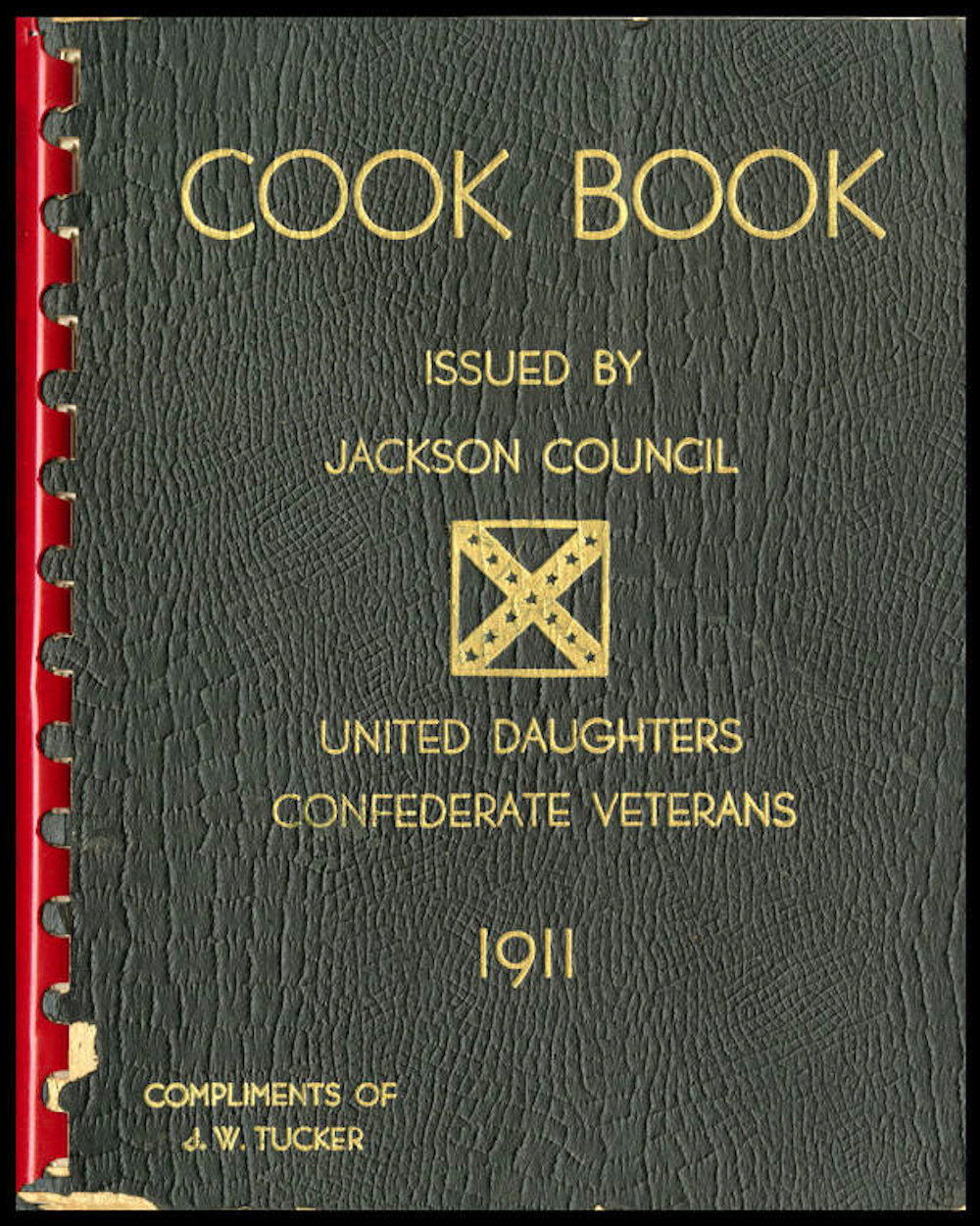
    The United Daughters of the Confederacy cookbook features a take on the Scotch woodcock.
    The United Daughters of the Confederacy cookbook features a take on the Scotch woodcock. McCain Library and Archives, The University of Southern MississippiCC BY-SA

    Inspired to add a little British sophistication to her entertaining, she crafted her own version of the Scotch woodcock for a 1911 United Daughters of the Confederacy fundraising cookbook. Miss Lusk’s woodcock sandwich mixed strained tomatoes and melted cheese, added raw eggs, and slathered the paste between layers of bread (or biscuits).

    As food historian Bee Wilson argues in her history of the sandwich, American sandwiches distinguished themselves from their British counterparts by the scale of their ambition. Imitating the rising skylines of American cities, many were towering affairs that celebrated abundance.

    But those sandwiches were the sandwiches of urban lunchrooms and, later, diners. In the homes of southern clubwomen, the sandwich was a way to marry British sophistication to American creativity.

    For example, the United Daughters of the Confederacy cookbook included “sweetbread sandwiches,” made by heating canned offal (animal trimmings) and slathering the mashed mixture between two pieces of toast. There’s also a “green pepper sandwich,” crafted from “very thin” slices of bread and “very thin” slices of green pepper.

    Such creative combinations weren’t limited to the elites of Mississippi’s capital city. In the plantation homes of the Mississippi Delta, members of the Coahoma Woman’s Club served sandwiches of English walnuts, black walnuts and stuffed olives ground into a colorful paste. They also assembled “Friendship Sandwiches” from grated cucumbers, onions, celery and green peppers mixed with cottage cheese and mayonnaise. Meanwhile, the industrial elite of Laurel, Mississippi, served mashed bacon and eggs sandwiches and creamed sardine sandwiches.

    Not all of these amalgamations were capped by a slice of bread, so purists might balk at calling them sandwiches. But these ladies did – and they proudly tied up their original creations with ribbons.

    This article originally appeared on The Conversation. You can read it here.

  • Wool swimsuits used to be standard beachwear – is it time to bring them back?
    Photo credit: State Library of QueenslandState Library of Queensland

    Woollen swimwear, popular a century ago, might soon make a splash on Australian beaches again.

    In the 19th century, when natural fibres were the only option, beach-goers donned costumes made of wool or cotton. Swimsuits worn at the water’s edge or in the crashing waves transformed across the 20th century from natural fibres to sleek, high-performance synthetics.

    But with concern mounting over microplastics and the search for sustainable options, the woollen swimsuits of the past could be the swimwear of the future.

    Shifting (and shrinking) swimsuits

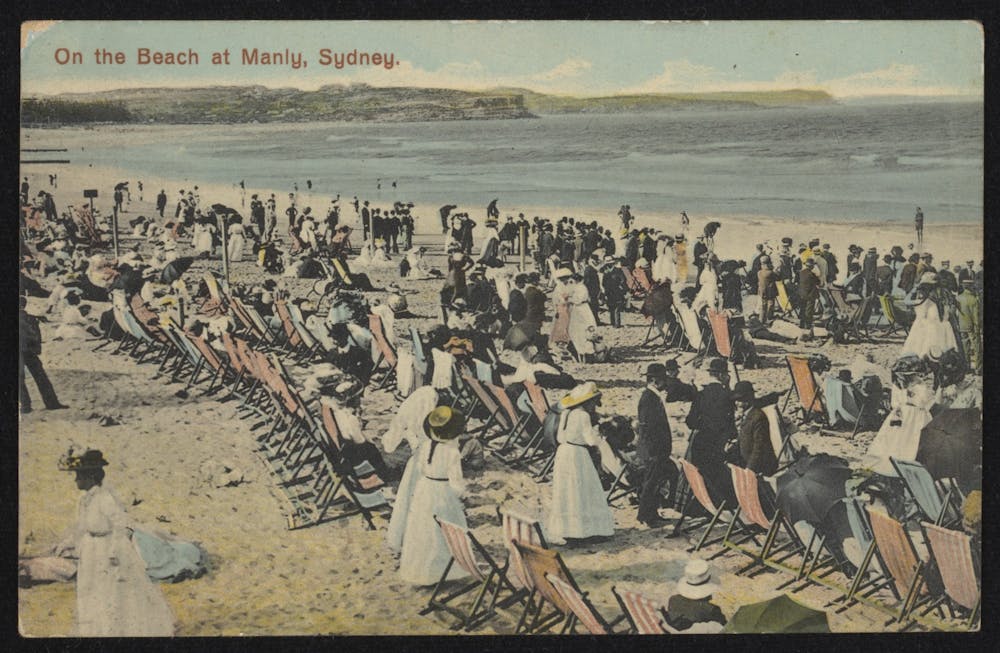
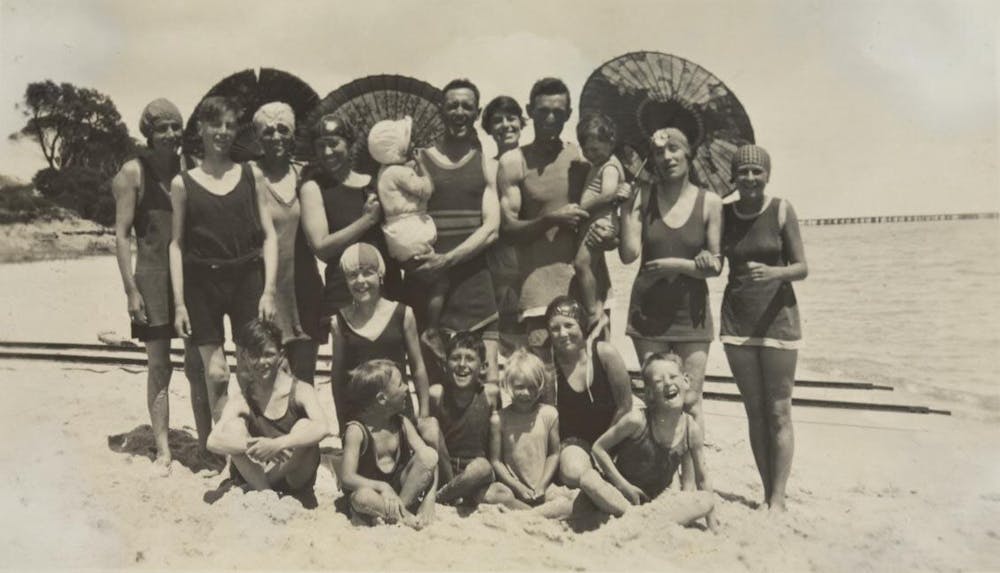
    Plenty who enjoyed a day on the sand in the first decades of the 20th century did so fully clothed. It was not uncommon for men to dress for the beach in three-piece suits or for women to wear gowns that fell to their ankles.

    Postcard of people at the beach in long white dresses and suits.
    At the beginning of the last century, people often went to the beach fully clothed. National Museum of Australia

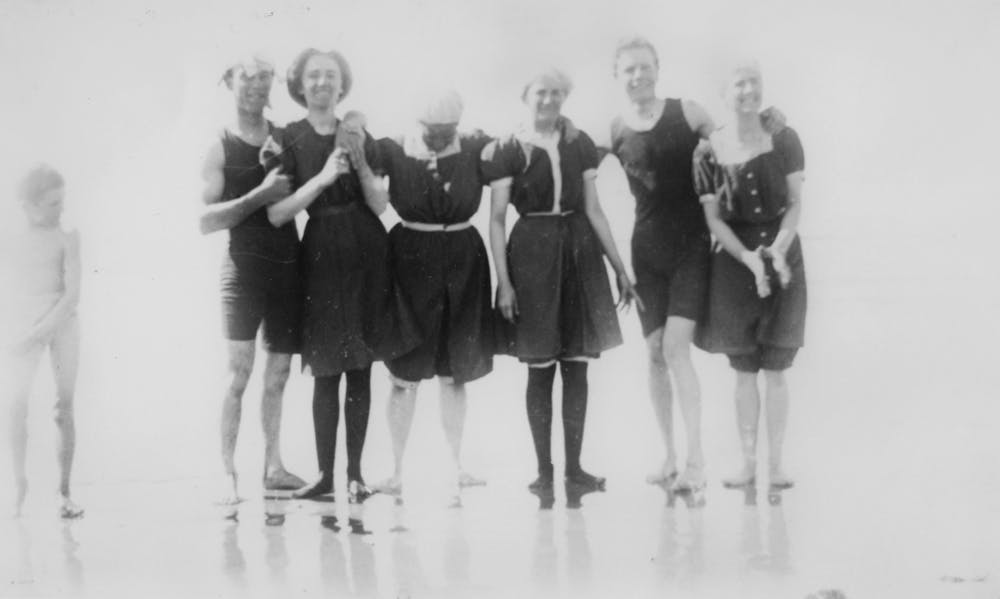
    But women who ventured into the water donned belted, knee-length bathing gowns that featured bloomers to conceal the legs. Men’s two-piece bathing costumes revealed a little more, with a top extending to the thighs paired with shorts to the knees.

    In the space of a couple of decades, however, swimsuits radically changed. Styles altered as attitudes to the exposure of bodies relaxed, shifting ideas around public morality.

    A group of friends, covered from neck to knee.
    Both men and women were modestly dressed for swimming. State Library of Queensland

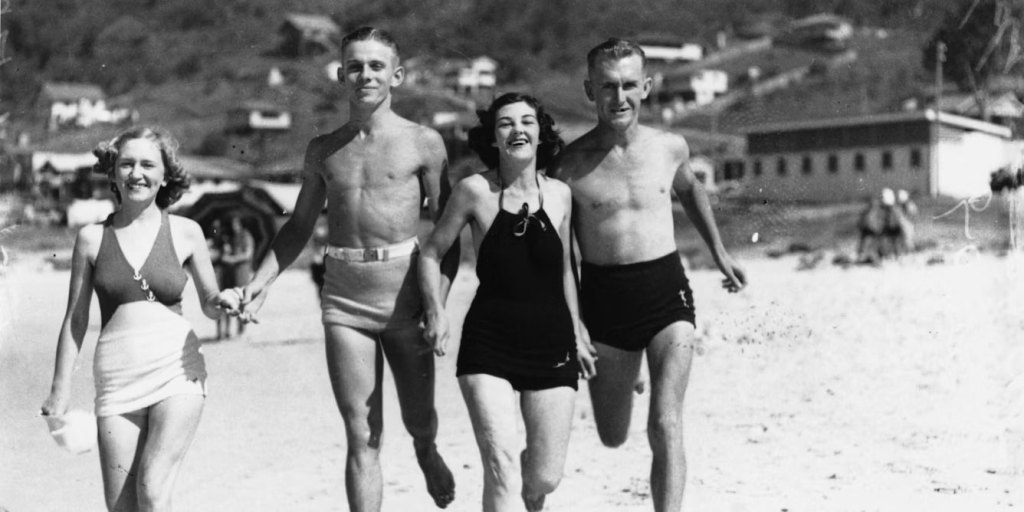
    The 1930s witnessed a rise in topless bathing for men as they adopted trunks. Some had half skirts at the front, and many sported belts with buckles to keep them firmly on the waist.

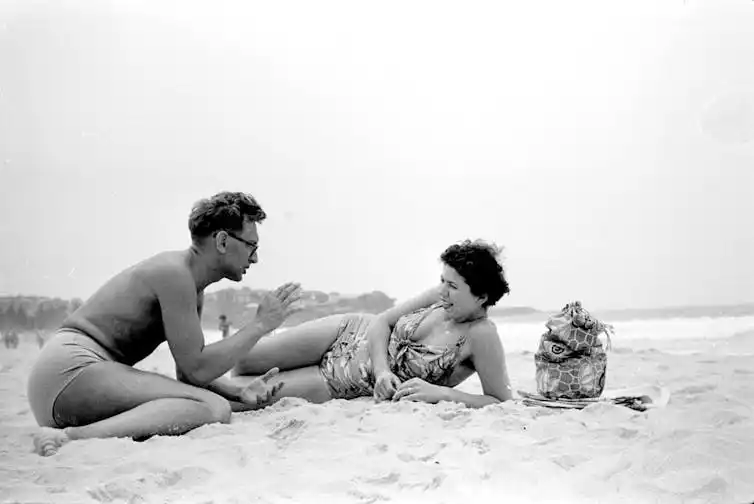
    Women’s swimwear now revealed the arms, legs and back – then even more when bikinis appeared on Australian beaches in 1950. Shock rippled across the sand.

    Swimwear had reached body-baring new dimensions.

    A man in shorts and a woman in a bikini.
    As the decades passed, bathing suits got smaller. Mark Strizic/State Library of Victoria

    Wool on the beach

    Knitted wool – rather than woven wool or cotton – fitted swimwear snugly to the body, helping it shrink in size.

    For wearers of Foy & Gibson’s evocatively named wool suits in the late 1920s and early 1930s – “Sunnybeach”, “Sunbath”, “Seafit” and “Siren” among them – this knit offered comfort and freedom.

    A woman in a one-piece bathing suit.
    The Australian Women’s Weekly provided instructions to knit these bathers in 1938. Trove

    Speedo’s knitted wool trucks in the late 1930s were made to streamline men’s figures, sparking the enticing slogan: “Next to your figure Speedo looks best!”

    Those with knitting skills could make their own swimsuits that decade, using instructions like those given in the Australian Women’s Weekly.

    With the introduction of “Lastex” – a rubber yarn – to woollen swimsuits in the 1930s, they transitioned to even more body-hugging fits. These exuded a new kind of glamorous appeal that elevated swimwear to a “sea-ductive” (as one newspaper columnist quipped) new height.

    The synthetic swimsuit revolution

    When synthetics burst onto the market, Australians embraced the new “modern” fibres. Wool was also in short supply, prioritised for uniforms and blankets for second world war troops.

    Swimwear started to be made in the so-called “miracle” fibres: nylon in the 1940s, then polyester (known as “Terylene” in Australia) in the 1950s. From the 1960s, “Lycra” (also called elastane and spandex) was blended into swimsuits. These made sleeker, slimmer, more satin-like suits.

    By the 1960s, bathing suits were more streamlined and made with synthetic fibres.
    By the 1960s, bathing suits were more streamlined and made with synthetic fibres. H. Dacre Stubbs/State Library of Victoria, CC BY

    Neoprene, a foam fabric, first appeared in wetsuits on Australia’s beaches in the late 1950s – increasing the possibilities for winter surfing. Wetsuits improved significantly in decades to follow, keeping their wearer warm by trapping a thin layer of water heated by the body.

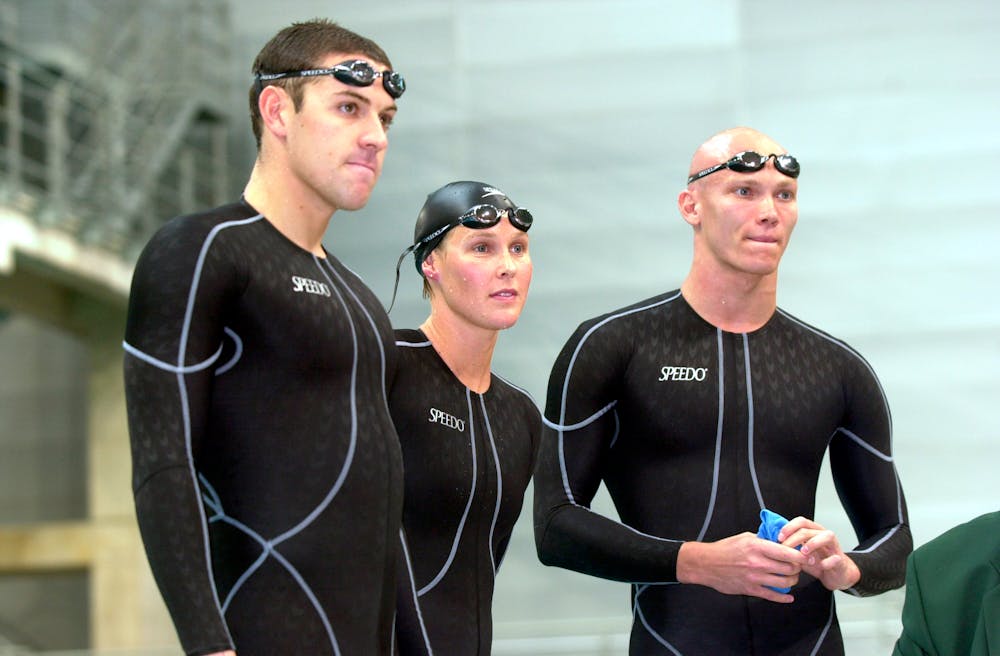
    In the pool, our Olympic swimmers tested more advanced fabrics. Those at the Sydney Games in 2000 wore the Speedo “fastskin”, with its compression fabric and replication of shark skin scales that streamlined the body in the water.

    Three swimmers in black bathers.
    These full-body swimsuits worn at the 2000 Olympics were designed to be sleek in the water. AAP Photo/Dean Lewins

    More recently, swimsuits made from recycled plastic – bottles, bags and other plastic waste – have emerged as an eco-friendly option. Some question, however, just how green these recycled swimmers truly are when reducing all plastic consumption is needed to make a difference.

    Why wool, again?

    We might dismiss woollen swimsuits from the 20th century’s first decades as unpleasant or uncomfortable to wear. Or we might see them as unflattering for the way they sagged when wet.

    But new processes for working with wool suggest it is ideal to wear in the water. New merino boardshorts have been designed to dry in less than seven minutes. Wool is also thermo-regulating, helping the body maintain an even temperature.

    It’s not just that wool options are increasingly available. As we buy and throw away clothing at alarming rates, some have embraced the natural fibre as a sustainable, renewable alternative to synthetics.

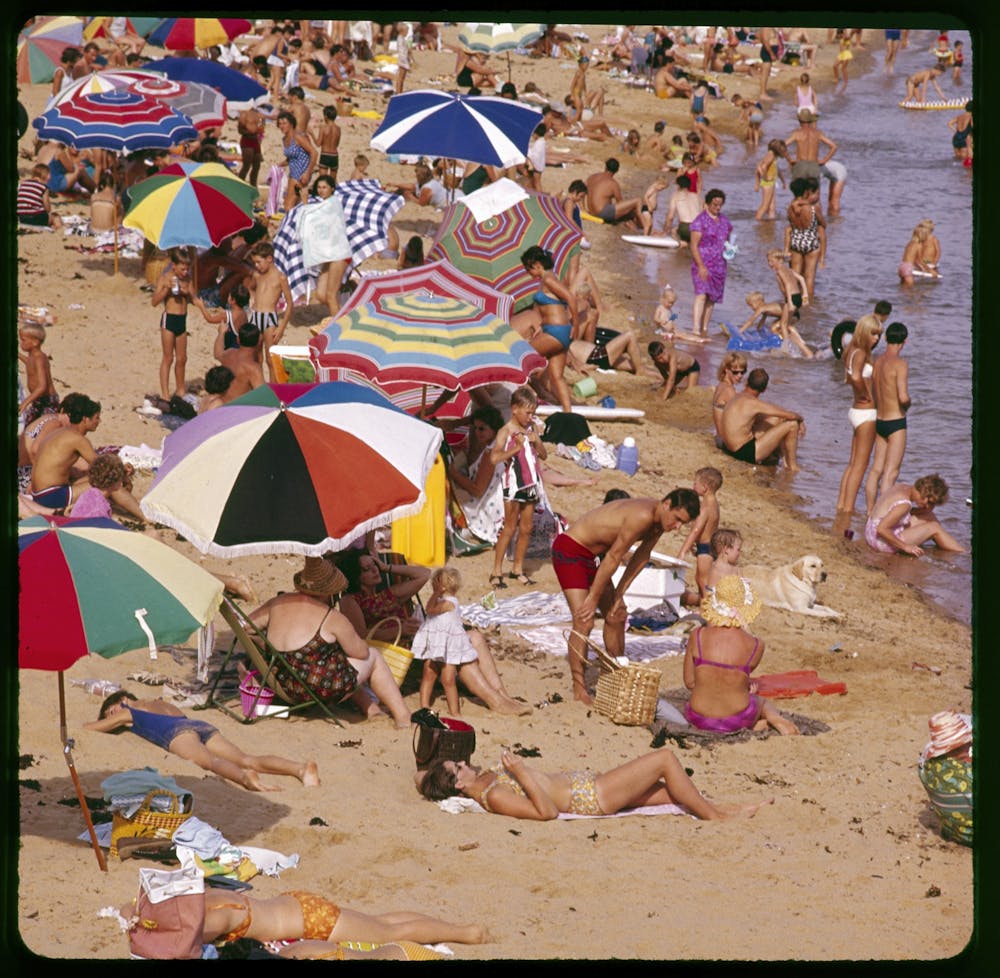
    A happy crowd of people on the beach.
    Today’s knitted bathers look quite different to these. Museums Victoria

    Wool is biodegradable, naturally returning to and nourishing the earth, unlike synthetics that can take centuries to break down. Clothes in artificial fibres linger in landfill, with devastating consequences.

    Our growing awareness of microplastics – tiny fibres released with washing that pollute marine (and other) environments – is also driving this shift.

    So is it time to rethink wearing wool as you head to the beach this summer?

    This article originally appeared on The Conversation. You can read it here.

  • Why ‘Main Character Energy’ videos are making everyday life feel extraordinary
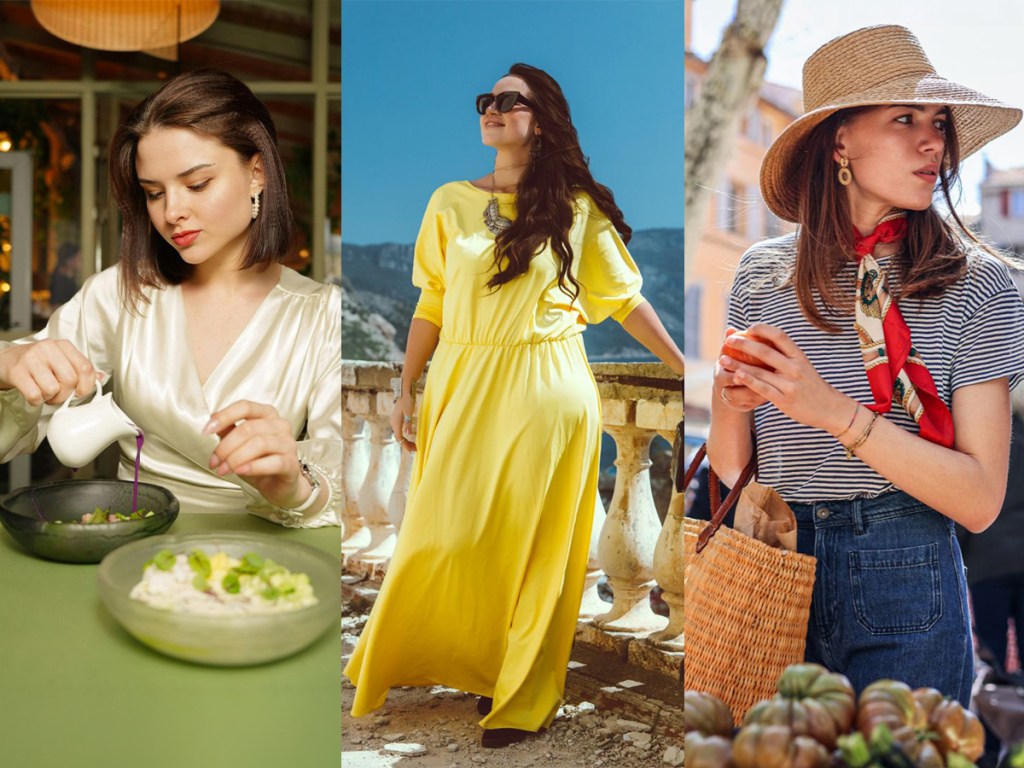
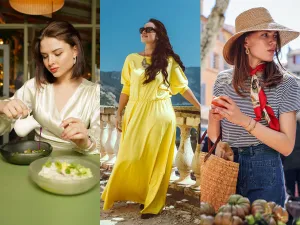
    Photo credit: Canva(left) A woman eats, (center) a woman walks, (right) a woman shops at a farmers market.

    A rapidly growing trend on TikTok encourages people to see themselves as the protagonist of their own lives. In “main character energy” videos, creators turn ordinary moments into cinema. Clips of people walking to work, grabbing coffee, or reading a book sometimes attract thousands of views after specialized music and stylized cuts are added.

    The social media posts might look like just another aesthetic trend. But the reason people keep returning and liking them seems less about style and more about how they turn a regular day into something special.

    What is “main character energy” all about?

    “Main character energy” is Internet slang for seeing yourself as the central figure of your own story. Not in an inflated sense, but more in a way that turns ordinary routines into something a little more intentional.

    TikTok creators have embraced the trend, creating an easily recognizable video that encourages self-focus and a playful, story-driven way of seeing themselves. Entire feeds are now filled with “main character walks” and similar clips of daily activities where nothing remarkable happens, but the attitude suggests it matters.

    Making the ordinary feel extraordinary

    People seem to really respond to the trend. Comment sections are filled with thoughts about their own “main character” moments. The video just above, posted by @chelsbol received over 15,000 comments.

    “Me every time I walk home from Trader Joe’s”

    “my newest coping tool has been: *make it an imaginary situation, you are now playing pretend, cosplaying even*

    “this is gonna flip my mindset so much thank you.”

    “Im 100% doing this tomorrow”

    “Be your starring role in your own movie everyday!”

    “Making the best out of any situation”

    People generally move through their lives from one obligation to another. Work, errands, commuting, cooking, cleaning, and endless scrolling can make days blend in a blur. In that repeated normalcy, a video that slows down and has a little theatrical fun can feel surprisingly refreshing.

    Balancing fun against narcissism

    However, these unique videos may point to deeper underlying concerns. In a Psychology Today article, psychotherapist Duygu Balan warns that what begins as self-discovery can turn into content made primarily for clicks and likes. There’s a toxic risk when personal growth becomes something curated for an audience.

    The same videos that encourage people to romanticize their own lives can also invite comparison. Videos carefully crafted to elicit audience engagement rarely project reality. A 2025 study in Frontiers in Psychology found that social comparison on social media can dramatically affect a person’s mental health. Viewers don’t always stop at appreciating someone else’s perspective. Sometimes they get lost in measuring their own lives against it.

    Most successful “main character energy” creators focus on more ordinary moments than extraordinary ones. The appeal isn’t necessarily about having a better life. It’s more about finding a different way to approach the one you already have.

    Whether people see the trend as a helpful mindset or just another social media trend, its popularity suggests viewers crave it. By framing routine differently, they invite the audience to craft a little more joy in the mundane of their own lives.

    At their best, these videos aren’t about becoming the star of a movie. They propose finding meaning from the moments people often overlook. In a culture driven by productivity, infusing everyday life with a little lighthearted whimsy is a big reason people keep watching.

Explore More Culture Stories

Media

Why ‘Main Character Energy’ videos are making everyday life feel extraordinary

Internet

How one World Cup superfan bought a giant, rare FIFA soccer ball that barely fits in his car

Film & TV

Actor shares with Harrison Ford that he was her late dad’s favorite actor. His reply was perfect.

Culture

Voice actor explains why Americans instantly trust people with British accents, even if they’re lying