Last month, scientists at Florida’s Scripps Research Institute announced that they’d developed a treatment capable of selectively erasing the memory of a methamphetamine high in mice. Known as Blebbistatin, the chemical cocktail targets a specific protein used in encoding memories that acts in a strange way while one is on meth. With one dose, Blebbistatin apparently zaps the protein’s aberrant form, exclusively wiping out about 30 days of memories formed while an individual was on meth. The researchers hope that this ability to make targeted erasures of the memories addicts form, which often draw them out of rehab and back to their drug of choice, will help those recovering from meth avoid common relapses, making treatment faster and more effective.


At first blush, this proclamation sounds like a sci-fi revolution—like we’re about to enter the Eternal Sunshine era and should prepare to face the bundle of ethical questions that lie beyond. But in truth, the Blebbistatin breakthrough, while groundbreaking, isn’t as extraordinary as you might think. Scientists have been able to selectively alter and erase memories for decades now. And for at least a decade, researchers have been brewing up functional and targeted memory-based treatments for things like drug abuse and post-traumatic stress disorder, some of which are already available for public use if you know where to look. Blebbistatin is in some ways just the latest in this long chain of developments. But it is a development that marks a new plateau in selective memory erasure, making a strong case for using memory-based solutions as at least one component of addiction treatment in the very near future.

Humans have been messing around with memory alteration ever since we started to figure out how memories were physically created in our brains in the mid-20th century. Although memories are stored across a vast swath of neural areas, only a few chemicals, we learned, are involved in creating the bonds between those areas that facilitate joint activation and the recall of specific events or ideas. Every time a memory is created there is an opportunity to mess with it, as there is every time it is recalled—a chemical and structural explanation for the malleability of our recollections. Blocking these chemicals, knocking them out, or even providing different stimuli during memory recall could alter or completely wipe out memories over time. But for quite a while, the ways by which we did this in animal subjects were crude, invasive, and broad.

Yet just within the past few years there’s been a flurry of new research, mainly focused on drugs that sophisticate and refine the scope of memory erasure technology. In 2011, Israeli researchers figured out how to use a drug to, over the course of two weeks, erode the connection between an event and the memory of a drug fix in mice, although they were unclear what the scope of the effect was beyond drug-based memories. In 2013 and 2014, some researchers started shining laser lights on mice’s neural cells to track memory creation, allowing the scientists to trigger certain emotions from one memory alongside another, potentially overwriting the pain or pleasure of one memory with the opposite. They could create fake memories of, say, pain associated with a once-safe space by firing that place and emotional memory at once. But this approach just rewrote rather than erased memories, and was far too invasive for use in humans. Earlier this year, researchers in Texas also discovered that an in-use high blood pressure medication was able to block a channel used in memory and learning to reverse addiction-fueling memories of reward tied to drugs. But again, this was just altering, not erasing a memory.

While most of these developments are still in animal trials, a few are used regularly in humans. Propofol, or “milk of amnesia,” has been around forever as a means of altogether knocking out the last few minutes of a patient’s memory, but that does little good for eliminating specific memories. More promisingly, researchers have shown that inhaling the relatively harmless gas xenon, a common anesthetic agent, while recalling a traumatic or addiction memory, can break the connection between this memory and linked feelings or associations. At least one Serbian doctor is already offering this memory alteration treatment as a detox cure for humans. And numerous other studies have been conducted on the power of basic narcotics like MDMA or beta-blockers (like propranolol) to block neurotransmitters during memory recall, allowing therapists to help patients rewrite these memories’ associations and lessen the impact of addiction, PTSD, or any other number of memory-based disorders that give humans endless pain.

But Blebbistatin, the memory drug currently making headlines, one-ups most of these existing theoretical or practical treatments, in that it allows one to knock out an entire drug memory, not just reprogram it. This is a bit of a breakthrough, because previous efforts by the same Scripps team to selectively target and destroy memory-association proteins had a nasty habit of messing with the ability of muscles (including the heart) to properly function. Blebbistatin manages to target meth-related memories without that side effect. And it can do so without one having to directly recall the memory and associated cravings. Using the drug also doesn’t require an invasive procedure—it can be injected into a peripheral body part and still take its full effective course, making it exceptionally versatile, low-impact, and powerful among memory treatments.

That said, the Blebbistatin discovery is not a sign that memory-based cures will be at your pharmacy tomorrow, nor that they are the silver bullet for meth addiction or any other ailment. For one thing, the drug still needs to go into human trials, which researchers suspect could take at least five years. And once there, there’s always only a slim chance that what works for mice will work the same way and just as effectively in our bodies. Plus, we still need to figure out what other drugs or conditions this might interact with and whether it or a related chemical can target memories other than those created on meth (or if meth memories turn out to be a chemically peculiar phenomenon with a powerful but non-transferrable memory treatment).

Even if Blebbistatin proves to be a functional and safe method for eliminating meth or other drug- or trauma-linked memories, it can only work so far back in time, making it impractical for long-term addicts seeking help. Plus psychologists point out that memory and addiction are complex and diffuse, meaning that many other factors could still drive an addict back to abuse aside from direct memories. (An Eternal Sunshine analogy is actually apt here: like how the protagonists are still somehow drawn to each other even after losing their memories of each other.) And none of this gets into the infinite ethical concerns we’d need to address regarding the selective power to destroy memories, which might allow someone to delete memories in another person, or even commit a crime on meth and then erase his or her own memory after the fact.

The Scripps researchers behind Blebbistatin seem to understand all these complicating issues very well and have been measured in predicting the benefits of their discovery. If it ever does become available for human use, they stress, it ought to be just one component in a larger addiction treatment, used mainly as an aid in preventing relapses that could torpedo larger psychological progress. And that’s not nothing—93 percent of meth addicts relapse, which is a big factor in determining why only 16 to 20 percent of these addicts manage to make a full recovery.

Yet even with all of these caveats, and even if Blebbistatin never makes it through human trials, the drug is still a fascinating find and a new plateau in memory-alteration research. It’s a sign that we’re getting better, not just at altering, but at effectively targeting and fully eliminating specific memories. And it’s a sign that there are great theoretical therapeutic benefits within this advance, even if they come to us years down the line. There are a good number of ethical issues to work out, but the benefits such treatments promise for addicts and trauma-sufferers mean that going through those debates and continuing this line of research is well worth the challenges.

  • Boomers think these 7 habits make them polite but younger generations are begging them to stop
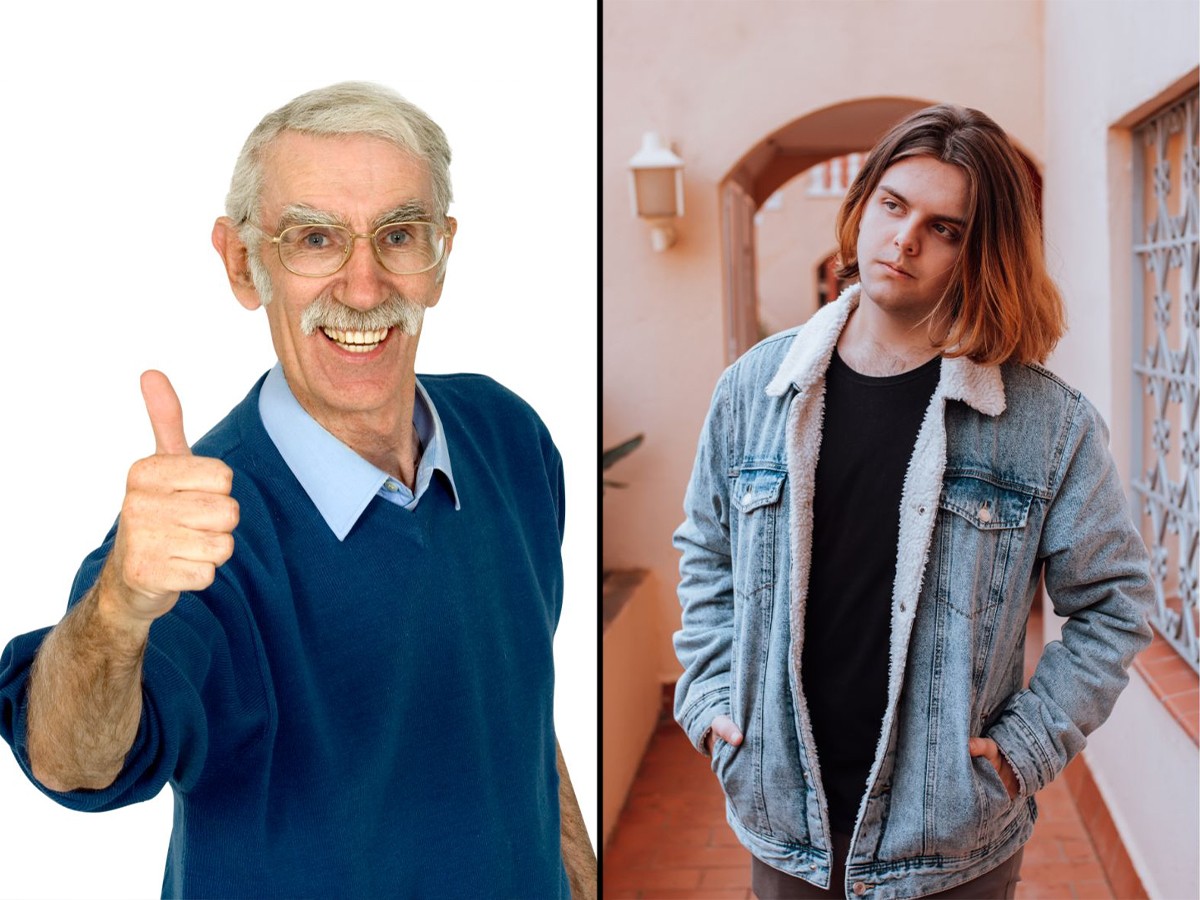
    Photo credit: Images via Canva – Photos by Latino Life and mariashipakina – Boomer and Gen Z

    There is nothing wrong with politeness and a particular point of view, unless, of course, your interpretation of kindness is different from everyone else’s. Case in point? Boomers and every other generation.

    What is it about Boomer energy that can just rub people the wrong way sometimes? It’s quite common for different age groups to have different needs and habits, and perhaps the Boomers you know may find 20% tips an absolute must, yet the concept of a service fee infuriating. Maybe they feel there is only one perfect way to load a dishwasher. Maybe job loyalty does have value. Whatever the topic, Boomers are likely to have a certain opinion about it that they feel is the best.

    Finding ways to communicate and connect are important dynamics to building community and bridging the generation gap, and sometimes understanding what Boomer actions bother the other generations can help start a dialogue. VegOut Magazine described seven habits that may seem thoughtful to Boomers, but are actually emotionally taxing to younger generations.

    Calling whenever they want

    Boomers largely grew up in an age of landline phones that often ran unexpectedly. Instead of the horror that Millennials experience from an unsolicited phone call, Boomers find them normal and inviting. A reach out to say “Hello!” means they care and are interested in your life.

    Younger generations feel it’s an uninvited threat. Where’s the heads up text? Nothing triggers anxiety like an unexpected ring.

    Solution: How about everyone just chill? Older people can learn to text first. Younger people can acknowledge they don’t have to answer the phone, and often don’t anyway.

    The unexpected visit

    Seth Meyers, comedy, uninvited, neighbors, visits, social norms, formality, traditional manners

    Boomers grew up in an age of the unannounced visit. There was a time when neighbors just rang a doorbell and offered up some extra muffins, freshly baked. Today, people guard their homes with intensity. A doorbell ring is terrifying, especially if pizza hasn’t been ordered.

    Solution: Boomers, just send a text first. It’s not that complicated. Younger generations, you can always hide in the closet and pretend you’re not home.

    Comments on personal appearance

    Into today’s world, unsolicited comments on someone’s appearance seem a bit risky. And yet, Boomers never seem afraid to comment on someone’s weight loss or ask questions like, “Why aren’t you smiling?” These questions and comments were once considered tools of connection. It showed interest and concern for the mental and physical health of friends and people in general.

    Younger people guard all aspects of “self” and “body image.” It’s dangerous territory leading toward hurt feelings and possible backlash.

    Solution: If you don’t have anything to say nice, don’t say it. Even if you do, probably don’t say it.

    Unsolicited advice

    unsolicited advice, hierarchy, mindset, communication, miscommunication, informality, mental health
    Unexpected advice. media0.giphy.com

    With age comes wisdom, yet sometimes nobody wants to hear it. Knowledge acquired over time and experience is valuable and should be passed on, but in certain contexts. Younger people often find unsolicited advice to be a rude personal attack, so be careful about offering a note no one asked for.

    Solution: I had a friend who used to always ask, “Do you want to hear my opinion?” before they shared it. It was a pretty amazing quality that gave me time to prepare for what might be coming. In the end, it’s best to get permission. Simple.

    Chain messages

    chain  mail, texting, emails, short-form content, emoji, digital native, culture, common ground
    Breaking chains. Image via Canva – Photo by Merydolla

    There’s nothing quite like the inspirational chain meme your grandma found. Especially when it was making the rounds eight months ago. Like everyone else, older people benefit from feeling connected. They’re just attempting to get in the digital meta. It’s easy to point out who’s out of the loop when you’re in it.

    Solution: Can we all cut one another some slack? Instead of attacks, reconnect and appreciate the meme or image you already saw months ago. Replying with, “Ha, that’s a good one” isn’t that much of a stretch, and it isn’t that much to ask when given an opportunity to share love instead of disdain. I have an aunt who gets concerned when those chain mails say, “Pass this on to 10 people…” I told her to send them my way, because I’m not afraid to dump them in the digital garbage.

    Lengthy conversations for business

    Boomers have worked networking and building relationships into their business model. A chat about what’s trending is a great way to ease into an important conversation. It’s a way to be polite and build-up camaraderie before the deal is done.

    Younger generations don’t want to waste time. A “thumbs up” emoji can be enough to get things going.

    Solution: Acumen took a look at getting generations to learn how to connect with one another. They found that “common ground” was crucial for networking. Younger people can work on patience and respecting the time offered by older generations, and Boomers can learn to fire a quick text instead of dragging every conversation into a “life lesson.”

    Checking and rechecking replies

    Boomers may not be totally confident in how the whole digital world works. It’s not uncommon to receive texts and emails asking, “Did you get that email…” or “Curious on your thoughts of the text I sent.” These follow-ups were designed to show interest and thoroughness. Younger people can just find them bothersome.

    Solution: Boomers can learn to not treat texting and emails like a personal journal. It’s okay to be brief and to the point. A short message doesn’t mean someone is being short with you. Speak with People suggested that younger generations can give Boomers the “benefit of the doubt.”

    The wrap up

    Everyone is trying to fit in the best they can. It can be difficult to adapt and move with the times. Some day, younger people will be a little out of touch with the next generation.

    Philosopher and theologian Martin Buber wrote, “All real living is meeting.” The more we can learn to help each other connect, the better. Learning to be curious about other people and their generation instead of dictating will build deeper and more mutual connections.

    This article originally appeared 1 year ago. It has been updated.

  • Only 17% of people can pass this 3-question IQ test on the first try. Can you?
    Photo credit: Canva – A woman writes on a chalkboard
    , ,

    Only 17% of people can pass this 3-question IQ test on the first try. Can you?

    Developed by a Yale professor, this simple test reveals a lot about how you think—and only 17% of people get it right.

    It’s been called the world’s shortest IQ test, and despite its apparent simplicity, only about 17% of people answer all three questions correctly on their first try. The Cognitive Reflection Test (CRT) isn’t about measuring knowledge; it’s about measuring how you think.

    The test was introduced in a 2005 paper in the Journal of Economic Perspectives by Yale professor Shane Frederick. It’s designed to test your ability to override a quick, intuitive gut reaction and engage in deeper, more analytical thought.

    Want to try it yourself?

    IQ test, cognitive reflection test, critical thinking, brain teasers, logic puzzles, psychology, System 1 thinking, problem solving
    Woman sits in front of her computer thinking Canva

    Here are the three questions:

    1. A bat and a ball together cost $1.10. The bat costs $1.00 more than the ball. How much does the ball cost?
    2. If it takes five machines five minutes to make five widgets, how long would it take 100 machines to make 100 widgets?
    3. In a lake, there is a patch of lily pads. Every day, the patch doubles in size. If it takes 48 days for the patch to cover the entire lake, how long would it take for the patch to cover half of the lake?

    The Answers and Why They’re So Tricky

    If you answered 10 cents, 100 minutes, and 24 days, you’re in the majority—and you’ve fallen for the trap. Those are the common intuitive answers. The correct answers are 5 cents, 5 minutes, and 47 days.

    IQ test, cognitive reflection test, critical thinking, brain teasers, logic puzzles, psychology, System 1 thinking, problem solving

    Woman proudly shows testy results Canva

    Here’s the breakdown:

    • The Bat and Ball: If the ball cost 10 cents, the bat (at $1.00 more) would cost $1.10, for a total of $1.20. The correct math shows the ball is 5 cents and the bat is $1.05.
    • The Widgets: The rate of production is one widget per machine every five minutes. Therefore, 100 machines can produce 100 widgets in the same five-minute timeframe.
    • The Lily Pads: Since the patch doubles in size every day, it must have been half its final size just one day before it covered the whole lake—on day 47.

    The Science of Your Brain

    IQ test, cognitive reflection test, critical thinking, brain teasers, logic puzzles, psychology, System 1 thinking, problem solving

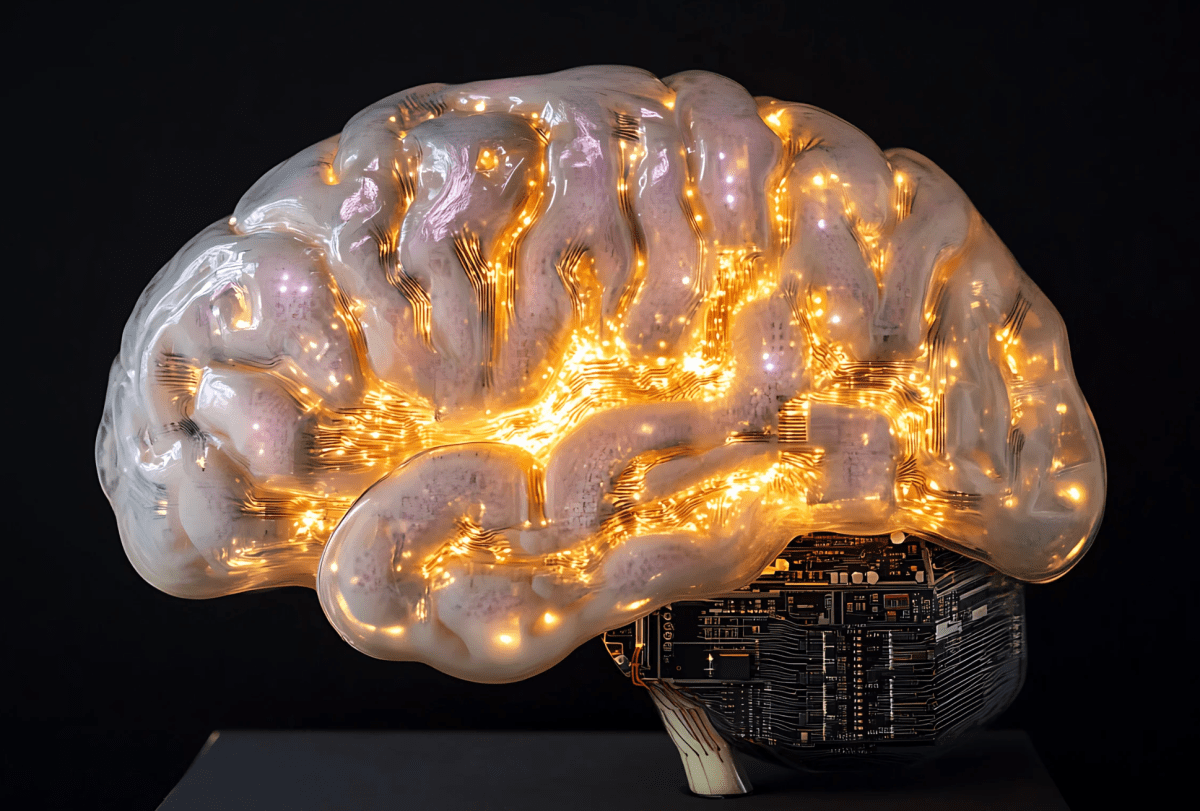
    An artistic representation of the brain Canva

    This test brilliantly illustrates the two modes of thinking identified by Nobel Prize-winning psychologist Daniel Kahneman. System 1 is our fast, automatic, intuitive thinking, which gives us the quick (but wrong) answers. System 2 is our slower, more deliberate, and analytical thinking, which is required to solve the puzzles correctly.

    As Frederick explains, the test measures how we make decisions based on instinct versus analysis. “System 1 thinkers respond spontaneously, often making mistakes, while System 2 thinkers engage in effortful thought processes,” he wrote.

    Frederick’s research found that those with stronger cognitive reflection skills (System 2 thinkers) tend to be more patient and willing to take calculated risks. His work aims to understand the real-world impact of our cognitive styles, noting, “Despite the diversity of phenomena related to IQ, few have attempted to understand—or even describe—its influences on judgment and decision making.”

    So, whether you passed the test or not, it offers a fascinating glimpse into the constant tug-of-war between gut reaction and careful thought that happens inside our brains every day.

    This article originally appeared earlier this year.

    This article originally appeared [time-difference] ago. It has been updated.

  • ‘But you already helped me’: Elderly woman floored as landscaper reveals $625K GoFundMe in her name
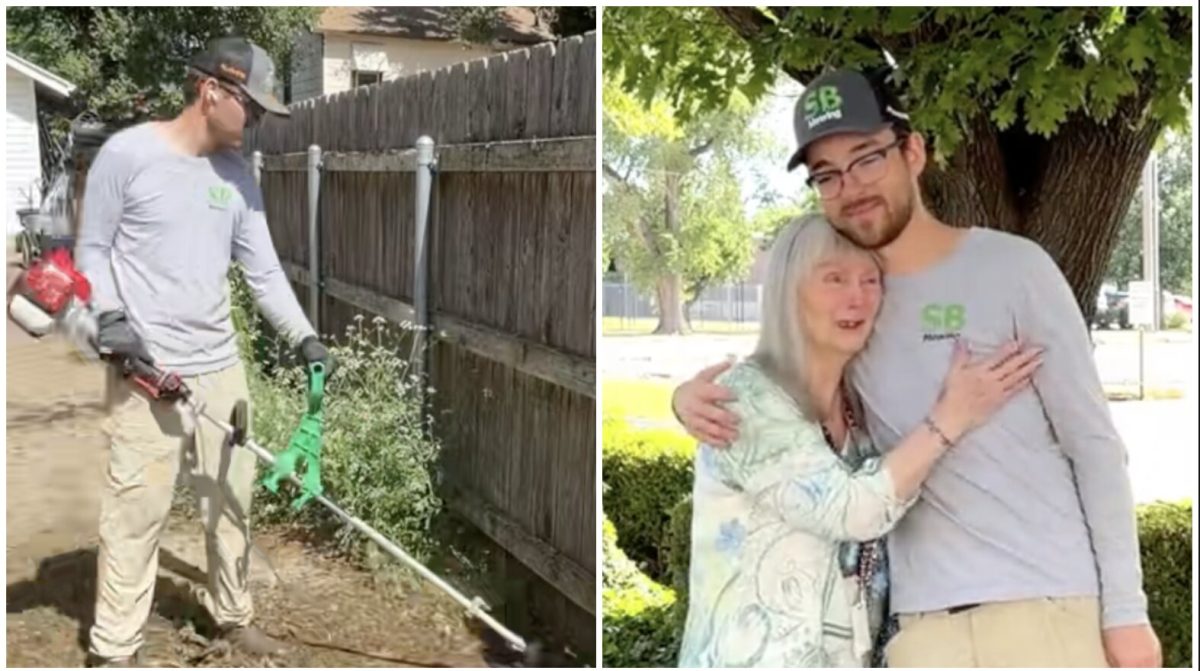
    Photo credit: Photo credt: SB Mowing – Spencer mowed her lawn for free and changed her life.

    An elderly woman in Wichita, Kansas who was experiencing hard times has now found hope in the kindness of others. It first started when a local landscaper decided to mow and clean up her overgrown lawn for free. Since then, she’s been given $625,000 in donations (and counting!) to help address her needs and raise her spirits.

    It all started with Spencer B. of SB Mowing, a lawn care and pressure washing company. Spencer (who wishes his last name be omitted) runs his business both as a mower and as a content creator. He often offers his services for free to the elderly and veterans who cannot afford the upkeep of their lawns.

    Spencer visited the elderly woman, Debbie, after Zach, her Uber driver, contacted him. Zach had seen how much she was struggling on her own and wanted to help. As Spencer and his dad cut Debbie’s lawn and cleared debris, they heard her story. 

    Debbie’s grief and relief

    Debbie had been the full-time caregiver for her ailing husband until he died from stage four pancreatic cancer. Since then, her grief and other factors had prevented her from keeping up her home, lawn, and her own health. Struggle upon struggle was placed upon her.

    “While she was grieving, she was also being taken advantage of,” Spencer wrote on Debbie’s GoFundMe. “A contractor took a $2,000 deposit for tree work and never showed up. A neighbor wrecked her car and didn’t pay for it. She fell three months behind on rent, put off dental and health care she genuinely needs, and there were days when she and her dogs went without food because she simply couldn’t afford it.”

    Aside from free lawn care, Spencer decided to help Debbie get back on track. He and his dad bought everything from Debbie’s yard sale and donated it all to Habitat for Humanity to get her some cash in hand. Spencer also paid three months of Debbie’s back rent through his non-profit organization SB Mow It Forward.

    Strangers donated to Debbie

    Spencer then set up a GoFundMe for Debbie and shared her story. Within three days, friends and strangers alike donated over $625,000. Donations continue to roll in as of this writing. All of the money will be put into a trust for Debbie to use for essentials, medical care, dental care, and to help her transition to a senior living community when she is ready.

    Spencer shared a video of him telling Debbie this news. She was floored when she found out that around 40 million people had seen the video of Spencer cleaning up her yard, and she had no idea he had set up a GoFundMe.

    “I thought you already helped me,” Debbie said, welling with emotion. “I can’t believe it. How can people be so generous to help a stranger?”

    With tears in her eyes, Debbie thanked Spencer, Zach, and all the 13,000 people who had donated to help her. Spencer even made a video to highlight Zach, as he was the one who brought Debbie’s troubles to Spencer’s attention.

    SB Mowing’s history of helping neighbors

    This isn’t the only time Spencer’s deeds have made headlines. In 2024, he had raised $242,000 for a pet rescue that treated a cat he found while mowing a lawn. In 2025, he raised $850,000 to help Beth, an elderly woman in need of financial aid and accessibility care.

    A lot of good can happen if we check in on our neighbors (and maybe offer to cut their lawns) every once in a while.

    This article originally appeared 3 months ago. It has been updated.

Explore More Stories

Health

Getting outside despite your 9‑to‑5 job can improve your mental health – here’s how to spend time in nature during and around working hours

Money

The tourism industry is slowly waking up to solo travelers’ needs

Science

‘Star Trek’ and NASA have intertwined legacies – the show championed diversity and inspired generations of real space scientists

Money

Should paper checks be abolished like the penny?