
Anxiety is relentless. It creeps in during quiet moments, lingers in the background of daily life, and sometimes, it just won’t let go. But as overwhelming as it can be, people have found countless ways to manage it—some science-backed, some deeply personal, and some just plain funny.

Recently, our sister-site Upworthy asked the Facebook audience, “What do you do that completely obliterates your anxiety?” and the responses poured in—over 1,800 in total. While many admitted that anxiety never fully disappears, people shared the habits, tricks, and unexpected methods that help them push through.

From exercise to music to screaming into the void, here are 14 of the best anxiety-busting hacks.

anxiety relief, mental health, stress management, self-care, coping mechanisms, wellness tips, life hacks, crowd-sourcing
Two people enjoying a walk through the woods

1. Nature therapy

“I walk in nature. Sometimes it doesn’t completely fix it, but it always helps.” — Julie N.
“Being surrounded by trees is the BEST!” — Brenda L. M.
“I row at sunrise.” — Mary Ellen R.

2. Furry friends to the rescue

“I take my energetic Australian Shepherd for a walk. He experiences pure joy in every moment, and it’s contagious.” — Erin G. B.
“Snuggle with my dog. His unconditional love is my safe space.” — Kathy M. T.
“Cuddle my parrot. She’s my little therapist.” — Sandy D.

anxiety relief, mental health, stress management, self-care, coping mechanisms, wellness tips, life hacks, crowd-sourcing
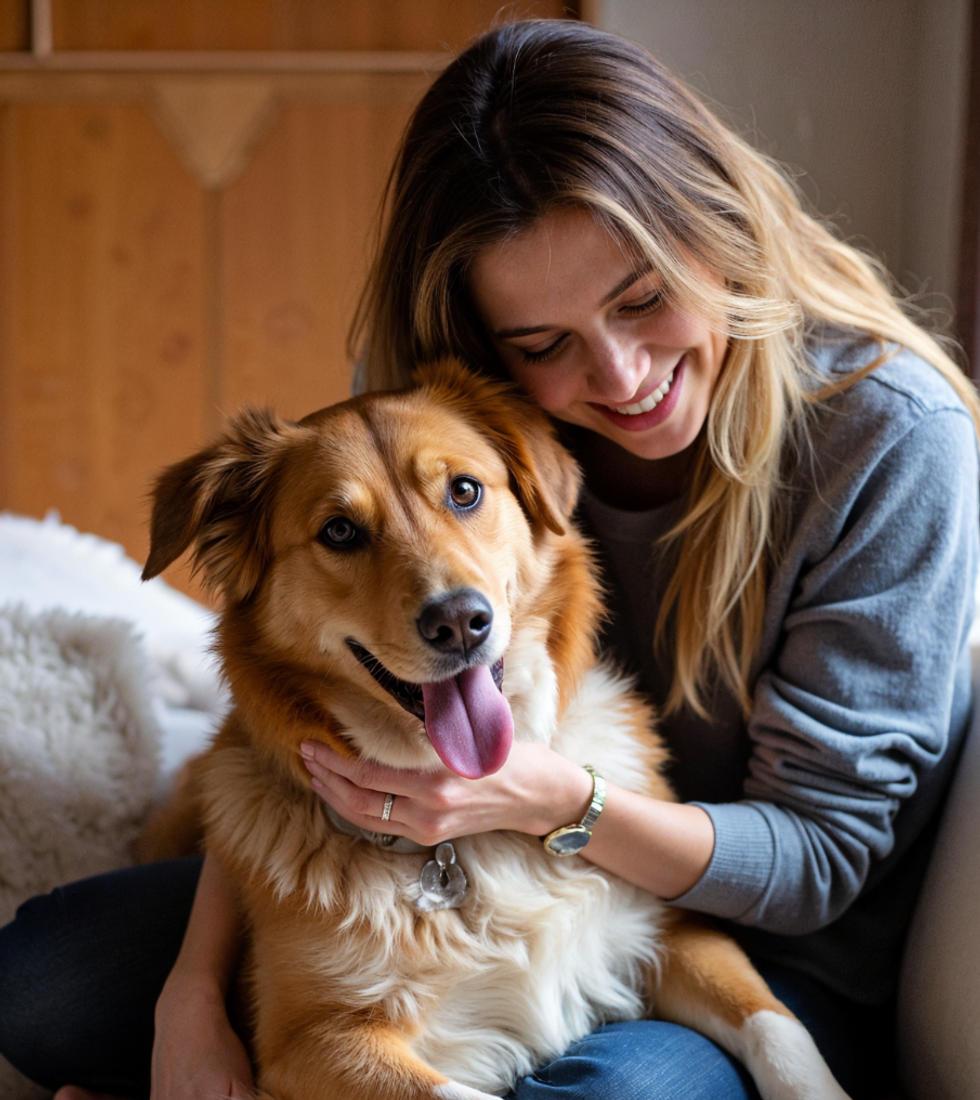
A woman pets her dog Canva

3. Creative outlets

“I knit and listen to classic rock. It’s my happy place.” — Ann M. R.
“I paint with watercolors while listening to music. It’s like meditation, but with color.” — Susan F. R.
“I play my bass or drums. It’s impossible to worry when I’m making music.” — Melissa E.

4. Movement as medicine

“I run. I hate it, but nothing clears my head quite like it.” — Scott C.
“Jam out to music and jump on my trampoline. It’s like shaking the anxiety out of my body.” — Ashly S.
“Yoga and meditation. They ground me when my mind is racing.” — Nancy M.

5. Baking and cleaning therapy

“I bake something that makes the house smell good. It’s like a hug for my senses.” — Becky M.-L.
“Cleaning honestly. Making order from chaos soothes me.” — Sandy D.
“I organize junk drawers. Chaos outside, calm inside.” — Suz S.

6. Music as a mood lifter

“Music. Every time. Hasn’t failed me yet.” — Suzanne W.
“I listen to ‘Wish You Were Here’ by Pink Floyd. It’s my go-to reset button.” — Andy M.
“I get in my car, turn on the music, and drive. It’s my escape.” — Melanie S.


anxiety relief, mental health, stress management, self-care, coping mechanisms, wellness tips, life hacks, crowd-sourcing
A woman stands in front of a window listening to music Canva

7. Laughter and distraction

“I watch cat videos. No explanation needed.” — Sande H.
“I watch Korean dramas. When I’m reading subtitles, my mind can’t obsess.” — Lisa B. F.
“I randomly scream into the void. Also, tacos.” — Lisa M.

8. Honest truths about anxiety

“Nothing obliterates it. It’s like living with cancer. But for an hour, I can sink into a hot bath and rest.” — Dana D.
“Anxiety is a brain lie. I challenge it to see if it’s real or just unhelpful noise.” — Katharine G. Z.
“I don’t watch the news. It’s my way of protecting my peace.” — Sharron L.

9. Unexpected hacks

“I trim plants and pull weeds. There’s something about dirt and sunshine that heals me.” — Paula R.
“I count my breaths. Inhale for four, hold for four, exhale for four.” — Katie G.
“Do things that activate the left hemisphere of my brain, like listening to uplifting music … things that activate the right hemisphere of my brain in a positive way, like guided imagery.” — Lori T.

10. The power of perspective

“I remind myself that this moment won’t matter in a year. Perspective is everything.” — Nissar A.
“I dwell in memories of the most peaceful place I’ve ever been. It’s like a mental vacation.” — Cathy G. M.
“I tell myself my brain just has too much juice flowing. Hydration helps!” — Ann B. S.

11. Community and connection

“I cook and bake for my neighbors. Sharing food is my way of showing love.” — Keo R. G.
“I talk to my kids. Their laughter is my reset button.” — Beverly T. S.
“I call a funny friend or relative. Laughter is the best medicine.” — Adeline E.


anxiety relief, mental health, stress management, self-care, coping mechanisms, wellness tips, life hacks, crowd-sourcing
A group of people sit around a circle talking Canva

12. The little things that add up

“I take a bath with amazing scented products. Then I put on cozy jammies. Instant calm.” — Kimberly F. C.
“I browse thrift stores. It’s like a treasure hunt for my soul.” — Linda S.
“I watch birds. There’s something so peaceful about their simplicity.” — Mira T. K.

13. Medication without shame

“Xanax. My anxiety is pretty bad.” — Lori Anne S.
“Effexor changed my life. Truly. A miracle.” — Fern M. D.
“I’m cautious with medication, but sometimes it’s necessary. No shame in that.” — Karen A.

14. The ultimate reset: Sleep

“Sleep. When I’m asleep, I don’t feel anxiety.” — Linda M.
“I take stress naps. Sometimes, the world can wait.” — Lisa M.
“A solid night’s sleep without wine or melatonin is my reset button.” — Kristina B.

anxiety relief, mental health, stress management, self-care, coping mechanisms, wellness tips, life hacks, crowd-sourcing
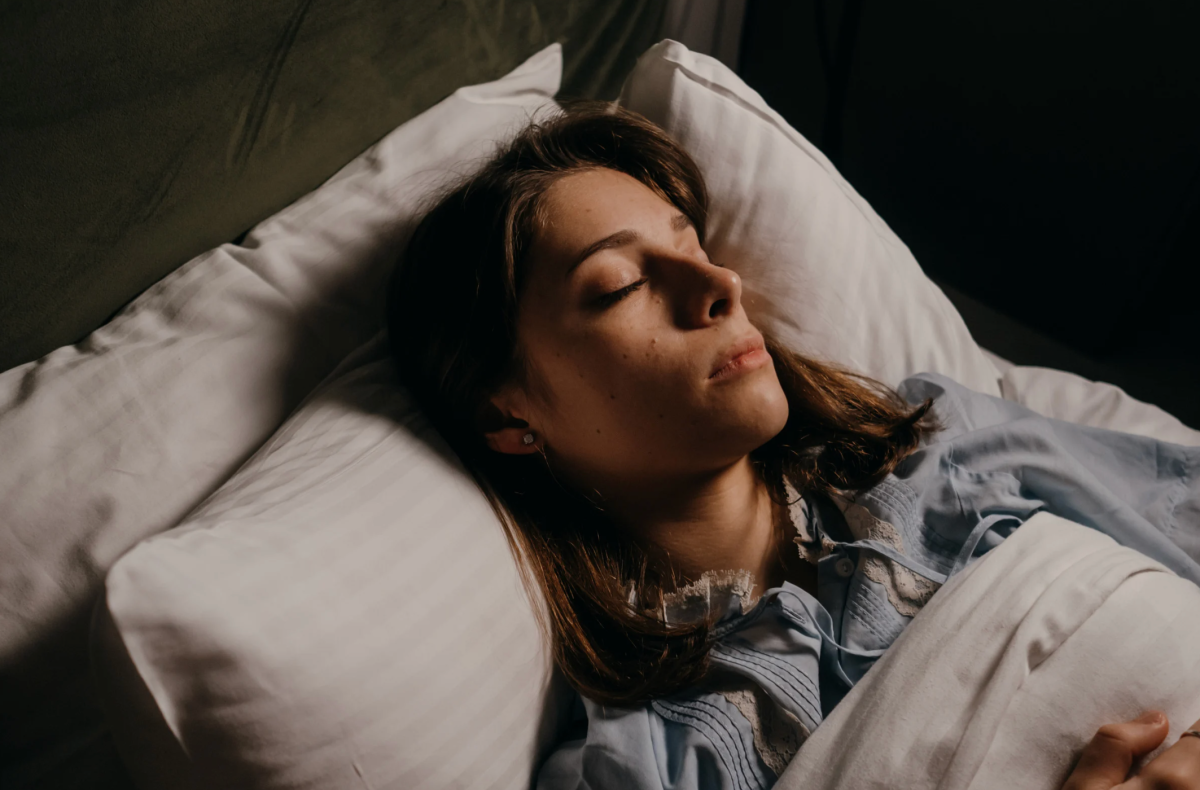
A woman sleeping in bed Canva

Anxiety is a pretty universal experience, but there are a variety of ways we can try to cope. Whether it’s a walk with music or simply washing dishes, there’s a hack out there for everyone.

This article originally appeared earlier this year.
  • What to do with those Thanksgiving leftovers? Look to the French
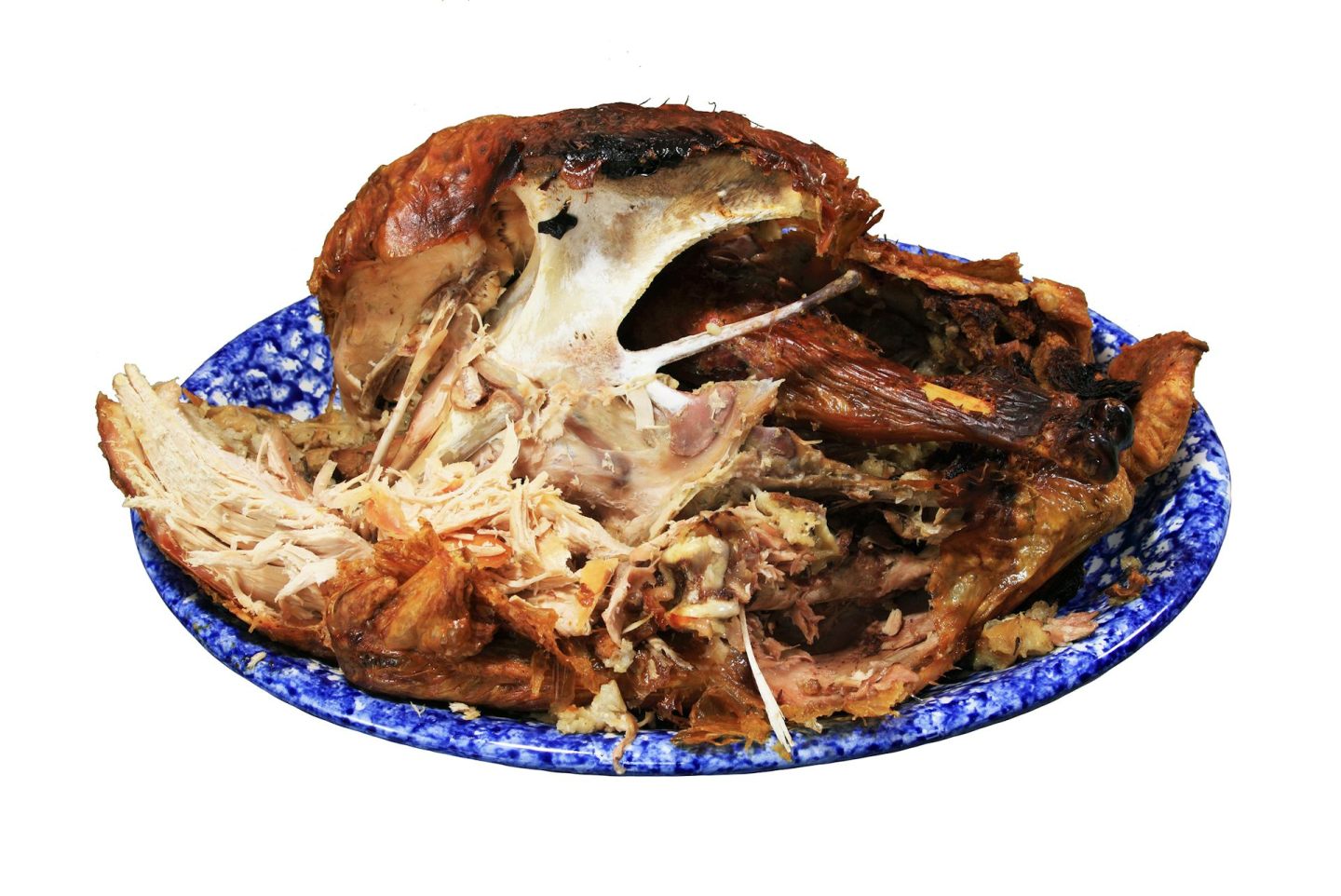
    Leftovers, as one French chef put it, ‘can be as good as, if not better than, the first time they are served.’ (Tom Grundy/Shutterstock.com)
    ,

    What to do with those Thanksgiving leftovers? Look to the French

    A little French ingenuity can give yesterday’s feast a second life.

    Fellow, Center for Humanistic Inquiry, Amherst College

    It’s the day after Thanksgiving, the tryptophan has worn off, and there are towers of Tupperware filled with turkey, stuffing and potatoes in your fridge.

    If you rely on your microwave, you might simply resign yourself to eating the same meal, over and over again, until the leftovers run out.

    But you don’t have to get stuck in a cycle of nuke and repeat. This Thanksgiving, take inspiration from the French, who saw leftovers as an outlet for creativity.

    My research on the history of French home cooking reveals how restyling dinner scraps first became fashionable more than a century ago.

    Reheating ‘with art and discernment’

    In 19th-century France, leftovers were a way of life for the lower classes.

    In the countryside, the broth from the evening beef stew would become the basis of breakfast the next morning. In cities, street hawkers known as “arlequins” purchased dinner scraps from restaurants and rich households to resell them to the poor. For these Frenchmen and -women, repurposing previous meals wasn’t about style but survival. Because of their association with poverty, leftovers were stigmatized up until the late 19th century.

    But by the turn of the 20th century, it had become hip to whip something up with the remains from last night’s meal.

    In 1892, French chef Alfred Suzanne wrote that “there are dishes which, when reheated with art and discernment, transformed with taste and presented in an appetizing manner… can be as good as, if not better than, the first time they are served.” In the preface to his encyclopedic cookbook, “150 Ways to Accommodate Leftovers,” the former chef to British royalty declared that the “deep-seated prejudice that many people have” against leftovers was “an error.”

    Suzanne’s colleagues and culinary connoisseurs concurred. French food critic Fulbert-Dumonteil praised the chef for explaining “all the ingenious and charming ways to restore mutilated bits and pieces from epic feasts” and turn “cumbersome remains” into something that delights the palate.

    Marketing to the masses

    Why did “leftovers” make the leap from insipid plates peddled by “arlequins” to inspired dishes perfected by culinary artists?

    In 1882, France’s new republican government passed legislation mandating education for all children ages 6 to 13. Many public schoolchildren came from the lower and lower-middle classes, and educators designed home economics lessons with this in mind. Girls learned how to preserve and prepare their leftovers safely, nutritiously and economically. They were also taught that their talent for accommodating leftovers was a reflection of their thrift and resourcefulness – the markers of middle-class French femininity.

    As the percentage of literate females spiked in France, the publishing industry pounced on this potential market. The late 19th century saw more and more domestic manuals aimed at “ménagères” – wives and mothers from the working and lower-middle classes. Many guides featured a chapter on fixing leftovers, while some, such as “100 Ways to Accommodate Leftovers” and “The Art of Accommodating Leftovers, Dedicated to Those of Meager Means,” made revamping remains their central focus.

    France’s top chefs join in

    In the 1890s top chefs also started to contribute recipes to domestic cooking magazines. This genre of culinary literature proliferated in the late 19th century during a period of rapid growth for the popular press.

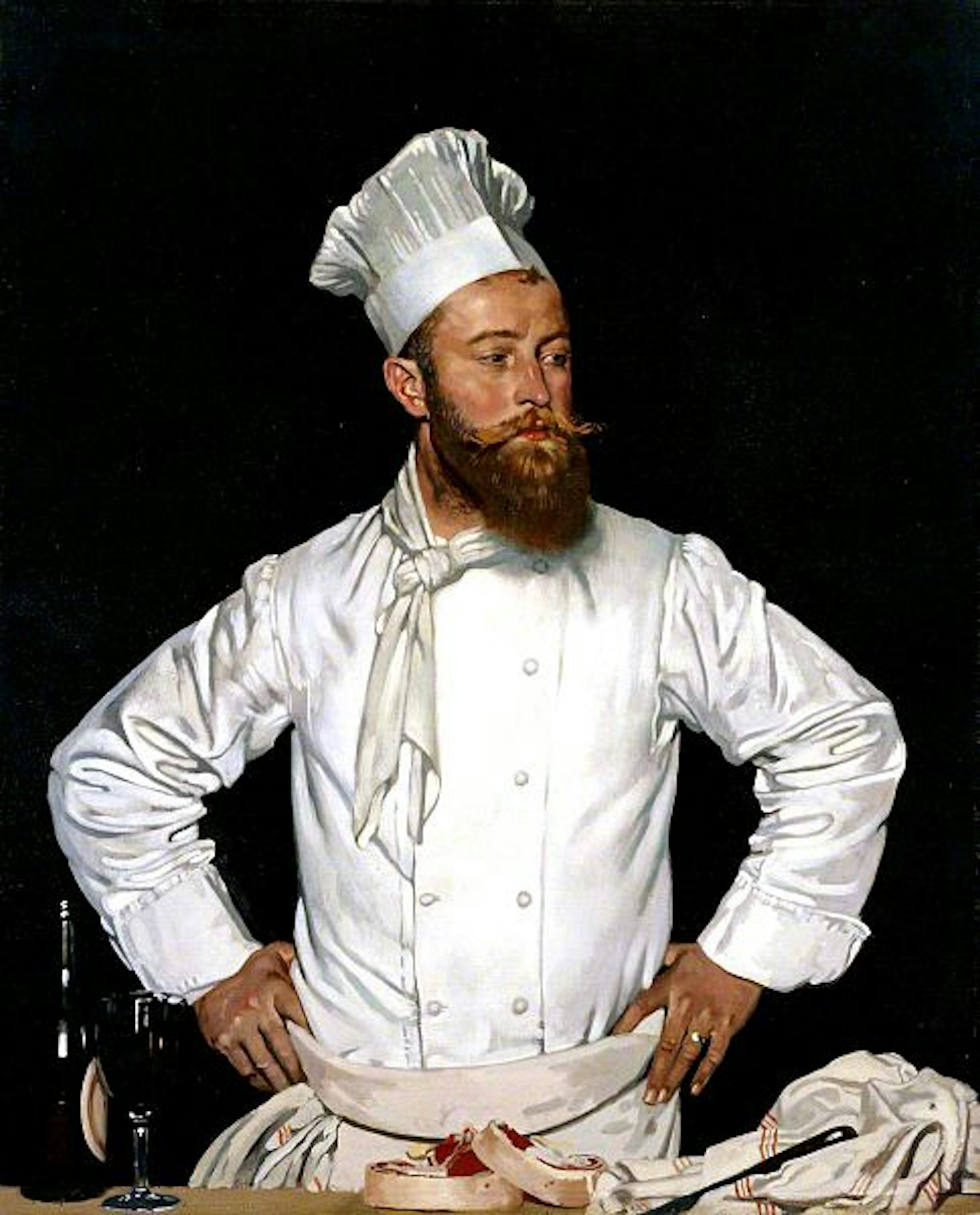
    William Orpen’s painting of a chef
    William Orpen’s ‘Le Chef de l’Hôtel Chatham, Paris’ (1921). Royal Academy of Arts

    Chefs wanted to appeal to a wide audience, and their contributions ranged from columns on economical cooking to instructions for assembling “pièces montées,” which are elaborate edifices made of confections. Many of these journals designated a special section for accommodating leftovers, with titles like “Utilizing Leftovers” and “Delicious Ways to Accommodate the Scraps.”

    The repetitive nomenclature belies the range of the recipes printed under these rubrics. Some were simple and modest and reflected the original rationale for leftovers, which was economical.

    For example, a July 1907 recipe for “Lisette’s Cake” in the magazine Family Cooking offered a sweet solution for yesterday’s bread. The cook needed only to soak the loaf in sweetened milk, strain the mixture through a fine sieve, add two eggs and bake in the oven for 20 minutes.

    But some recipes got complicated and costly. Family Cooking also published a leftovers recipe for “Veal à la Russe,” which required, in addition to veal chops, a quarter pound of butter, anchovies, tomato coulis, jus and truffles for garnish. The Cordon Bleu Magazine suggested repurposing leftover pheasant in a way that required an hour of boiling in fine demi-glace and two hours of cooling on ice, before being pureed by hand, seasoned, molded and fried.

    Such recipes would hardly qualify as time- or cost-saving. But practicality wasn’t the only point anymore. Scholars have shown how women at the turn of the century read popular and prescriptive literature as a “form of escapism” that encouraged them to “fantasize” about what modern domestic life could be.

    By turning leftovers into an art form, early home cooking magazines inspired a modern generation of home cooks to be creative and think critically about cooking. And they left their legacy to us and our leftovers.

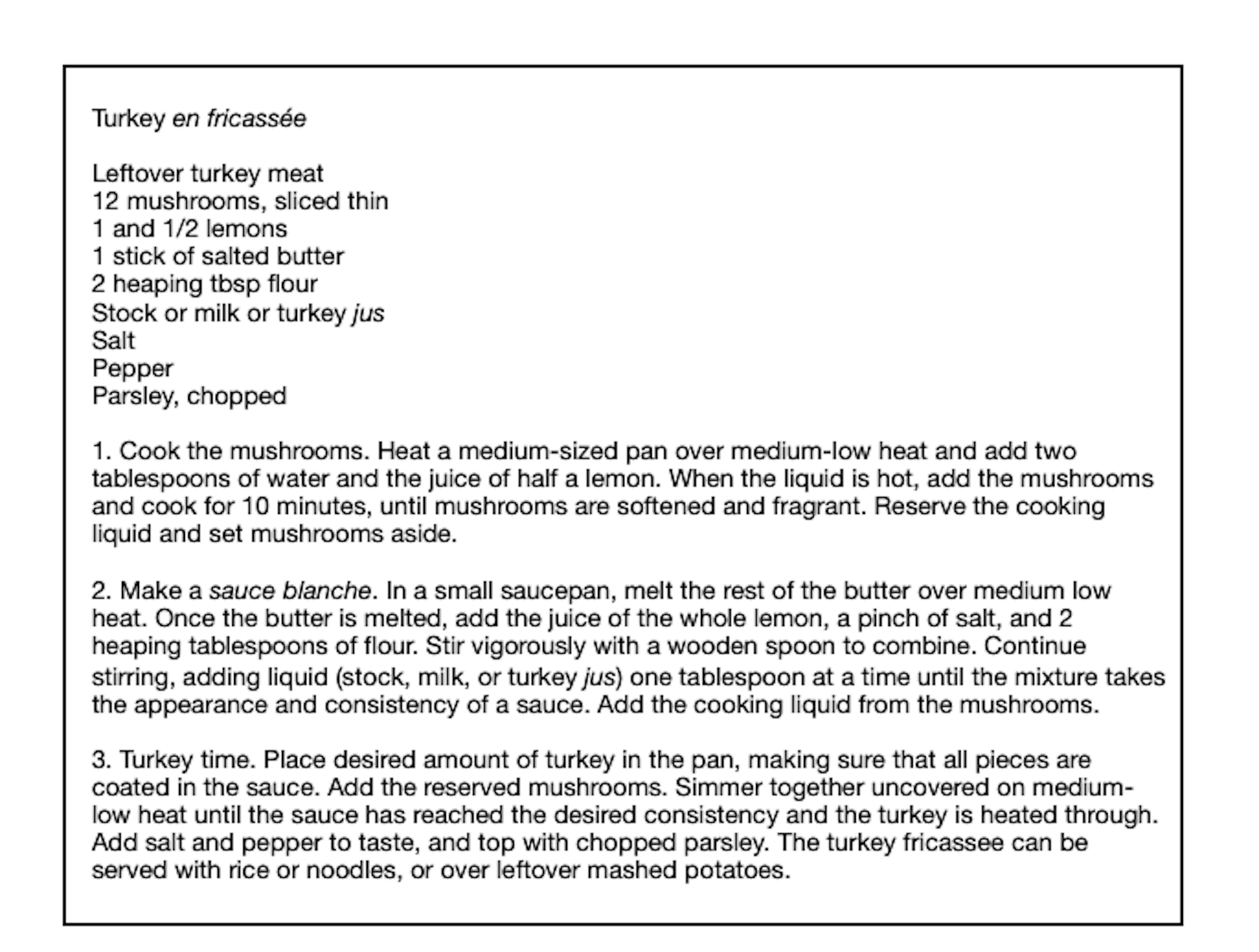
    So this year, instead of scraping together another tiresome turkey sandwich, try adapted from Alfred Suzanne’s “150 Ways to Accommodate Leftovers.”

    A recipe for leftover turkey
    A leftover turkey recipe adapted from Alfred Suzanne’s ‘150 Ways to Accommodate Leftovers.’ Samantha Presnal, Author provided
    This article originally appeared on The Conversation. You can read it here.

  • A backlash against ‘mixed’ foods led to the demise of a classic American dish
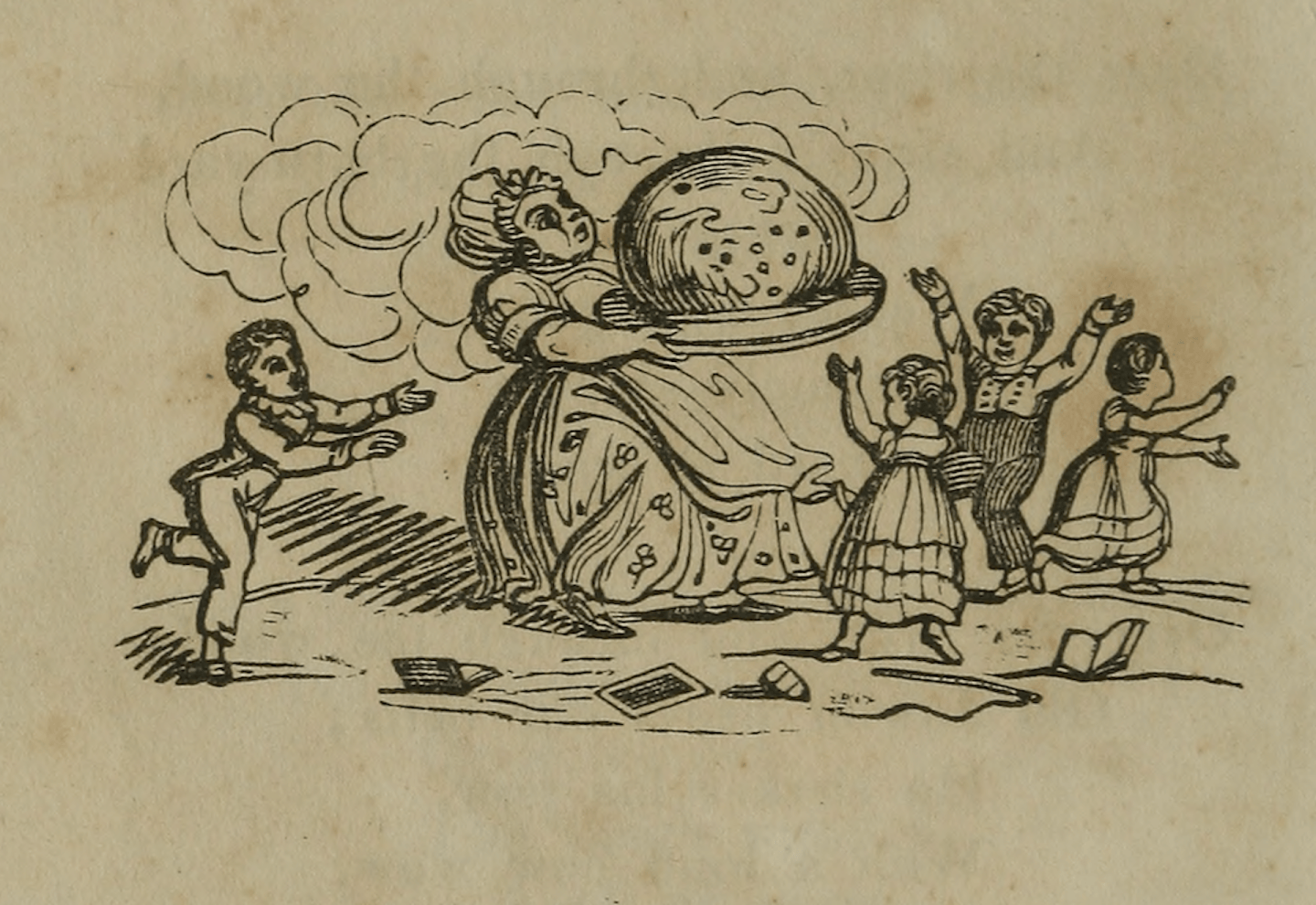
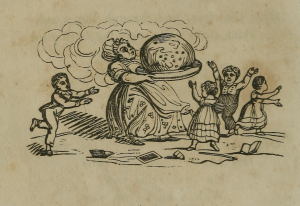
    A drawing from the original edition of Lydia Maria Child’s ‘Flowers for Children,’ which includes her famous Thanksgiving poem. (Library of Congress)
    ,

    A backlash against ‘mixed’ foods led to the demise of a classic American dish

    A Thanksgiving staple once came in more forms than you might imagine.

    Associate Professor of History, Michigan State University

    At the end of “Over the River and Through the Wood” – Lydia Maria Child’s classic Thanksgiving poem – the narrator finally gets to his grandfather’s house for Thanksgiving dinner and settles down to eat.

    “Hurrah for the fun!” the small boy exclaims. “Is the pudding done? Hurrah for the pumpkin pie!”

    Pumpkin pie sounds familiar, but pudding? It seems like an odd choice to headline a description of a Thanksgiving dinner. Why was pudding the first dish on the boy’s mind, and not turkey or stuffing?

    When Americans today think about pudding, most of us think of a sweet dessert, heavy on milk and eggs: rice pudding, bread pudding, chocolate pudding. Or we might associate it with Jell-O pudding mixes. (When I was a child in the 1980s, I loved making pudding by shaking Jell-O instant pudding powder with milk in a plastic jug.)

    For the most part, though, Americans today don’t think much about pudding at all. It’s become a small and rather forgettable subcategory.

    That’s a dramatic change from the mid-19th century, the period when Child wrote “Over the River and Through the Wood” and when Thanksgiving became a national holiday under President Lincoln. Back then, virtually every American cookbook had a chapter devoted to puddings (sometimes two or three).

    Pudding was important in Child’s poem because, when she wrote it, pudding was such an important part of American cuisine.

    From small budgets to banquets

    It’s not clear what kind of pudding Lydia Maria Child had in mind for her Thanksgiving poem because it was a remarkably elastic category. Pudding was such an umbrella term, in fact, it can be hard to define it at all.

    Americans ate dessert puddings we would recognize today. But they also ate main course puddings like steak and kidney pudding, pigeon pudding or mutton pudding, where stewed meats were often surrounded by a flour or potato crust. Other puddings had no crust at all. Some, like Yorkshire pudding, were a kind of cooked batter. There were also green bean puddings, carrot puddings and dozens of other vegetable varieties. Puddings could be baked or steamed or boiled in a floured cloth.

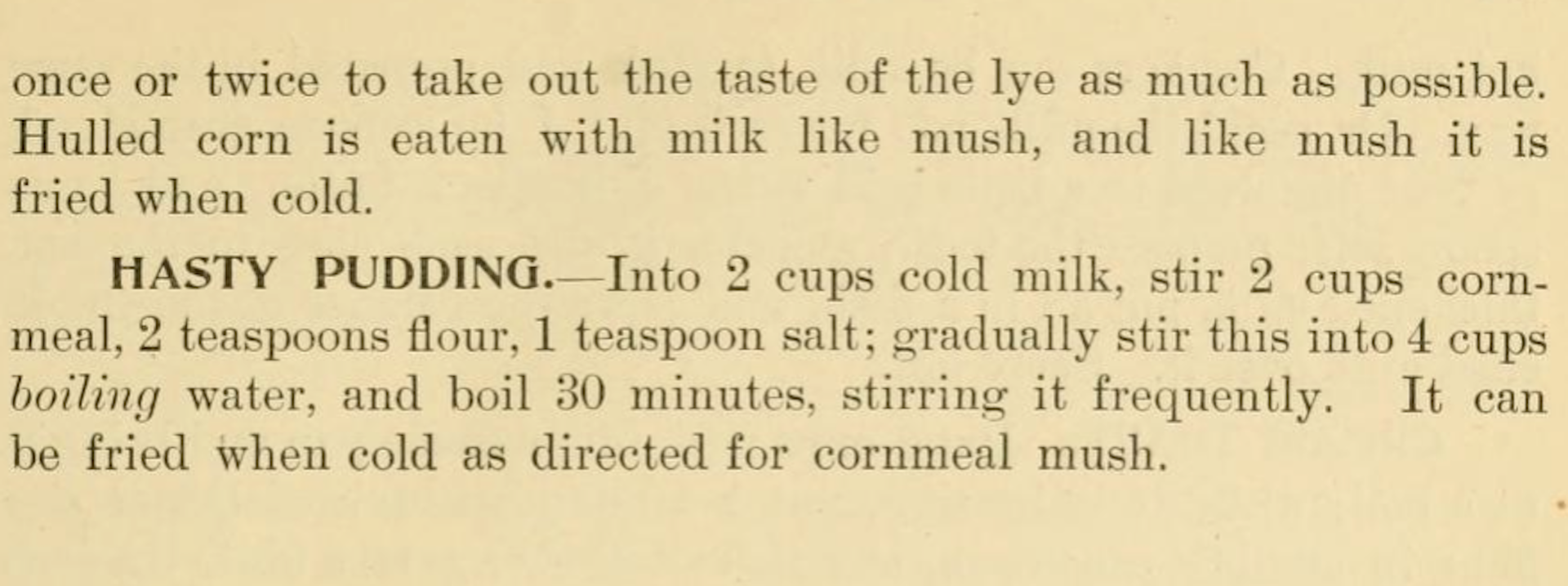
    Then there were other dishes called puddings that didn’t bear any resemblance whatsoever to what we mean by that word today. For example, apple pudding could be nothing more than a baked apple stuffed with leftover rice. Hasty pudding was essentially cornmeal mush.

    A printed 1895 recipe for hasty pudding
    A recipe for hasty pudding from ‘Smiley’s Cook Book and Universal Household Guide’ (1895). Library of Congress

    Puddings were also hard to define because they were consumed in so many different ways. They could be sumptuous dishes, dense with suet and eggs, studded with candied fruits and drenched in brandy. Or they could be rich, meaty stews encased in golden pastry. In these forms, puddings appeared on banquet tables and as the centerpieces of feasts.

    But puddings could also be much humbler. Cooks with small budgets valued them because, like soups, puddings could be made of almost anything and could accommodate all kinds of kitchen scraps. They were especially useful as vehicles for stale bread and leftover starches, and 19th-century Americans ate a wide variety made not just with bread and rice but with cornmeal, oatmeal, crackers and potatoes. Recipes with names like “poor man’s pudding,” “poverty pudding” and “economical pudding” reflect pudding’s role as a cheap, filling meal.

    Food ‘experts’ exert their influence

    So what happened to pudding? Why did this broad culinary category, a defining part of American cuisine for more than a century, largely disappear?

    One reason was food reform. By the early 20th century, new knowledge about nutrition science, combined with an obsessive (but misinformed) interest in digestion, fueled widespread “expert” condemnation of dishes featuring a range of ingredients mixed together. This was due, in large part, to xenophobia; by then, many white Americans had come to associate mixed foods with immigrants.

    Instead, reformers insisted with great confidence (but scant evidence) that it was healthier to eat simple foods with few ingredients: meals where meats and plain vegetables were clearly separated. People started to view savory puddings as both unhealthy and old-fashioned.

    The unique prevalence and zeal of American food reformers in the early 20th century helps to explain why so many puddings disappeared in the United States, while they continue to be an important part of British cuisine.

    By the mid-20th century, claims about the digestive dangers of mixed foods had been debunked. But a new kind of dish had since emerged – the casserole – which largely usurped the role formerly played by puddings. An elastic category in their own right, casseroles could also be made from almost anything and could accommodate all sorts of odds and ends. There were hamburger casseroles, green bean casseroles and potato casseroles.

    At the same time, the food industry had reimagined pudding as a cloyingly sweet convenience food. Puddings made from supermarket mixes of modified food starch and artificial flavors became the only kind many Americans ever ate.

    Watch on  YouTube
    Most Americans today think of pudding as a cheap, sugary dessert.

    The classic versions haven’t completely disappeared, however. On Thanksgiving, Americans are still more likely to eat 19th-century-style puddings than at any other time of the year. On some American tables, Indian pudding, sweet potato pudding or corn pudding make an annual appearance. Thanksgiving dinner isn’t the time capsule some people imagine, and most Thanksgiving menus today have hardly anything in common with the 17th-century Plymouth Colony meal they commemorate. But there are some culinary echoes from the 19th century, when the American national holiday officially began.

    This article originally appeared on The Conversation. You can read it here.

  • The 12th‑century Chinese poet who was among the first to explore the inner lives of cats
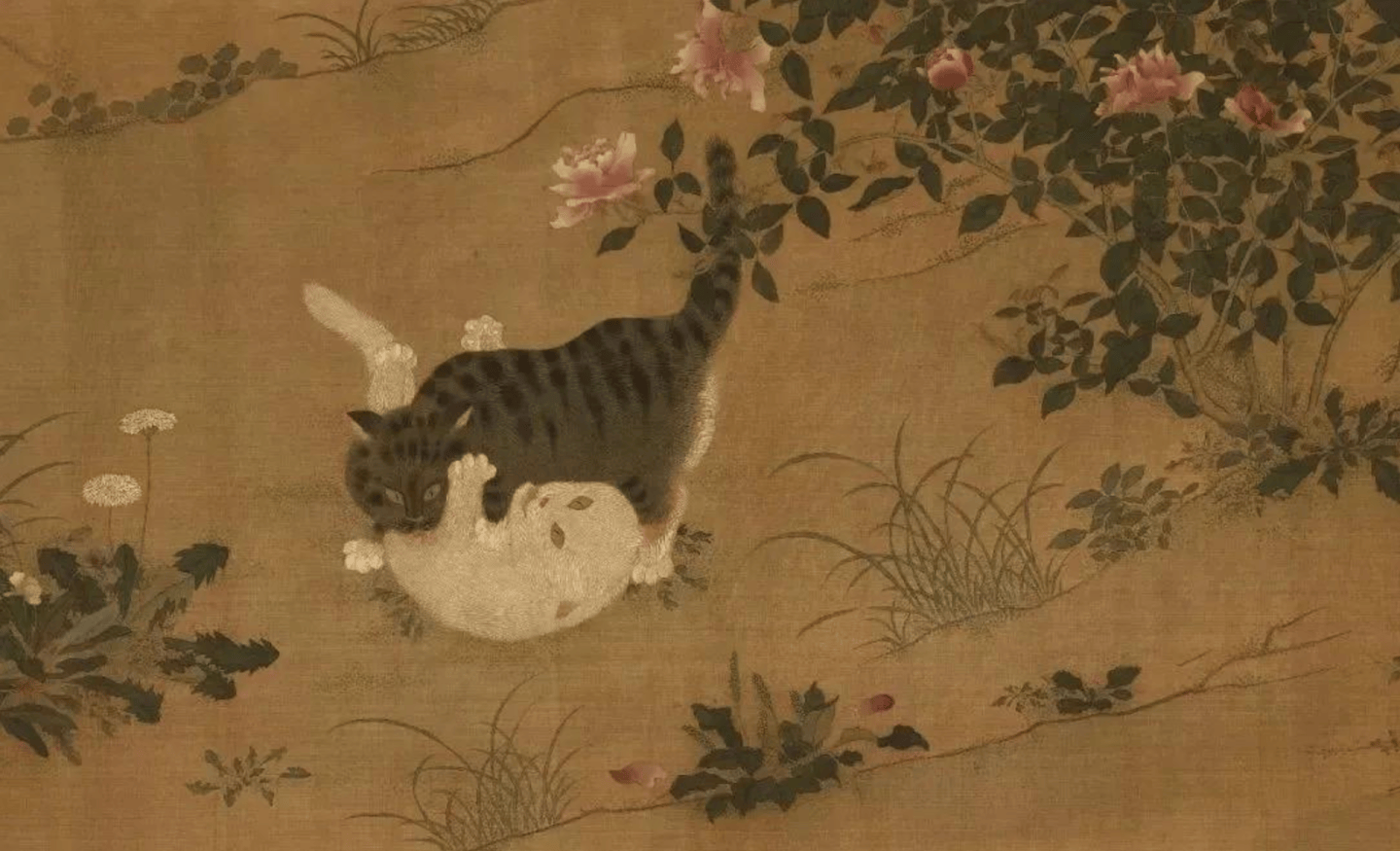
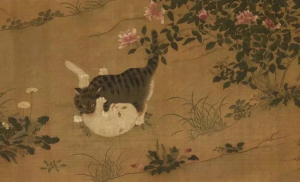
    National Palace Museum, Taipei, CC BY-SAA detail from Emperor Huizong of Song’s 1124 silk painting ‘Depiction of Cats and Flying Butterflies.’
    ,

    The 12th‑century Chinese poet who was among the first to explore the inner lives of cats

    Eight centuries before the internet, Lu You was already trying to figure out what his cat was thinking.

    Professor of Chinese Literature, University of Virginia

    Jack W. Chen, University of Virginia

    If you’re reading this, then your media feed, like mine, is probably full of cats.

    That’s hardly surprising. The internet has always belonged to cats, which suits me just fine: I love cats and live with four of them.

    But in one of the classes I’ve taught, Cats: Why We Love Them, I explain how our affection for the house cat, Felis silvestris catus, is a relatively recent phenomenon in the scope of human history. In many parts of the world, cats were viewed with suspicion and subjected to terrible mistreatment.

    Of course, the ancient Egyptians loved cats – this can be seen in sculptures, paintings and even mummified cat remains. Meanwhile, premodern poets, writers and artists were among the first to wonder about the inner lives of cats – and to explore how caring for them might expand our capacity for empathy.

    One of the earliest literary accounts of a cat is the ninth-century poem “Pangur Bán,” written by an unnamed Irish monk. In the poem, he describes the parallels between his devotion to hunting for meaning in the texts he is studying and the cat’s devotion to hunting mice.

    What’s interesting about the poem is how the anonymous poet sees the cat as possessing qualities that resemble human qualities – and, in doing so, implicitly suggests that cats have dignity much like human dignity.

    The monk does not set himself above the cat in some great hierarchy of life, but instead places himself alongside the cat as peers in their dedicated practices.

    Lu You’s cat

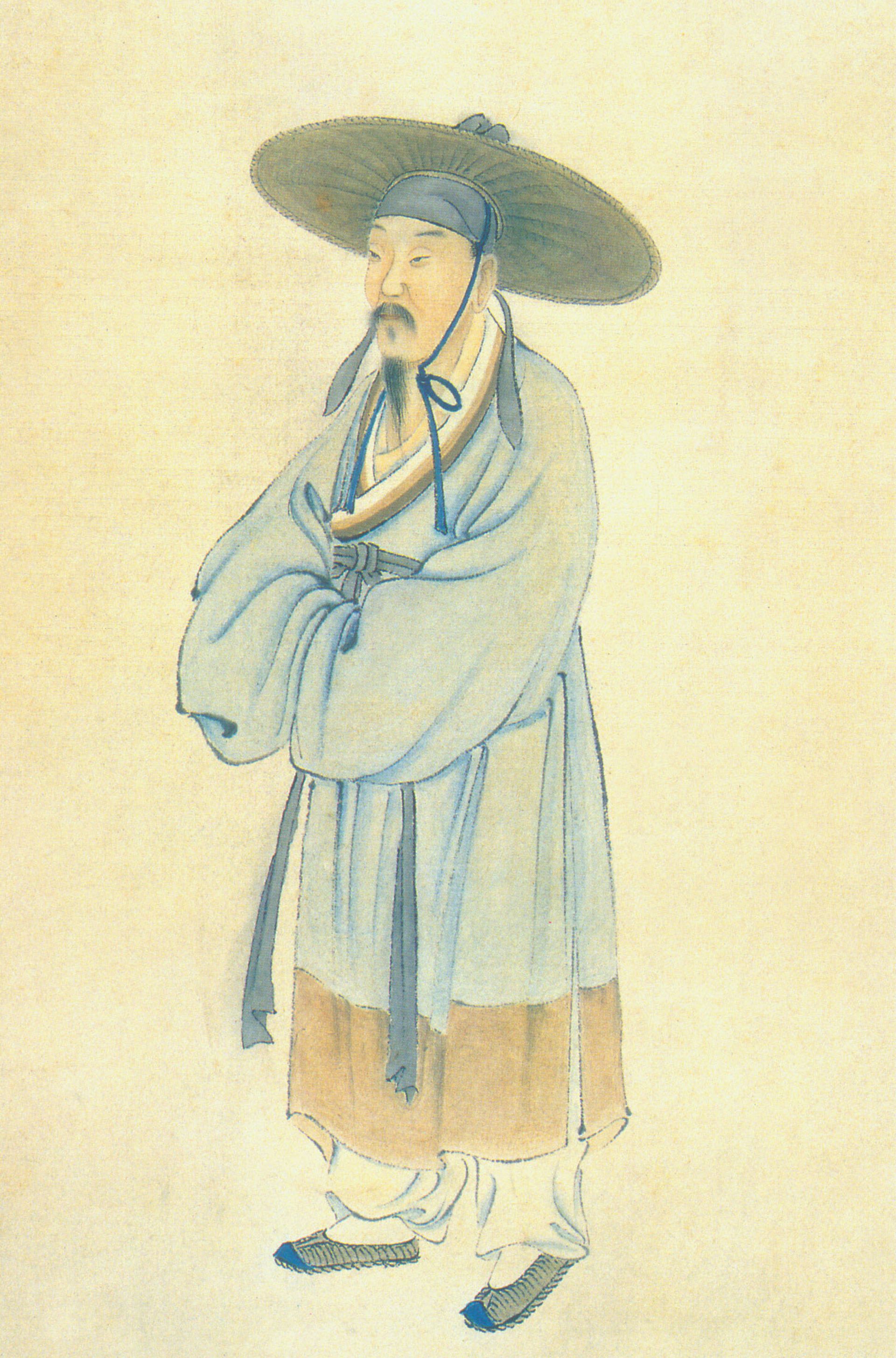
    A colorful drawing of an elderly Chinese man wearing a wide-brimmed hat and a blue robe.
    Wikimedia CommonsThe Chinese poet and historian Lu You.

    In the 12th century, the Chinese poet Lu You composed over 9,000 poems. A handful were about his cats, and of these, three are entitled “Zeng mao,” or “Presented to My Cat.” It’s not clear if the poems are all about the same cat, as Lu had more than one cat over his lifetime.

    In Chinese literature, poems that include the term “zeng” – “to present” – are often sent to acquaintances as a form of literary exchange. Prior to Lu, there’s no literary evidence that anyone had addressed a poem to a cat.

    In the first poem, Lu begins by explaining that he acquired a cat to protect his library from vermin. Looking around his home, he feels embarrassed by his lack of success in life:

    I’m ashamed that I’m poor and my achievements few,
    When you’re cold there’s no rug, when I feed you there’s no fish.

    In the second of these poems, a longer eight-line poem, the poet accuses his cat of poor feline behavior familiar even today:

    You frequently get drunk from catnip,
    You commandeer the blanket every night.

    But he follows with praise for the cat’s achievements:

    Deeds of the mousehole – just now recounted,
    Rewards of fish morsels – how could these be omitted?

    He ends by naming the cat:

    Still, I should give you a name,
    I’ll call you “Little Tiger.”

    Lu chooses a name that probably was given to countless cats in premodern China. But by ending the poem with the act of naming, he is emphasizing how this cat is an individual to him, known to him by this name and none other.

    Poet and cat, late in life

    The relationship that Lu depicts between cat and human will be familiar to anyone who has fought with their cat over who gets the blanket or wondered what their cat might be thinking.

    The third poem, translated here in full, finds the cat late in its life, with its days chasing mice long behind it. Its poignancy is amplified by the fact that Lu composed it in the last year of his own life:

    As for catching mice you lack merit, but I never complain,
    A ladle of fish and rice will come at the usual time.
    Throughout the day I see you sleeping peacefully,
    So why am I always coming and going?

    Lu sees himself through the bemused eyes of the cat, who’s perhaps wondering why this foolish old man is rushing to and fro, fulfilling goals and seeking praise, when he might just be satisfied with what he already has.

    And despite his cat’s indolence, Lu continues to cherish his feline, making sure to regularly serve its dinner. This is significant, given that other premodern Chinese writers viewed cats primarily as vermin-catchers that should be replaced once they outlive their usefulness.

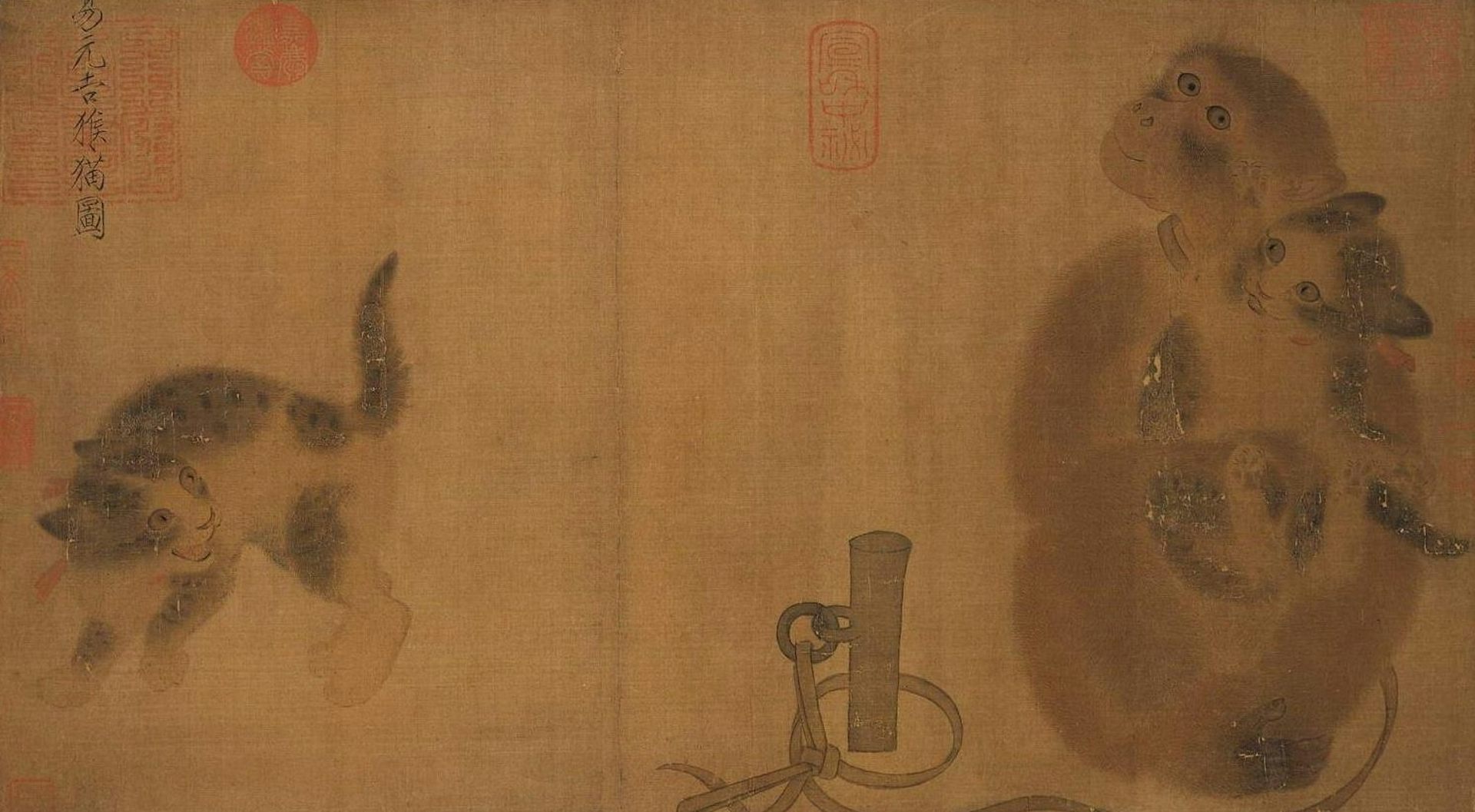
    A painting of a grinning cat with its back arched and a smiling monkey cradling another cat in its arms.
    National Palace Museum/Wikimedia Commons‘Monkey and Cats,’ an 11th-century silk painting by the Chinese painter Yi Yuanji.

    Personhood and care

    Imagining oneself as a pampered cat will be familiar to those of us who live with cats – a thought-experiment that is tinged with more than a little envy for the capacity to live in the moment, without anxiety over the future.

    Lu’s care for his cat affords him the possibility of imagining a nonhuman animal mind. The poet learns something from his cat in the end, as he imagines the world through the cat’s eyes and, in doing so, perhaps finds a measure of solace.

    Lu does not speak in the language of what philosophers call moral personhood. He is not reflecting on the broader ethical question of which creatures deserve to be treated with care and respect.

    But I argue that his actions nonetheless demonstrate how he treats his cat as somewhat of an equal. This can be seen, not least of all, by how he addresses poems to his cat, an act of social exchange that was heretofore reserved for literary interactions with other human beings.

    Personhood – the recognition of an individual as deserving of dignity – is often assumed the sole province of human beings. But philosopher María Puig de la Bellacasa has promoted a worldview that she calls “more than human thinking,” which urges people to broaden their scope of moral concern, and in this way, enlarge human capacities for care and love. The philosopher Lori Gruen similarly conceives of an “entangled empathy,” calling attention to the complex relational intimacies that bind human and nonhuman animals together. They insist that human lives are better when the sphere of care and concern is extended to those creatures with whom human lives are entangled.

    Born in the 12th century, Lu You could not be expected to argue for animal rights. But he clearly understands that his cat has claims to happiness, pleasure, comfort and companionship, and that while the cat might see the world differently than he does, that doesn’t diminish its claim to empathy and love.

    This article originally appeared on The Conversation. You can read it here.

Explore More Media Stories

Media

Boomers think these 7 habits make them polite but younger generations are begging them to stop

Culture

As Route 66 turns 100, what is it that we’re actually celebrating?

Culture

In America’s sandwiches, the story of a nation

Media

Why ‘Main Character Energy’ videos are making everyday life feel extraordinary