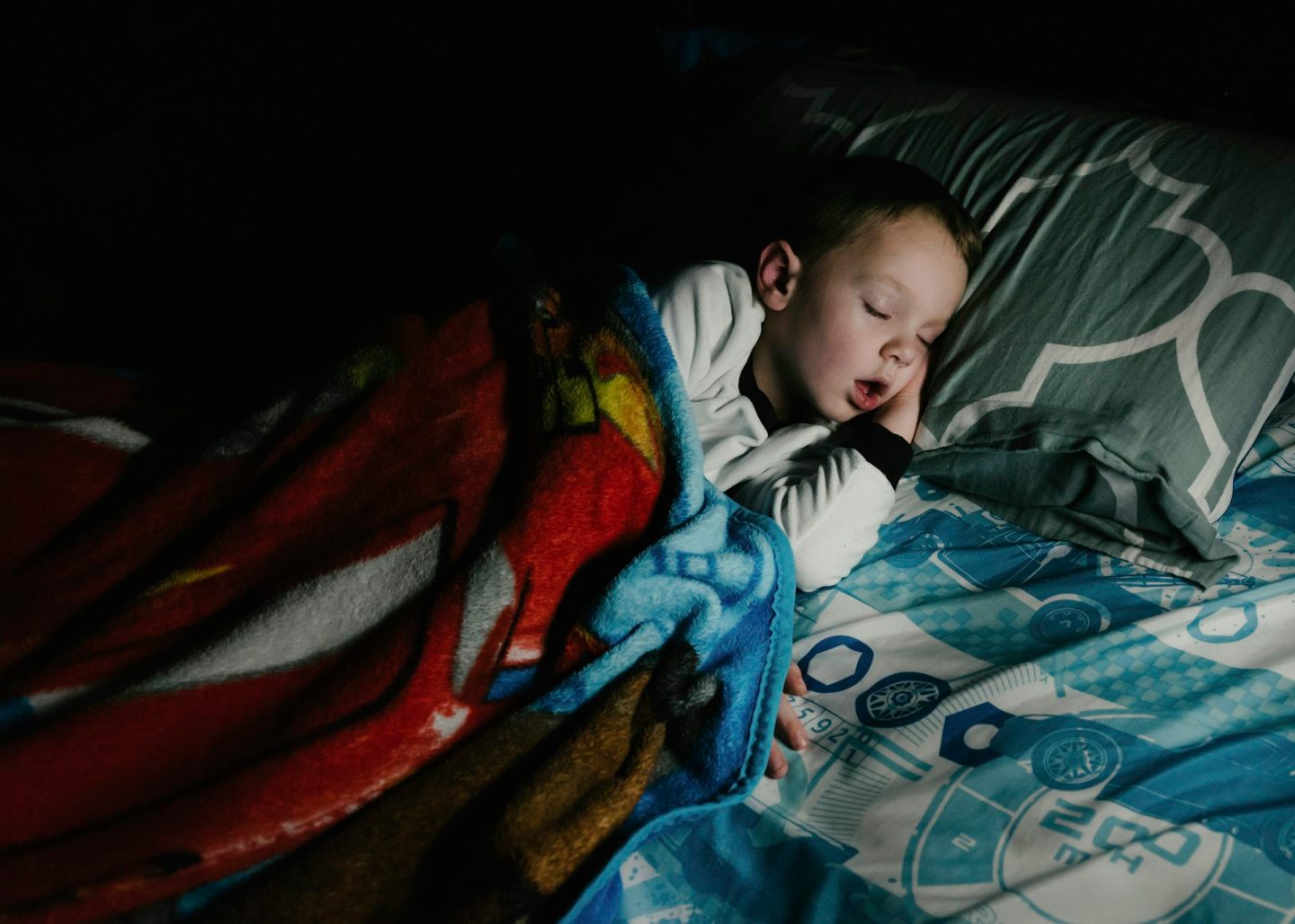

A decade ago, a rising health concern affecting children into adulthood still lingers today: peanut allergies. A study released in 2010 by researchers at the Mount Sinai School of Medicine found that cases of peanut allergies tripled between 1997 to 2008. In 2015, new evidence emerged that reduced peanut allergy cases, not by delaying the introduction of peanut products until age three as previously recommended, but by feeding them to children as infants. A decade later, the results showed that it worked.

In humans, peanut allergies occur when the immune system mistakenly recognizes the protein in peanuts as harmful. There is a wide range of peanut allergy symptoms; some people experience digestive problems, while others break out in hives. The most severe symptoms include dramatic drops in blood pressure and anaphylaxis. Anaphylaxis can cause difficulty breathing and uncontrolled vomiting, which can be fatal as swelling in the throat closes off airways and reduces intake of oxygen. Understandably, parents and adults alike grew concerned about ingestion and exposure to peanuts and peanut products at schools, playgrounds, and other public spaces.

Early exposure–not avoidance–is key

In 2015, Gideon Lack, Professor of Pediatric Allergy at King’s College London, published his team’s findings in a study dubbed the Learning Early About Peanut Allergy (LEAP) trial. The findings showed that introducing peanut products to infants significantly reduced their chance of developing peanut allergies by more than 80%, and that this resistance persisted in about 70% of the kids as they reached young adulthood.

These findings led officials to create new guidelines encouraging the early introduction of peanuts to infants as young as 4 months old. These new guidelines reportedly reduced peanut allergy cases by 27% in children under the age of three, and reduced them by over 40% after the exposure recommendation was expanded in a public health effort in 2017. Continued monitoring and testing over the years further cemented the effectiveness of early exposure to peanuts, according to the National Institute of Allergy and Infectious Diseases (NIAID).

“Today’s findings should reinforce parents’ and caregivers’ confidence that feeding their young children peanut products beginning in infancy according to established guidelines can provide lasting protection from peanut allergy,” said NIAID Director Jeanne Marrazzo in 2024. “If widely implemented, this safe, simple strategy could prevent tens of thousands of cases of peanut allergy among the 3.6 million children born in the United States each year.”

Pediatricians, child care specialists, and allergists back up this study

Professionals in both child care and allergy treatment recommend early introduction to peanuts.

“Early and consistent peanut consumption, starting in infancy, is the only proven way to reduce the risk of developing a peanut allergy,” allergist and pediatrician Dr. Alice Hoyt tells GOOD. “I recommend that all babies start peanut and other allergenic foods as early as four to six months when they’re ready for solids, and that once introduced, they consume them regularly.

Licensed speech pathologist and feeding specialist Jordyn Koveleski Gorman, who worked with Dr. Lack from 2022 to 2024 regarding early peanut introduction through Lack’s Mission MightyMe Puff products, echoed and reiterated the data of early exposure’s effectiveness in an interview with GOOD.

“The earlier we introduce allergens, the more we decrease the risk of allergies later in life,” said Gorman. “If peanuts are introduced between four to ten months of age, the risk of developing peanut allergies could be reduced by up to 80%.”

Gorman also pointed out that many parents and pediatricians are still hesitant to introduce peanuts at such a young age because this data is still relatively new compared to the peanut avoidance recommendations that had been established for decades.

“The previous recommendation was to avoid or delay peanuts to prevent potential allergies, but this fresher data is still new enough that some pediatricians or parents still aren’t aware,” said Gorman. “Parents are terrified of an allergic reaction, so naturally they’d side with avoidance.”

“How can I safely introduce peanuts to my baby?”

If you would like to expose your infant to peanuts early and safely to reduce the risk of peanut allergy, the NIAID has published guidelines and recommendations for parents.

First, talk with your child’s primary care provider/pediatrician before introducing peanut products to your baby. They may perform an allergy test or refer you to a specialist for additional tests. The results of these tests could determine whether it’s safe to introduce your child to peanuts at home, in supervision alongside your child’s doctor to monitor their reaction, or if your child should not be exposed to peanuts at all. If, upon feeding, your child shows signs of eczema, your doctor might recommend delaying introducing peanuts to your baby’s diet until they’re six months old before attempting to incorporate peanut products into their diet again.

However, if the child shows no symptoms at all, you’re free to feed peanut products to your baby, provided that they’re prepared safely for your baby to eat. The experts who spoke to GOOD offered recommendations on how to introduce peanuts into your baby’s diet.

“Nuts and straight nut butters are a choking hazard for babies, so I recommend either mixing peanut powder into a puree or diluting peanut butter with water or breast milk, or using Mission MightyMe Peanut Puffs, which were developed by the doctor who led the research that changed feeding guidelines globally to recommend early introduction,” Dr. Hoyt said to GOOD.

“The easiest way to introduce peanuts to your baby is to thin out peanut butter with water and offer it on a spoon, put that mixture into any puree, or coat it on a soft solid like a banana,” said Gorman.

It is important to reiterate that you should still check with your child’s physician before introducing any new foods to their diet, to ensure that everything is monitored and their health is at the forefront. It’s important for parents and their child’s care team to stick together like peanut butter and jelly when introducing potential allergens.


  • Parents, let your kids eat as much candy as they want – less restriction could help reduce the urge to overeat
    Candy becomes less special when it’s not a ‘bad’ food you can’t have. Peter Muller/Connect Images via Getty Images

    Assistant Clinical Lecturer in Kinesiology, Nutrition, and Health, Miami University

    Kids and candy are a classic pairing. From trick-or-treating to Easter baskets, to local parades and birthday parties, it can feel like kids are almost always bringing home another bag of treats. But while these holidays and events may be exciting for kids, they often end with parents dreading what comes next: negotiations around how much candy to consume.

    As a registered dietitian and mom of three, I understand the stress that comes with wanting to encourage healthy food choices without removing all the fun of childhood traditions. I also believe the answer to this dilemma may be simpler than the familiar back and forth of “Just one more piece of candy!” and “Haven’t you had enough already?”

    Research suggests that by managing the candy inventory less and encouraging more autonomy around sweets, parents can help their kids practice tapping into their hunger and fullness cues, promoting a healthier relationship with food over time.

    Making food moral

    There is no question that some foods have greater nutritional value than others. A piece of cake – carrot cake included – will never provide the vitamins and minerals of a large garden salad. As a result, people often categorize different foods as “good” or “bad.”

    The tendency to place food in two polarizing buckets can affect everything from what foods you purchase at the grocery store to the language you use to describe food. The problem is, “good” and “bad” are moral concepts. When morality is consistently applied to food, a person’s relationship to food can become complicated. Instead of viewing food as fueling, it can become a measuring stick for whether your food choices are something to feel proud of or guilty about.

    When a person’s inner monologue about food is preoccupied with whether it is good or bad for their health or diet plan, food choices can become less about enjoyment and more about their willpower to make the “right” decision at the grocery store and at mealtimes. Any guilt or shame that comes from this evaluation can spill over into what foods are served freely at home and which are restricted.

    Restriction leads to overeating

    The idea of food restriction often sounds punishing. For parents and others who take care of children, food restriction often may simply be an attempt to limit sugary foods and introduce more fruits and vegetables.

    But for kids, restricting certain foods may lead them to become preoccupied with those foods. They may be nagged by the knowledge that the foods adults often call “bad” are also the ones that are really delicious. What started as a simple candy rule can continue to influence a child’s relationship to food and eating long after the treats are gone.

    Person holding a gummy bear and signing 'one' at a child with their hands on the top of their hand in protest or disappointment
    Restricting certain foods can lead to increased preoccupation with those very foods. Oscar Requejo/iStock via Getty Images Plus

    Parents often approach food restriction in two different ways. In overt food restriction, kids are aware that their parents or guardians are limiting access to specific foods because they can see it or are told specific foods are off limits. In practice, this might mean the kids know candy is in the house but stored out of reach in the kitchen cupboards. Parents or caregivers who practice covert food restriction, on the other hand, may choose to not buy bags of candy at all in order to encourage more balanced food choices.

    Research suggests that overt restriction can unintentionally increase kids’ interest in those restricted food items. That preoccupation may mean the child has a more difficult time listening to their fullness cues when presented with those foods. If bags of candy are usually stored out of reach, it may be tempting to eat more than just a few pieces when access is finally granted – and they may completely ignore any signs that their body is full.

    Intuitive eating for kids

    Incorporating neutral language about food at mealtimes and encouraging kids to eat according to their own hunger and fullness cues can help them build trust in their bodies and improve family connection at the table. Taking the pressure off finishing all the food on the plate can instead place emphasis on savoring the sensory experience of each bite.

    Eating according to internal cues is one part of intuitive eating, which aims to increase a person’s trust in their own body to signal when to start eating and when to stop. Kids can also benefit from this same framework, with some age-appropriate modifications.

    The Satter Division of Responsibility in Feeding provides a simple, research-based approach to feeding kids in a way that avoids power struggles between kids and caretakers at the table. Developed by the Ellyn Satter Institute, a nonprofit focused on improving people’s relationship to food, the goal of the framework is to introduce intuitive eating in a kid-friendly way. When providing food through this approach, parents decide when and what food is served, while kids are in charge of deciding what and how much they eat from their plates. The emphasis is on helping kids eat according to their internal cues without pressuring them to eat specific foods.

    Three children sit around table of food outside
    Giving kids more autonomy in what they eat during meals is a way of practicing intuitive eating. Michael H/DigitalVision via Getty Images

    Candy can be a part of the menu rotation in this feeding framework. Repeatedly exposing kids to a variety of foods, including sugary treats outside of special holidays or events, means no food becomes emphasized for being better or worse than another food – it is all simply food.

    This approach can shift the conversation to how different foods affect their bodies in different ways: Some food – like candy – makes them run super fast, some foods grow their muscles, while other foods keep their eyes strong.

    Building healthier relationships with food

    Regularly using neutral language to describe food and exposing kids to a variety of foods helps reduce the power that sugary treats have over their appetites. This doesn’t mean birthday cake, doughnuts and candy will no longer taste delicious. It simply means children can rest assured they will see their favorite treats again without the added urge to overconsume them.

    If you’re interested in exploring how intuitive eating principles could change your child’s or your own relationship with food, here are a few practices you can try at home:

    Involve children in menu planning and grocery shopping. Let your kids pick a treat to add to a few meals each week, and serve the treat with the rest of the food on the menu for that day. Presenting all food items at the same time on the plate – versus saving a dessert or treat for after the meal – visually reminds everyone that food does not have to be earned. Rather, each food nourishes their bodies in different ways.

    Smiling child dragging smiling adult by the hand to bulk food shelves in grocery store
    Try giving kids a say on what you pick up during grocery trips. FatCamera/E+ via Getty Images

    Avoid commenting on what your kids eat. It can be tempting to praise a child when they choose to take a bite of the broccoli you’ve been encouraging for weeks. Praising kids for eating certain foods versus others can create a food hierarchy, leading them to think about food as a way to earn a reward instead of fueling their body.

    Challenge your own relationship with food. Do you eat when you are hungry and stop when you are full? Do you restrict your own food cravings as a punishment, or do you struggle to control yourself when eating a treat you love? Kids are always watching, and your own food behaviors often speak louder than words.

    Consider letting your kids indulge for a day. In my own family, I don’t limit how much candy my three kids eat on Halloween night. I won’t lie – they usually eat quite a bit. When they mention a stomachache afterward, we talk about how eating a lot of candy can make their bodies feel – without adding judgment. Their interest typically fades over the next few days while we continue to offer a piece of two with meals. Eventually the extras become props for elaborate trick-or-treat pretend play.

    One day or evening of holiday eating does not define their health, but fun memories with friends and families can last a lifetime. So let them eat … candy!

    This article originally appeared on The Conversation. You can read it here.

  • Why do I talk in my sleep? A sleep psychologist explains
    Talking in your sleep is more common in children than adults. Cavan Images via Getty Images
    ,

    Why do I talk in my sleep? A sleep psychologist explains

    Your brain can keep chatting after you’ve called it a night.

    Professor of Psychology, Mississippi State University

    Everyone sleeps, but not everyone understands much about sleep. One of my favorite parts of being a sleep psychologist is that when people hear what my job is, they always have tons of questions, like why do we need to sleep? Why do we dream? Do dogs dream? I get that one a lot, and the answer is yes!

    Sometimes people want to chat about their sibling they share a room with who mumbles nonsense out loud all night long. Or maybe they’ve been teased themselves after delivering a complete but one-sided conversation while fully asleep at a slumber party.

    I’ve studied sleep for almost two decades, and I’m still not tired of discussing different aspects of it, especially what are called parasomnias: things your body does or your mind goes through while you’re asleep, such as nightmares, sleepwalking or talking in your sleep. Most are common and completely harmless; they only count as a disorder when they happen so often that they cause real problems.

    What’s happening while you’re asleep

    Sleep is not one single thing; you go through several stages of sleep every night.

    About a quarter of your sleep is what’s called REM sleep, short for rapid eye movement. This is the stage when most dreams, especially the vivid ones, happen.

    Non-REM sleep, which includes the deeper stages of sleep, usually takes up between 75% and 80% of your night. It is an important stage of sleep where your body really throttles down, allowing it to rest and repair itself.

    Doctors refer to these stages all together as your sleep architecture. People go through cycles of these stages roughly every 90 minutes each night. Non-REM sleep makes up more of your sleep right after bedtime, and then REM becomes a higher proportion of sleep in the early morning hours.

    kitten lying on its back asleep with paws up, tucked under a sheet
    Many animal species also need plenty of shut-eye to stay healthy. Waitforlight/Moment via Getty Images

    All mammals, from mice to cats to elephants, appear to sleep in some form or another. Researchers have found sleep is important for many things. When you’re asleep is when a lot of your memories get strengthened so they’ll last long term. Sleep is when growth typically happens in kids, and it is one of the times when your immune system is most active.

    Sleep is an important time for your brain and body to recharge and take care of themselves. Doctors recommend that teens get 8-10 hours of sleep per night, and even more for younger kids: 10-13 hours for little kids ages 3-5, and 9-12 hours for bigger kids ages 6-12.

    Talking out loud while you’re asleep

    Even though someone who is asleep may look pretty much shut down for the night, their brain is not turned off. Different parts of the brain are active doing different things during different parts of the night.

    Scientists think that sleeptalking happens when the parts of the brain responsible for language and speech are active while other parts of the brain that would typically prevent your mouth from physically talking are asleep.

    For the most part, sleeptalking is not even words. Usually it’s mumbles, laughs or whispers. If a sleeptalker does use language, it is most commonly the word “no” – that’s about 5% of all words that are said while asleep. If the sleeptalker is saying words, they’re often questions and sometimes profanity. Rarely are the things sleeptalkers say polite, and often it sounds like they’re having a conflict with someone.

    Sometimes it can sound like the sleeptalker is having a real conversation, pausing to allow the other person to speak – even if there’s no one else in the room. Researchers suspect you might be overhearing one side of a verbal exchange from a sleeptalker’s dream. What a sleeptalker is saying out loud during REM sleep matches what they’re dreaming about at that moment about 80% of the time, according to studies in sleep labs.

    man in bed lifts eye mask and looks quizzically over at woman asleep in eye mask
    A sleeptalker is far more likely to speak gibberish than a real secret. megaflopp/iStock via Getty Images Plus

    You may be able to actually interact with someone who is sleeptalking; researchers have found that roughly half the time a sleeptalker will respond to a spoken question or statement. But don’t get excited that you can get someone to spill their secrets or reveal something they don’t want to. There’s no scientific evidence of this happening.

    There is not a ton of research on sleeptalking yet, but it appears that this phenomenon can happen in any stage of sleep. Studies do suggest there are differences between the sleep of people who sleeptalk and those who don’t. For instance, one study found that sleeptalkers get more than an hour and a half less sleep per night and roughly half as much REM sleep as nonsleeptalkers.

    Why do people talk in their sleep?

    The best explanation we have for sleeptalking is that the brain does not fall asleep all at once, and for some people the areas responsible for sleep remain active longer than the parts that help keep them quiet.

    This phenomenon is fairly common, with over two-thirds of people sleeptalking at one time or another. It isn’t something to be concerned about if it has happened to you, though it does increase your likelihood of experiencing other parasomnias such as sleepwalking.

    Sleeptalking is far more common in childhood. Researchers don’t fully understand why, but we do know that children have more of what’s called slow-wave non-REM sleep. The proportion of slow-wave sleep you have each night declines as you grow older, so it is possible that less sleeptalking comes with this change in sleep architecture.

    Looking at the big picture, sleeptalking is considered normal. But if you’re bothered by it – or by other parasomnias, such as sleepwalking, night terrors or bed-wetting – remember, they all become less common as you grow up. And there are treatments you can get from a sleep psychologist like me.

    One last tip: Scientists do know that sleeptalking, as well as several other parasomnias, is more common when you’re overtired. So, the next time you talk in your sleep, you’ll know that it’s nothing to worry about, but perhaps a sign that you need to catch up on some extra zzz’s when you can.

    This article originally appeared on The Conversation. You can read it here.

  • We paid college students about $5 a night to sleep at least 7 hours – and their grades quickly improved
    Photo credit: iStock via Getty Images Plus – Half of surveyed college students said they go to bed after 1 a.m., on average.
    ,

    We paid college students about $5 a night to sleep at least 7 hours – and their grades quickly improved

    A university experiment tested whether small, immediate rewards could help students follow through on their intentions to get more rest.

    Paying college students about US$5 a night to sleep seven hours got them a quarter more nights of adequate sleep – and better grades.

    That is what we found in a study we published in July 2026.

    We gave more than 1,100 undergraduates at University of Pittsburgh a Fitbit – a wearable activity tracker that looks similar to a watch – and an app that sent bedtime reminders and morning feedback. We randomly chose 468 students and paid them about $5 for every night they slept at least seven hours, over the course of four weeks. We verified how much they slept using the device they wore.

    The students were about 19 years old, on average, and half of them were first-year students. Roughly 72% of them were women. About 55% were white, 28% Asian, 9% Black and 4% Hispanic.

    Our study shows that offering an immediate financial reward can help students meet a seven-hour sleep goal, and that those effects can persist up to a month beyond when the students are paid.

    Not just a student problem

    About one-third of American adults sleep less than seven hours a night, and a similar share say they wish they slept more. Among adolescents and young adults, roughly two-thirds routinely fall short of getting seven hours of sleep a night – the amount of shut-eye that health authorities recommend.

    One prominent sleep researcher has called sleep deprivation the most prevalent high-risk behavior.

    Short sleep is linked to obesity, diabetes, high blood pressure, heart disease, stroke and early death.

    Irregular sleep predicts mortality risk even more than sleep duration does. Sleep loss shows up in decision-making, even when it comes to issues like whether people vote.

    Students are running on empty

    Before we changed anything, the average student in our study slept 6.6 hours a night.

    Half were going to bed after 1 a.m. on average – a quarter after 2 a.m.

    Students got the recommended seven hours of sleep on a typical weeknight on only 43% of their nights, and more than 85% fell short at least once a week.

    They also did not know how much sleep they were getting. Two-thirds told us they usually slept seven hours – the trackers showed only about one-third of students slept that much on even three nights out of five.

    And 94% said their ideal night of sleep was longer than the one they were getting.

    What the money bought

    The 468 students we offered nightly payments reached seven hours of sleep on 26% more nights than 380 students who were not offered the money. That is a large shift for a group in which fewer than half were hitting the mark to begin with.

    Students receiving the monetary incentive slept 19 more minutes per school night, roughly the difference between closing the laptop at 11:40 p.m. or at midnight.

    Among students receiving the payment incentive, their GPA rose by about 0.08 points that semester – roughly a quarter of the gap between students who arrived with above-average and below-average high school grades.

    Once the payments stopped after four weeks, students who had received the money were still sleeping about eight minutes longer per night for the remaining three to four weeks of the study. The effect was smaller than during our study, but our findings suggest that some of the change in sleep habits persisted for up to a month after the end of the incentive.

    The effects of the intervention on sleep and GPA were largest among first-term freshmen, whose routines are not yet necessarily fixed.

    Rewards work – if they come right away

    Timing mattered too: Delivering the payment as a lump sum at the end of the semester, rather than every morning, produced only about two-thirds of the effect on sleep.

    The effects of the intervention on GPA faded over a couple of academic terms. Grades remained higher in the following semester, but two semesters later we could no longer detect an effect.

    Bedtime reminders and morning feedback on their own – with no money attached – had little effect. Students who received them slept only marginally more. The problem was not motivation: Nearly all said they wanted more sleep than they were getting. The challenge was following through on that intention night after night.

    Investing in sleep

    Our results show that universities should look at how the environment they create fosters or discourages good sleep habits.

    Late evening deadlines to submit assignments and early classes can both make it harder for students to get enough sleep. Changing some of these features costs little compared with many academic support programs, and it may be worth testing alongside other interventions aimed directly at students.

    Reminders and feedback might also work better if they change over time, rather than becoming familiar and easy to tune out.

    Very few universities or students treat sleep as part of an investment in education, or ask whether the schedules and incentives schools create make adequate sleep harder. Our results suggest they should.

    This article originally appeared on The Conversation. You can read it here.

Explore More Health Stories

Health

We paid college students about $5 a night to sleep at least 7 hours – and their grades quickly improved

Health

Could you survive The Oregon Trail? An emergency medicine doctor offers tips on how to not die in the great outdoors

Health

Your cells keep a record of every workout you’ve ever done – and those gains persist even after a break from exercise

Health

Friendship is built over time, through ordinary moments – I teach lonely college students to notice them