
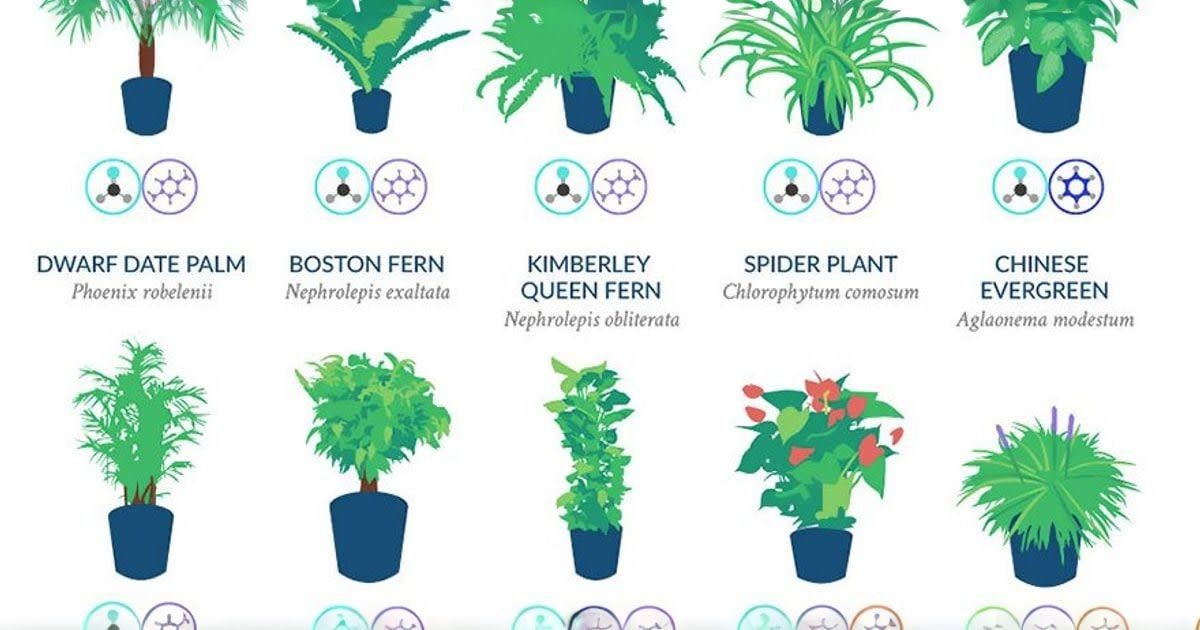
In the late ’80s, NASA sought ways to purify air in its space stations. To achieve this, they conducted a study to find the best plants for filtering toxins and converting carbon dioxide into oxygen.

In 1989, their results were published in a clean air study that provided a definitive list of the plants that are most effective at cleaning indoor air.

The study recommended placing at least one plant for every 100 square feet of indoor space, whether at home or in the office.

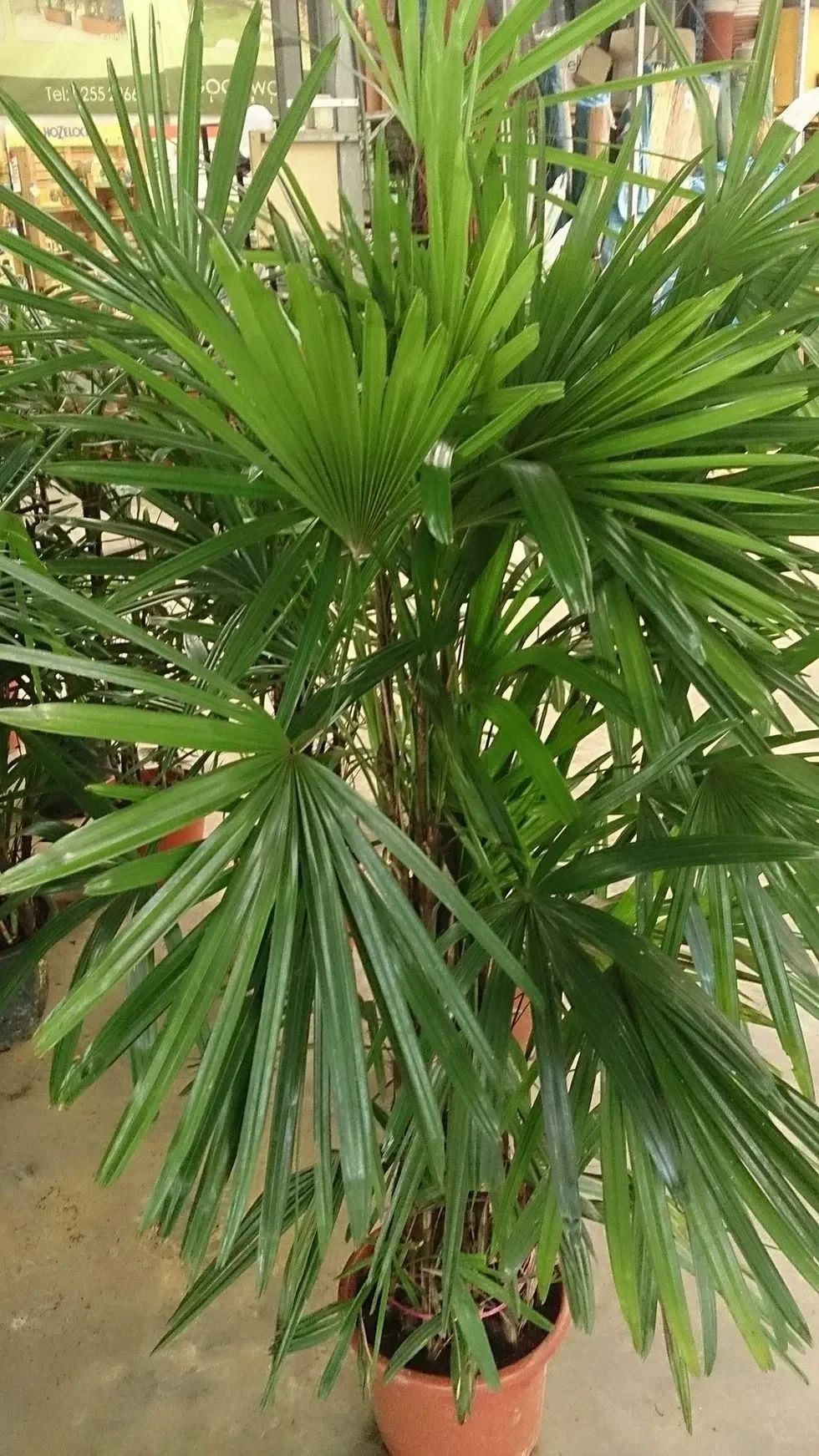
1. Dwarf Date Palm
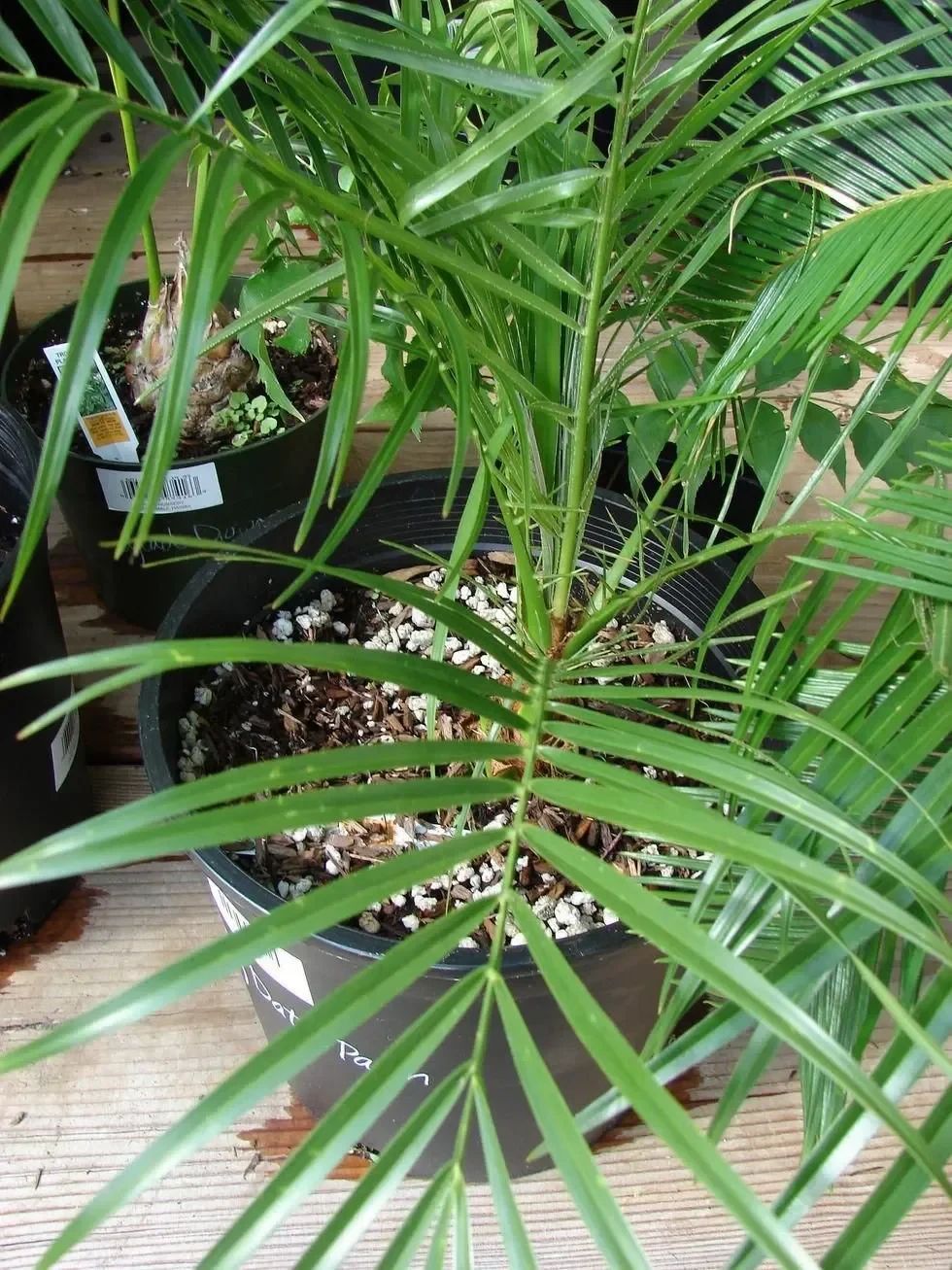
From the Arecaceae family.
assets.rebelmouse.io | From the Arecaceae family.

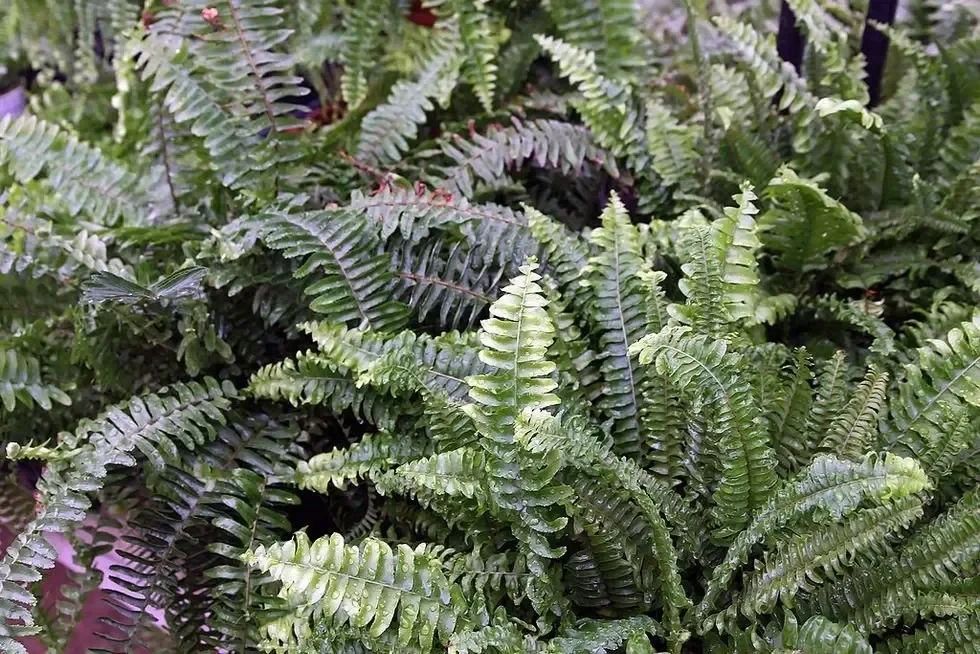
2. Boston Fern

From the Nephrolepidaceae family.
assets.rebelmouse.io | From the Nephrolepidaceae family.

3. Kimberly Queen Fern

From the Nephrolepidaceae family.
assets.rebelmouse.io | From the Nephrolepidaceae family.

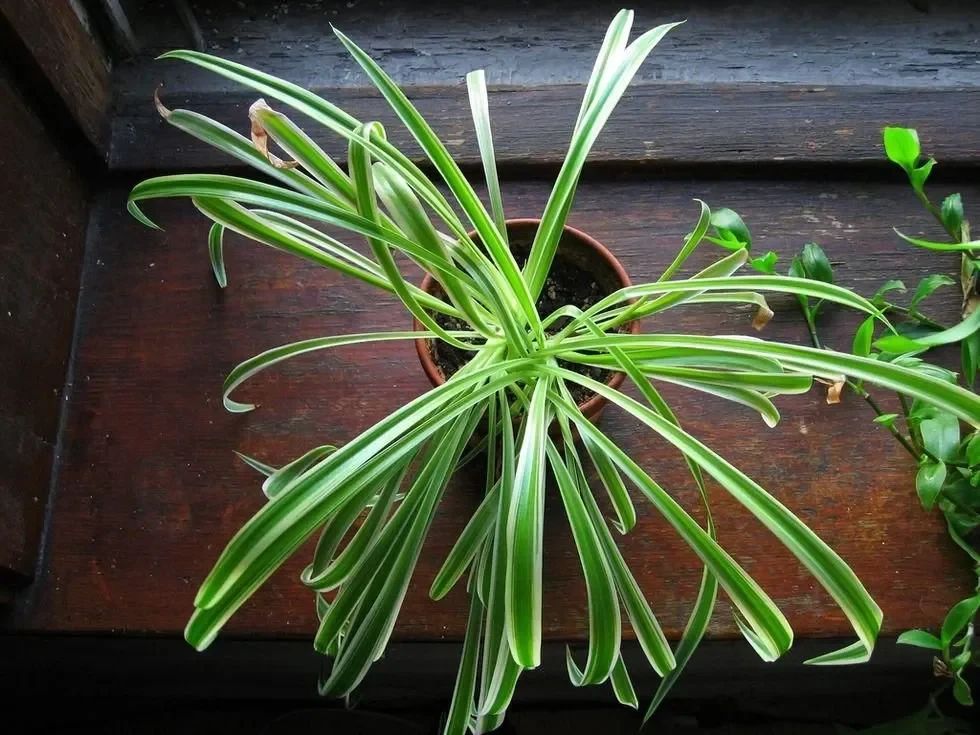
4. Spider Plant

From the Asparagaceae family.
assets.rebelmouse.io | From the Asparagaceae family.

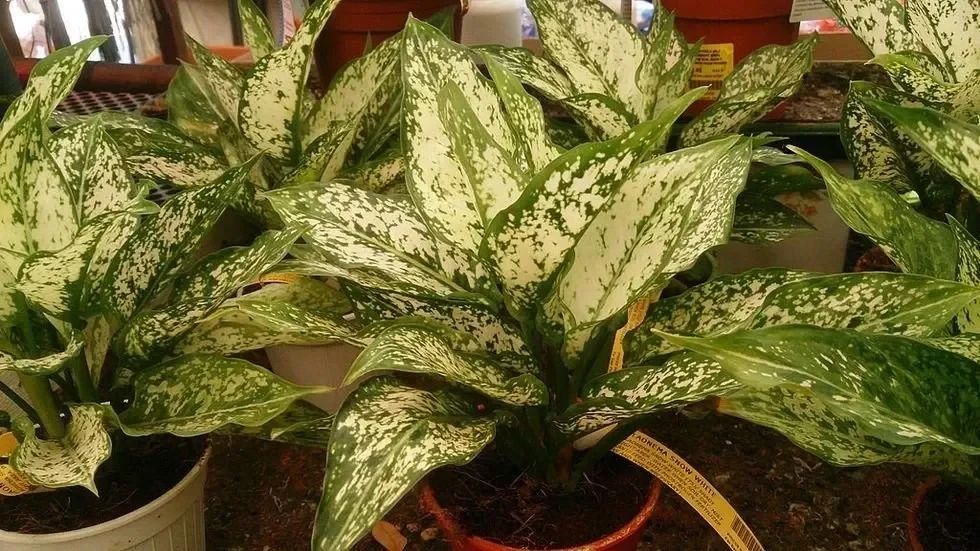
5. Chinese Evergreen

From the Araceae family.
assets.rebelmouse.io | From the Araceae family.

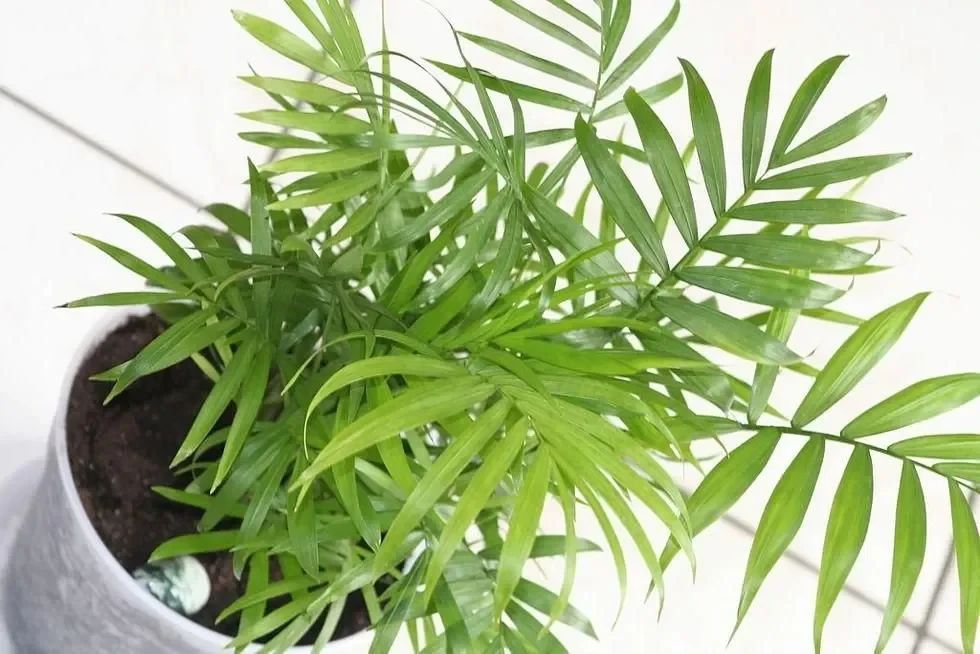
6. Bamboo Palm

From the Arecaceae family.
assets.rebelmouse.io | From the Arecaceae family.

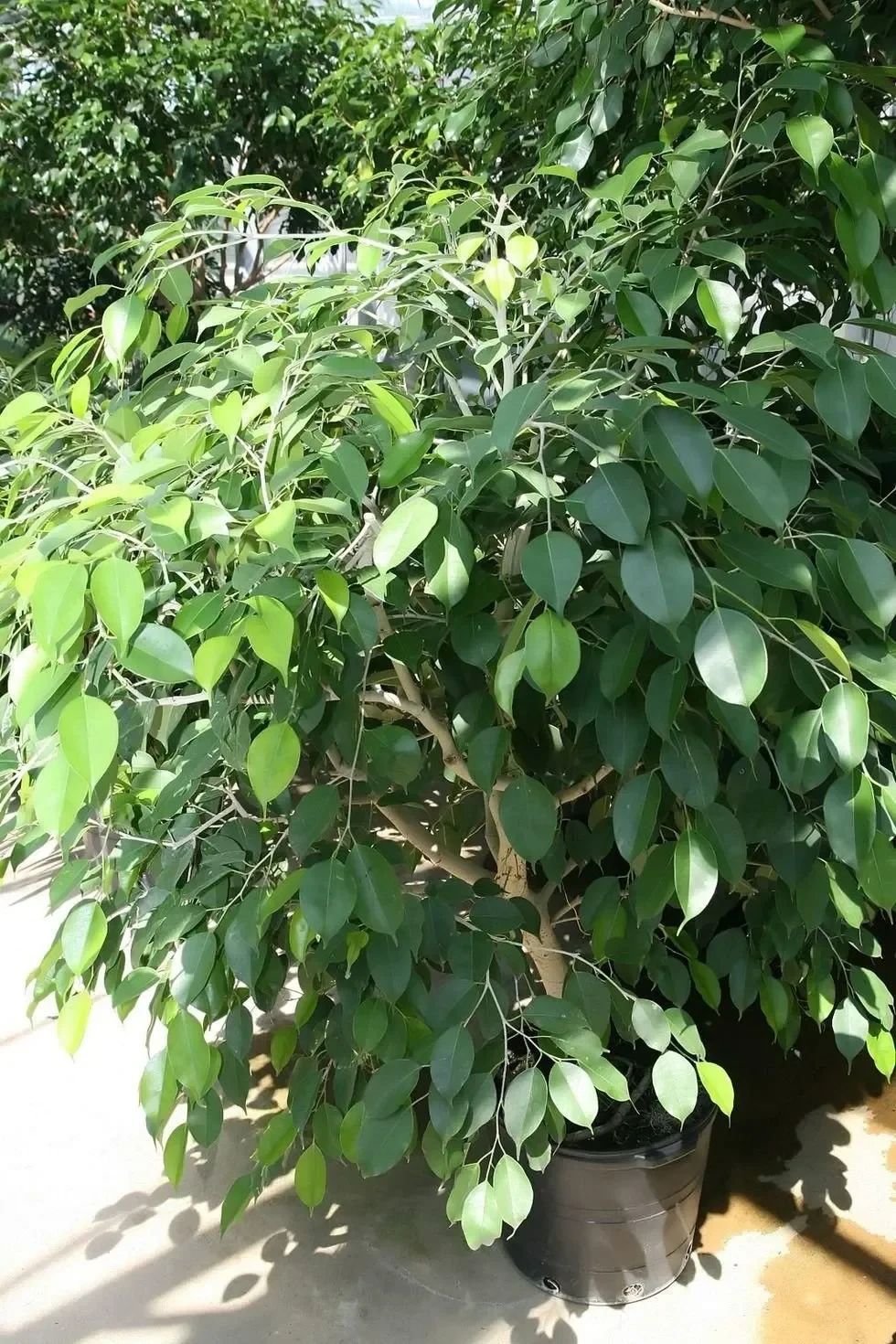
7. Weeping Fig

From the Moraceae family.
assets.rebelmouse.io | From the Moraceae family.

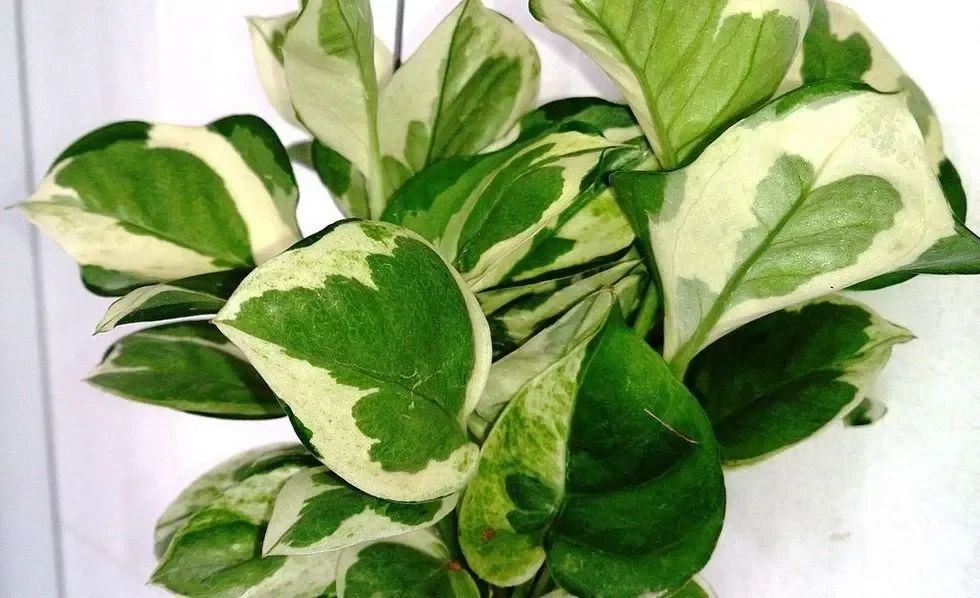
8. Devil’s Ivy

From the Arum family.
assets.rebelmouse.io | From the Arum family.

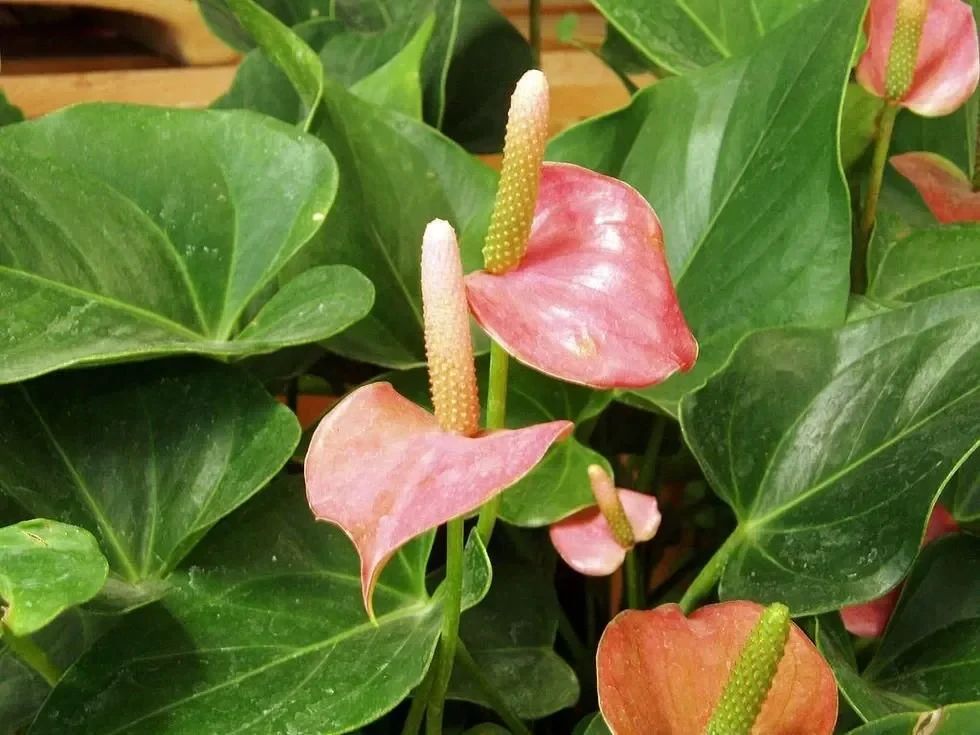
9. Flamingo Lily

From the Arum family.
assets.rebelmouse.io | From the Arum family.

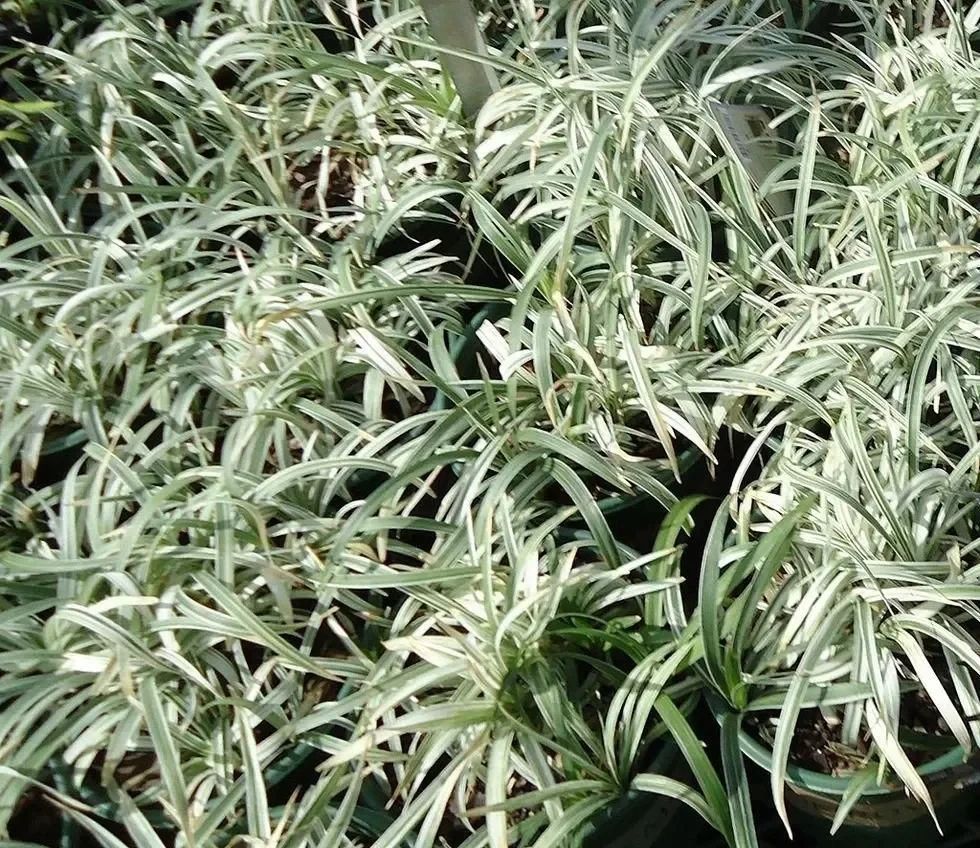
10. Lilyturf

From the Asparagaceae family.
assets.rebelmouse.io | From the Asparagaceae family.

11. Broadleaf Lady Palm

From the Arecaceae family.
assets.rebelmouse.io | From the Arecaceae family.

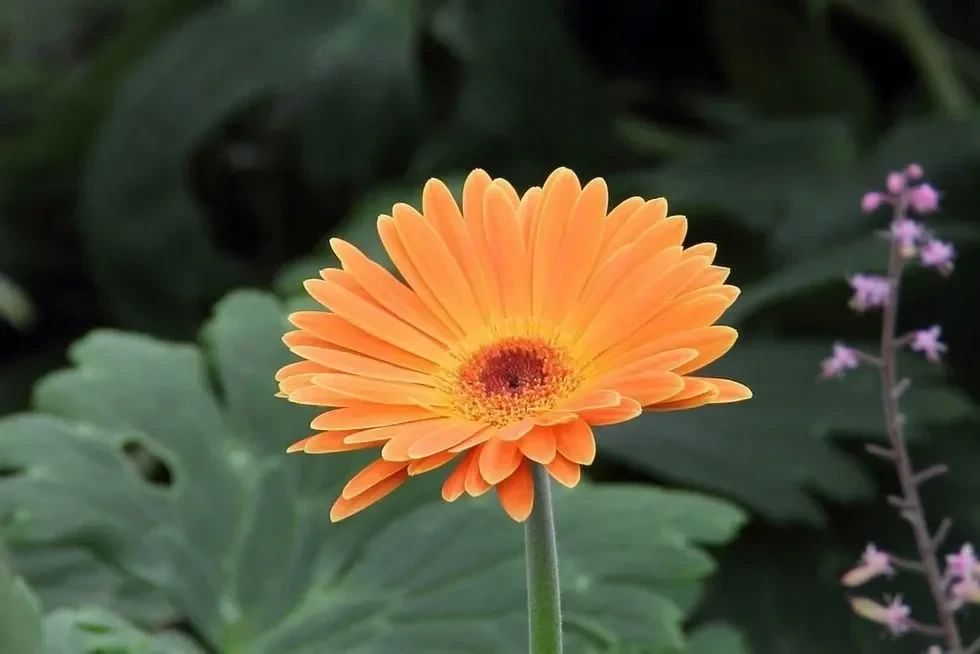
12. Barberton Daisy

From the Aster family.
assets.rebelmouse.io | From the Aster family.

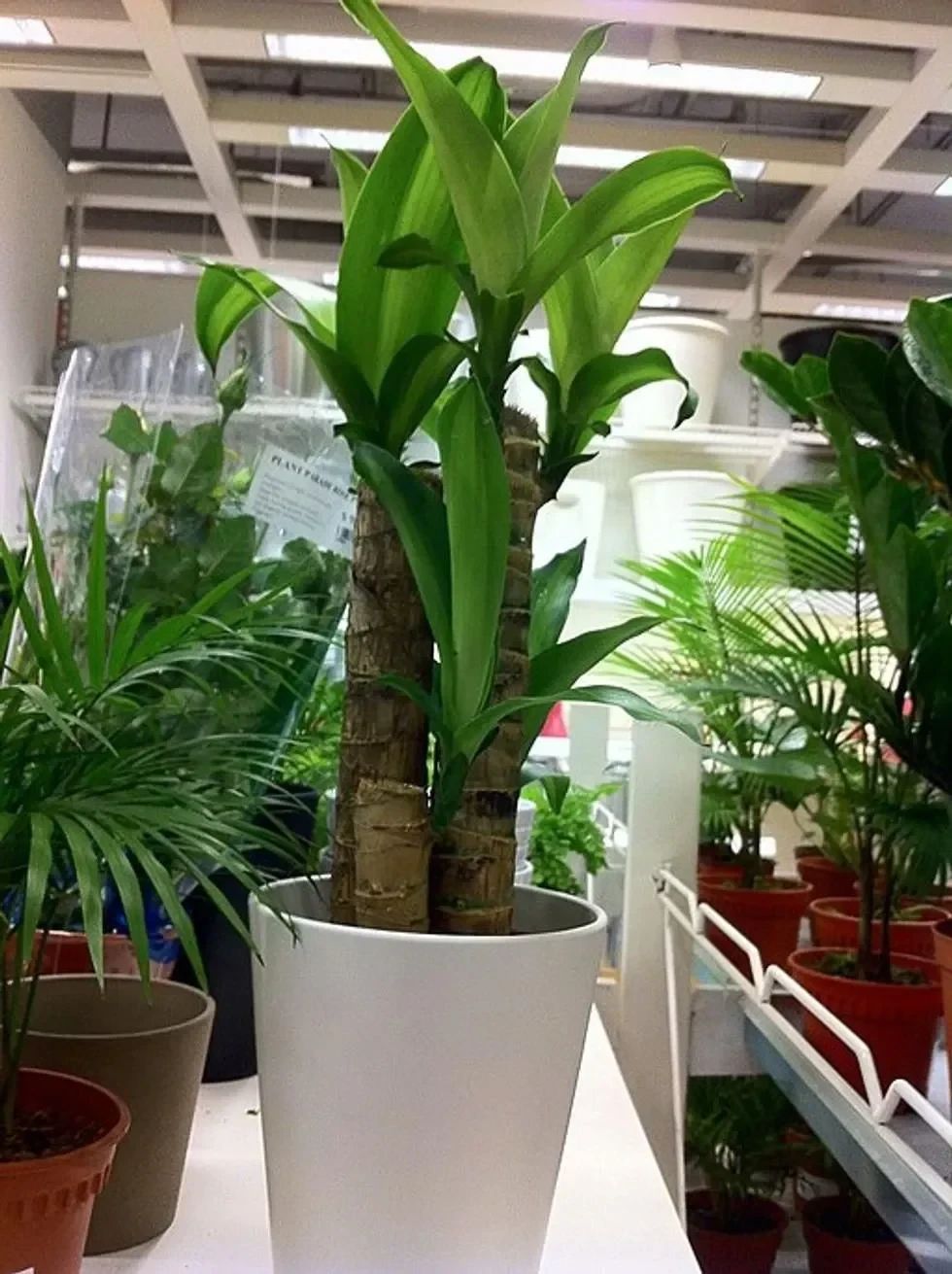
13. Cornstalk Dracena

From the Asparagaceae family.
assets.rebelmouse.io | From the Asparagaceae family.

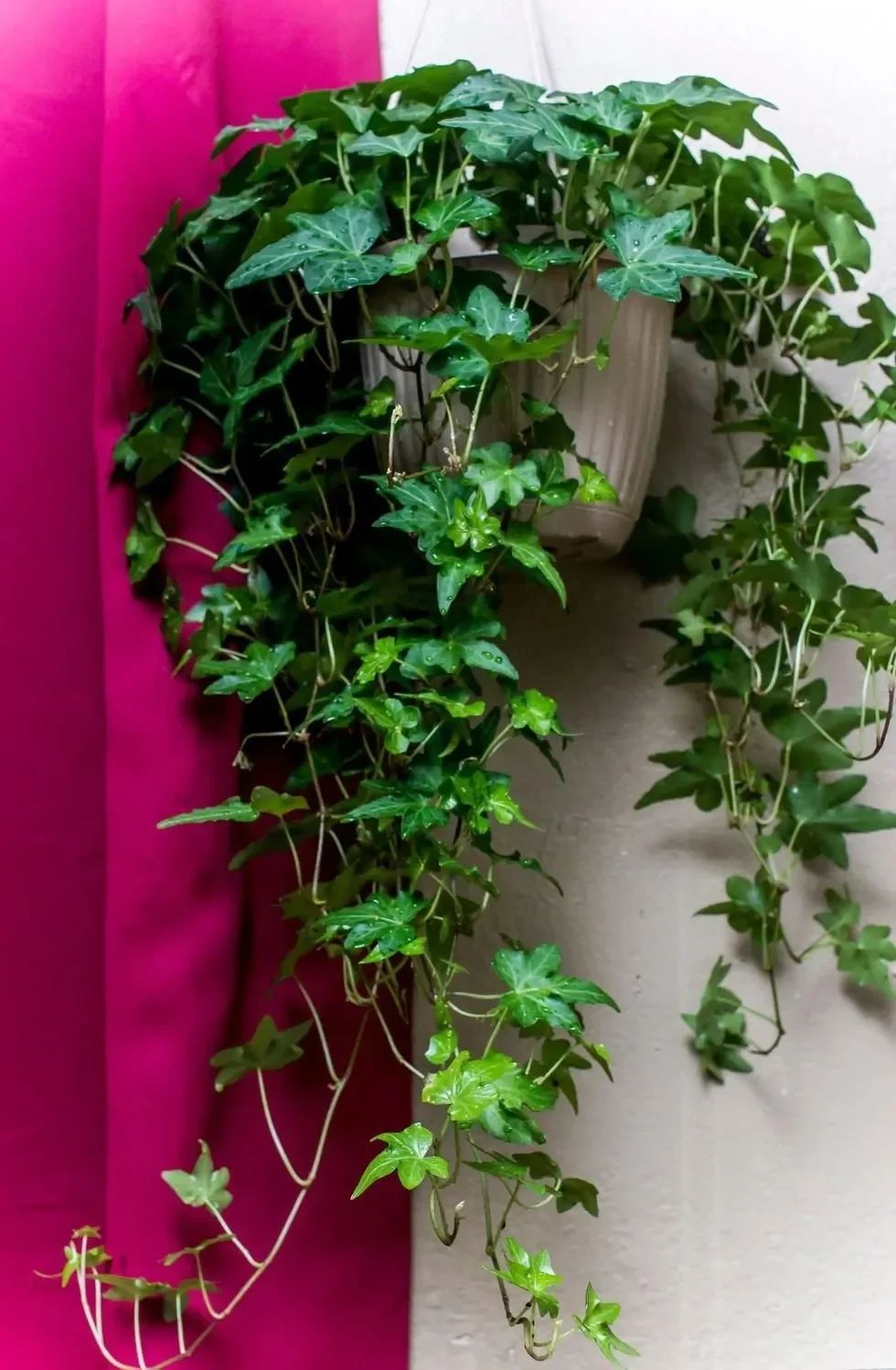
14. English Ivy

From the Araliaceae family.
assets.rebelmouse.io | From the Araliaceae family.

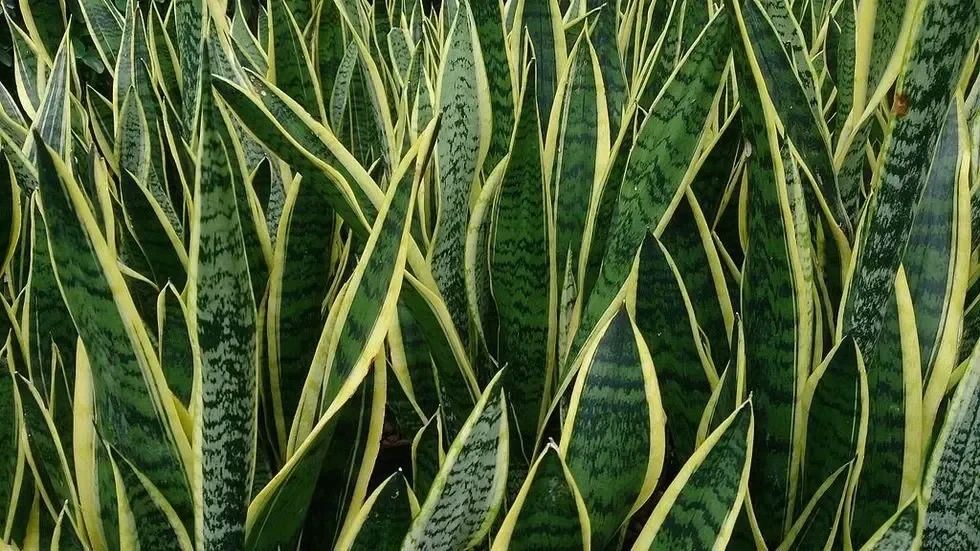
15. Varigated Snake Plant

From the Asparagaceae family.
assets.rebelmouse.io | From the Asparagaceae family.

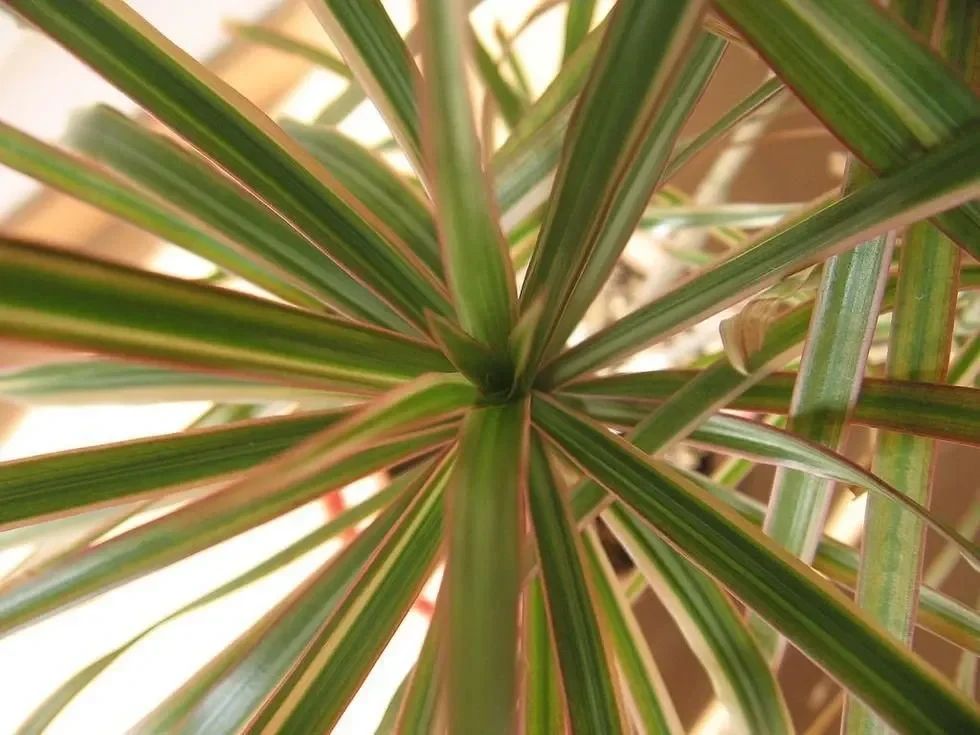
16. Red-Edged Dracaena

From the Century Plant family.
assets.rebelmouse.io | From the Century Plant family.

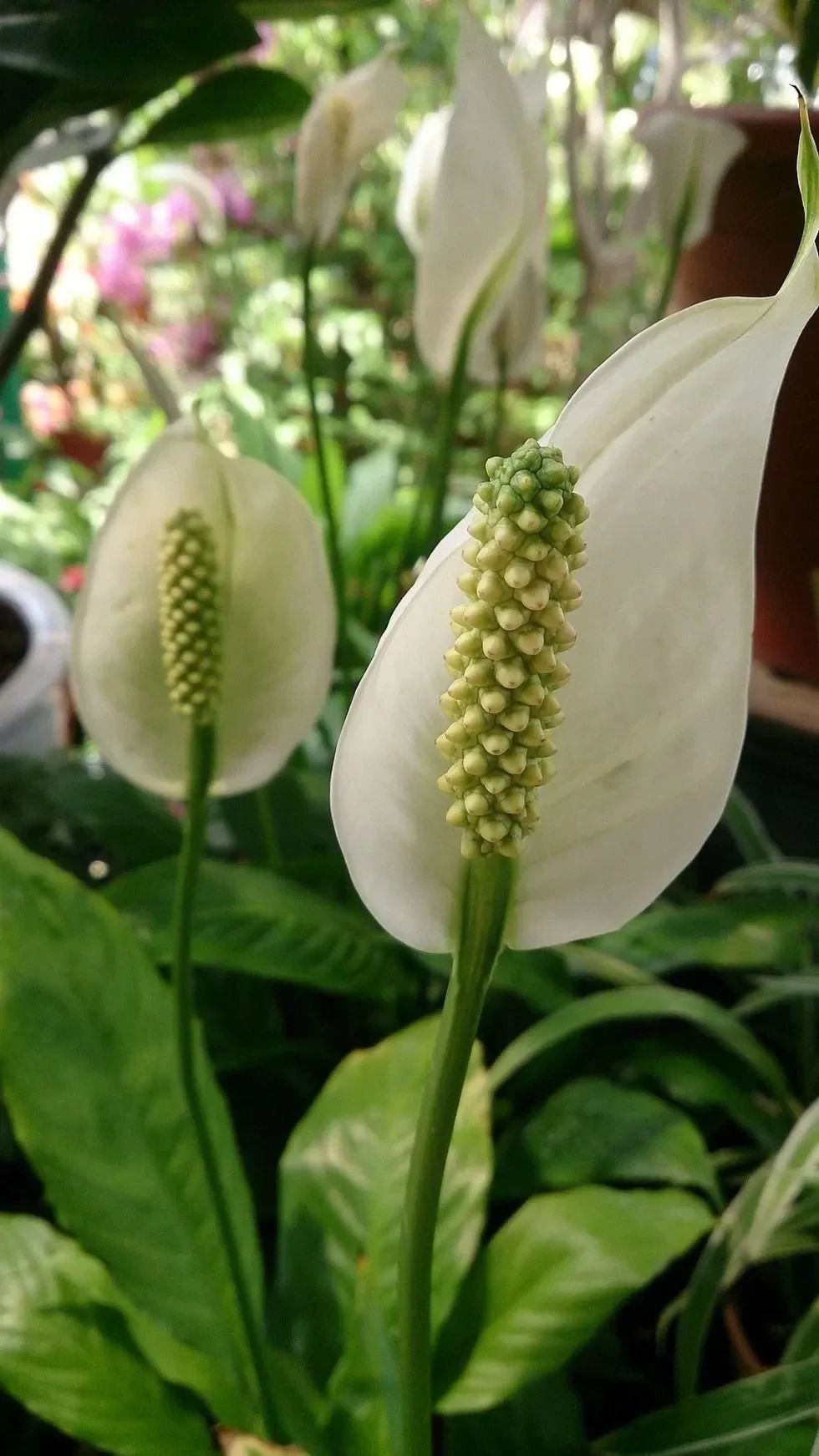
17. Peace Lily

From the Araceae family.
assets.rebelmouse.io | From the Araceae family.

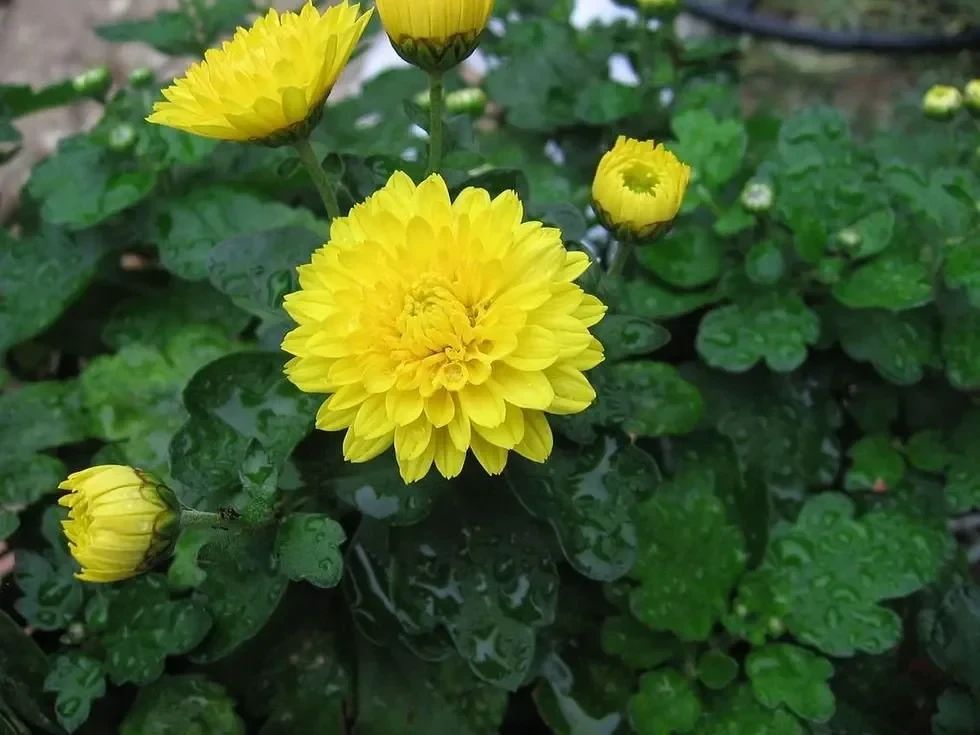
18. Florist’s Chrysanthemum

From the Aster family.
assets.rebelmouse.io | From the Aster family.

What’s in our air?

Trichloroethylene – Found in printing inks, paints, lacquers, varnishes, adhesives, and paint removers. Symptoms associated with short-term exposure include: excitement, dizziness, headache, nausea, and vomiting followed by drowsiness and coma.

Formaldehyde – Found in paper bags, waxed papers, facial tissues, paper towels, plywood paneling, and synthetic fabrics. Symptoms associated with short-term exposure include: irritation to nose, mouth and throat, and in severe cases, swelling of the larynx and lungs.

Benzene – Used to make plastics, resins, lubricants, detergents, and drugs. Also found in tobacco smoke, glue, and furniture wax. Symptoms associated with short-term exposure include: irritation to eyes, drowsiness, dizziness, headache, increase in heart rate, headaches, confusion and in some cases can result in unconsciousness.

Xylene – Found in rubber, leather, tobacco smoke, and vehicle exhaust. Symptoms associated with short-term exposure include: irritation to mouth and throat, dizziness, headache, confusion, heart problems, liver and kidney damage and coma.

Ammonia – Found in window cleaners, floor waxes, smelling salts, and fertilizers. Symptoms associated with short-term exposure include: eye irritation, coughing, sore throat.

Please note: Some of these plants may be toxic for your pets, so please do your research to ensure your furry friends stay safe.

This story originally appeared last year.
  • Humans nearly vanished 800,000 years ago, revealing a quiet truth: most family lines disappear
    Photo credit: CanvaA group of people hiking in the mountains.

    There was a moment in human history when our entire existence may have desperately clung to a thousand or so people. A DNA-based study found that between 800,000 and 900,000 years ago, our ancestors experienced a severe population crash.

    This wasn’t humans dealing with a giant meteor like the one that wiped out the dinosaurs. It was a much slower stretch during which humanity teetered on the brink of disappearing completely. This bottleneck in the human gene pool, comprising roughly 1,280 breeding individuals, lasted about 117,000 years.

    population, genomes, Ice Age, Early-Middle Pleistocene
    Removing representation of a human population group.
    Photo credit: Canva

    Human population levels plummet

    According to Scientific American, the study analyzed modern human genomes to piece together what the early human population looked like. By constructing a complex family tree of genes from present-day humans, researchers were able to identify important evolutionary events.

    During the Early-Middle Pleistocene, a period within the Ice Age, humans faced severe weather and intense glacial cycles. Most human ancestors may have died out, clearing the path for a new human species to take their place.

    Focusing on Africa, the study showed that 813,000 years ago, human populations began to recover and grow again. With an estimated two-thirds of genetic diversity potentially lost, traits like brain size appear to have been among the important features that survived. “It represents a key period of time during the evolution of humans,” population geneticist and study co-author Ziqian Hao said. “So there are many important questions to be answered.”

    DNA, genomes sequence, human existence, heredity
    DNA genome sequences.
    Photo credit: Canva

    Understanding evolution and ancestry

    What we know about evolution reveals a different story than a simple, continuous line of human improvement. Over time, genetic lines disappear—not dramatically all at once. It’s a slow and steady change, generation after generation.

    Human existence isn’t inevitable. Species strength or technical advancement doesn’t guarantee the future or explain our past. It’s contingent on narrow, accidental circumstances. A 2021 study showed that human evolution is better seen as a continuous flow of incremental fragments over time. Categorizing people into races and groups oversimplifies human history.

    species strength, evolutionary improvement, genetic lines, technical advancement
    A diverse group of wooden figures.
    Photo credit: Canva

    What does the bottleneck study say about us?

    The study reveals humanity didn’t simply decline; it nearly collapsed. With over 98% of our genetic diversity erased, entire branches of the human family tree permanently ceased to exist.

    It’s quite possible that if even a few more of those genetic lines had ended, human history could have vanished with them. Most branches of life don’t continue. What we witness today reflects biological persistence and countless moments that could have gone another way.

    A 2024 study conducted five billion simulations, revealing that as a species’ population shrinks, its risk of extinction rises. Even stable groups can quickly collapse if their numbers suddenly drop low enough.

    A 2025 study found that small populations erode genetic diversity. Isolation increases inbreeding and elevates the risk of extinction. Once a lineage shrinks, recovery becomes vastly more challenging over time. Long-term survival is an exception, not the guiding rule.

    Humanity likes to think of itself as the result of an incredibly unique progression. Perhaps studies like these suggest that we are actually what remains when everything else disappears. The reason any of us live today comes down to a small group of ancient outlasters: persevering individuals whose genetic lines are the building blocks of every human living today.

  • Don’t just plant trees, plant forests to restore biodiversity for the future
    Photo credit: Mickey Pullen/Smithsonian Environmental Research Center A long-running experiment is testing tree mixes to develop the healthiest forests.

    Around the world, people plan to plant more than 1 trillion trees this decade in an ambitious effort to slow climate change and reduce biodiversity loss. But if the past is prologue, many of those planted trees won’t survive. And if they do, they could end up as biological deserts that lack the richness and resilience of healthy forests.

    It doesn’t have to be this way.

    The United Nations declared 2021-2030 the Decade on Ecosystem Restoration to encourage efforts to repair degraded ecosystems. Tree planting has become a centerpiece of that effort, championed by initiatives such as the Bonn Challenge and the Trillion Trees Campaign.

    However, many tree-planting commitments have a critical flaw: They rely too heavily on monoculture plantations – vast areas planted with just a single tree species.

    Rows of white birch trees with low grasses below and not much else.
    A grove of commercially grown poplar trees, planted in lines with not much active beneath them. Mint Images via Getty Images

    Monoculture plantations are generally one-way tickets to producing wood. But these high-yield plantations are high risk and can be surprisingly fragile. When drought, pests, or forest fires strike, entire monoculture plantations can fail at once. In one example, nearly 90% of 11 million saplings planted in Turkey died within three months due to drought and lack of maintenance.

    Forests are more than just timber factories. They regulate water, store carbon, provide habitat for wildlife, cool the landscapes around them and even provide human health benefits.

    Rather than gambling on a single species and hoping for the best, science now points to a smarter path that captures both ecological and economic benefits while minimizing risk: mixed-species plantings that mirror the biodiversity of a natural forest, ultimately creating forests that grow faster and are more resilient in the face of constant threats.

    An artist's rendering of the diversity found in mixed-species plots compared to monoculture shows larger trees, more shade and cooling and more species below.
    The long-running BiodiversiTREE study compares forest plots containing several tree species with single-species monocultures. The results, illustrated here, show that mixed-species plots, right, produce 80% larger trees compared with monocultures, left, resulting in denser canopy growth that creates cooler understory microclimates, leading to more abundant and species-rich communities of insects, spiders and birds. Sergio Ibarra/Smithsonian Environmental Research Center

    We are community and landscape ecologists at the Smithsonian Environmental Research Center. Since 2013, we and our colleagues have been rigorously testing this idea in a large, ecosystem-scale experiment called BiodiversiTREE. The verdict is striking: Trees in mixed forests don’t just survive – they outgrow their monoculture counterparts and support dramatically more biodiversity.

    Trees with diverse neighbors grow larger

    Thirteen years ago, we teamed up with volunteers to plant nearly 18,000 tree seedlings on 60 acres of fallow fields on the Smithsonian Environmental Research Center campus near the Chesapeake Bay.

    We didn’t plant just a single species. We planted 16 different native species from all walks of tree-life. Some species were fast-growing timber species, some were mid-story species, and some were slow-growing species that might not reach full size for a century or more.

    Some plots we planted with just a single species – homogenous rows of the same species over and over again. But others were planted with random allotments of four and 12 species, reflecting the middle and upper ends of tree diversity in similar-sized areas of our local forests.

    We asked a simple question: What would happen if we tried to mirror nature and plant a mixture of species instead of a monoculture?

    A photo of tree plots with dashed lines show the diversity in mixed plots.
    A drone image shows some of the BiodiversiTREE plots, including monocultures, outlined in white, and mixture plantings, outlined in green. Mickey Pullen/Smithsonian Environmental Research Center

    The differences over a decade later are striking.

    The monoculture plots – those that survived – resemble traditional plantation forestry that historically has dominated rural lands in the Southeast and Pacific Northwest in the U.S. They contain rows of tall, narrow trees with sparse canopies and little life below.

    The mixed-species plots, by contrast, are layered, complex and dynamic, with foliage filling the canopy and a diversity of plants and animals thriving underneath.

    These visual contrasts reflect real ecological gains. Trees grown in mixtures, including important timber species like poplar and red oak, are up to 80% larger than the same species when grown alone. Mixed plots supported fewer leaf pathogens, more abundant caterpillar communities that provide food for birds, and increased phytochemical diversity in their leaves. We hypothesize that these leaf chemicals, some of which deter animals from eating them, reduced browsing damage from hungry deer, ultimately leading to higher tree growth in the mixed plots.

    Plots with several tree species also had much fuller, denser leaf canopies, leading to cooler, shadier conditions that help understory plants flourish and support up to 50% more insectsspiders and birds.

    An area that looks like a natural forest, with trees of different sizes, some undergrowth and a canopy of tree cover to keep conditions cooler.
    The fuller canopy of 12-species forest plots like the one above supports more insects and birds than the monoculture plots. John Parker/Smithsonian Environmental Research Center
    Trees all of the same species in a line with little canopy to provide shade or cover for birds, insects and other wildlife.
    A sycamore monoculture plot at the BiodiversiTREE project provides little canopy cover. John Parker/Smithsonian Environmental Research Center

    This pattern isn’t unique to our site. The BiodiversiTREE project is part of TreeDivNet, a global network of large-scale experiments spanning more than 1.2 million trees and hundreds of species. Across continents and climates, the results are consistentForests with a mix of species tend to grow larger, store more carbon and better withstand stress from drought, pests and disease.

    So why are monocultures still common?

    Despite decades of evidence, mixed-species plantings remain relatively rare in practice. Most commercial forestry operations still rely on monocultures, and these plantations are counted toward international planting campaigns aimed at slowing climate change and reversing biodiversity loss.

    The reasons are generally practical: Mixed plantings can be more complex to design, more expensive to establish and harder to manage. Crucially, until recently, there has been limited evidence that they can match or exceed the economic returns of conventional plantations.

    A woman holds a tall pole as she walks through a field with trees on one side.
    Technician Shelley Bennett uses high-resolution GPS to lay out plots for an experiment at the Smithsonian Environmental Research Center in Maryland. Regan Todd/Smithsonian Environmental Research Center

    A new experiment at the Smithsonian Environmental Research Center called “Functional Forests” aims to bridge some of the gaps between science and practice. We’re developing intentionally designed combinations of trees to test whether specific mixtures of species can contribute ecological benefits while also providing timber and other services that humans need to support a thriving, sustainable economy.

    Each of the 20 tree species in the Functional Forests project was chosen to provide one or more benefits, including timber, wildlife habitat, food for people, resistance to deer and climate resilience. But no single species provides all of these benefits.

    Some of the nearly 200 plots will contain a single species, while others include carefully selected combinations of five species assembled based on the functions they provide. Some plots are protected from deer browsing, while others are left exposed.

    A tree with large green fruit.
    The Functional Forests project includes trees with edible fruits like the pawpaw (Asimina triloba), one of 20 different tree species being planted there. Jamie Pullen/Smithsonian Environmental Research Center

    By comparing these approaches, we can test how different planting strategies perform across a range of goals, from timber production to food production and from biodiversity to climate resilience.

    Landowners and communities have different priorities, whether that’s producing wood, supporting wildlife or creating forests that can withstand a changing climate. The idea behind Functional Forests is to design plantings that can deliver these multiple benefits all at once, rather than optimizing for just one, essentially leveraging the positive effects of biodiversity to achieve real-world goals.

    Planting 1 trillion trees wisely

    The stakes are high. Restoration has become a major global investment, with hundreds of billions of dollars already being spent annually. Getting it wrong means wasted resources and missed opportunities to address some of the most pressing environmental challenges of our time.

    If the world is going to plant a trillion trees, we believe it needs to do more than just put seedlings in the ground. It needs to rethink what a forest should be.

    The goal isn’t just to grow trees. It’s to grow forests that last.

    This article originally appeared on The Conversation. You can read it here.

  • Plastic pollution in drinking water could be solved by a simple seed from a ‘Miracle Tree’
    Photo credit: Canva(Left)Plastic pollution from the ocean and (Right) Moringa oleifera seeds.

    Plastic pollution has been a serious problem since the rise of fossil fuel-based manufacturing. As tiny plastic particles find their way into something as essential as drinking water, the world needs a solution quickly.

    The answer may be simpler than we expect. Researchers testing a salt-based extract from Moringa oliefera seeds were able to remove over 98% of microplastics from drinking water. The study published in ACS Omega showed that the simple filtration system could be adapted for water treatment facilities at a lower cost and requires less energy.

    safe drinking water, parenting, microscopic plastic, health concerns
    A father shares drinking water with his son.
    Photo credit Canva

    ‘Miracle Tree’ produces miracle seeds

    The Moringa oleifera is a tropical tree native to parts of South Asia. Today, it’s cultivated on a global scale. Thriving in harsh, drought-prone regions, this “miracle tree” has been used to treat hundreds of conditions. Healthline reported that it contains 90+ bioactive compounds that help combat everything from inflammation to stress. A 2023 study in MDPI showed medicinal properties could be utilized in nearly every part of the tree, from its leaves to its roots.

    However, the solution to the plastic problem comes from its seeds. Researchers ground and mixed the seeds with a salt solution to pull out positively charged proteins. This mix attracts impurities, including microplastics, like a natural magnet. Clumping and binding with the impurities in a process called “coagulation,” they then sink to the bottom.

    family, biology, microplastics, life
    Microplastics on top of a father’s and a daughter’s fingers.
    Photo credit Canva

    Microplastics removed from drinking water

    Researchers tested this plant-based method against the industry-standard chemical alum: aluminium sulfate. The moringa extract worked across a wider range of conditions than alum, demonstrating reliability in real-world applications. As concerns grow over the long-term impact of chemicals used in water treatment, there is a clear need to shift toward safer alternatives.

    Simplifying the filtration process can significantly reduce both costs and energy demands typically required on an industrial level. This approach enables communities lacking resources to have an effective solution for plastic pollution.

    water treatment, health, industrial plant, plastic pollution
    An industrial water treatment plant.
    Photo credit Canva

    Treating plastic pollution is a global problem

    Developing countries face major environmental and health threats from plastic pollution. A 2024 study in Science Direct showed 60% of global plastic consumption and production comes from countries lacking proper quality control. A 2023 study in MDPI revealed that even where infrastructure exists, it’s limited and overwhelmed. Facing 120 million tons of waste annually, the situation suggests pollution is widespread and underreported.

    Offering a cheap and efficient option, Moringa oliefera seeds could be an invaluable solution. But it’s still not a perfect system. The seed extract is an organic material. That means proteins and fats can remain in the water after filtration.

    A 2025 study in Scientific Reports found organic matter reacting with disinfectants like chlorine is linked to health risks, including cancer. Also, stored water would be susceptible to bacterial regrowth and become contaminated over time. Researchers on the study believe this is an area of ongoing work that requires more research.

    Microplastics are everywhere. With inconsistent water treatment, less monitoring, and weaker waste systems, exposure is high and poorly controlled. Moringa oleifera isn’t a flawless fix, but it’s a promising study. The seeds could eventually work alongside modern systems, bringing us closer to tackling the complex problem of plastic pollution in our water.

Explore More Science Stories

Environment

Plastic pollution in drinking water could be solved by a simple seed from a ‘Miracle Tree’

Environment

Ancient teeth reveal clues to the environment humans’ early ancestors evolved in millions of years ago

Science

It’s OK to love all the bees (the honey bees, too)

Science

Scientists discover that a New York cemetery is the underground home for over 5 million bees