[youtube ratio=”0.5625″ position=”standard” ]

“Take a deep breath.” It’s what your mom told you when you were hyperventilating about some disastrous situation as a kid—maybe a fall off a bike or worse, your brother stealing your toys. Like all things in life, your mom was right; taking a deep breath can be one of the most important things you do all day.


Meditative and mindful practices have been around for centuries, but like so many ancient and esoteric practices, we’re only now getting around to learning what’s truly behind them.

Simply open a magazine or click over to Facebook and you’ll likely be inundated with headlines reading, “Yoga Reduces Stress,” or “The Stress-Busting, Mood-Lifting Effects of Mindfulness.” But beyond these headlines is the real story: We have the control to heal ourselves in ways we’ve not previously imagined.

And it’s not just California hippies taking advantage of the healing power of thought.

For more than 17 years, George Mumford, a sports psychologist and mindfulness expert, has worked with some of the world’s top-performing athletes, including Michael Jordan and Kobe Bryant, teaching them that meditation is a key ingredient for winning championships.

“George helped me understand the art of mindfulness,” Bryant told The Huffington Post. “To be neither distracted or focused, rigid or flexible, passive or aggressive. I learned just to be.”

Politicians are also joining the meditation movement in droves. Tim Ryan, a Democratic Congressman from Ohio, makes it a part of his daily routine to take time and introspect. “If this can help me, a half-Irish, half-Italian quarterback from Northeast Ohio, it’s for everybody,” Ryan told Salon in a 2013 interview. He’s also sharing his love of mindfulness and meditation with his constituents. In 2015, Ryan introduced the Academic, Social and Emotional Learning (SEL) Act.

[quote position=”right” is_quote=”true”]To be neither distracted or focused, rigid or flexible, passive or aggressive. I learned just to be.[/quote]

The act will help to financially support teacher training in SEL, which is proven to boost student’s academic performance. “I have seen firsthand what teaching social and emotional learning can do for students and their classrooms in Ohio and across the nation,” Ryan shared in a statement. “These programs are scientifically proven to help students increase skills in problem solving, conflict resolution, responsible decision making and relationship building – these are the skills that will build the foundation for students to better perform academically and throughout their lives. Now is the time to promote programs that create a safer and more secure school culture in America.”

And it’s not just the rich, famous, and powerful using mindful meditation. Groups including the Prison Yoga Project and the Prison Mindfulness Institute are bringing the power of internal reflection to incarcerated individuals across the country.

“Yoga really allowed me to work on core issues,” Adam Verdoux, a 45-year-old ex-con told Epoch Times. “It played a huge part in my change. It really facilitated that process.” There remains a year waitlist to join the yoga program at San Quentin State Prison, where Verdoux served his time. Additionally, Epoch Times reports, more than 15,000 prisoners have requested yoga guidebooks to assist in self-guided meditation.

At the root of much of this is the simple act of focusing on one’s breath—an act that is core to so many meditative traditions. “Breathe in. Breathe out. Pay attention to your breath. Repeat.” Modern science is showing us that this doesn’t just calm us in the moment, if practiced over time, it can actually make real changes to the workings and shape of our brains—changes that actually help us heal from traumas and become more resilient to the stresses we all endure. In one study, researchers at Harvard University found that just eight weeks of mindfulness meditation made measurable and impactful differences in the brain.

“Although the practice of meditation is associated with a sense of peacefulness and physical relaxation, practitioners have long claimed that meditation also provides cognitive and psychological benefits that persist throughout the day,” the study’s senior author Sara Lazar, a Harvard Medical School instructor in psychology, said in a statement. “This study demonstrates that changes in brain structure may underlie some of these reported improvements and that people are not just feeling better because they are spending time relaxing.”

As explained in GOOD’s new video above, this type of meditative practice and the associated changes to our brain can even help us live more in the present moment and overcome that feeling of life speeding by like a freight train. It’s getting more obvious all the time: Soon meditation will be as common sense and as common practice as brushing your teeth. So, if you can build a habit to keep your teeth clean, how can you also take care of your brain in the same way? We created a few quick, illustrated tips to help you bring very simple mindful practices to some unexpected parts of your day:

And for real, you should probably give yourself two minutes and try that last tip before you move on to the next link on the internet.

—-

The video above was made possible with the support of Here To Be, a new social impact initiative from lululemon.


  • Every dog has its day, but it’s not the Fourth of July
    Photo credit: Leigh Prather/Shutterstock.comDogs often react with great fear to July 4th celebrations. Border collies such as this dog are especially sensitive to loud noises.
    ,

    Every dog has its day, but it’s not the Fourth of July

    How to protect anxious pups from holiday booms.

    The Fourth of July can be a miserable day for dogs. The fireworks make scaredy-cats out of many canines.

    That’s because dogs, like humans, are hardwired to be afraid of sudden, loud noises. It is what keeps them safe. Some dogs, though, take that fear to the extreme with panting, howling, pacing, whining, hiding, trembling and even self-injury or escape. And, unlike humans, they don’t know that the fanfare on the Fourth is not a threat. Dogs hear the fireworks and process it as if their world is under siege.

    How a dog responds to noises may be influenced by breed, with German shepherd dogs more likely to pace, while border collies or Australian cattle dogs are more likely to show their fear by hiding.

    While we veterinarians don’t know exactly why some dogs are afraid of fireworks and others not, many dogs that react to one noise often react to others. Therefore, early intervention and treatment are essential in protecting the welfare of these terrified dogs. Here’s how you can protect your dog from fireworks.

    • Take your pet to the vet. If your dog is afraid of fireworks, the first step is to have your veterinarian evaluate him or her, especially if your dog’s noise sensitivity is relatively new. One 2018 study found a link between pain and noise sensitivities in older dogs, indicating that muscle tension or sudden movements in response to a loud noise may aggravate a tender area on the body and thus create an association between the loud noise and pain, causing fear of that particular noise to develop or escalate.
    • Create a “safe haven” in your home with a secure door or gate, preferably away from outside windows or doors. Close the blinds or curtains to reduce outside noises, and play some classical music to help reduce stress by creating a relaxing environment for your dog during the show. A white noise machine or box fan may also help reduce anxiety, along with a pheromone like Adaptil sprayed on bedding, a bandanna, a collar or from a diffuser plugged into the wall.
    • Consider noise-canceling headphones such as Mutt Muffs to muffle the sounds and further reduce noise sensitivities.
    • Find a food your pet will love. This could be cut pieces of boiled chicken or squeeze cheese. Sit with your pet and feed him with each boom. You can also use a long-lasting food-dispensing or puzzle toy to release food continuously during the show. This is to help your dog make a positive association with the noises for the future.
    • Consider anxiety wraps, fabric wraps that exert a gentle pressure on your dog’s body. These may help to lower heart rate and other clinical signs of fear and anxiety, operating on the belief that they swaddle a scared animal and thus calm its fears. These work best, however, in conjunction with a complete behavior treatment plan including medication or behavior modification, or both.
    • When it comes to comforting your dog, the jury is still out. It is difficult, however, to reinforce an emotional response with comfort. Therefore, it is OK to pet your dog when frightened by a noise event so long as the dog appears to be comforted and not more distressed by the attention.

    This article originally appeared on The Conversation. You can read it here.

  • Pollen is getting worse, but you can make things better with these tips from an allergist
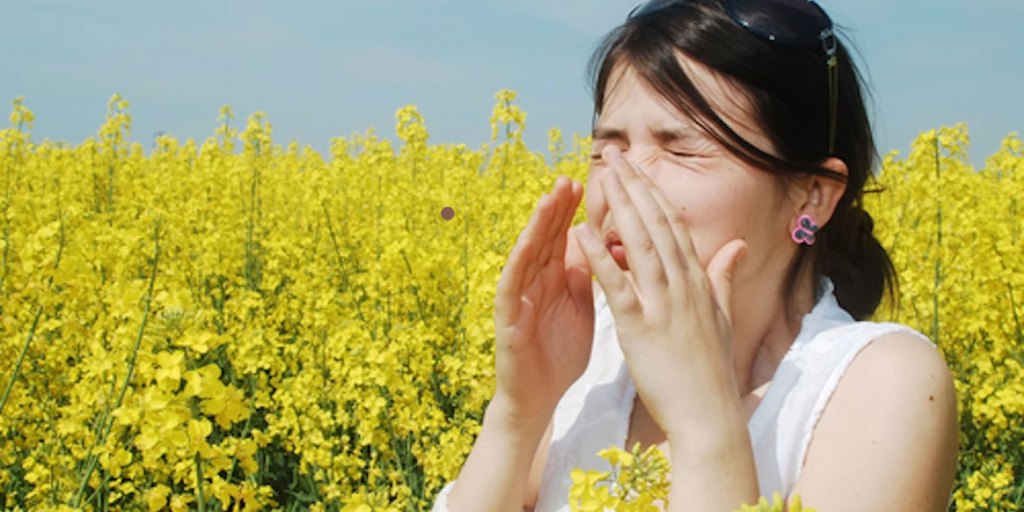
    Photo credit: Alex Cofaru/Shutterstock.comA girl in a field of flowers.

    Blooming flowers signal the beginning of spring, but for millions of people, they also signal the onset of the misery: allergy and asthma season. Itchy, watery eyes; sneezing, runny nose; cough and wheezing are triggered by an overreaction of the body to pollen.

    Every spring, trees and grasses release billions of buoyant pollen granules into the air, using the wind to disperse across the countryside in an effort to reproduce. It’s all about survival; plants that release more pollen have the survival advantage.

    As an adult and pediatric allergist-immunologist in the Midwest, the onset of spring signals my busy season treating hundreds of patients for their seasonal allergy and asthma symptoms. If you suffer through the season, know that you are not alone. Throughout history, pollen has taken the fun out of spring for many. In modern times, however, medical science has identified practices and treatments that help.

    Older than the dinosaurs, as wide as the world

    Fossilized specimens of pollen granules have been found predating dinosaurs and alongside Neanderthals.

    And, sinus and asthma symptoms and treatments are documented throughout history and across the globe. People just didn’t know exactly how to treat the symptoms, or exactly what was causing them.

    For example, over 5,000 years ago, the Chinese used the berries of the horse tail plant, ma huang (Ephedra distachya), to relieve congestion and decrease mucous production associated with “plant fever” – a condition affecting people during the fall.

    In Egypt, the “Papyrus Ebers,” written around 1650 B.C., recommended over 20 treatments for cough or difficulty breathing, including honey, dates, juniper and beer.

    Although Homer’s “Iliad” describes the loud noise of breathing in battle as “asthma,” Aretaeus of Cappadocia of the second century A.D. is credited with the first clinical description more consistent with modern understanding of this condition. He wrote of those who suffered that:

    “They open the mouth since no house is sufficient for their respiration, they breathily standing, as if desiring to draw in all the air which they possibly can inhale… the neck swells with the inflation of the breath, the precordia (chest wall) retracted, the pulse becomes small and dense,” and if the symptoms persist, the patient “may produce suffocation after the form of epilepsy.”

    Tobacco leaves
    Tobacco leaves were exported to Europe for experimentation in treating the symptoms of spring time coughing and sneezing. Jeep 2499/Shutterstock.com

    By the time Columbus landed, indigenous populations in Central and South American were utilizing ipecacuanha, a root found in Brazil with expectorant and emetic properties and balsam, which is still used in some cold remedies today. Coca and tobacco leaves, used medicinally by the Incas, were later exported to Europe for additional experimentation for the treatment of rhinitis and asthma.

    Aside from the “plant fever” described in China, the first written description of seasonal respiratory symptoms is credited to Rhazes, a Persian scholar, around 900 A.D. He described the nasal congestion that coincided with the blooming of roses, termed “rose fever.”

    Symptoms noticed, but no cause identified

    As scientific advancement was stifled during the Middle Ages, in large part due to the plague, it wasn’t until 900 years later, in 1819, that Dr. John Bostock published a description of his own seasonal allergies. But he didn’t know what was causing them.

    Having suffered from “summer catarrh” since childhood, Bostock persisted in his study of the condition, despite an initial lackluster response from the medical community.

    In the nine years between his first and second publications, he found only 28 additional cases consistent with his own seasonal allergy symptoms, which perhaps demonstrates the lower prevalence of the condition at the time. He noted that nobility and the privileged classes were more often afflicted by seasonal allergies. This was thought to be the consequence of wealth, culture and an indoor life.

    Societal changes with their roots in the Industrial Revolution, including increased exposure to air pollution, less time spent outdoors, increased pollen counts and improved hygiene, all likely contributed to the increased prevalence of allergies that we continue to see today. They also helped form the hygiene hypothesis, which states that in part decreased exposure to particular bacteria and infections could be leading to the increase in allergic and autoimmune diseases.

    The source of seasonal symptoms at the time was also thought to be caused by the smell of new hay. This led to the coining of the term “hay fever.”

    Bostock instead suspected the recurring symptoms were triggered by the summer heat, since his symptoms improved when he spent the summer on the coast. It would later became common for nobility and aristocrats to spend allergy season in coastal or mountain resorts to avoid bothersome symptoms.

    Identifying the true culprit

    Through methodical study and self-experimentation, Dr. Charles Blackley identified that pollen was to blame for allergy symptoms. He collected, identified, and described various pollens and then determined their allergic properties by rubbing them into his eyes or scratching them on his skin. He then noted which ones resulted in redness and itching. This same technique is used in skin prick testing by allergists today.

    Inspired by discoveries related to vaccination, Dr. Leonard Noon and John Freeman prepared doses of pollen extracts for injection in an effort to desensitize patients with allergic rhinitis in the early 1900s. This effective treatment, called allergy immunotherapy, also known as allergy shots, is still used today.

    Antihistamines first became available in the 1940s, but they caused significant sedation. The formulations with fewer side effects that are used today have only been available since the 1980s.

    Pollen counts likely to grow

    Pollen on a street in Atlanta
    Pollen on a street in Atlanta, March 31, 2019. Lynne Anderson, CC BY-SA

    Though recognized by ancient civilizations, seasonal allergic rhinitis and allergic asthma have only increased in prevalence in recent history and are on the rise, now affecting 10 to 30 percent of the world’s population.

    Fueled by warmer temperatures and increased carbon dioxide levels, pollen seasons are longer, and pollen counts are higher. Many experts believe this will worsen in the coming years due in large part to climate change.

    To keep you and your loved ones safe from pollen, close windows and change out of clothes exposed to pollen as soon as you come indoors.
    To keep you and your loved ones safe from pollen, close windows and change out of clothes exposed to pollen as soon as you come indoors. Monkey Business Images/Shutterstock.com

    What can you do? Often, those who are allergic need a multifaceted approach.

    • Find out what allergens are causing your symptoms. Take note of when your symptoms start by making a note in a calendar or planner.
    • Minimize exposure to allergens. Track pollen counts. When pollen counts are high, keep the windows closed at home and in the car. After spending time outdoors, shower and change clothing to prevent ongoing exposure to pollen.
    • Take a pro-active approach to treating symptoms. Starting medications before symptoms develop can prevent symptoms from getting out of control. This can also decrease the amount of medication needed overall. Long acting non-sedating antihistamines are helpful for itching and sneezing. Nasal corticosteroid sprays are more helpful for stuffy noses.
    • Consider a visit to see a board certified allergist/immunologist. She or he can help you determine which particular pollens maybe the source of your symptoms.
    • Explore the role of immunotherapy with your doctor. Immunotherapy changes the immune response through administration of small regimented doses of allergens over time. This induces a state of tolerance, eventually helping people become less allergic over time.

    While pollen season is coming, taking a multifaceted approach can provide much needed relief from the symptoms that have plagued humankind throughout the millennia.

    This article originally appeared on The Conversation. You can read it here.

  • 22-year-old gives out toothy smiles by providing free 3D-printed dentures to those in need
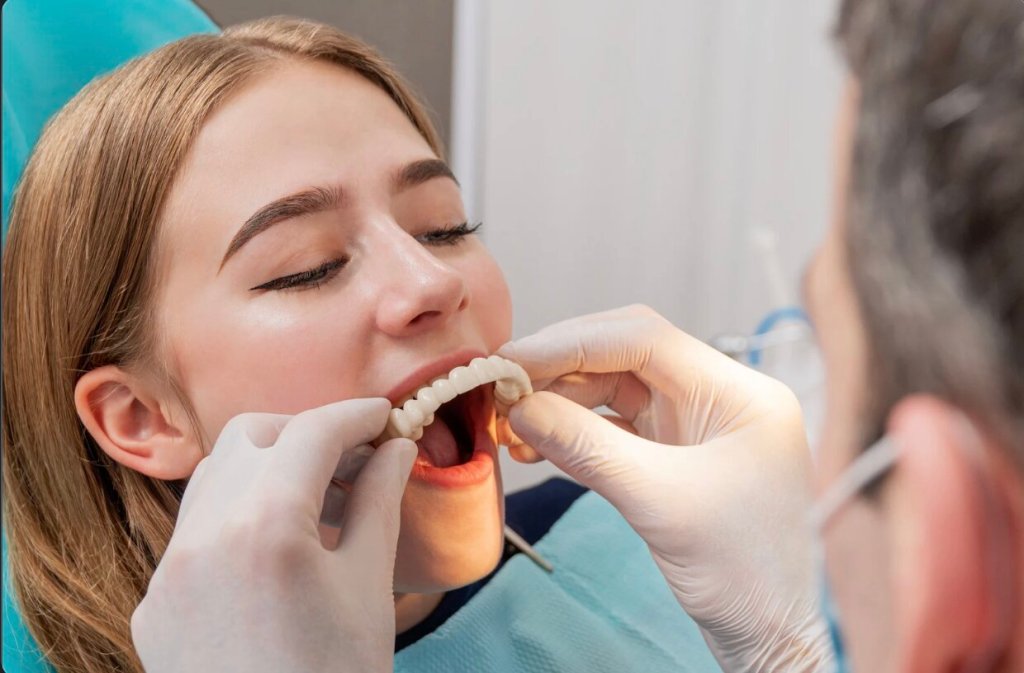
    Photo credit: Canva3D printing can help dental patients.

    Much like anything else, the cost of dental care has risen as need grows. A report from the American Dental Association found that, in 2024, dental spending grew by $7 billion from 2023. A young engineer is making a difference, though. He has helped put a smile back on the faces of folks in need by providing free dentures made with 3D printers.

    Connor Gibson isn’t a dentist or even an expert on 3D printers. He’s a Tennessee community college student who wants to help people. While studying engineering at Walters State Community College, Gibson volunteered with Remote Area Medical (RAM). RAM is a nonprofit that provides mobile clinics offering free medical, vision, and dental care through volunteers. 

    An issue that bites

    A common issue the clinics found was that many people needed dentures. The cost of dentures can be very pricey, ranging from $452 dollars to over $6,500 depending on the patient’s needs and their insurance coverage. Another issue was availability. Even if a patient could afford dentures, it could take weeks or even months before they could be delivered. 

    But Gibson had an idea. He thought that if he could 3D print pairs of dentures, it would save money and time. After all, having a 3D printer on-site would allow the dentures to be made within hours rather than weeks. A patient could get a free set of dentures the same day as their visit.

    Great idea…but how?

    There was a setback: Gibson had no experience in dentistry or 3D printing at all. In spite of his inexperience, Gibson used his engineering and design skills to teach himself how to use a 3D printer. He also got dental experts to teach him how to make dentures the old fashioned way. This way, he was sure to accurately recreate every detail via 3D printing. After taking an impression, Gibson was then able to design specific dentures per patient.

    “Honestly, if you told me three years ago this is what I would be doing, I would have called you crazy,” Gibson said to CNN. “I made it my mission and studied up like I was doing a test, studying up on videos and documents — anything I could find on how to make a denture using this specific software and how to 3D print it.”

    After Gibson successfully completed a pair of 3D-printed dentures for the first time, he knew it was something special. Seeing the tears of joy on the patient’s face was enough to confirm he was doing the right thing.

    “That first delivery was really a huge eureka moment,” Gibson said. “To see that raw, human emotion and just know that I played a change in this person’s life… it’s very humbling, and I’m beyond blessed.”

    Gibson has since been helping RAM develop more denture mobile clinics that can quickly develop dentures for patients who drop in.

    How to find low-cost dental care near you

    If you or someone you know needs low-cost to free dental care, there are options. In addition to Medicare, Medicaid, and CHIP, you can find local and state programs online. You can also dial 2-1-1 for information.

    Another option dental schools and dental hygiene schools that provide supervised, low-cost care from their students.

Explore More Health Stories

Care

22-year-old gives out toothy smiles by providing free 3D-printed dentures to those in need

Health

First new US sunscreen ingredient since 1999 approved by FDA – a skin scientist explains how bemotrizinol works

Well-being

Psychologists say the best trick for building confidence is to create a superhero-like alter ego

Well-being

5 ways how stickers psychologically boost the lives of grown adults