

Hindsight is 20/20, but foresight is a little more complicated. Just as we look back at the Victorian era—with its arsenic makeup and child labor—and shudder, future generations will undoubtedly look back at 2025 and wonder, “What were they thinking?”

A recent thread on r/AskReddit posed a fascinating thought experiment: “What’s something normal to us in 2025 that by 2075 will be seen as barbaric?”

The thread exploded with over 4,500 upvotes, generating a mix of hopeful medical predictions, environmental critiques, and harsh truths about our social norms. Here are 17 of the most compelling things we do today that might horrify the history students of tomorrow.
future predictions, 2075, barbaric habits, Reddit AskReddit, societal change, medical advancements, factory farming, child influencers, future tech, cultural shifts
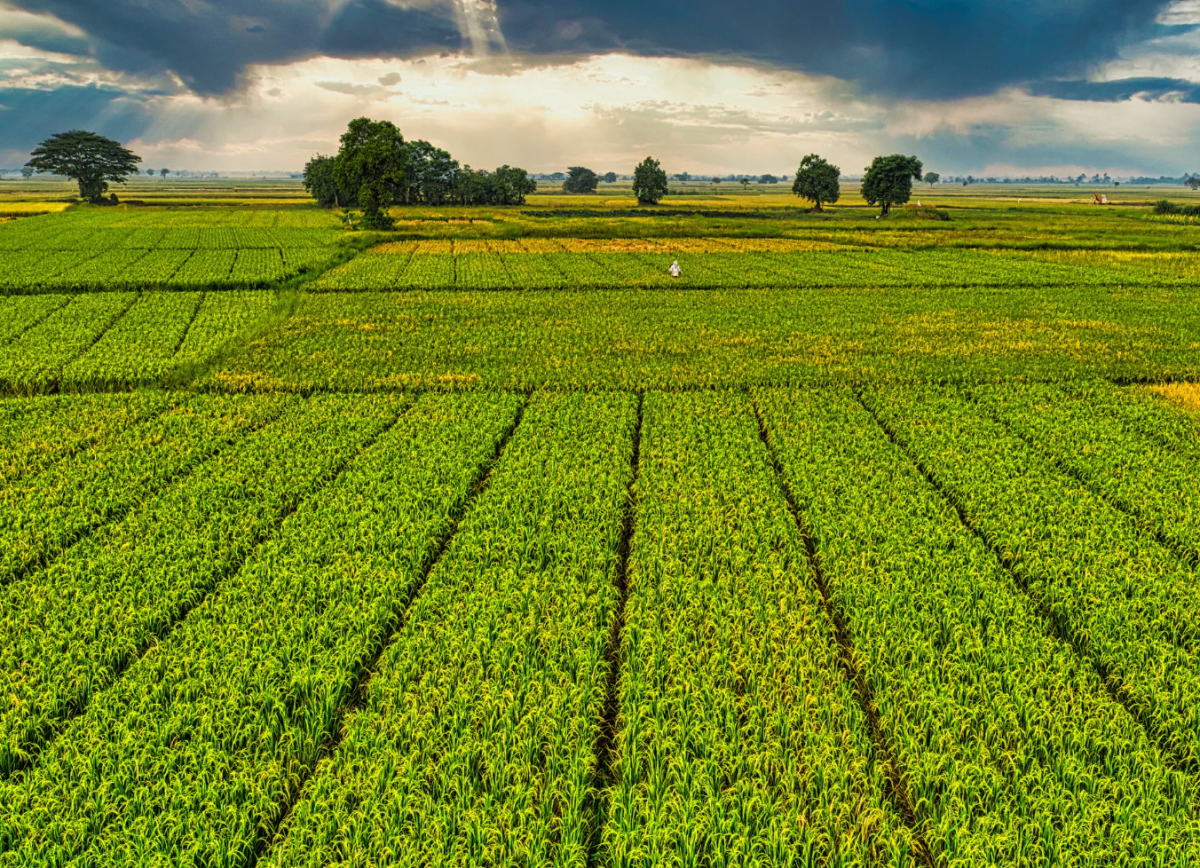
A factory farm with rows of crops Canva

The “Primitive” Hygiene & Diet

1. Wiping with dry paper The concept of chopping down forests to dry-wipe our bodies baffled many users.

“They cut down trees just to wipe themselves?!” one user imagined a future citizen asking. Another, u/Dramatic-Avocado4687, was blunt: “Wiping our asses with toilet paper.” The Future: High-tech bidets becoming the global standard.

2. Factory farming This was a top answer. The industrial scale of animal agriculture was predicted to be looked upon with deep shame.

“The worst hell on earth that humans have ever created,” wrote u/w0ke_brrr_4444.

The Future: Lab-grown meat that is indistinguishable from the real thing, without the suffering.

3. Eating animals entirely Some users went a step further, suggesting that 2075 society might be entirely vegetarian.

“We don’t care because we don’t see it,” u/Zetsubou51 noted about our current disconnect from food sources. “Factory farms are awful for the animals and the people that work in them.”

future predictions, 2075, barbaric habits, Reddit AskReddit, societal change, medical advancements, factory farming, child influencers, future tech, cultural shifts
An empty hospital room Canva

The “Dark Ages” of Medicine

4. Chemotherapy While it saves lives today, “poisoning the whole body to kill a tumor” will likely look crude to future doctors.

“We still poison the whole body with chemo and hope the cancer dies first,” noted u/Vocalscpunk.

The Future: Targeted genetic therapies that delete cancer without making the patient sick.

5. Drilling into teeth Dentistry involving drills and metal rods might be viewed the way we view Civil War amputations.

u/nomiis19 offered a hopeful alternative: “Pull the tooth, get injection, grow a new tooth.”

6. Ignoring women’s pain The medical industry’s historical dismissal of women’s pain was a major point of contention.

“Not giving anesthesia with placing IUDs,” wrote u/tt_DVM2011. u/ThatRoryNearThePark shared a personal horror story: “Worst pain of my life… couldn’t sit upright for at least 48 hours.”

7. Medical bankruptcy The idea that getting sick could make you homeless is a concept many hope will be extinct.

“Medical bankruptcies and for-profit healthcare leaving people to die if uninsured,” wrote u/SarlacFace.

8. Orthopedic hardware

“Orthopedic surgery with drills, rods, and screws?” asked u/Orthocorey.

Future surgeons might view our titanium pins and screws as barbaric carpentry rather than medicine.
future predictions, 2075, barbaric habits, Reddit AskReddit, societal change, medical advancements, factory farming, child influencers, future tech, cultural shifts
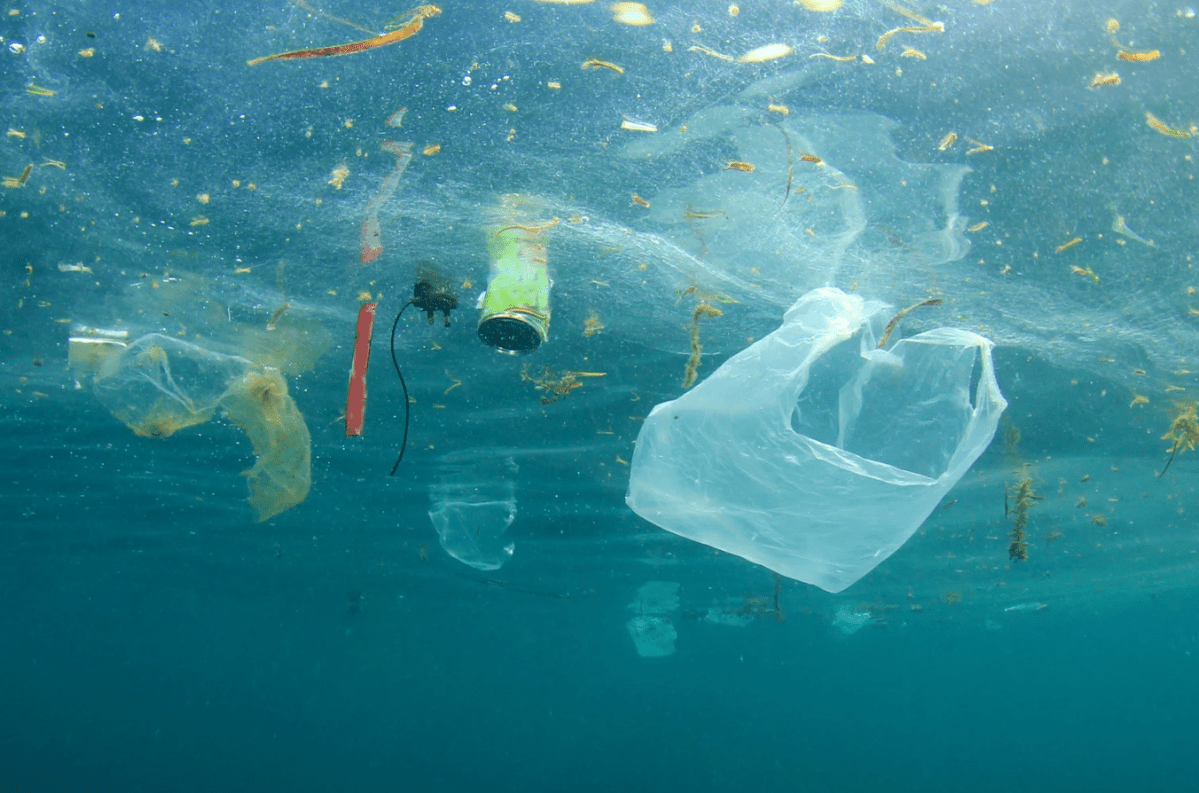
Trash floating on the surface of the ocean Canva

The Environmental & Social Reckoning

9. Single-use plastics We wrap fruit in plastic, drink from plastic, and wear plastic.

“Plastic everywhere, all the time,” wrote u/letthisbeanewstart. u/MarkNutt25 added that “plastic textiles” and microfibers will likely be viewed as an environmental disaster we willingly wore.

10. Burning fossil fuels Burning liquefied dinosaurs to move cars will likely seem inefficient and dirty.

u/loftier_fish offered a grim reality check: “If the answer isn’t ‘using fossil fuels,’ there will be a lot fewer humans to deem anything barbaric in 2075.”

11. Humans driving cars We let imperfect, distracted, tired apes pilot two-ton metal death machines at 70 mph.

“Driving yourself will seem barbaric,” predicted u/CranberryCheese1997. The Future: Fully autonomous transport networks that eliminate traffic accidents.

12. Fast fashion The cycle of buying cheap clothes to wear once and throw away was called out by u/rabbity_devotee for filling landfills and exploiting labor.

13. Animal entertainment

“Drugged dolphins in resorts and whales at SeaWorld. Barbaric,” wrote u/w0ke_brrr_4444. Future generations may view zoos and marine parks the way we view old-timey circuses.

The “What Were We Thinking?” Lifestyle

14. Child influencers Putting children on the internet for profit before they can consent was a major ethical concern.

“Hopefully, monetizing your children for social media will seem barbaric,” wrote u/TheWorstWitch.

15. The 40-hour workweek

“Working a 9-5 just to survive? Barbaric,” said u/DeathofSmallTalk1. Though u/EvaMayShadee cynically noted, “We’ll probably be working 60-hour weeks by then.”

16. Doomscrolling Spending our one wild and precious life staring at a glowing rectangle.

“Spending multiple hours, every day, scrolling mindlessly on social media,” predicted u/cornylilbugger.

17. The optimistic twist Finally, one user suggested that we might be the civilized ones compared to what is coming.

“By 2075, we’re gonna be way more barbaric… we’ll fight over everything once food gets scarce,” u/NapoleonDonutHeart warned.

Let’s hope the optimists win this round.

This article originally appeared earlier this year.
  • America’s friendliest states
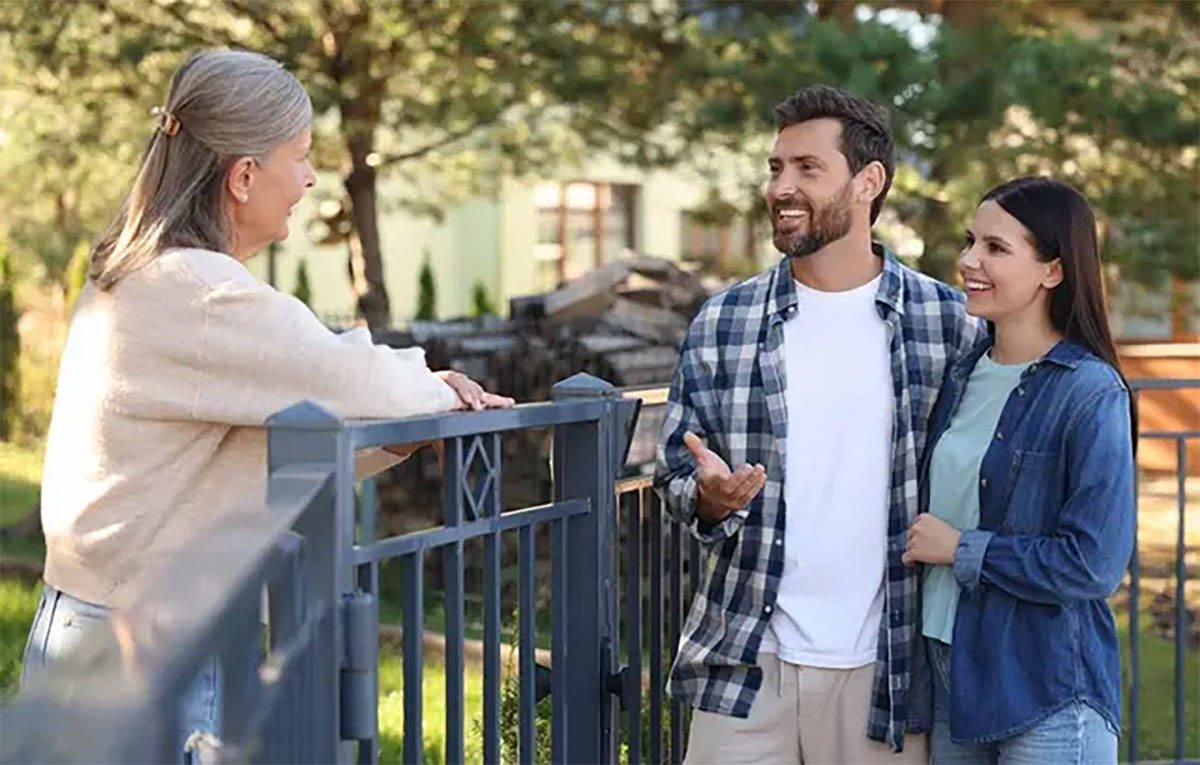
    Photo credit: New Africa // ShutterstockA young couple talking to a friendly elderly neighbor.
    ,

    America’s friendliest states

    Mountain West states lead the nation in community connection.

    The ways in which Americans connect vary widely by state. A range of factors contribute to a place’s overall character, but the time residents spend socializing, volunteering and helping people outside their own homes can shape how friendly it feels.

    SmartAsset analyzed the 50 states by the number of minutes per day residents spend on these three “friendly activities,” using time and action as measures of how communities connect. The results offer a behavioral snapshot of where residents spend the most time engaging with others in their communities.

    Key Findings

    • The Mountain West leads the rankings. Montana (No. 1), Utah (No. 2), and Wyoming (No. 3) took the top spots in the study, with residents of Montana averaging a nation-leading 95 minutes per day socializing, volunteering and helping others.
    • Mountaineers are the most likely to help others. Although West Virginia ranked No. 24 overall, its residents spent more time than any others providing unpaid help to people outside their own homes, about 30 minutes per day.
    • Rankings challenge some stereotypes. Despite its reputation for “Minnesota Nice,” Minnesota ranked No. 11, just outside the top 10. Washington, home to Seattle and its “Seattle Freeze” reputation, ranked No. 10.
    • Three Northeast states in the top 20. Although residents of Northeastern states are not always seen as especially warm by outsiders, three states in the region made the top 20: Rhode Island, Massachusetts and Maryland.
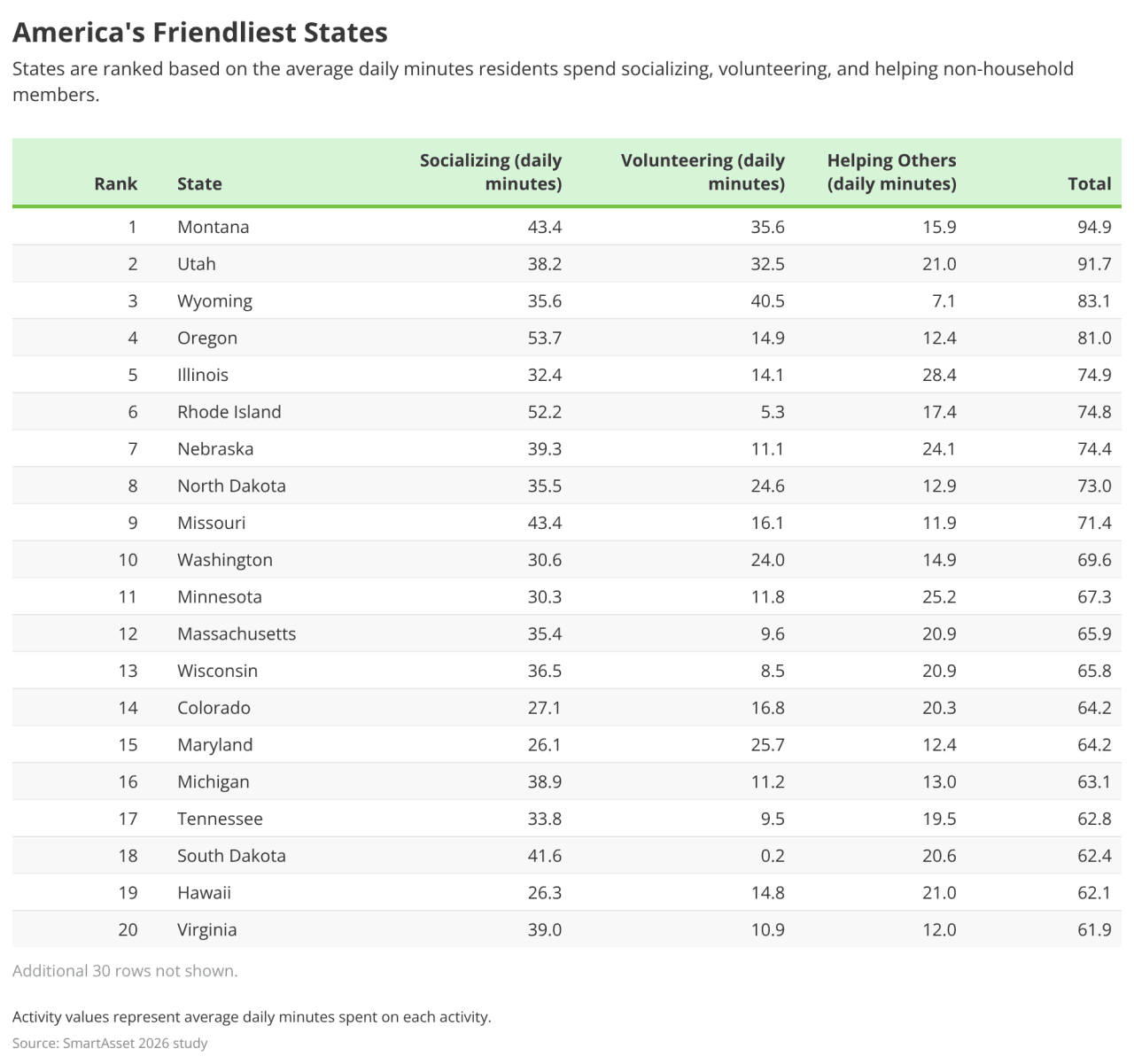
    Table listing the top 20 friendliest states in America.

    The 20 Friendliest States

    1. Montana
    • Average Minutes Spent Socializing (daily): 43.36
    • Average Minutes Spent Volunteering (daily): 35.62
    • Average Minutes Spent Helping Others (daily): 15.89
    1. Utah
    • Average Minutes Spent Socializing (daily): 38.24
    • Average Minutes Spent Volunteering (daily): 32.46
    • Average Minutes Spent Helping Others (daily): 20.95
    1. Wyoming
    • Average Minutes Spent Socializing (daily): 35.57
    • Average Minutes Spent Volunteering (daily): 40.49
    • Average Minutes Spent Helping Others (daily): 7.07
    1. Oregon
    • Average Minutes Spent Socializing (daily): 53.74
    • Average Minutes Spent Volunteering (daily): 14.85
    • Average Minutes Spent Helping Others (daily): 12.36
    1. Illinois
    • Average Minutes Spent Socializing (daily): 32.37
    • Average Minutes Spent Volunteering (daily): 14.12
    • Average Minutes Spent Helping Others (daily): 28.43
    1. Rhode Island
    • Average Minutes Spent Socializing (daily): 52.15
    • Average Minutes Spent Volunteering (daily): 5.33
    • Average Minutes Spent Helping Others (daily): 17.35
    1. Nebraska
    • Average Minutes Spent Socializing (daily): 39.3
    • Average Minutes Spent Volunteering (daily): 11.08
    • Average Minutes Spent Helping Others (daily): 24.06
    1. North Dakota
    • Average Minutes Spent Socializing (daily): 35.5
    • Average Minutes Spent Volunteering (daily): 24.61
    • Average Minutes Spent Helping Others (daily): 12.88
    1. Missouri
    • Average Minutes Spent Socializing (daily): 43.44
    • Average Minutes Spent Volunteering (daily): 16.05
    • Average Minutes Spent Helping Others (daily): 11.86
    1. Washington
    • Average Minutes Spent Socializing (daily): 30.59
    • Average Minutes Spent Volunteering (daily): 24.04
    • Average Minutes Spent Helping Others (daily): 14.92
    1. Minnesota
    • Average Minutes Spent Socializing (daily): 30.33
    • Average Minutes Spent Volunteering (daily): 11.75
    • Average Minutes Spent Helping Others (daily): 25.18
    1. Massachusetts
    • Average Minutes Spent Socializing (daily): 35.38
    • Average Minutes Spent Volunteering (daily): 9.63
    • Average Minutes Spent Helping Others (daily): 20.91
    1. Wisconsin
    • Average Minutes Spent Socializing (daily): 36.51
    • Average Minutes Spent Volunteering (daily): 8.46
    • Average Minutes Spent Helping Others (daily): 20.86
    1. Colorado
    • Average Minutes Spent Socializing (daily): 27.08
    • Average Minutes Spent Volunteering (daily): 16.82
    • Average Minutes Spent Helping Others (daily): 20.31
    1. Maryland
    • Average Minutes Spent Socializing (daily): 26.05
    • Average Minutes Spent Volunteering (daily): 25.72
    • Average Minutes Spent Helping Others (daily): 12.39
    1. Michigan
    • Average Minutes Spent Socializing (daily): 38.9
    • Average Minutes Spent Volunteering (daily): 11.21
    • Average Minutes Spent Helping Others (daily): 12.98
    1. Tennessee
    • Average Minutes Spent Socializing (daily): 33.82
    • Average Minutes Spent Volunteering (daily): 9.45
    • Average Minutes Spent Helping Others (daily): 19.53
    1. South Dakota
    • Average Minutes Spent Socializing (daily): 41.61
    • Average Minutes Spent Volunteering (daily): 0.21
    • Average Minutes Spent Helping Others (daily): 20.61
    1. Hawaii
    • Average Minutes Spent Socializing (daily): 26.3
    • Average Minutes Spent Volunteering (daily): 14.84
    • Average Minutes Spent Helping Others (daily): 20.98
    1. Virginia
    • Average Minutes Spent Socializing (daily): 38.96
    • Average Minutes Spent Volunteering (daily): 10.92
    • Average Minutes Spent Helping Others (daily): 11.97

    Methodology

    This study uses data from the U.S. Bureau of Labor Statistics’ American Time Use Survey, extracted from IPUMS, over the most recent available four-year period. For each state, SmartAsset calculated the average daily minutes residents spent socializing, volunteering, and helping people outside the household. Those three measures were then equally weighted and summed to produce a total time value used to rank the states. Source data providers are not affiliated with, and do not endorse or sponsor, this study or its findings.

    Citation: Sarah M. Flood, Liana C. Sayer, Daniel Backman and Annie Chen. American Time Use Survey Data Extract Builder: Version 3.3 dataset. College Park, MD: University of Maryland and Minneapolis, MN: IPUMS, 2025. https://doi.org/10.18128/D060.V3.3

    This story was produced by SmartAsset and reviewed and distributed by Stacker.

  • Who owns the beach? It depends on state law and tide lines
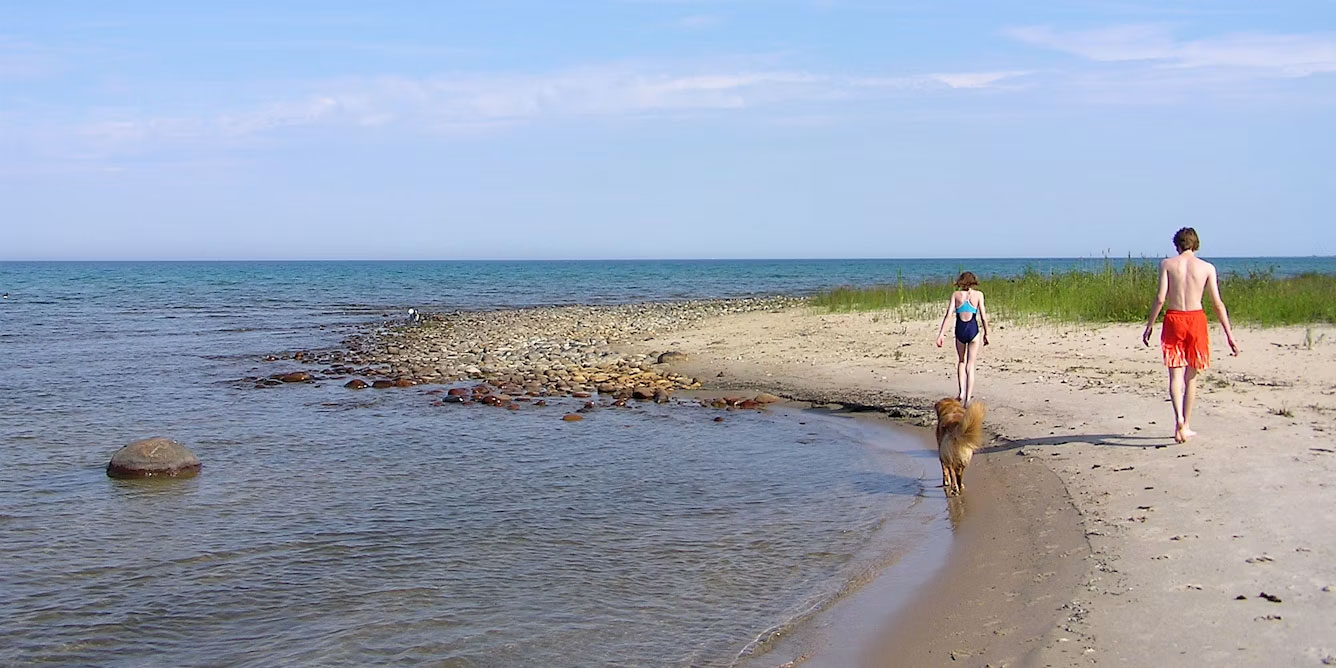
    Photo credit: Normanack/Flickr, CC BYIf you want to stroll the shoreline, know your rights.
    ,

    Who owns the beach? It depends on state law and tide lines

    Public access shifts with tides and state law.

    As Americans flock to beaches this summer, their toes are sinking into some of the most hotly contested real estate in the United States.

    It wasn’t always this way. Through the mid-20th century, when the U.S. population was smaller and the coast was still something of a frontier in many states, laissez-faire and absentee coastal landowners tolerated people crossing their beachfront property. Now, however, the coast has filled up. Property owners are much more inclined to seek to exclude an ever-growing population of beachgoers seeking access to less and less beach.

    On most U.S. shorelines, the public has a time-honored right to “lateral” access. This means that people can move down the beach along the wet sand between high and low tide – a zone that usually is publicly owned. Waterfront property owners’ control typically stops at the high tide line or, in a very few cases, the low tide line.

    But as climate change raises sea levels, property owners are trying to harden their shorelines with sea walls and other types of armoring, squeezing the sandy beach and the public into a shrinking and diminished space.

    As director of the Conservation Clinic at the University of Florida College of Law and the Florida Sea Grant Legal Program, and as someone who grew up with sand between my toes, I have studied beach law and policy for most of my career. In my view, the collision between rising seas and coastal development – known as “coastal squeeze” – now represents an existential threat to beaches, and to the public’s ability to reach them.

    The beach as a public trust

    Beachfront property law has evolved from ideas that date back to ancient Rome. Romans regarded the beach as “public dominion,” captured in an oft-cited quote from Roman law: “By the law of nature these things are common to all mankind; the air, running water, the sea and consequently the shores of the sea.”

    Judges in medieval England evolved this idea into the legal theory known as the “public trust doctrine” – the idea that certain resources should be preserved for all to use. The U.S. inherited this concept.

    Most states place the boundary between public and private property at the mean high tide line, an average tide over an astronomical epoch of 19 years. This means that at some point in the daily tidal cycle there is usually a public beach to walk along, albeit a wet and sometimes narrow one. In states such as Maine that set the boundary at mean low tide, you have to be willing to wade.

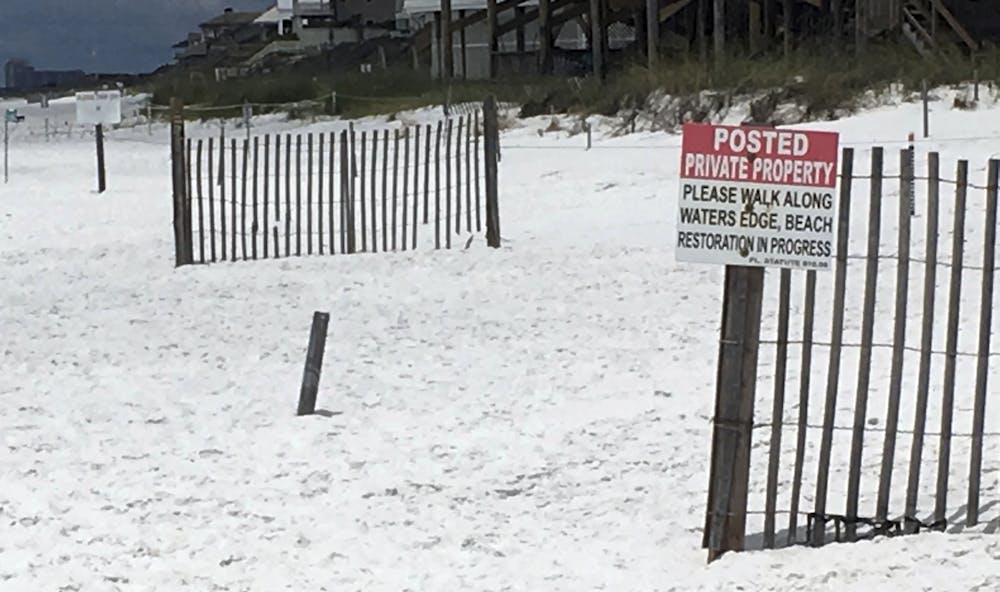
    Sign directs beachgoers to walk along the water's edge.
    A sign marks the demarcation between public beach and private property in Santa Rosa Beach, Florida. AP Photo/Brendan Farrington

    Everybody in!

    Early beach access laws in coastal states were largely designed to ensure that workaday activities such as fishing and gathering seaweed for fertilizer could occur, regardless of who owned the beach frontage. Increasingly, however, public recreation became the main use of beaches, and state laws evolved to recognize this shift.

    For example, in 1984 the New Jersey Supreme Court extended the reach of the Public Trust Doctrine beyond the tide line to include recreational use of the dry sandy beach. In a pioneering move, Texas codified its common law in 1959 by enacting the Open Beaches Act, which provides that the sandy beach up to the line of vegetation is subject to an easement in favor of the public.

    Moreover, Texas allows this easement to “roll” as the shoreline migrates inland, which is increasingly likely in an era of rising seas. Recent litigation and amendments to the act have somewhat modified its application, but the basic principle of public rights in privately owned dry sand beach still applies.

    Most states that give the public dry sand access on otherwise private property do so under a legal principle known as customary use rights. These rights evolved in feudal England to grant landless villagers access to the lord of the manor’s lands for civic activities that had been conducted since “time immemorial,” such as ritual maypole dancing.

    Oregon’s Supreme Court led the way in judicially applying customary use rights to beaches in 1969, declaring all the state’s dry sand beaches open to the public. Florida followed suit in 1974, but its Supreme Court decision has since been interpreted to apply on a parcel-by-parcel basis.

    Like Texas, North CarolinaHawaii and the U.S. Virgin Islands all have enacted legislation that recognizes customary use of the sandy beach, and courts have upheld the laws.

    Sand wars in Florida

    Florida has more sandy beaches than any other state, a year-round climate to enjoy them, and a seemingly unbounded appetite for growth, all of which makes beach access a chronic flashpoint.

    Along Florida’s Panhandle, pitched battles have erupted since 2016, with beachfront property owners and private resorts asserting their private property rights over the dry sandy beach and calling sheriffs to evict locals. When beachgoers responded by asserting their customary use rights, Walton County – no liberal bastion – backed them up, passing the local equivalent of a customary use law.

    Florida’s Legislature stepped in and took away the local right to pass customary use laws, except according to a complicated legal process that only a few local governments have initiated. Critics argue that the law has made it harder for communities to establish lateral public access to beaches and has done little to resolve the ongoing disputes.

    What about just adding sand?

    Erosion is both an enemy and a potential savior of beach access. As rising seas erode beaches, pressure to harden shorelines grows. But armoring shorelines may actually increase erosion by interfering with the natural sand supply. Adding more sea walls thus makes it increasingly likely that in many developed areas the dry sand beach will all but disappear. And what once was the public wet sand beach – the area between mean high and low tide – will become two horizontal lines on a vertical sea wall.

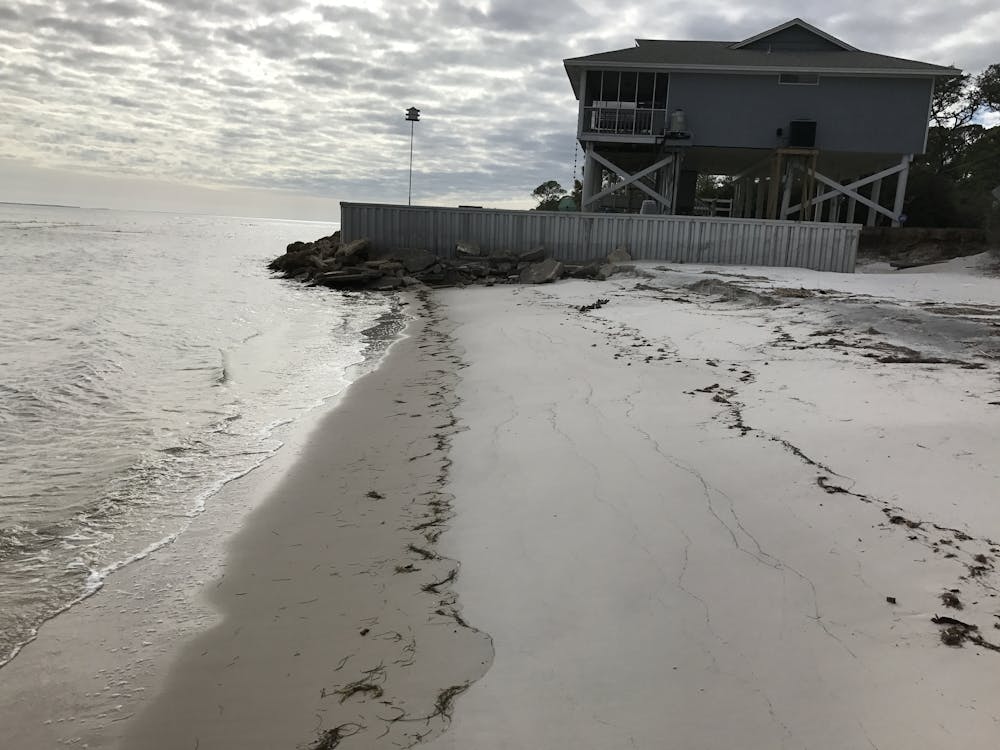
    House fronted by sea wall extending into the ocean.
    The sea wall around this Florida Panhandle beach house blocks public movement along the shore. Thomas Ankersen, CC BY-ND

    One alternative is adding more sand. Congress authorizes and funds the U.S. Army Corps of Engineers to restore beaches with sand pumped from offshore or trucked from ancient inland dunes. States must typically match these funds, and beachfront property owners occasionally collectively pitch in.

    But federal regulations require communities that receive these funds to ensure there is adequate access to nourished beaches from the street, including parking. And new beaches built from submerged shorelines must be maintained for public access until rising seas submerge them again.

    This requirement, along with more arcane property rights issues, led landowners in Florida’s Walton County to fight a beach nourishment project that would have protected their property from erosion. They took the case to the U.S. Supreme Court and lost.

    Beach nourishment, too, is a temporary solution. Good-quality, readily accessible offshore sand supplies are already depleted in some areas. And accelerating sea level rise may outpace readily available sand at some point in the future. Squeezed between condos and coral reefs, South Florida beaches are especially at risk, leading to some desperate proposals – including the idea of grinding up glass to create beach sand.

    This article originally appeared on The Conversation. You can read it here.

  • Why fatherhood matters more than ever before
    Photo credit: Xavier Desmier/Gamma-Rapho via Getty ImagesIn much of the industrialized world, daily life is increasingly organized around the nuclear family.

    Long gone are the days of the distant dad.

    According to some estimates, the average time dads spend caring for their kids each day has quadrupled over the past 50 years. Their attitudes about parenting are also changing. Today, men are about as likely as mothers to say parenting is a key source of meaning and a central priority in their lives. Roughly 85% of fathers identify parenthood as one of the most important aspects of their identity.

    As a parenting researcher who focuses on fathers, I’m pleased to see that dads are so invested in their kids. It correlates with better outcomes for kids, and it reduces pressure on moms.

    But there’s a less encouraging trend tucked into these gains. More is being asked of dads – and moms, for that matter – because the extended family and community networks that once supported childrearing have shrunk or deteriorated.

    Parenting alone

    In researching my new book, “Dad Brain: The New Science of Fatherhood and How it Shapes Men’s Lives,” I talked to an anthropologist named Barry Hewlett, who has spent his career studying hunter-gatherer fathers.

    One society he studies, the Aka Pygmies of the Central Congo, have been called “the best fathers in the world” for their dedication to childcare. Aka men are frequently observed within arms reach of their infants and take a lead role in raising them. Children are seen as central to men’s lives.

    However, if you compare the time Aka dads spent on childcare with recent data on American parents, as parenting writer Tomo Kumaki recently did, you might be surprised.

    According to 2024 American Time Use Survey data – considered the gold standard of evidence on how Americans are spending their time – American dads of infants are devoting about 125 minutes a day to what’s called “primary child care,” in which their main activity is tending to the child. They’re spending another 394 minutes on what’s known as “secondary child care,” which involves watching a child while doing something else, such as cooking dinner or straightening up the house.

    In contrast, according to Hewlett’s research from the field, Aka fathers of infants spend about 57 minutes a day on primary and 96 minutes a day on secondary childcare.

    The minutes American dads relayed should be taken with a grain of salt; it’s a stretch to compare an anthropologist’s direct observations with self-reported time diary data, which can often be subject to bias. Still, it’s striking to see how – based on these calculations, at least – today’s new dads are devoting far more time to parenting than a society described as having the best dads in the world.

    Children sit on the ground in various poses. Some cook and help with food prep. A man in a red shirt stands with his arms folded, watching.
    Among the Aka people, who are indigenous, nomadic hunter-gatherers native to Central Africa, men take a lead role in raising their children. Andia/Universal Images Group via Getty Images

    When I spoke with him about how fatherhood has changed, Hewlett told me he thinks the role of fathers has taken on more importance today than ever before – not just because mothers are more likely to have jobs outside the home, but because there are simply fewer childcare helpers around.

    When you’re surrounded by your kin and neighbors in a communal setting like the Aka, it’s easy to get assistance with kids. Fathers care for children, but so do lots of other people.

    A 2021 study of another hunter-gatherer society, the Agta, which lives in the mountains of the Philippines, found that fathers provided only about 7% of child care. Mothers, however, provided only about 25%. The rest came from siblings, grandparents, extended family, peers and other community members, who all pitch in.

    A class divide

    In much of the industrialized world, daily life is organized around the nuclear family, with relatives and neighbors playing a less central role than they once did.

    Today’s fathers contribute more to childcare than even the most hands-on hunter-gatherer dad, because there’s simply less of a village to support shared care.

    Even as men are being asked to take on a bigger role in childcare, it’s become harder for some men to do so. That’s because – in the U.S., at least – the time men are able to spend on childcare has become increasingly stratified by class.

    Journalists Derek Thompson and Aziz Sunderji analyzed multiple waves of U.S. data collected by the Multinational Time Use Study and were able to show that the significant rise in the time dads spend parenting over the past 60 years has primarily been driven by college-educated fathers.

    When the Multinational Time Use Study started in the 1960s, fathers with a college degree were devoting only a few extra minutes per day to childcare compared with noncollege-educated dads. But the gap has quintupled over that time span, such that college-educated dads are now spending 46 more minutes with their kids each day compared with noncollege-educated dads.

    So why the growing divide? In part, it’s because benefits such as universal paid paternity leave and stable, flexible work options are available only to dads with good jobs.

    Only about half of U.S. fathers take any paid paternity leave following the birth of a new baby, because many employers don’t offer it. In theory, most dads who can’t access paid leave should be eligible for unpaid leave through the 1993 Family and Medical Leave Act. However, since that legislation doesn’t apply to small businesses or many part-time or gig work situations, about 44% of workers are ineligible for it. Low-wage dads are also often reluctant to take leave because they can’t afford to lose income.

    The rise of what sociologists call intensive parenting among the most educated, affluent parents also helps account for some of the class divide in parenting time. As the wealth gap between the richest and poorest Americans has widened over the past 60 years, many parents have been eager to optimize their children’s success. Devoting extra time to children, including monitoring their schoolwork and enrolling them in enrichment activities that require time and money, has become one way for parents with privilege to give their children a leg up.

    In my view, hands-on parenting should not be a luxury good. Americans should be fighting for policies that empower all dads, no matter their income, to enjoy time with their children. The village could use some rehabilitation, too, since parents fare best when they have access to community support and stronger connections with their neighbors, friends and family.

    This article originally appeared on The Conversation. You can read it here.

Explore More Civic Life Stories

Society

America’s friendliest states

Society

Who owns the beach? It depends on state law and tide lines

Society

Why fatherhood matters more than ever before

Society

Broken household items bring people to Repair Cafés but community keeps them coming back