
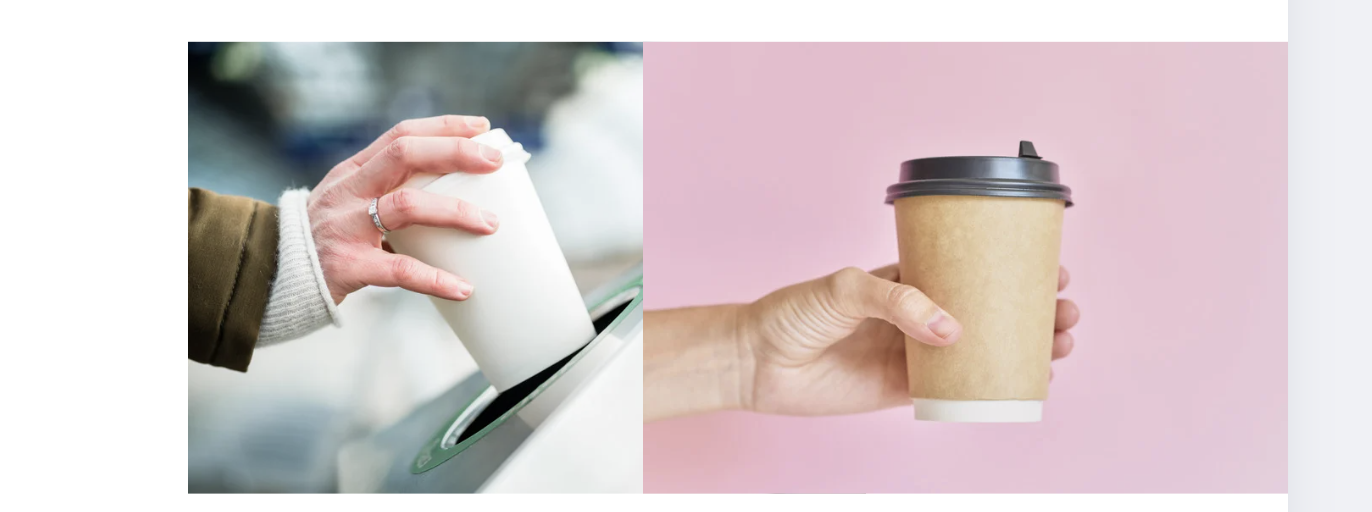
One of the major environmental issues throughout the world is the ever-growing landfills, but the city of Petaluma in California are poised to do their part. As a means to cut down on waste, officials partnered with local restaurants and fast food chains to implement a new system in 2024. Instead of using disposable drink cups, the city would provide reusable beverage cups to the businesses to give to the customers and the customers would put their used cups in special bins that are spread throughout the city. The cups would be collected from the bins, washed, and given back to the businesses again.
After a three-month trial period, they couldn’t believe how successful it was.
“We haven’t seen that level of community engagement, awareness, understanding, satisfaction, and pride. Petaluma was very proud of the project,” said Carolina Lobel to CBS News, one of the main organizers of the project and senior director of The Center for the Circular Economy at Closed Loop Partners—the group that teamed up with Petaluma and NextGen Consortium for the project.Disposable cups make up a great deal of our communal trash. According to The Guardian, Americans throw out 16 billion paper cups and 25 billion Styrofoam cups per year. Considering that 6.5 million trees are cut just for paper cups annually, and that Styrofoam takes about 500 years to decompose, finding a viable alternative would make a significant difference in environmental impact.
The citizens were eager to participate in getting their beverage cups from the local Starbucks, Taco Bell, or other businesses and then placing them into one of the 60 bins placed throughout the city. One of the benefits of the program is that citizens didn’t need to sign up for it, didn’t need to pay any deposit, and weren’t penalized for non-participation. This is in contrast to other environmental policies, such as Starbucks charging extra for disposable cups to customers in order to reduce waste.
Per the researchers’ report, more than 80% of Petaluma’s residents were aware of the cup project and knew what to do. In fact, more than 51% of the cups were returned and not kept or tossed into the trash. This is promising considering that other environmental measures in other cities, such as public bike share programs, are often abused or subject to theft at taxpayer expense. It would be easy to hoard cups or to just throw them out with the rest of their trash. Along with the public participating in good faith, this program is different since there is also private incentive to participate as local restaurants, cafes, and ice cream shops would purchase less disposable cups, significantly reducing a business expense.
While the experiment is over, the results are so positive that the city and their partners intend on creating a permanent program with enthusiastic support from most of the local businesses. This situation shows that there are lasting solutions that can improve the lives of the community, the consumers, and even the businesses should folks come together to think and approach new ideas with curiosity, enthusiasm, and trust.