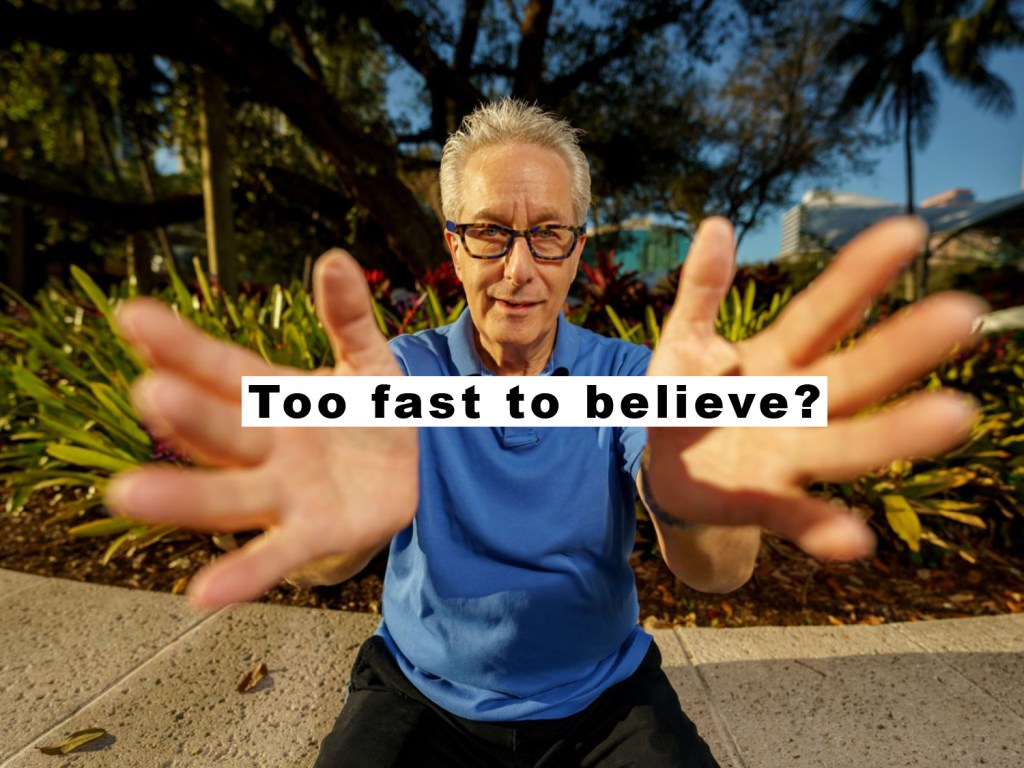

Americans are obsessed with happiness. We spend billions of dollars on books, courses, and therapy trying to find it. But according to Arthur C. Brooks, a Harvard professor and social scientist, we might be looking for it in the safest places, when we should be looking in the riskiest.
In his work, including The Happiness Files: Insights on Work and Life, Brooks proposes a radical shift in perception: You should treat your life like a startup.
The “Startup” Mindset

To some, the idea of running your life like a business might sound cold or stressful. But Brooks isn’t talking about profits and losses; he is talking about the courage to pivot.
“If you treat your life the way a great entrepreneur treats an exciting startup enterprise, your life will be happier, more meaningful, and more successful than it otherwise would be,” Brooks writes.
The core of this philosophy is abandoning the comfort zone. Just as a startup founder must take leaps of faith to grow, individuals must be willing to disrupt their own status quo, whether that means changing careers, moving cities, or starting (or ending) relationships.
How do you know if you are on the right track? Brooks offers a simple litmus test:
“If it sounds simultaneously possible and terrifying, you’ll know you’ve found the right thing.”
Overcoming the Fear of Regret
The biggest barrier to this mindset is what psychologists call “risk avoidance.” We are wired to fear future regret more than we value future success.
“We are able to imagine ourselves in a future state, feeling chagrin for a decision we’re making right now—which in turn affects that decision,” Brooks explains.
This fear paralyzes us. We stay in jobs we hate or relationships that don’t serve us because the known misery feels safer than the unknown risk.
The Science of Risk
However, science suggests that playing it safe is actually the more dangerous route for our mental health.
A 2024 study of elite athletes found that those with a higher tolerance for risk reported higher levels of life satisfaction. Similarly, a 2023 study found that “positive risk-taking” was associated with better general health and a more optimistic perspective on the future.
Dr. Greg Gomez, a clinical director in California, notes that he sees this dynamic in his practice daily. “When people treat their lives with the same creativity and persistence as an entrepreneur does with a startup, they are often more fulfilled,” Gomez says.
How to Start
Brooks is careful to note that this isn’t about being reckless. It is about being calculated. You don’t jump off a cliff; you build a parachute.
“If you want to raise your happiness by taking a risk, you need to do it right, and not just by acting on impulse,” Brooks advises. “Making a plan allows you to savor the person you want to become.”
The takeaway is clear: Happiness is not a destination you arrive at by walking a straight, safe line. It is a venture you have to build, risk by risk.
This article originally appeared last year.