Elizabeth Benassi was 18 years old, three months into her first professional job, and trying hard not to stand out. She had even quietly asked her manager not to mention her age to coworkers, worried they’d write her off as the kid of the group.
The manager told them anyway, at a bowling alley team-building night.
That detail didn’t make it into the headline-grabbing part of Benassi’s story, but it sets the scene for everything that followed. Benassi had joined Maximus UK Services in August 2022, a firm that works with the UK’s Department for Work and Pensions to help people back into employment. Her colleagues were mostly in their early twenties. She was the youngest by a noticeable margin, and she felt it.

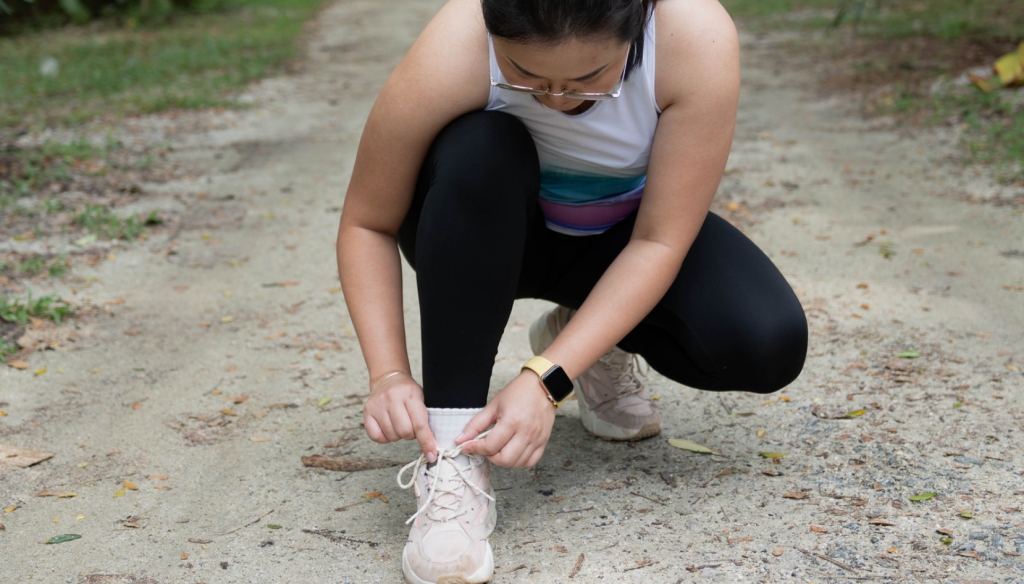
Then came the trainers incident. One morning, Benassi wore athletic shoes to the office, unaware the company had a dress code against them. Her manager, Ishrat Ashraf, called her out on it immediately. Benassi apologized. But as she looked around the room, she noticed something: other colleagues were wearing the same style of shoes. No one had said a word to them.
She sent Ashraf a measured email. “This morning you mentioned that I am not allowed to wear trainers to work,” she wrote, as reported by The Metro. “Despite not being aware of this, as I have never worn trainers to work before, I apologized for this, and you rolled your eyes. I have now realized that I am not the only one wearing trainers today, and I have not seen anyone receive the same chat that I have.”
The email made things worse. Ashraf escalated it to the operations manager, who emailed Benassi to say her footwear was “totally unacceptable.” A month later, she was called into a probationary review meeting and dismissed. The company cited her performance, conduct, attendance, timekeeping, and the dress code violation. Benassi pushed back, filing a legal case for victimisation and age-related harassment.
The case was heard at an employment tribunal in Croydon, south London. The tribunal dismissed the age harassment claim, but it upheld the victimisation finding, and the picture it painted of Benassi’s time at the company was pointed. Employment Judge Forwell noted that no allowance had been made for the fact that she was new and might not have known about the dress code, and concluded the treatment showed “a desire to find fault” with her from the start. As HR Magazine reported, the judge observed that Benassi was “literally being scrutinised from the moment of her arrival.”
The company’s explanation for why other employees weren’t pulled up over their trainers, that one colleague had a sore foot, was also rejected. The judge noted that if that were true, Ashraf would have mentioned it at the time.
Benassi was awarded £29,187 in compensation (around $37,800 in US dollars). In her testimony, she described what she had been trying to avoid all along. “I didn’t want to be treated differently, or as I had put it, ‘as the baby of the group,’” she told the tribunal. The ruling suggests that’s exactly how she was treated anyway.
This article originally appeared earlier this year.