Over recent years, there have been articles, polls, and data discussing and showcasing the deepening political divide in the United States. The polarization between liberals and conservatives appears higher than it has ever been in the country’s history. However, a series of published studies show that there is a social factor that can make right wingers and left wingers flap together: having a diverse group of friends.

Studies from City University of New York shed light on what can cause dedicated Republicans and staunch Democrats to reach across the aisle towards one another and even become friends themselves. The authors of the published study, Kyle Anderson, Grace Flores-Robles, and Daryl Wout, were inspired by previous research that found that people expected to be treated more fairly and with less bias when the person they were interacting with had a racially diverse set of friends. They wondered if there would be similar patterns observed when two politically opposed persons interacted. In short, they wanted to see if people would feel less anxiety and less judged about their political affiliation talking to a person who had different political beliefs but still had a politically diverse friend group compared to a person who was “true blue” or “bled red.”

The researchers held three separate online studies consisting of 696 participants. The first two studies were focused on white liberals and white conservatives being asked questions and shown profiles of people from the opposition party, choosing who they would mostly like to speak with based on the friends they had. The third study shifted to include people of multiple ethnicities, and primarily focused on diverse versus homogenous relationships. While the third study was primarily focused on ethnicity, it included hypothetical conversation scenarios over hot button political topics such as gun control and abortion in which participants had to gauge how comfortable they’d be discussing them and how they’d imagine the chat would go.

In all three studies, the majority of participants preferred to speak with politically opposing people who had a diverse set of friends.

“Political diversity in people’s friendship networks (having both liberal and conservative friends), as compared to only having friends from their political group, helps make people with different identities across the political divide feel more psychologically safe, and eases relations between liberals and conservatives in the United States,” said Anderson to PsyPost.

This seems like a no-brainer conclusion but now there is scientific evidence to back it up: if a person has a friend like you then they might like you. It’s like in school when two people can come from different religions, racial backgrounds, and even values yet still befriend one another over Pokémon cards. While politics can be much more divisive compared to a trading card hobby, seeing a person that has at least a few people who aren’t like them in their friend group sets off a signal that they can at least hear out and be civil with a person they disagree with.

So… how do I attract different people into my friend circle?

If you want to befriend different people within your friend group, it’s going to have to be proactive. Fortunately, there are several ways to do so but it’s not as different as making friends with folks who are like you: explore your interests. Take a cooking class in a different part of town. Go to a different bar and ask to join in a game of pool. Attend concerts, sporting events, and other places in which you can first talk about the common activity and expand further. Yes, you can even make new adult friends at Pokémon card conventions, too.

@betweenusgirlies

Diversity in your friend group is so important #relatable #friends #friendship #betweenusgirlies @bailey @casecorradinn ♬ original sound – Between Us Girlies

Getting to know folks and making friends with people who differ from you can help you either gain new perspectives or further cement your beliefs with better understanding. Only this time, if the conversation goes south, you can easily pivot to a different topic.

  • Local governments provide proof that polarization is not inevitable
    Local officials get to participate in events such as ribbon cuttings, celebrating projects they may have helped make happen.Photo credit: NHLI/Eliot J. Schechter via Getty Images
    ,

    Local governments provide proof that polarization is not inevitable

    From potholes to parks, shared priorities are bringing people together where they live.

    When it comes to national politics, Americans are fiercely divided across a range of issues, including gun control, election security and vaccines. It’s not new for Republicans and Democrats to be at odds over issues, but things have reached a point where even the idea of compromising appears to be anathema, making it more difficult to solve thorny problems.

    But things are much less heated at the local level. A survey of more than 1,400 local officials by the Carnegie Corporation and CivicPulse found that local governments are “largely insulated from the harshest effects of polarization.” Communities with fewer than 50,000 residents proved especially resilient to partisan dysfunction.

    Why this difference? As a political scientist, I believe that lessons from the local level not only open a window onto how polarization works but also the dynamics and tools that can help reduce it.

    Problems are more concrete

    Local governments deal with concrete issues – sometimes literally, when it comes to paving roads and fixing potholes. In general, cities and counties handle day-to-day functions, such as garbage pickup, running schools and enforcing zoning rules. Addressing tangible needs keeps local leaders’ attention fixed on specific problems that call out for specific solutions, not lengthy ideological debates.

    By contrast, a lot of national political conflict in the U.S. involves symbolic issues, such as debates about identity and values on topics such as race, abortion and transgender rights. These battles are often divisive, even more so than purely ideological disagreements, because they can activate tribal differences and prove more resistant to compromise.

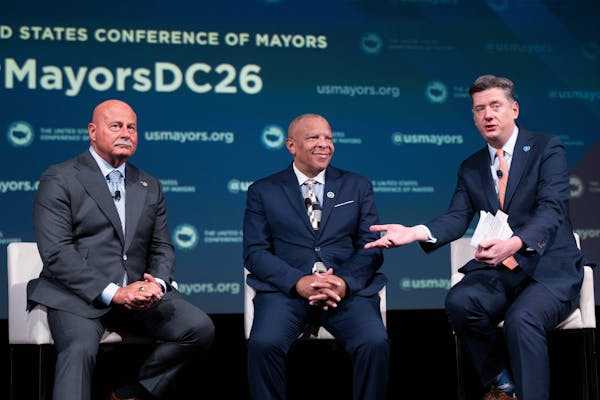
    When mayors come together, they often find they face common problems in their cities. Gathered here, from left, are Jerry Dyer of Fresno, Calif., John Ewing Jr. of Omaha, Neb., and David Holt of Oklahoma City. AP Photo/Kevin Wolf

    Such arguments at the national level, or on social media, can lead to wildly inaccurate stereotypes about people with opposing views. Today’s partisans often perceive their opponents as far more extreme than they actually are, or they may stereotype them – imagining that all Republicans are wealthy, evangelical culture warriors, for instance, or conversely being convinced that all Democrats are radical urban activists. In terms of ideology, the median members of both parties, in fact, look similar.

    These kinds of misperceptions can fuel hostility.

    Local officials, however, live among the human beings they represent, whose complexity defies caricature. Living and interacting in the same communities leads to greater recognition of shared interests and values, according to the Carnegie/CivicPulse survey.

    Meaningful interaction with others, including partisans of the opposing party, reduces prejudice about them. Local government provides a natural space where identities overlap.

    People are complicated

    In national U.S. politics today, large groups of individuals are divided not only by party but a variety of other factors, including race, religion, geography and social networks. When these differences align with ideology, political disagreement can feel like an existential threat.

    Such differences are not always as pronounced at the local level. A neighbor who disagrees about property taxes could be the coach of your child’s soccer team. Your fellow school board member might share your concerns about curriculum but vote differently in presidential elections.

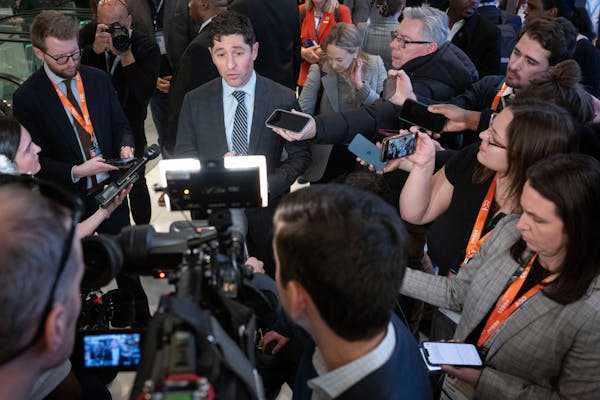
    Mayors can find themselves caught up in national debates, as did Minneapolis Mayor Jacob Frey over the Trump administrationu2019s immigration enforcement policies in his city. AP Photo/Kevin Wolf

    These cross-cutting connections remind us that political opponents are not a monolithic enemy but complex individuals. When people discover they have commonalities outside of politics with others holding opposing views, polarization can decrease significantly.

    Finally, most local elections are technically nonpartisan. Keeping party labels off ballots allows voters to judge candidates as individuals and not merely as Republicans or Democrats.

    National implications

    None of this means local politics are utopian.

    Like water, polarization tends to run downhill, from the national level to local contests, particularly in major cities where candidates for mayor and other office are more likely to run as partisans. Local governments also see culture war debates, notably in the area of public school instruction.

    Nevertheless, the relative partisan calm of local governance suggests that polarization is not inevitable. It emerges from specific conditions that can be altered.

    Polarization might be reduced by creating more opportunities for cross-partisan collaboration around concrete problems. Philanthropists and even states might invest in local journalism that covers pragmatic governance rather than partisan conflict. More cities and counties could adopt changes in election law that would de-emphasize party labels where they add little information for voters.

    Aside from structural changes, individual Americans can strive to recognize that their neighbors are not the cardboard cutouts they might imagine when thinking about “the other side.” Instead, Americans can recognize that even political opponents are navigating similar landscapes of community, personal challenges and time constraints, with often similar desires to see their roads paved and their children well educated.

    The conditions shaping our interactions matter enormously. If conditions change, perhaps less partisan rancor will be the result.

    This article originally appeared on The Conversation. You can read it here.

  • Denmark’s generous parental leave policies erase eighty percent of the ‘motherhood penalty’
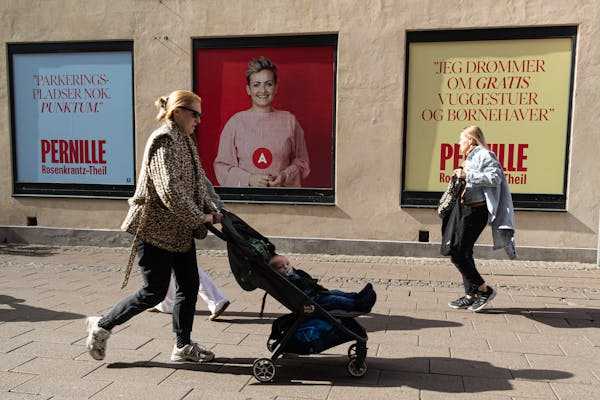
    A Danish mom drops her young son at his school in Copenhagen.Photo credit: Sergei Gapon/AFP via Getty Images
    , , ,

    Denmark’s generous parental leave policies erase eighty percent of the ‘motherhood penalty’

    Paid leave and universal child care help moms stay attached to work, even as reduced hours trim pay.

    For many women in the U.S. and around the world, motherhood comes with career costs.

    Raising children tends to lead to lower wages and fewer work hours for mothers – but not fathers – in the United States and around the world.

    As a sociologist, I study how family relationships can shape your economic circumstances. In the past, I’ve studied how motherhood tends to depress women’s wages, something social scientists call the “motherhood penalty.”

    I wondered: Can government programs that provide financial support to parents offset the motherhood penalty in earnings?

    A ‘motherhood penalty’

    I set out with Therese Christensen, a Danish sociologist, to answer this question for moms in Denmark – a Scandinavian country with one of the world’s strongest safety nets.

    Several Danish policies are intended to help mothers stay employed.

    For example, subsidized child care is available for all children from 6 months of age until they can attend elementary school. Parents pay no more than 25% of its cost.

    But even Danish moms see their earnings fall precipitously, partly because they work fewer hours.

    Losing $9,000 in the first year

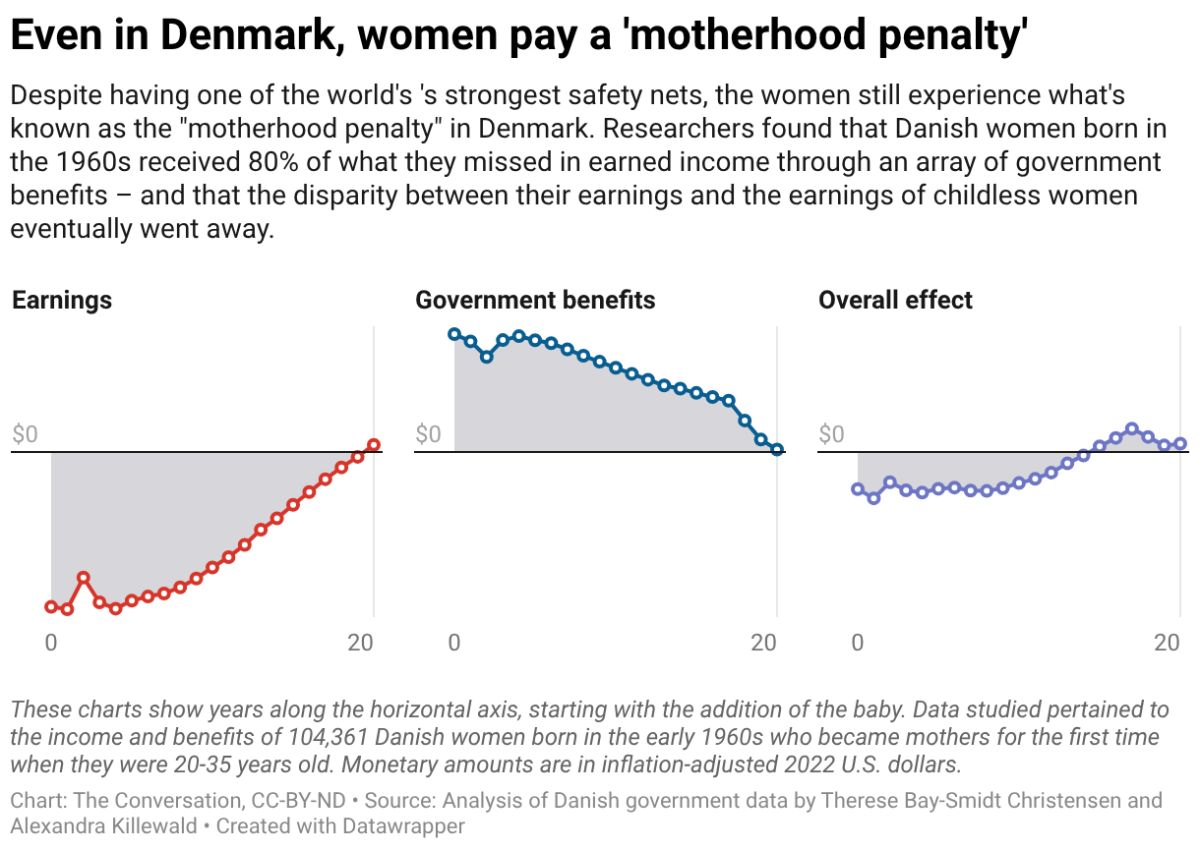
    In an article to be published in an upcoming issue of European Sociological Review, Christensen and I showed that mothers’ increased income from the state – such as from child benefits and paid parental leave – offset about 80% of Danish moms’ average earnings losses.

    Using administrative data from Statistics Denmark, a government agency that collects and compiles national statistics, we studied the long-term effects of motherhood on income for 104,361 Danish women. They were born in the early 1960s and became mothers for the first time when they were 20-35 years old.

    They all became mothers by 2000, making it possible to observe how their earnings unfolded for decades after their first child was born. While the Danish government’s policies changed over those years, paid parental leave and child allowances and other benefits were in place throughout. The women were, on average, age 26 when they became mothers for the first time, and 85% had more than one child.

    We estimated that motherhood led to a loss of about the equivalent of US$9,000 in women’s earnings – which we measured in inflation-adjusted 2022 U.S. dollars – in the year they gave birth to or adopted their first child, compared with what we would expect if they had remained childless. While the motherhood penalty got smaller as their children got older, it was long-lasting.

    The penalty only fully disappeared 19 years after the women became moms. Motherhood also led to a long-term decrease in the number of the hours they worked.

    Motherhood, Safety net, Income inequality, Denmark, Gender inequality, Scandinavia, Government benefits, Mothers Day, Mother's Day, motherhood penalty
    The u2018motherhood penaltyu2019 is largest in the first year after a momu2019s first birth or adoption. Kristian Tuxen Ladegaard Berg/NurPhoto via Getty Images

    Studying whether government can fix it

    These annual penalties add up.

    We estimated that motherhood cost the average Danish woman a total of about $120,000 in earnings over the first 20 years after they first had children – about 12% of the money they would have earned over those two decades had they remained childless.

    Most of the mothers in our study who were employed before giving birth were eligible for four weeks of paid leave before giving birth and 24 weeks afterward. They could share up to 10 weeks of their paid leave with the baby’s father. The length and size of this benefit has changed over the years.

    The Danish government also offers child benefits – payments made to parents of children under 18. These benefits are sometimes called a “child allowance.”

    Denmark has other policies, like housing allowances, that are available to all Danes, but are more generous for parents with children living at home.

    Using the same data, Christensen and I next estimated how motherhood affects how much money Danish moms receive from the government. We wanted to know whether they get enough income from the government to compensate for their loss of income from their paid work.

    Motherhood, Safety net, Income inequality, Denmark, Gender inequality, Scandinavia, Government benefits, Mothers Day, Mother's Day, motherhood penalty

    We found that motherhood leads to immediate increases in Danish moms’ government benefits. In the year they first gave birth to or adopted a child, women received over $7,000 more from the government than if they had remained childless. That money didn’t fully offset their lost earnings, but it made a substantial dent.

    The gap between the money that mothers received from the government, compared with what they would have received if they remained childless, faded in the years following their first birth or adoption. But we detected a long-term bump in income from government benefits for mothers – even 20 years after they first become mothers.

    Cumulatively, we determined that the Danish government offset about 80% of the motherhood earnings penalty for the women we studied. While mothers lost about $120,000 in earnings compared with childless women over the two decades after becoming a mother, they gained about $100,000 in government benefits, so their total income loss was only about $20,000.

    Benefits for parents of older kids

    Our findings show that government benefits do not fully offset earnings losses for Danish moms. But they help a lot.

    Because most countries provide less generous parental benefits, Denmark is not a representative case. It is instead a test case that shows what’s possible when governments make financially supporting parents a high priority.

    That is, strong financial support for mothers from the government can make motherhood more affordable and promote gender equality in economic resources.

    Because the motherhood penalty is largest at the beginning, government benefits targeted to moms with infants, such as paid parental leave, may be especially valuable.

    Child care subsidies can also help mothers return to work faster.

    The motherhood penalty’s long-term nature, however, indicates that these short-term benefits are not enough to get rid of it altogether. Benefits that are available to all mothers of children under 18, such as child allowances, can help offset the long-term motherhood penalty for mothers of older children.

    This article originally appeared on The Conversation. You can read it here.

  • President Trump ‘reclassifying’ marijuana could entirely change America’s relationship with cannabis
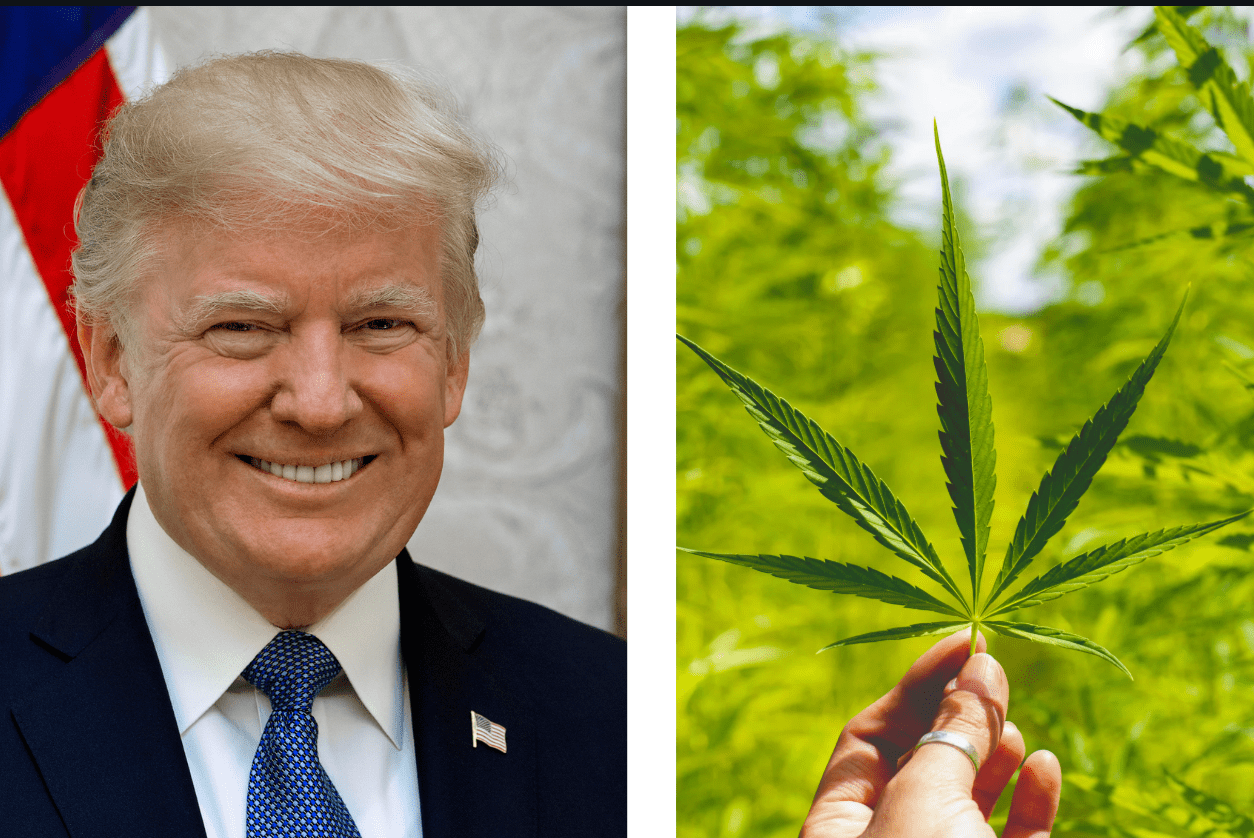
    Trump may have changed America's relationship with marijuana.Photo credit: Shealeah Craighead via Wikimedia Commons/Canva

    Despite its recent increase in use, marijuana is classified in the United States as a Schedule I drug, putting it on par with heroin and LSD as a substance with “no currently accepted medical use and a high potential for abuse,” according to the Drug Enforcement Administration. This classification has created limitations not only on access to marijuana and marijuana-derived products, whether used medicinally or recreationally, but has done so since the Nixon administration.

    However, a proposed executive order from President Donald Trump could change that and spur more thorough research into what cannabis can offer, with or without its psychoactive ingredients.

    The executive order under consideration would reclassify cannabis as a Schedule III drug, placing it alongside substances such as Tylenol with codeine and testosterone, which the DEA says have a “moderate to low potential for physical and psychological dependence.”

    While the order isn’t expected to outright legalize cannabis at the federal level, activists and scientists are excited because it would allow more open and less restrictive laboratory research on marijuana to better test its safety, efficacy, and potential uses. Trump’s order is also expected to include a pilot program allowing Medicare coverage of cannabis products for seniors.

    “Because a lot of people want to see it, the reclassification, because it leads to tremendous amounts of research that can’t be done unless you reclassify,” Trump said Monday. “So we are looking at that very strongly.”

    This comes at a time when many people, especially the elderly, have turned to marijuana and products such as cannabidiol (CBD) oil to treat sleep issues, nausea, and chronic pain, among other ailments. While CBD use is popular among older adults, it is growing across all demographics. It’s important to note that CBD products can contain varying levels of tetrahydrocannabinol (THC), the psychoactive compound in marijuana; however, many CBD products contain no THC at all.

    Should this executive order be cemented, it would answer years’ worth of pleas from the scientific community to fully test the cannabis plant’s limits, vet its benefits or debunk them, and identify additional, more effective uses. The order could also allow cannabis distributors to openly conduct cross-state trade and access traditional banking services. Cannabis industry stocks surged after news of the executive order broke.

    There are opponents of Trump’s expected executive order, including members of his own party such as Republican Congressman Andy Harris, who argue that the president does not have the authority to reclassify marijuana without congressional approval.

    However, it is likely Trump will be able to move forward and secure bipartisan support, given cannabis’s broad appeal among Americans, the potential benefits for scientific research, and a possible boost to the pharmaceutical industry.

    Time will tell whether Trump’s expected order will be enforced and the change implemented, but if so, it could alter how cannabis has traditionally been treated in the United States. For now, that potential remains just that until further exploration and experimentation are possible once restrictions are lifted.

Explore More Politics Stories

Culture

Local governments provide proof that polarization is not inevitable

Culture

Denmark’s generous parental leave policies erase eighty percent of the ‘motherhood penalty’

Politics

President Trump ‘reclassifying’ marijuana could entirely change America’s relationship with cannabis

Politics

A new study finds both conservatives and liberals think progressive causes are morally superior