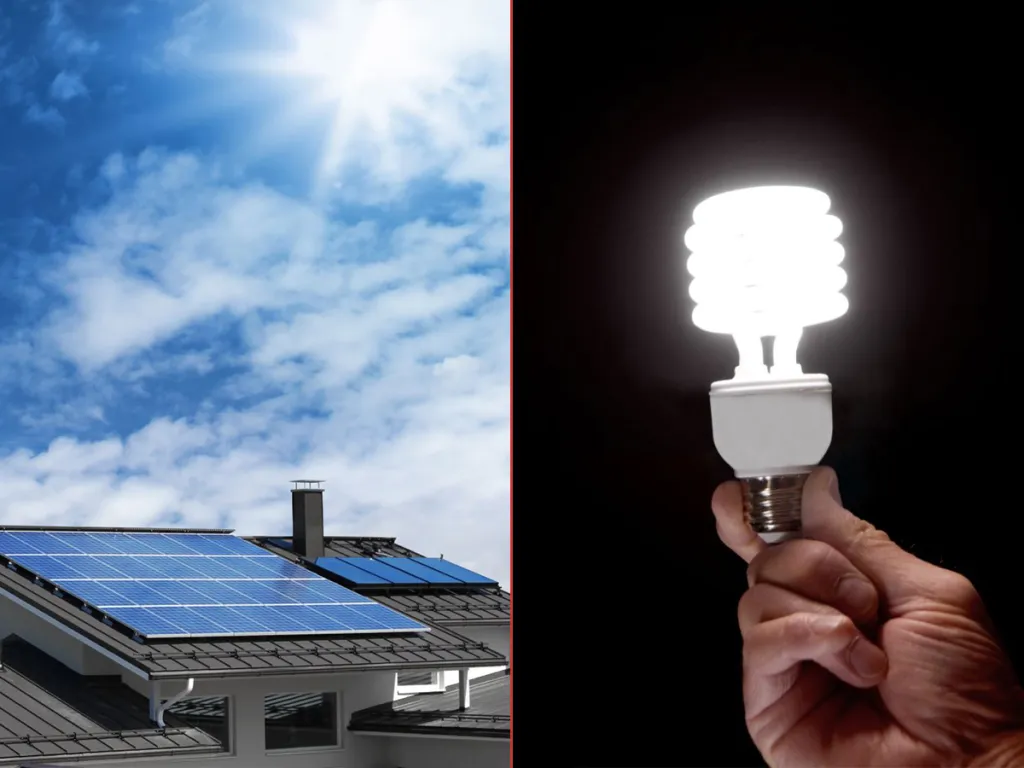
Every day, the sun shines more energy on the world than we could ever need. Yet the moment it sets, that power supply disappears—a limitation that challenges green energy sources like solar to keep the lights on after dark.
Scientists at the University of California, Santa Barbara, now say they can “bottle the sun.” They have developed a new molecule that could free solar power from the constraints of bulky batteries. The tiny structure twists open and closed, allowing sunlight to be stored and later released as heat.

Molecule absorbs light and releases heat
The major challenge of solar energy has been storage. Massive battery systems, which are inefficient at storing energy over long periods, have posed a costly problem. Researchers reported in Science that they looked to DNA chains to recreate a molecule that changes shape when exposed to sunlight.
The team of scientists created a synthetic structure that stores and releases energy reversibly. The new material captures sunlight, stores it in chemical bonds for extended periods, and then releases it as heat when needed.
The molecule acts like a mechanical spring, twisting into a high-energy shape when exposed to sunlight. Even after long periods, it can untwist into its relaxed state, releasing energy as heat.
“With solar panels, you need an additional battery system to store the energy,” study co-author Benjamin Baker, a doctoral student, told Futurity. “With molecular solar thermal energy storage, the material itself is able to store that energy from sunlight.”

Moving toward green energy
Around the world, the shift to clean energy isn’t slowing down. Over the next five years, global renewable energy capacity is expected to double, according to the International Energy Agency (IEA). As global energy demand rises, so does the urgency to expand clean energy. The Center for Climate and Energy Solutions found that 32% of electricity was generated from renewables in 2024. Wind and solar are the fastest-growing energy sources in the United States.
Solar energy has seen massive expansion in Asia, Europe, and emerging markets. It’s driven by global demand, not just wealthy nations. In 2025, more than 30 countries installed record levels of solar in a single year.

The need for efficient energy storage
Solar energy output can fluctuate dramatically. Sunny days may generate around 45%, compared to roughly 10% on cloudy days. Storage capacity must scale to meet demand. A 2025 study in the International Journal of Energy Studies reports that solar growth is outpacing our ability to store it.
There is a growing demand for new and emerging ways to capture and store renewable energy. Systems that store energy as heat, such as hydrogen and thermal-hydro storage, are in high demand. Efforts to develop more efficient and reliable battery solutions remain a key focus of research.
Life on Earth has always depended on the sun. When it comes to energy, science is working toward a future that doesn’t fade into the night. These emerging technologies are bringing renewable energy storage from the promise of tomorrow into the reality of today.