Most people have lost an item or accidentally left something behind, like their car keys, phone, or purse. But for Susan Sinnwell, a simple medical visit to a local Iowa hospital turned into a trash treasure hunt for her grandparents’ wedding rings. When all seemed lost, hope was found, along with the rings, thanks to a portable X-ray machine.
Sinnwell was visiting Grundy County Memorial Hospital for an X-ray and removed her grandparents’ wedding rings for the procedure. It wasn’t until the day after her visit that she realized the rings she had wrapped in a napkin were missing. She then realized she accidentally tossed the wrapped napkin with the heirloom rings into a trash bin before leaving the hospital.
“When I threw the napkin away, it sounded funny when it hit the garbage,” Sinnwell told Iowa News Now. “But I didn’t think anything of it at the time.”
When Sinnwell realized what had happened, she and the hospital staff searched for the rings, finding out that the trash from the day before had been collected, compacted, and tossed with other trash bags. The rings were lost somewhere in a pile of many days’ worth of garbage.
“That’s when we knew it was going to be a big job,” said hospital imaging manager Craig Buskohl.
Maintenance sifted through 50 to 60 trash bags with a metal detector, separating any bag that triggered a signal. However, upon further inspection, none of those bags appeared to have contained the rings. That’s when Buskohl had an idea.
He brought out the portable X-ray machine to the hospital’s ambulance garage. It was there where they X-rayed bag after bag. After 45 minutes of scanning and 35 X-ray images processed, the rings were seen on the screen and taken out of the trash. The very reason why the family heirlooms were taken off and lost turned into the best way to recover them.
Buskohl was delighted yet understandably surprised.
“Honestly, I didn’t think we were going to find them — but we did,” he said.
Sinnwell was floored when she got the phone call from Buskohl at the hospital to tell her that the rings were recovered. It wasn’t just surprising to her that they found a needle in a haystack (well, two rings in a trash mountain, in this case), but that so many of the hospital’s staff chipped in to help.
After a brief check through the garbage, Buskhol and the other hospital staff could have understandably shrugged and told Sinnwell the rings were gone for good. Instead, they went beyond the extra mile and found a creative solution.
“When he told me how many people helped and everything they did, I just couldn’t believe it,” Sinnwell gushed. “This is the best place for care.”
None of that was true yet when Jeanean Thomas (@JeaneanThomas) took her 6-year-old daughter Peyton to a skate park in Cambridge, Ontario, in October of 2015. But the moment that happened that afternoon has been quietly circulating the internet ever since, and it keeps finding new audiences because the thing it’s really about hasn’t changed at all.
Thomas, a firefighter, had spent months convincing Peyton that skateboarding wasn’t just for boys. “She’d only ever seen boys skateboard so she just assumed that it was a boy sport,” Thomas told Today. When they finally arrived at the park, her resolve nearly broke. It was full of teenage boys, smoking and swearing. Peyton wanted to turn around immediately.
Thomas did too, if she’s being honest. “I secretly wanted to go too,” she later wrote, “because I didn’t want to have to put on my mom voice and exchange words with you. I also didn’t want my daughter to feel like she had to be scared of anyone, or that she wasn’t entitled to that skate park just as much as you were.”
So they stayed. Peyton slipped onto the board and started falling. And then one of the boys skated over.
“I heard you say, ‘Your feet are all wrong. Can I help you?’” Thomas wrote in a letter she posted to X that night, addressed to the teenager she never got to thank in person. “You proceeded to spend almost an hour with my daughter showing her how to balance and steer and she listened to you. I even heard you tell her to stay away from the rails so that she wouldn’t get hurt.”
A young woman on roller skates flies off the ramp. Photo Credit: Canva
His friends made fun of him for it. He kept going anyway.
“I want you to know that I am proud that you are part of my community and I want to thank you for being kind to my daughter,” Thomas wrote. “She left with a sense of pride and with the confidence that she can do anything, because of you.”
The letter went viral almost immediately. It later emerged, through reporting by the Cambridge Times, that the young man wasn’t a teenager at all. His name was Ryan Carney, a 20-year-old skate coach who worked at an indoor park in nearby Kitchener. He was baffled by the attention. “If I didn’t know what the heck I was doing, and I was in a place that could be intimidating at that age, I’d want someone to help me,” he told CBC News. “That’s all I did.”
What amazes me is skaters gamers and any kind of "boys" type thing world of war craft Airsoft or paintballing it's automatically assumed as we're all going to tell women or girls to leave it 1 we don't care if you want to come to these places in fact it's opposite
The culture Peyton stepped into that afternoon was one that had actively excluded girls for decades. What Carney did, without thinking much of it, was exactly the kind of thing that changes a kid’s relationship to a sport before she’s old enough to know she was supposed to be excluded from it. The 800% participation increase didn’t come from nowhere. It came from moments like this one, scaled up, repeated, normalized.
“I just seen a little girl struggling to enjoy her time there,” Carney said. “I wanted to see her leaving wanting to skateboard again.”
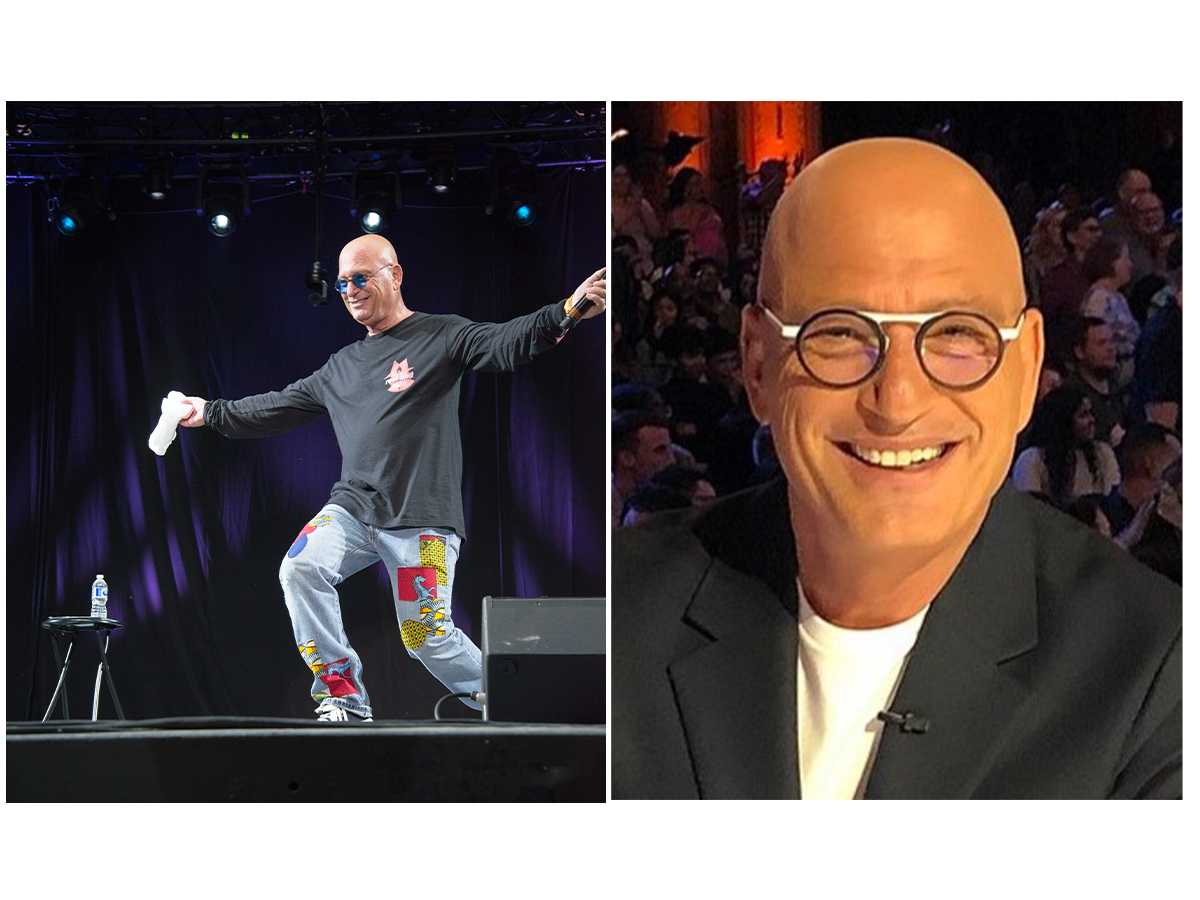
Photo credit: RoweCo/ Wikimedia Commons and TYMA4561/ Wikimedia Commons (Cropped) – (LEFT) Howie Mandel on stage and (RIGHT) on the set of America's Got Talent
Before becoming a well-known spokesperson for OCD, Howie Mandel unexpectedly revealed his diagnosis during a live broadcast. After spending much of his life hiding his condition from the public, he later reflected on that moment in an episode of The Assembly on the CBC, the Canadian Broadcasting Corporation.
The show has autistic and neurodivergent people asking celebrities honest and unfiltered questions. It provided the perfect setting for Mandel to talk about his experience. In an Instagram post, he explains the accidental nature of the revelation that later sparked such a positive response from the public.
During an interview on The Howard Stern Show back in 1998, Mandel, thinking he was on a commercial break, attempted to exit the room. Thoughts of the doorknob being covered in germs triggered his OCD. He needed help to leave, but was also attempting to hide his condition. This is what Mandel had to say about it:
“I had been diagnosed with OCD and didn’t want to tell anybody for fear of how people would react… I thought it would embarrass my family, my kids. People wouldn’t give me work anymore. I would be bullied.”
Feeling uncomfortable about touching the doorknob, he asked for a tissue and the resulting exchange led to the unforeseen reveal.
“I said, you know, Howard, I’ve been diagnosed with obsessive compulsive disorder, and if you don’t open the door and let me out, I can’t breathe. You’re going to have to call 911. This is legitimate and I take, I take medication.”
They let him out of the studio, but Mandel soon realized the show wasn’t on commercial. The whole exchange had been broadcast live. Mandel continued, “I went out in the hall, and I can hear the broadcast. And I thought we were in a commercial. And I didn’t realize that I just broadcast that whole thing publicly. And I was so embarrassed, devastated…”
Mandel wandered onto the street to collect his thoughts. “I was so afraid of what was going to happen next,” said Mandel. He was then approached by a person who had just heard the broadcast and asked if he was Howie Mandel. “I thought, oh my God. And my heart just sunk.”
But the response was not what Mandel expected. The man thanked him for sharing about OCD. Mandel claims the man said, “Me too… I have obsessive, thank you for talking about it.”
Mandel was completely surprised by the exchange. He found unexpected comfort in being understood, saying, “It was the first time I ever heard somebody else. It was the first connection that made me feel a little bit better.”
Afterward, the response and feedback Mandel received were highly positive. It changed how he viewed talking about his mental health, sharing, “I got flooded with a ton of mail of people who said that they felt more comfortable that I mentioned it, and that’s when I decided to be open about it. And, my mission is to remove the stigma from anything that feels different.”
According to a 2025 study in the National Library of Medicine, obsessive-compulsive disorder is a common mental illness. People get obsessions and feel driven toward repetitive behaviors or mental acts called compulsions. Not acting out on these feelings and thoughts builds anxiety. A painful loop results where compulsion leads to actions of temporary relief and makes life extremely challenging. For treatment, there are prescription drugs like SSRIs, therapy, or a combination of the two.
People really appreciate and connect with Mandel’s honesty
Despite his original attempts to hide his own OCD, he now openly shares about it. The public has been genuinely warm and receptive to Mandel on this topic. These were some of the comments on the Instagram post:
“Even with how bad the story started… the fact you touched someone within minutes and he helped you in YOUR time of need, truly was a miracle.”
“Thank you for sharing your story and helping to break the stigma.”
“He was the first celebrity that I knew had OCD because everyone was talking about it! I hate that this is how it happened though”
“Howard stern is very open about his own ocd too. It’s really refreshing to hear celebrities open up about ocd and break the stereotypes”
“Goes to show that EVEN CELEBRITIES can’t get accommodations when asked. Disabled ppl & people w conditions should not have to explain themselves or divulge personal medical information in order to get accommodations.”
“Yeah I remember this Howie, I’m happy that you did on accident. I think that it’s helped you a lot of personal growth and achievement as well as showing others help as possible.”
Mandel began his public OCD journey by hiding it, but since it’s been public knowledge, he’s been giving back. Mandel has repeatedly talked about his own struggles with OCD and anxiety through interviews. By publicly addressing how OCD affects his life, he helps others better understand the condition. He suggests healthy strategies for managing symptoms while offering real-world examples for people who also might be struggling.
He also helped launch campaigns like #KnowOCD that educate the public on OCD. Partnering with NOCD, they’ve helped link people in need with insurance providers, specialized therapists, effective solutions, and treatment.
It started with an accidental disclosure that scared Mandel into believing his career was over. Today, choosing vulnerability and speaking openly has become a mission. Normalizing mental illness and talking about his OCD educates others and helps people feel less alone.
As we age, it’s often in reflecting that we get to see where we might have been able to make better choices. Some find it easy to move on, while others can get lost in ruminating on defeatist thoughts. Learning how to handle regret is an excellent skill. Having an opportunity to limit the things that bring up those feelings of regret might actually be even more important.
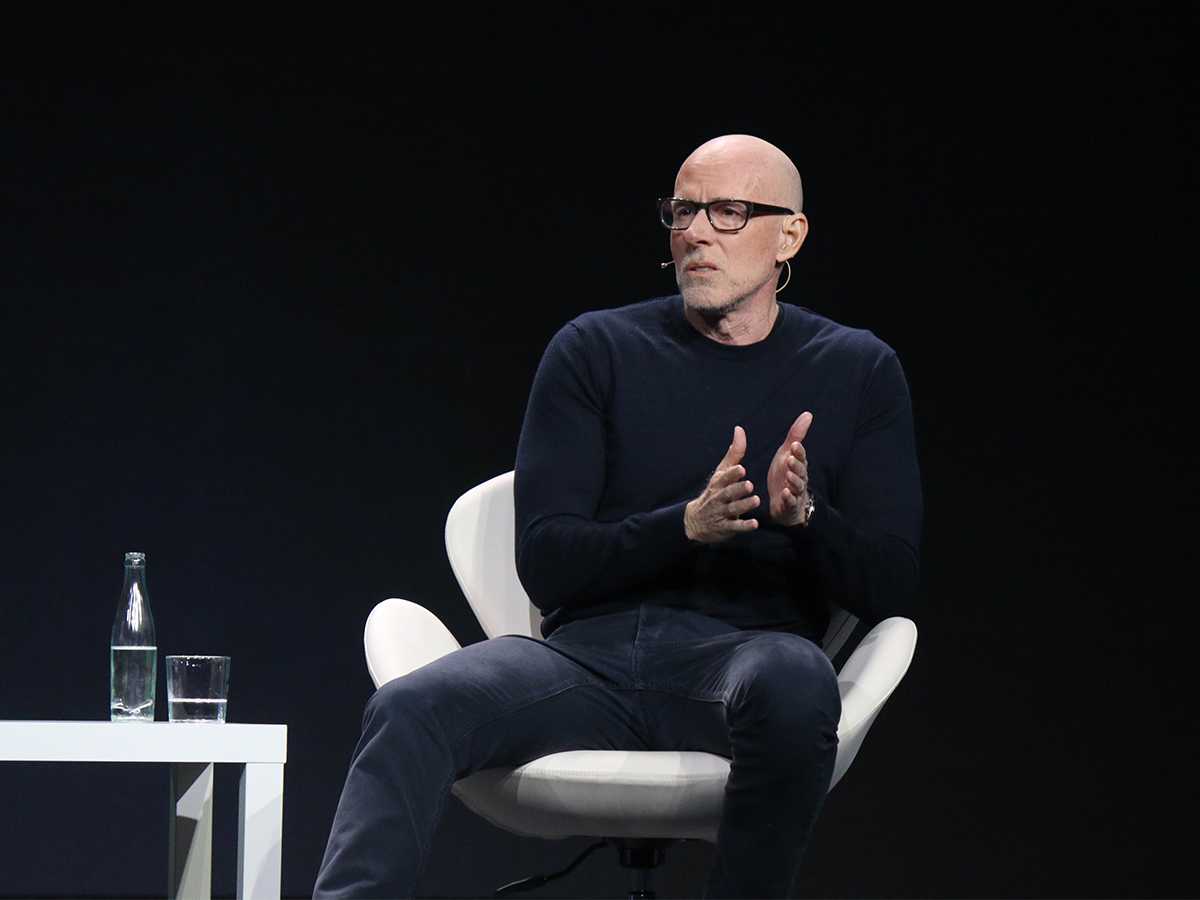
Scott Galloway, a NYU professor, entrepreneur, and media personality, shared on a recent podcast about aging and navigating regret. He offers candid reflection on his own experience with aging and the #1 most common regret people have.
NYU Professor Scott Galloway reflects on aging and regret
During a recent podcast, Galloway discussed aging and the regrets people tend to have as they get older. When asked about being 60 years old, he responded, “It’s sort of unbelievable.” Galloway continues,” There’s just no faking it when you’re 60. There’s just no getting around it. You’re on the back nine.”
Some people might find this statement very negative and self-defeating. But Galloway seems to be approaching the subject by accepting the circumstances and making the best of the situation. Then, when he’s asked about what younger people should be aware of when thinking about aging and the future, he talks about regrets.
“There’s research on this, on people’s regrets. The number one regret, and the piece of advice I would have for young people, is that they wish they’d been less hard on themselves. They wish they’d forgiven themselves and allowed themselves to be happy,” says Galloway.
“And I think a lot of that comes down to… A lot of your success and your failures are not your fault. A lot of that it’s just luck.” Galloway continues, “People regret in looking back on their life, it’s not a bad thing that happened to them. But how upset they were about that bad thing. And they look back and think, ‘You know. That wasn’t that big a deal in retrospect. What was a big deal is how hard I was on myself.’ So it all comes down to one of my favorite sayings, ‘Nothing is ever as good or as bad as it seems.’”
When looking through the comments, many seemed more focused on Galloway’s thoughts on aging. But many were able to appreciate the honesty and solid advice on avoiding future regret:
“This is such good advice re: don’t be so hard on yourself that you regret how long you wallowed in the bad thing that you didn’t live or enjoy life!”
“He is so right. Very wise words.”
“I think it’s all about having purpose in one’s life.”
“59, living my best life everyday. My advice is Move everyday and practice mindfulness.”
“Are we not gonna talk about the bicep vein on Professor Galloway? You can tell he’s crushing it in the weight room despite his age.”
“find your happiness 60 s can be the best years of your life”
“With age comes liberation from social hang ups and that’s priceless.”
“That’s the thing, younger ppl freak out at turning 40 but older ppl always talk about that being their peak.”
Gallaway is suggesting a better way to avoid future regret: be kinder to yourself. This point is made clearer by the unfortunate struggle many people face when navigating their past regrets.
A 2024 review in Frontiers found that individuals suffering regret have decreased life satisfaction, more depression, and lower well-being. A 2022 study in Groningen Research uncovered that people’s self-regulatory abilities, like emotion control and self-discipline, greatly influence the frequency of experienced regret.
Some good news was offered by a 2025 study in the National Library of Medicine. It reported that most people learn to handle regrets better as they age. There is less regret and more self-acceptance over time as people learn to better narrate their own life stories.
Beyond regret, Galloway’s broader message encourages vulnerability and accepting our humanity. A mindset that treats regret not as a burden, but as information to be acknowledged and learned from. He suggests that being gentler and kinder to ourselves is a valuable solution for young people. This skill set can make the challenges of aging easier to handle.
Watch this helpful 3-step video for navigating regret from Therapy in a Nutshell below
















.jpg)
.jpg)
