


Byron Geldard was just 18 years old when he began experiencing a persistent, sharp pain in his side. Like many active teenagers, he initially brushed it off as a minor injury from his time at the gym. However, when the pain refused to subside, he sought medical advice, beginning a journey that would eventually go viral for its highly unusual diagnostic method.
“Because I was going to the gym, it was just put down to muscle pain,” Geldard recalled. Unfortunately, the reality was far more serious. Initial scans revealed a tumor was growing inside his body and had already begun spreading to his lungs. “I was told that it was cancer, but they weren’t sure what type,” he remarked.
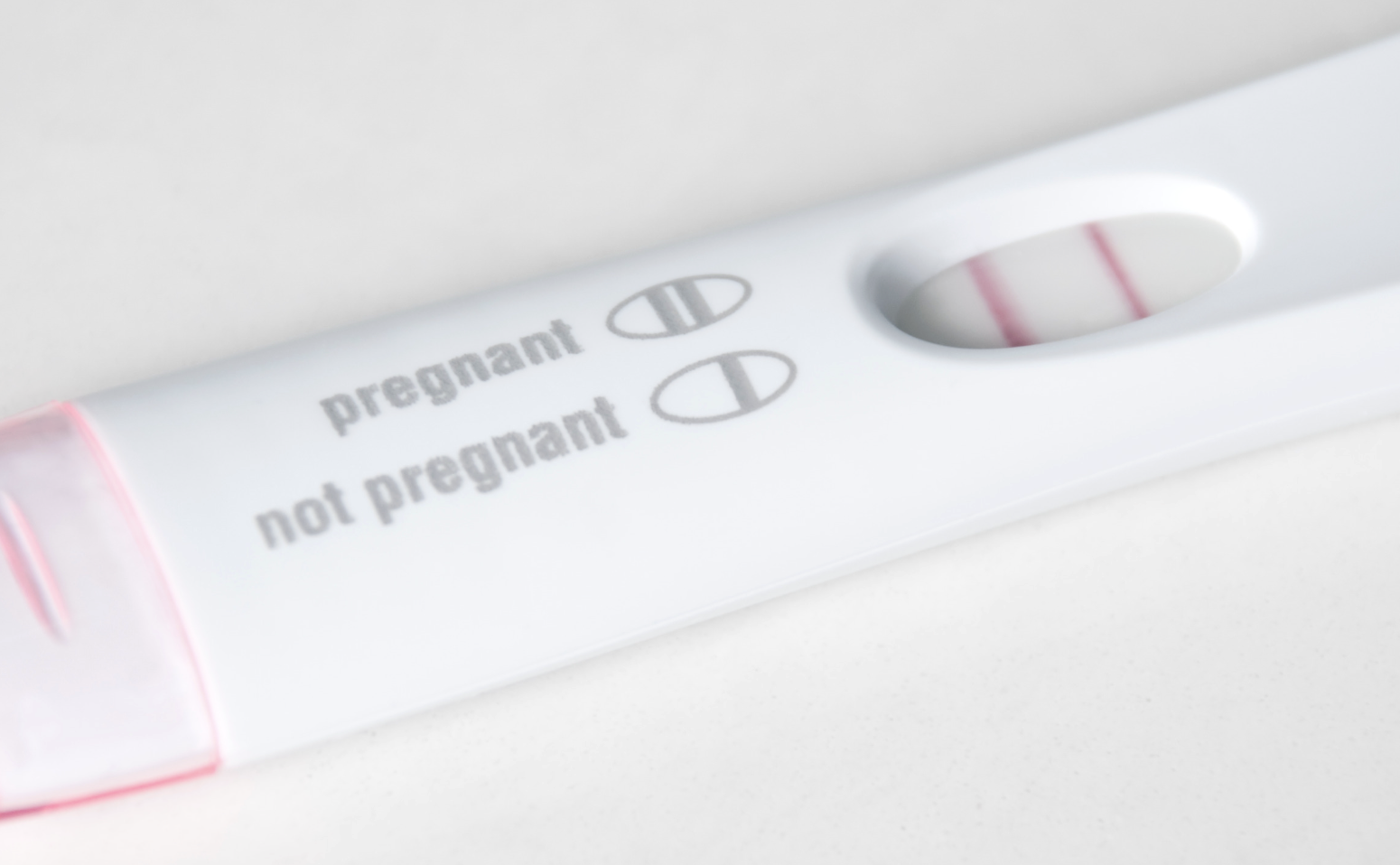
Geldard was referred to the Teenage Cancer Trust unit in Cambridge, UK. It was there that specialists suggested something that seemed entirely out of place for a teenage boy. They asked him to provide a sample for a standard pregnancy test. According to reports from The Telegraph and The Daily Mail, this specific test was the key to identifying his exact condition.
The Science of the “Pregnancy Hormone” in Men
The request might have seemed like a mistake, but there was a significant medical reason behind it. Pregnancy tests are designed to detect a hormone called beta human chorionic gonadotropin (hCG), which is produced by the developing placenta in pregnant women. However, this same hormone is also a marker for certain types of cancer.
Dr. Danish Mazhar, a Consultant Medical Oncologist at Cambridge University Hospitals, explained the connection. “The pregnancy hormone (HCG) is often (but not always) produced by testicular tumors,” he said. He further noted that the test is a valuable tool for both diagnosis and the ongoing monitoring of the disease.
Dr. Phillip Ho from Kelsey Seybold Clinic also spoke to KPRC about the phenomenon, noting that a positive pregnancy test for a man can be a clear “sign of cancer.” In cases where the disease has spread, the levels of hCG in the system can be exceptionally high.
A Surreal Road to Recovery
Geldard agreed to the test, and the results were immediate. “There I was with a positive pregnancy test and something growing inside of me. I thought I was going to end up in a documentary,” he remarked. The positive result confirmed he was battling stage 4 testicular cancer.
The subsequent treatment involved rigorous chemotherapy, during which Geldard found himself in several situations usually associated with maternity wards. “Throughout my cycles of chemo, the hospital would monitor the ‘pregnancy hormone’ through blood tests,” he noted. He even recalled a strange moment before a procedure: “When I was about to go into surgery, I had to have an epidural like a pregnant woman; it was all very weird.”
The experience was difficult to process in the moment. “It’s really hard to describe how it felt, you don’t come to terms with what’s going on, you just go along with it. It took me a while to realize what was happening to me,” he mentioned.
A few months after his diagnosis, Geldard was declared cancer-free. He has since dedicated his time to serving as an ambassador for The Teenage Cancer Trust, helping to raise awareness about the disease. While using pregnancy tests to diagnose testicular cancer has been a clinical practice for several years, it remains a relatively unknown fact to the general public. A spokesperson for the trust noted that the method is used for patients of all ages, though the results are always analyzed alongside professional scans and blood work.
This article originally appeared last year.