


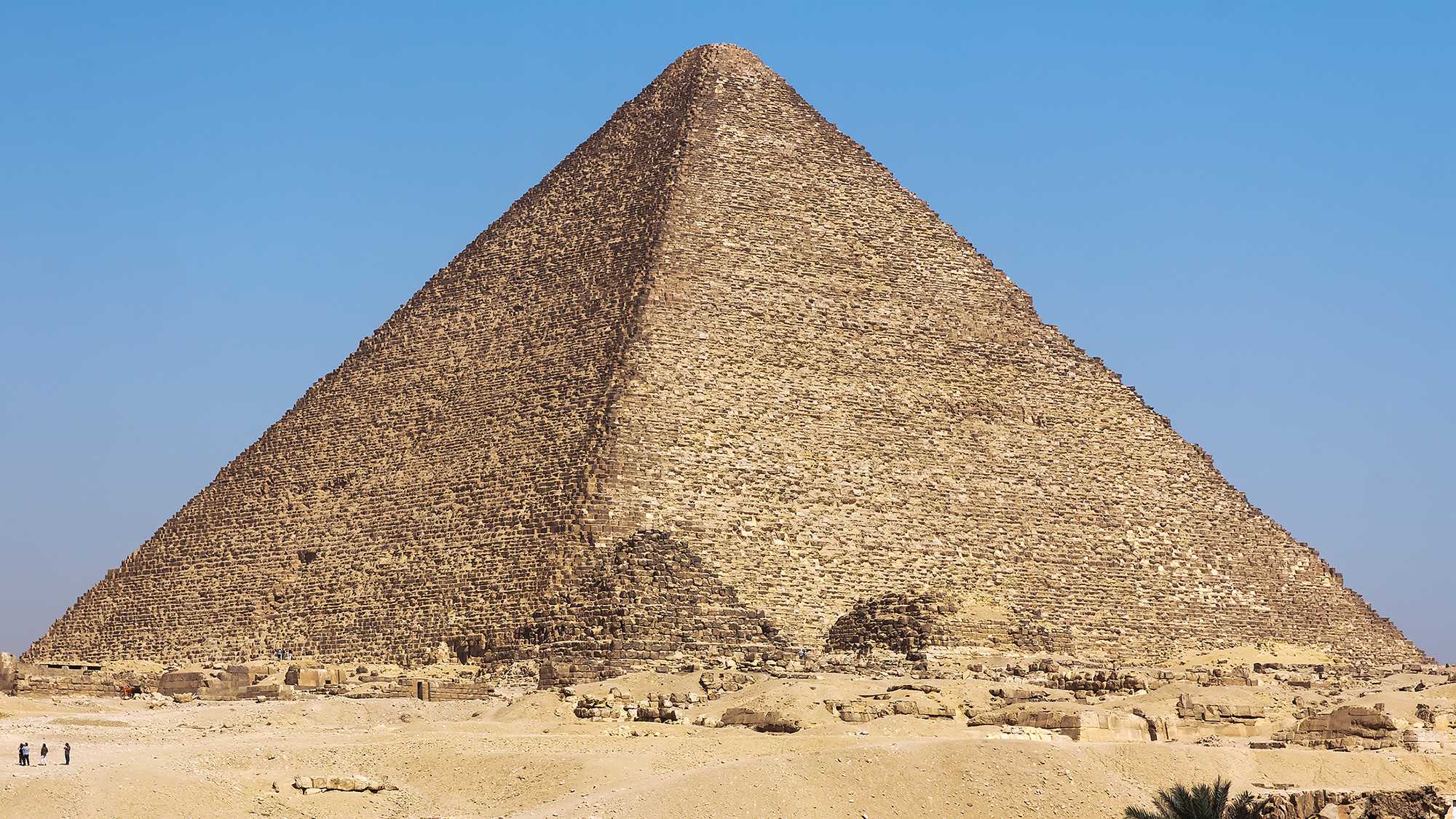
For centuries, the Great Pyramid of Giza has guarded its secrets with stony silence. While the exterior is iconic, the interior remains largely a void.
In fact, throughout history, only three man-made objects have ever been recovered from inside the chambers of the ancient wonder.
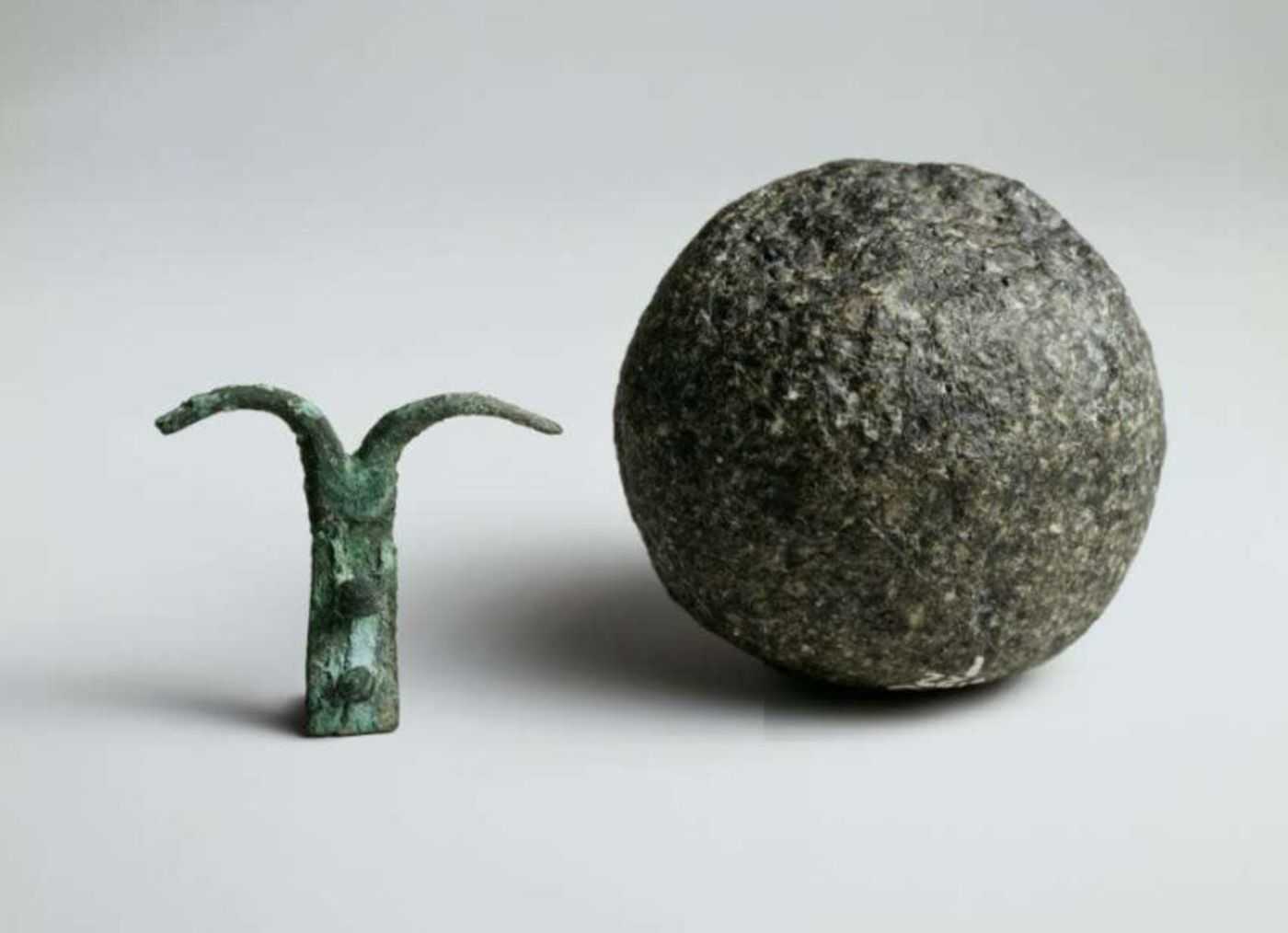
Known as the “Dixon Relics,” these three items—a copper hook, a granite ball, and a fragment of cedar wood—were discovered in 1872 by explorer Waynman Dixon. He found them deep inside the air shafts of the Queen’s Chamber.
For decades, the items fueled speculation. Was the copper hook a tool left by a builder? Was the granite ball a primitive hammer? Some historians theorized the hook was part of a “pesh-kap” ritual, used to open the mouth of the deceased pharaoh to allow them to eat and drink in the afterlife.
But the mystery deepened when the trio of artifacts was separated. The hook and ball eventually found a home at the British Museum, but the piece of cedar wood—potentially the most valuable for carbon dating—vanished.
It remained lost for more than 70 years, until a chance discovery in 2019 at the University of Aberdeen in Scotland.
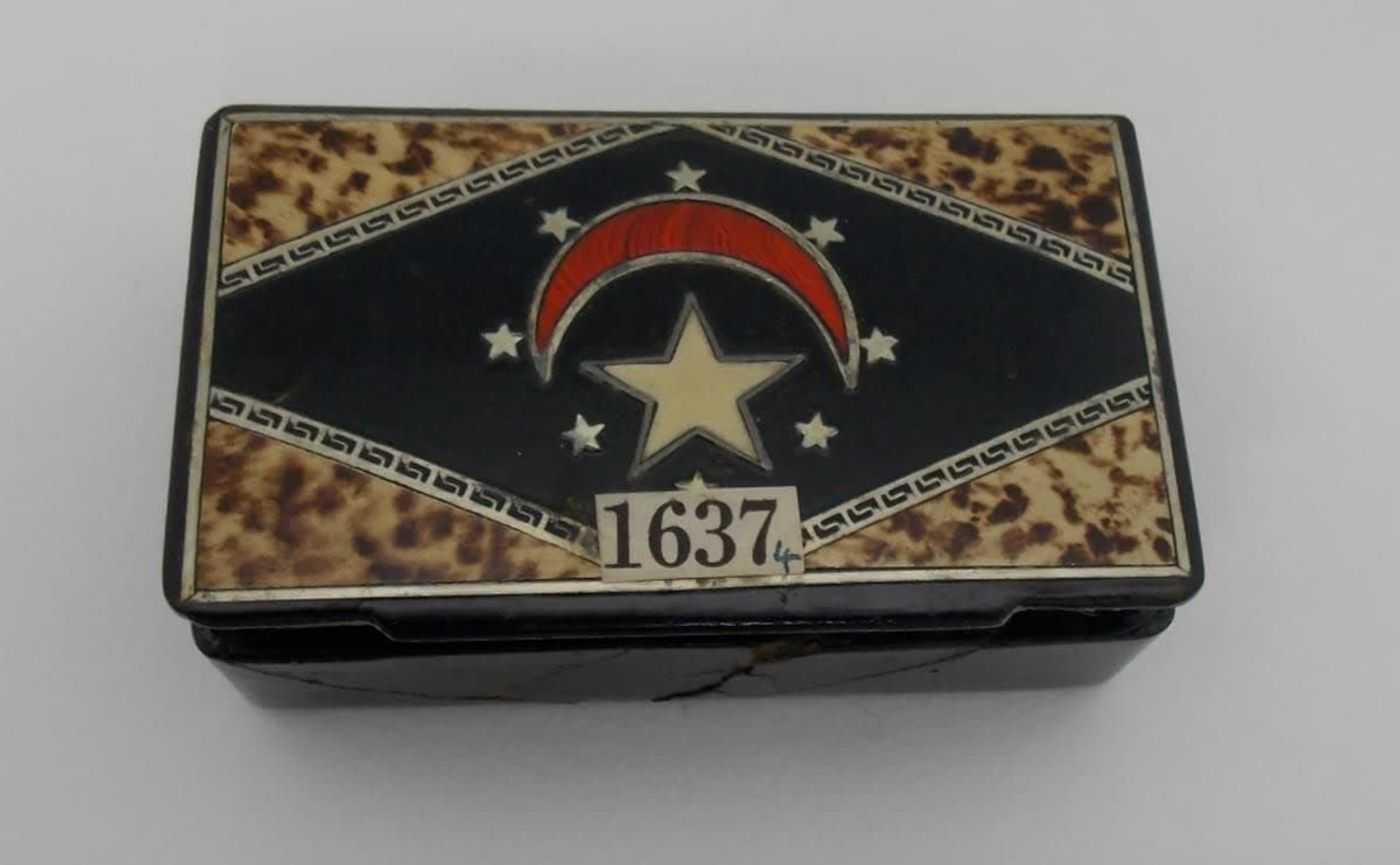
Abeer Eladany, a curatorial assistant originally from Egypt, was conducting a review of the university’s Asia collection. While sorting through items, she spotted a small cigar box bearing a flag that looked familiar. It was the old Egyptian flag.
Inside the unassuming tin, she found the missing wooden splinters.

Eladany, who had previously worked at the Egyptian Museum in Cairo, realized she had stumbled upon a lost piece of history. She cross-referenced the records and confirmed the match.
“Once I looked into the numbers in our Egypt records, I instantly knew what it was, and that it had effectively been hidden in plain sight in the wrong collection,” Eladany said in a press release from the university. “I’m an archaeologist and have worked on digs in Egypt but I never imagined it would be here in north-east Scotland that I’d find something so important to the heritage of my own country.”
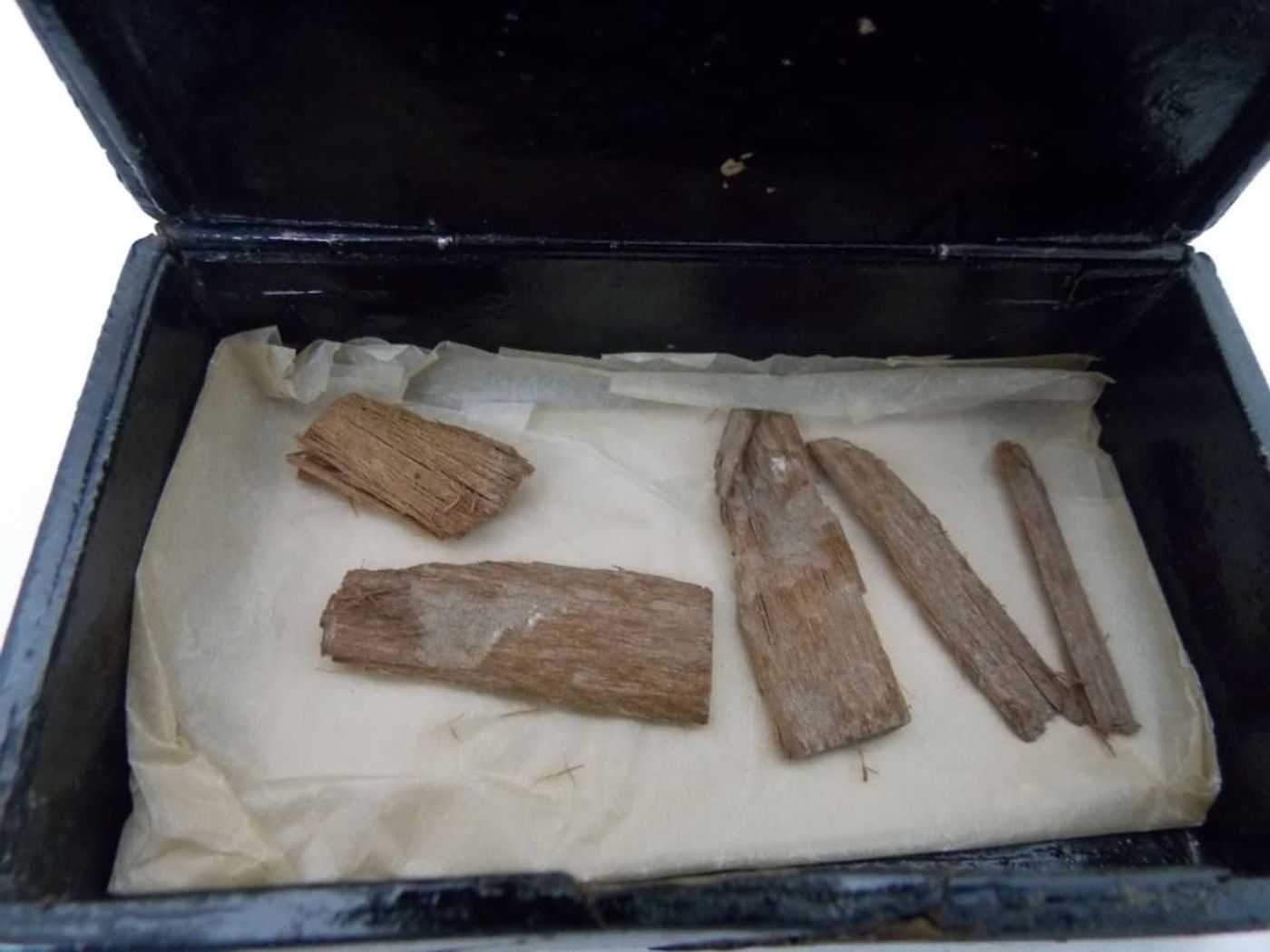
The discovery was “hugely significant,” she noted, given the wood’s provenance. “The University’s collections are vast – running to hundreds of thousands of items – so looking for it has been like finding a needle in a haystack. I couldn’t believe it when I realized what was inside this innocuous-looking cigar tin.”
But the wood had one more secret to reveal. According to CNN, subsequent radiocarbon dating placed the wood between 3341 and 3094 B.C.
This was a shock to historians, as it predates the reign of Pharaoh Khufu (the builder of the pyramid) by about 500 years.
Neil Curtis, head of museums and special collections at the university, offered an explanation for the discrepancy. “It is even older than we had imagined. This may be because the date relates to the age of the wood, maybe from the center of a long-lived tree,” he said. “Alternatively, it could be because of the rarity of trees in ancient Egypt, which meant that wood was scarce, treasured, and recycled or cared for over many years.”
This article originally appeared last year.