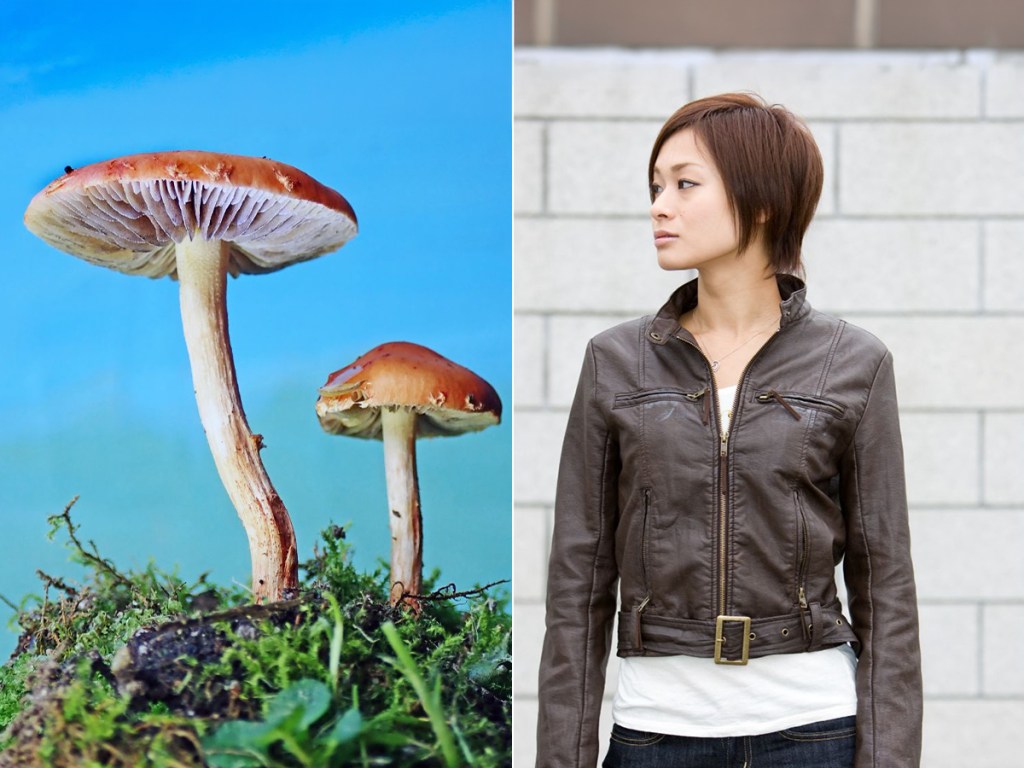
Austria’s scientists have created a leather made from mycelium. Growing mushrooms in low-oxygen chambers allows researchers to craft an alternative material that feels and looks like traditional leather. The finished textile is strong, flexible, and even fire-resistant.
Manufacturers grow the material instead of harvesting it from animals. After it reaches the desired thickness, they apply non-toxic enzymes to keep it fully biodegradable. The vegetative part of the fungus grows into a dense mat over a matter of days. Above all, it avoids the environmental impact of traditional leather production.
Alternative leather made from mushrooms
This is not science fiction; fungal fabric has grown from a curiosity into reality. A 2025 report listed the benefits of mushroom leather as having a lower carbon footprint. It begins with a substantial reduction in water use. Growing mushrooms, compared to raising cattle, requires a fraction of the water.
Secondly, the product breaks down naturally without microplastic contamination. Using enzymes that cross-link the fibers results in a material free of blended toxic materials.
Moreover, by creating the right environment—a low-oxygen chamber with a nutrient-rich substrate—the mushroom mat can be grown in a matter of days.
Lastly, mushroom leather is naturally fire-resistant. There’s no need for harmful chemicals to treat the textile. In addition, clean up requires mild soap and lukewarm water.
A 2026 study in ScienceDirect confirmed the fungal mycelium as an eco-friendly alternative to traditional and synthetic leathers. It demonstrates structural integrity and favorable thermal stability.

Photo credit: ThamaraGroenleer/ Wikimedia Commons
Is the public ready for vegan leather?
People have conflicting thoughts, as seen in the comments on the Instagram post. Some individuals are excited and encouraged by the possibilities. Others, however, are less impressed:
“I’m ready for it. How do we buy it?”
“Make it affordable and common!”
“As long as the final product keeps being painted and coated with chemicals, the purpose of the product is merely green washing.”
“bio degradable? sorry your shoes were eaten by mold after the rain.”
“Where we can buy this leather?”
“Unless we’re talking about aprons/gloves for welders or blacksmiths (which is a fairly niche market), flammability isn’t something most people that wear leather are concerned about.”
Photo credit: Canva
Fashion looks for sustainable, yet affordable materials
Fashion leaders are looking to incorporate more sustainable fabrics into their creations. A 2025 post on Open Forem explored material choices for leading industry fashion designers in 2025. For example, more familiar textiles like polyester, organic cotton, and wool made their traditional rounds. But there was an effort to use plant-based leathers, too.
Mushroom mycelium leather was a hot choice for its low environmental impact, its short creation time, and its customizable texture and thickness.
Other exotic materials included banana fibers, seaweed-based fabrics, and Piñatex, a natural, low-impact textile made from pineapple leaf fibre. Designers fashion the plant-based material into vegan handbags, shoes, and wallets.
A 2026 article in Vogue revealed that Gucci seeks more sustainable ways to produce leather products. The luxury brand began a campaign for vegan alternative leather back in 2021.
Despite commercial adoption remaining somewhat limited, mushroom leather continues to attract attention for its eco-friendly production and versatility. Grown on agricultural waste while remaining fully biodegradable are cornerstones of this remarkable material.
You can watch this TED Talk on fashion made from mushrooms: