For decades, the “UFO” conversation was mostly confined to late-night radio shows and the darker corners of the internet. If you talked about glowing orbs or metallic discs, people generally assumed you were either selling something or had spent a little too much time staring at the desert sun.

But the tin-foil hat era is officially over.

Today, the conversation has shifted from “Do you believe?” to “Look at the receipts.” We’ve entered a phase where the evidence—captured by high-fidelity military sensors and witnessed by thousands of credible professionals—is so massive that even the most bureaucratic government agencies have stopped trying to argue with it. This isn’t just about lights in the sky; it’s about a cumulative evidentiary weight that has reached a breaking point.

From Victorian airships to modern thermal imaging, here are the events that were so well-documented that they forced the world’s institutions to acknowledge a reality they couldn’t explain.

1. The Great Airship Wave of 1897: 100,000 Witnesses Before the Wright Brothers
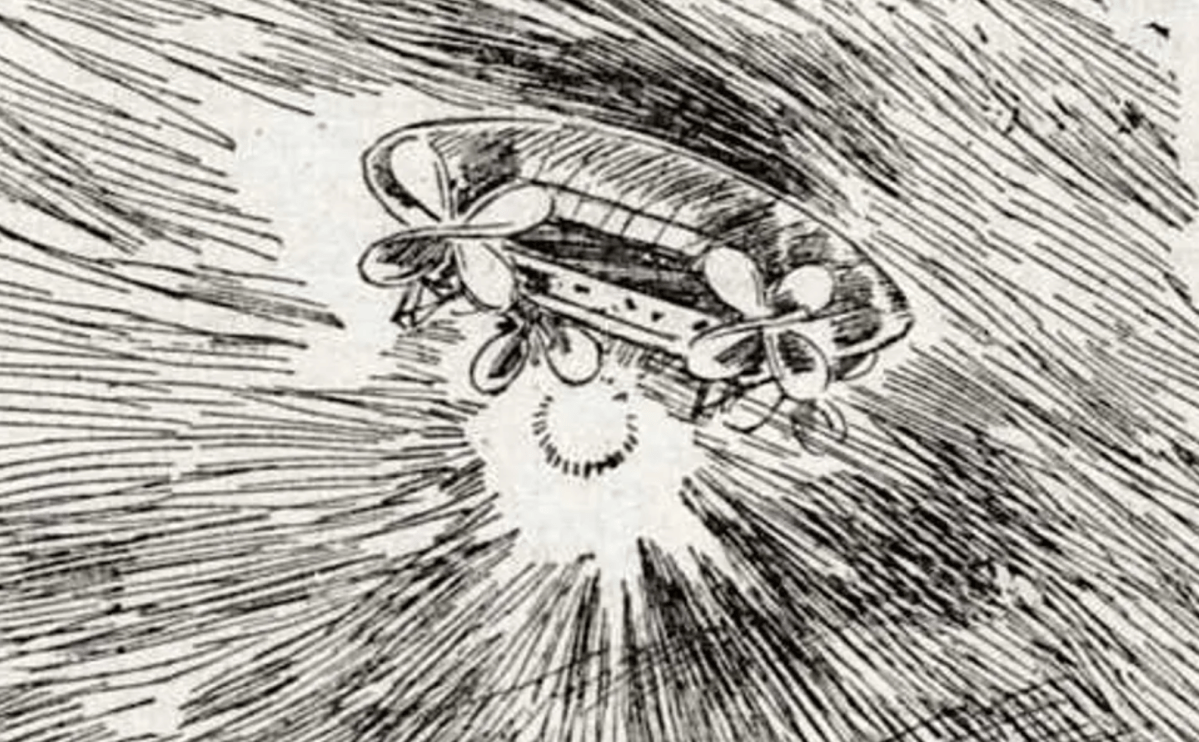
Mystery airship illustrated in the San Francisco Call, November 22, 1896 San Francisco Callu00a0via Wikimedia Commons

Long before the Cold War, the United States experienced a massive, multi-state wave of sightings that defied every aeronautical capability of the time. Between 1896 and 1897, thousands of people across the country reported seeing large, metallic, cigar-shaped craft equipped with powerful electric searchlights.

The sheer scale of this was mind-boggling. In Harrison, Nebraska, a huge airship was witnessed for over 30 minutes by a collective of jurors, judges, and lawyers who had gathered outside a local courthouse. These were people whose professional lives depended on the sober assessment of evidence. Historians estimate the total number of witnesses during this wave exceeded 100,000.

As one Nebraska newspaper noted at the time, the craft could circle, make sharp turns, and fly directly into the wind—maneuvers that the hot-air balloons of 1897 simply couldn’t achieve. It was a Victorian paradigm shift that the government of the day didn’t even have the vocabulary to debunk.

2. The WWII “Foo Fighters”: Combat Pilots “Scared Shitless”
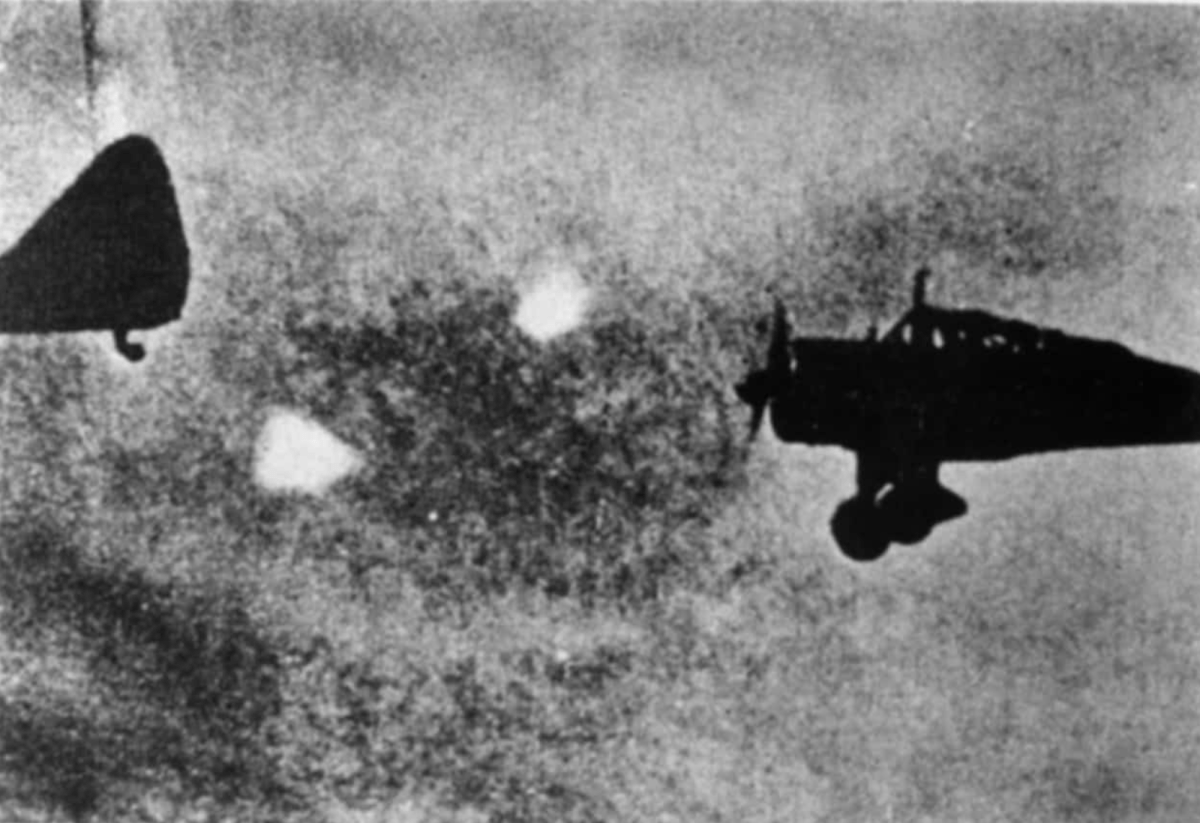
Foo Fighter during WWII over Germany in 1944 Photo byu00a0US Air Force viau00a0Wikimedia Commons

During the closing years of World War II, elite Allied and Axis pilots encountered something that remains unexplained in military archives. Known as “foo fighters,” these glowing orbs would fly in formation with military aircraft, performing maneuvers that outclassed the highest-performance jets of the era.

The U.S. 415th Night Fighter Squadron was one of the first to document these in November 1944. Lieutenant Donald J. Meiers and his crew observed “eight to ten bright orange lights” that paced their aircraft but were completely invisible to radar. Intelligence officer Richard Ziebart later noted that “the pilots were very professional… but they found the sightings unnerving.” In fact, one pilot described the experience more bluntly as being “scared shitless”.

And yes, this is also where the band got its name.

3. The Jacques Vallée “Orbital Erasure” of 1961

As the space race accelerated, the surveillance of Earth’s orbit became a matter of national security. In May 1961, Jacques Vallée, a professional astronomer working for the French Space Committee, tracked an unknown object in a retrograde orbit—meaning it was circling the Earth in the opposite direction of the planet’s rotation.

In 1961, no nation on Earth possessed the rocket power to launch a satellite into such an orbit. It was a technical impossibility. But instead of a scientific breakthrough, Vallée witnessed a bureaucratic cover-up. The next morning, his superior confiscated and destroyed the tracking tapes. Why? Because the institution was terrified of the headline: “Paris Observatory tracking something it cannot identify” .

4. The Westall Incident (1966): A Schoolyard Invasion

On April 6, 1966, over 200 students and teachers at in Melbourne, Australia, watched a silver-grey, metallic disc hover over their school before descending into a nearby field.

Witnesses like Terry Peck reported being close enough to feel heat and hear a “buzzing sound”. When the object finally sped away, it left a “huge ring” of scorched or flattened grass in the paddock. The response was immediate: “men in dark suits” arrived and warned the children never to speak of it. Today, the site isn’t a secret—it’s a community park featuring a UFO-themed playground to commemorate the day the sky opened up.

5. The Shag Harbour Crash (1967): “Something Concrete”

In October 1967, the Canadian government abandoned the “hoax” hypothesis almost immediately after at least eleven people saw a large object with four orange lights dive into the waters off Shag Harbour, Nova Scotia, a small fishing village on the Atlantic coast, on 4 October 1967.

The Royal Canadian Mounted Police (RCMP) arrived to see a “yellow light slowly moving on the water, leaving a yellowish foam in its wake”. The incident was so significant that the Canadian military formally used the term “Unidentified Flying Object” in priority telexes to headquarters. As Squadron Leader Bain, head of the Air Force’s “Air Desk,” put it, this was one of the few reports where the military might get “something concrete on it” .

6. The Tehran Jet Interception (1976): Electronic Warfare

The 1976 Tehran UFO incident is the gold standard for UAP evidence involving electronic interference. When an Iranian F-4 Phantom jet attempted to intercept a brilliant, diamond-shaped craft, the jet’s weapons and communications systems simultaneously failed.

The U.S. Defense Intelligence Agency (DIA) classified this as a “classic case” of superior technology neutralizing military assets. The DIA’s report noted that as soon as the pilot turned away and was no longer a threat, the aircraft “regained all instrumentation and communications”.

7. Brazil’s “Official Night of the UFOs” (1986)

On May 19, 1986, 21 unidentified objects invaded Brazilian airspace, tracked by both radar and hundreds of witnesses. The event was so public that the Minister of Aeronautics held a live press conference to admit the military was stumped.

Minister Octávio Júlio Moreira Lima declared: “Technically, I’d tell you gentlemen that we have no explanation”. The official declassified report concluded the phenomena were “solid and reflect, in a certain way, intelligence” due to their ability to maintain formation and distance from the intercepting jets.

8. The Aguadilla Thermal Video (2013)

In the digital age, we have more than just stories—we have metadata. In 2013, a U.S. Customs and Border Protection aircraft captured three minutes of thermal footage of an object moving at 100 mph over Puerto Rico.

The object demonstrated what experts call “transmedium travel“: it entered the ocean without slowing down and, while underwater, appeared to split into two separate objects before re-emerging. While some agencies have tried to hand-wave this as “sky lanterns,” scientific analysts point out that lanterns don’t fly 100 mph against the wind or split in two underwater .

The Takeaway: The “Five Observables”

So, why are experts finally taking this seriously? Former Pentagon official Luis Elizondo points to what he calls the “Five Observables”—characteristics that set these craft apart from any human technology :

  1. Anti-Gravity: Flight without wings, rotors, or visible exhaust.
  2. Sudden Acceleration: Moving from a standstill to hypersonic speeds instantly.
  3. Hypersonic Velocity: Speeds over Mach 5 without a sonic boom.
  4. Low Observability: The ability to become “invisible” to radar or sight.
  5. Transmedium Travel: Moving seamlessly between space, air, and water .

As General Marco Aurélio Rosa of Brazil once remarked, “The science of man is very small to be able to explain all phenomena” . We might not have all the answers yet, but the days of dismissing these events as mass hallucinations are over. The evidence is no longer a matter of belief—it’s a matter of record. I guess it’s time we all started paying a little more attention to the sky.


  • These seven simple phrases could be the secret to deepening trust and romance in your relationship
    A happy couple enjoys coffee togetherPhoto credit: Canva
    , , ,

    These seven simple phrases could be the secret to deepening trust and romance in your relationship

    If you want a more secure relationship a Harvard expert recommends using these seven phrases.

    Maintaining a deep sense of connection and trust in a long term relationship is often easier said than done. Even for couples who have been together for years, the daily grind can sometimes dull the spark of romance. However, Dr. Cortney Warren, a psychologist trained at Harvard Medical School, has identified a specific set of verbal habits that distinguish highly successful, trusting couples from those who struggle.

    Dr. Warren recently shared seven phrases that secure partners use every day to reinforce their commitment. These small shifts in language are designed to foster vulnerability, safety, and a sense of shared purpose.

    The first few phrases focus on the core of any partnership: the belief that your partner is on your side.

    @drcortneywarren

    Feeling that twinge of jealousy or insecurity in your relationship? It happens to all of us, but how you respond can make all the difference. Instead of immediately reacting, try this: pause and ask yourself: What does my reaction to this situation say about me? Is it about fear of being unloved? A belief that you’re “not enough”? Often, our strongest emotional reactions are more about our own insecurities than about our partner’s actions. Taking the time to reflect on your triggers, where they come from, and how you can strengthen your self-esteem can help you communicate with your partner in a healthier, more productive way. This clip is from my recent conversation with Shanenn Bryant on the Top Self Podcast. #SelfAwareness #EmotionalIntelligence #HealthyRelationships #JealousyTriggers #TopSelfPodcast #RelationshipAdvice

    ♬ original sound – DrCortneyWarren – DrCortneyWarren

    1. “I trust you.”

    Simple, to the point, and clear. This communicates that you know your partner and that you believe they have your best interest in heart, even if you get into an argument. It also allows them to feel safe making some decisions on both of your behalf.

    2. “You see me as I am.”

    This not only tells your partner that they know all there is to know about you without fear of hiding parts of yourself, but that you’re comfortable being vulnerable should a difficult subject come up. It communicates that you trust your partner will respond with compassion, not judgment, while implying that they can trust you to do the same in return.

    Dr. Cortney Warren, relationship advice, Harvard psychologist, building trust, healthy communication, romance tips, non-verbal cues, marriage success, intimacy, partnership
    A couple on a romantic date. Credit: Canva

    3. “We’ll get through this.”

    Arguments, fights, and conflicts happen in even the most solid relationships. However, saying this phrase reinforces that while things still need to be sorted out, there is no intention of breaking the relationship over the disagreement. It allows more open communication and reiterates that it is you and your partner against the problem, not each other.

    4. “Go have fun with your friends/Thanks for giving me space!”

    If your relationship is solid, time apart shouldn’t be a threat. Alone time is natural and, frankly, healthy. Respecting your partner’s independence in turn respects yours.

    Dr. Cortney Warren, relationship advice, Harvard psychologist, building trust, healthy communication, romance tips, non-verbal cues, marriage success, intimacy, partnership. Credit: Youtube

    5. “I miss you.”

    As a counterbalance to the previous phrase, “I miss you” isn’t an indicator of being too clingy unless you’re not offering your partner the trust to have space. It’s just a nice way of saying that you look forward to being together and builds upon that when you reunite, whether it’s after a long business trip or later in the evening after work.

    6. “Let’s make a plan!”

    A growing relationship means mutually planning and investing in each other’s futures to further turn “your plans” and “my plans” into “our plans.” This phrase relays to your partner that you want them around for the long haul.

    7. “Can we talk?”

    Communication issues are one of the primary reasons relationships fail. Asking this simple and direct question accompanied with the previous phrases as foundations in your relationship will allow trust for you to ask and be asked when something troubling occurs with either of you.

    While verbal communication is important in sustaining relationships, it’s good to incorporate non-verbal gestures of support, love, and trust, too.

    Now, pairing these loving wordless gestures that expertscounselors, and psychologists recommend with the previous seven phrases could help your relationship develop deeper connection and trust.

    1. Eye contact

    Seeing eye-to-eye literally helps you both see eye-to-eye better when discussing a difficult topic or when you want to express loving attention to your partner.

    2. Smile

    Smiling is a nonverbal cue to reiterate that your partner’s presence is welcomed and safe. It also reminds your partner that you’re both okay, too.

    3. Supportive touch

    Caressing a shoulder, a peck on the forehead, holding hands, or a tight hug—any of these and all of these are ways to provide comfort and reassurance along with your words. It could also be a way to indicate your interest in further intimacy.

    4. Mirroring

    Matching your partner’s posture and pose helps foster connection while also indicating you’re absorbing what they’re verbally communicating to you. So, when you adjust your posture to meet theirs when they’re discussing something important to them, they’ll know you think it’s important, too. On the other end, if you match their relaxed pose, they’ll in turn feel more relaxed, too.

    5. Enjoy quiet time together

    Being able to enjoy the silence in the same room bolsters feelings of safety and comfort. It shows that you and your partner don’t feel panicked or stressed about the other feeling bored, awkward, and you don’t cary the pressure of needing to be entertained/entertaining. Shared silence is precious in a relationship.

    6. Handwritten notes

    Okay, this might be a cheat technically, but written notes and letters can be left for your partner to find when they wake up after you have left for work early, on the kitchen table, or on a bathroom mirror as ways to express those previous seven phrases. For some people, written communication is much easier for them than speaking, too, so there’s that factor to consider.

    7. Acts of service

    This is a bit of a grab bag as what acts of service are depends on who you are in the relationship with. It could be making them coffee each morning the way they like it so they don’t have to. It could be doing a chore they hate doing. It could be cooking them their favorite food after finding out that they had a long day. These acts remind your partner that they’re known and safe with you.

    This article originally appeared last year.

  • Experts reveal the sweet spot for how often healthy couples fight and it’s more than you think
    A happy couple playing with their dogPhoto credit: Canva

    Experts reveal the sweet spot for how often healthy couples fight and it’s more than you think

    Relationship experts answer the age-old question of whether happy couples actually fight.

    Many people believe that a total lack of conflict is the hallmark of a perfect relationship. However, relationship experts are now suggesting that the “sweet spot” for a healthy marriage involves much more frequent disagreements than most couples realize. While the average pair might only have two or three significant arguments per month, new research is sparking a conversation about why upping that frequency could actually save your relationship.

    According to a report by The Healthy Marriage, most couples are likely not arguing enough. Experts believe that engaging in about two arguments every week can provide a massive boost to a relationship’s long-term health. The key, however, lies in how those arguments are defined and conducted.

    The Basics

    relationship advice, healthy marriage, conflict resolution, communication skills, marriage therapy, arguing in relationships, emotional intimacy, Gottman method, happy couples, mental health
    A couple engages in a serious conversation Canva

    What is an argument? The Merriam-Webster Dictionary defines an argument as, “a coherent series of reasons, statements, or facts intended to support or establish a point of view.” Notice it doesn’t say, hysterical people trying to intimidate and abuse one another with the intention of causing emotional harm.

    Robert Menuet, LCSW a relationship therapist in Louisianna, states there is a healthy and unhealthy way to have an argument. Unhealthy arguing involves: constant negativity, personal attacks, threats, name-calling, and stonewalling (which is one person refusing to participate in the conversation.) Healthy arguments involve: a focus on specific issues, active listening, compromise, apologies, an attempt for resolution, and willingness to understand your partners point of view.

    You should be arguing more

    Seeking confrontation for the sake of it is not the right idea. However, in an article by IDEAS.TED.COM they explain couples that believe arguments need to be avoided were surprisingly more aggressive, and the women were more depressed. Avoided confrontation means less communication, less happy, and less dedication to the relationship as time moves forward.

    Embracing frequent low-stakes disagreements means fewer big confrontations. Conflict presents opportunities to improve upon the relationship. Secure Intimacy found that healthy arguments: reveal unmet needs, unclear boundaries, and hidden emotional wounds. Healthy fights deepen connection and improve intimacy. They help validate mutual respect and confirm values.

    @samcity_

    Reply to @faesalmurad Not saying you should never fight, but they’re definitely not needed for a healthy relationship. #rareaesthetic #couplegoals

    ♬ original sound – samcity

    Why some couples are afraid to argue?

    There are a lot of people out there avoiding confrontation and disagreements with their partners. Uncover, a health counseling service based in New York City, broke down some common causes for conflict avoidance. Here are a few of the important reasons:

    1. Fear of confrontation – general discomfort with emotional escalations and attachment to past traumatic experiences.

    2. Desire to maintain harmony – afraid issues can disrupt the peace and bring negative consequences.

    3. Emotional discomfort – arguing can bring emotions like anger and sadness which they can try to shield themselves from experiencing.

    4. Power imbalance – the person with less power may avoid conflict out of fear of retaliation.

    5. Perceived threat to the relationship – belief issues jeopardize the stability of the relationship.

    The big takeaway

    Couples benefit from communication. Listening to your partner and seeing the best in them instead of the worst can help evolve and tighten a relationship. Repairing things that need addressing while still sharing empathy for one another can be uncomfortable. But, it is necessary to resolve issues that can bring resentment and eventual failure to a relationship. Arguing about small yet important details a couple times a week will strengthen the foundation of a relationship and make for long term success.

    This article originally appeared last year.

  • A father-daughter dance inside a Louisiana prison provided rare moment to reunite
    Prison fence with razor wires; (inset) a father dances with his daughterPhoto credit: Canva

    A father-daughter dance inside a Louisiana prison provided rare moment to reunite

    A pink-carpet prison dance offered something many incarcerated dads rarely get.

    For Leslie Harris, most of his daughter’s milestones have passed without him. Serving a decades-long sentence for armed robbery in Louisiana, Harris knows he will likely miss her prom, graduation, and possibly even her wedding. But for one night this month, inside Louisiana’s largest maximum-security prison, he was able to create a moment of his own.

    Harris reunited with his 17-year-old daughter at the prison’s first-ever father-daughter dance, an event that has since circulated widely on social media, according to reporting by The Associated Press. Wearing a custom tuxedo and holding a bouquet of roses, Harris embraced his daughter as Stevie Wonder’s “Isn’t She Lovely” played in a room decorated with pink drapery and flower petals.

    “Seeing her in a dress, crying and running to me just broke me down,” said Harris, who has nine years remaining on his sentence, in a phone interview from the Louisiana State Penitentiary. “It made me think of all the years I missed out on in her life.”

    The event took place at the rural prison complex in Angola, which houses more than 6,300 incarcerated people, including dozens on death row. It joins a small but growing number of similar programs across the country, including one in Washington, D.C., featured in the 2024 Netflix documentary “Daughters,” according to the Associated Press.

    Assistant Warden Anne-Marie Easley told the Associated Press she hopes the dance can offer something rare in a place where many men are serving life or decades-long sentences: hope. For some fathers, it was their first time seeing their daughters in months or even years. For others, it was a chance to be seen not as inmates, but simply as dads.

    Nearly 30 incarcerated men were selected to participate based on good behavior and other factors. Videos from the event show fathers in tuxedos with pink boutonnieres breaking down as their daughters ran toward them in sparkly dresses. The reunions took place on a pink carpet laid inside the prison’s Bible college, transformed for the evening into a dance floor.

    The event was organized by God Behind Bars, a nonprofit that hosts religious services and reunification programs in prisons nationwide. In videos shared ahead of the dance, some men spoke about wanting to apologize for missed years, while others described the night as the most meaningful visit they had experienced while incarcerated.

    For Harris, the most powerful moment came during a slow dance to “Butterfly Kisses,” a song about a father’s unconditional love. He said it brought back memories from before his incarceration, when his daughter was still a toddler. Before the night ended, he gave her a Bible with passages he had highlighted.

    “That’s really the heart of it at the end of the day,” said Jake Bodine, founder of God Behind Bars. “Show these individuals who is counting on them and once they realize the weight of that, they will hold themselves accountable for change.”

Explore More Uncategorized Stories

Uncategorized

Experts reveal the sweet spot for how often healthy couples fight and it’s more than you think

Uncategorized

A father-daughter dance inside a Louisiana prison provided rare moment to reunite

Uncategorized

Weird Phenomena Even Governments Stopped Trying To Hide

Uncategorized

Someone finally explained the ‘real’ reason every car has that weird handle above the door