Now, more than ever, the institutions we’ve been taught to trust are taking advantage of us. In the face of a global pandemic, some students are being asked to return to in-person instruction as if nothing has happened, while others are being forced into awkward hybrid models and sub-par online platforms. To add insult to injury, those of us online are being asked to pay full price for a half-baked service, and we can’t do much about it. The college experience has been lost, along with all of the connections and resources that make a modern education what it’s supposed to be. But of course, the mounting expenses remain.


https://www.instagram.com/p/CDIMYiIht7_/


Universities planning any kind of “in-person” instruction push for plans that are unrecommended, unrealistic, and unsustainable. In Spring 2020, like most schools, business was running smoothly until the panic raced its way through the country faster than the virus. All schools were forced to close down and make an ungraceful switch to online instruction. In May, immediately following the campus closure, my school, the University of Portland announced plans for in-person instruction for the Fall semester of 2020.

Even in the worst of times, my university was staunch on their original plans. They told students that in-person/hybrid instruction took up every ounce of their time and effort. Yet, when involved in the creation of said plans, the lack of organization was shocking. There was never a backup plan. There was never an acknowledgment of what could be. There was only a desperate desire to convince students that in-person instruction was feasible.

As I spoke with faculty and administrators personally over the summer, their evaluations of the situation consistently contradicted that of the public plan. Most of whom I spoke to were in full confidence that an online switch was inevitable. The odd thing was when I spoke to friends, peers, and students from UP, none of them had a clue that an online transition was even possible. Every school-wide email throughout the summer spoke only of in-person instruction, leaving out any and all transparency to those that give thousands of dollars to this institution. It wasn’t until 3 days before our tuition deadline that the school announced a fully online pivot, while in tandem asking for full-priced tuition. This has sent each of UP’s 4,000 students into chaos as they struggle to salvage their plans and their money. My university waited until the last possible second to tell the truth to their students as they soaked up every dollar they could. Many other universities are attempting to do the same.

If your school is anything like mine, they are planning to charge full-priced tuition, or even increase it. My university has increased tuition a whopping 18% over the last four years, totaling an increase of over $7,500 per student. Such a drastic hike in prices is completely unacceptable in any case… yet during a pandemic, this is an example of systemic corruption. “Why are schools doing this?”, you might ask. The answer is one word: greed. Students want transparency; this should not be too much to ask for when they are expending tens of thousands of dollars each year to their university. After contributing so much to their institution, there is a clear expectation that students and their finances will be respected. The unspoken moral contract signed when a student commits to their school has been broken. Fraudulent behavior by universities will not be tolerated.

As an Executive Board member in my school’s Student Government, I have had the privilege of meeting with countless administrators and professors; most of whom agree that any form of in-person schooling will not be sustained for even 3 weeks, sending Universities into a frenzy similar to the traumatic chaos of COVID Spring 2020. This said, schools are knowingly stealing students’ money without an ounce of transparency.

Most institutions have an invoice tuition deadline in August, just days away. Many universities, like mine, are likely planning to charge full/increased tuition for this Fall for online education, without even an asterisk next to 2020. The full truth is hidden to the student populace.

Universities fully know that a 100% online switch is not only guaranteed, but inevitable. COVID-19 continues to surge and escalate around the US, as we are setting new records for deaths/cases daily. Colleges are aware of this and what it will do to their finances, yet, sadly enough, they care more about their wallets than the health of their students.

Blatant disregard for student well-being has been uncovered through COVID-19, and it seems that schools are likely to blame their students for the inevitable online switch. In an article published by The AtlanticThe Atlantic, students will “get infected, universities will rebuke them for it; campuses will close, students will be blamed.”1 There is no feasible way that students could be monitored for their behavior, no matter how careful the collective student body is. Universities are planning to put their students at risk in order to make their ends meet, and they are under the assumption that they can get away with it; which, terrifyingly enough, they most likely will.

It must be said that many universities function just like businesses. They provide jobs for thousands of employees, they donate to greater causes, and they offer services to their entire community. However, just like any other business, they should not be allowed to get away with scheming and conniving practices. College is already absurdly difficult to afford, and when those same institutions that charge thousands of dollars lie to their students, it turns educating into profiteering. I, along with many other students and university staff, cannot imagine a scenario where this “in-person/hybrid” model operates and achieves its intended purpose. It is too much to ask of students to decide between continuing their education like “normal” under unprecedented circumstances, and keeping themselves, their peers, and their loved ones safe. I hear every day that students have felt robbed of their money from colleges pre-pandemic, yet now that universities are making empty promises and spewing white lies, this by many students is considered theft of the highest degree. I understand schools need to keep tuition prices high to keep up with increasing housing prices and economic inflation, but now is not the time to play games with the financial status of thousands.

Students across the country that rely on their school for services such as housing, food, and healthcare access are now left wondering, what’s next? It disturbs me to know that universities would put their finances before the well-being of their community. Students are being treated like pawns in a chess match, and administrators don’t think they have the power to fight back. Now, students are left scrambling for answers. Those that have had their universities come out with honesty in this situation are scrambling to change their plans and figure out their next steps, with classes just weeks away. This leaves another group of students that blissfully believe their untruthful university, only to be ripped of all hope and tuition just weeks into the school year.

Many universities have largely untapped funds that are saved for emergencies or prominent projects, yet many of those same universities have not come out with plans to use those funds in what seems like a substantial emergency. In no way do I want to shut down any school, but I cannot stand idly by while students are getting ripped off left and right, not at all receiving what they set out to pay for. By refusing to lower tuition, universities are knowingly exacerbating the equity gap in today’s education system.

I find it wrong that universities feel that they can bleed the pockets of their students in the face of a global pandemic. Students pay for the experience, the activities, the events, the community: not just the education. To charge the full price for something the buyer did not intend to purchase is unethical. Colleges need to roll back any increases in their tuition, tap into their emergency funds, and lower the cost of tuition especially for those in financial distress.

To every student: this news is daunting, yet there is a better way forward and this is possible to navigate. I urge each affected individual to consider their options at hand. Reach out to your academic advisor and financial aid office to see what alternatives are available, and act accordingly.

I, for example, am planning to take part-time courses this semester, while working part-time. I am doing this because:

a.) I choose to save thousands of dollars.

b.) I cannot afford private school tuition for online classes.

c.) I refuse to let my University rob me of my money.

My decision is in no way a one-size-fits-all option, but it is possible for some. I am able to say that my scholarships and financial aid will stay intact due to my school’s policies, although I cannot say the same for others. This said, I highly encourage you to look at what is presented in front of you, and assess all your options. Reflect hard about if your school is being honest with you and question their motives. Evaluate what makes the most sense for you. You and your friends’ emotional and financial well-beings are at stake, at risk, and in the hands of your lying university. Take the power back.


“Drew Jones is a student and the Speaker of the Senate at the University of Portland. You can send feedback on his piece to his Instagram account here.


  • Licensed therapist says these 3 steps stop rude people from hijacking your mind
    Woman exhausted by man's poor behavior.Photo credit: Canva

    Licensed therapist Jeffrey Meltzer offers three steps for dealing with rude people. In his helpful TikTok post under the name therapytothepoint, he suggests helpful tactics that go far beyond setting simple boundaries.

    Rude people are almost impossible to avoid, and the instinct to snap back or make a passive-aggressive remark can be strong. Meltzer shares some practical mental health advice that can lead to a calmer resolution.

    It Begins With Emotional Regulation

    Some individuals might believe that other people are responsible for how they make us feel. Meltzer suggests that self-regulation is an important first step to dealing with disrespectful people. Despite instincts to retaliate or escalate the situation, staying calm is more effective.

    Meltzer proposes that reciprocating aggression will only embolden a rude person and even justify their poor behavior. Instead, calmness and controlling our emotions will disrupt the pattern. Meltzer explains, “You might feel angry, embarrassed, disrespected, but calmness is about your behavior, despite the internal chaos you may be having. At the end of the day, emotional regulation is your strength, and reactivity gives your power away.”

    A 2024 study in the National Library of Medicine found that people’s ability to reappraise a stressful event in a more balanced way was strongly linked to greater resilience and better recovery from stress. The strategy helps people stay calmer by changing how the brain interprets the event.

    life hacks, behavior, Jeffrey Meltzer, sarcasm, emotional regulation
    A woman is rudely interrupted on the phone.
    Photo credit Canva

    Passive Aggression Is NOT a Solution

    An easy response might be the simple eye roll, sarcasm, or a retaliatory personal dig. Meltzer points out that these are only ego attempts to win an unwinnable situation. “Instead, be straightforward. I’m open to talking about this, but not like that. It’s hard for me to connect when you speak to me that way.” Meltzer explains that these tactics bring clarity and remove the defensive guard of said rude individuals.

    A 2026 study in Psychology Today reported that passive-aggressive behaviors worsen relationship dynamics and fail to resolve disagreements. Criticism, ostracism (ignoring others), and sabotage all undermine cooperation and relational success.

    frustrating, passive aggressive, solutions, mental health
    A man blows a dandelion in a woman’s face.
    Photo credit Canva

    Role play works

    Practice makes perfect has value in dealing with rude people. “You don’t magically become composed under pressure; you train for it.” Meltzer continues, “Practice with a friend. Practice with your therapist. Have them be rude. Respond calmly. Respond assertively. Respond clearly. Because in real life, you don’t rise to the moment, you fall to your level of preparation.”

    A 2024 study in the National Library of Medicine revealed that an individual’s level of assertiveness can be trained. The strategy of preparation reduced feelings of stress, anxiety, and depression.

    meditation, annoying people, strategies, peace of mind
    Interrupting a meditation.
    Photo credit Canva

    Stay Calm, Be Assertive, and Practice

    The solutions offered by Meltzer seem to resonate. Several people reveal their own struggles when facing similar predicaments. These are some of their comments:

    “Practice with a therapist? Why didn’t I think of that”

    “You don’t rise to the moment you fall to the level of your preparation. I’m gonna memorize that.”

    “I’m waiting for you to write a book about all your amazing insights”

    “I can handle them but i internalize later n let it ruin my day”

    “The real skill is knowing when to ignore and when to address it. Not everything deserves your energy.”

    “Rudeness is a weak man’s imitation of strength. Just say that to them and if they continue, walk away with a smile.”

    Meltzer advises that the best way to handle rudeness begins with how we respond. Diffusing a situation helps maintain peace of mind. Remaining composed helps control our own reactions. In the end, rehearsing for success allows us to stay confident when difficult situations arise.

  • Love educator shares how awkward flirting can be turned into a romantic superpower
    A couple flirts on the dance floor.Photo credit: Canva

    In a recent TED Talk, love coach Francesca Hogi shared how even your awkward flirting can be a superpower. Sometimes mistaken as off-putting, flirting actually offers a powerful gateway to real human connection.

    By reframing flirting as an act of curiosity, she explains how anyone can kickstart attraction and open the door to lasting love. In an impassioned presentation, Hogi demystifies flirting and explains why building attraction matters.

    Flirting can be a superpower

    Hogi explains that for 12 years she’s been helping people fall in love as both a matchmaker and a coach. “As a love professional, I can assure you that many dating problems can be solved with flirting,” Hogi says. “If you’re single, it helps you to connect and fall in love. If you’re partnered, it helps you to reignite or maintain the spark of chemistry that brought you together in the first place.”

    Many might have concerns about their ability to flirt. Will they be received well, or are they even doing it right? Hogi explains, “I’ve got good news for the introverts out there. You don’t have to be extroverted to be a magnet for connection. In fact, I believe that introverts have a secret advantage when it comes to flirting because your efforts at being more open feel more genuinely inspired by another person and therefore special.”

    She shares that flirting can give you confidence and courage. She also acknowledges that feeling awkward is normal. “Confidence with flirting comes from knowing yourself, your intentions, reading the room, discerning other people’s reactions, and adapting accordingly,” she says. “Sometimes it’s going to be awkward, sometimes it’s going to be embarrassing, and that’s okay.”

    flirtation, connection, mental health, good vibes, sexuality
    A couple enjoys flirting.
    Photo credit: Canva

    Healthy flirting

    “Flirting gives you more agency over human connection,” says Hogi.

    She then describes the two foundational principles of healthy flirting. The first is presence: being in the moment and avoiding distractions like a phone or the surrounding environment. The second is enthusiasm. Getting the right vibe while being enthusiastic goes a long way toward mastering the art of flirting. These principles have a strong effect on other people.

    Hogi explains that expressing positive intentions has a large impact on outcomes:

    “You have the ability to leave other people feeling good for having interacted with you…Even your unspoken appreciation for a shared moment of connection, no matter how brief, can often be felt. Lean into being the version of you who leaves other people with a smile on their face and notice how much more magnetic you become.”

    community, expression, humor, self-confidence, self-esteem
    A flirtatious interaction.
    Photo credit: Canva

    Hogi inspires the crowd

    People seem quite taken with Hogi’s energy and charisma. Some of the comments expressed admiration for her vibe and flirtatious delivery on stage. Hogi was sharing her own version of flirting as a superpower:

    “Even this presentation feels like shes flirting…especially her laughs”

    “She is such a good public speaker, ten minutes of speech with no filler words whatsoever”

    “Flirting is a way making one feel seen and acknowledged.”

    “Where were you, Francesca, when I needed these words? Like, 40 years ago? Never too late, right?”

    “Had me clapping in the end! She’z good”

    “I feel better about my flirting abilities after watching this now.”

    “She’s good , reading her body language generally teaches me more about flirting than learning it itself”

    gender, attraction, laws of attraction, social skills, personality traits
    A vintage photo of a couple flirting.
    Photo credit: Canva

    The power behind a flirtatious connection

    Flirting can have a powerful effect on both the initiator and the person on the receiving end. It isn’t necessarily about romance or sex. It helps build and strengthen relationships in everyday life.

    A 2025 study on ResearchGate analyzed where and how people flirt. The results suggested that people who flirt can improve with practice. The best flirting involved humor, confidence, and social skills. A 2026 study on ScienceDirect found that flirting can be an effective way for people to express their personality and individual differences. While personality traits and sex were linked to how often and how skillfully people flirted, these influences had only modest effects on overall outcomes.

    Hogi suggests flirting requires nuance and a little bit of courage. Practice prepares you for any occasion. “Attentiveness, compliments, playfulness—there’s nothing complicated about these actions, yet they have the potential to spark and sustain connection over time,” she says. “That’s a true superpower we can all tap into.”

    Hogi and the research suggest flirting isn’t just a trivial social game. It’s a meaningful way to express personality, build connections, and boost self-confidence. Flirting isn’t shallow. It doesn’t need to involve manipulation or outcome-obsessed action. These small everyday acts of courage embolden human connection and reveal individual superpowers in all of us.

  • Retired U.S. Navy chief explains how to end discipline anxiety with wholesome ‘butler’ trick
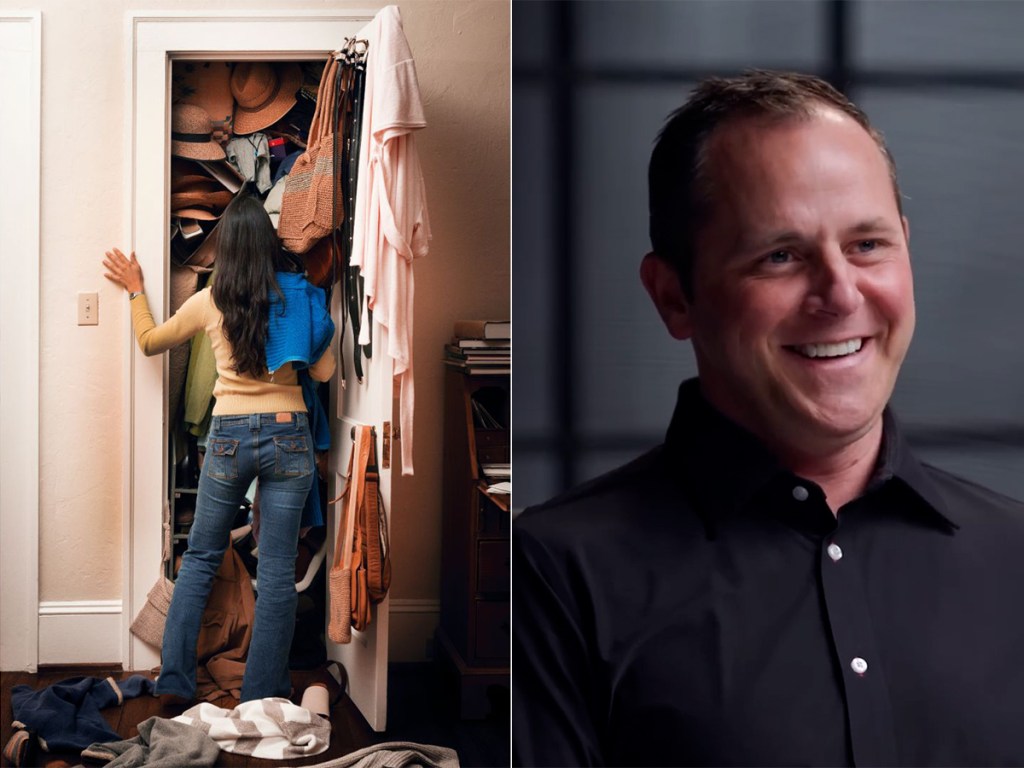
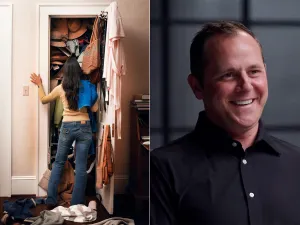
    (LEFT) A cluttered closet. (RIGHT) Chase Hughes.Photo credit: Canva and YouTube

    During an interview on The Diary of a CEO podcast, retired U.S. Navy chief Chase Hughes explained how to end discipline anxiety. Using a simple perspective shift, often referred to as the “butler” trick, he describes a method of “prioritizing the needs of our future self.”

    Hughes shares that understanding discipline is one of the fastest ways to change everything in our lives. We might wish discipline would arrive like a lightning bolt of motivation. However, Hughes suggests the solution lies in our relationship with discipline and the perspective we take on it, which ultimately relieves our anxiety.

    End discipline anxiety

    Hughes begins by explaining the importance of understanding what discipline actually is: “I define discipline as your ability to prioritize the needs of your future self ahead of your present self.” He goes on to explain that a simple reframing can change the link between discipline and anxiety.

    “If I can start looking backwards with gratitude, [it] is the fastest way to make discipline dopamine-generating,” Hughes says. “I want past-tense me to be a source of dopamine for present-tense me. Cause most of us look back with regret. ‘I shouldn’t have drank that much. I shouldn’t have mouthed off at the family reunion. You know whatever it is, I shouldn’t have overslept.’”

    discipline, butler tick, anxiety, service, community
    A butler ready to be of service.
    Photo credit: Canva

    The butler trick for discipline

    Instead, it’s possible to prioritize long-term endeavors over short-term desires. In the full YouTube video of the interview, Hughes describes the butler trick as a way of treating your future self as someone you can serve today, just like a butler. The concept of looking forward with concerned awareness and backward with gratitude can help release the connection between anxiety and discipline. This reframing and release of negativity help people better motivate themselves and manage their present circumstances.

    A 2025 study in SAGE Journals found that future self-orientation directly impacts discipline-related outcomes. This trick can lead to meaningful behavior change. By reframing our relationship with the past, we directly affect our relationship with discipline and procrastination. A 2023 study published by Springer Nature found that procrastination and self-control significantly influence attitudes toward time. How someone relates to time ultimately shapes whether discipline feels easy or overwhelming.

    Butler trick, discipline, time management, consistency, habit loops
    A woman realizes she is late.
    Photo credit: Canva

    Thoughts on the butler trick

    Viewers seemed universally impressed by the solution Hughes offers in the butler trick for discipline. Here are some of their thoughts:

    “I love it when Past Me has done something great to support Future Me. Sometimes it’s all I got, but it’s enough.”

    “This is the best advice on discipline I’ve ever heard in my life”

    “He’s giving you the blueprint for ultimate self care”

    “Be methodically organized and make your life less complicated and more suitable to your needs.”

    “I’ve heard everything can be looked at as a learning opportunity. Selfless gratitude + learning seems like a strong combo.”

    “Be my own butler. Love this!”

    self-discipline, self-mastery, perseverance, determination, butler trick
    Self-discipline is defined as controlling one’s own desires.
    Photo credit: Canva

    Discipline changes everything

    Hughes underscores the value discipline has in changing our lives:

    “Discipline is kind of the gateway drug to everything else in authority, and it’s the gateway to composure. But getting your discipline modified is one of the fastest ways to make everything else change.”

    Discipline can mistakenly be associated with punishment and rigid routine management. With Hughes’ framing, it might be better described as stewardship. Instead of battling the present, you can serve the future. The butler trick can help us all be more thoughtful toward the person we are becoming.

    You can watch the full interview with Chase Hughes on The Diary of a CEO podcast below:

Explore More Health Stories

Well-being

Love educator shares how awkward flirting can be turned into a romantic superpower

Well-being

Retired U.S. Navy chief explains how to end discipline anxiety with wholesome ‘butler’ trick

Health

Experts say you can ‘talk’ to someone using your eyebrows regardless of language or culture

Health

How birdwatching makes your brain stronger and healthier