

Some current college students welcome our A.I. overlords, especially when it comes to writing up term papers. ChatGPT has become a popular way for many students to cut corners when typing up essays, to the point where some barely write anything at all aside from the prompt. However, a study is showing that ChatGPT and other artificial intelligence programs aren’t fooling any college professors and can expose students who are slacking off.

A published international study is showing that college professors can tell which essays are genuinely written by students versus ones that are compiled and cooked up by ChatGPT. The researchers at University of East Anglia and other universities that participated in the study analyzed 145 essays written by British university students and 145 essays written by ChatGPT with both batches writing about the same topics. What they have found is that while A.I. and large language models (L.L.M.s) wrote with proper grammar and were academically coherent, all of those essays lacked engagement techniques that are typically used by humans.

The essays written by human students were easily spotted as the average one contained nearly three times more engagement features compared to the A.I.-generated essays. These engagement techniques include personal asides, rhetorical questions, reader mentions, and persuasive language that is usually used to help back up an essay’s argument or perspective. It makes the essay feel more conversational with the reader compared to facts being “talked at” by ChatGPT. Without additional, specific prompting, A.I. is incapable of making dry subject matters and content compelling to read with a personal touch.

While A.I. will likely improve over time and the growing concern to use it to outright cheat continues to grow, university officials are more concerned about the students cheating themselves. “When students come to school, college, or university, we’re not just teaching them how to write, we’re teaching them how to think – and that’s something no algorithm can replicate,” said Prof. Ken Hyland, a co-author of the study. The worry is that if students don’t write the essays themselves, they won’t exercise critical thinking skills and abilities that could help them later in their chosen careers and, frankly, life in general.

@samharrisorg

From Sam’s TED talk, “Can we build AI without losing control over it?” #SamHarris #artificialintelligence #ai #chatgpt #philosophy ♬ original sound – Sam Harris

While there is debate over the ethics of A.I. and the current environmental impact of its expansion, there are some valid methods to use A.I. as a tool for humans rather than a substitution for actual human work. For example, when it comes to writing essays, having an A.I. generated essay can be used as a teaching tool to help students learn and perfect persuasive writing techniques by filling in the blanks. In addition to that, they can learn how to better spot errors and incorrect information, as ChatGPT compiles information from the entire Internet and not just vetted sources.

There are some genuinely positive uses of generative A.I. that aren’t budging into creative fields. Scientists have successfully used it to map genomes in minutes instead of meticulously doing for days. It can be used as a cybersecurity tool to better detect threats. The finance sector can use it to develop stock forecasts, write up tax forms, and summarize financial data. But there is one key thing all of those A.I. applications have in common: they need to be fact-checked and analyzed by human experts.

As A.I. appears to become more common in our day to day lives, it’ll become more important to properly discern its applications, to realize the truth: it’s oversold as human replacement and undersold as a potentially valuable tool. We just have to become more imaginative in providing A.I. unimaginative applications.

This article originally appeared in June.

  • 17 everyday things we do now that the future will find utterly bizarre
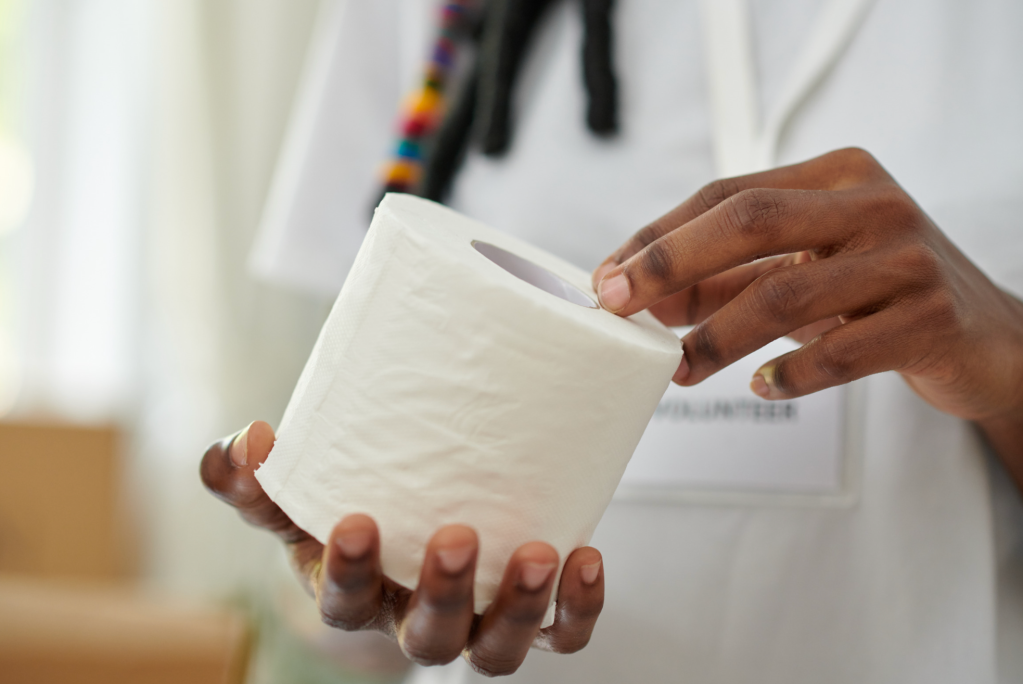
    Photo credit: CanvaA doctor holds a roll of toilet paper
    , , ,

    17 everyday things we do now that the future will find utterly bizarre

    An online community imagined looking back from the year 2075, and their predictions about our current “primitive” habits are surprisingly convincing.

    Hindsight is 20/20, but foresight is a little more complicated. Just as we look back at the Victorian era—with its arsenic makeup and child labor—and shudder, future generations will undoubtedly look back at 2025 and wonder, “What were they thinking?”

    A recent thread on r/AskReddit posed a fascinating thought experiment: “What’s something normal to us in 2025 that by 2075 will be seen as barbaric?”

    The thread exploded with over 4,500 upvotes, generating a mix of hopeful medical predictions, environmental critiques, and harsh truths about our social norms. Here are 17 of the most compelling things we do today that might horrify the history students of tomorrow.

    future predictions, 2075, barbaric habits, Reddit AskReddit, societal change, medical advancements, factory farming, child influencers, future tech, cultural shifts
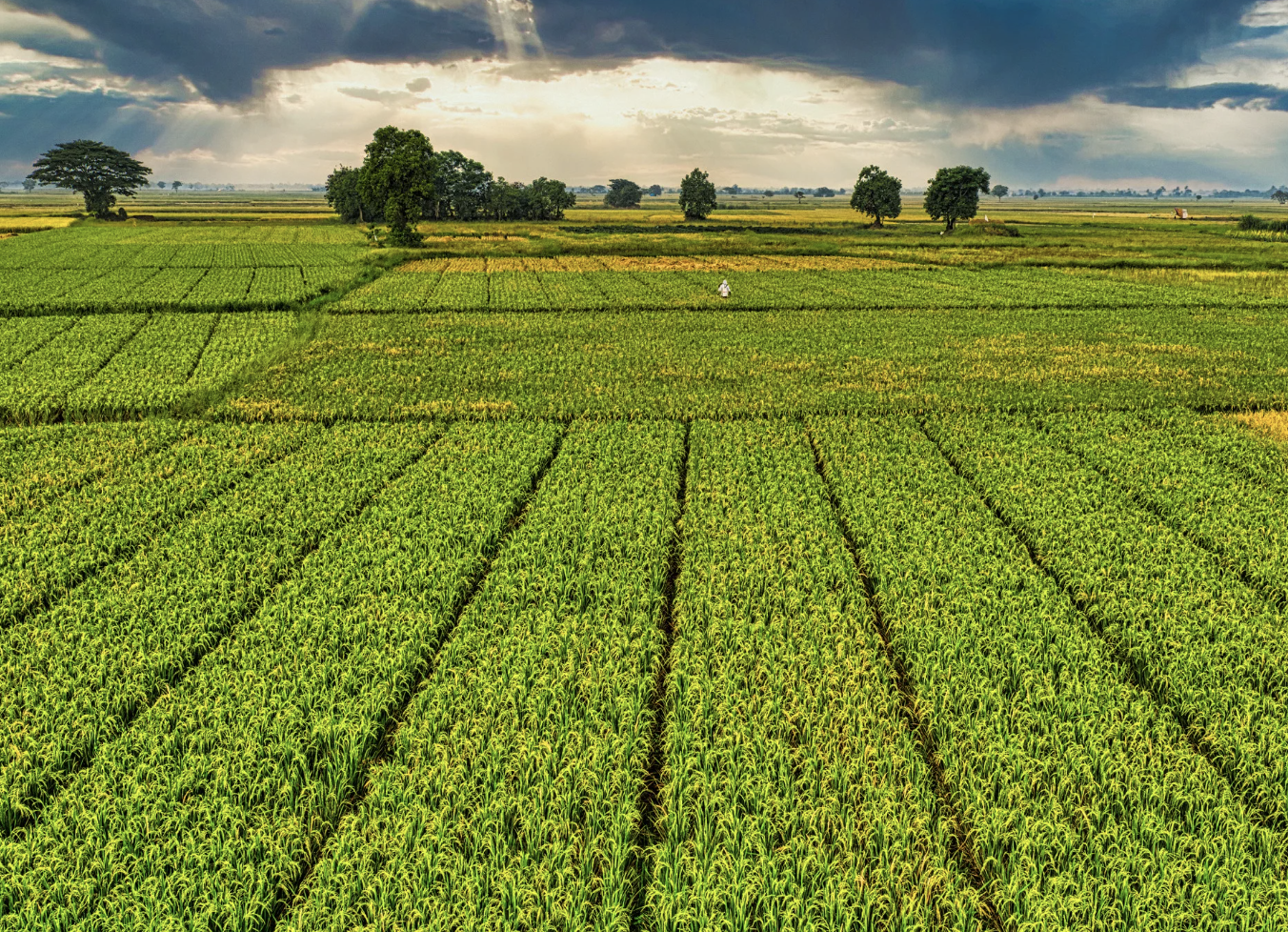
    A factory farm with rows of crops Canva

    The “Primitive” Hygiene & Diet

    1. Wiping with dry paper The concept of chopping down forests to dry-wipe our bodies baffled many users.

    “They cut down trees just to wipe themselves?!” one user imagined a future citizen asking. Another, u/Dramatic-Avocado4687, was blunt: “Wiping our asses with toilet paper.” The Future: High-tech bidets becoming the global standard.

    2. Factory farming This was a top answer. The industrial scale of animal agriculture was predicted to be looked upon with deep shame.

    “The worst hell on earth that humans have ever created,” wrote u/w0ke_brrr_4444.

    The Future: Lab-grown meat that is indistinguishable from the real thing, without the suffering.

    3. Eating animals entirely Some users went a step further, suggesting that 2075 society might be entirely vegetarian.

    “We don’t care because we don’t see it,” u/Zetsubou51 noted about our current disconnect from food sources. “Factory farms are awful for the animals and the people that work in them.”

    future predictions, 2075, barbaric habits, Reddit AskReddit, societal change, medical advancements, factory farming, child influencers, future tech, cultural shifts
    An empty hospital room Canva

    The “Dark Ages” of Medicine

    4. Chemotherapy While it saves lives today, “poisoning the whole body to kill a tumor” will likely look crude to future doctors.

    “We still poison the whole body with chemo and hope the cancer dies first,” noted u/Vocalscpunk.

    The Future: Targeted genetic therapies that delete cancer without making the patient sick.

    5. Drilling into teeth Dentistry involving drills and metal rods might be viewed the way we view Civil War amputations.

    u/nomiis19 offered a hopeful alternative: “Pull the tooth, get injection, grow a new tooth.”

    6. Ignoring women’s pain The medical industry’s historical dismissal of women’s pain was a major point of contention.

    “Not giving anesthesia with placing IUDs,” wrote u/tt_DVM2011. u/ThatRoryNearThePark shared a personal horror story: “Worst pain of my life… couldn’t sit upright for at least 48 hours.”

    7. Medical bankruptcy The idea that getting sick could make you homeless is a concept many hope will be extinct.

    “Medical bankruptcies and for-profit healthcare leaving people to die if uninsured,” wrote u/SarlacFace.

    8. Orthopedic hardware

    “Orthopedic surgery with drills, rods, and screws?” asked u/Orthocorey.

    Future surgeons might view our titanium pins and screws as barbaric carpentry rather than medicine.

    future predictions, 2075, barbaric habits, Reddit AskReddit, societal change, medical advancements, factory farming, child influencers, future tech, cultural shifts
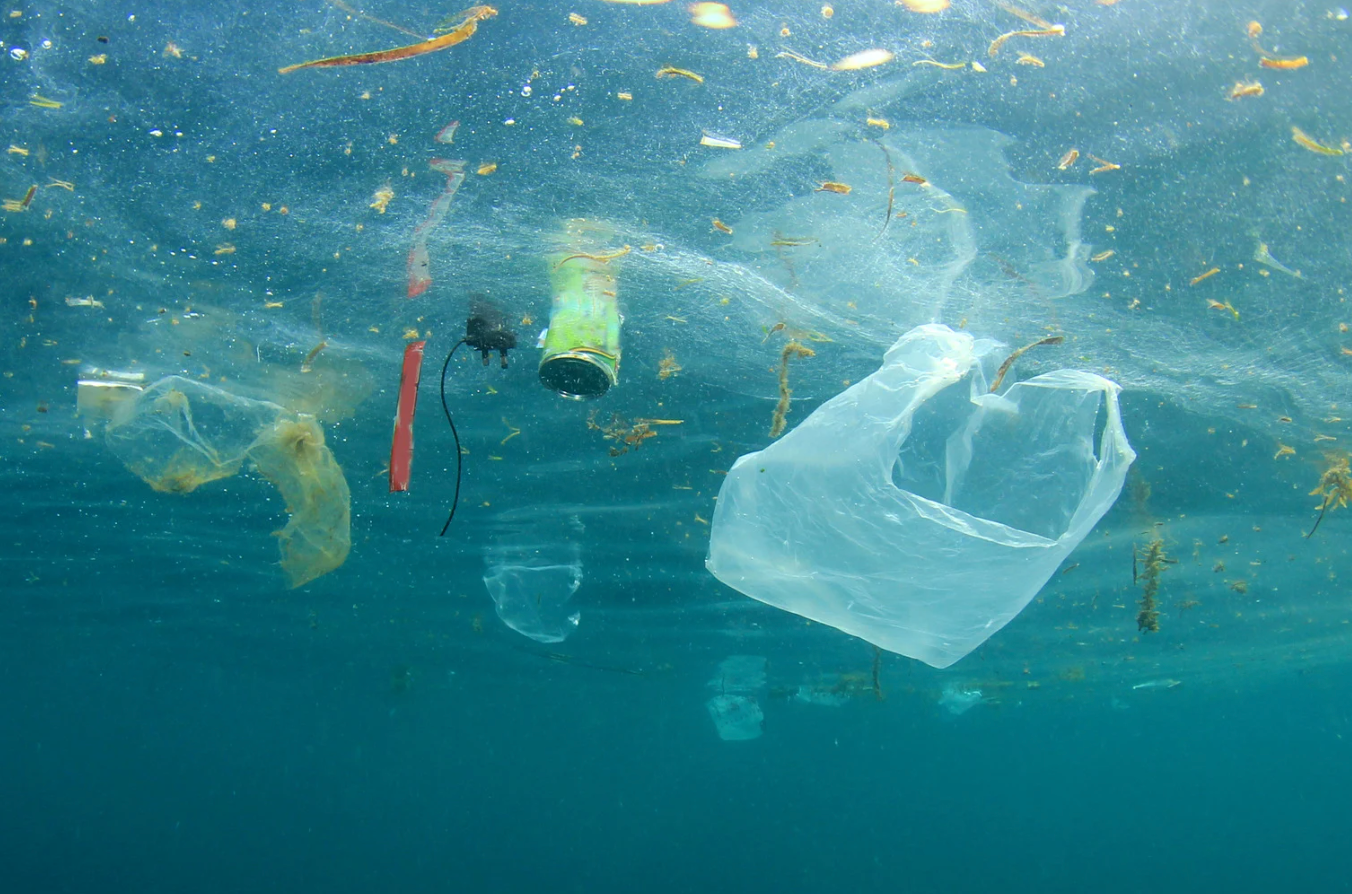
    Trash floating on the surface of the ocean Canva

    The Environmental & Social Reckoning

    9. Single-use plastics We wrap fruit in plastic, drink from plastic, and wear plastic.

    “Plastic everywhere, all the time,” wrote u/letthisbeanewstart. u/MarkNutt25 added that “plastic textiles” and microfibers will likely be viewed as an environmental disaster we willingly wore.

    10. Burning fossil fuels Burning liquefied dinosaurs to move cars will likely seem inefficient and dirty.

    u/loftier_fish offered a grim reality check: “If the answer isn’t ‘using fossil fuels,’ there will be a lot fewer humans to deem anything barbaric in 2075.”

    11. Humans driving cars We let imperfect, distracted, tired apes pilot two-ton metal death machines at 70 mph.

    “Driving yourself will seem barbaric,” predicted u/CranberryCheese1997. The Future: Fully autonomous transport networks that eliminate traffic accidents.

    12. Fast fashion The cycle of buying cheap clothes to wear once and throw away was called out by u/rabbity_devotee for filling landfills and exploiting labor.

    13. Animal entertainment

    “Drugged dolphins in resorts and whales at SeaWorld. Barbaric,” wrote u/w0ke_brrr_4444. Future generations may view zoos and marine parks the way we view old-timey circuses.

    The “What Were We Thinking?” Lifestyle

    14. Child influencers Putting children on the internet for profit before they can consent was a major ethical concern.

    “Hopefully, monetizing your children for social media will seem barbaric,” wrote u/TheWorstWitch.

    15. The 40-hour workweek

    “Working a 9-5 just to survive? Barbaric,” said u/DeathofSmallTalk1. Though u/EvaMayShadee cynically noted, “We’ll probably be working 60-hour weeks by then.”

    16. Doomscrolling Spending our one wild and precious life staring at a glowing rectangle.

    “Spending multiple hours, every day, scrolling mindlessly on social media,” predicted u/cornylilbugger.

    17. The optimistic twist Finally, one user suggested that we might be the civilized ones compared to what is coming.

    “By 2075, we’re gonna be way more barbaric… we’ll fight over everything once food gets scarce,” u/NapoleonDonutHeart warned.

    Let’s hope the optimists win this round.

    This article originally appeared earlier this year.

  • A millionaire went homeless to prove he could make $1M in a year. He lasted 10 months.
    Photo credit: CanvaA young man looks down the street
    , , ,

    A millionaire went homeless to prove he could make $1M in a year. He lasted 10 months.

    Michael Black gave up his house and savings to prove he could rebound from rock bottom, but a medical emergency forced him to face a harsh reality.

    In July 2020, entrepreneur Michael Black (known online as @mikeblack) made a radical decision. To prove that success is about mindset rather than resources, he voluntarily drained his bank accounts, gave up his apartment, and walked onto the streets with nothing but the clothes on his back.

    His goal was audacious: launch a business from scratch and generate $1 million in revenue within 12 months.

    He called it the “Million Dollar Comeback.” However, with just two months left on the clock, the experiment came to a sudden, painful halt.

    Black’s motivation came from a place of empathy. During the height of the pandemic, he watched friends lose successful businesses overnight.

    “I knew a lot of people who lost everything during the pandemic and they got really depressed,” he explained in a Nas Daily video. He wanted to document a blueprint for resilience, proving that it was possible to bounce back from absolute rock bottom.

    The beginning was brutal. He faced immediate homelessness, relying on the kindness of a stranger who let him sleep in an RV. He slowly clawed his way up, selling free furniture on Craigslist to generate seed money. By day five, he had bought a computer. Within two weeks, he had secured office space.

    But while his business acumen was sharp, his body was breaking down.

    Four months into the challenge, tragedy struck. Black’s father was diagnosed with stage 4 colon cancer. The emotional toll of managing his father’s chemotherapy while trying to survive on the streets (or close to it) began to mount.

    Simultaneously, Black’s own health collapsed. Viewers of his YouTube series didn’t know that between his hustle-focused uploads, he was secretly visiting doctors. He was eventually diagnosed with two autoimmune diseases that caused chronic fatigue and excruciating joint pain.

    In a somber 2021 update, Black announced he was pulling the plug.

    “I have officially decided to end the project early,” he told his followers. “Now, as much as it hurts me to do this, especially with just two months left, I feel like it’s the right thing to do.”

    By the time he quit, Black hadn’t made a million dollars, but he hadn’t failed completely, either. Starting from zero, he had generated $64,000 in revenue—a respectable salary for ten months of work, though far short of his seven-figure goal.

    Ultimately, the experiment taught a lesson different from the one he intended. He set out to prove that “hustle” conquers all, but he learned that health and family are the ultimate non-negotiables.

    “We have been through a lot together,” Black said in his farewell to the project. “We walked miles together and spent late nights in the office… [but] health and family come first.”

    This article originally appeared last year.

Explore More Exploration Stories

Science

Humans nearly vanished 800,000 years ago, revealing a quiet truth: most family lines disappear

Science

Researchers capture sperm whales headbutting on camera, validating what sailors have said for centuries

Exploration

Study reveals startling truth: Intelligence lowers our empathy toward other people

Exploration

Body language experts reveal the secret truth about people who walk with their hands behind their backs​