People who work from home with a cat nearby tend to recognize this moment well. The instant a laptop opens and a document appears on the screen, a cat arrives within seconds, claiming ownership of the keyboard.

It can feel like an unwelcome interruption, yet veterinarians and animal behavior specialists have identified a common pattern among domestic cats. Cats often choose to sit on objects their owners are engaged with, particularly when those things are central to human attention or activity.
pets, psychology, curiosity, scent
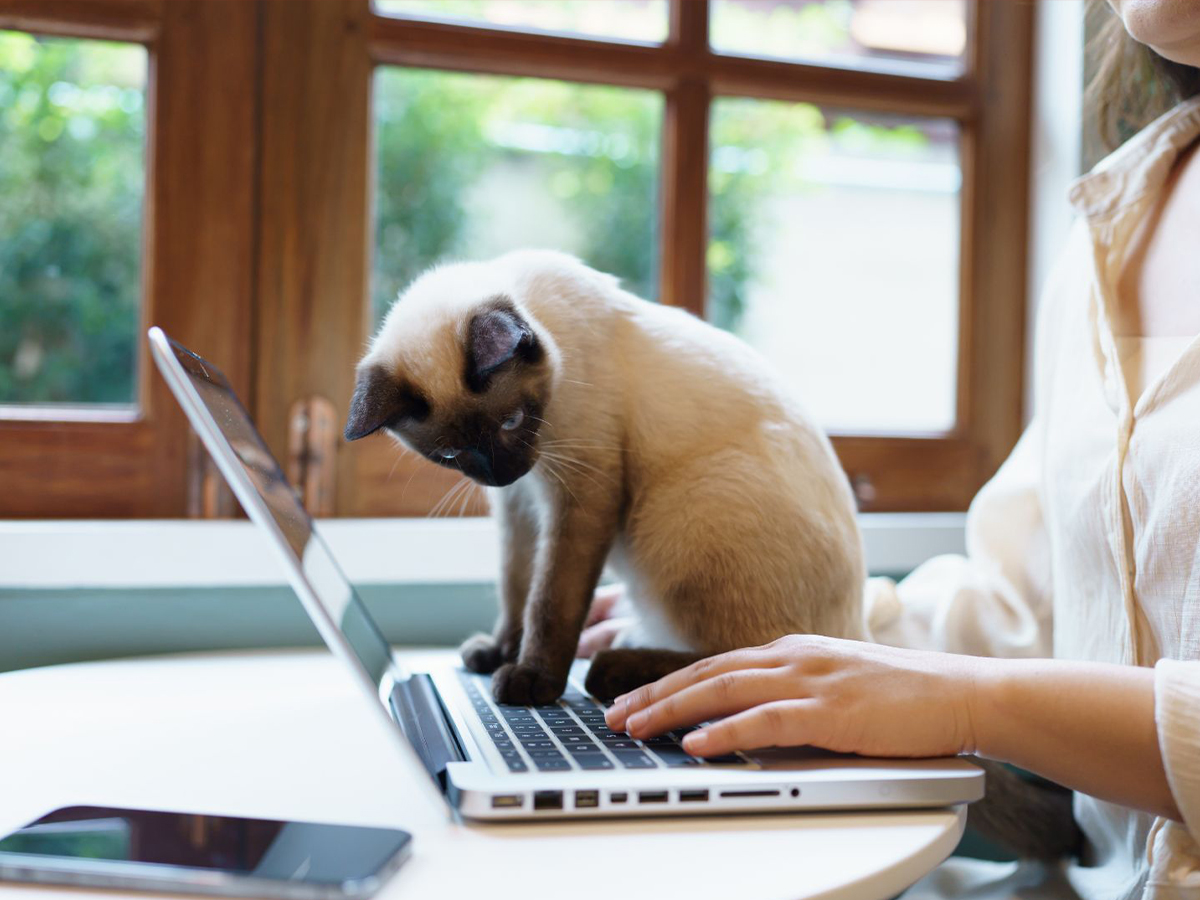
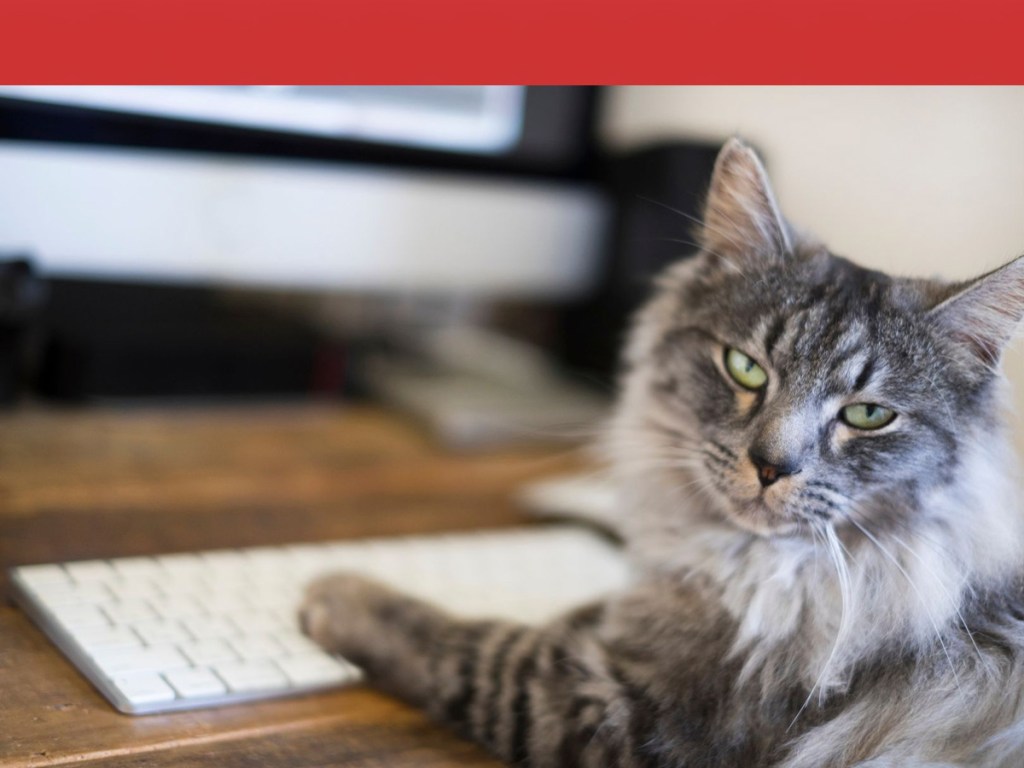
A cat with a little attitude on the computer.
Photo credit: Canva

Cats aren’t trying to be a nuisance

The first, and probably most familiar, reason a cat jumps on you and the computer when you’re working is attention. Animal behavior experts at vet-reviewed sources like Catster explain that cats repeat behaviors that reliably get responses from their owners. Why work when you can play and look at me?

Another commonly cited explanation is simple comfort. Laptops, keyboards, and similar devices radiate heat. Cats seek out these warm surfaces for napping. Daily Paws notes that warmth is one of the practical reasons cats may choose electronics over other available spaces in the home.

And let’s face it, cats are naturally curious. They are highly responsive to human activity and tend to investigate objects their owners are focused on. The laptop, papers, and even a phone being scrolled at home become sources of fascination.
cat owners, remote work, home life, domestic cats
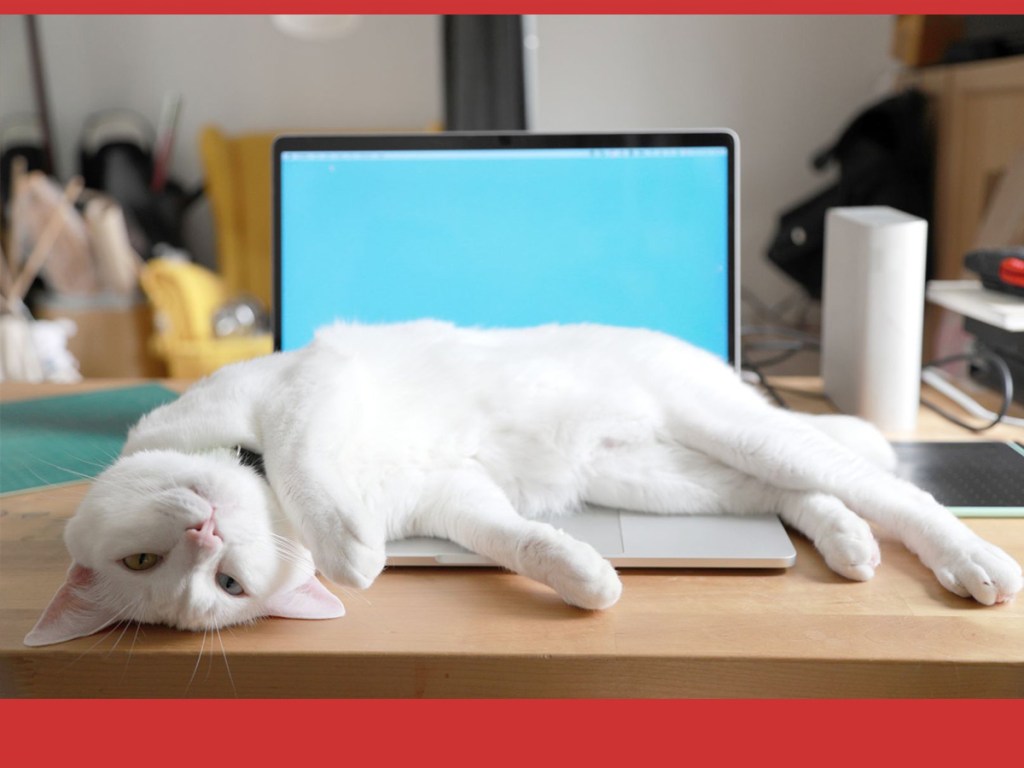
A white cat relaxes on a laptop.
Photo credit: Canva

The science behind cats lying on laptops

Research suggests there is more behind this behavior than basic attention-seeking and curiosity. Physical contact with objects can shape how cats interact with their environment, especially with items frequently handled by humans. For cats, scent helps create and strengthen connections with their owners.

“Cats are very possessive individuals,” Dr. David Sands, an expert in animal psychology, told BBC Science Focus. “For them, the more they can brush past you and deposit your scent, the better!”

The laptop is not just a warm surface but also a shared space that already carries a lot of its owner’s presence.

Research from the Tokyo University of Agriculture found that cats can differentiate between familiar and unfamiliar humans using smell alone. In everyday settings, this may explain why cats often spend time on items like clothing, beds, or computers that carry their owner’s scent. These objects are strongly associated with a favorite human.
animal science, feline behavior, pets,  animal bonds
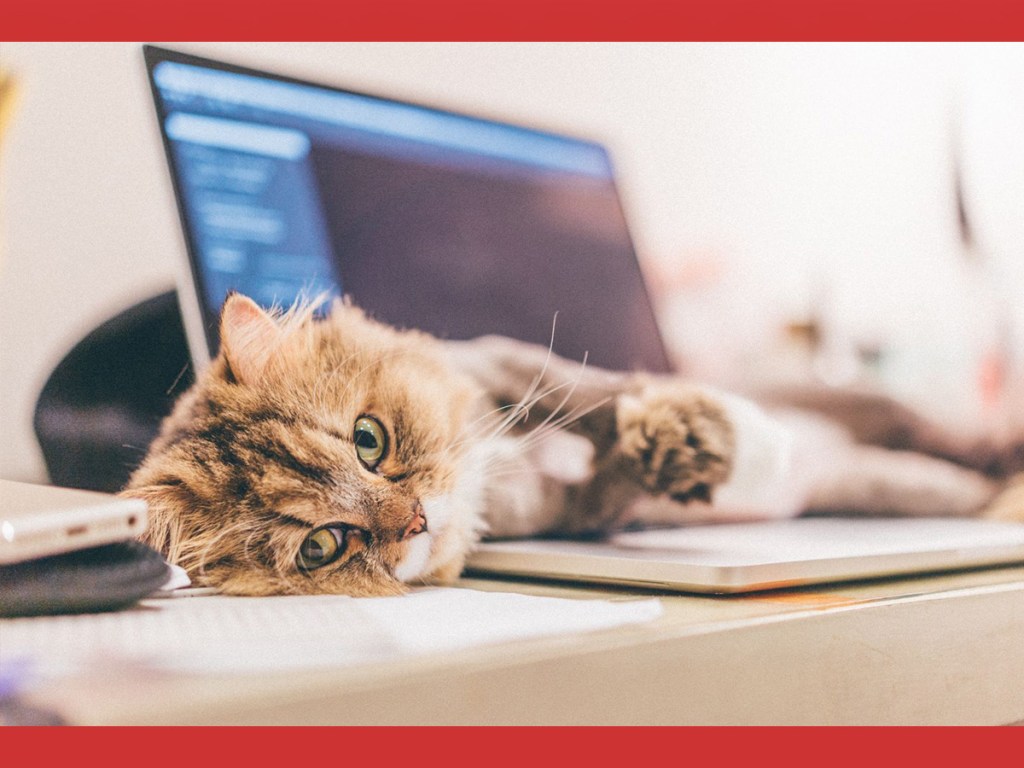
A kitty on a laptop.
Photo credit: Canva

Cats want to be close to their owners

These explanations point in a similar direction. What may seem like a deliberate effort to interrupt work is more likely the result of several well-intentioned feline behaviors. The family mouser is probably not plotting against your productivity.

From seeking warmth and comfort to investigating the objects that hold our attention to interacting with surfaces carrying our familiar scents, cats have plenty of reasons to gravitate toward a laptop. These soft and cuddly family members adapt to the people and environments around them, even if that process occasionally lands them squarely on our keyboards.

  • Girl Scouts use their cookie sale money to 3D print wheelchairs for toddlers
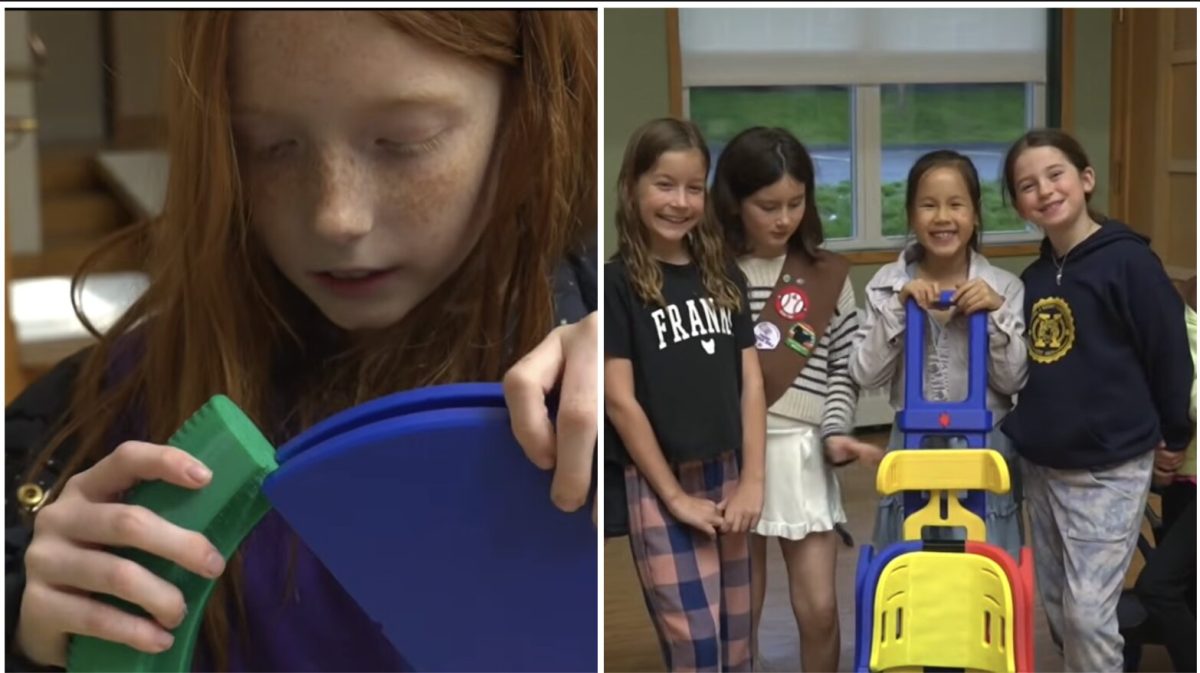
    Photo credit: WBZ/CBS News Boston via YouTubeA group of Girl Scouts are 3D printing wheelchairs for kids in need.
    ,

    Girl Scouts use their cookie sale money to 3D print wheelchairs for toddlers

    Girl Scouts step up to help their peers who need mobility devices.

    When people buy Girl Scout cookies, it’s typically known that the proceeds would go to programs and activities for that particular troop and the organization as a whole. However, for eight third-graders in Dorchester, MA, the money was paid forward to another cause. They used the funds to purchase a 3D printer to make wheelchairs for younger children.

    Along with their troop leader, Corinne Curran, the girls spent nearly $200 of the cookie profits on the supplies. It took about 200 hours for the pediatric wheelchair parts to be fully printed and less than an hour for the group to build it. 

    Kids helping kids

    “They were so excited,” Curran said to ABC News. “One of the cool parts about Girl Scouts is they know they earn this money and they can see where it’s going and how they can use it to do good, make the world a better place.”

    Curran said that the troop was inspired to build wheelchairs for fellow kids after a visit to Curran’s employer, The Boston Home. The Boston Home is a residential care center for adults with neurological conditions. After seeing the wheelchairs in use at the center, the girls wanted to provide such mobility to their peers.

    How to 3D print a wheelchair

    With this mission in mind, the troop discovered a design for a 3D printed toddler mobility trainer wheelchair through MakeGood. MakeGood is a non-profit organization that aims to provide more accessibility for those who need assistive technology. They do this by offering 3D printer designs for such devices to those who want to build them. They are also willing to pick up and deliver finished 3D printed devices to a person in need free of charge. 

    Items like toddler wheelchairs can be incredibly expensive, especially for those without health insurance coverage. According to a 2022 report by the World Health Organization and UNICEF, almost one billion children and adults need a form of assisted technology such as wheelchairs, but lack access. Because of the expense and growing need, many have turned to 3D printing to create those devices on their own. It should be noted that because these 3D printed devices are made from volunteers and aren’t regulated or clinically-approved medical equipment.

    The Girl Scouts are excited to be a part of this movement to help others, and are eager to make more wheelchairs for kids.

    “We do what the girls want to do, and this was a huge project for them. They were so excited about it,” Curran said. “They want to make another one that is multiple shades of violet. And they also said that they want to build [a power wheelchair].”

    If Girl Scouts can make a difference with something as important as free wheelchairs, many more can. You can contribute to those in need of assistive technology locally and globally via different resources available online. The Wheelchair Foundation also has a list of relevant organizations to consider.

  • Window washer’s free cleanings are saving struggling Kansas City restaurants through social media
    Photo credit: CanvaA window washer's social media is helping boost local business.

    No matter where you hang your hat in today’s world, a social media presence can impact your business. Former social media content manager turned window cleaner Davis Roethler knows this more than most. But he isn’t just using social media to boost his Window Wolf cleaning service. He’s actually highlighting other local businesses along the way.

    Knowing that the restaurant industry is one of the hardest to break even, Roethler wanted to help out struggling eateries in Kansas City. Wearing his Meta glasses, Roethler eats from a local restaurant and offers to clean their windows for free. While washing the windows, he records video from his Meta glasses to make a quick profile to promote the eatery. 

    A small video led to huge impact

    The restaurant owners aren’t only thankful for the free window cleaning, but also for the boost in foot traffic that Roether’s covert videos have provided. Yeyo’s Bakery is one of them.

    “He offered to clean our windows for free, and my wife was like, ‘Sure, why not?’” said Pedro Sagrero, co-owner of Yeyo’s Bakery to KCTV 5. “For the last two or three weeks [after Roethler posted a video], we’ve been noticing our sales are increasing tremendously. From, I would say, a hundred per day to four hundred.”

    Another restaurant, Tasty African Food KC, was struggling with an incorrect address listed on Google and low attendance. About 24 hours after Roethler cleaned their windows and posted a video about them, the restaurant’s address was corrected online and they had a line form before they opened.

    “By Friday at 9:30, and I was like, ‘Why are they out there? What’s going on?’ and so I finally just flagged one of them and said, ‘What’s going on?’” said Florence Muni of Tasty African Food KC. “I haven’t seen this much traffic since we’ve been here for two weeks, and he’s like we’re just waiting for the restaurant to open.”

    Social media creating local community

    “When you just look at the data, opening up a restaurant, from a business standpoint, it’s a terrible idea. It’s a huge risk. The numbers are not on your side,” Roethler told the Kansas City Star. “When you realize that, you realize that there’s so much opportunity in KC to help out these small businesses to make sure that they’re not part of that statistic of closing down.”

    While Roethler is a businessman, the focus on the videos was from a community perspective. While he would give a good review of the food, his videos provided a window into the people who prepared it.

    “What’s missing is like the story behind the owner and the person and the magic behind the food,” Roethler said to KCTV 5.  “But ultimately, I know it’s right when I show up and you’ve got mom or dad behind the register and you’ve got their kids working in there…that’s where I’m like, all right, they deserve the limelight.”

    The success that Roethler brings to local businesses isn’t mere social media marketing. His Instagram account has less than 10,000 followers. That number is meager compared to true influencers. But it’s the local community that does follow him that shows up to enjoy good food and uplift one another.

  • Parents trust report cards more than test scores, with consequences for kids
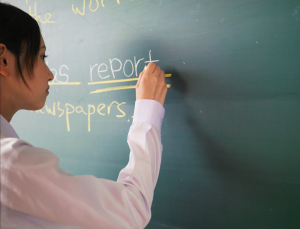
    A school report card showing straight A's.

    Jill Barshay for The Hechinger Report

    Parents trust report cards more than test scores, with consequences for kids

    Most parents want to help their children succeed. We check report cards, ask about homework and try to help our kids study. When that fails, we sometimes hire tutors. But in an era of rising grades, it’s easy to be misled.

    A new study reviewed by The Hechinger Report found that parents often assume everything is fine when their child’s report card shows mostly A’s, even when standardized test scores slide. That assumption may underestimate the help and guidance their child needs.

    In an online experiment, researchers at Oregon State University and the University of Chicago created hypothetical fifth graders, whom they called Stacey and Robert, and asked more than 2,000 parents how they would advise the children’s parents to respond to different scenarios of grades and test scores. Test scores were expressed as percentile ranks on standardized tests, such as the annual state tests that public school children take each spring, so that parents could compare Stacey and Robert with those of other children nationwide. And study participants were given an imaginary $100 per week to “spend” however they wished. Options included enrolling the child in an after-school program, hiring a tutor or saving the money for a vacation or bills. They could also invest their own time, such as helping with homework or reading together.

    Parents advised increasing time and money spent when both grades and test scores were low. Parents were less likely to provide extra help or resources when grades were high and only test scores were low. The researchers found that parents were more likely to step in when grades were low but test scores were higher.

    More than 70% of the parents said they trust grades more than tests for making decisions about their own child, and fewer than 9% said they had more confidence in tests.

    The findings appear in a draft paper that has not yet been published in a peer-reviewed journal and may still be revised. It was publicly circulated by the Becker Friedman Institute for Economics at the University of Chicago this month.

    As test scores have fallen nationwide while grades have risen, the researchers believe that parents may be underinvesting in their children. “Parents are the key to children’s success,” said Ariel Kalil of the University of Chicago. “What you need is for parents to be making investments in their kids’ skill development, and you need that parental effort to be happening early and often. Anything that depresses parent investment is a problem.”

    Kalil is concerned that this underinvestment in children is more pronounced in low-income communities, where, she said, high grades are often issued for below-grade-level skills. After the COVID-19 pandemic, schools struggled to persuade families to enroll in free tutoring and summer programs to make up for months of disrupted instruction. Many report cards showed solid grades, reducing the urgency for parents to act.

    Paired with other recent research on long-term academic and economic consequences, this study strengthens the case that grade inflation isn’t harmless. Inflated grades may feel encouraging, but they can send false signals both to students, who may study less, and to parents, who may see less reason to step in. Ultimately, it not only hurts individuals but also American labor force skills and future economic growth, the researchers argue.

    Kalil, a behavioral scientist, believes that parents have more confidence in grades because they are familiar and easier to understand. Meanwhile, score reports are complicated, and even many well-educated parents are confused about scaled scores and percentile rankings.

    A survey that accompanied the online experiment revealed that a sizable share of parents don’t trust standardized tests. Forty percent of the parents in the study said that tests were biased. Almost 30% thought student scores were a reflection of family income. Fewer than 20% of parents thought tests captured their children’s skills.

    Kalil says there’s another psychological phenomenon at play even for parents who understand and value standardized tests: the tendency to ignore bad news when it is paired with good news. “If the report card is all A’s, there’s a cognitive bias towards sticking your head in the sand and rejecting the bad information,” said Kalil.

    There were hints in the data that Hispanic families were most trusting of grades and least trusting of test scores, while Asian families were more willing to heed test results. But few Hispanic and Asian parents participated in the survey, so these patterns were not statistically significant. (Almost 70% of the respondents were white and 20% Black.) Parents with at least a bachelor’s degree also paid more attention to standardized exams.

    Solving the problem won’t be easy. The researchers say schools can do more to explain what test scores measure and how to interpret them, but better communication alone may not shift parents’ instincts. Reversing grade inflation would be the most direct solution, but that would require a broader shift across schools — something that is unlikely to happen quickly.

    In the meantime, the burden is on parents to read report cards with a critical eye. When grades and test scores don’t align, it’s worth asking why. A strong report card can be reassuring, but it may not always tell the full story of what a child knows — or what help they might need.

    This storywas produced by The Hechinger Report, a nonprofit, independent news organization focused on inequality and innovation in education, and reviewed and distributed by Stacker.

Explore More Society Stories

Public Good

Girl Scouts use their cookie sale money to 3D print wheelchairs for toddlers

Civic Life

Psychotherapist explains why Gen Z slang may be harder to decode than previous generations

Civic Life

A Cornell study says smart people are less likely to hide behind corporate buzzwords

Public Good

Window washer’s free cleanings are saving struggling Kansas City restaurants through social media